| Item | Specification |
|---|---|
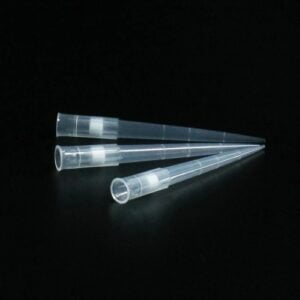
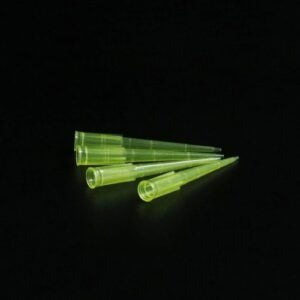
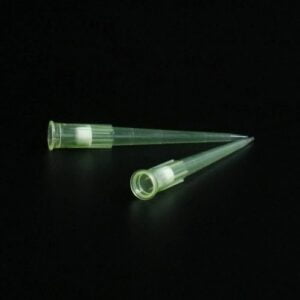
| Product Name | 30UL 50UL 70UL Automated Filtered Filter Pipette Tips |
| Product Type | Automated Pipette Tips |
| Nominal Volume Options | 30 µL / 50 µL / 70 µL |
| Filter Configuration | Filtered |
| Intended Equipment | Automated Liquid Handling Systems |
| Primary Function | Liquid Aspiration and Dispensing |
| Filter Function | Aerosol Barrier Within the Tip |
Siny Medical Automated Filtered Pipette Tips are designed for automated liquid handling applications that require controlled aspiration, dispensing, and aerosol barrier protection. Available in 30 µL, 50 µL, and 70 µL nominal volume options, these tips are intended for small-volume liquid transfers in laboratory automation workflows.
Unlike conventional manual pipette tips, automated tips must work with the mounting mechanism, pipetting head, and operating sequence of a compatible liquid handling instrument. Their physical design influences tip attachment, sealing, liquid transfer, and automated tip ejection.
The integrated filter provides an additional barrier between the liquid inside the tip and the instrument’s pipetting channel. This feature is particularly relevant when laboratories handle sensitive samples or perform repeated liquid transfers.
At Siny Medical, we supply laboratory consumables for automated sample preparation and liquid handling. Our filtered automation tips combine small-volume formats with the protective function of a filtered tip design.
Automated pipette tips form a critical connection between a liquid handling instrument and the samples it processes. Their design must support both liquid transfer and the mechanical requirements of the automated system.
The tip body holds the liquid during aspiration and guides it toward the dispensing opening.
Its geometry influences how liquid enters, remains inside, and leaves the tip. The internal profile can also affect residual liquid after dispensing.
In automated systems, these characteristics become especially important because the instrument repeats programmed movements across multiple samples.
A suitable tip design supports consistent liquid handling under the operating conditions of the intended instrument.
The filter sits inside the upper section of a filtered pipette tip, between the sample-containing region and the pipetting interface.
Its main purpose is to reduce the transfer of aerosols and accidental liquid contamination toward the instrument.
During aspiration and dispensing, small droplets or aerosols may form inside the tip. The filter provides a physical barrier that helps limit their movement into the pipetting channel.
However, a filter does not guarantee complete protection against every contamination event. Performance depends on the filter design, operating conditions, and correct use.
Automated liquid handlers require tips that attach correctly to their pipetting heads.
The mounting interface must provide an appropriate seal. Poor attachment can allow air leakage, which may affect aspiration and dispensing performance.
Tip retention is equally important. The tip must remain attached during the programmed liquid transfer and release correctly during automated ejection.
These requirements make instrument compatibility a central feature of automated pipette tip design.
The 30 µL, 50 µL, and 70 µL options identify different nominal volume formats within this product range.
Each format is associated with small-volume liquid handling. However, nominal capacity should not be confused with the validated operating range of a complete pipetting system.
Actual liquid handling performance depends on the tip, instrument, liquid properties, and programmed method.
The 30 µL format is associated with small-volume automated liquid transfers.
It may be relevant to workflows involving reagent addition, sample preparation, or microplate processing where the required transfer volumes fall within the validated range of the instrument and tip combination.
At small volumes, factors such as air leakage, liquid retention, and dispensing technique can have a noticeable effect on results.
Therefore, the selected pipetting method must match the characteristics of the complete system.
The 50 µL format provides another nominal capacity option for automated liquid handling.
It can support laboratory methods involving repeated transfers of small reagent or sample volumes.
Its suitability depends on the compatible instrument and the validated aspiration and dispensing conditions.
A 50 µL tip should not automatically be treated as interchangeable with every other tip carrying the same volume designation.
The 70 µL format provides a larger nominal capacity within this product range.
This format may be useful in workflows that require higher small-volume transfers while retaining the features of automated tip handling.
However, the physical dimensions and mounting interface remain important. A 70 µL tip intended for one automation platform may not fit another.
The selected instrument configuration determines the appropriate tip format.
| Nominal Volume | General Volume Category | Main Selection Consideration |
|---|---|---|
| 30 µL | Small-volume liquid handling | Compatibility with low-volume methods |
| 50 µL | Small-volume liquid handling | Suitable instrument and pipetting method |
| 70 µL | Small-volume liquid handling | Required transfer volume and platform fit |
These values identify nominal tip formats. They do not establish a specific accuracy tolerance, minimum working volume, or compatible instrument model.
Automated liquid handling often involves repeated aspiration and dispensing across many samples.
In these workflows, contamination control is an important part of maintaining reliable laboratory procedures.
Filtered pipette tips add a protective barrier within the disposable liquid handling component.
Aerosols can form during liquid aspiration and dispensing.
If they move toward the pipetting channel, they may contribute to contamination of the instrument or later samples.
The filter helps reduce this transfer by separating the sample-containing region from the upper pipetting interface.
This protection is useful in workflows where carryover and contamination require careful control.
Filtered tips are commonly used in laboratory procedures involving nucleic acids, molecular biology reagents, and other contamination-sensitive materials.
For example, PCR and qPCR preparation require careful handling to limit unwanted contamination.
Automated sample preparation can also involve repeated transfers between tubes, plates, and reagent reservoirs.
In these applications, filtered tips can form part of a broader contamination-control strategy.
They do not replace proper instrument cleaning, validated procedures, or suitable laboratory practices.
Filtered and non-filtered tips perform the same basic liquid transfer function. Their main difference is the presence of an internal barrier.
| Feature | Filtered Automation Tips | Non-Filtered Automation Tips |
|---|---|---|
| Internal Filter | Present | Absent |
| Main Function | Aspiration and dispensing | Aspiration and dispensing |
| Aerosol Barrier | Provides an additional barrier | No integrated filter barrier |
| Typical Use | Contamination-sensitive workflows | Routine compatible liquid transfers |
| Key Consideration | Filter position and usable volume | Instrument fit and liquid handling performance |
The filter does not automatically make a tip sterile, low-retention, or free from specific biological contaminants. Those characteristics require separate product information.
Automated pipette tips are not universally interchangeable.
Different liquid handling platforms use different mounting interfaces, pipetting head arrangements, and tip rack formats.
For this reason, compatibility involves more than selecting the correct nominal volume.
The tip must fit the instrument’s mounting interface.
An unsuitable fit can cause air leakage, incomplete attachment, or problems during automated ejection.
Even small differences in tip geometry may affect the seal between the tip and the pipetting channel.
Therefore, compatibility must be established for the specific instrument and tip combination.
Automated systems often collect tips directly from a rack or tray.
The position, spacing, and orientation of the tips must match the instrument’s loading mechanism.
Laboratory automation commonly uses formats associated with 96-well or 384-well processing. However, a volume designation alone does not identify the correct rack arrangement.
The appropriate rack format depends on the instrument and selected tip configuration.
Some automated liquid handlers use capacitive liquid-level detection.
These systems may require conductive pipette tips to support the detection method.
A filtered tip is not necessarily conductive. The two features serve different purposes.
Therefore, the instrument’s liquid-level sensing method must be considered separately from the filter configuration.
Tip ejection is part of the automated liquid handling cycle.
After dispensing, the instrument must release the used tip correctly.
An unsuitable mounting interface or rack arrangement can interfere with this process.
Reliable automated operation requires appropriate attachment, retention, and ejection characteristics throughout the programmed workflow.
The performance of automated pipette tips depends on the complete liquid handling system.
Tip construction, instrument settings, and sample properties all influence the results.
Automated pipetting relies on repeated movements under programmed conditions.
An appropriate seal between the tip and pipetting head helps maintain the pressure conditions needed for aspiration.
During dispensing, tip geometry and liquid properties can influence how much liquid remains inside the tip.
Consistent performance therefore depends on the combined behavior of the tip and instrument.
Small liquid volumes can be affected by surface tension and adhesion to the tip wall.
Residual liquid may influence the amount transferred, particularly in methods that require accurate low-volume dispensing.
Some laboratory tips use special surface treatments to reduce retention. However, filtered construction alone does not establish low-retention performance.
Specific surface characteristics must be supported by the finished product specifications.
The filter occupies space within the upper portion of the tip.
During aspiration, the liquid should remain within the intended sample-containing region.
If liquid reaches the filter, it may interfere with the intended barrier function or the pipetting process.
The usable working volume must therefore be determined from the validated tip and instrument combination.
Automated systems depend on repeatable mechanical movements.
Tip dimensions influence attachment, positioning, and ejection. Variations in geometry can affect how the instrument handles the tip.
The mounting interface and dispensing opening are especially relevant to liquid handling performance.
These characteristics should be evaluated against the requirements of the intended automation platform.
Automated filtered tips are associated with laboratory procedures that require repeated small-volume liquid transfers and additional aerosol barrier protection.
PCR and qPCR workflows require careful reagent and sample handling.
Filtered tips help reduce the risk of aerosol transfer toward the pipetting instrument during preparation.
Automated liquid handlers can also support repeated dispensing into reaction plates.
The selected tips must be compatible with the instrument and the validated molecular biology workflow.
Automated sample preparation may involve transferring lysates, reagents, and purified nucleic acid solutions.
Filtered tips can support contamination-control procedures during these transfers.
However, different sample preparation methods have different liquid handling requirements.
The appropriate tip format depends on the instrument, required volumes, and reagent characteristics.
Microplate workflows often involve repeated small-volume transfers across multiple wells.
Automated systems help standardize the programmed sequence of aspiration and dispensing.
Filtered tips may be useful when the assay requires additional protection against aerosol transfer.
The rack arrangement and pipetting head configuration must match the selected plate format.
Automated filtered tips can also support compatible liquid handling methods in research laboratories and sample processing facilities.
These workflows may involve reagent distribution, assay preparation, or sample transfer.
Their suitability depends on the intended instrument and validated method.
Proper handling helps protect the tips and maintain their intended function before use.
Before loading, check the product identification and packaging condition. Ensure that the selected tip format matches the automated liquid handling instrument.
Keep the dispensing openings and mounting interfaces free from contamination. Avoid touching surfaces that will contact samples or the instrument’s pipetting channel.
Load the tips using the correct rack arrangement and instrument procedure.
During operation, use the programmed aspiration and dispensing settings appropriate for the selected tip and liquid.
Avoid operating conditions that allow liquid to reach the filter. If a tip becomes damaged, contaminated, or unsuitable for the programmed method, replace it according to laboratory procedures.
After use, discard the tips through the appropriate laboratory waste stream. Follow additional precautions when handling biological or hazardous samples.
Store unused tips in their original packaging under suitable laboratory storage conditions. Protect them from dust, physical damage, and environmental contamination.
Automated filtered pipette tips are disposable liquid handling tips designed for compatible automated pipetting systems. They include an internal filter barrier.
The filter helps reduce aerosol and accidental liquid transfer toward the instrument’s pipetting channel.
These values identify different nominal volume formats. Actual working ranges depend on the specific tip and instrument combination.
No. Automated tips must match the instrument’s mounting interface, pipetting head, and loading format.
No. Filtered and sterile describe different product characteristics. Sterility must be established separately.
Filtered tips are commonly used in PCR preparation to help reduce contamination risks. The selected product must also meet the requirements of the laboratory method.
No. They provide an additional aerosol barrier but do not replace appropriate laboratory procedures and contamination-control measures.
No. Conductive properties and filter construction are separate features.
Not necessarily. The validated working range and accuracy depend on the tip, instrument, and pipetting method.
Incorrect tip geometry can affect attachment, sealing, liquid transfer, and automated ejection.
Siny Medical supplies automated filtered pipette tips in 30 µL, 50 µL, and 70 µL nominal volume formats for laboratory liquid handling applications. We focus on filtered tip functionality, small-volume handling, and the importance of instrument compatibility.
Explore our laboratory consumables or contact Siny Medical to discuss tip dimensions, automation platform requirements, and product supply inquiries.
Copyright © 2026 | Ningbo Siny Medical Technology Co., Ltd