The safety of healthcare professionals and patients is a cornerstone of modern medical practice. Every day, millions of injections and blood draws occur across the globe. While these procedures are routine, they carry an inherent risk: accidental punctures. Understanding how modern technology addresses this is vital. So, how do safety injection needles prevent needle stick injuries? These specialized devices incorporate advanced engineering to shield the sharp tip immediately after use, significantly reducing the chance of accidental exposure to bloodborne pathogens.
In this comprehensive guide, we will explore the mechanics of safety technology, the impact of workplace accidents, and why transitioning to high-quality medical supplies from Siny Medical is a critical step for healthcare facilities worldwide.
Table of Contents
- 1 Understanding Needle Stick Injuries in Healthcare
- 2 Design Features That Prevent Needle Stick Injuries
- 3 How Safety Needles Reduce Needle Stick Injuries During Blood Collection
- 4 Manufacturing Standards That Improve Needle Safety
- 5 The Critical Role of Proper Disposal in Preventing Needle Stick Injuries
- 6 Practical Tips for Selecting the Right Blood Collection Needles
- 7 How Safety Needles Prevent Bloodborne Disease Transmission
- 8 Best Practices for Using Safety Devices
- 9 Why Choose Siny Medical for Your Safety Needs?
- 10 Summary
- 11 FAQs
Understanding Needle Stick Injuries in Healthcare
Needle Stick Injuries occur when a needle accidentally punctures the skin, typically during or after medical procedures. These incidents are most common among nurses, laboratory technicians, physicians, and phlebotomists.
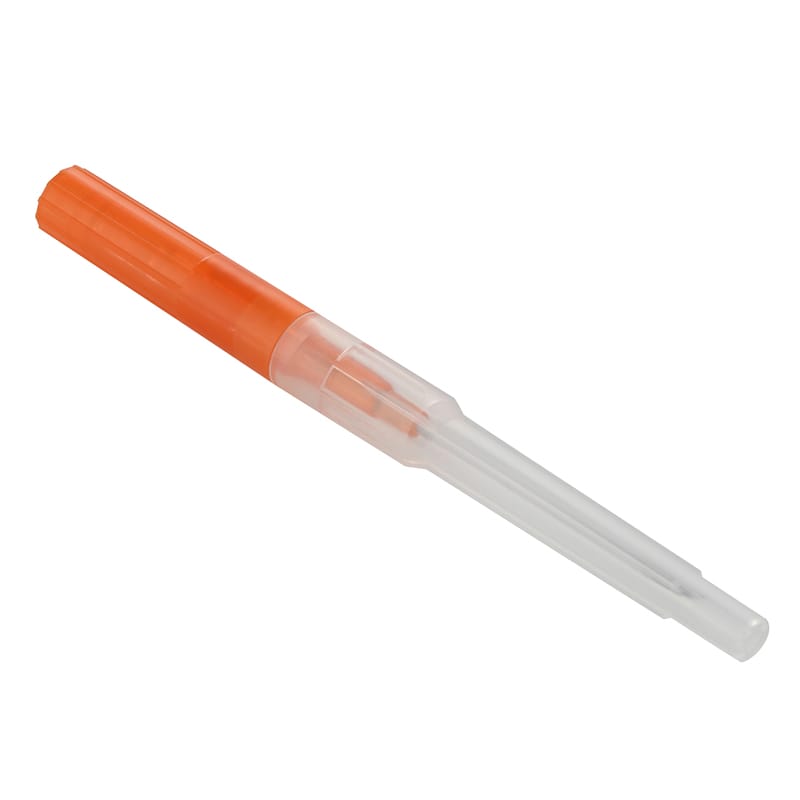
According to the U.S. Centers for Disease Control and Prevention (CDC), hundreds of thousands of needle stick incidents occur globally each year in healthcare environments. These injuries often happen during activities such as:
- Drawing blood
- Administering injections
- Handling sharps after use
- Improper needle disposal
A detailed explanation of the risks and prevention strategies can be found in this educational guide on needle injury prevention from needle stick injury prevention strategies.
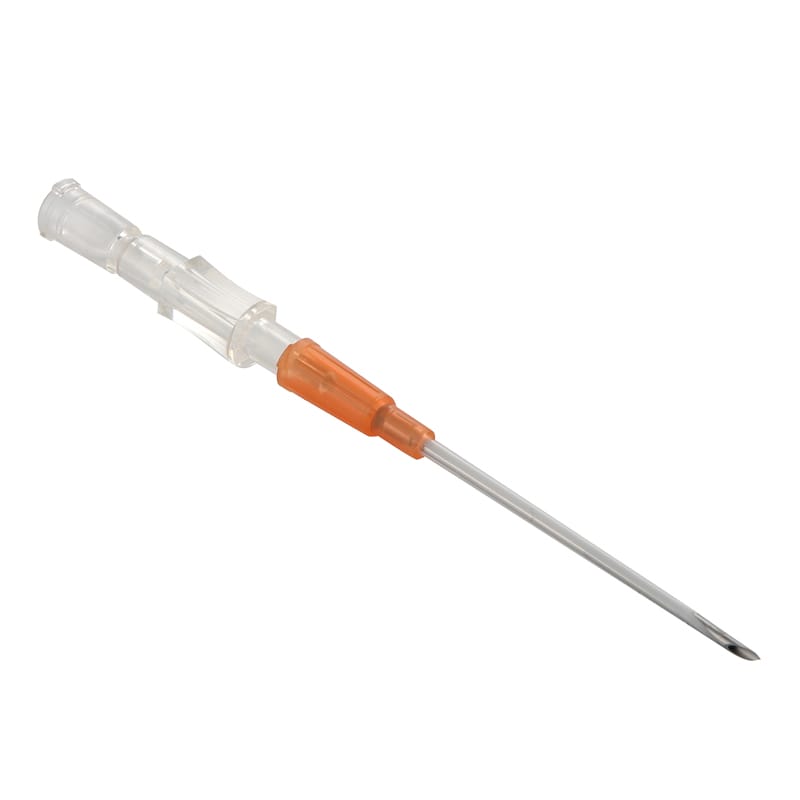
Even with strict protocols, traditional needles can easily cause injuries. That is why safety-engineered needles have become a critical part of modern infection control.
Why Needle Stick Injuries Are Dangerous
The biggest danger associated with Needle Stick Injuries is exposure to bloodborne pathogens. These pathogens spread through contaminated blood entering the body through puncture wounds.
Healthcare workers face potential exposure to:
- Hepatitis B Virus (HBV)
- Hepatitis C Virus (HCV)
- Human Immunodeficiency Virus (HIV)
The World Health Organization (WHO) reports that unsafe injection practices contribute to millions of infections globally every year.
If you want to understand how blood collection procedures work safely, you can review this step-by-step resource on how to draw blood safely.
Beyond infection risks, needle injuries also lead to:
- Psychological stress for healthcare workers
- Costly medical testing and monitoring
- Reduced workplace productivity
- Legal liability for healthcare institutions
Preventing these injuries is therefore essential for both staff safety and hospital management.
What Are Safety Injection Needles?
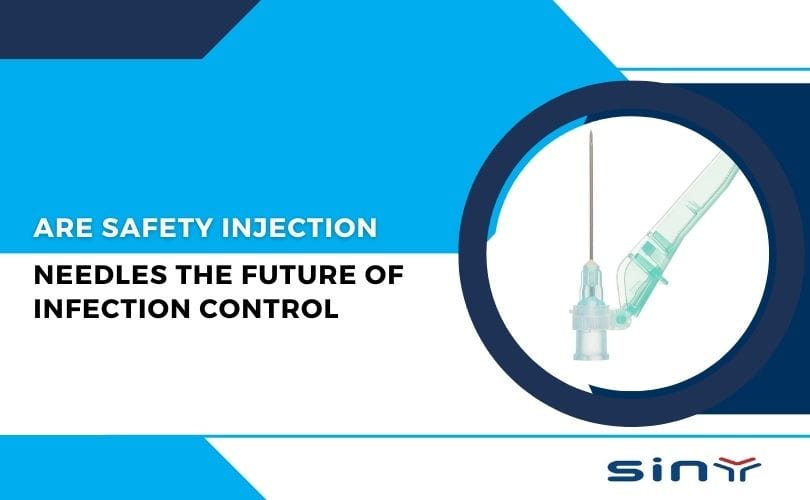
Safety injection needles are specially engineered medical devices designed to reduce accidental needle exposure before, during, and after use.
Unlike traditional needles, these devices incorporate protective features that automatically shield or retract the needle after the injection or blood collection procedure.
Healthcare providers commonly use these devices during:
- Blood collection
- Vaccination
- IV therapy
- Diagnostic sampling
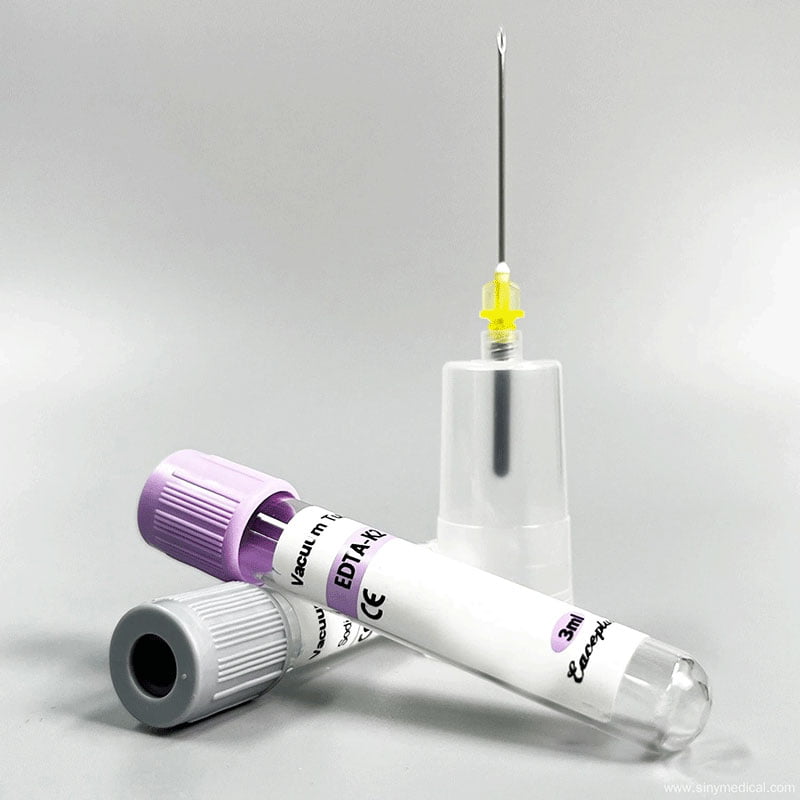
A wide selection of modern safety needle systems can be explored.
These safety innovations dramatically reduce Needle Stick Injuries, especially when combined with proper training and disposal procedures.
Design Features That Prevent Needle Stick Injuries
Modern safety injection needles include multiple protective mechanisms designed to prevent injuries.
Retractable Needle Technology
Retractable needles automatically pull the needle back into the device after use. This eliminates exposed sharps that might injure medical staff.
Retractable technology works through:
- Spring-loaded mechanisms
- Button-activated systems
- Pressure-triggered retraction
Once retracted, the needle remains safely locked inside the device.
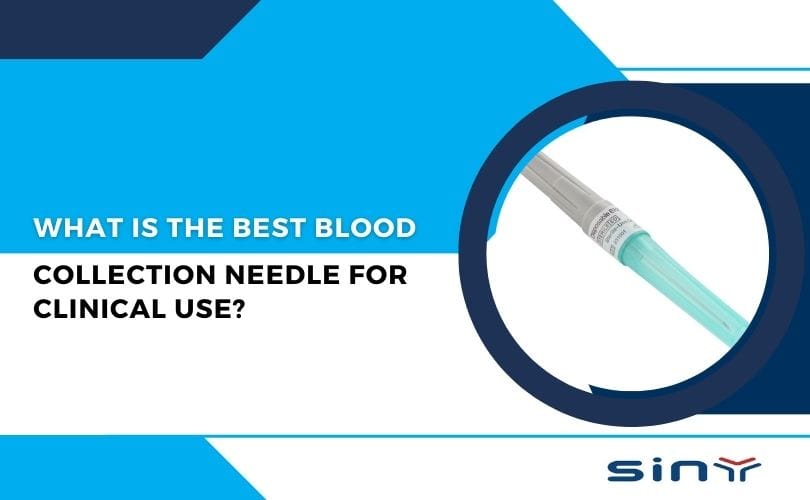
Many modern systems, including the https://www.sinymedical.com/product/siny-medical-safety-blood-collecting-needle,
use this feature to significantly reduce Needle Stick Injuries.
Protective Needle Shields
Some safety needles include sliding or rotating shields that cover the needle immediately after use.
These shields can be activated with a single hand, allowing clinicians to maintain control during procedures.
The main advantages include:
- Immediate protection after use
- Reduced accidental contact
- Minimal change to existing workflow
Double-Wing Butterfly Safety Design
Butterfly needles are widely used for blood collection because they provide greater stability and control.
Safety versions incorporate protective mechanisms that activate once the blood draw is complete.
A good example is the
https://www.sinymedical.com/product/siny-medical-disposable-18g-safety-butterfly-blood-collection-needle/.
These designs significantly reduce Needle Stick Injuries during blood collection procedures.
More information about these devices is available in the guide to Butterfly needle.
How Safety Needles Reduce Needle Stick Injuries During Blood Collection
Blood collection is one of the most common procedures that cause Needle Stick Injuries.
Phlebotomists perform hundreds of venipunctures every week. During this process, risks arise when:
- Removing the needle from the patient
- Transferring blood tubes
- Disposing of the needle
Modern blood collection systems include safety mechanisms that activate automatically once the needle is withdrawn.
Manufacturing Standards That Improve Needle Safety
The safety of medical needles also depends heavily on manufacturing quality.
Reliable manufacturers follow strict production protocols to ensure:
- Precise needle tip geometry
- Strong protective mechanisms
- Sterile packaging
- Reliable activation systems
An overview of the production process is explained in blood collection needle manufacturing. High-quality manufacturing ensures that safety devices activate consistently, which directly helps prevent Needle Stick Injuries.
The Critical Role of Proper Disposal in Preventing Needle Stick Injuries
Even with the most advanced safety injection needles, proper disposal remains a critical component of comprehensive needle safety programs. The improper disposal of needles creates risks not only for healthcare workers but also for environmental services staff, patients, and the broader community.
Sharps containers are specifically designed to safely contain used needles and other sharp medical devices. These containers should be strategically placed throughout healthcare facilities in locations where injections are performed, ensuring they are easily accessible without requiring healthcare workers to travel long distances with used needles.
Safely disposing of sharps containers requires following specific guidelines to prevent overfilling and potential exposure. Containers should be replaced when they reach approximately three-quarters full to ensure that needles can be easily deposited without risk of injury. The containers themselves should be made of puncture-resistant material with secure lids to prevent accidental exposure.
Disposal Procedures for Safety Injection Needles
Safety injection needles provide protection during the disposal process, but healthcare workers must still follow proper procedures to ensure maximum safety. To maintain a secure environment, clinicians should activate the safety mechanism immediately after use and before disposal. Always verify that the mechanism fully covers or retracts the needle before placing it in the sharps container.
For devices with retractable mechanisms, healthcare workers should maintain control of the device until the needle is fully retracted and locked in position. This prevents potential activation of the retraction mechanism at an inopportune moment, which could cause splattering of blood or other fluids.
Practical Tips for Selecting the Right Blood Collection Needles
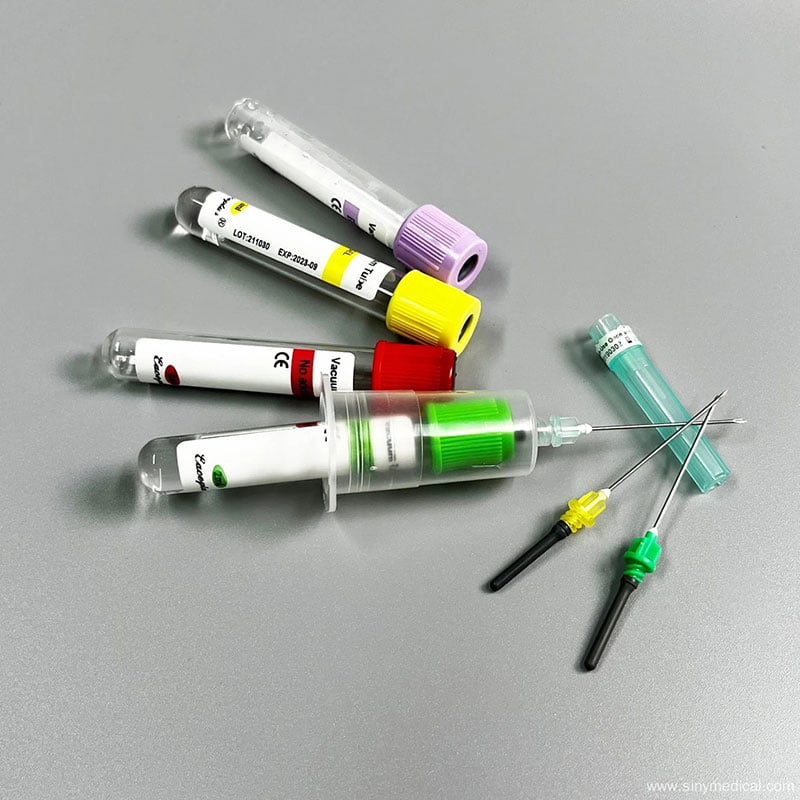
Choosing the right equipment is about more than just safety; it is about patient comfort and clinical efficiency. When selecting the right blood collection needles, consider the following:
- Gauge Size: Ensure the needle is appropriate for the patient’s veins to prevent hemolysis.
- Mechanism Type: Choose between retractable or shielded based on staff preference and training.
- Ease of Use: If a safety device is too complicated, staff might bypass the safety feature.
- Compatibility: Ensure the needles work with your existing vacuum tubes and holders.
For more information on the technical specifications of these tools, you can explore the butterfly needle category to find the perfect fit for your clinical needs.
How Safety Needles Prevent Bloodborne Disease Transmission
The prevention of needle stick injuries is directly linked to the prevention of disease. When a needle is contaminated with “hot” blood, even a microscopic puncture can transmit pathogens. We have analyzed this in-depth in our article on how safety injection needles prevent bloodborne disease transmission.
The safety mechanism acts as a physical barrier. This protection extends beyond the nurse or doctor to the janitorial and waste management staff who handle the bins later.
Best Practices for Using Safety Devices
Simply having the technology is not enough. To truly eliminate needle stick injuries, proper protocol must be followed:
- Inspect the Packaging: Never use a needle if the sterile seal is broken.
- Activate Immediately: The safety feature should be activated the moment the needle leaves the patient’s skin.
- Single-Handed Activation: Always use the design features that allow for one-handed shielding.
- Dispose Properly: Even a safety needle must be placed in a puncture-resistant container. Learn how to safely dispose of a sharps container to maintain a sterile environment.
- Report All Incidents: If a needle stick occurs, it must be reported immediately to ensure the worker receives testing and treatment.
For those interested in the clinical technique of using these tools, WikiHow provides an excellent guide on how to draw blood safely and effectively.
Why Choose Siny Medical for Your Safety Needs?
Quality and reliability are non-negotiable in the medical field. Siny Medical has established itself as a leader in the industry by focusing on user-centric designs.
From the latest blood collection needle designs to specialized safety butterfly sets, every product undergoes rigorous testing. You can watch their products in action and see manufacturing insights on the Siny Medical YouTube channel.
If you are looking to upgrade your facility’s safety standards, the team at Siny Medical is ready to help. You can contact Siny Medical directly to discuss bulk orders and customized solutions for your healthcare practice.
Summary
In conclusion, safety injection needles are an indispensable tool in the modern medical landscape. By utilizing retraction, shielding, and blunting technologies, these devices provide a physical and psychological safety net for healthcare workers. Preventing needle stick injuries is not just about following a checklist; it is about choosing the right equipment, such as that provided by Siny Medical, and maintaining a culture of safety. As technology continues to evolve, the risks associated with sharps will continue to decline, leading to a safer environment for everyone involved in patient care.
FAQs
1. What are the most common causes of needle stick injuries?
The most common causes include recapping needles manually, passing sharps between staff members, and improper disposal in overfilled sharps containers. Using safety-engineered devices is the best way to mitigate these risks and reduce the incidence of needle stick injuries in a clinical setting.
2. How do safety injection needles differ from standard needles?
Unlike standard needles, safety injection needles feature a built-in mechanism—such as a retracting spring or a locking shield—that covers the sharp tip after use.
3. Can safety needles be reused if the safety feature isn’t activated?
No, medical needles are strictly single-use devices. Reusing any needle poses a massive risk of infection. Furthermore, most safety mechanisms are designed to lock permanently once activated, which helps prevent reuse and further lowers the risk of needle stick injuries.
4. Are safety butterfly needles as effective for blood draws?
Yes, they are highly effective. Devices like the safety butterfly needle provide the same precision as traditional versions but add a layer of protection. They are particularly useful for patients with fragile veins, helping to prevent needle stick injuries during difficult blood collection procedures.
5. What should I do immediately after a needle stick injury occurs?
If you experience an injury, wash the site with soap and water immediately. You must report the incident to your supervisor and seek medical evaluation to start any necessary post-exposure treatments. Tracking these events helps facilities improve their protocols to prevent future needle stick injuries.