When it comes to clinical procedures, few tools are as fundamental as the blood collection needle. Healthcare professionals around the world perform venipuncture procedures daily, making the selection of the best blood collection needle a critical decision that impacts both patient comfort and diagnostic accuracy. With numerous options available on the market, understanding the differences between various types of needles and their specific applications is essential for medical facilities aiming to provide optimal care while maintaining safety standards.
In this comprehensive guide, we’ll explore the factors that determine what makes a blood collection needle superior for clinical use. We’ll examine different needle types, gauge sizes, safety features, and innovations that are transforming phlebotomy practices. Whether you’re a healthcare professional looking to update your facility’s supplies or simply interested in medical technology, this article will provide valuable insights into selecting the most appropriate blood collection needles for various clinical scenarios.
Table of Contents
- 1 Understanding Blood Collection Needles in Clinical Practice
- 2 Why Choosing the Best Blood Collection Needle Matters
- 3 Needle Gauge and Its Role in Blood Collection
- 4 Step-by-Step Blood Collection Procedure
- 5 How to Choose the Best Blood Collection Needle for Your Clinic
- 6 Choosing the Right Needle for Different Clinical Scenarios
- 7 Siny Medical’s Blood Collection Needle Solutions
- 8 Conclusion
- 9 FAQs
Understanding Blood Collection Needles in Clinical Practice
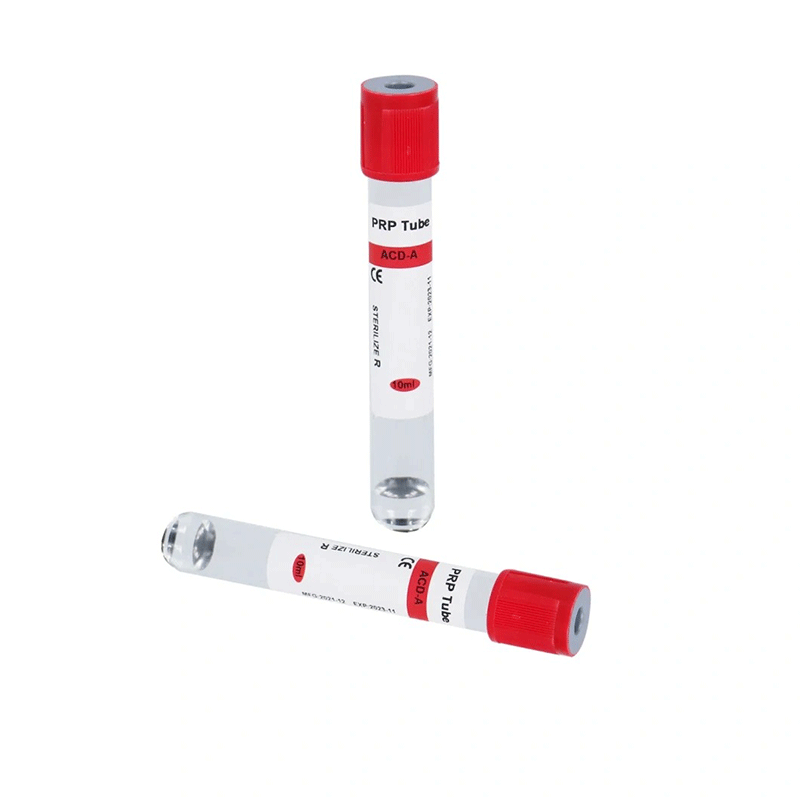
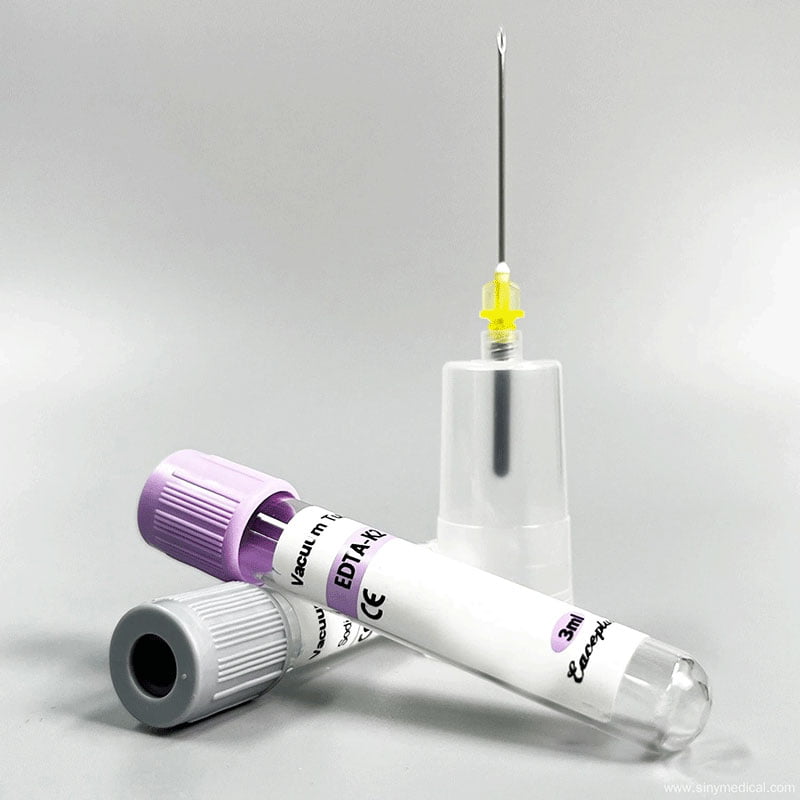
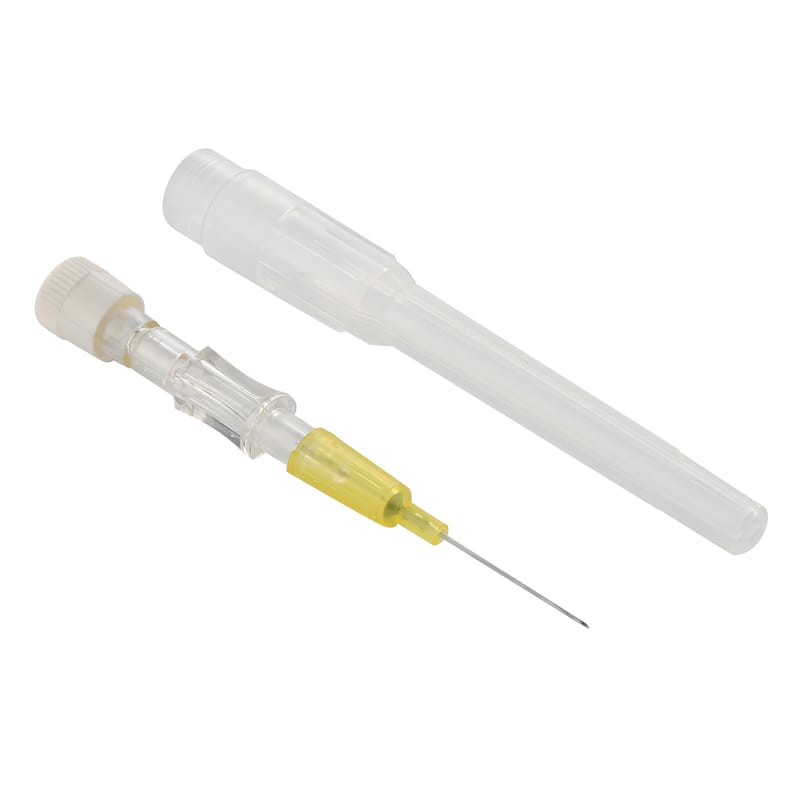
Blood collection needles are specialized medical devices designed to safely draw blood from veins for laboratory testing. They are commonly used in hospitals, laboratories, diagnostic centers, and outpatient clinics.
These needles connect to collection tubes or syringes and allow healthcare professionals to obtain blood samples quickly and efficiently.
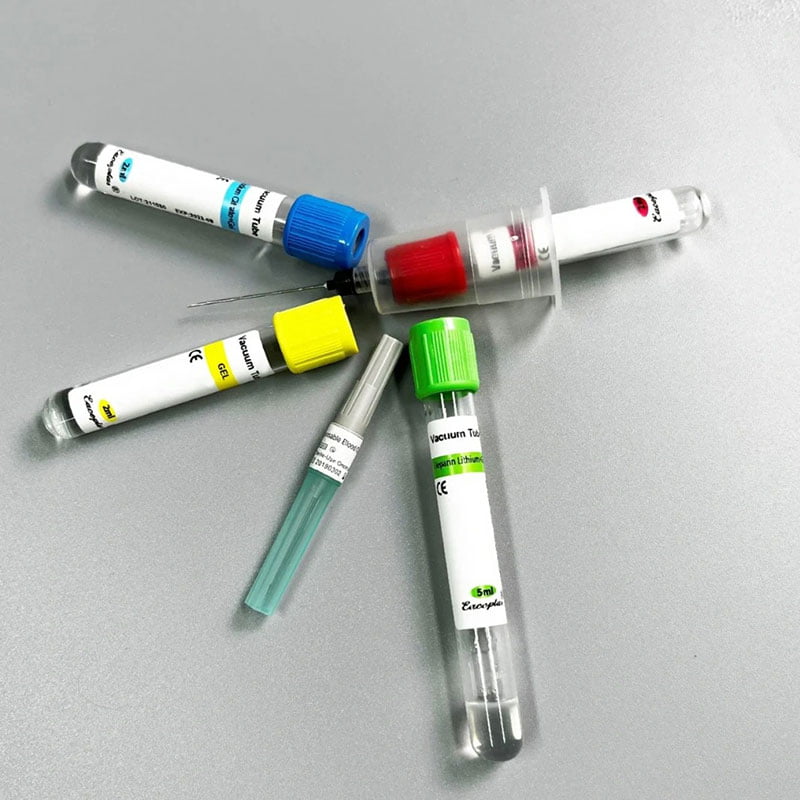
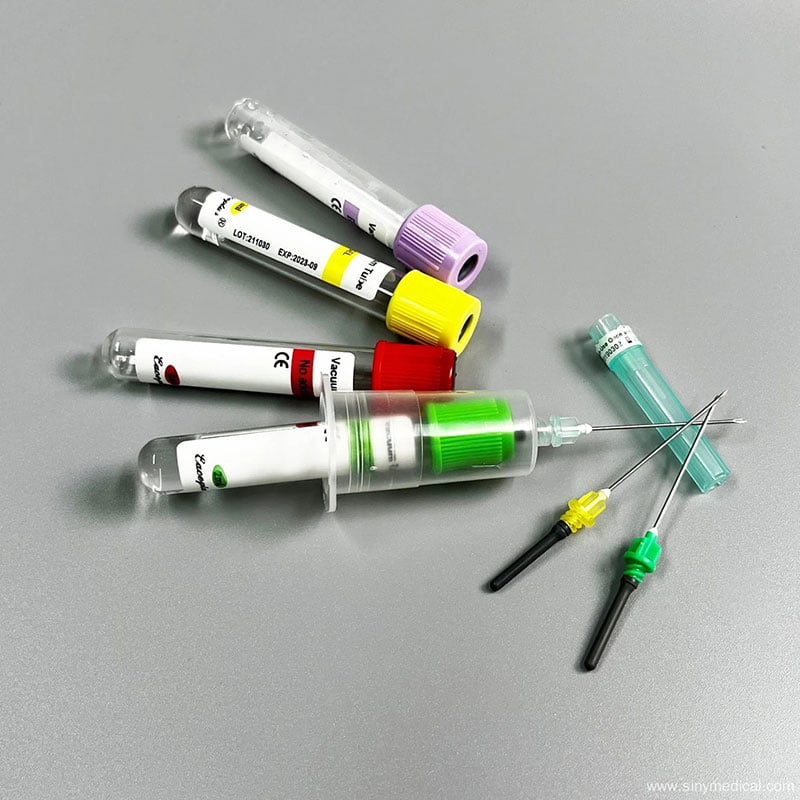
A standard blood collection system includes:
| Component | Function |
|---|---|
| Needle | Penetrates the vein |
| Hub | Connects the needle to the holder |
| Tube holder | Holds vacuum collection tubes |
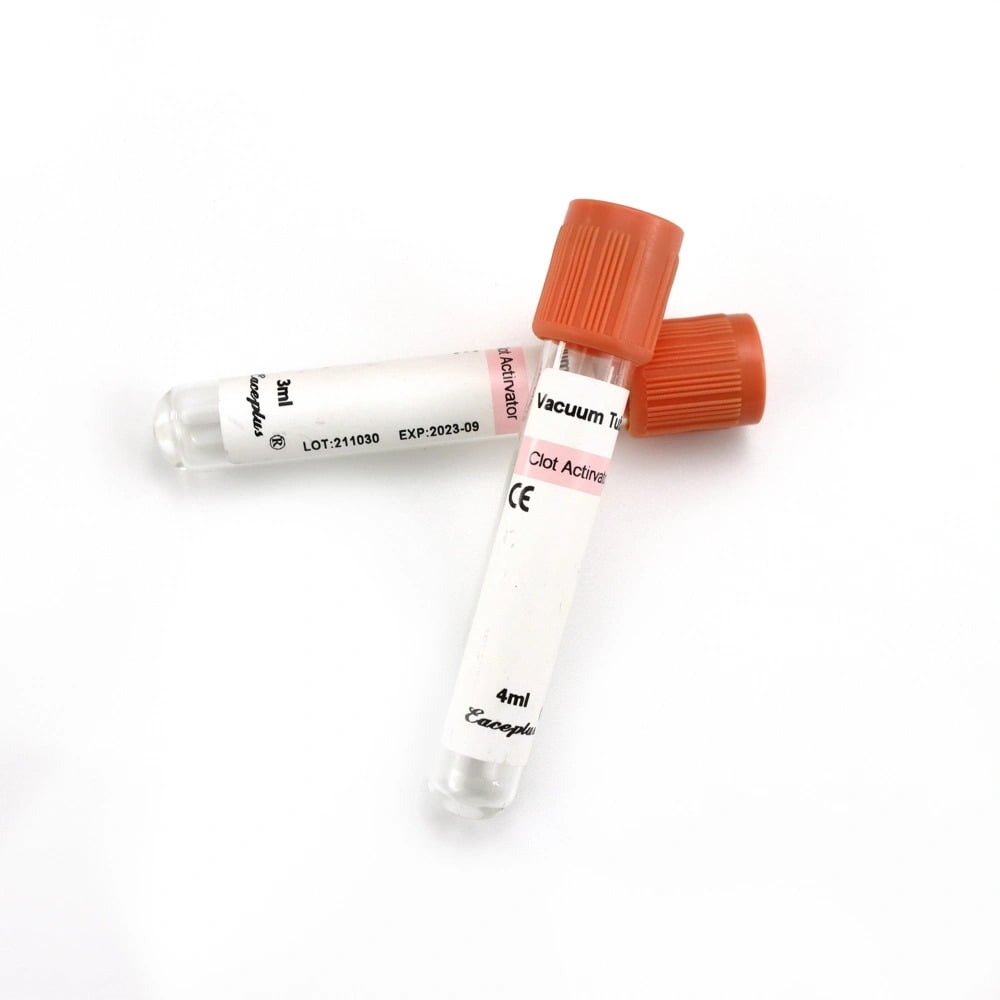
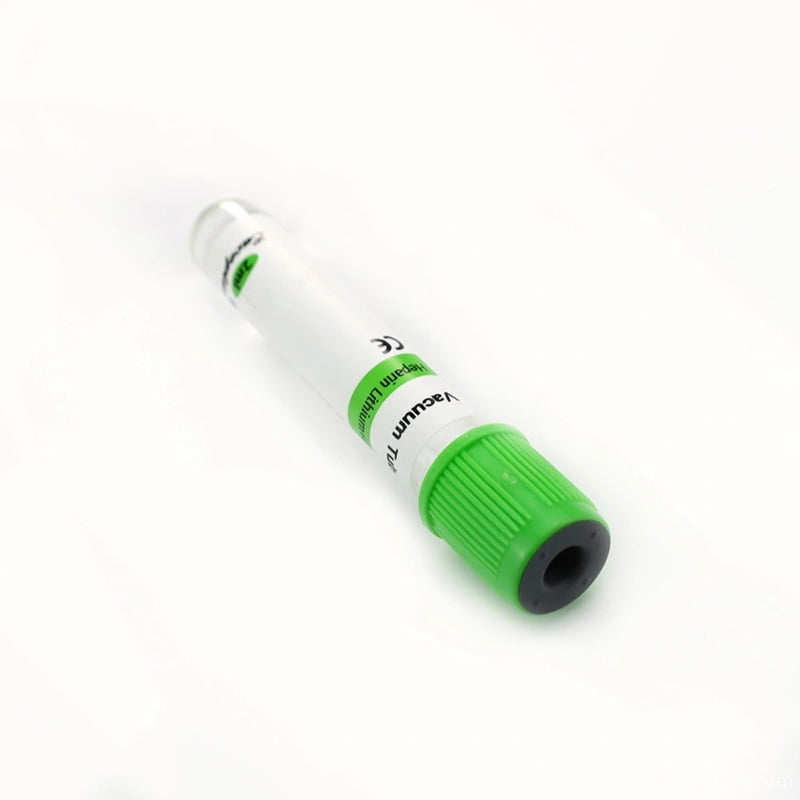
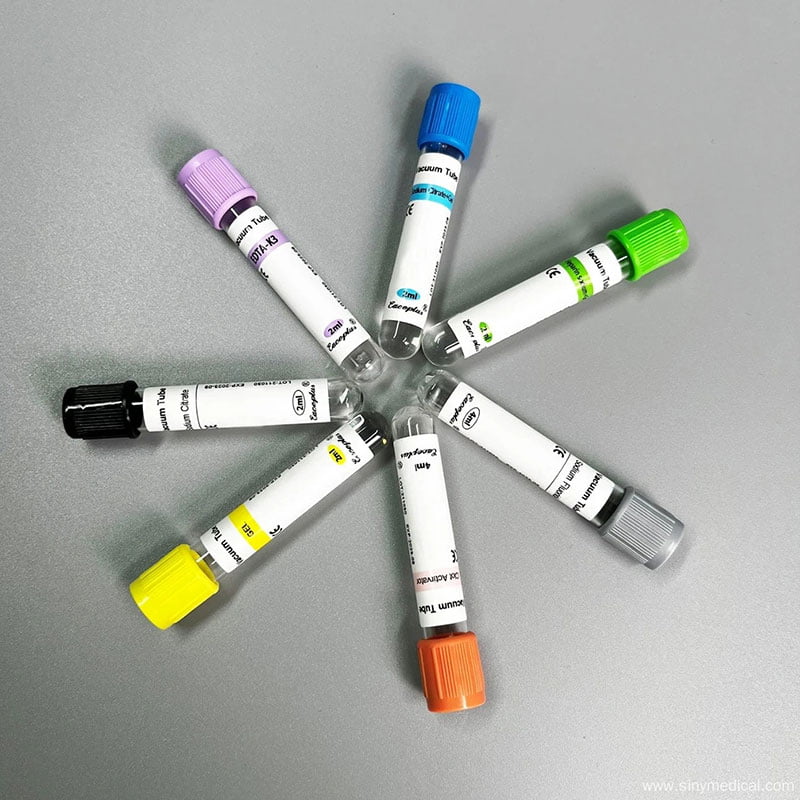
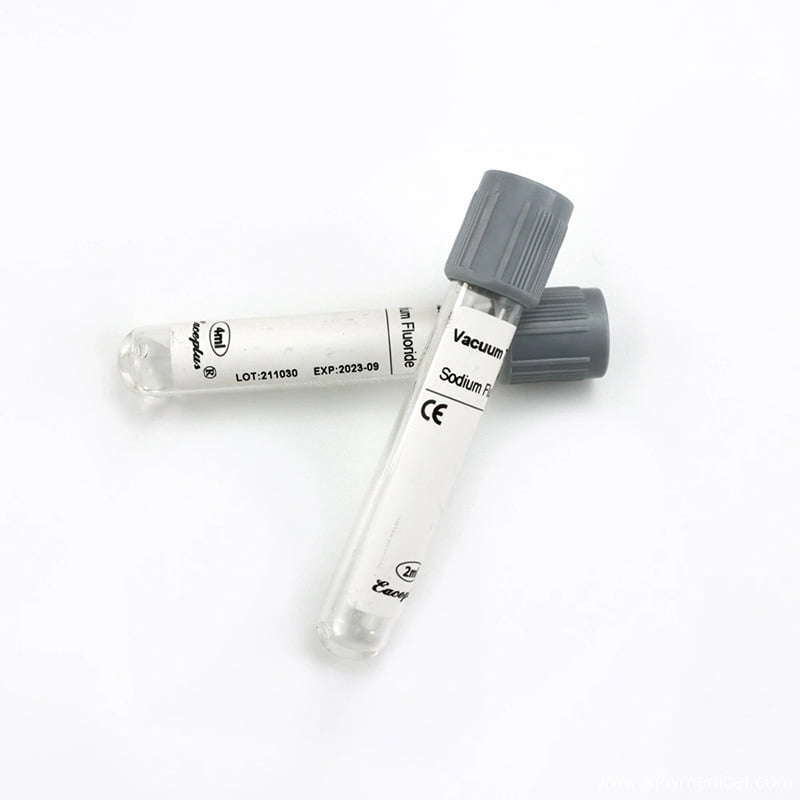
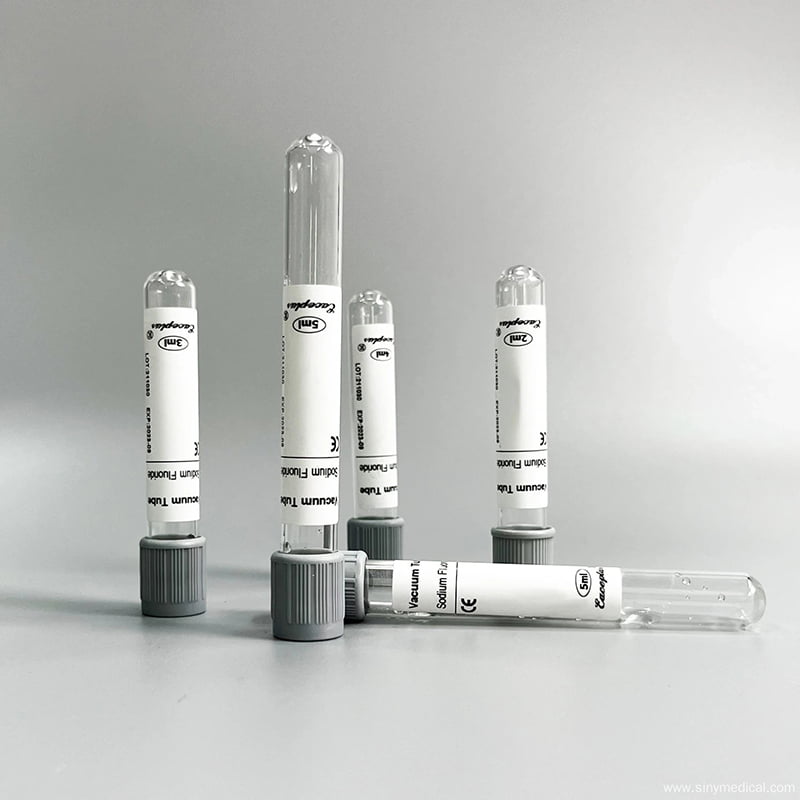
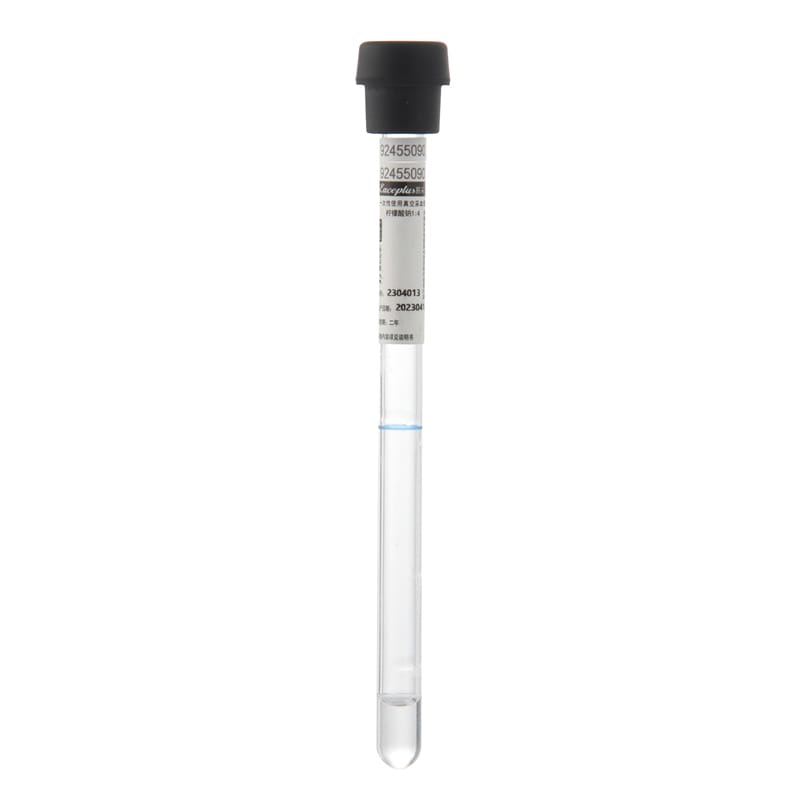
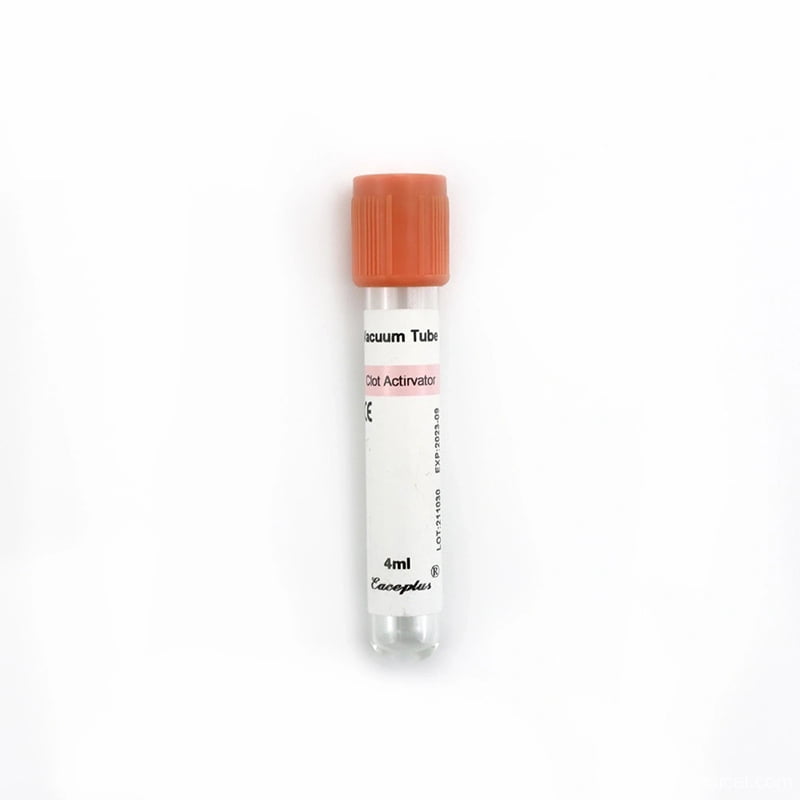
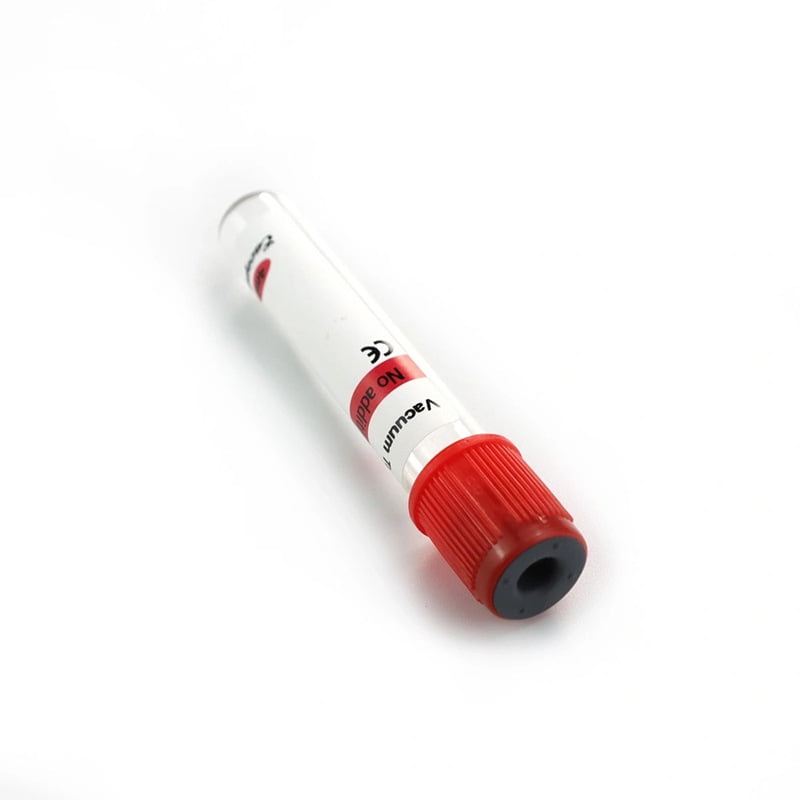
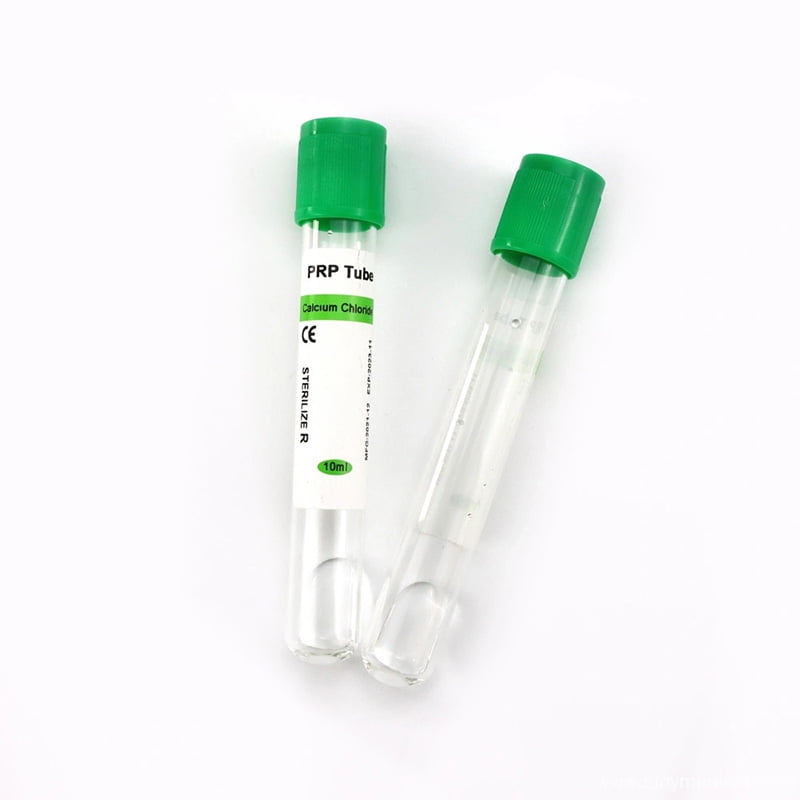
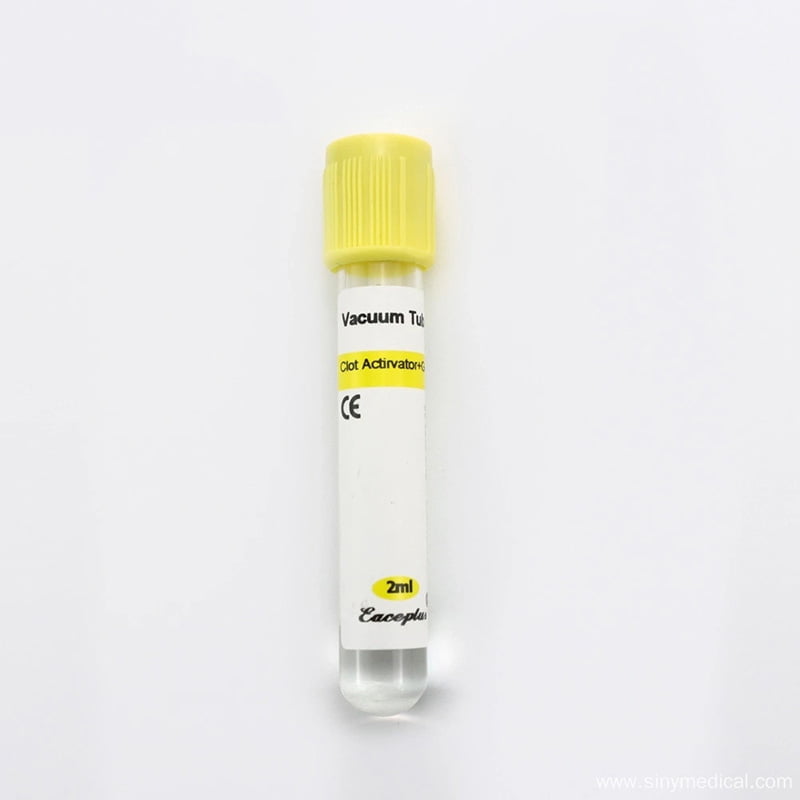
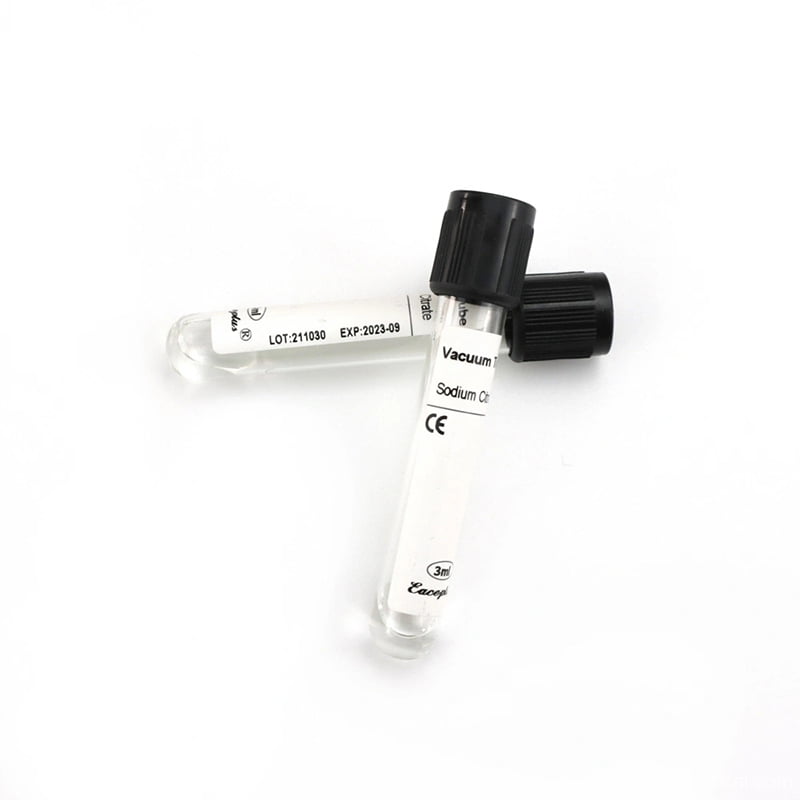
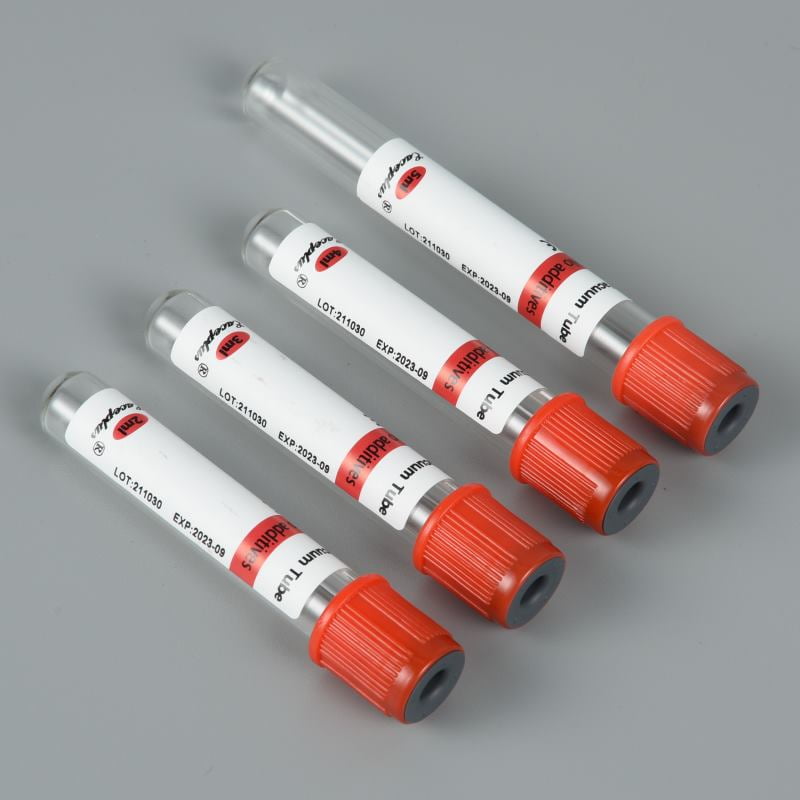
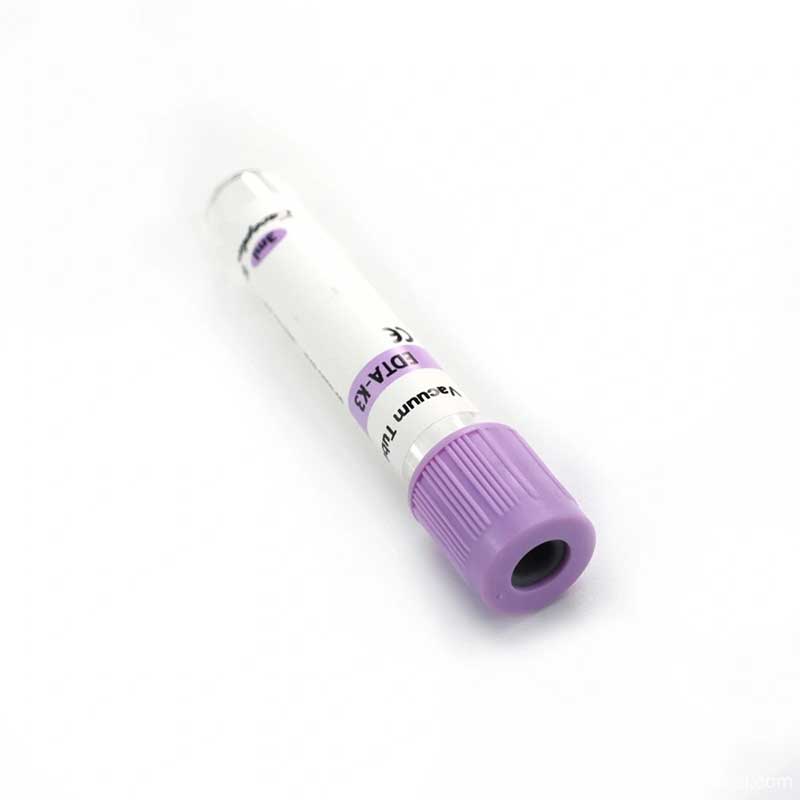
| Vacuum tube | Collects blood samples |
Most modern needles are designed to minimize trauma and improve safety for both patients and medical staff.
Manufacturers such as SINY Medical produce high-quality devices, including the
https://www.sinymedical.com/product/siny-medical-safety-blood-collecting-needle which is designed with integrated safety features for clinical environments.
Why Choosing the Best Blood Collection Needle Matters
Selecting the best blood collection needle is critical for three main reasons: patient safety, sample quality, and healthcare worker protection.
Patient Comfort and Reduced Pain
A properly selected needle size reduces pain during venipuncture. Thinner needles are often used for pediatric patients or fragile veins, while larger needles may be required for fast blood flow in adult patients.
Accurate Laboratory Results
Blood samples must remain intact during collection. If a needle is too small or improperly used, it can cause hemolysis, which damages red blood cells and affects test results.
Prevention of Needle Stick Injuries
Needle stick injuries remain a major occupational risk in healthcare. The Centers for Disease Control and Prevention (CDC) estimates that hundreds of thousands of healthcare workers experience such injuries annually.
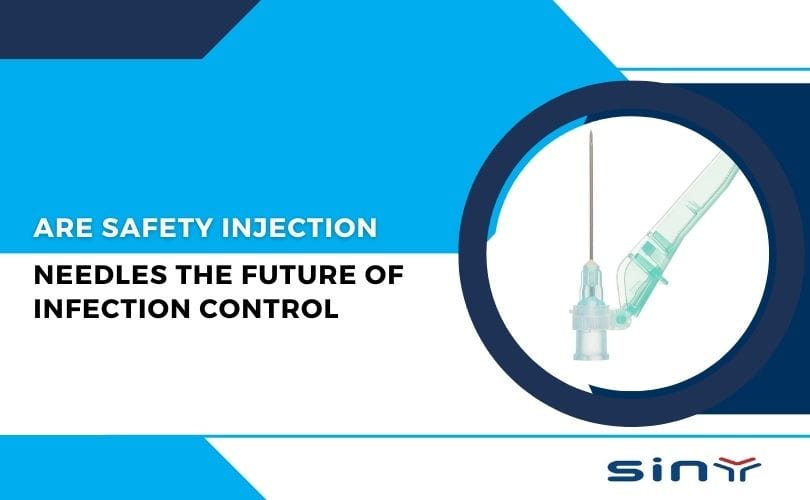
Using safety injection needles dramatically reduces these incidents. Healthcare providers can learn more about these technologies in this safety guide.
Additionally, hospitals should follow strict protocols to prevent workplace injuries. This guide on
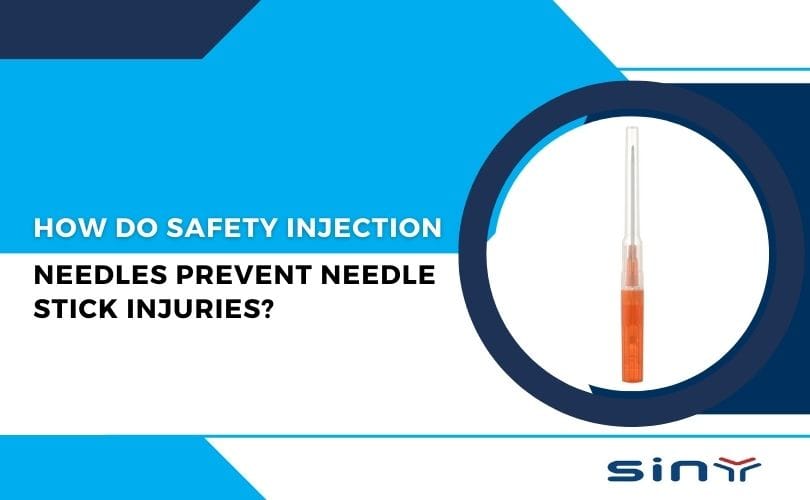
https://www.sinymedical.com/needle-stick-injuries-prevention/ explains how safety needles help reduce risks.
Needle Gauge and Its Role in Blood Collection
Needle gauge refers to the diameter of the needle.

Interestingly, higher gauge numbers indicate smaller needles.
| Gauge | Common Use |
|---|---|
| 18G | Blood donation |
| 20G | High-volume blood collection |
| 21G | Standard venipuncture |
| 22G | Small veins |
| 23G–25G | Pediatric or fragile veins |
In most clinical laboratories, 21G needles are considered the best blood collection needle for routine procedures because they provide the right balance between comfort and blood flow.
However, pediatric cases often require smaller gauges.
Healthcare professionals can learn more about needle selection strategies in this guide:
Step-by-Step Blood Collection Procedure
Phlebotomists follow a standardized process to ensure safe and accurate blood sampling.
A practical reference guide is available here:
The typical procedure involves:
- Identifying the patient and labeling tubes
- Selecting the appropriate best blood collection needle
- Cleaning the venipuncture site
- Inserting the needle into the vein
- Filling vacuum tubes in correct order
- Removing the needle and applying pressure
- Disposing of the needle safely
Training and proper equipment significantly reduce complications.
Healthcare professionals can also watch instructional demonstrations on the official SINY Medical YouTube channel.
How to Choose the Best Blood Collection Needle for Your Clinic
Selecting the best blood collection needle depends on several clinical factors.
First, clinicians must consider the patient’s vein condition. Fragile or small veins often require butterfly needles, while larger veins may allow standard straight needles.
Second, healthcare facilities must evaluate safety features. Modern hospitals increasingly use safety-engineered needles to reduce occupational hazards.
Third, workflow efficiency is important. High-volume diagnostic labs often prefer vacuum-compatible needles for faster blood collection.
Finally, clinics should choose products from trusted medical manufacturers. SINY Medical is a recognized supplier with global distribution networks, including its manufacturing marketplace at:
Healthcare institutions interested in procurement or partnerships can contact the company directly through:
Choosing the Right Needle for Different Clinical Scenarios
Different clinical situations call for different needle choices. Understanding these nuances is key to selecting the best blood collection needle for each specific scenario.
Pediatric Patients
Children present unique challenges for blood collection due to their smaller veins and potential anxiety. For pediatric patients:
- Smaller gauge needles (23-25) are typically preferred
- Butterfly needles offer better control and flexibility
- Shorter needle lengths may be appropriate for very young children
- Safety features are particularly important due to patient movement
Siny Medical’s pediatric-friendly options include specialized butterfly needles designed with young patients in mind.
Geriatric Patients
Elderly patients often have fragile veins that are prone to collapse or bruising. For this population:
- Smaller gauge needles (22-23) may reduce vein trauma
- Butterfly needles can provide better control for difficult veins
- Gentle technique is essential to prevent hematoma formation
- Comfort features become increasingly important
Patients with Difficult Venous Access
Some patients present particular challenges due to various factors:
- Obese patients may require longer needles
- Dehydrated patients may have collapsed veins
- Patients with extensive scarring from previous procedures
- Individuals with certain medical conditions affecting vein quality
In these cases, the best blood collection needle might be a butterfly needle with a flexible tubing system that accommodates patient movement while maintaining vein access.
High-Volume Collection Needs
For situations requiring large blood volumes, such as blood donation or extensive testing:
- Larger gauge needles (18-20) facilitate faster blood flow
- Multiple collection systems may be necessary
- Patient monitoring becomes more important
- Specialized equipment like blood donor sets may be appropriate
Siny Medical’s Blood Collection Needle Solutions
When it comes to quality blood collection needles, Siny Medical stands out as a manufacturer committed to innovation, safety, and performance. Their comprehensive product line addresses the diverse needs of modern healthcare facilities.
Quality Manufacturing Standards
Siny Medical’s blood collection needle manufacturing process adheres to stringent quality control standards, ensuring that each needle meets precise specifications for:
- Sharpness and consistency
- Gauge accuracy
- Safety feature reliability
- Biocompatibility
These quality standards result in products that healthcare professionals can trust for consistent performance and patient safety.
Innovative Product Offerings
Siny Medical’s product line includes various specialized needles designed for different clinical applications:
- Safety blood collecting needles with advanced safety mechanisms
- Double-winged safety retractable butterfly needles for difficult venipuncture
- Soft connection blood needles for enhanced patient comfort
- A comprehensive butterfly needle collection for various clinical needs
Each product reflects Siny Medical’s commitment to combining clinical performance with healthcare worker safety.
Why Choose Siny Medical?
Healthcare facilities choose Siny Medical for several compelling reasons:
- Commitment to innovation and continuous improvement
- Comprehensive product range addressing diverse clinical needs
- Competitive pricing without compromising quality
- Excellent customer service and support
- Compliance with international quality and safety standards
For healthcare facilities looking to upgrade their blood collection equipment, contacting Siny Medical is the first step toward implementing superior blood collection solutions.
Conclusion
Choosing the best blood collection needle for clinical use involves balancing multiple factors: patient comfort, healthcare worker safety, specimen quality, and procedural efficiency. As we’ve explored throughout this article, there is no one-size-fits-all solution—the ideal needle depends on the specific clinical scenario, patient characteristics, and facility requirements.
Modern blood collection needles have evolved significantly from their early predecessors, incorporating advanced safety features, ergonomic designs, and materials science innovations that enhance both performance and protection. For healthcare facilities today, safety-engineered needles are no longer optional but essential components of a comprehensive safety program.
When selecting blood collection needles, healthcare facilities should consider:
- The specific patient populations they serve
- The types of procedures performed most frequently
- Regulatory requirements and safety standards
- Staff training and comfort with different devices
- Budget constraints without compromising safety or quality
Manufacturers like Siny Medical offer comprehensive solutions that address these diverse needs, providing healthcare facilities with reliable options for their blood collection requirements. By investing in quality equipment and proper training, healthcare facilities can improve both patient outcomes and staff safety.
As medical technology continues to advance, we can expect further innovations in blood collection needle design, with continued emphasis on safety, comfort, and efficiency. Staying informed about these developments is essential for healthcare facilities committed to providing the highest standard of care.
FAQs
1. What is the most common gauge for the best blood collection needle?
The 21-gauge needle is widely considered the best blood collection needle for standard adult venipuncture. It offers a perfect balance between a fast flow rate and minimal patient discomfort. For patients with smaller or more fragile veins, clinicians often switch to a 23-gauge butterfly needle.
2. How do safety needles help in a clinical setting?
The best blood collection needle in a modern clinic must include safety engineering. These needles feature shields or retraction mechanisms that cover the sharp point immediately after use. This significantly reduces the risk of accidental needlestick injuries and the transmission of bloodborne pathogens like HIV or Hepatitis.
3. Can I use a butterfly needle for all patients?
While a butterfly needle is often the best blood collection needle for difficult “sticks,” it is not always necessary for every patient. They are more expensive than straight needles and can sometimes result in slower collection times due to the long tubing. Most facilities reserve them for pediatric, geriatric, or oncology patients.
4. Why is the bevel of the needle important?
The bevel is the slanted tip of the needle. The best blood collection needle features a precision-engineered, multi-bevel tip that allows for a smooth, nearly painless entry into the skin. A high-quality bevel reduces tissue trauma, which helps prevent bruising and hematoma formation after the procedure.
5. What should I do if a needle does not have a safety shield?
If you are not using the best blood collection needle with an integrated safety shield, you must be extremely cautious. Follow strict OSHA guidelines for manual disposal and never recap a needle. However, it is highly recommended to upgrade to safety-engineered devices to ensure the highest level of workplace protection.