When people ask, “Are pipette tips recyclable?”, the answer isn’t as simple as yes or no. In most laboratory environments, pipette tips are typically made from recyclable plastics, such as polypropylene (PP). However, due to contamination risks, regulatory requirements, and laboratory safety standards, the most used pipette tips are not recycled through standard waste streams.
For laboratories, research institutions, and procurement professionals, this raises a more important question: how to manage pipette tip waste safely while choosing products that balance performance, cost, and environmental impact. In this guide, we’ll break down the real answer behind pipette tip recyclability and what it means for your purchasing decisions.
Table of Contents
- 1 Are Pipette Tips Recyclable in Practice?
- 2 Why Most Pipette Tips Cannot Be Recycled
- 3 Sustainable Alternatives and Waste Reduction Strategies
- 4 How Pipette Tips Are Used: Process and Application Overview
- 5 Why Choosing the Right Supplier Matters More Than Recycling
- 6 FAQ: Are Pipette Tips Recyclable?
- 7 Final Thoughts
Are Pipette Tips Recyclable in Practice?
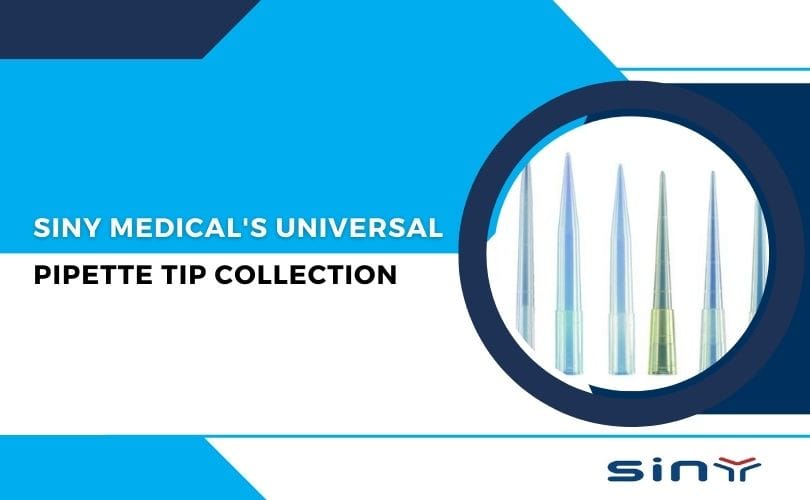
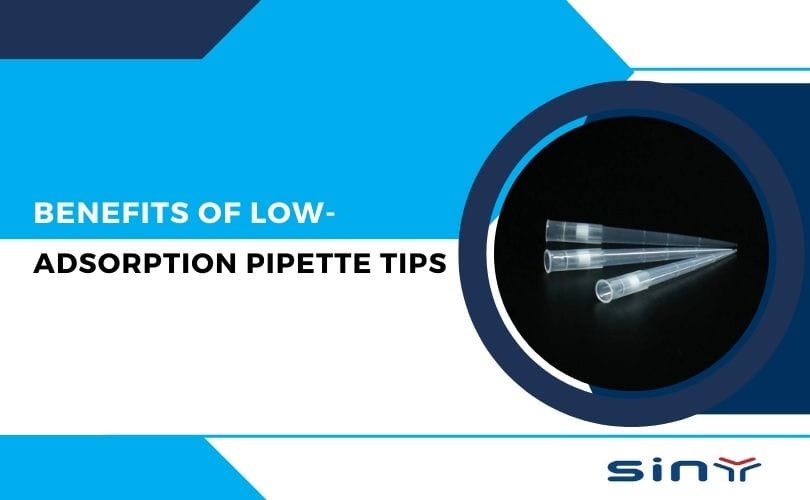
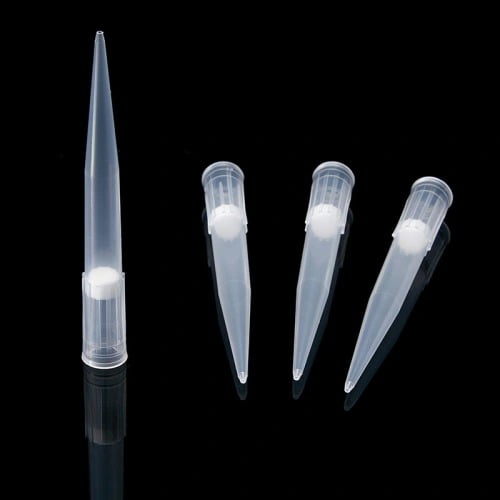
From a material perspective, most pipette tips—such as Universal Pipette Tips, Filtered Pipette Tips, and Low Retention Pipette Tips—are manufactured from virgin polypropylene, a plastic that is widely recyclable under industrial conditions.
However, in real-world lab usage, recyclability depends on contamination:
- Non-contaminated tips (used for water or buffer solutions) may be recyclable under controlled programs.
- Biologically contaminated tips (DNA, RNA, blood, or pathogens) are classified as biohazard waste.
- Chemically exposed tips may be treated as hazardous waste, depending on the reagents.
Because of these risks, most labs follow strict disposal protocols rather than recycling. This is why many top-ranking articles emphasize that pipette tips are technically recyclable, but rarely recycled in practice.
For procurement teams, this highlights the importance of selecting high-quality consumables that reduce waste frequency and improve experimental efficiency. If you’re reviewing options, it’s worth exploring suppliers like Siny Medical that offer consistent batch quality and precision molding, helping reduce unnecessary repeat usage.
Why Most Pipette Tips Cannot Be Recycled
The main barrier to recycling pipette tips is not the material—it’s contamination and compliance.
Laboratories operate under strict biosafety and regulatory frameworks, including:
- Cross-contamination prevention
- Infection control protocols
- Hazardous waste management regulations
Once a pipette tip comes into contact with biological samples (such as blood, serum, or nucleic acids), it becomes classified as biohazardous waste. This means it must be:
- Autoclaved before disposal (in some cases)
- Incinerated or processed by licensed waste handlers
- Stored in designated sharps or biohazard containers
Even filtered pipette tips, like Aerosol Barrier Pipette Tips, which are designed to prevent contamination, still become waste after single use.
This is why the conversation is shifting—not just about “are pipette tips recyclable,” but about how to reduce environmental impact through smarter product selection and usage strategies.
Sustainable Alternatives and Waste Reduction Strategies
While direct recycling is limited, laboratories can still adopt more sustainable practices:
1. Use High-Precision Tips to Reduce Waste
Low-quality tips often lead to inaccurate pipetting, requiring repeated experiments. High-quality options like Low Retention Pipette Tips minimize liquid loss and improve reproducibility.
2. Optimize Packaging
Bulk packaging or refill systems can significantly reduce plastic waste compared to individually racked tips.
3. Participate in Specialized Recycling Programs
Some regions and manufacturers offer closed-loop recycling programs specifically for uncontaminated lab plastics.
4. Segregate Waste Properly
Separating contaminated and non-contaminated tips allows limited recycling opportunities where permitted.
From a procurement perspective, sustainability isn’t just about recyclability—it’s about total lifecycle efficiency. Many buyers now evaluate suppliers based on manufacturing consistency, packaging design, and environmental responsibility.
If you’re exploring more efficient consumable solutions, reviewing structured product lines from Siny Medical can help you compare options tailored for PCR, molecular biology, and clinical diagnostics.
How Pipette Tips Are Used: Process and Application Overview
Understanding how pipette tips are used also explains why recyclability is challenging.
Typical Workflow:
- Attach a sterile pipette tip to the pipette.
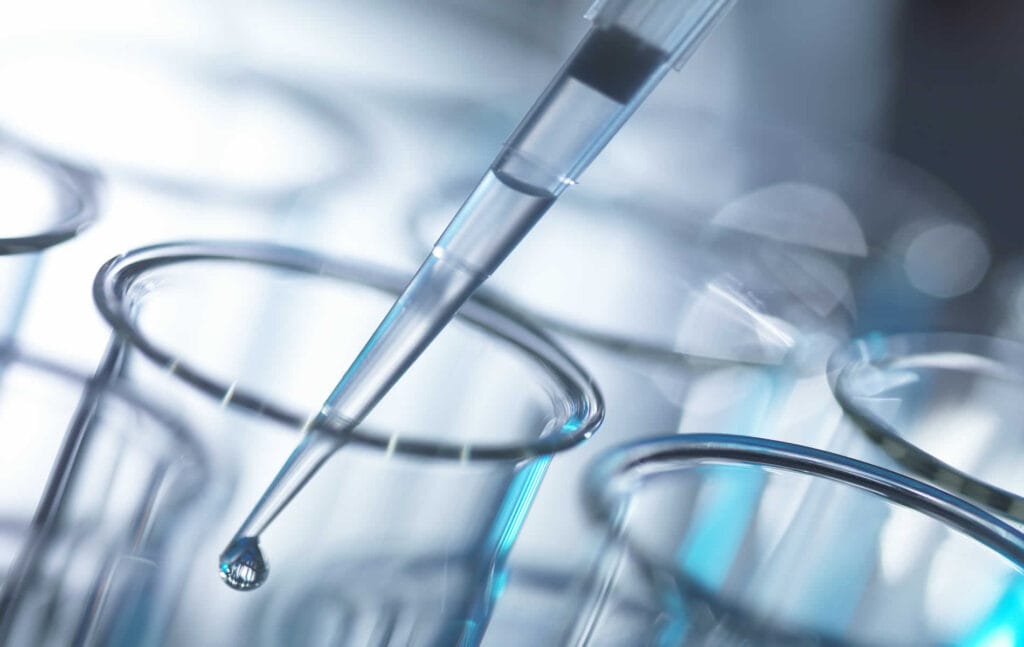
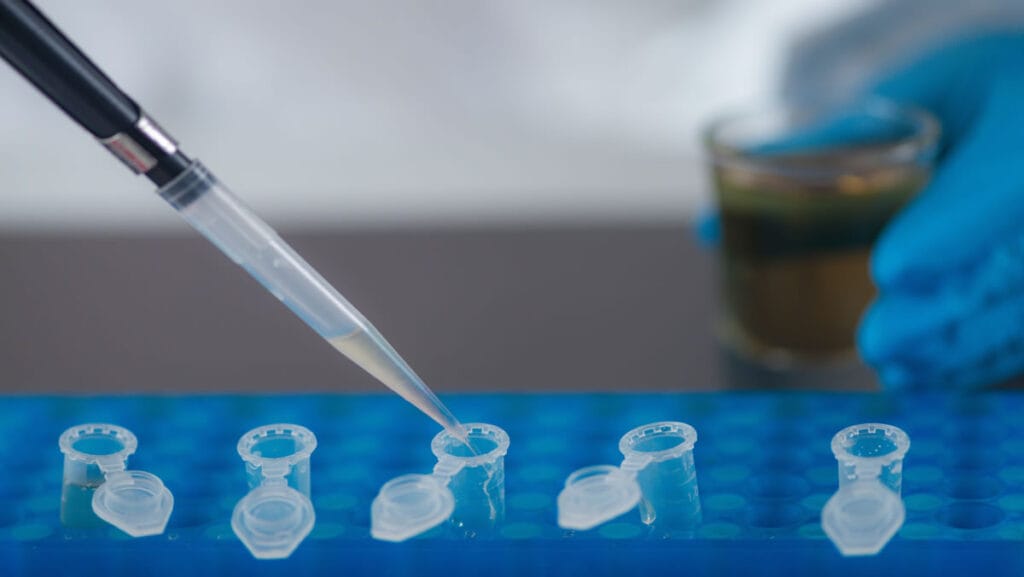
- Aspirate liquid sample (e.g., reagents, blood, DNA solution)
- Dispense into the target container.
- Discard immediately after use.
Common Applications:
- Molecular biology (PCR, qPCR)
- Clinical diagnostics
- Pharmaceutical research
- Environmental testing
Because pipette tips are designed for single-use precision, reuse or recycling becomes impractical in most regulated environments.
Products like Filtered Pipette Tips for PCR and Sterile RNase/DNase-Free Pipette Tips are specifically engineered to prevent contamination, which further reinforces their single-use nature.
For labs aiming to improve workflow efficiency while maintaining compliance, choosing the right supplier plays a critical role in reducing both operational errors and material waste.
Why Choosing the Right Supplier Matters More Than Recycling
At first glance, recyclability appears to be the key sustainability metric. But in reality, product quality and supplier reliability have a greater impact.
A trusted supplier ensures:
- Consistent tip dimensions and compatibility
- Certified sterility (RNase/DNase-free, endotoxin-free)
- Reliable filtration performance
- Stable supply for large-scale procurement
Low-quality tips can lead to:
- Sample loss
- Cross-contamination
- Repeated experiments
- Increased overall waste
This is why many laboratories prioritize performance and reliability over theoretical recyclability.
If you’re sourcing pipette tips for clinical or research use, it’s worth taking a closer look at suppliers like Siny Medical, where product lines are designed to meet both laboratory standards and large-scale procurement needs.
FAQ: Are Pipette Tips Recyclable?
1. Can pipette tips be recycled after use?
In most cases, no. Even though they are made from recyclable plastic, contamination makes them unsuitable for standard recycling processes.
2. Are unused pipette tips recyclable?
Yes, unused and uncontaminated pipette tips can theoretically be recycled, depending on local recycling facilities.
3. What material are pipette tips made of?
Most pipette tips are made from polypropylene (PP), a recyclable thermoplastic.
4. How should used pipette tips be disposed of?
They should be disposed of as biohazard or laboratory waste according to local regulations, often through autoclaving or incineration.
5. Are there eco-friendly pipette tip options?
Some manufacturers offer reduced-plastic packaging or recycling programs, but widespread eco-friendly alternatives are still developing.
Final Thoughts
So, are pipette tips recyclable? Technically, yes—but in practice, rarely. The real focus for laboratories should be on safe disposal, efficient usage, and selecting high-quality products that reduce waste over time.
If you’re currently evaluating suppliers or looking to optimize your lab consumables strategy, taking a closer look at trusted manufacturers like Siny Medical can help you make more informed, long-term decisions.