Platelet-Rich Plasma (PRP) therapy has emerged as a revolutionary treatment approach across multiple medical disciplines, from orthopedics to aesthetics. As more patients and healthcare providers embrace this regenerative technique, a critical question emerges: What is the actual success rate of PRP injections? Understanding the effectiveness of PRP injection therapy is essential for both patients considering this treatment and medical professionals offering it in their practice. This comprehensive analysis examines the research, factors influencing outcomes, and real-world success rates across various applications of PRP therapy.
Table of Contents
- 1 Understanding PRP Injections: The Science Behind the Therapy
- 2 Factors Influencing PRP Injection Success Rates
- 3 PRP Injection Success Rates in Orthopedic Applications
- 4 PRP Injection Success Rates in Hair Restoration
- 5 PRP Injection Success Rates in Aesthetic Medicine
- 6 PRP Injection Success Rates in Dental Applications
- 7 Comparing PRP Injection Success to Alternative Treatments
- 8 Optimizing PRP Injection Success: Best Practices
- 9 Recent Research and Future Directions in PRP Therapy
- 10 FAQs
- 10.1 How long does it take to see results after a PRP injection?
- 10.2 Are PRP injections more effective than traditional treatments like cortisone shots?
- 10.3 How many PRP injection sessions are typically needed for successful treatment?
- 10.4 Does insurance cover PRP injection therapy?
- 10.5 What are the potential risks or side effects of PRP injections?
- 10.6 How long do the effects of a successful PRP injection last?
- 11 Summary
Understanding PRP Injections: The Science Behind the Therapy
Before diving into success rates, it’s important to understand what PRP injections actually are and how they work. Platelet-Rich Plasma therapy involves extracting a small amount of the patient’s own blood, processing it in a centrifuge to concentrate the platelets, and then injecting this concentrated plasma back into the affected area. These platelets contain hundreds of proteins called growth factors, which are crucial in the healing of injuries.
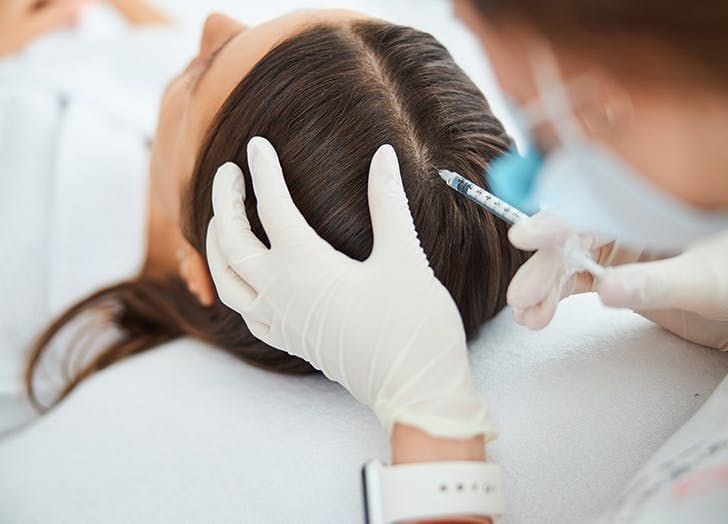
The science behind PRP therapy is fascinating. When platelets are activated at the site of injury, they release these growth factors, which initiate and accelerate tissue repair and regeneration. According to research from the National Institutes of Health, this concentrated dose of healing factors can significantly enhance the body’s natural recovery process.
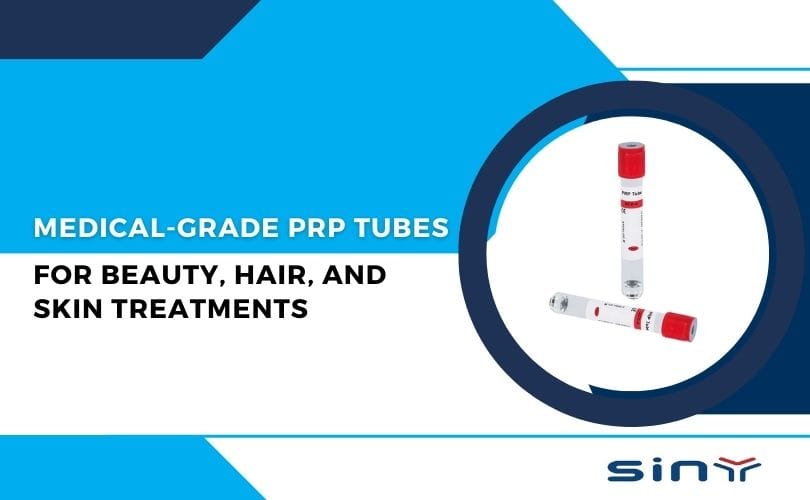
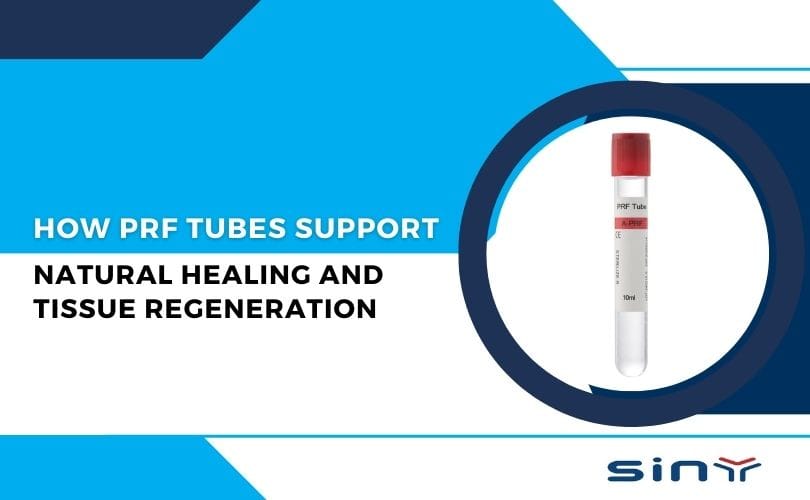
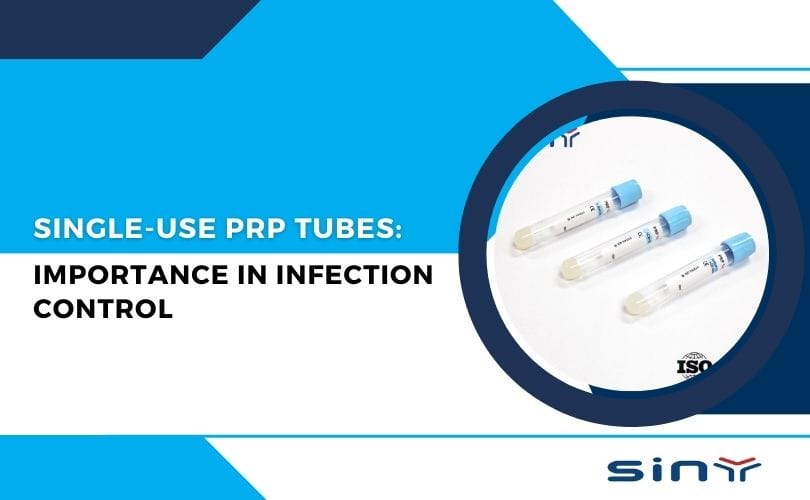
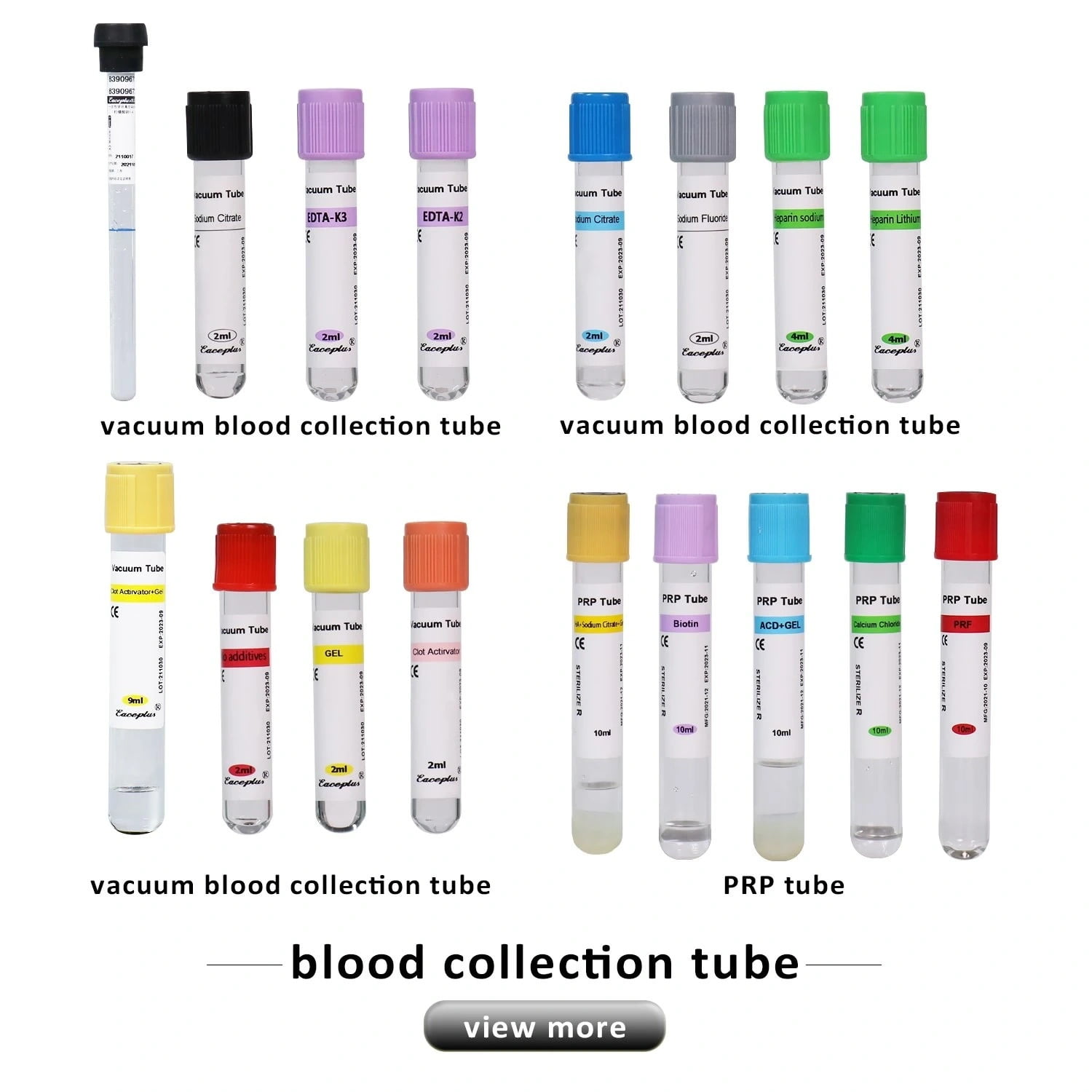
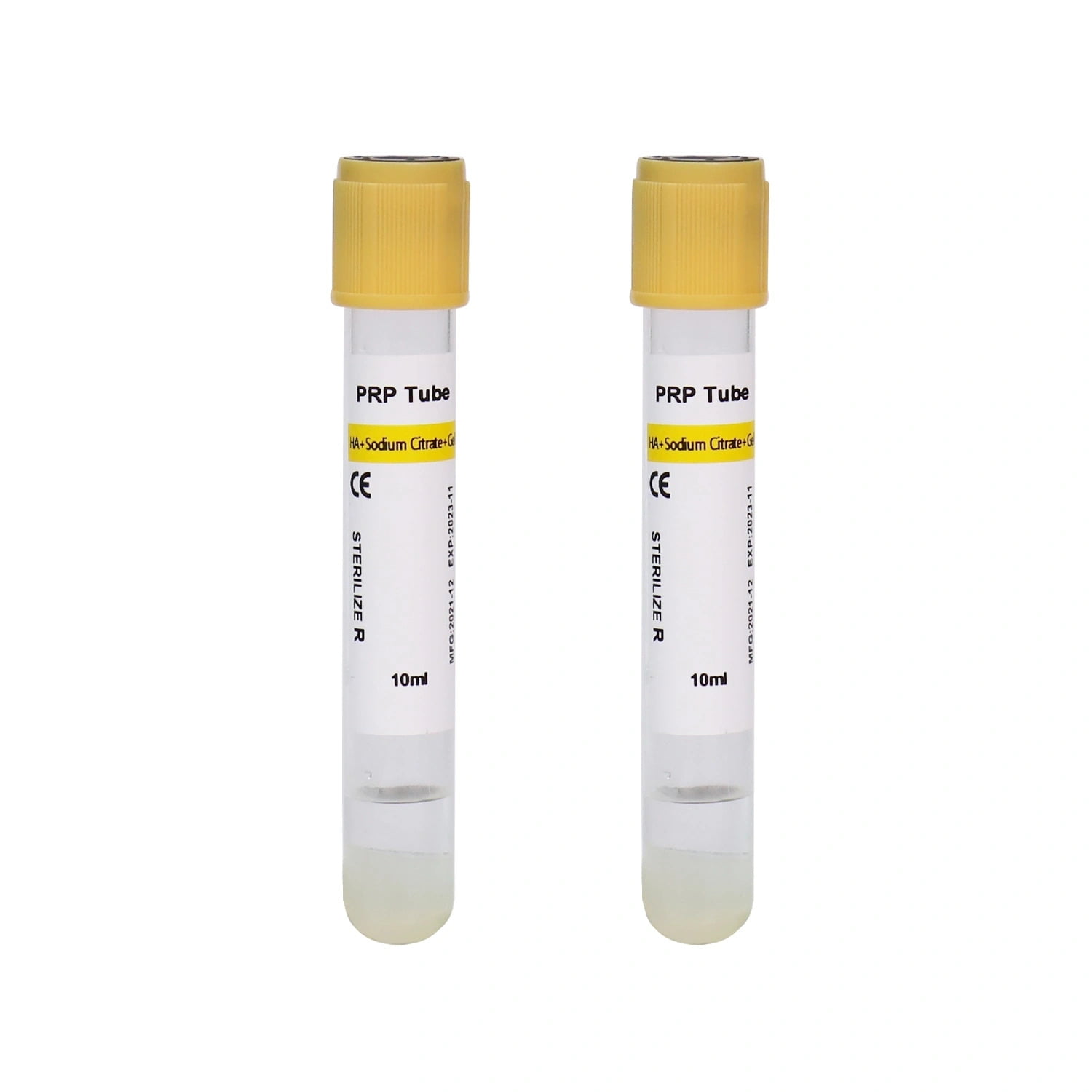
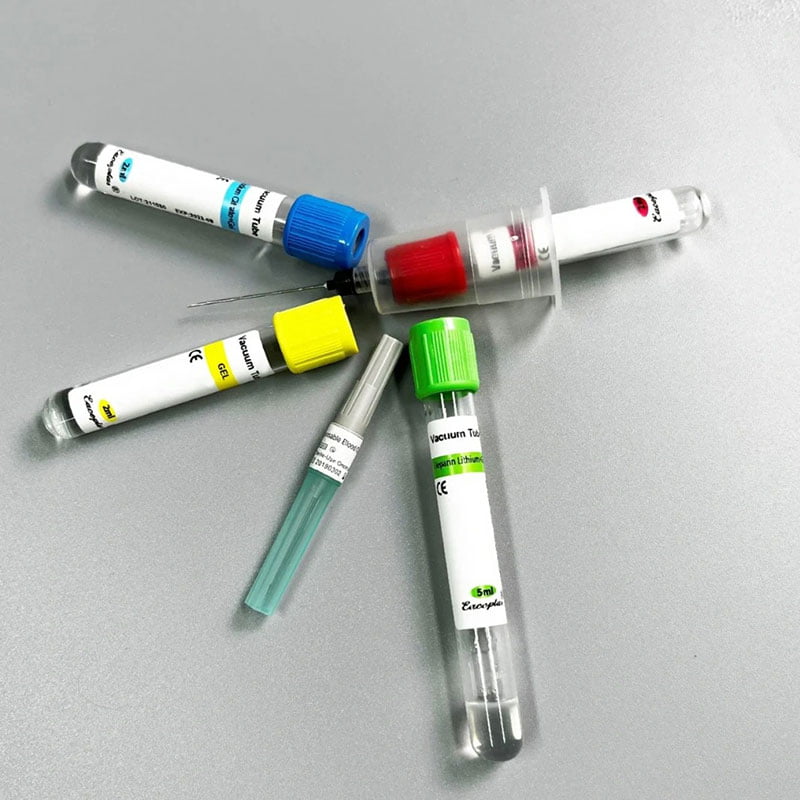
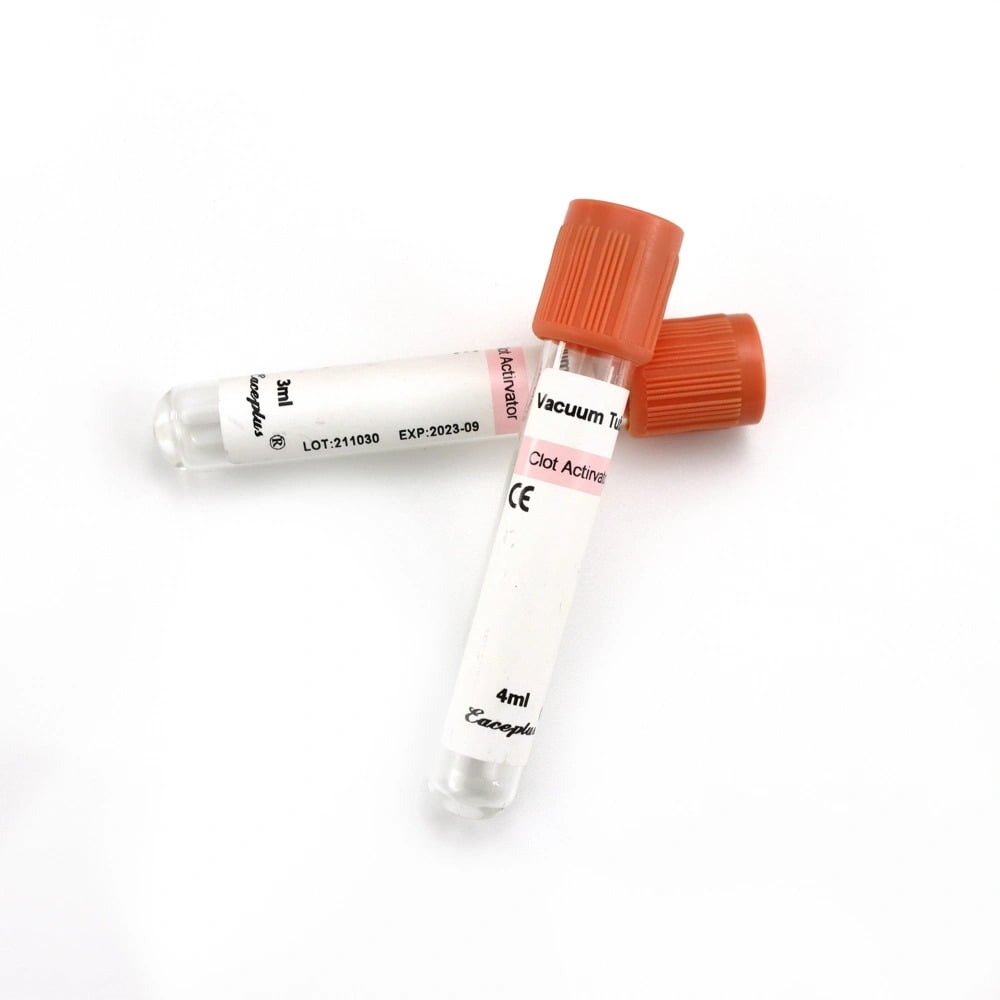
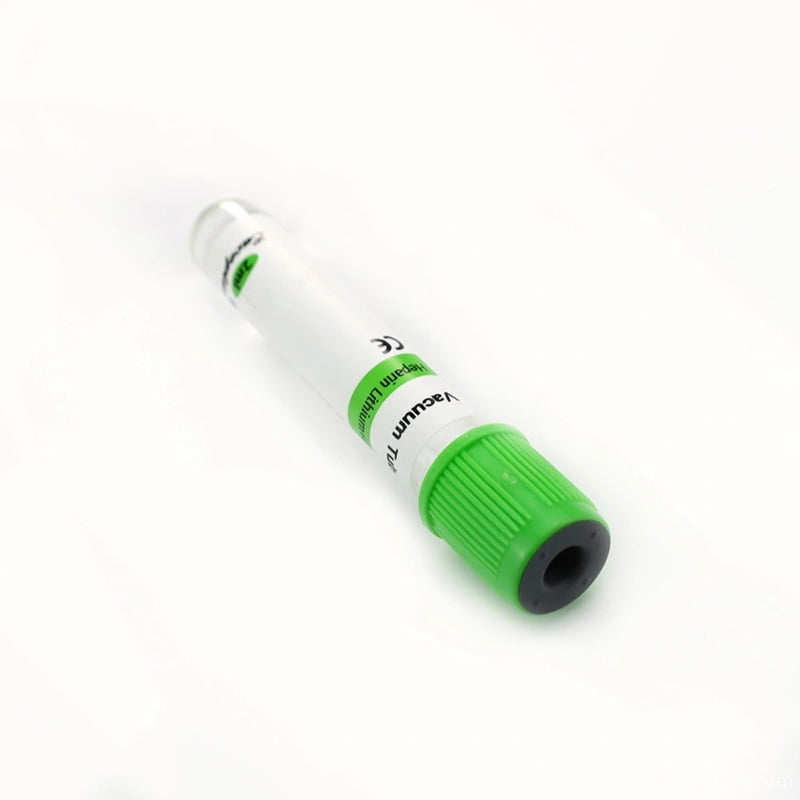
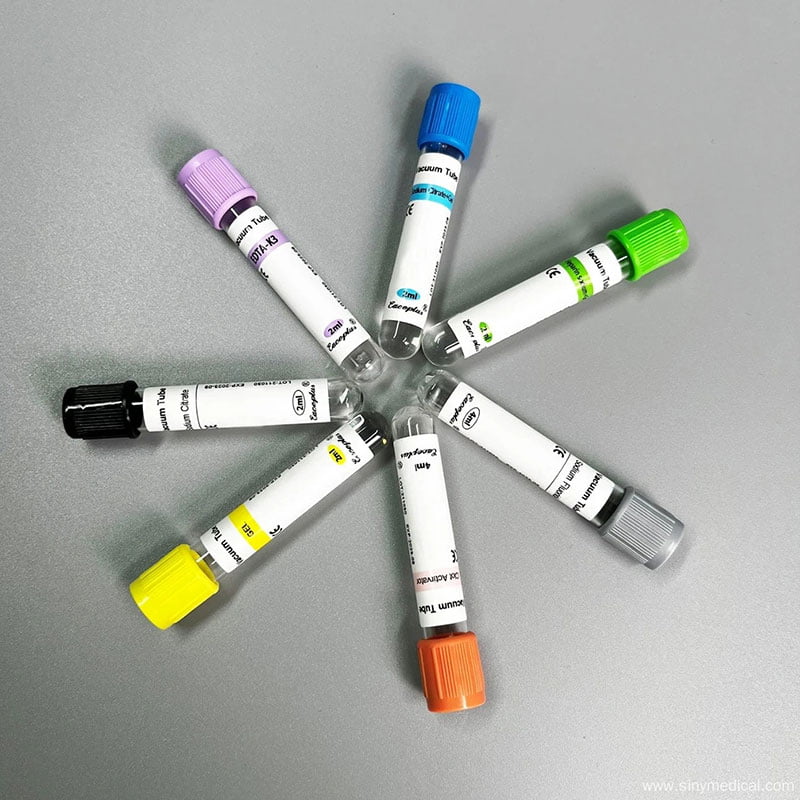
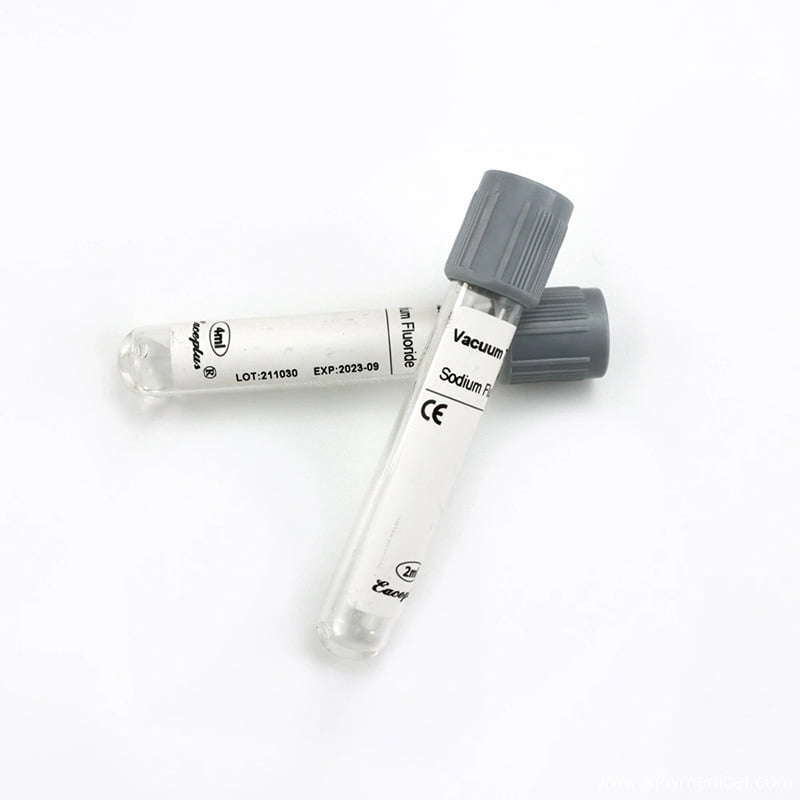
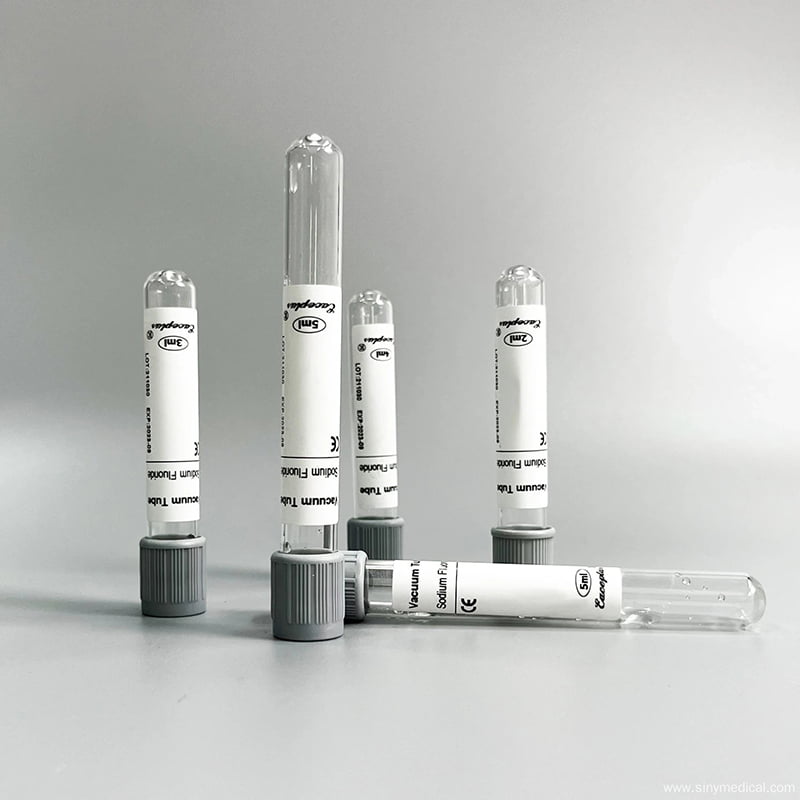
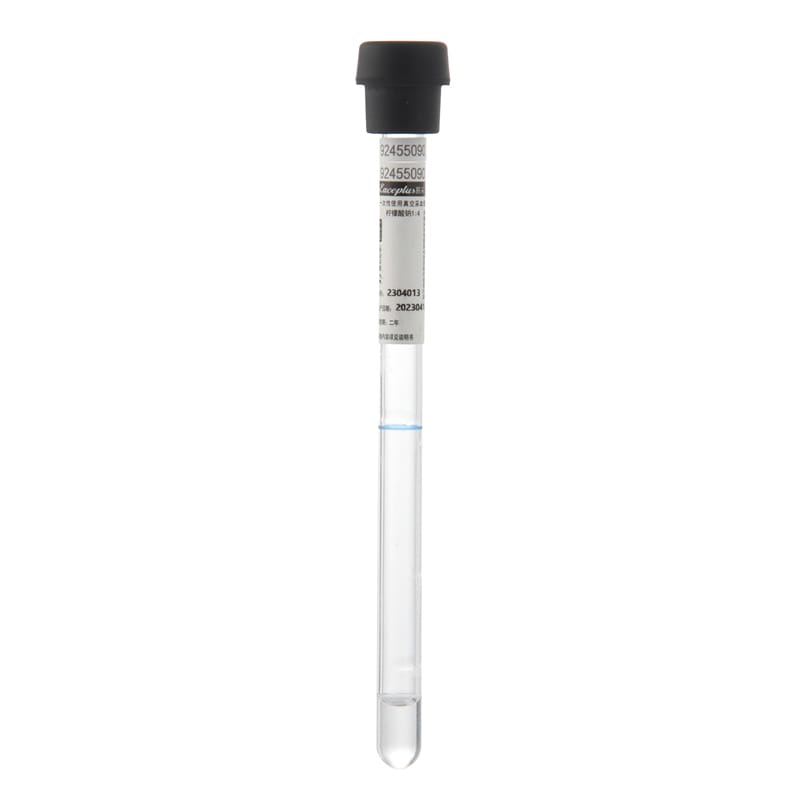
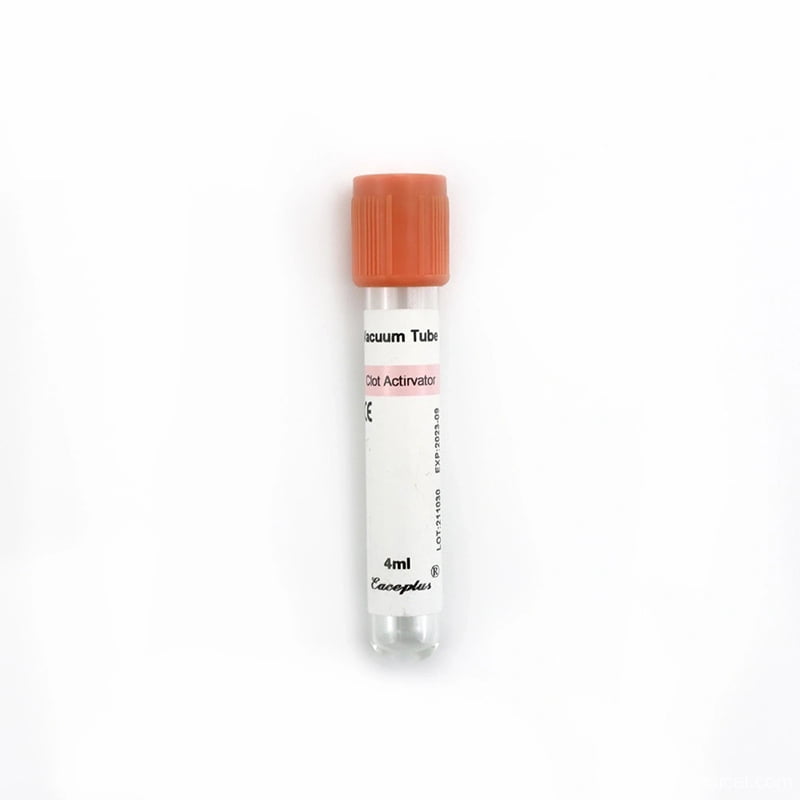
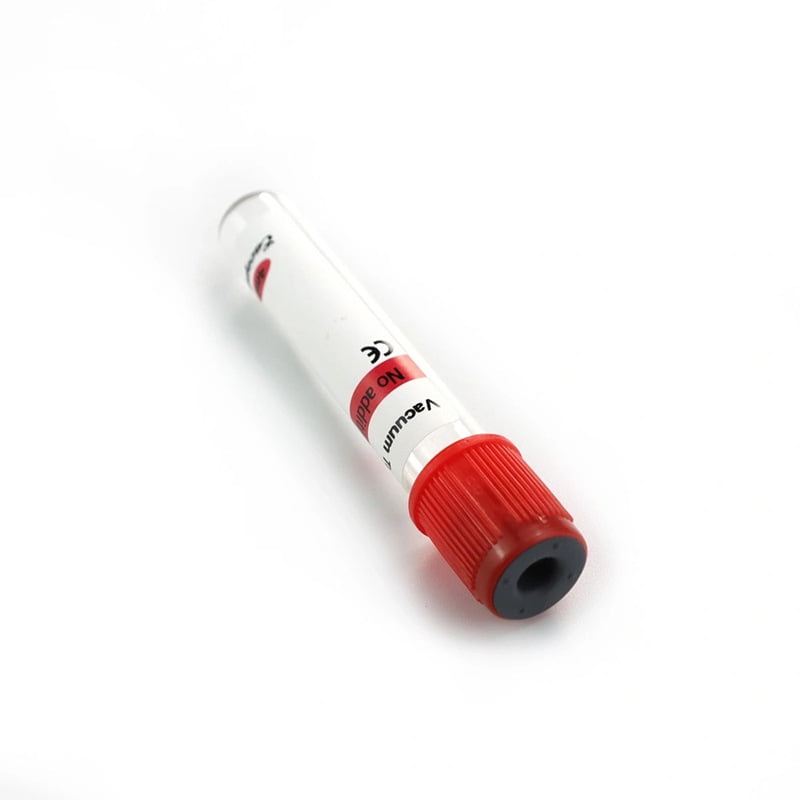
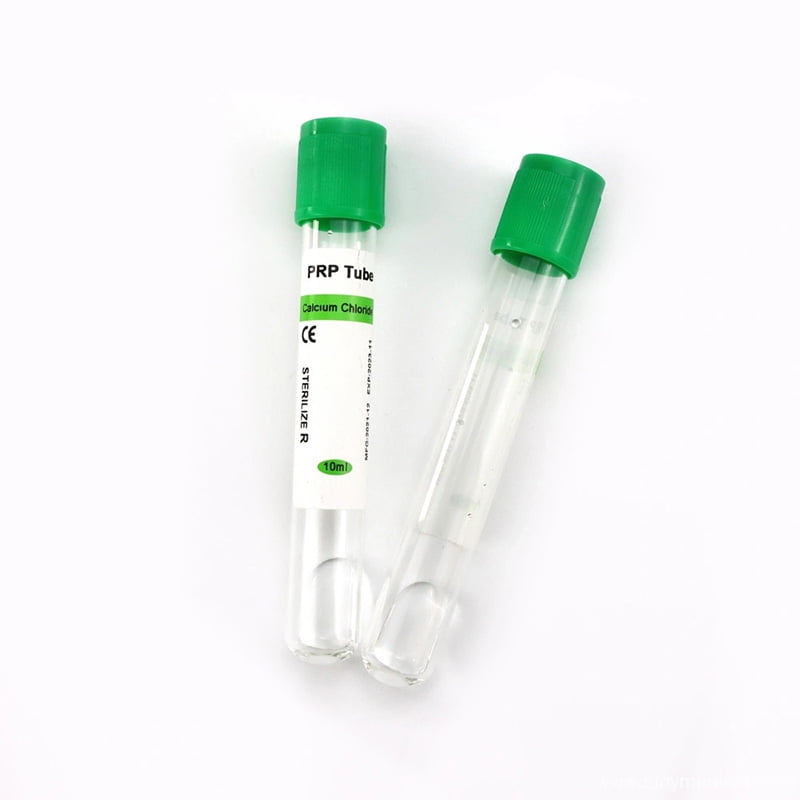
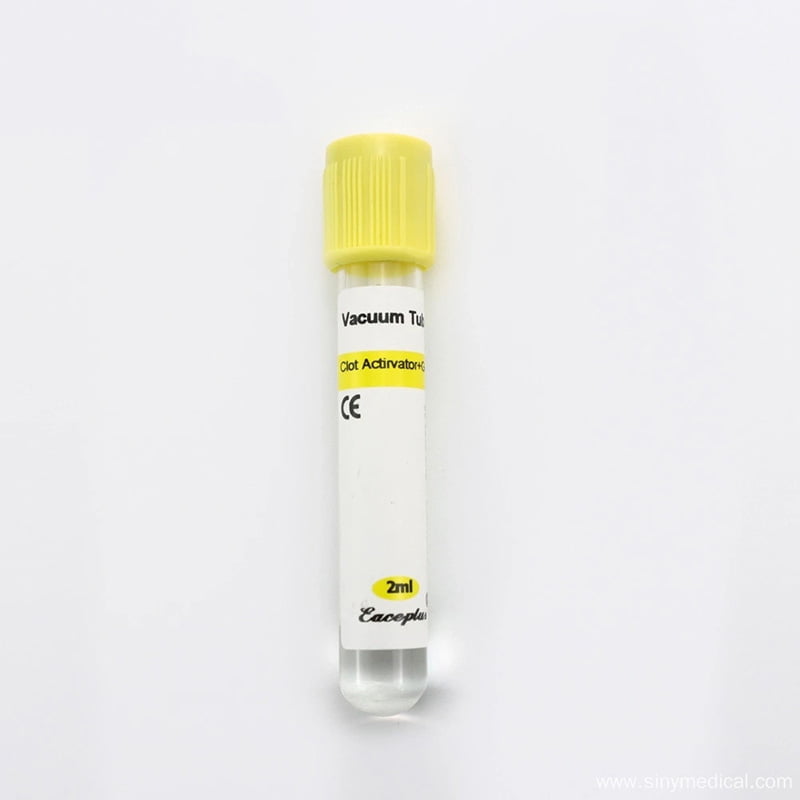
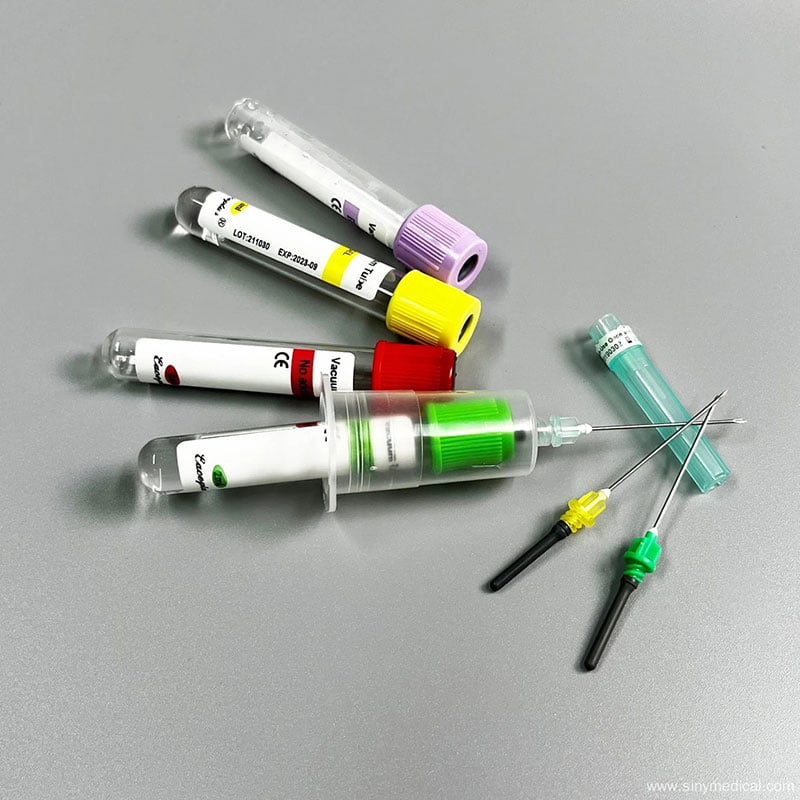
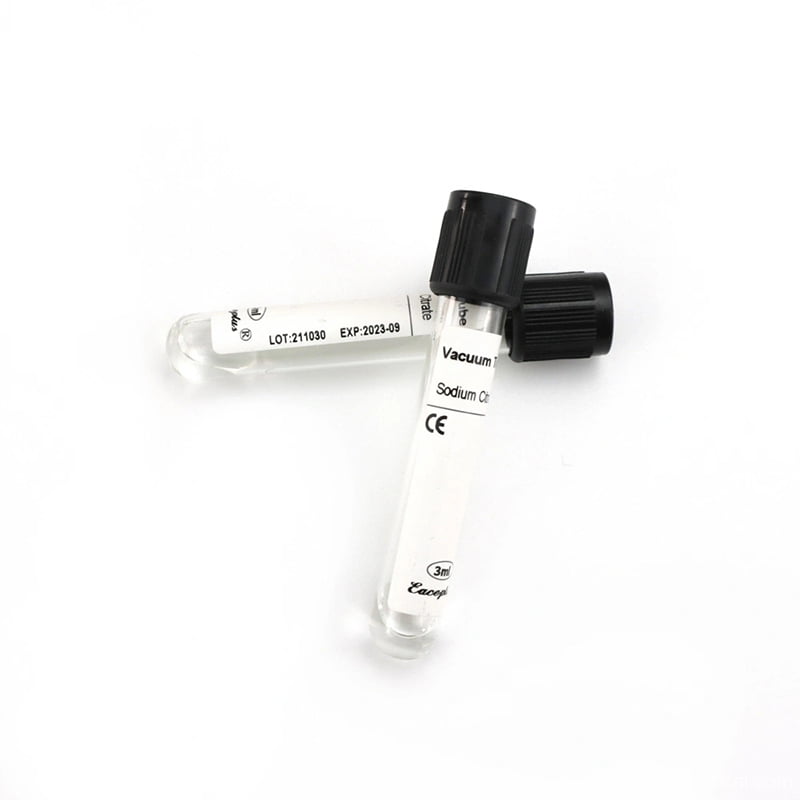
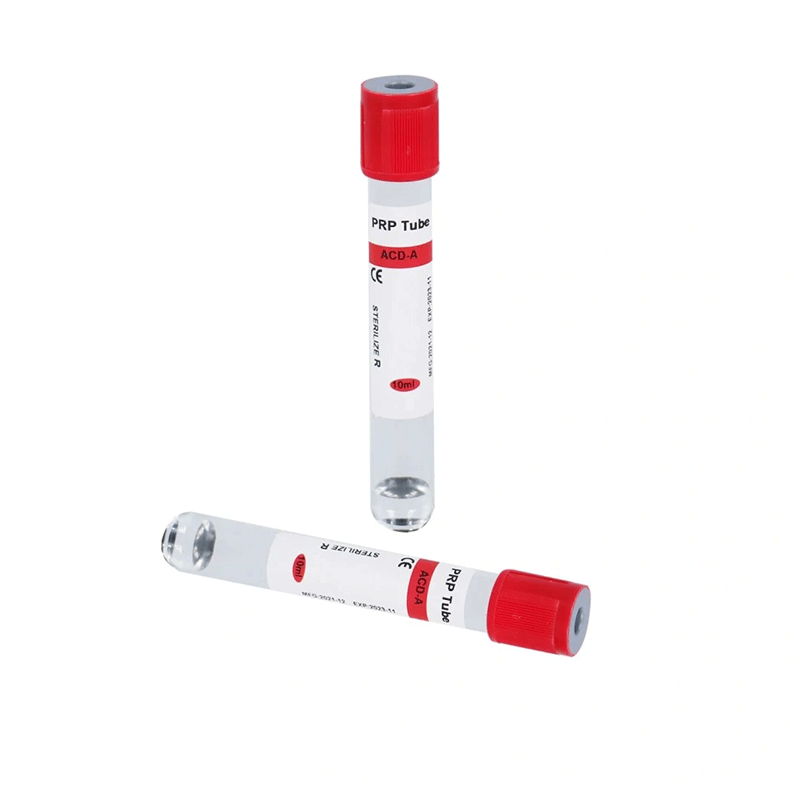
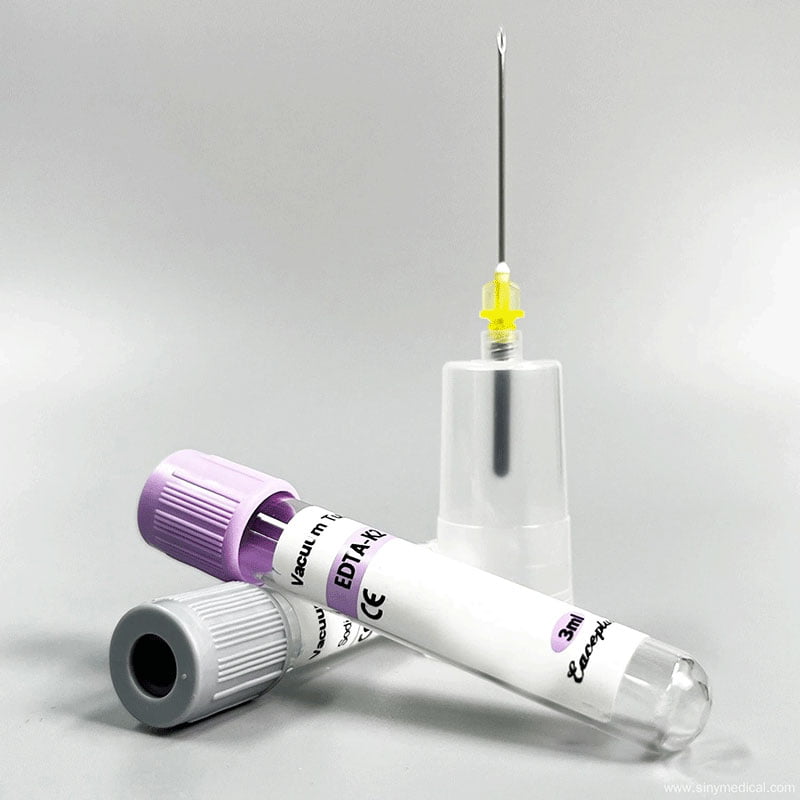
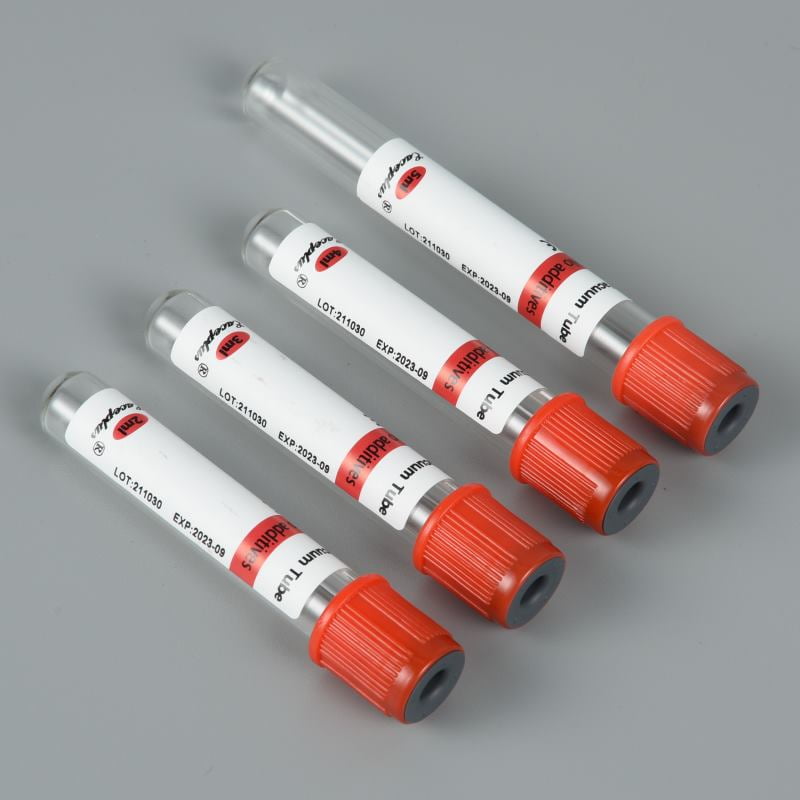
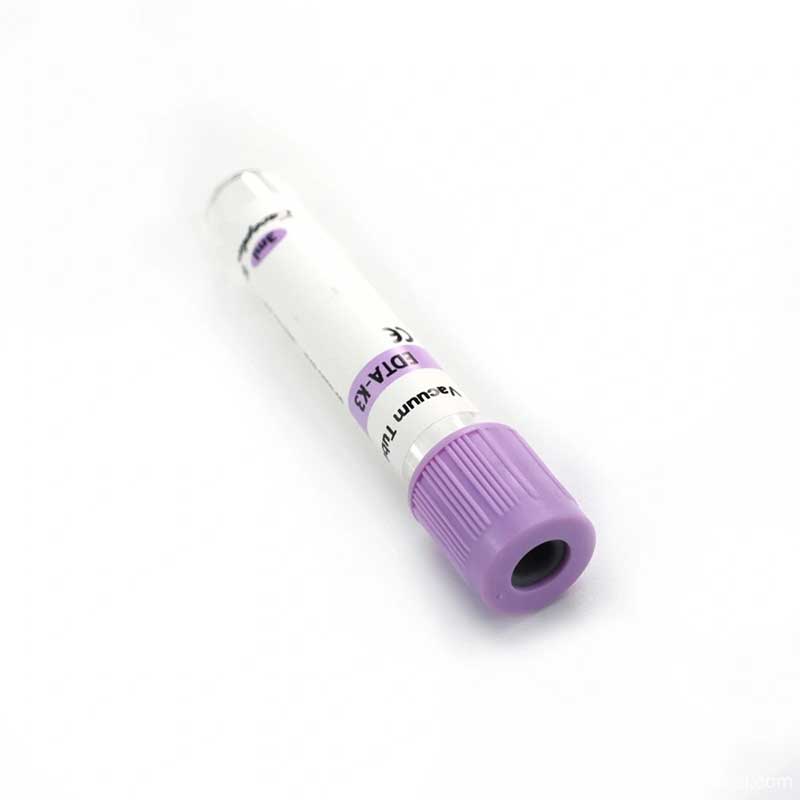
The quality of PRP preparation plays a crucial role in treatment outcomes. High-quality PRP tubes, like those offered by Siny Medical, ensure proper separation and concentration of platelets, which directly impacts the effectiveness of the therapy. The PRP injection procedure itself also requires precision and expertise to maximize success rates.
Factors Influencing PRP Injection Success Rates
The success of PRP injection therapy isn’t uniform across all patients and conditions. Several key factors influence the effectiveness of treatment, making it essential to consider these variables when evaluating success rates.
Patient-specific factors significantly impact outcomes. Age, overall health, and the severity of the condition all play a role in how well a patient responds to PRP therapy. Younger patients with good circulation and healthier tissues generally experience better results than older patients or those with compromised healing abilities.
The specific condition being treated is another critical factor. PRP injections have shown varying success rates depending on whether they’re used for osteoarthritis, tendon injuries, hair loss, or skin rejuvenation. Each application area has its own set of success metrics and expected outcomes.
The preparation and administration technique also substantially affect success rates. The concentration of platelets, the activation method, and the precise injection placement all contribute to treatment effectiveness. This is why many practitioners rely on specialized equipment like Siny Medical’s PRP tubes to ensure consistent, high-quality preparations.
Finally, post-treatment care significantly influences outcomes. Proper aftercare following PRP injections can enhance the healing process and improve success rates, while neglecting aftercare guidelines may diminish the treatment’s effectiveness.
PRP Injection Success Rates in Orthopedic Applications
Orthopedic conditions represent one of the most common applications for PRP therapy, with numerous studies examining its effectiveness for joint and tendon issues. For knee osteoarthritis, research has shown particularly promising results. A comprehensive meta-analysis published in the American Journal of Sports Medicine found that PRP injections provided significant pain relief and functional improvement in approximately 70% of patients with knee osteoarthritis, with effects lasting up to 12 months.
When it comes to tendon injuries, such as tennis elbow or Achilles tendinopathy, PRP injection success rates are equally encouraging. Clinical studies have reported success rates ranging from 70-80% for chronic tendon conditions, with many patients experiencing substantial pain reduction and improved function. The aftercare for knee PRP injections is particularly important for achieving these outcomes.
For shoulder conditions, including rotator cuff injuries, PRP therapy has shown variable but generally positive results. Success rates in this area typically range from 60-75%, with better outcomes seen in partial tears rather than complete ruptures. Many patients report decreased pain and improved range of motion following PRP treatment.
It’s worth noting that the success of PRP in orthopedic applications often depends on proper patient selection. Patients with mild to moderate conditions tend to respond better than those with severe degenerative changes. Additionally, combining PRP therapy with appropriate rehabilitation exercises can significantly enhance success rates.
PRP Injection Success Rates in Hair Restoration
Hair restoration represents another area where PRP therapy has gained significant attention. Research on PRP for hair loss treatment has shown promising results, particularly for androgenetic alopecia (male and female pattern baldness).
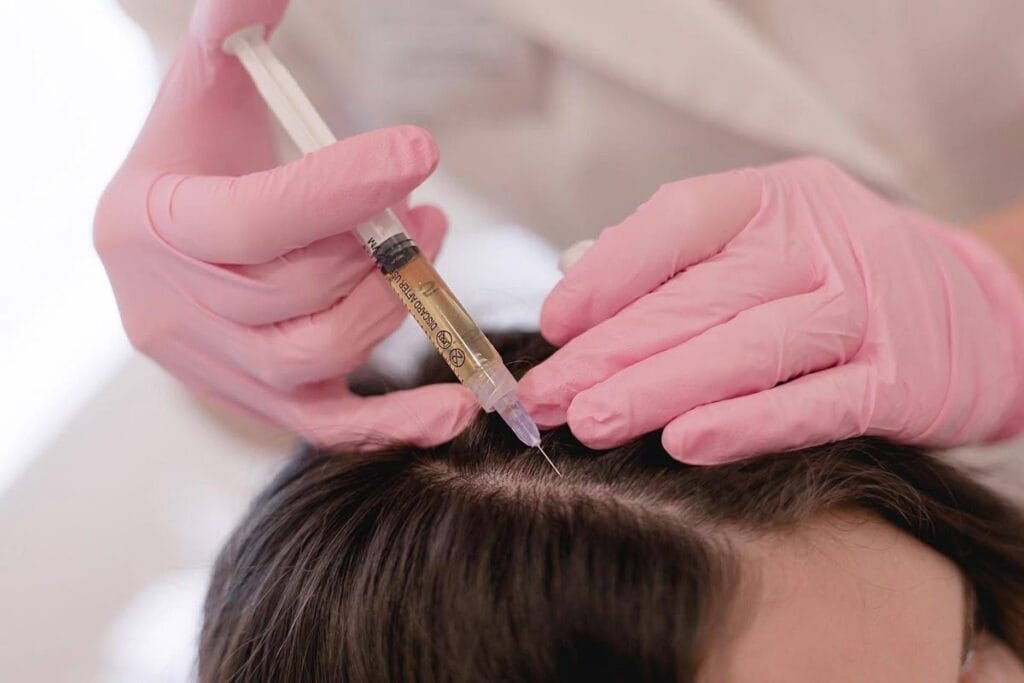
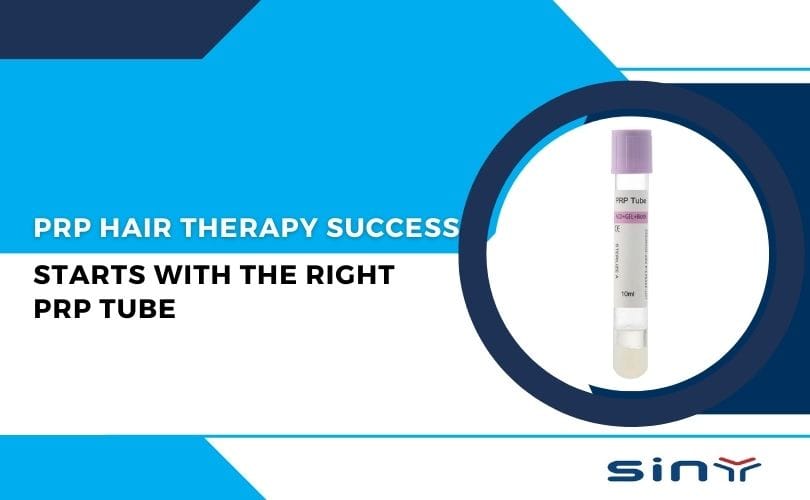
Clinical studies have reported that PRP injections can increase hair count by 30-40% in treated areas after approximately three to four sessions, spaced about a month apart. Patient satisfaction rates in these studies typically range from 60-70%, with many reporting improved hair thickness and density. The success of PRP hair therapy often depends on using specialized equipment like ACD Gel Biotin PRP tubes for hair treatment.
For optimal results in hair restoration, most practitioners recommend a series of initial treatments followed by maintenance sessions every 4-6 months. This approach helps sustain the regenerative effects of the PRP therapy over time.
It’s important to note that PRP for hair restoration tends to work best in the early stages of hair loss. Patients with more advanced baldness may see limited results, as the therapy works by stimulating existing follicles rather than creating new ones. The 10ml ACD Gel Biotin PRP tubes are specifically designed to maximize the concentration of growth factors beneficial for hair follicle stimulation.
PRP Injection Success Rates in Aesthetic Medicine
In the field of aesthetic medicine, PRP injections have gained popularity for skin rejuvenation, scar reduction, and anti-aging treatments. The success rates in these applications are generally measured by patient satisfaction and visible improvements in skin quality.
For facial rejuvenation, clinical studies have reported patient satisfaction rates of 70-80% following PRP therapy. Patients typically notice improvements in skin texture, reduced fine lines, and enhanced facial volume after a series of treatments. The best PRP tubes for skin rejuvenation are specifically designed to optimize the concentration of growth factors beneficial for skin regeneration.
When it comes to scar treatment, particularly for acne scars, PRP therapy has shown success rates of approximately 65-75%. Patients often report significant improvements in scar appearance after three to four treatment sessions. The regenerative properties of PRP help stimulate collagen production and remodel scar tissue, resulting in smoother, more even skin texture.
For under-eye rejuvenation, PRP injections have demonstrated impressive results, with success rates approaching 80% in clinical studies. Patients typically notice reduced dark circles, diminished fine lines, and improved skin thickness in the treated area. The PRP tubes for beauty applications are specifically formulated to maximize the aesthetic benefits of the treatment.
It’s worth noting that success in aesthetic applications of PRP therapy often depends on proper technique and appropriate patient selection. Patients with mild to moderate skin concerns tend to experience better results than those with more advanced signs of aging or severe scarring.
PRP Injection Success Rates in Dental Applications
Dental medicine has embraced PRP therapy for various applications, including post-extraction healing, implant placement, and periodontal treatment. The success rates in these applications are generally measured by healing speed, reduction in complications, and improved tissue regeneration.
For post-extraction healing, PRP therapy has shown remarkable results, with studies reporting success rates of 85-90% in terms of enhanced healing and reduced complications. Patients receiving PRP after tooth extractions typically experience faster recovery, less pain, and lower risk of dry socket. The specialized PRP tubes for dental applications are designed to optimize the concentration of growth factors beneficial for oral tissue regeneration.
In implant dentistry, PRP therapy has demonstrated success rates of approximately 80-85% in improving osseointegration and reducing healing time. The growth factors in PRP help stimulate bone formation around the implant, leading to better stability and long-term success. Many dental practitioners now consider PRP therapy a valuable adjunct to implant procedures.
For periodontal treatment, PRP injections have shown success rates of 70-75% in reducing pocket depth and improving attachment levels. Patients with gum disease often experience better outcomes when PRP is incorporated into their treatment plan, particularly for regeneration of lost periodontal tissues.
The success of PRP in dental applications is particularly dependent on proper preparation technique. Using microbial test tubes for reinjection water ensures the sterility of the preparation, which is crucial for dental applications where the risk of infection must be minimized.
Comparing PRP Injection Success to Alternative Treatments
When evaluating the success rates of PRP injections, it’s helpful to compare them with alternative treatments for the same conditions. This comparison provides context for understanding the relative effectiveness of PRP therapy.
For knee osteoarthritis, PRP injections have shown comparable or superior results to hyaluronic acid injections and corticosteroid injections. While corticosteroids may provide more immediate pain relief, PRP offers longer-lasting benefits with fewer potential side effects. Studies have shown that PRP’s effects can last up to 12 months, compared to 3-6 months for hyaluronic acid injections.
In hair restoration, PRP therapy offers a non-surgical alternative to hair transplants with fewer risks and lower costs. While hair transplants may provide more dramatic results for advanced baldness, PRP is less invasive and can be effective for early to moderate hair loss. Many patients actually use PRP therapy in conjunction with other treatments to enhance overall results.
For facial rejuvenation, PRP injections provide a natural alternative to synthetic fillers and neurotoxins. While the effects of PRP may develop more gradually than these treatments, they tend to look more natural and last longer. Additionally, PRP works by improving the skin’s own quality rather than just filling lines or relaxing muscles.
In tendon injuries, PRP therapy has shown advantages over traditional treatments like corticosteroid injections, which may weaken tendons over time. PRP not only provides pain relief but also addresses the underlying degenerative process in the tendon, potentially offering more lasting benefits.
Optimizing PRP Injection Success: Best Practices
Achieving optimal success rates with PRP injection therapy requires attention to several key factors throughout the treatment process. From patient selection to post-treatment care, each step plays a crucial role in determining outcomes.
Proper patient selection is perhaps the most critical factor in PRP success. Patients with mild to moderate conditions, good overall health, and realistic expectations tend to experience the best results. A thorough medical evaluation and clear communication about potential outcomes are essential before proceeding with treatment.
The quality of PRP preparation significantly impacts success rates. Using high-quality PRP tubes ensures proper separation and concentration of platelets, which directly affects the treatment’s effectiveness. The centrifugation process must be optimized to achieve the ideal platelet concentration without damaging the platelets.
Injection technique is another crucial factor. Precise placement of the PRP at the site of injury or degeneration is essential for optimal results. Many practitioners use ultrasound guidance to ensure accurate injection placement, particularly for deep-seated structures like joints or tendons.
Post-treatment care also significantly influences success rates. Following appropriate aftercare guidelines helps maximize the benefits of PRP therapy. This typically includes avoiding anti-inflammatory medications, limiting certain activities initially, and following a structured rehabilitation program when appropriate.
Finally, the treatment protocol itself must be tailored to the specific condition and patient. While some applications may require only a single PRP injection, others benefit from a series of treatments. The timing between injections and the total number of treatments should be customized based on the individual’s response and the condition being treated.
Recent Research and Future Directions in PRP Therapy
The field of PRP therapy continues to evolve rapidly, with ongoing research expanding our understanding of its potential applications and effectiveness. Recent studies have provided valuable insights into optimizing PRP treatments and identifying new areas where this therapy may be beneficial.
One area of recent research focuses on comparing different types of PRP preparations. Studies have examined the relative benefits of leukocyte-rich PRP versus leukocyte-poor PRP for various conditions. The evidence suggests that different conditions may respond better to different PRP formulations, highlighting the importance of customized approaches.
Another promising area of research involves combining PRP with other regenerative therapies. Studies have explored the synergistic effects of combining PRP with stem cells, extracellular matrix products, or various growth factors. These combination approaches may enhance the regenerative potential of PRP therapy and expand its applications.
Researchers are also investigating ways to enhance the effectiveness of PRP through activation methods. Some studies have examined the benefits of activating platelets with calcium chloride or thrombin immediately before injection, while others have explored mechanical activation techniques. These approaches may help maximize the release of growth factors at the treatment site.
Looking to the future, PRP therapy is likely to become more targeted and personalized. Advances in diagnostic imaging and biomarker analysis may help identify patients who are most likely to benefit from PRP treatment. Additionally, technological improvements in PRP preparation and delivery systems will likely enhance the consistency and effectiveness of treatments.
For those interested in staying updated on the latest developments in PRP therapy, Siny Medical’s YouTube channel provides valuable resources and demonstrations of PRP techniques and applications.
FAQs
How long does it take to see results after a PRP injection?
The timeline for seeing results after a PRP injection varies depending on the condition being treated. For some acute injuries, patients may notice improvement within a few weeks. For chronic conditions like osteoarthritis, it may take 6-8 weeks to see significant benefits. In aesthetic applications, some improvement may be visible within a few weeks, but optimal results typically develop over 2-3 months as collagen production increases. Hair restoration usually requires 3-4 months before visible growth is noticeable. The PRP injection therapy stimulates a natural healing process that takes time to fully manifest, so patience is essential for achieving optimal results.
Are PRP injections more effective than traditional treatments like cortisone shots?
PRP injections and cortisone shots work through different mechanisms and have different advantages. Cortisone provides powerful anti-inflammatory effects and often produces more immediate pain relief, but these effects are typically temporary and repeated injections can weaken tissues over time. PRP injection therapy, on the other hand, addresses the underlying degenerative process and stimulates healing, potentially offering longer-lasting benefits. For conditions like tendon injuries and osteoarthritis, research suggests that PRP may provide more sustained improvement than cortisone, though the relief may develop more gradually. The choice between treatments depends on the specific condition, severity, and patient goals.
How many PRP injection sessions are typically needed for successful treatment?
The number of PRP injection sessions needed varies depending on the condition and individual response. For acute injuries, a single PRP injection may be sufficient. For chronic conditions like osteoarthritis or tendinopathy, a series of 3 injections spaced 2-4 weeks apart is commonly recommended. In aesthetic applications, 2-3 treatments spaced about a month apart are typical for optimal results. Hair restoration usually requires an initial series of 3-4 treatments, followed by maintenance sessions every 4-6 months. The success of PRP injection therapy often depends on following the recommended treatment protocol and allowing adequate time between sessions for the regenerative process to occur.
Does insurance cover PRP injection therapy?
Insurance coverage for PRP injection therapy varies widely depending on the provider, specific condition, and location. Currently, most insurance companies consider PRP therapy experimental or investigational for many applications and may not cover the treatment. However, some providers may cover PRP for certain orthopedic conditions, particularly when other conservative treatments have failed. Patients should check with their insurance provider beforehand to understand their coverage and potential out-of-pocket costs. Despite limited insurance coverage, many patients choose to pay for PRP injection therapy out-of-pocket due to its potential benefits and lower risk profile compared to more invasive options.
What are the potential risks or side effects of PRP injections?
PRP injection therapy is generally considered safe with minimal risks, as it uses the patient’s own blood, eliminating the risk of allergic reactions or disease transmission. The most common side effects are temporary and mild, including injection site pain, swelling, or bruising. These typically resolve within a few days. Less commonly, patients may experience infection, nerve injury, or tissue damage, though these risks are minimal when the procedure is performed by a qualified healthcare provider using proper technique. Unlike corticosteroid injections, PRP doesn’t carry the risk of tissue weakening or atrophy. The overall safety profile of PRP injection therapy is favorable compared to many alternative treatments.
How long do the effects of a successful PRP injection last?
The duration of benefits from a successful PRP injection varies depending on the condition treated and individual factors. For osteoarthritis, many patients experience relief for 9-12 months, with some reporting longer benefits. Tendon injuries may have more lasting results if the underlying biomechanical issues are addressed. In aesthetic applications, the improvements in skin quality typically last 12-18 months, though maintenance treatments can prolong the effects. For hair restoration, ongoing maintenance sessions are usually needed to sustain the benefits. The regenerative effects of PRP injection therapy are not permanent, as the natural aging and degenerative processes continue over time. However, many patients find that the duration of relief from PRP exceeds that of many alternative treatments.
Summary
PRP injection therapy has emerged as a promising treatment option across multiple medical disciplines, with success rates varying by application but generally ranging from 60-85% in properly selected patients. For orthopedic conditions like osteoarthritis and tendon injuries, PRP has demonstrated effectiveness comparable or superior to traditional injections, with the added benefit of addressing the underlying degenerative process rather than just masking symptoms.
In aesthetic medicine, PRP injections have shown patient satisfaction rates of 70-80% for facial rejuvenation and scar treatment, with natural-looking results that improve over time as collagen production increases. For hair restoration, PRP therapy can increase hair count by 30-40% in appropriately selected patients, particularly when treatment is begun in the early stages of hair loss.
The success of PRP injection therapy depends on multiple factors, including proper patient selection, high-quality preparation using specialized equipment like Siny Medical’s PRP tubes, precise injection technique, and appropriate post-treatment care. When these elements are optimized, PRP therapy can offer significant benefits with minimal risks.
As research continues to advance our understanding of PRP therapy, success rates are likely to improve further through optimized preparation techniques, better patient selection criteria, and refined treatment protocols. For patients seeking natural regenerative solutions for various conditions, PRP injection therapy represents a promising option with growing evidence of effectiveness across multiple applications.
For healthcare providers looking to incorporate PRP therapy into their practice, working with reputable suppliers like Siny Medical ensures access to high-quality PRP tubes and equipment designed to optimize treatment outcomes. To learn more about implementing PRP therapy in your practice, contact Siny Medical for expert guidance and product information.