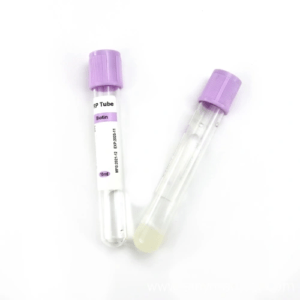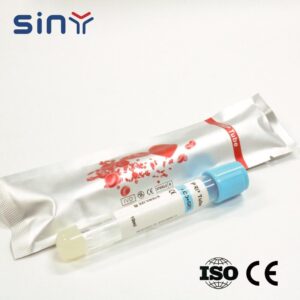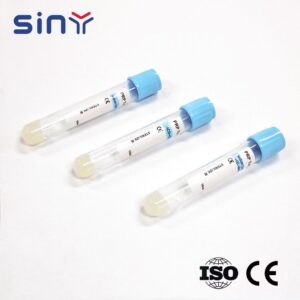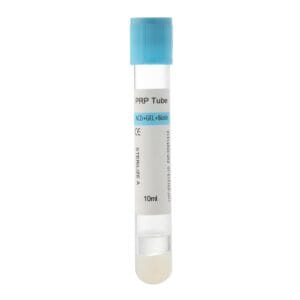

| Product Name | PRP Tubes for Beauty |
| Tube Material | PET/Glass/Crystal |
| OEM/ODM | Yes |
| Certificate | CE, ISO13485, ISO9001 |
| Usage | Skin Treatment, Hair Treatment, Knee Treatment, Dental, Orthopedic |
| Sterile | Irradiation sterilization |
| Sample | Free |
| Service | The groups we serve: distributors, import traders, government procurement, Buying Agents, medical chain stores, we provide one-stop procurement for you to simplify your procurement process |
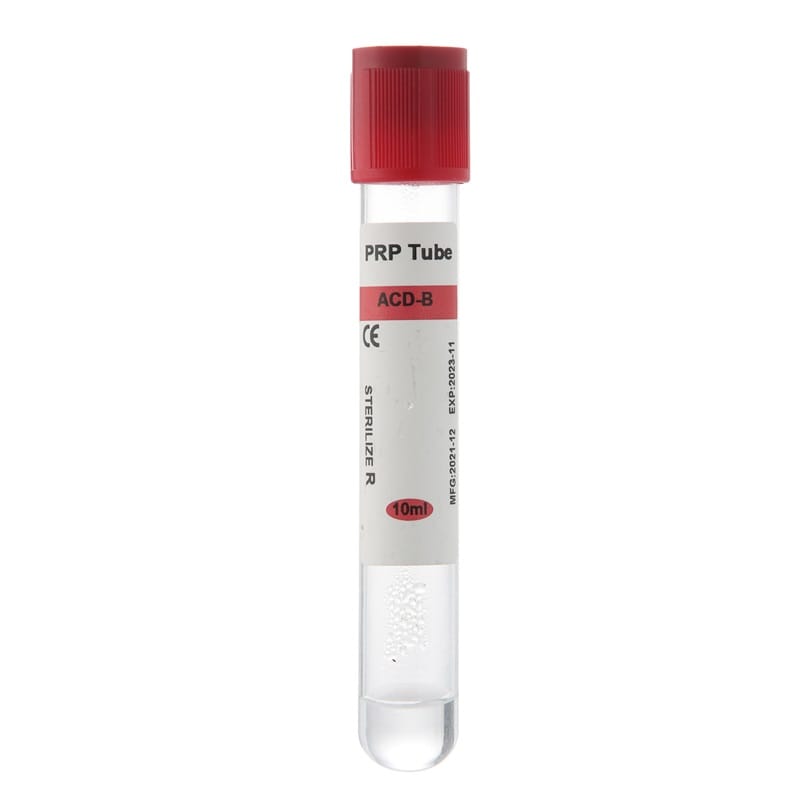
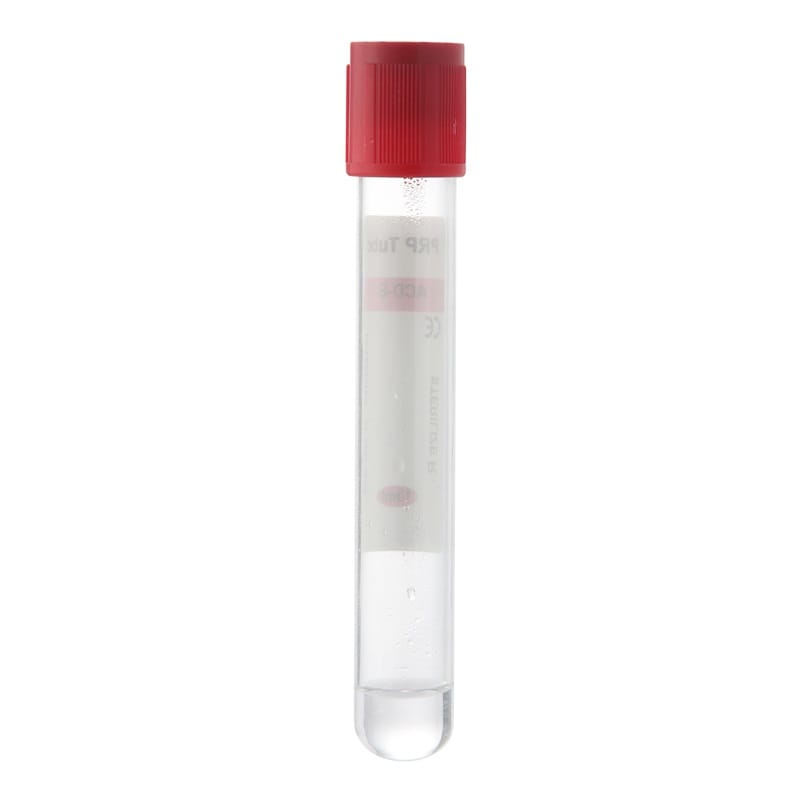
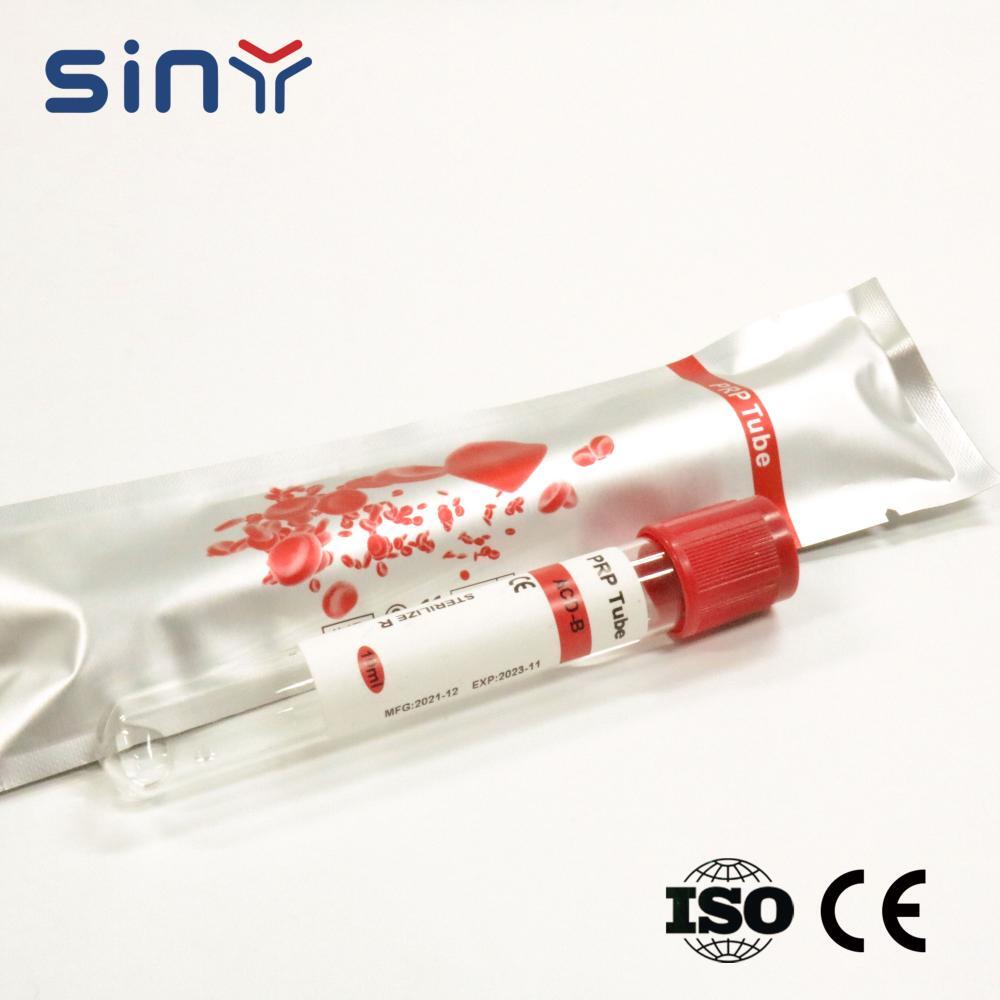
PRP preparation starts with controlled blood collection and anticoagulation. When a protocol specifies ACD-B, the collection tube should match that requirement from the beginning. The Platelet Rich Plasma Test Tube ACD-B 10ML PRP Tube from Siny Medical combines a 10 mL tube format with Acid Citrate Dextrose Solution B (ACD-B). The anticoagulant helps prevent premature clot formation during blood collection and preparation.
This product is designed for professional PRP preparation workflows that specifically require an ACD-B PRP tube.
Available tube materials include PET, glass, and crystal. This gives distributors, clinics, medical suppliers, and OEM buyers several options when building a PRP product range.
Anticoagulation is an important part of many PRP preparation protocols.
After venous blood enters the collection tube, clotting can begin unless the protocol uses an appropriate anticoagulant. ACD-B provides citrate-based anticoagulation during this stage.
The 10 mL tube gives the product a clearly defined collection format.
This combination makes the tube easy to identify during purchasing:
10 mL volume + ACD-B anticoagulant + PRP preparation application.
For professional buyers, this is more useful than simply ordering a generic PRP tube.
Different PRP protocols can use different tube configurations. Therefore, the tube should match the validated preparation method used by the clinic or facility.
ACD-B stands for Acid Citrate Dextrose Solution B.
It is an anticoagulant formulation used to help control coagulation during blood handling.
The citrate component plays the main anticoagulant role by interacting with calcium ions involved in the coagulation process.
This helps keep the collected blood from clotting prematurely while it moves through the intended preparation workflow.
For PRP preparation, that function matters because the blood generally needs to remain suitable for centrifugation before the desired plasma fraction is collected.
However, ACD-B should not be treated as interchangeable with every other PRP tube additive.
If a protocol specifies ACD-B, buyers should source an ACD-B configuration rather than selecting another anticoagulant only because the tube has the same volume.
ACD-A and ACD-B belong to the same anticoagulant family, but they are different formulations.
Therefore, procurement teams should not use the names interchangeably.
Both formulations contain citrate and dextrose components. However, their formulation ratios differ.
This means a purchasing specification that requires ACD-B should remain ACD-B throughout the quotation, labeling, and ordering process.
The same principle applies to ACD-A.
For PRP buyers, the practical rule is simple:
Follow the anticoagulant specified by the validated PRP preparation protocol or system.
Do not change from ACD-B to ACD-A, sodium citrate, or another additive based only on general product similarity.
This page specifically covers the 10 mL ACD-B PRP Tube.
Tube volume is another important part of PRP system selection.
A 10 mL tube provides a defined blood collection format that can fit protocols designed around this tube size.
However, tube capacity alone does not determine the final PRP volume.
The recovered plasma fraction can vary according to several factors, including:
Therefore, buyers should avoid assuming that a 10 mL tube automatically produces a fixed amount of PRP.
Instead, the tube volume should match the preparation protocol and centrifugation workflow used by the professional facility.
This is especially important when clinics standardize their procedures around a particular tube size.
The role of ACD-B begins during blood collection.
Once blood enters the tube, the anticoagulant supports controlled handling before centrifugation.
The collected blood can then proceed to the centrifugation stage according to the user’s validated protocol.
During centrifugation, blood components separate according to their physical characteristics.
The professional user can then identify and collect the required plasma fraction according to the selected PRP preparation method.
The tube itself does not determine the final platelet concentration.
Centrifugation speed, relative centrifugal force, processing time, tube geometry, blood characteristics, and collection technique can all influence the final preparation.
For this reason, Siny Medical does not recommend treating one centrifugation setting as universal for every PRP workflow.
Users should follow their validated protocol and compatible centrifuge instructions.
This page focuses on ACD-B anticoagulation.
That distinction is important because PRP tubes can use different internal configurations.
Some PRP products combine an anticoagulant with a separation gel. Other products may use different additives for specific preparation workflows.
Those products should have their own purchasing specifications.
The current product should be selected when the buyer specifically needs a 10 mL ACD-B PRP tube.
Therefore, buyers should not assume that every PRP tube with the same volume has the same internal configuration.
When requesting a quotation, state the required additive clearly.
This makes comparison easier and reduces the risk of ordering a tube intended for a different preparation method.
Siny Medical lists PET, glass, and crystal as available tube material options for this product.
Material choice can form part of a buyer’s technical or commercial specification.
For example, different distributors may already have established product ranges based on a particular tube material.
Clinics may also use a specific tube configuration as part of their existing workflow.
Therefore, B2B buyers should confirm the required material before production.
The purchasing specification can include:
This creates a clearer specification than simply requesting “10 mL PRP tubes.”
The exact preparation procedure depends on the professional protocol.
However, the general workflow usually begins with venous blood collection into the appropriate PRP tube.
After collection, the sample should be handled according to the tube instructions and validated protocol.
The blood then undergoes centrifugation.
Centrifugation separates blood components and allows the professional user to access the required plasma fraction.
The prepared fraction can then be collected and handled according to the facility’s professional PRP procedure.
Several details need to remain controlled throughout this process:
Consistency across these steps matters more than relying on the tube alone.
The ACD-B 10 mL PRP Tube forms one component of the complete preparation system.
PRP preparation is used across several professional fields.
Depending on local regulations, professional practice, and the selected protocol, these can include:
However, the collection tube should not be marketed as the treatment itself.
The tube supports blood collection, anticoagulation, and PRP preparation.
It does not independently treat wrinkles, pigmentation, hair loss, arthritis, tendon injuries, scars, or other conditions.
Clinical outcomes depend on many factors beyond the collection tube.
For this reason, professional buyers should select the tube according to the preparation protocol rather than choosing it based only on a list of treatment claims.
Aesthetic and dermatology practices may use PRP preparation as part of their professional procedures.
For these buyers, workflow consistency can be an important purchasing consideration.
Using a defined 10 mL ACD-B tube configuration helps purchasing teams identify the same tube specification when placing repeat orders.
The clinic should still follow its established preparation method.
Centrifugation settings, plasma collection, handling, and subsequent use should remain under the control of trained professionals.
Therefore, this page focuses on the tube’s role in PRP preparation rather than promising specific aesthetic outcomes.
Orthopedic and sports medicine facilities may also purchase PRP preparation products.
Their procurement requirements can differ from those of aesthetic clinics.
For example, they may focus more heavily on protocol consistency, tube volume, anticoagulant selection, centrifuge compatibility, and repeat purchasing.
The 10 mL ACD-B configuration provides a clearly defined option for facilities whose established workflow specifies this anticoagulant.
However, the tube itself should not be described as a treatment for arthritis, tendinitis, ligament injuries, or muscle injuries.
Those are clinical applications of PRP-based procedures, not functions performed by the collection tube.
This distinction keeps product information accurate and makes the page more useful for professional buyers.
PRP-related preparation methods can also appear in dental and other professional settings.
Again, the correct tube depends on the preparation protocol.
A facility that specifies ACD-B can select this product as part of its blood collection and centrifugation workflow.
Before ordering, the buyer should confirm:
This approach keeps product selection tied to the actual workflow.
It also helps prevent confusion between ACD-B tubes and other PRP or PRF products.
PRP tubes and PRF tubes should not be selected interchangeably. ACD-B PRP tubes use an anticoagulant to support blood collection and subsequent PRP preparation, while PRF workflows generally rely on coagulation rather than an anticoagulant-based collection system.
Start with the protocol.
First, confirm that the professional workflow requires ACD-B.
Next, verify that 10 mL is the required tube format.
Then, select the appropriate tube material.
After that, confirm compatibility with the intended collection and centrifugation workflow.
For B2B purchasing, a useful inquiry can include:
Providing these details makes quotation and product confirmation easier.
It also prevents confusion with ACD-A, sodium citrate, gel-containing, Biotin, and PRF tube configurations.
The final tube configuration should match the intended PRP preparation workflow.
Depending on the confirmed product specification, requirements may include:
The anticoagulant configuration, tube material, and compatibility with the intended preparation protocol should be confirmed before production.
Contact Siny Medical with your required 10 mL ACD-B PRP tube configuration, quantity, packaging, and labeling requirements for more product information or a quotation.
An ACD-B PRP tube is a blood collection tube that contains Acid Citrate Dextrose Solution B as an anticoagulant. It can support compatible blood collection and centrifugation workflows for PRP preparation.
ACD-B provides anticoagulation during blood collection and preparation. Its citrate component interacts with calcium involved in coagulation and helps prevent premature clot formation.
Yes. This product page specifically covers the 10 mL ACD-B PRP Tube.
No. ACD-A and ACD-B are different Acid Citrate Dextrose formulations. Buyers should use the formulation specified by their validated PRP protocol.
Do not substitute anticoagulants without confirming the requirements of the preparation protocol. ACD-B and sodium citrate are different product configurations.
This product page is specifically positioned around the ACD-B configuration. If your workflow requires a gel separator or another additive combination, confirm that configuration separately with Siny Medical before ordering.
The current product specification lists PET, glass, and crystal options.
No. Tube volume and final PRP volume are not the same. The recovered plasma fraction depends on blood volume, centrifugation, processing method, blood characteristics, and other factors.
Centrifugation requirements depend on the tube configuration, centrifuge, and validated PRP preparation protocol. Professional users should follow the applicable tube and centrifuge instructions rather than assuming one setting works for every system.
It can support compatible PRP preparation workflows when the professional protocol specifies a 10 mL ACD-B tube. The tube itself does not treat hair loss.
It can support compatible PRP preparation workflows used by professional orthopedic facilities when ACD-B matches the established protocol.
No. This tube contains ACD-B anticoagulant and is positioned for PRP preparation. PRF protocols can require different tube configurations and may use no anticoagulant.
OEM/ODM is available according to the confirmed product configuration and order requirements. Buyers should provide their tube material, quantity, packaging, labeling, and destination-market requirements.
Choosing a PRP tube starts with the preparation protocol.
If the protocol specifies ACD-B, the purchasing specification should clearly identify the anticoagulant rather than relying on a generic “PRP tube” description.
The Platelet Rich Plasma Test Tube ACD-B 10ML PRP Tube from Siny Medical combines a defined 10 mL format with ACD-B anticoagulation. PET, glass, and crystal tube options support different professional purchasing requirements.
For buyers, the most useful specification is simple:
10 mL + ACD-B + Required Tube Material + PRP Preparation
This makes quotations, product comparisons, and repeat orders easier to manage.
Contact Siny Medical with your required tube material, order quantity, packaging, labeling, and destination market to request a quotation for 10 mL ACD-B PRP tubes.
Copyright © 2026 | Ningbo Siny Medical Technology Co., Ltd