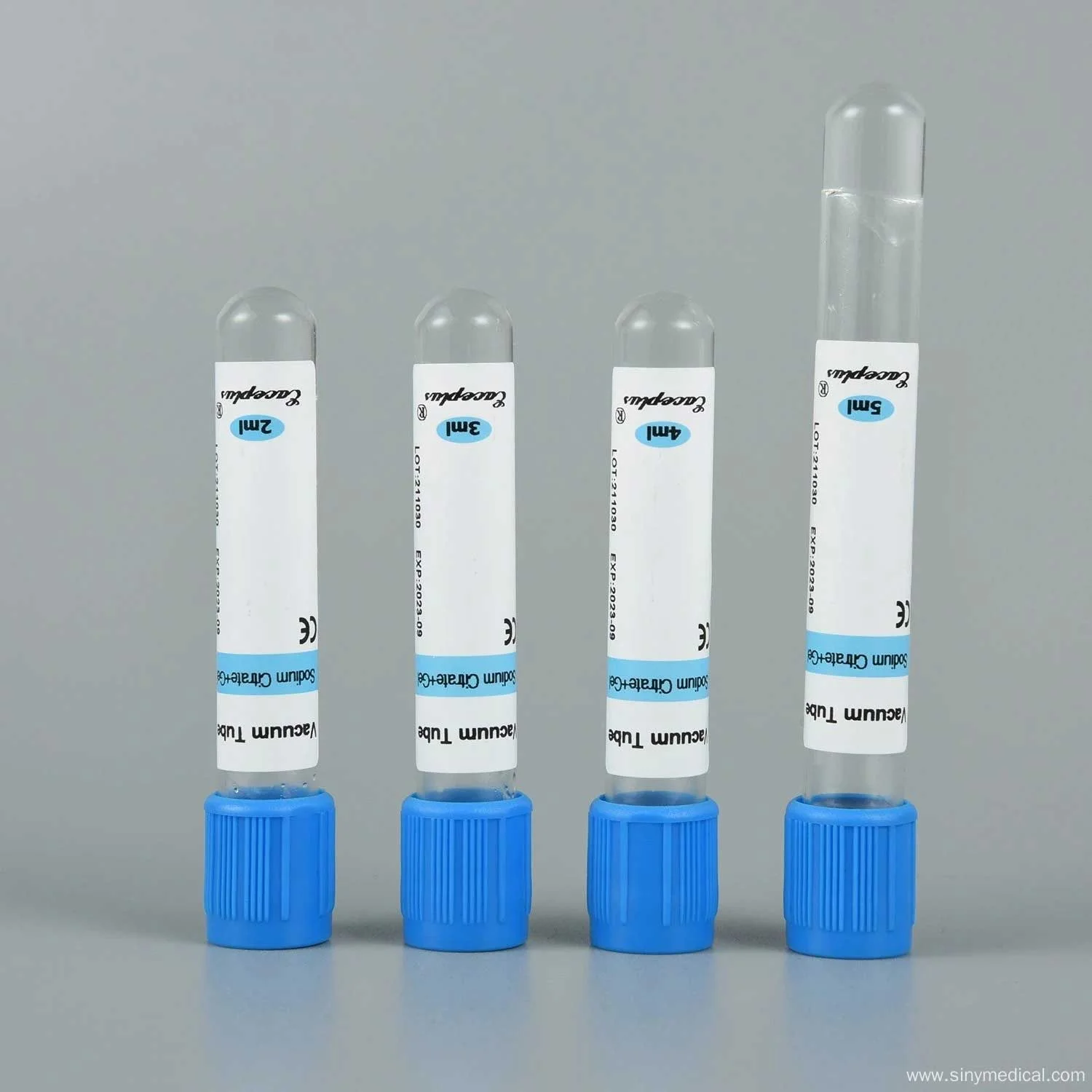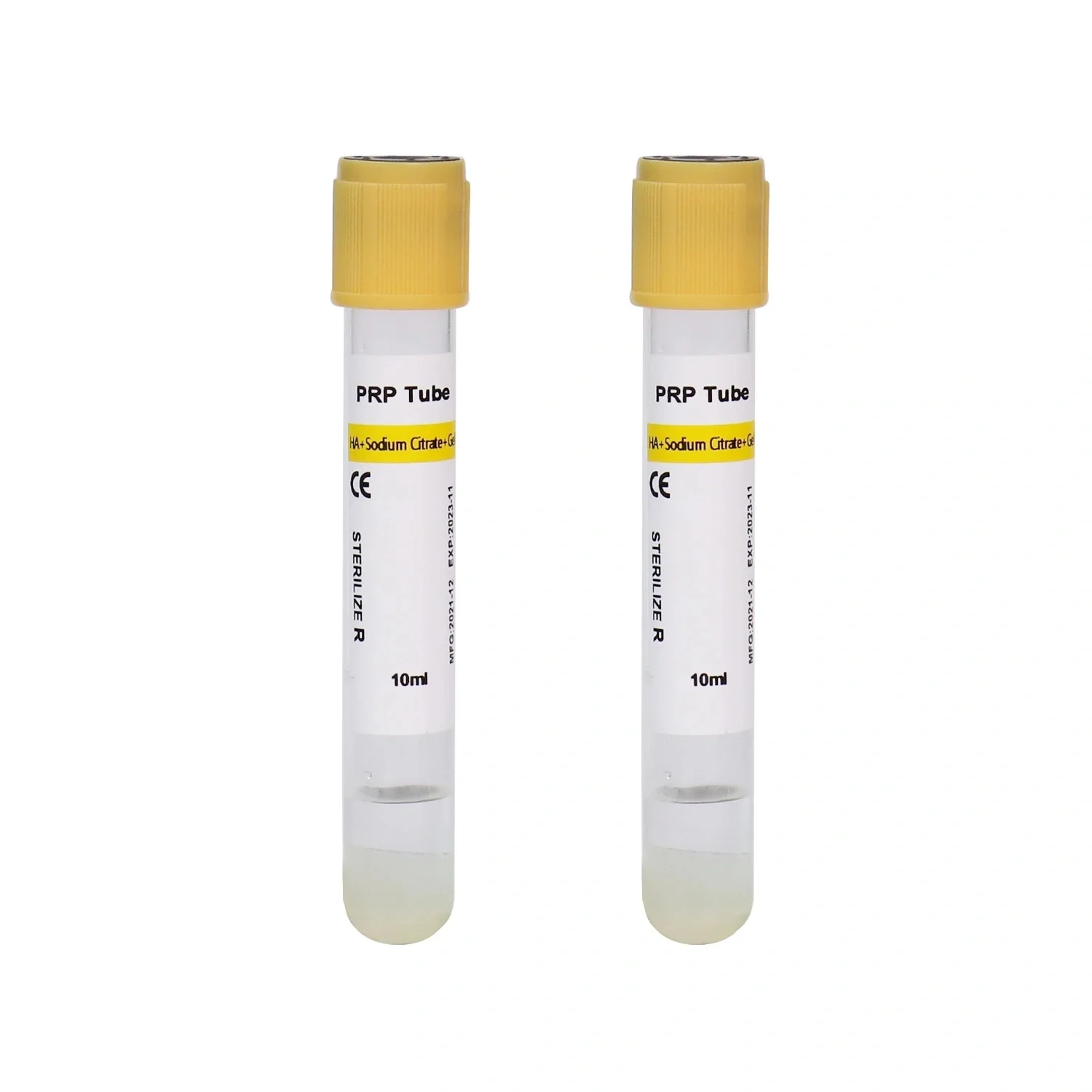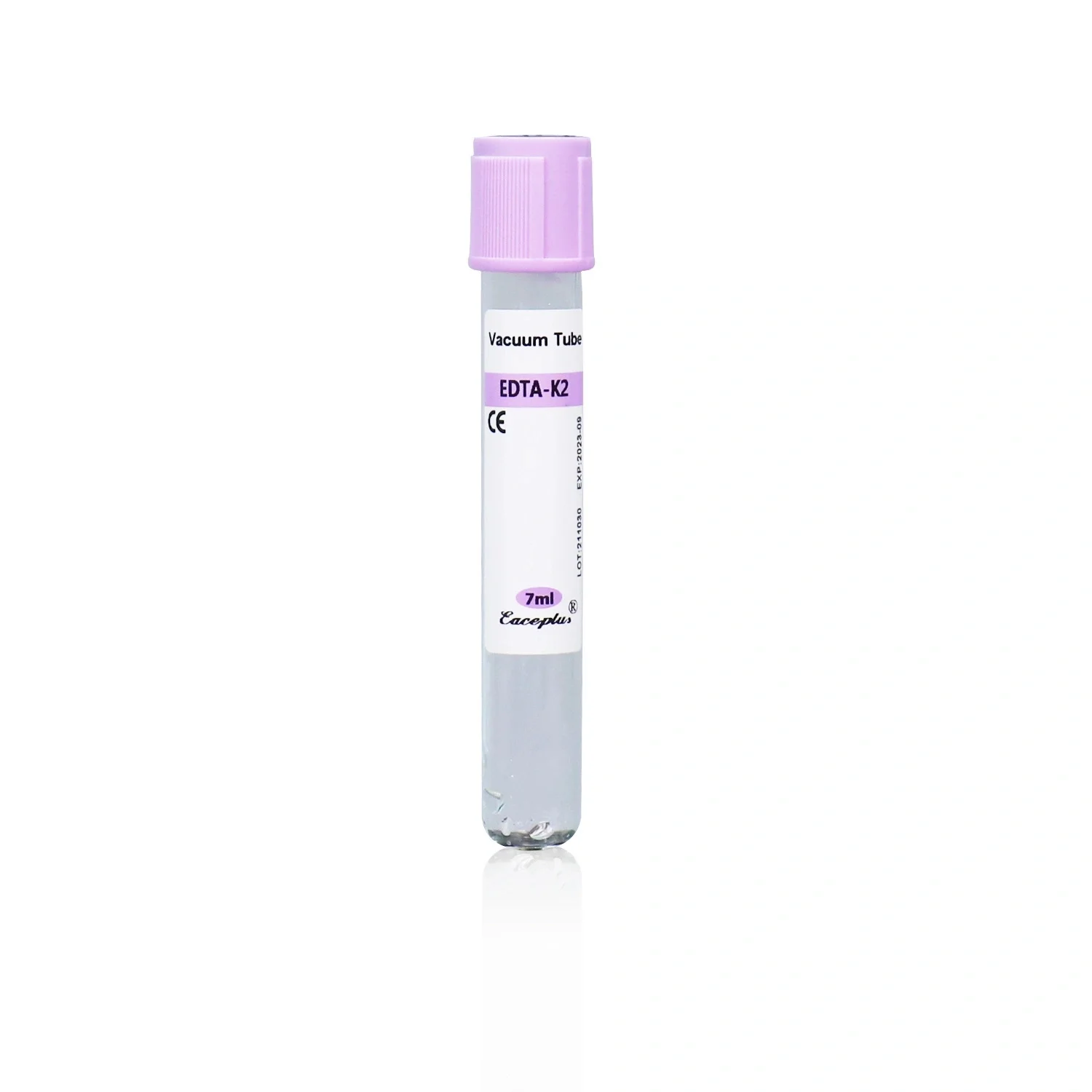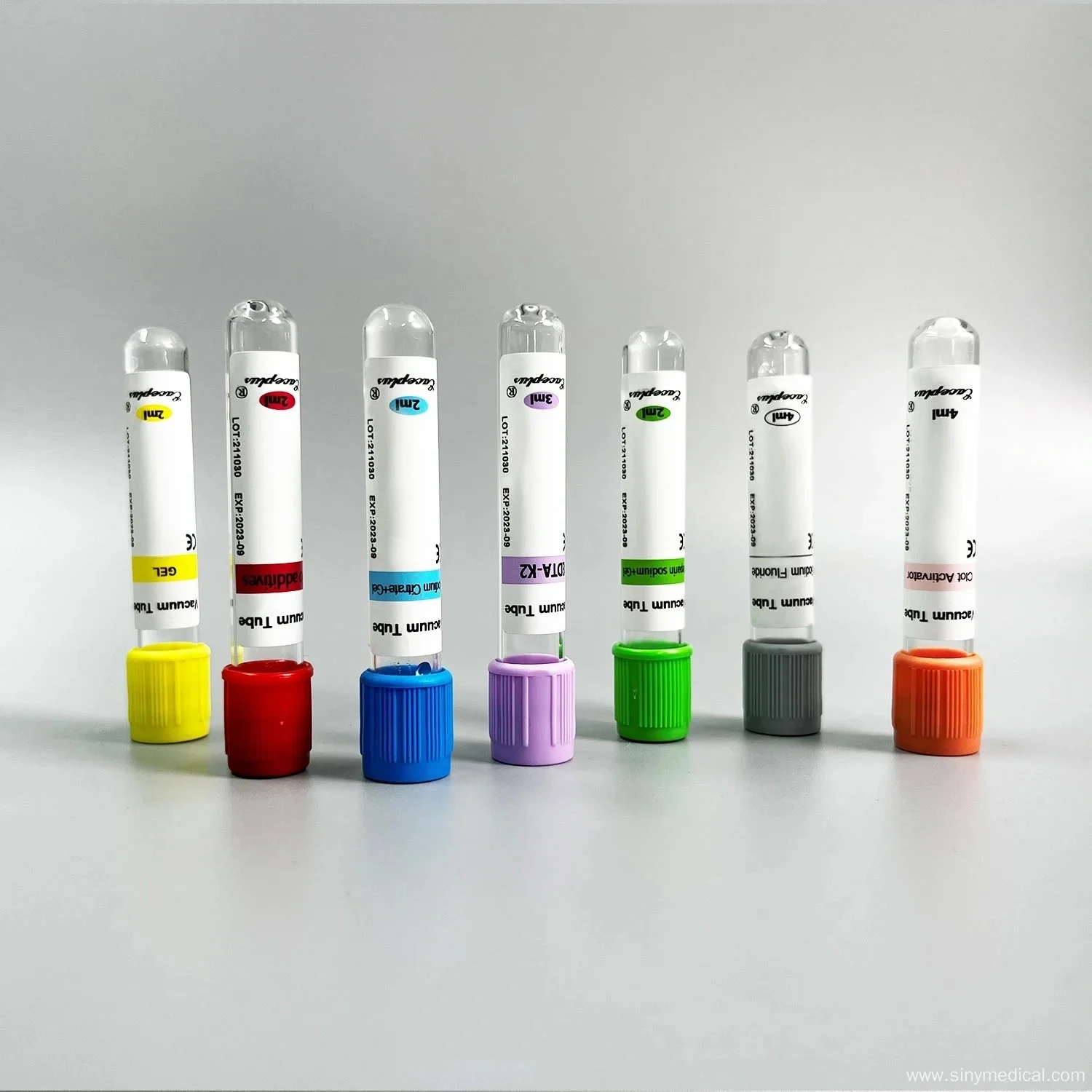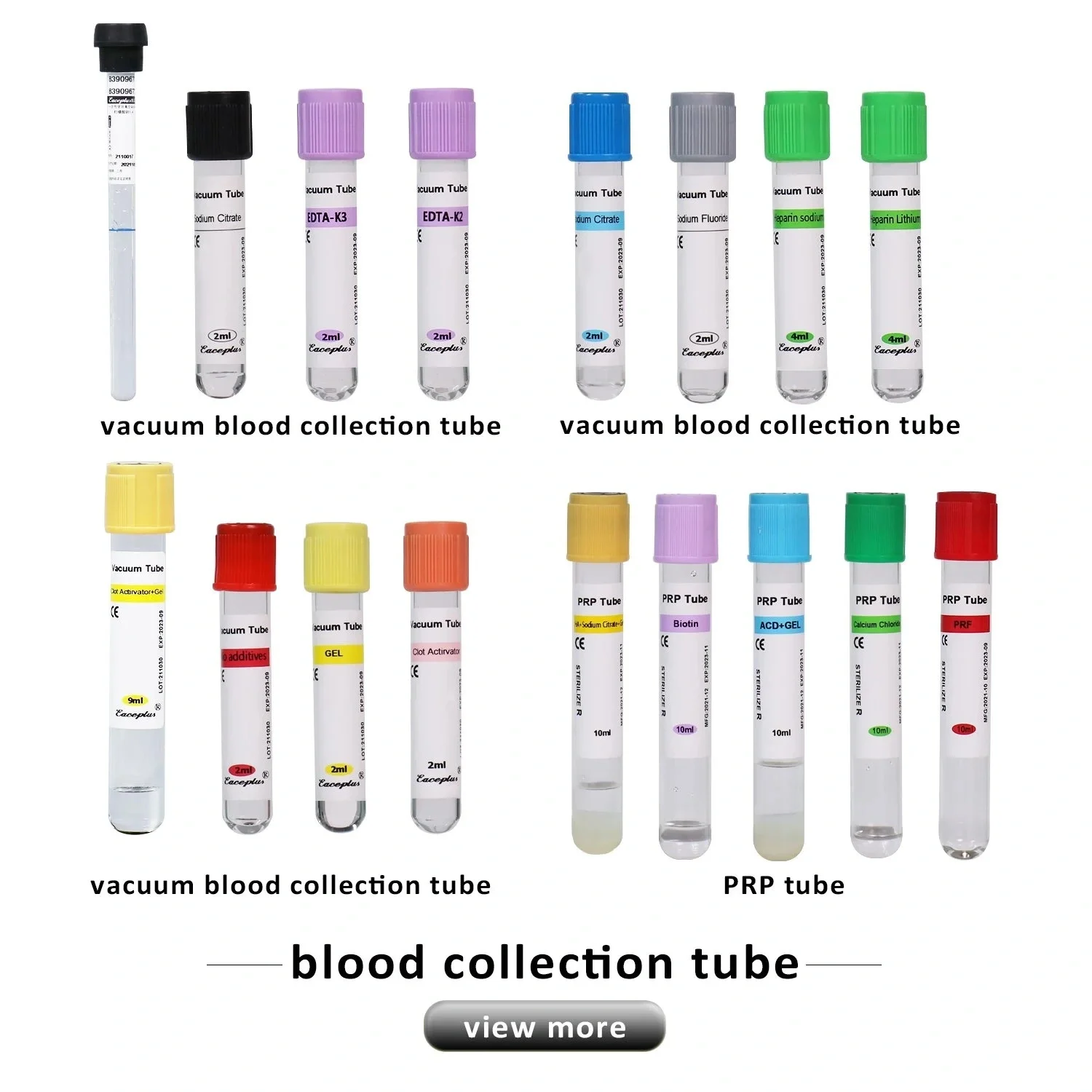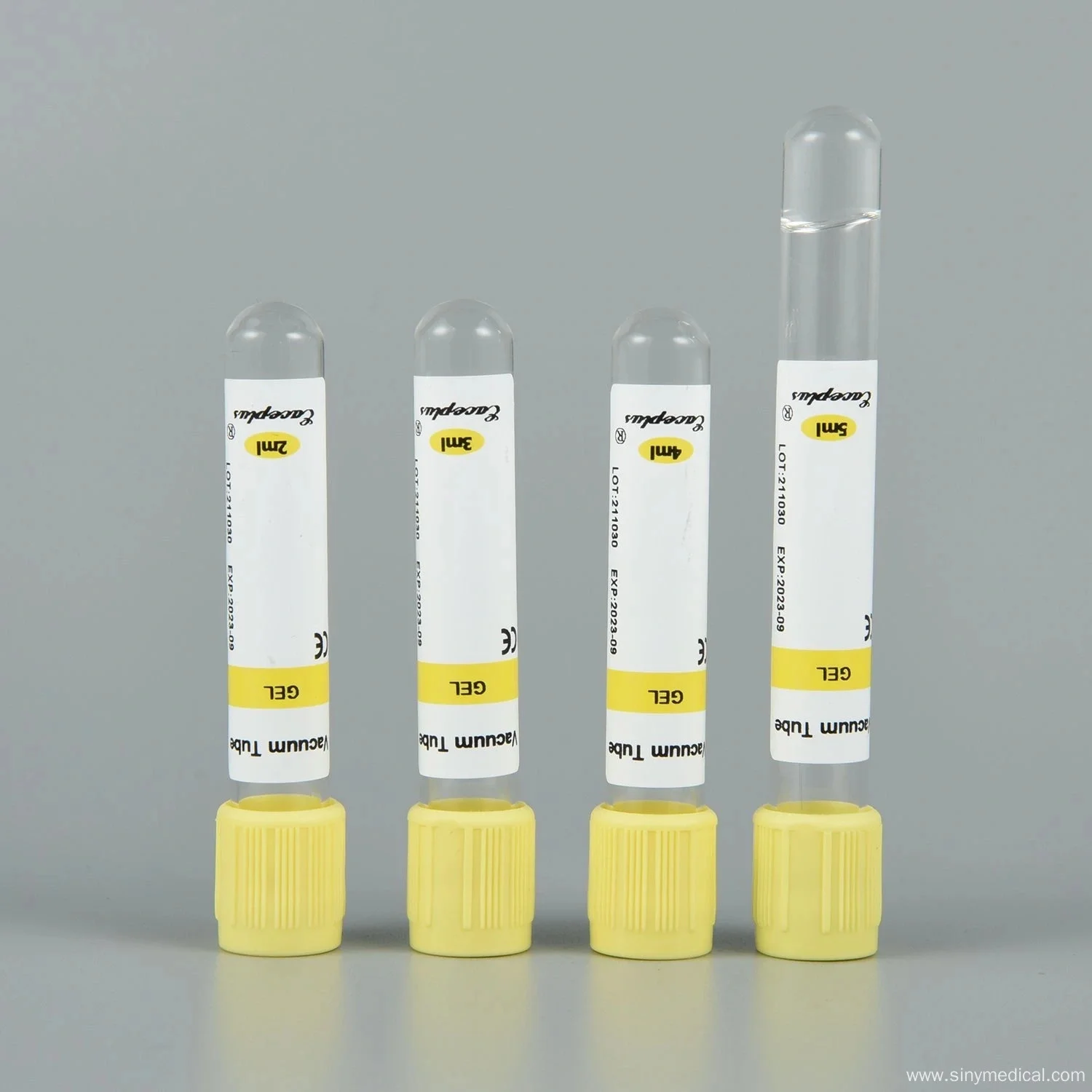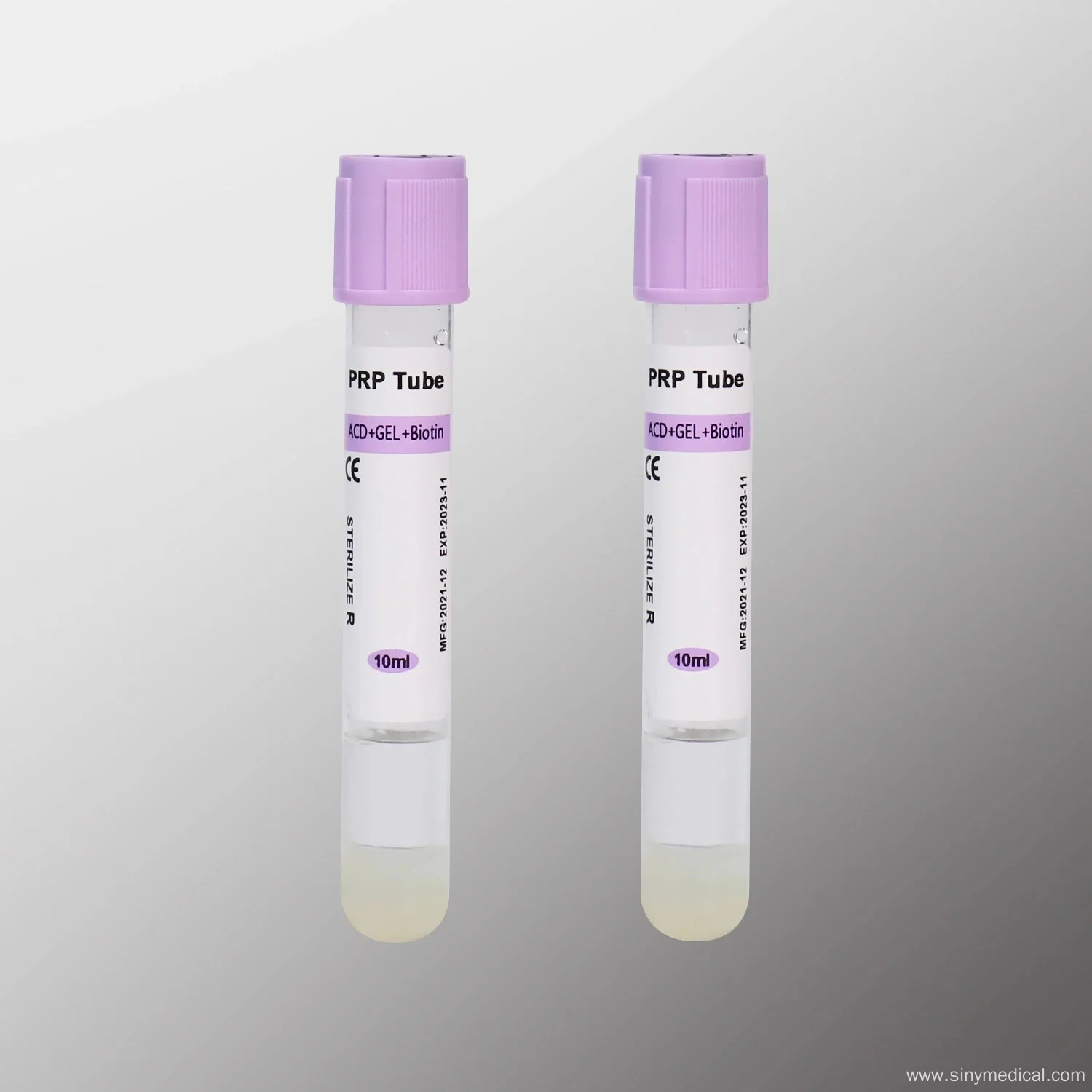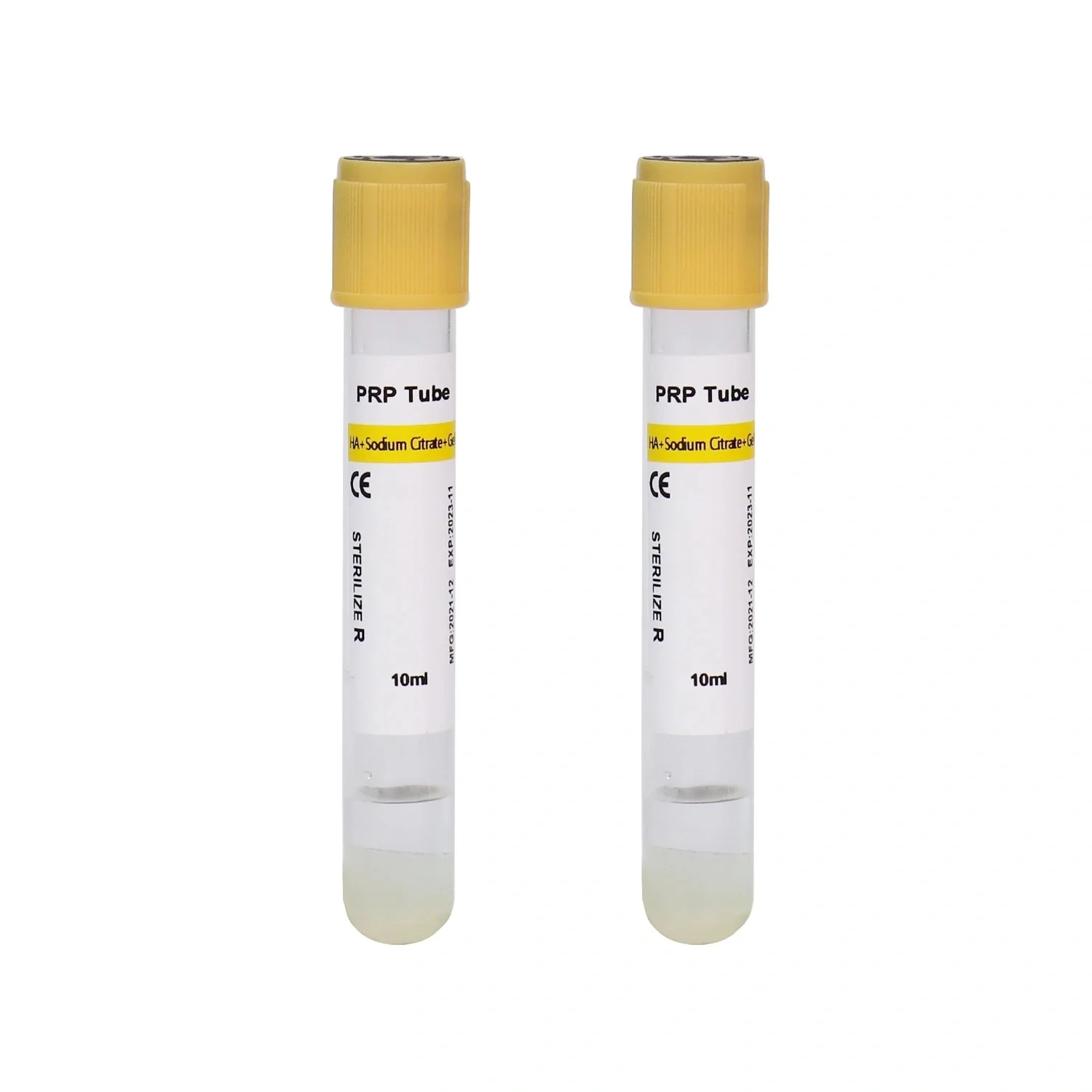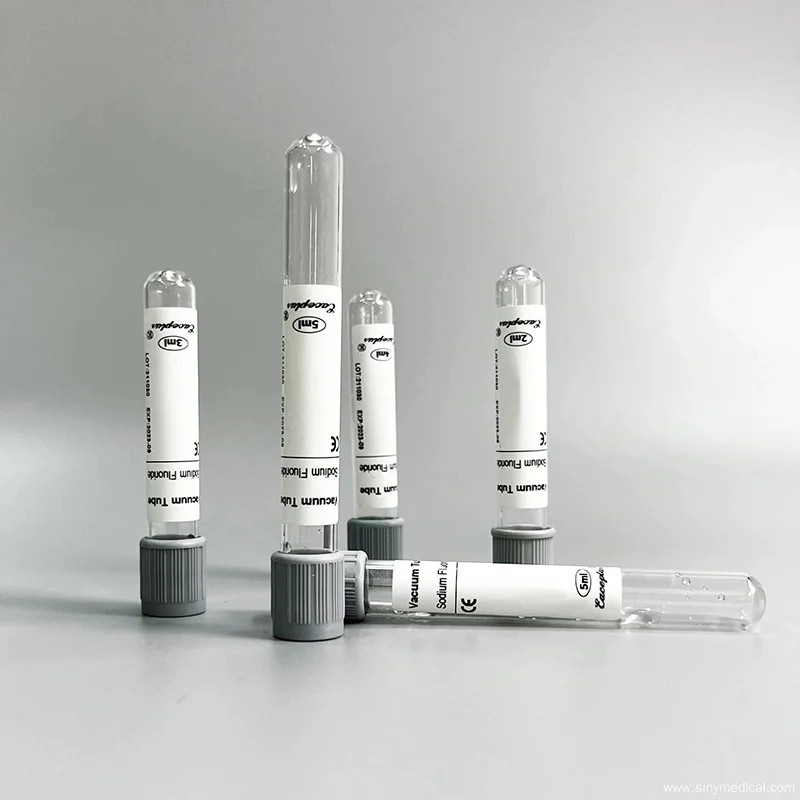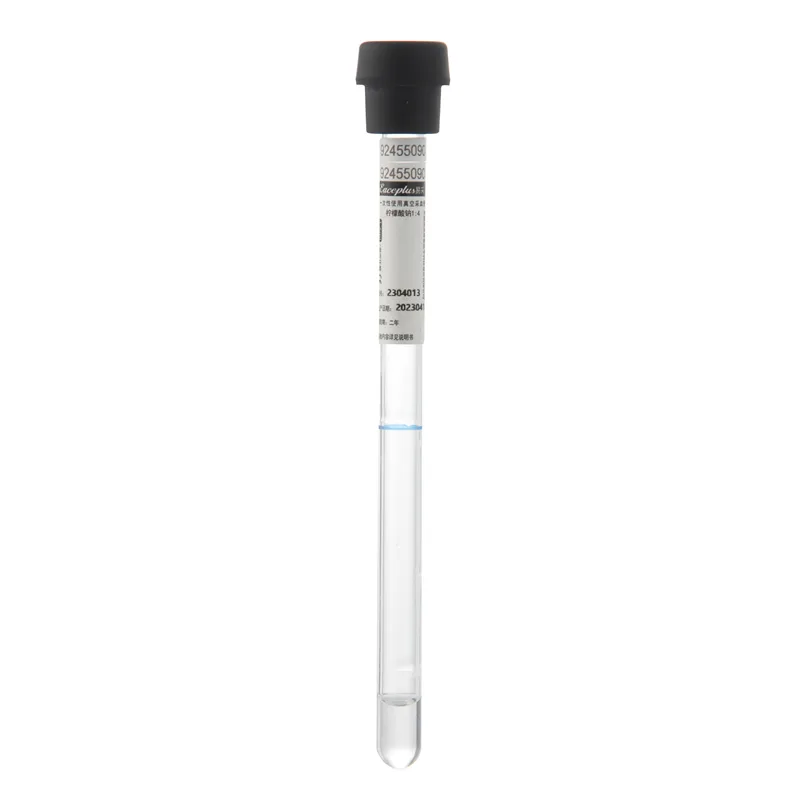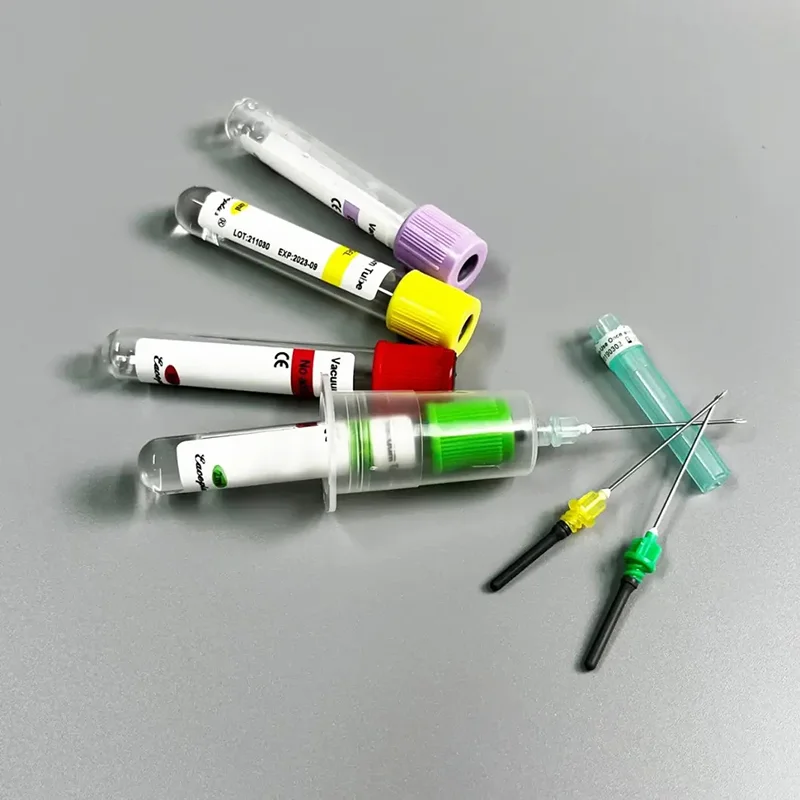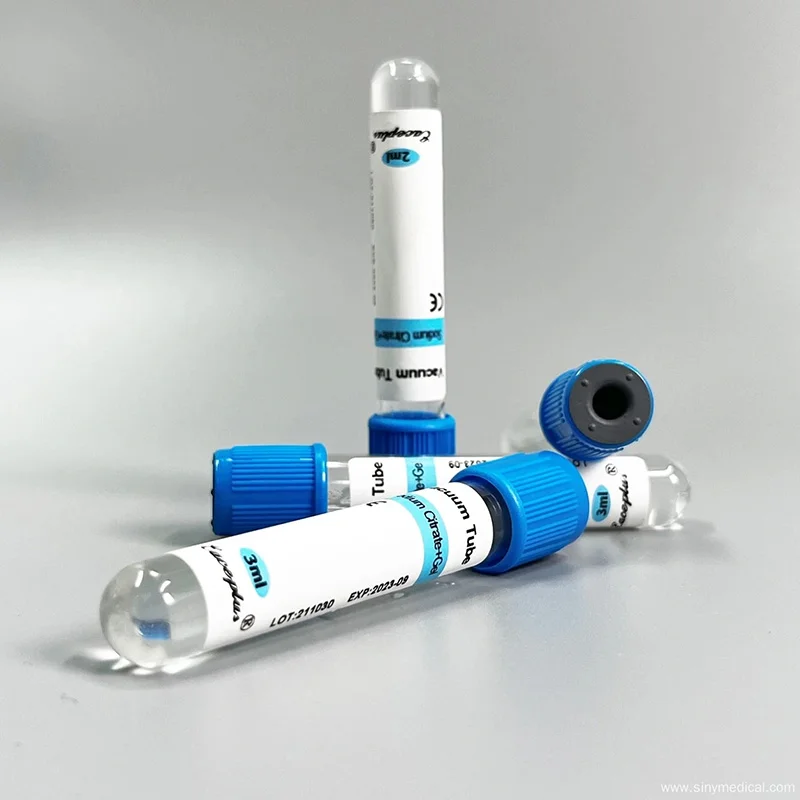
If you are exploring platelet-based therapies, understanding what is the difference between PRF and PRP is not just a clinical question—it’s also a key decision point for clinics, distributors, and procurement teams. While both Platelet-Rich Plasma and Platelet-Rich Fibrin are derived from the patient’s own blood and widely used in regenerative medicine, their preparation methods, biological behavior, and clinical outcomes differ in meaningful ways.
For buyers sourcing PRF tubes or PRP systems, these differences directly impact product selection, treatment consistency, and long-term results. In this guide, we’ll break down the science in a practical, decision-oriented way—so you can choose the right solution with confidence.
Table of Contents
What Is PRP and PRF?
To fully understand what is the difference between PRF and PRP, it helps to start with their definitions.
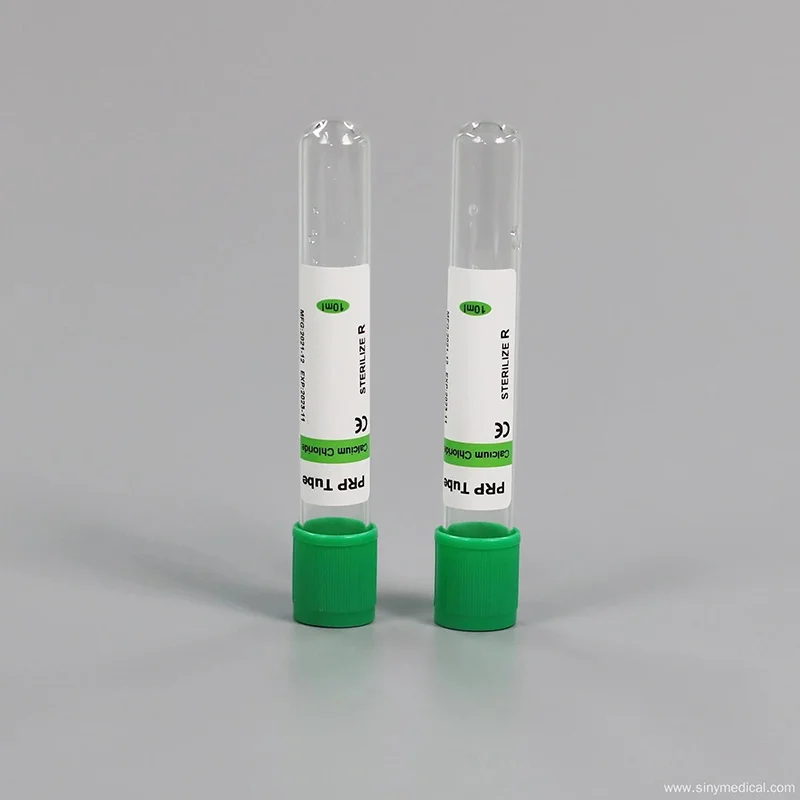
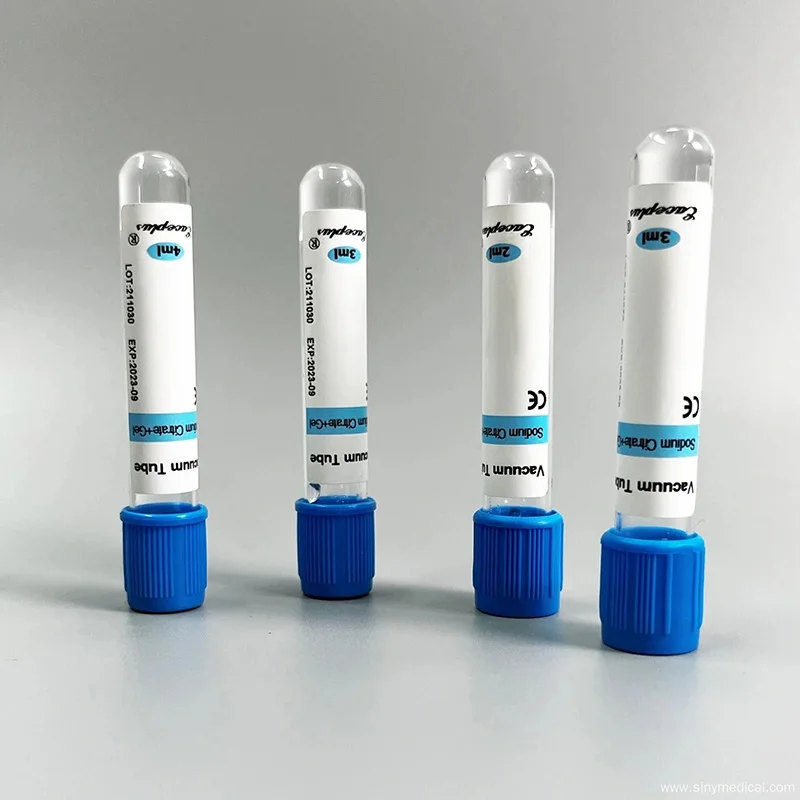
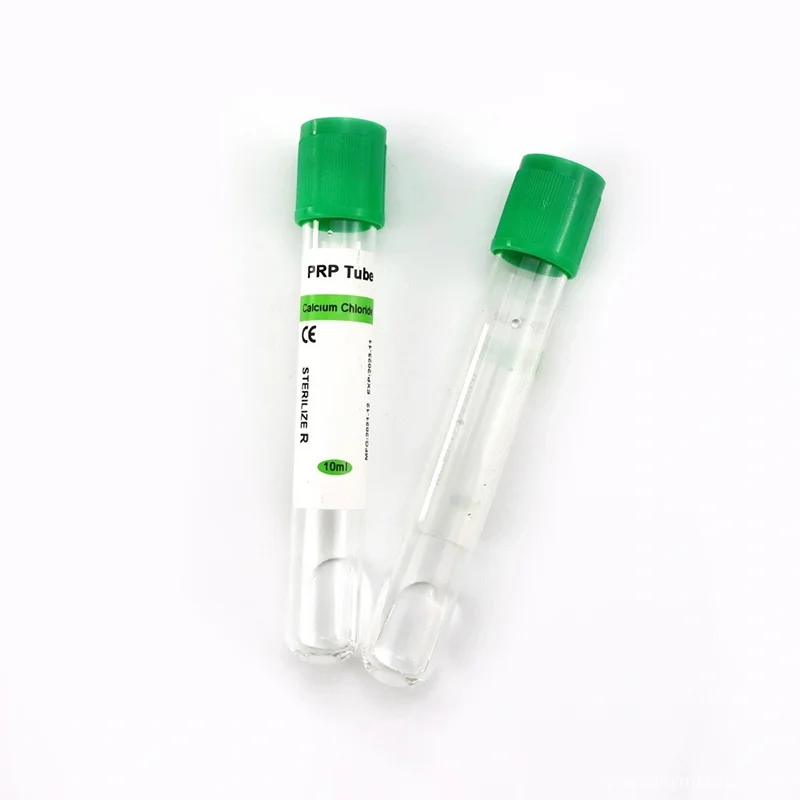
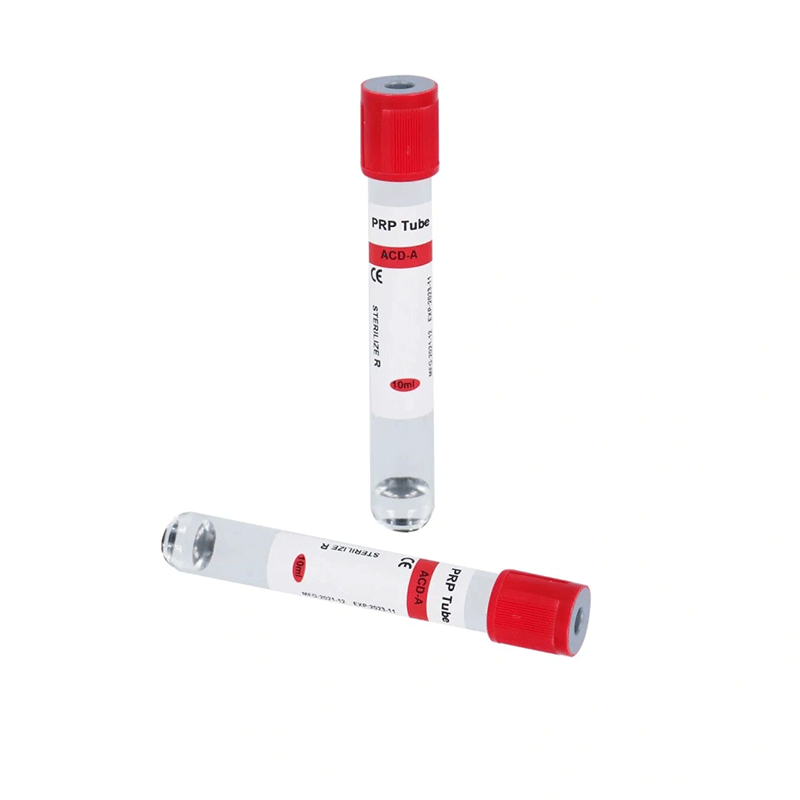
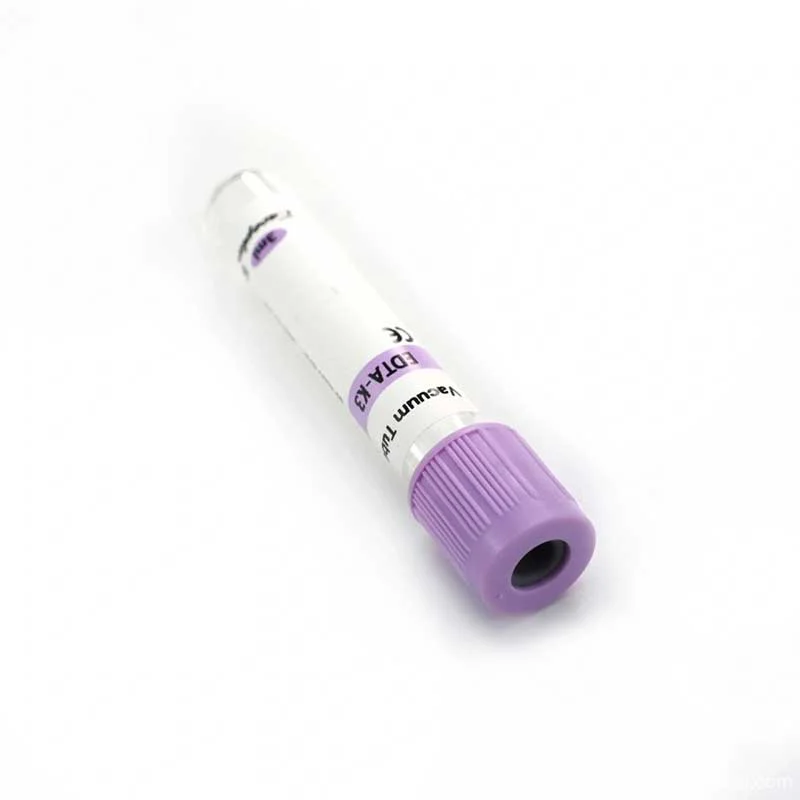
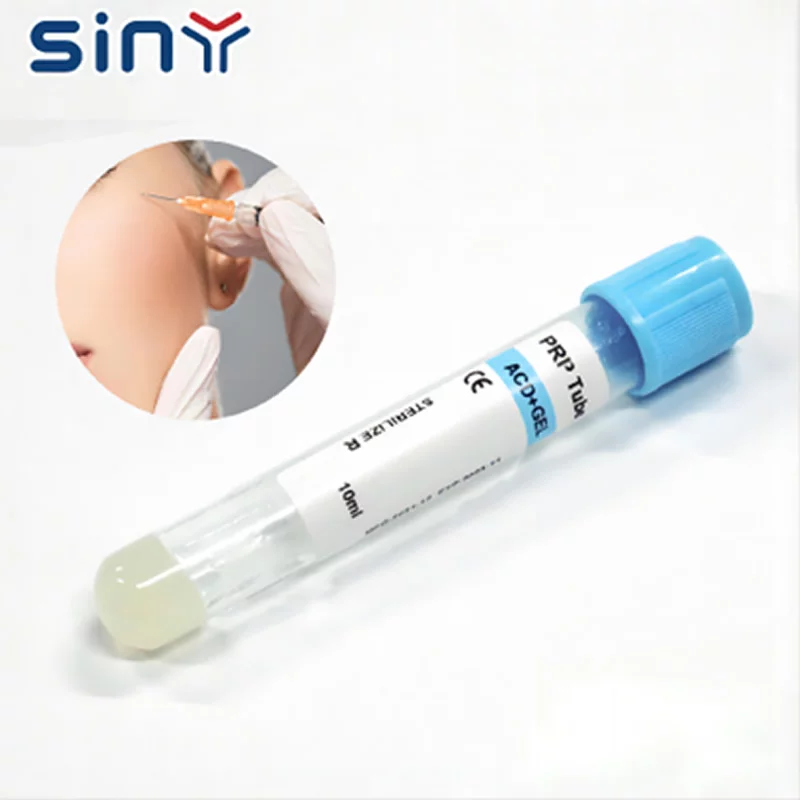
Platelet-rich plasma is a concentrated plasma solution rich in platelets, typically prepared by adding an anticoagulant (such as ACD-A) and then centrifuging the blood to separate its components. The result is a liquid form that can be injected directly into target tissues.
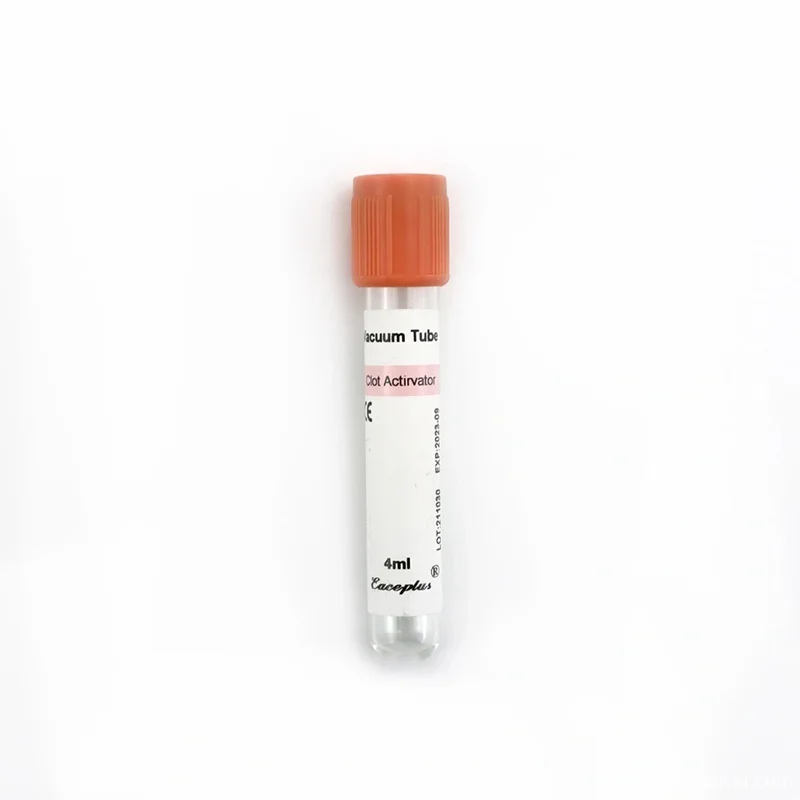
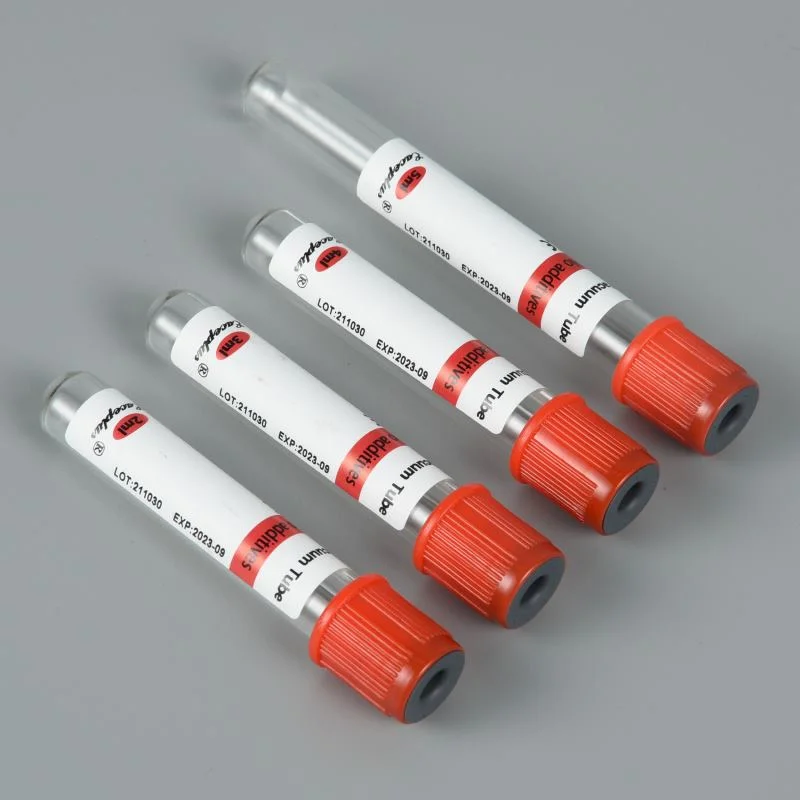
Platelet-Rich Fibrin, on the other hand, is considered a second-generation platelet concentrate. It is prepared without anticoagulants, allowing a natural fibrin matrix to form during centrifugation. This results in a gel-like structure that slowly releases growth factors over time.
In simple terms:
- PRP = faster release, liquid form
- PRF = slower release, fibrin matrix
Both approaches are clinically valuable, but they behave very differently in real-world applications.
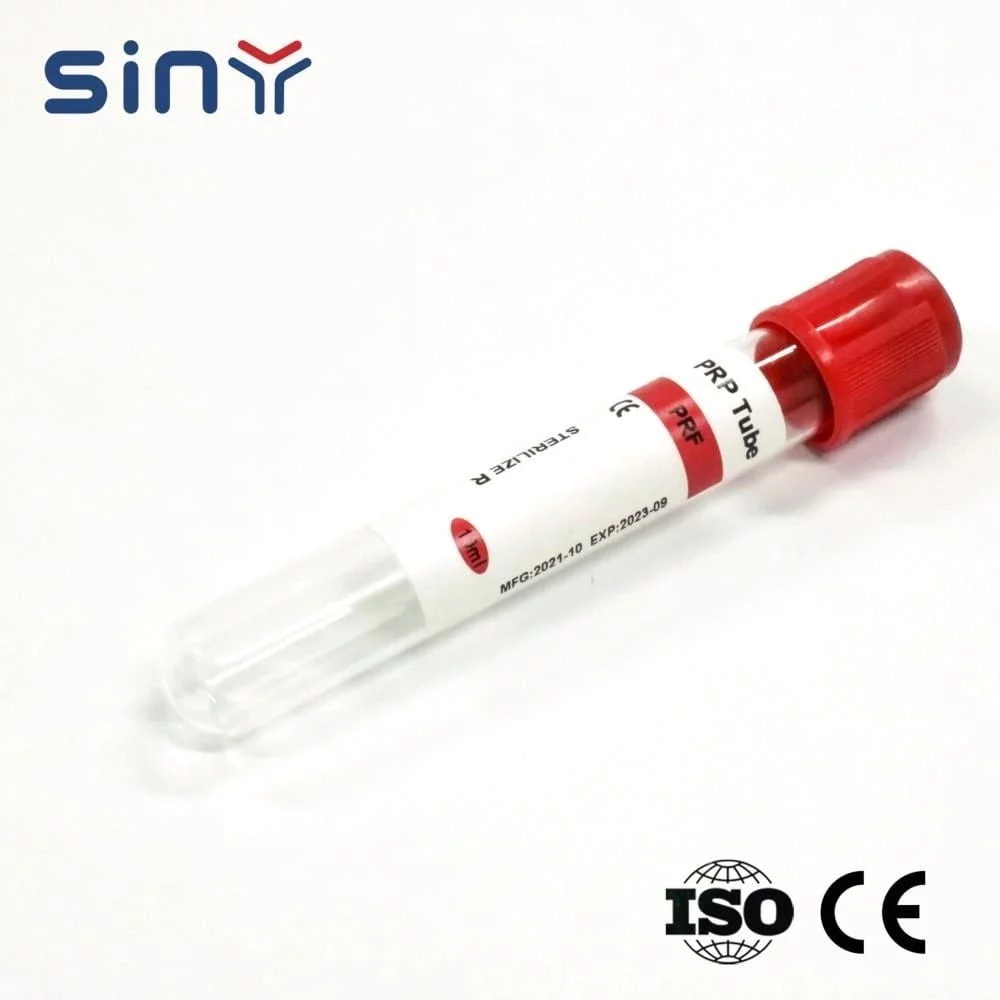
PRF vs PRP: Key Differences in Preparation and Composition
When analyzing PRF vs PRP differences, the preparation process is where the biggest divergence happens.
PRP requires:
- Anticoagulant-containing tubes
- Controlled centrifugation protocols
- Optional activation before use
PRF requires:
- No anticoagulant
- Immediate centrifugation after blood draw
- Specific low-speed centrifugation techniques
This difference leads to distinct biological compositions. Platelet-rich plasma contains a high concentration of platelets suspended in plasma, while PRF forms a fibrin scaffold that traps platelets, leukocytes, and cytokines.
From a procurement perspective, this means:
- PRP systems rely heavily on additive quality and gel stability
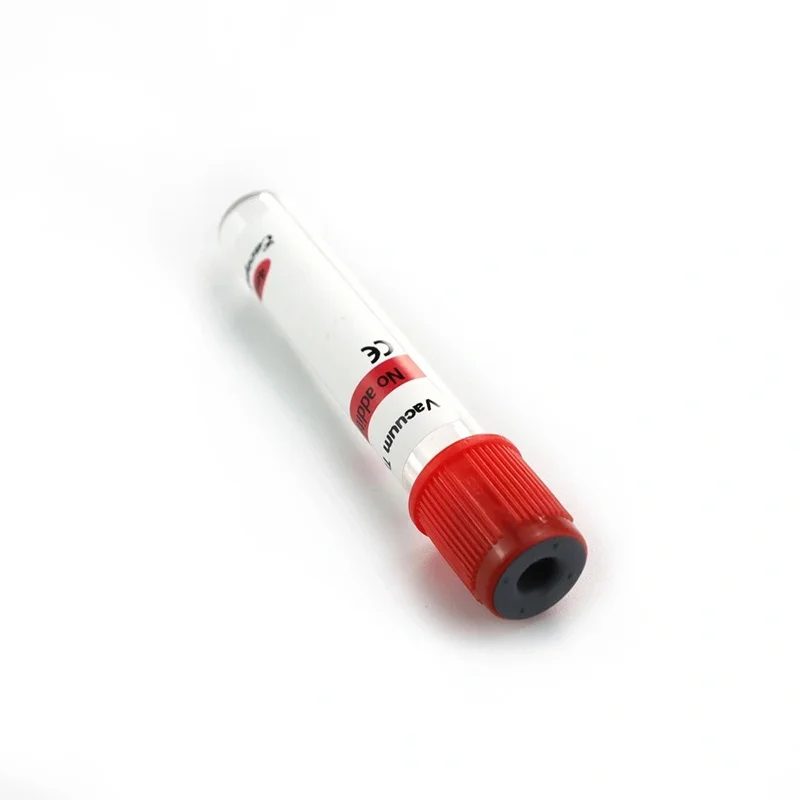
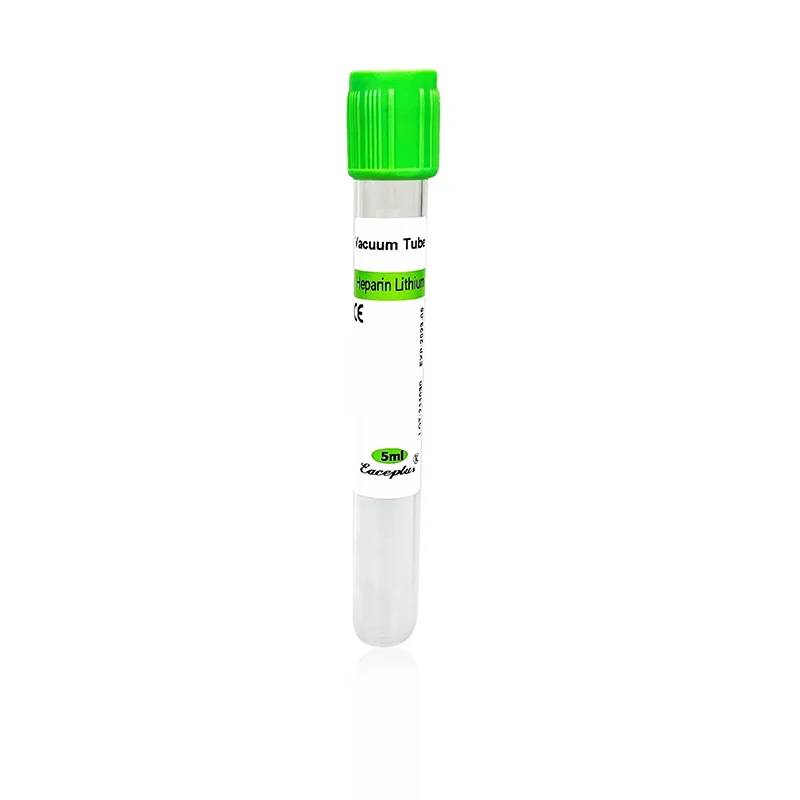
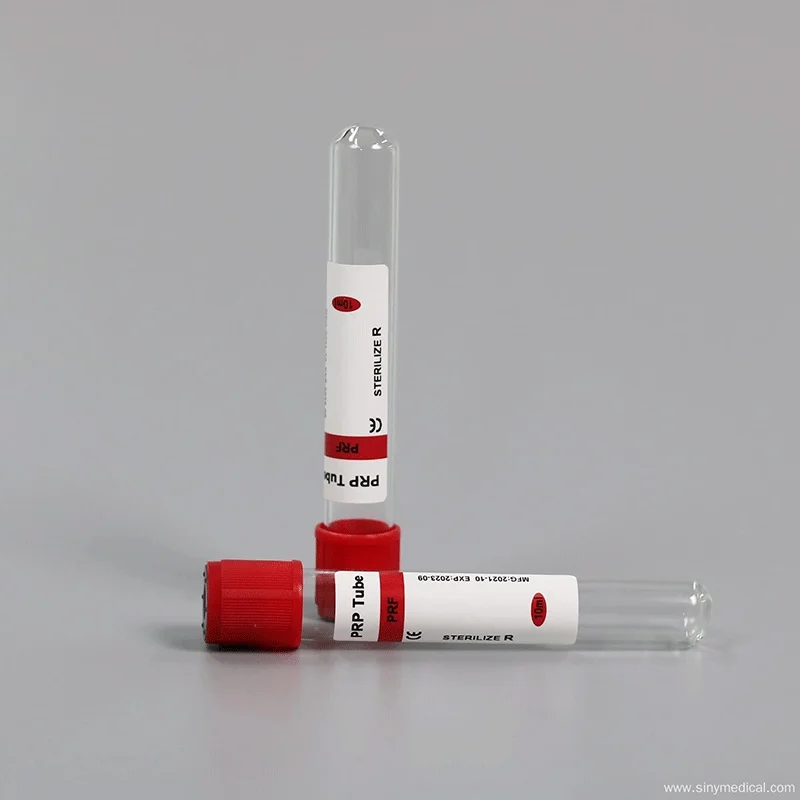
- PRF systems depend on tube material, clot formation consistency, and centrifuge compatibility
Inconsistent tube performance can lead to unstable PRF structure, which directly affects treatment outcomes. For clinics scaling PRF procedures, working with a reliable manufacturer like Siny Medical can help ensure repeatable results across batches.
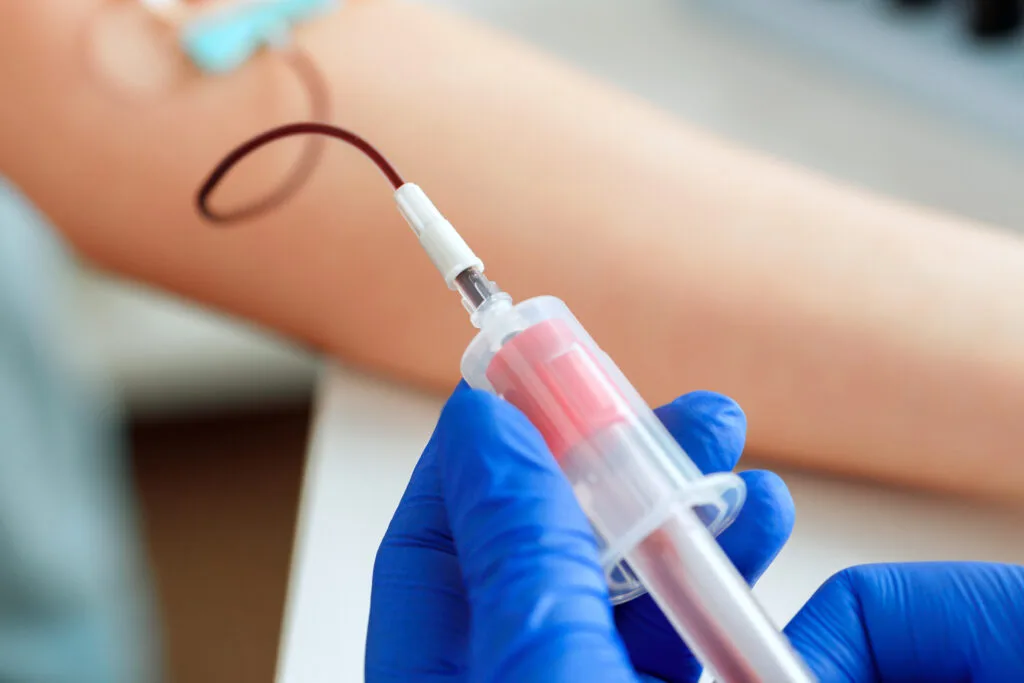
Difference Between PRF and PRP in Clinical Applications
Another critical aspect of what is the difference between PRF and PRP lies in how they are used clinically.
PRP is commonly used for:
- Hair restoration
- Joint injections
- Skin rejuvenation
- Orthopedic treatments
Because it is injectable, PRP works well in applications requiring precise delivery into tissue.
PRF, however, is often used for:
- Dental surgeries (bone grafting, implants)
- Wound healing
- Soft tissue regeneration
- “Sticky bone” procedures
Its fibrin matrix acts as a scaffold, supporting tissue regeneration over a longer period.
In practice:
- PRP delivers a quick burst of growth factors
- PRF provides a sustained release effect
This is why many clinics use both, depending on treatment goals.
If you’re evaluating products for dental or surgical use, PRF tubes with consistent clot formation (such as those designed for A-PRF or I-PRF protocols) are increasingly preferred. You can explore suitable options through Siny Medical’s PRF product range or contact the team for technical recommendations.
PRF vs PRP: Which One Is Better?
This is where many buyers and practitioners focus: which is better?
The honest answer is—it depends.
PRP is better when:
- Immediate effect is required.
- Injection-based treatment is needed.
- Standardized protocols are preferred.
PRF is better when:
- Long-term healing is desired.
- Tissue scaffolding is important.
- Natural, additive-free preparation is preferred.
However, from a supply chain perspective, PRF is gaining popularity because:
- It avoids anticoagulants.
- It aligns with “natural therapy” trends.
- It simplifies regulatory concerns in some markets.
But there’s a catch—PRF is more sensitive to preparation conditions. That means the quality of the PRF tube becomes even more critical.
Clinics expanding into PRF treatments should prioritize tube consistency, sterile production, and validated centrifugation compatibility. If you’re unsure how to choose, reaching out to Siny Medical can help clarify specifications based on your target applications.
How to Choose Between PRF and PRP Systems (For Buyers and Clinics)
Understanding what is the difference between PRF and PRP ultimately leads to one key question: how do you choose the right system?
Here are practical decision factors:
1. Treatment Focus
- Aesthetic & injections → PRP
- Dental & regenerative → PRF
2. Operational Workflow
- PRP = more controlled, but more steps
- PRF = simpler but time-sensitive
3. Product Requirements
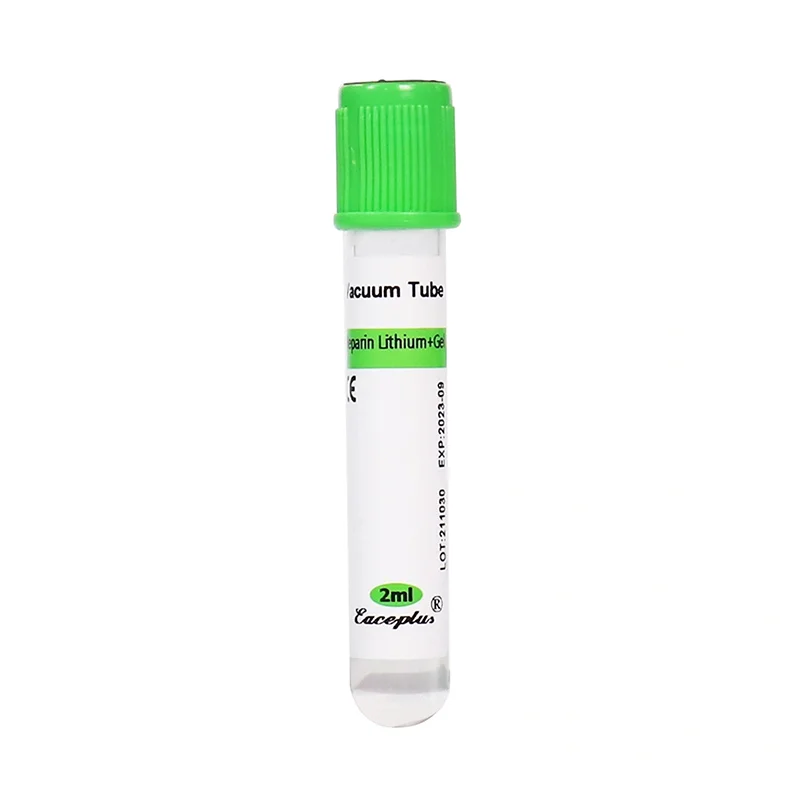
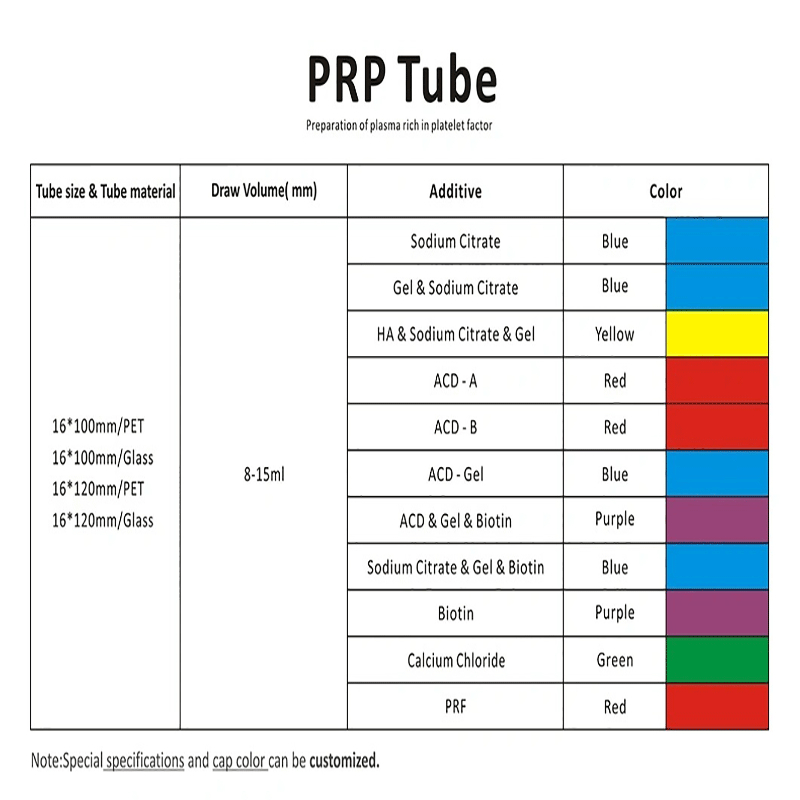
- PRP tubes: anticoagulant + separator gel stability
- PRF tubes: clot formation reliability + material quality
4. Market Demand
- PRP is mature and widely accepted
- PRF is growing rapidly, especially in dental and orthopedics
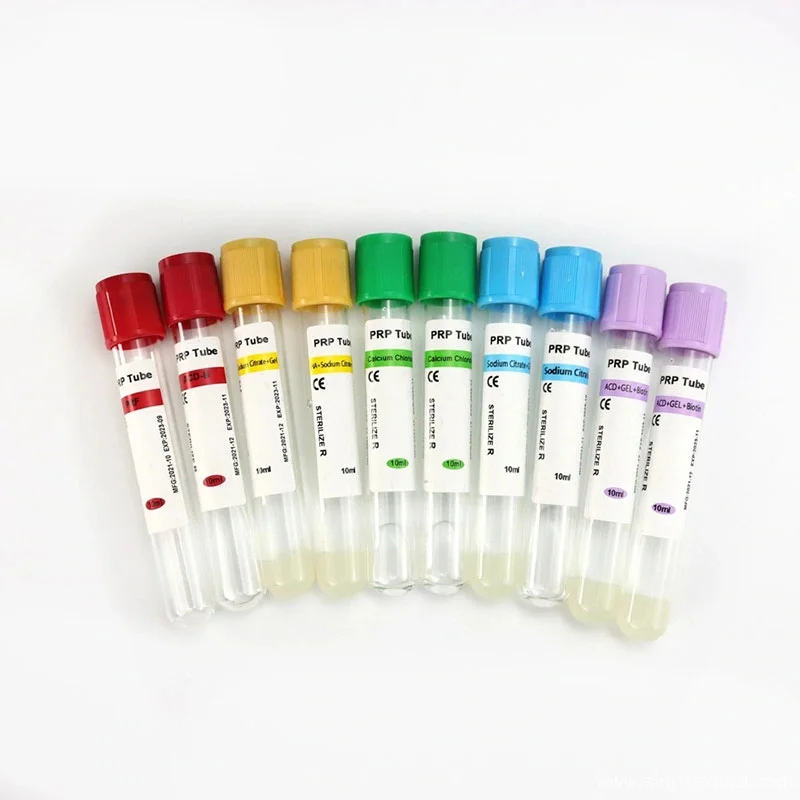
For distributors, offering both PRP and PRF solutions is often the best strategy. Siny Medical provides a full range of PRP tubes (ACD-A + Gel) and PRF tubes designed for different clinical protocols, making it easier to build a complete product portfolio.
FAQ About PRF vs PRP
1. What is the main difference between PRF and PRP?
The main difference lies in preparation and structure. PRP is a liquid with anticoagulants, while PRF forms a natural fibrin matrix without additives.
2. Is PRF more effective than PRP?
Not necessarily. PRF provides longer-lasting effects, while PRP delivers faster results. Effectiveness depends on the treatment type.
3. Why does PRF not use anticoagulants?
PRF relies on natural clot formation, which creates a fibrin network that slowly releases growth factors.
4. Can clinics use both PRP and PRF?
Yes, many clinics use both depending on patient needs and treatment goals.
5. Does tube quality affect PRF results?
Absolutely. PRF is highly sensitive to tube material and processing consistency, making supplier selection critical.
Final Thoughts
Understanding what is the difference between PRF and PRP is essential not only for clinical outcomes but also for making informed purchasing decisions. As regenerative medicine continues to evolve, both PRP and PRF will play important roles—each suited to different therapeutic goals.
For clinics and distributors, the real advantage lies in choosing reliable, high-quality systems that deliver consistent results. Whether you are expanding into PRF treatments or optimizing your PRP workflow, selecting the right partner can make all the difference.
If you’re looking to source stable, high-performance PRP or PRF tubes, Siny Medical offers a range of solutions tailored for global markets—feel free to explore the product pages or get in touch for detailed specifications and support.