One of the most common questions patients ask is: “How soon can I walk after PRP injection?“The short answer is—you can usually walk within 24 to 48 hours, but the intensity and duration of walking should be carefully controlled.
Unlike surgical procedures, platelet-rich plasma (PRP) therapy is minimally invasive. However, it still triggers a biological healing response, which means your body needs time to adapt. Walking too soon or too aggressively may interfere with the regenerative process.
For clinics and distributors, understanding this recovery timeline is important—not just for patient guidance, but also for selecting reliable PRP preparation systems that ensure consistent outcomes.
Table of Contents
- 1 What Is PRP and Why Does It Matter for Recovery?
- 2 Walking Timeline After PRP Injection (Day-by-Day Guide)
- 3 Does Injection Site Affect How Soon You Can Walk After PRP Injection?
- 4 What Can Delay Your Ability to Walk After PRP?
- 5 Tips to Walk Safely After PRP Injection
- 6 FAQ – How Soon Can I Walk After PRP Injection?
- 7 Final Thoughts
What Is PRP and Why Does It Matter for Recovery?
Before understanding how soon can I walk after PRP injection, it’s important to first know what PRP actually is.
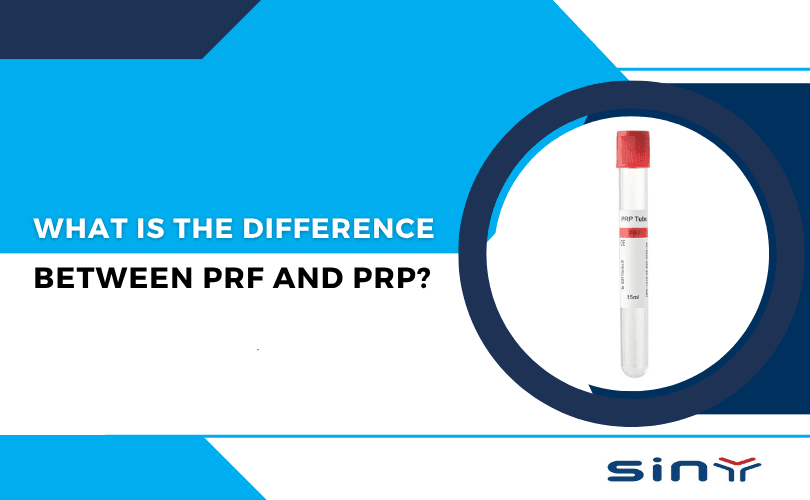
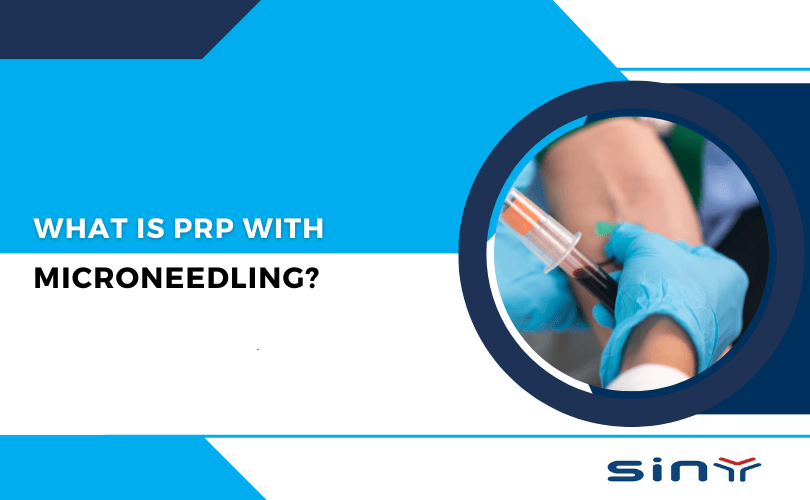
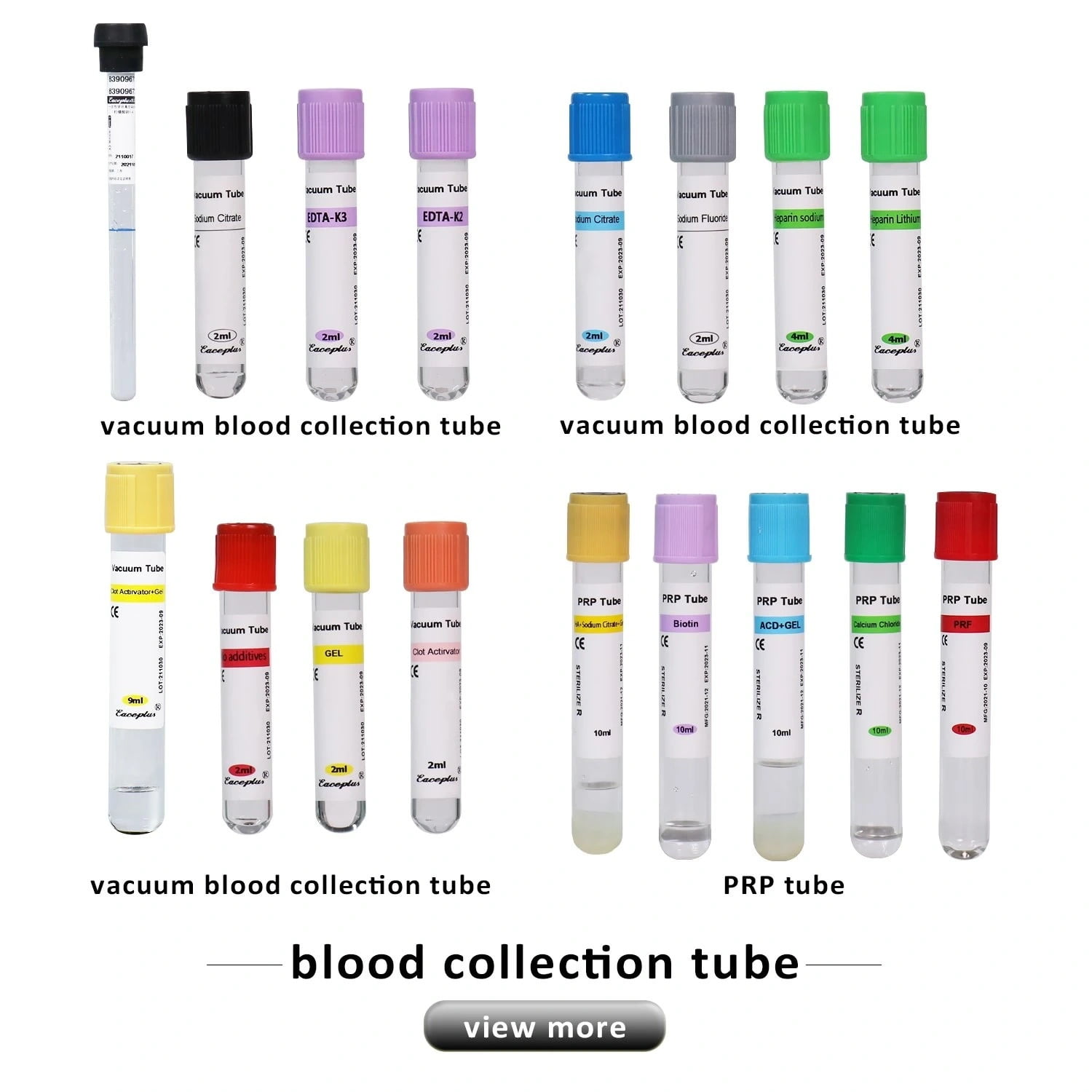
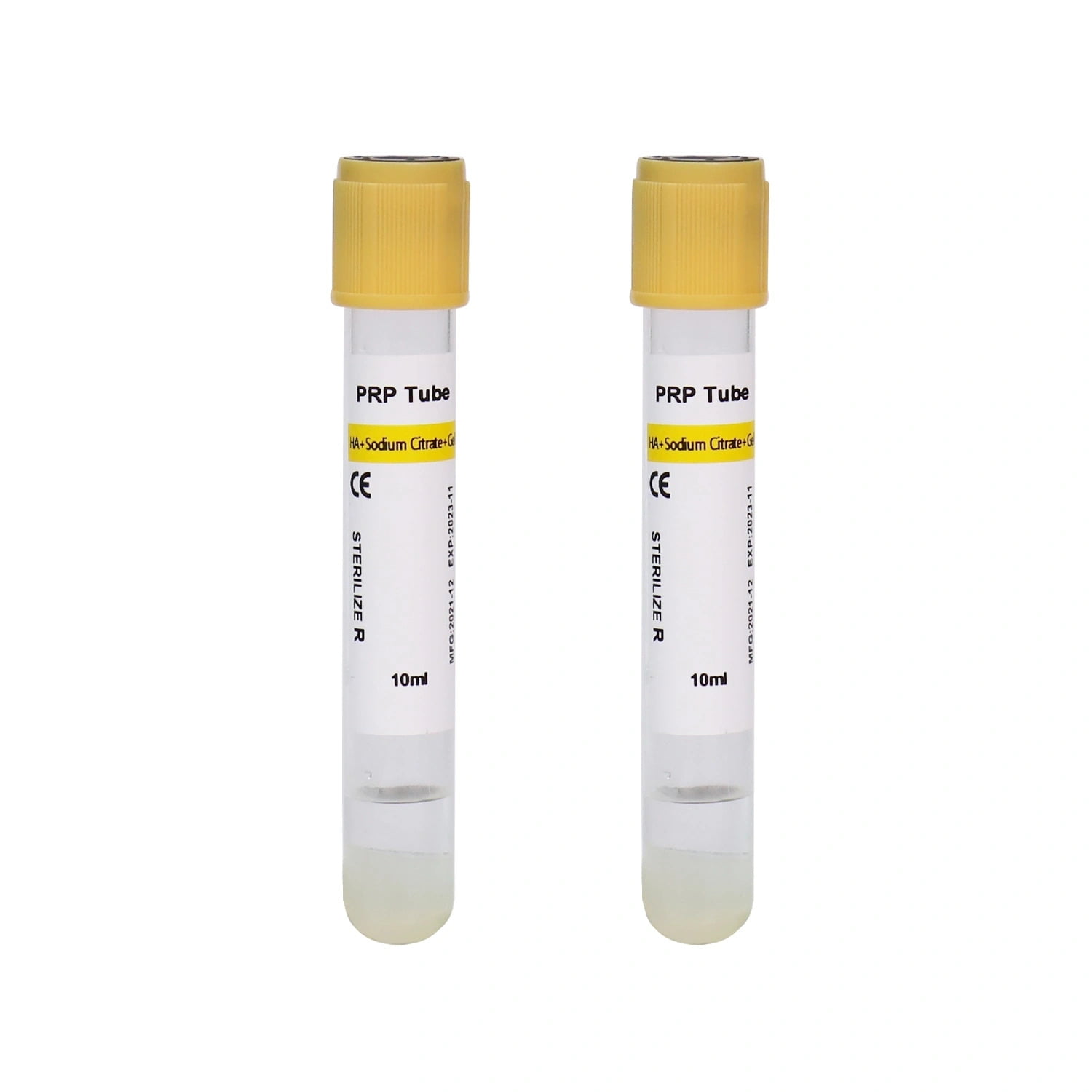
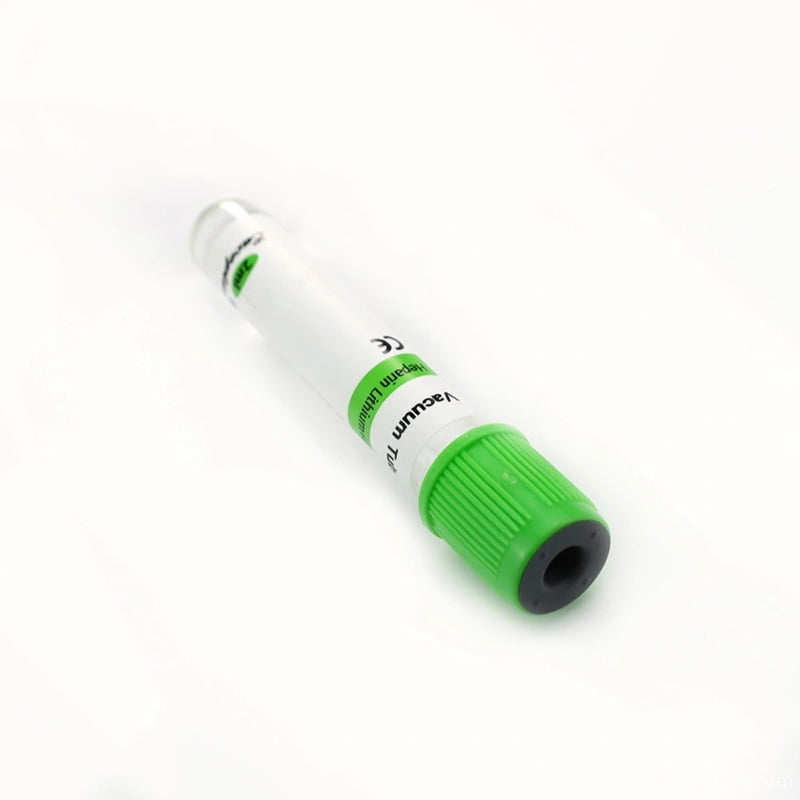
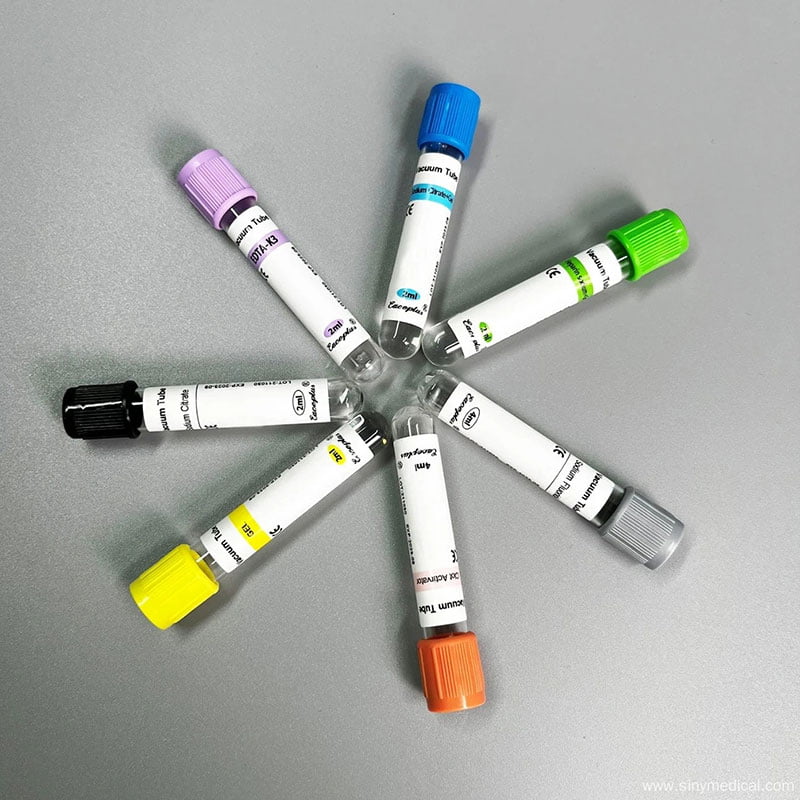
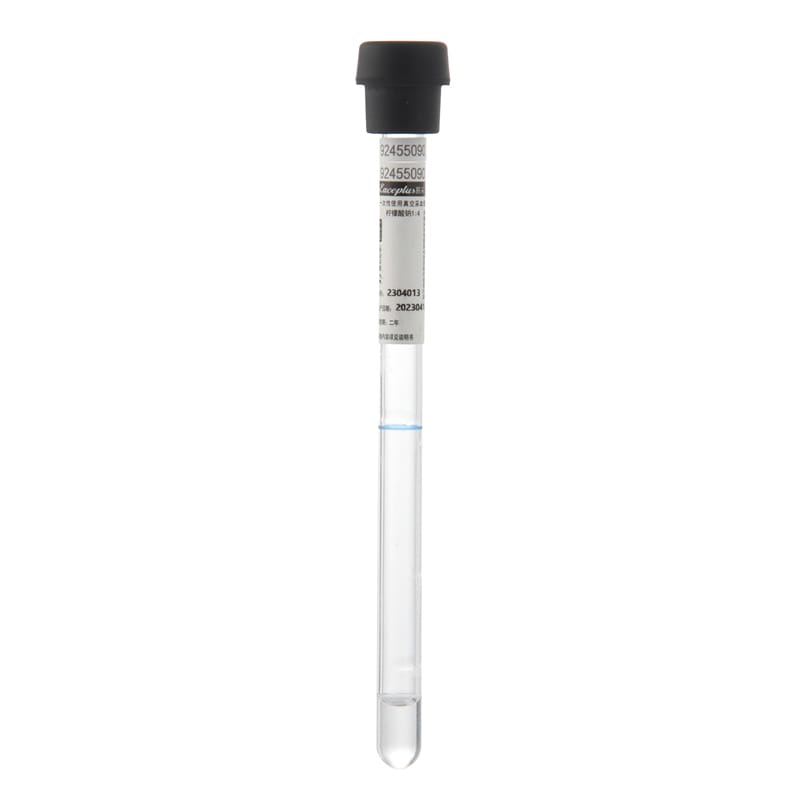
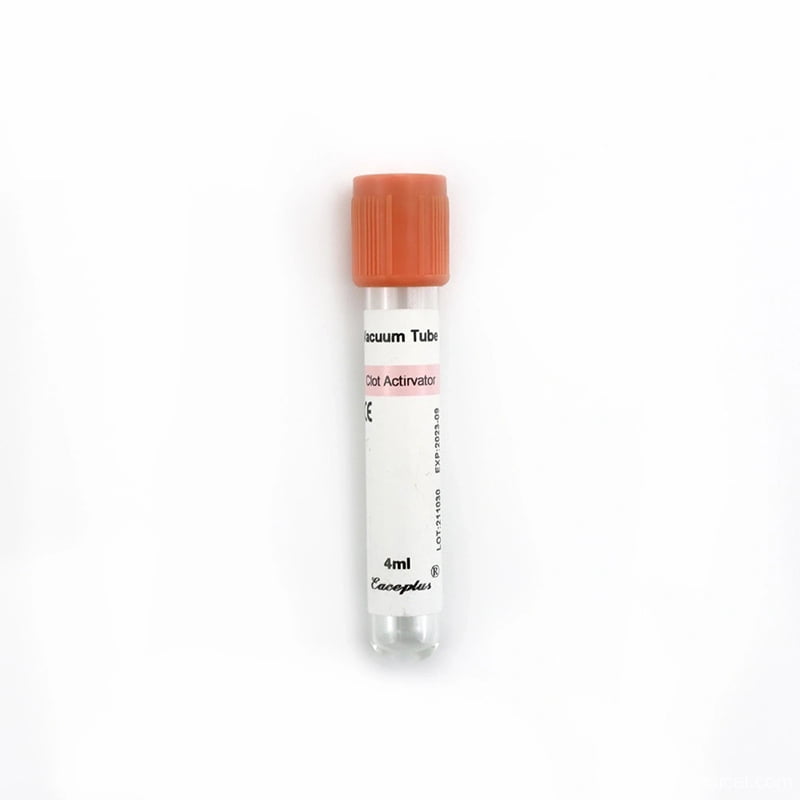
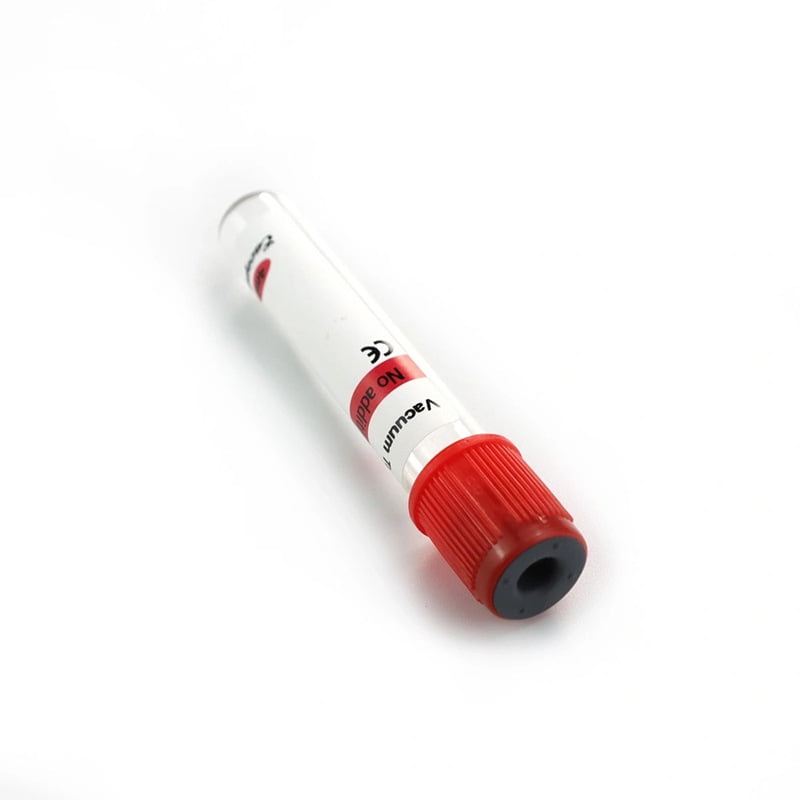
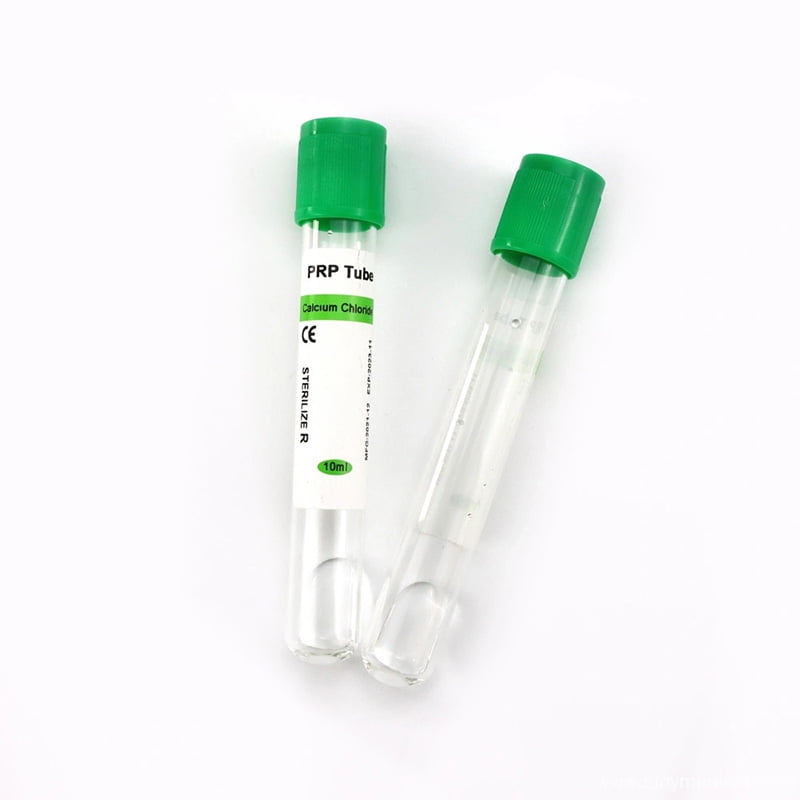
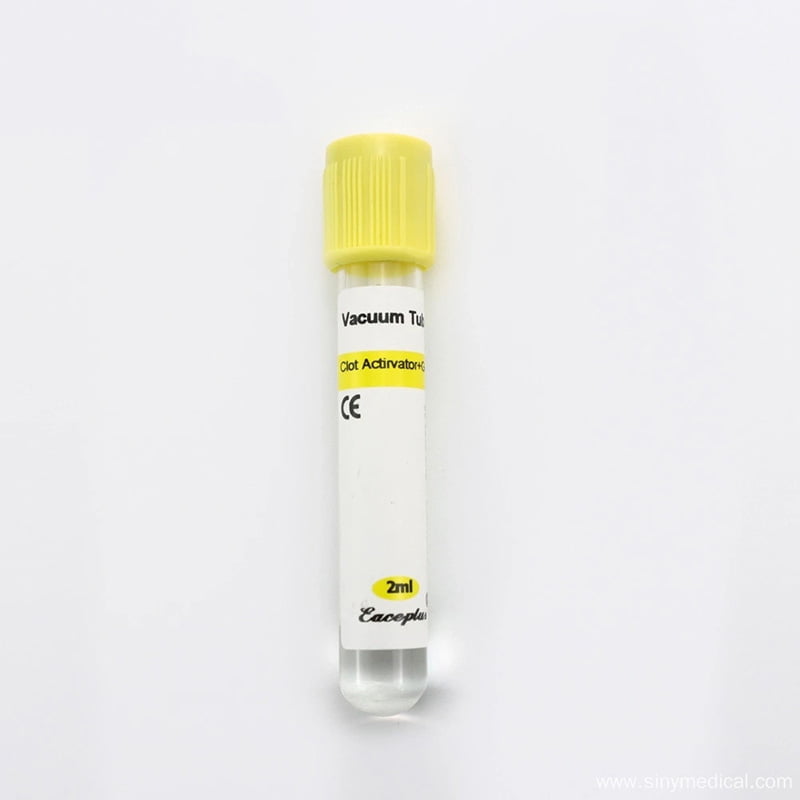
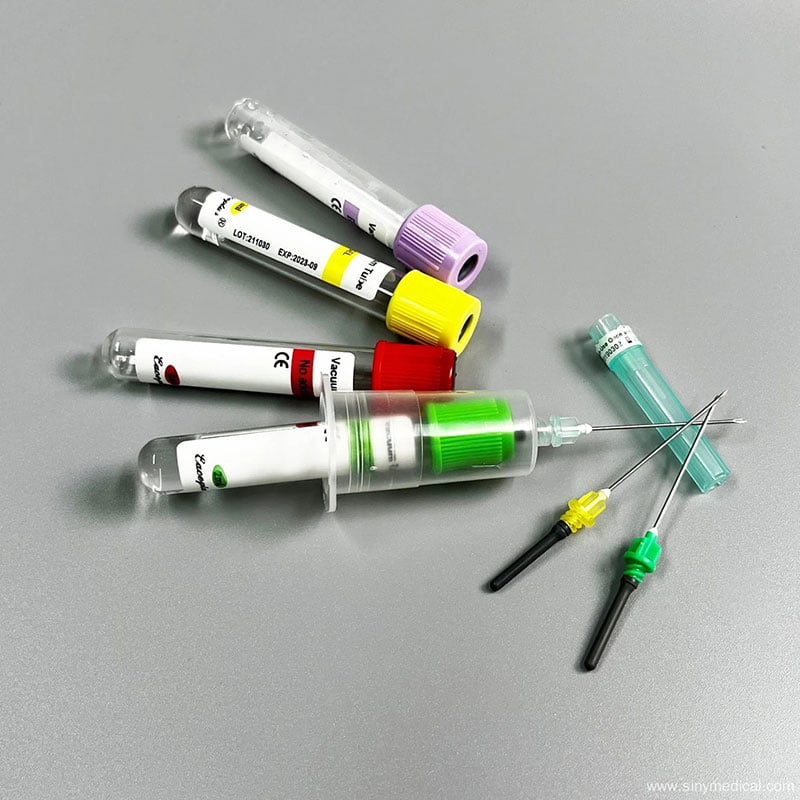
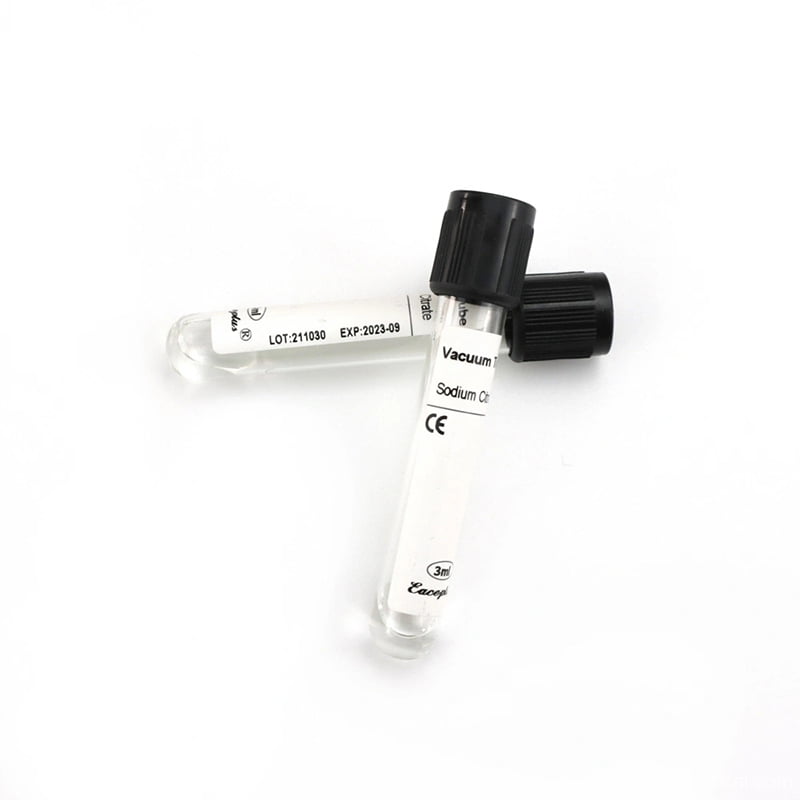
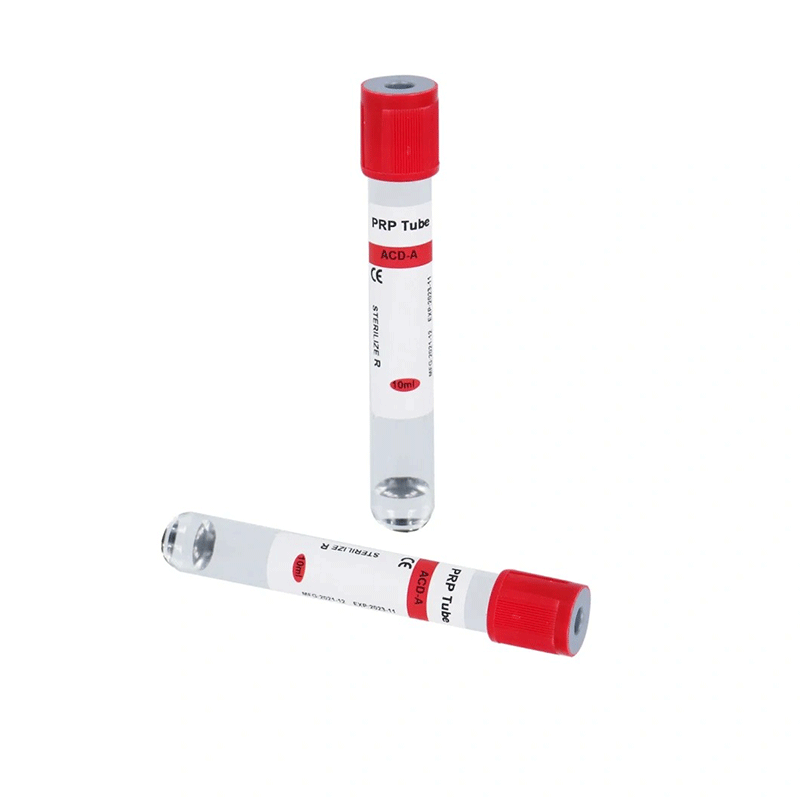
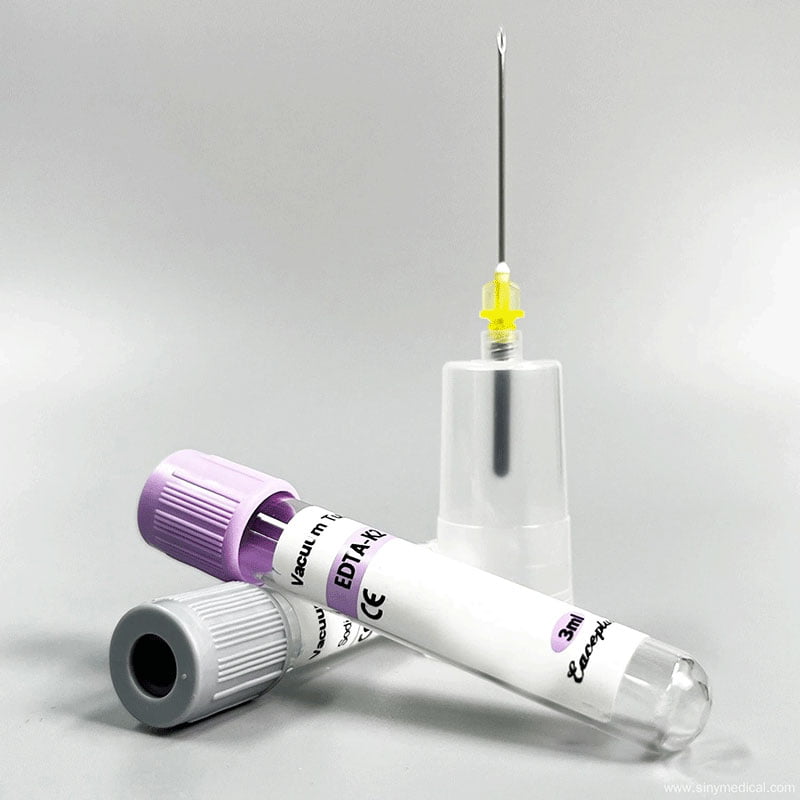
Platelet-rich plasma (PRP) is a concentrated component of a patient’s own blood, rich in platelets and growth factors that play a key role in tissue repair and regeneration. The process involves drawing a small amount of blood, placing it into a specialized tube, and then centrifuging it to separate the platelet-rich layer from other components.
What makes PRP unique is its ability to stimulate the body’s natural healing process, rather than simply masking pain. This is why it is widely used in orthopedics, sports injuries, and aesthetic treatments.
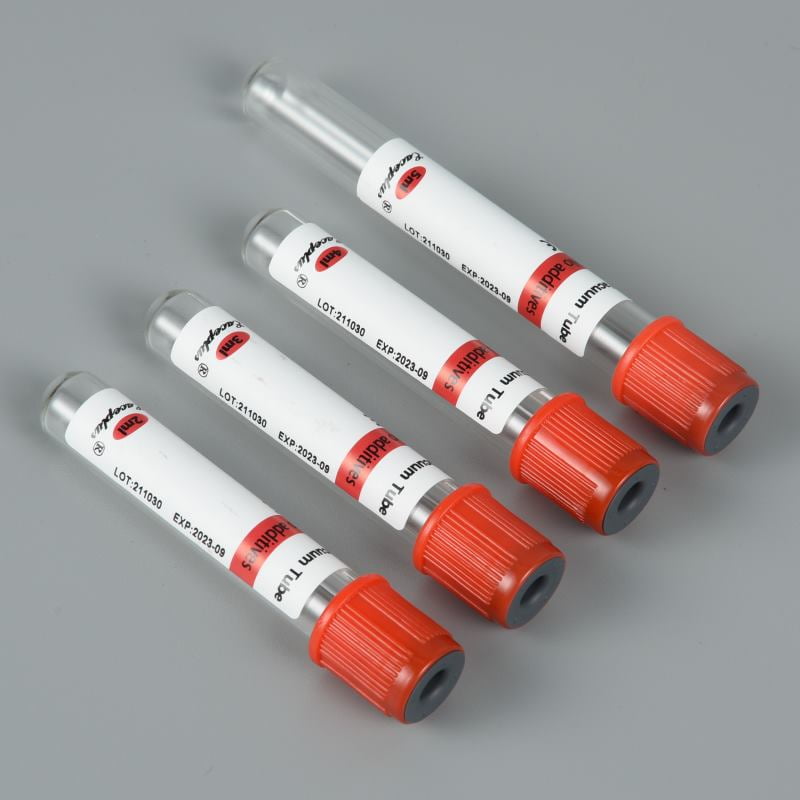
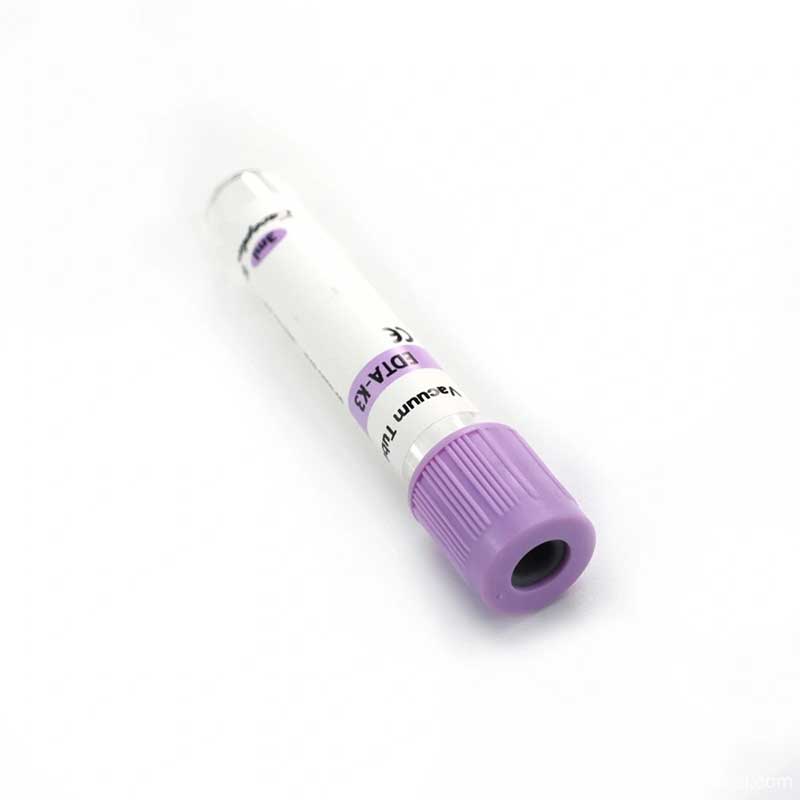
However, not all PRP is created equal. The quality of the final PRP—such as platelet concentration, purity, and stability—depends heavily on the preparation system, including the PRP tube design, anticoagulant formulation, and gel separation performance. These factors can directly influence both treatment effectiveness and recovery speed.

Walking Timeline After PRP Injection (Day-by-Day Guide)
To better understand how soon can I walk after PRP injection, it helps to break recovery into stages:
First 24 Hours: Limited Movement Only
During the first day, patients are generally advised to rest the treated area. Light walking around the house is acceptable, but prolonged standing or weight-bearing should be avoided.
24–48 Hours: Gentle Walking Begins
Most patients can start short, slow walks after the first day. At this stage, walking is mainly for circulation—not exercise.
3–7 Days: Gradual Increase
Walking becomes more comfortable, but intensity should still remain low. Long walks, stairs, or uneven surfaces may still cause discomfort.
After 1–2 Weeks: Return to Normal Walking
By this point, most patients can resume normal walking patterns, depending on the treated area.
If you’re guiding clients or end users, it’s important to emphasize that recovery timelines may vary based on PRP quality and preparation consistency.

Does Injection Site Affect How Soon You Can Walk After PRP Injection?
Yes—the treatment area plays a major role in determining mobility.
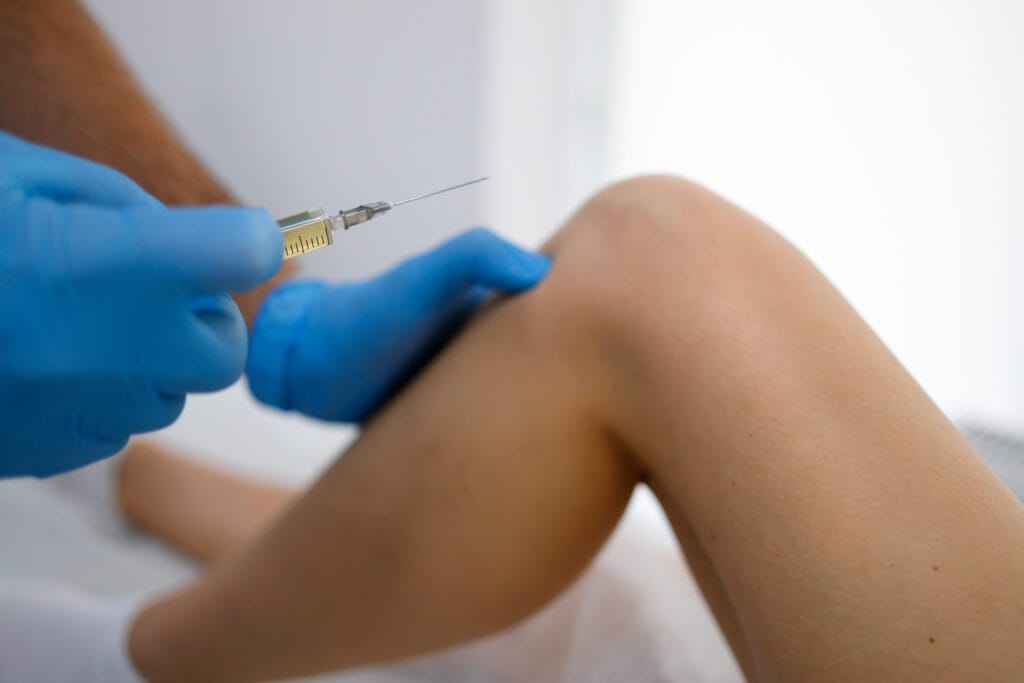
Knee PRP Injections
Patients can usually walk within 24–48 hours, but should avoid high-impact movement.
Ankle or Foot PRP
Walking may take slightly longer due to constant pressure on the area.
Hip PRP Injections
Mobility is often limited initially, and assisted walking may be recommended.
In all cases, controlled movement is better than complete immobility—but overuse too early can reduce treatment effectiveness.
What Can Delay Your Ability to Walk After PRP?
Even though many patients expect a quick recovery, several factors can delay walking:
- Injection technique and depth
- Severity of the condition
- Post-treatment care compliance
- PRP concentration and quality
This last point is often overlooked.
From a clinical perspective, the stability of platelet separation and the integrity of growth factors depend heavily on the PRP tube design, the anticoagulant formulation, and the gel’s performance. Inconsistent separation can lead to variable outcomes, which may affect recovery speed.
If you’re sourcing PRP systems, this is where working with a reliable manufacturer like Siny Medical can make a measurable difference in treatment consistency.
Tips to Walk Safely After PRP Injection
If you’re wondering again how soon can I walk after PRP injection, the answer is not just about timing, but also how you walk.
Here are practical recommendations:
- Start with short, flat-surface walks.
- Avoid sudden turns or pressure on the treated area.
- Use supportive footwear.
- Follow physician-specific instructions.
- Avoid anti-inflammatory medications (they may interfere with PRP action).
Clinics that standardize both procedure and post-care guidance tend to see more predictable outcomes.
If you’re looking to improve treatment consistency across cases, it may be worth reviewing your PRP preparation workflow or consulting with Siny Medical for optimized solutions.
FAQ – How Soon Can I Walk After PRP Injection?
1. Can I walk immediately after PRP injection?
Yes, but only for short distances. Extended walking should be avoided within the first 24 hours.
2. Is walking good or bad after PRP treatment?
Light walking is beneficial for circulation, but excessive movement can disrupt healing.
3. When can I walk normally again?
Most patients return to normal walking within 1–2 weeks.
4. What happens if I walk too soon after PRP injection?
Overuse may reduce the effectiveness of the treatment and prolong recovery.
5. Does PRP quality affect recovery speed?
Yes. Poor platelet concentration or unstable separation can impact healing outcomes.
Final Thoughts
So, how soon can I walk after PRP injection? The general answer is within 24–48 hours—but optimal recovery depends on controlled movement, proper aftercare, and consistent PRP quality.
For clinics, distributors, and procurement teams, recovery outcomes are not just patient-dependent—they are also system-dependent. Choosing a stable and well-designed PRP preparation system can help ensure predictable results across treatments.
If you’re evaluating PRP solutions or looking to improve consistency in your procedures, Siny Medical offers a range of PRP tubes designed for reliable separation and clinical performance.