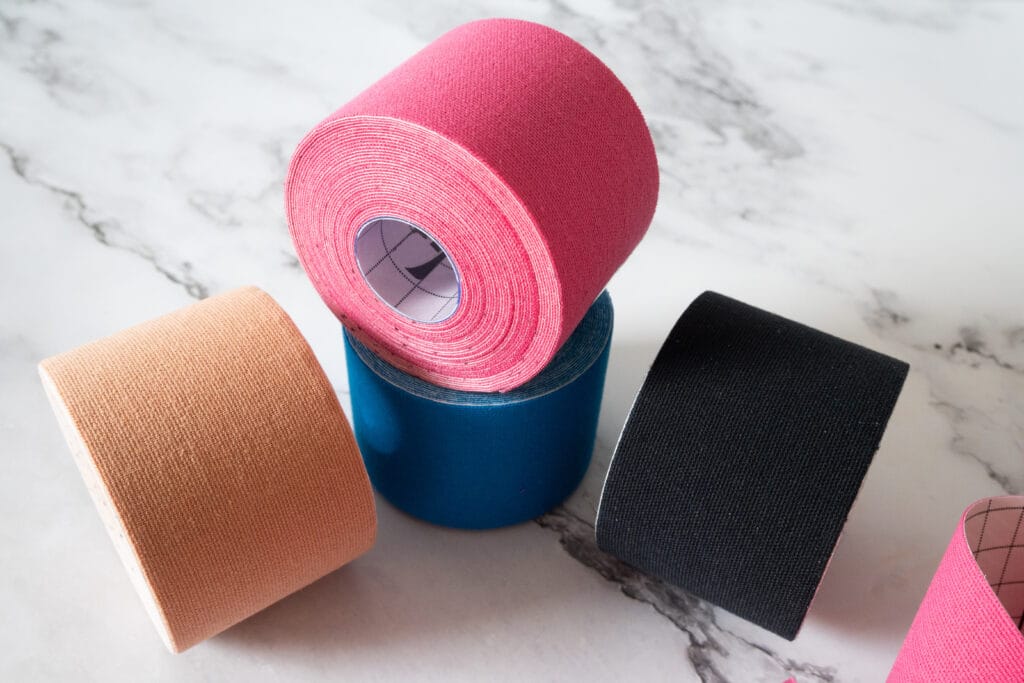
If you’ve ever seen athletes wearing colorful strips on their shoulders, knees, or backs, you’ve likely encountered kinesiology tape. But beyond its visual appeal, the real question for clinics, distributors, and procurement teams is: what is kinesiology tape, and why has it become a staple in modern rehabilitation and sports medicine?
In simple terms, kinesiology tape is an elastic therapeutic tape designed to support muscles and joints without restricting movement. Unlike rigid athletic tape, it works with the body rather than against it, allowing for a more natural movement. Understanding how it functions—and more importantly, how product quality varies—can make a significant difference in clinical outcomes and purchasing decisions.
Table of Contents
What Is Kinesiology Tape and How Does It Work?
To fully understand what kinesiology tape is, it is helpful to examine its core design principles. Kinesiology tape is typically made from a blend of cotton fibers and elastic polymers, combined with a medical-grade acrylic adhesive. This structure allows the tape to stretch up to 120–180% of its original length, mimicking the elasticity of human skin.
When applied correctly, the tape gently lifts the skin. This lifting effect creates more space in the interstitial tissues beneath, which can:
- Improve blood circulation.
- Promote lymphatic drainage.
- Reduce localized swelling.
- Decrease pressure on pain receptors.
This mechanism is why kinesiology taping is widely used in physiotherapy, sports recovery, and even post-operative rehabilitation.
For distributors and clinics sourcing supplies, consistency in elasticity and adhesive performance is critical. If you’re evaluating options, it’s worth reviewing product specifications or reaching out to Siny Medical to ensure consistent batch quality and reliable clinical performance.
Key Benefits of Kinesiology Tape in Clinical and Sports Settings
Understanding what kinesiology tape does is just as important as knowing what it is. Its popularity is largely driven by its versatility across multiple applications.
Pain Relief Without Restriction
Unlike traditional rigid tapes, kinesiology tape allows a full range of motion. This makes it suitable for patients who need support but still require mobility—such as athletes or individuals undergoing rehabilitation.
Muscle Support and Activation
Kinesiology tape can either facilitate or inhibit muscle activity depending on the application technique. This makes it useful for correcting muscle imbalances or improving functional movement patterns.
Edema and Lymphatic Management
Specialized taping methods can assist in reducing swelling by improving lymphatic flow. This is particularly relevant in post-surgical recovery or chronic inflammation cases.
Injury Prevention
Athletes often use kinesiology tape proactively to stabilize joints and reduce strain during high-performance activities.
When selecting products for these applications, many clinics prefer tapes that maintain adhesion for 3–5 days without causing skin irritation. If you’re comparing suppliers, you can explore medical-grade options or contact Siny Medical for detailed specifications and sample evaluation.
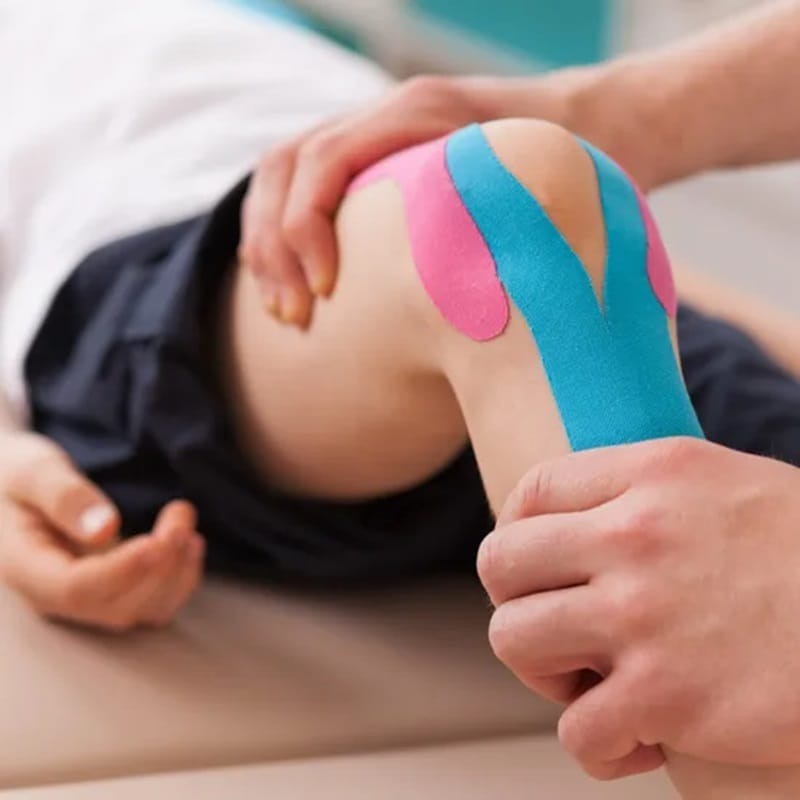
Common Applications of Kinesiology Tape
A practical understanding of what kinesiology tape is used for helps guide both usage and purchasing decisions.
Sports Medicine
Widely used for treating conditions such as:
- Knee pain (e.g., patellofemoral syndrome)
- Shoulder instability
- Tennis elbow
- Ankle sprains
Rehabilitation and Physiotherapy
Therapists use kinesiology tape to:
- Improve posture
- Support recovery after muscle injuries
- Enhance neuromuscular re-education
Post-Surgical Recovery
Kinesiology tape can help manage swelling and support healing tissues without compressing them excessively.
Everyday Clinical Use
Beyond athletes, it’s increasingly used in general clinics for patients with chronic pain, poor circulation, or mobility limitations.
From a procurement perspective, this wide range of applications means versatility is key. Many buyers prioritize tapes that offer multiple width options, skin-friendly adhesives, and consistent elasticity across batches—features commonly highlighted in professional product lines like those available through Siny Medical.
What to Look for When Choosing Kinesiology Tape Suppliers
Knowing what kinesiology tape is is only half the equation. The other half is choosing the right supplier—especially in a market filled with varying quality levels.
Adhesive Quality
Acrylic adhesive should provide strong yet skin-safe adhesion. Poor-quality adhesives can lead to early peeling or skin irritation.
Elastic Performance
The tape should maintain consistent stretch and recoil. Variability here can directly affect treatment effectiveness.
Breathability and Comfort
High-quality kinesiology tape allows airflow, reducing the risk of skin maceration during extended wear.
Certifications and Manufacturing Standards
For international buyers, certifications such as CE and ISO 13485 indicate compliance with medical-grade production standards.
Customization and OEM Options
Many distributors prefer suppliers who can provide private labeling, customized packaging, or specific product configurations.
If you’re sourcing for bulk purchase or distribution, working with a manufacturer like Siny Medical can help ensure consistency, regulatory compliance, and long-term supply stability—factors that are often overlooked but critical in large-scale procurement.
FAQ About Kinesiology Tape
1. How long can kinesiology tape stay on the skin?
Most kinesiology tapes are designed to stay in place for 3–5 days, depending on skin type, activity level, and environmental conditions.
2. Is kinesiology tape waterproof?
Yes, high-quality kinesiology tape is typically water-resistant, allowing users to shower or exercise without removing it.
3. Can kinesiology tape replace medical treatment?
No. While it supports recovery and reduces discomfort, it should be used as part of a broader treatment plan guided by healthcare professionals.
4. Does kinesiology tape work for everyone?
Results can vary depending on the condition, application technique, and product quality. Proper training and high-quality materials significantly improve outcomes.
5. What makes one kinesiology tape better than another?
Key differences include adhesive strength, elasticity consistency, breathability, and manufacturing standards. These factors directly impact performance and user comfort.
Final Thoughts
So, what is kinesiology tape? It’s more than just a colorful accessory—it’s a functional therapeutic tool that supports movement, reduces pain, and enhances recovery across a wide range of clinical and athletic scenarios.
For buyers and distributors, the real challenge isn’t understanding the concept—it’s selecting a product that delivers consistent, reliable results in real-world use. With so many options on the market, focusing on material quality, adhesive performance, and supplier credibility is essential.
If you’re evaluating kinesiology tape for your clinic or distribution business, taking the time to compare specifications—or reaching out to Siny Medical for product details and samples—can help you make a more confident and informed decision.