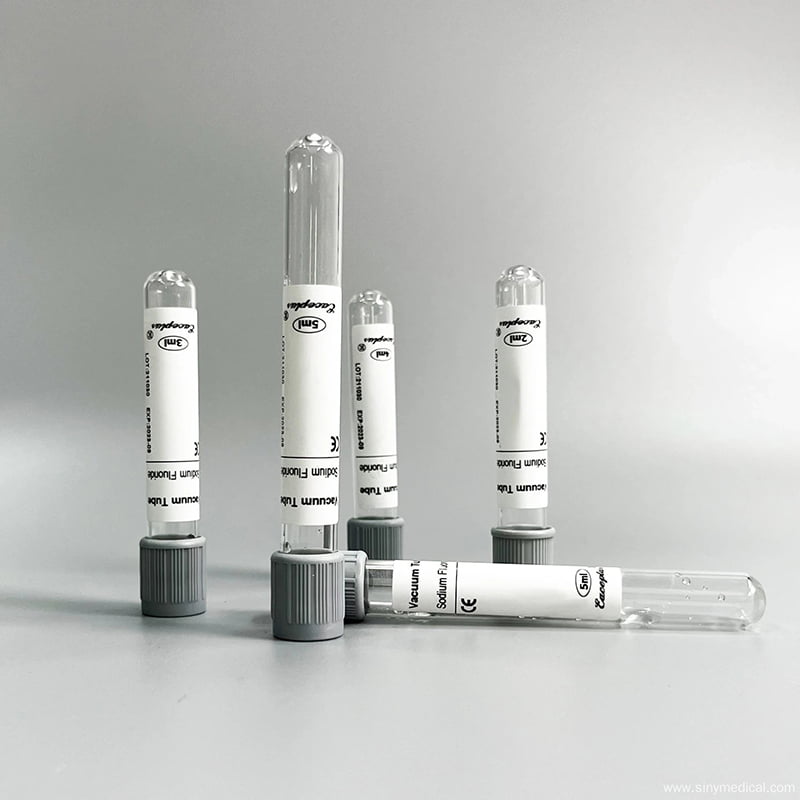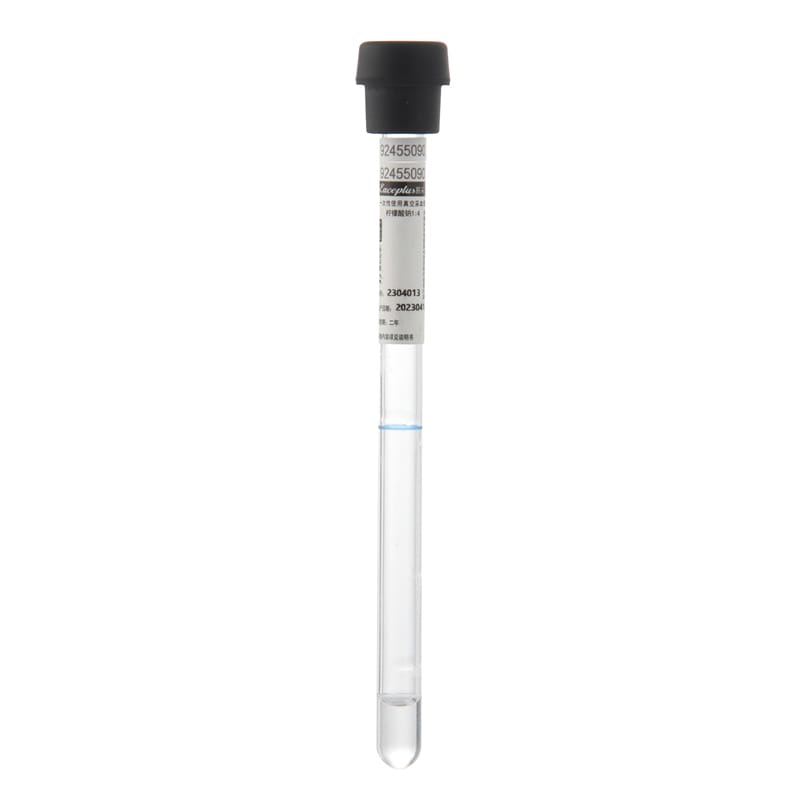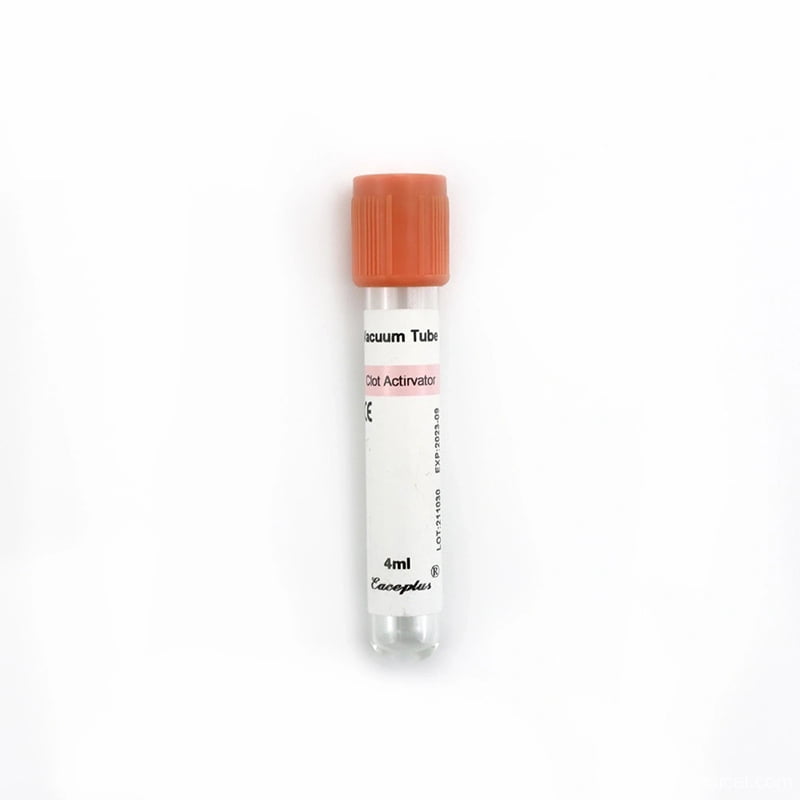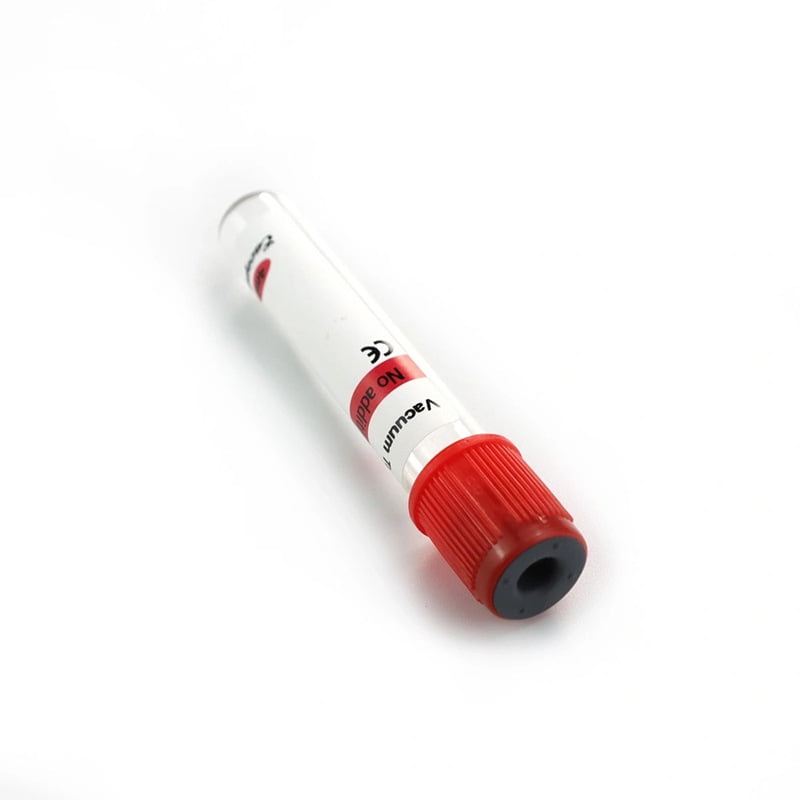
Cell culture has become the quiet backbone of modern biomedical research. From vaccine development to cancer therapies, from regenerative medicine to diagnostic testing, living cells grown in laboratories drive discovery forward every day. Yet many researchers underestimate one of the most influential factors behind successful experiments: the Tissue Culture Vessel itself.
At first glance, a flask, plate, or dish might seem like a simple container. In reality, the design of a Tissue Culture Vessel directly influences cell adhesion, nutrient exchange, oxygen transfer, contamination risk, and experimental reproducibility. When vessel design is optimized, cells grow more naturally and consistently. When it is overlooked, even the most carefully planned protocol can fail.
This in-depth guide explores how Tissue Culture Vessel design affects cell growth, explains the science behind different formats, and shows how choosing the right vessel can significantly improve research outcomes.
Table of Contents
- 1 A Tissue Culture Vessel in Modern Laboratories
- 2 The Importance of Tissue Culture Vessel Design
- 3 Why Tissue Culture Vessel Design Matters More Than Ever
- 4 Material Science Behind a High-Quality Tissue Culture Vessel
- 5 How Shape and Geometry Influence Cell Behavior
- 6 Surface Area Optimization and Its Impact on Yield
- 7 Real-World Impact: How Vessel Design Accelerates Breakthroughs
- 8 Sustainability and the Future of Tissue Culture Vessel Design
- 9 Choosing the Right Tissue Culture Vessel for Your Application
- 10 Final Summary
- 11 FAQs
A Tissue Culture Vessel in Modern Laboratories
A Tissue Culture Vessel is not just a plastic container. It is a carefully engineered microenvironment where cells live, communicate, divide, and respond to stimuli. Its shape, surface chemistry, material composition, and ventilation system work together to influence cell behavior.
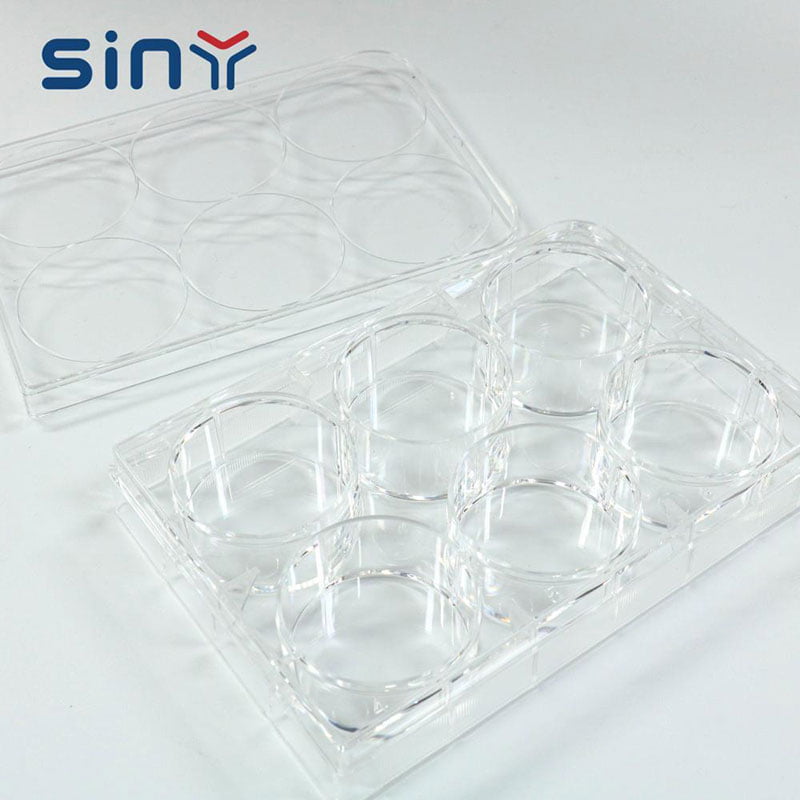
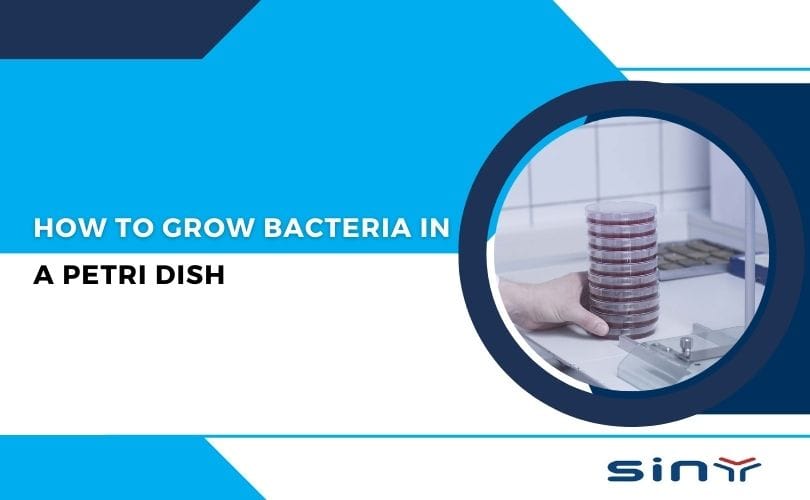
In practical terms, when a researcher selects products such as a classic Petri dish from or a specialized Cell Culture Flask from , they are selecting more than convenience. They are selecting conditions that affect experimental reliability.
Cells are sensitive to physical cues. The stiffness of the surface, the availability of attachment points, and even the geometry of the vessel can change gene expression. This is why high-quality manufacturing standards matter so much in professional-grade options such as those featured in the product category at https://www.sinymedical.com/product-category/petri-dish/.
The Importance of Tissue Culture Vessel Design
Tissue culture vessels, such as petri dishes and cell culture flasks, are fundamental tools in cell culture laboratories. Their design influences various aspects of cell growth, including adhesion, nutrient exchange, and waste removal. Understanding these factors is crucial for optimizing cell culture conditions and achieving consistent, reliable results.
Key Features of Effective Tissue Culture Vessels
- Material Quality: High-quality materials ensure the vessels are sterile, non-toxic, and biocompatible, providing a safe environment for cell growth.
- Surface Characteristics: The surface properties of the vessels, such as texture and coating, affect cell adhesion and proliferation.
- Design Ergonomics: Ergonomic design facilitates ease of use, handling, and scalability, making the vessels suitable for high-throughput applications.
- Ventilation and Gas Exchange: Proper ventilation and gas exchange mechanisms are essential for maintaining optimal oxygen and carbon dioxide levels, which are critical for cell viability.
Siny Medical’s Advanced Solutions
At Siny Medical, we offer a range of tissue culture vessels designed to meet the diverse needs of modern laboratories. Our products are engineered to provide superior performance, ensuring that your cell culture processes are both efficient and effective.
Why Tissue Culture Vessel Design Matters More Than Ever
Over the past decade, cell-based technologies have evolved rapidly. Three-dimensional cultures, organoids, stem cell models, and precision medicine now demand greater control over the culture environment. The design of the Tissue Culture Vessel must evolve alongside these innovations.
Poorly designed vessels can lead to inconsistent results. Uneven surfaces can cause irregular cell attachment. Inadequate gas exchange can slow proliferation. Weak seals can increase contamination risk. Researchers may blame protocols or reagents, when the true issue lies in the vessel.
By contrast, advanced designs such as vented-cap flasks and treated surfaces, like those available in products such as https://www.sinymedical.com/product/sterile-vented-cell-culture-flask-with-filter-cap/, demonstrate how thoughtful engineering improves outcomes.
Material Science Behind a High-Quality Tissue Culture Vessel
Most modern Tissue Culture Vessel products are made from medical-grade polystyrene. This material offers optical clarity, chemical stability, and suitability for surface treatment. However, raw polystyrene is hydrophobic, which makes it difficult for cells to adhere naturally.
To solve this, manufacturers modify the surface using plasma treatment or other techniques. This process introduces charged groups that mimic the extracellular matrix. The result is better cell attachment and spreading, which leads to healthier morphology and more reliable data.
Studies cited by biotechnology suppliers indicate that surface-treated vessels can increase cell attachment efficiency by over 30% compared to untreated plastic. That difference can determine whether a culture thrives or fails.
Products such as the professional-grade flasks featured in are designed specifically to support adherent cell lines through optimized surface chemistry.
How Shape and Geometry Influence Cell Behavior
The geometry of a Tissue Culture Vessel determines how cells experience their environment. A standard round dish distributes media evenly but may not support certain spatial growth patterns. Multi-well plates introduce segmentation, allowing parallel experiments with minimal reagent usage.
Square designs, such as the square Petri dish available at , offer more usable surface area. That additional area can improve yield when scaling up cultures without increasing incubator space.
Even the height-to-surface-area ratio matters. Shallow vessels promote better gas exchange. Deeper vessels hold more media but may limit oxygen diffusion. Researchers working with sensitive cell types must consider these factors carefully when selecting a Tissue Culture Vessel.
Surface Area Optimization and Its Impact on Yield
The productivity of a culture often depends on how efficiently cells use the available surface. A larger surface area allows for greater cell numbers without increasing vessel count. This is especially important in industrial research and pharmaceutical development.
Advanced Tissue Culture Vessel designs now include stacked surfaces, multi-layer flasks, and flasks with optimized geometry for maximum growth area. While classic designs remain popular, resources such as https://www.sinymedical.com/best-cell-culture-flasks-for-professional-laboratories/ highlight how modern options outperform traditional models in demanding settings.
Researchers seeking scalability benefit most from understanding how vessel design aligns with production goals.
Real-World Impact: How Vessel Design Accelerates Breakthroughs
The COVID-19 pandemic highlighted the importance of reliable cell culture systems. Vaccine development, antibody screening, and viral propagation all depended on optimized Tissue Culture Vessel environments. Laboratories worldwide required consistent performance from their consumables.
Even outside pandemic response, breakthroughs in gene therapy and regenerative medicine increasingly depend on complex culture systems. Advanced designs now support 3D growth, co-culture systems, and dynamic perfusion models. The humble vessel has become a sophisticated tool.
Educational platforms and science communities, including resources such as www.youtube.com/@sinymedical, regularly showcase how equipment design influences experimental success.
Sustainability and the Future of Tissue Culture Vessel Design
As laboratories expand globally, sustainability is becoming a key consideration. Manufacturers are exploring recyclable materials, reduced plastic usage, and more efficient packaging. While single-use plastics remain dominant for sterility reasons, innovation continues.
Future Tissue Culture Vessel designs may incorporate smart sensors, biodegradable materials, and integrated monitoring systems. These developments promise greater control over the cellular environment and deeper insight into cell behavior in real time.
Global marketplaces such as https://sinymedical.en.made-in-china.com/ demonstrate how manufacturers are responding to international demand for both quality and innovation.
Choosing the Right Tissue Culture Vessel for Your Application
Selecting the ideal vessel requires understanding experimental goals. Adherent cells demand treated surfaces. Suspension cultures require smooth interiors and efficient mixing. Long-term cultures benefit from vented systems. Short-term assays may prioritize cost efficiency.
Researchers can explore curated product listings such as https://www.sinymedical.com/product-category/cell-culture-flask/ to compare options based on application. When uncertain, direct communication with suppliers through https://www.sinymedical.com/contact-siny-medical/ can provide tailored recommendations.
Thoughtful selection transforms the Tissue Culture Vessel from a simple container into a strategic asset.
Final Summary
The Tissue Culture Vessel is far more than laboratory packaging. It is an active participant in the biology of cell growth. From material composition and surface treatment to geometry and ventilation, every design element influences how cells behave. By choosing well-engineered vessels, researchers protect the integrity of their experiments, improve reproducibility, and support meaningful scientific progress.
As cell-based technologies continue to shape the future of medicine, the importance of the Tissue Culture Vessel will only continue to grow.
FAQs
What is a tissue culture vessel?
A tissue culture vessel is a specialized container used to grow and maintain cells in a controlled environment, essential for research and production in biological sciences.
How does vessel design impact cell growth?
The design of the vessel affects cell adhesion, nutrient exchange, and waste removal, all of which are crucial for optimal cell growth and proliferation.
What materials are used in Siny Medical’s tissue culture vessels?
Our vessels are made from high-quality, sterile, and biocompatible materials to ensure a safe and effective environment for cell culture.
Can Siny Medical’s vessels be used in high-throughput applications?
Yes, our vessels are designed with ergonomic features that make them suitable for high-throughput and scalable applications in professional laboratories.
Are there any emerging trends in tissue culture vessel design?
Emerging trends include the integration of smart technologies, such as sensors and automated systems, to enhance real-time monitoring and optimization of cell growth conditions.
How can I learn more about Siny Medical’s tissue culture vessels?
Visit our website https://www.sinymedical.com/ for detailed product information, case studies, and customer testimonials.