In modern oilfield operations, sulfate-reducing bacteria in petroleum systems environments are one of the most overlooked yet critical threats to infrastructure integrity and production efficiency. These anaerobic microorganisms thrive in oil reservoirs, injection water systems, and pipelines, where they actively contribute to corrosion and hydrogen sulfide generation.
Understanding how sulfate-reducing bacteria behave—and more importantly, how to detect and monitor them—is essential for operators, engineers, and procurement teams selecting reliable testing solutions. As demand for accurate microbial monitoring increases, choosing the right SRB detection method becomes just as important as understanding the biology itself.
Table of Contents
- 1 What Are Sulfate-Reducing Bacteria in Petroleum Systems?
- 2 Why Sulfate-Reducing Bacteria Matter in Oilfield Operations
- 3 How to Detect Sulfate-Reducing Bacteria in Petroleum Systems
- 4 Applications of SRB Monitoring in Petroleum Systems
- 5 How to Choose the Right SRB Test Kit for Petroleum Applications
- 6 FAQ About Sulfate-Reducing Bacteria in Petroleum Systems
- 7 Final Thoughts
What Are Sulfate-Reducing Bacteria in Petroleum Systems?
Sulfate-reducing bacteria (SRB) are anaerobic microorganisms that utilize sulfate as an electron acceptor and convert it into hydrogen sulfide (H₂S) during metabolism. In petroleum systems, they are commonly found in:
- Oil reservoirs
- Injection water systems
- Produced water pipelines
- Storage tanks
These bacteria thrive in oxygen-free environments, making subsurface oilfield conditions ideal for their growth.
From a practical standpoint, the presence of sulfate-reducing bacteria in petroleum system operations is not just a microbiological issue—it is an operational risk. Their metabolic activity leads directly to the souring of reservoirs and degradation of metal infrastructure.
For operators looking to maintain system stability, early detection using reliable tools—such as standardized SRB test kits—can significantly reduce long-term risks. If you’re evaluating monitoring solutions, it’s worth exploring options available through Siny Medical for consistent and field-ready testing support.
Why Sulfate-Reducing Bacteria Matter in Oilfield Operations
The impact of SRB extends far beyond simple bacterial presence. Their activity drives several major operational challenges:
1. Microbiologically Influenced Corrosion (MIC)
SRB produces hydrogen sulfide, which reacts with iron to form iron sulfide, accelerating corrosion in pipelines and equipment.
2. Reservoir Souring
Hydrogen sulfide accumulation reduces crude oil quality and increases refining complexity.
3. Safety Hazards
H₂S is highly toxic, posing serious risks to personnel in oilfield environments.
4. Plugging and Biofilm Formation
SRB colonies can form biofilms that block flow channels and reduce system efficiency.
Because of these risks, monitoring Sulfate-reducing bacteria in petroleum system conditions is no longer optional—it is part of standard oilfield management practices.

How to Detect Sulfate-Reducing Bacteria in Petroleum Systems
Accurate detection is the foundation of effective SRB control. Among various methods, the most widely used and practical approach is the extinction dilution method (MPN method).
Extinction Dilution Method (MPN)
This method involves serial dilution of a water sample and incubation in a selective culture medium. Operators estimate the bacterial concentration based on the number of positive reactions.
According to standardized SRB test procedures:
- Samples are injected into multiple test tubes under sterile conditions.
- Serial dilution is performed step-by-step.
- Tubes are incubated at approximately 28°C for 5–7 days.
- Positive results are indicated by blackening or the formation of black precipitate.
This visual indication makes the method highly practical for field use, especially in oilfield environments where operators require rapid decision-making.
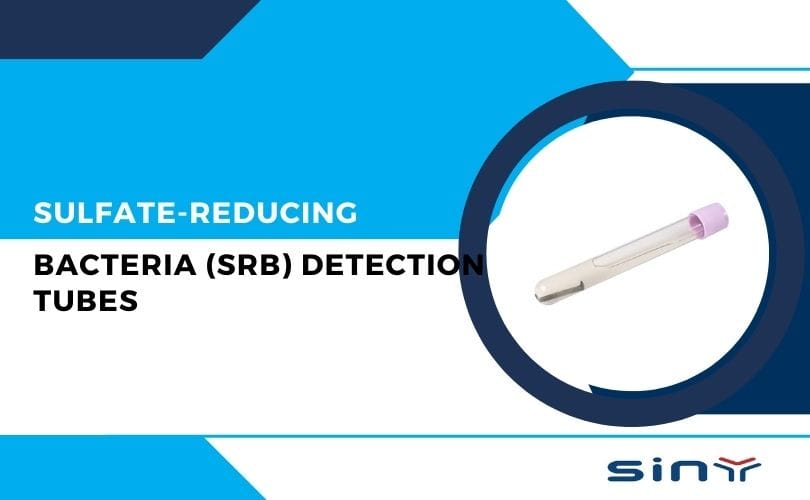
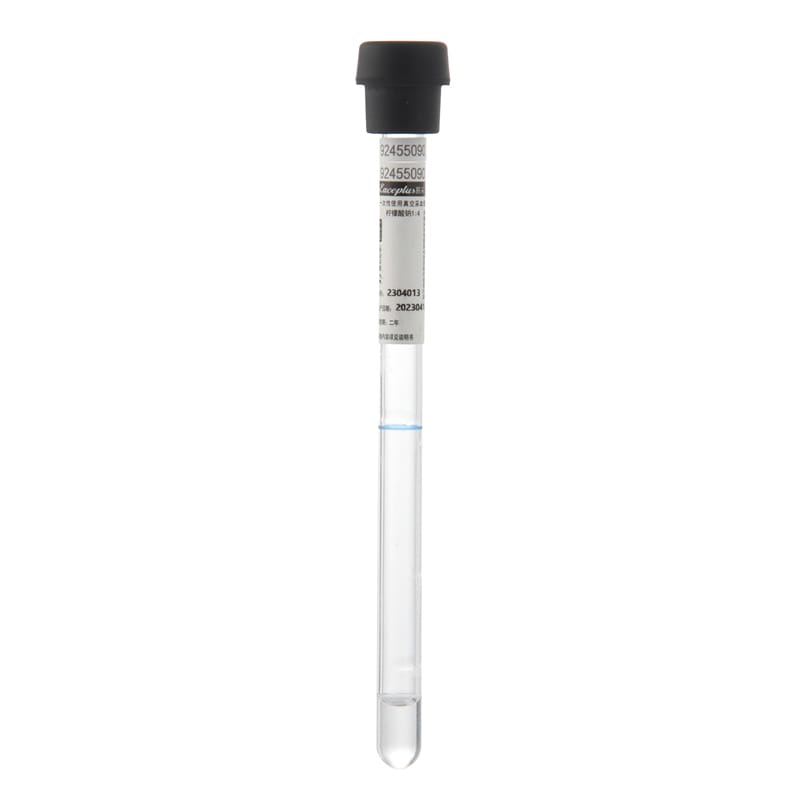
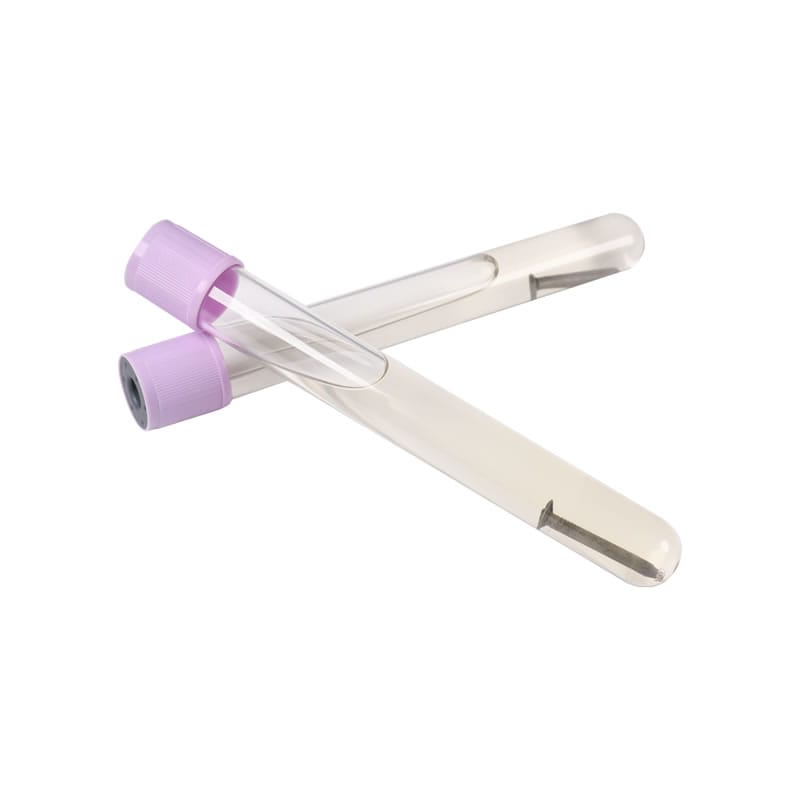
In addition, manufacturers typically design SRB test kits to maintain anaerobic conditions inside the tube, ensuring reliable bacterial growth and accurate results.
For teams managing multiple sampling points, using pre-prepared SRB kits—such as ready-to-use culture tubes—can simplify workflows and improve consistency. If you’re planning to standardize your monitoring process, contacting Siny Medical can help you evaluate suitable configurations for your application.
Applications of SRB Monitoring in Petroleum Systems
Monitoring Sulfate-reducing bacteria in petroleum system environments is essential across multiple operational scenarios:
Oilfield Water Injection Systems
Injection water often introduces nutrients that promote SRB growth, making routine testing critical.
Produced Water Management
SRB levels can indicate contamination and help guide treatment strategies.
Pipeline Integrity Monitoring
Early detection helps prevent corrosion-related failures.
Environmental and Groundwater Assessment
SRB presence can also reflect contamination in surrounding ecosystems.
In all these scenarios, consistency in testing methodology is key. A standardized SRB detection kit ensures repeatable results, which is especially important when comparing data across different sites or time periods.
How to Choose the Right SRB Test Kit for Petroleum Applications
With many products available on the market, selecting the right SRB detection solution can be challenging. Here are a few key considerations:
1. Detection Method Reliability
Ensure the kit uses a proven method such as MPN-based dilution testing.
2. Stability and Shelf Life
Kits should maintain performance under storage conditions (typically 4–25°C) and provide adequate shelf life.
3. Ease of Use
Field-friendly operation, minimal preparation, and clear result interpretation are essential.
4. Anaerobic Environment Integrity
Proper sealing ensures accurate SRB cultivation.
5. Application Compatibility
The kit should support different sample types such as water, soil extracts, or industrial fluids.
A well-designed SRB kit simplifies testing while reducing human error—an important factor for large-scale oilfield monitoring programs. If you’re comparing suppliers, it’s a good idea to request technical details or samples from Siny Medical to evaluate performance under real operating conditions.
FAQ About Sulfate-Reducing Bacteria in Petroleum Systems
What causes sulfate-reducing bacteria in petroleum systems?
SRB growth is typically driven by the presence of sulfate, organic nutrients, and anaerobic conditions commonly found in oilfield environments.
How do you know if SRB is present?
SRB presence is usually confirmed through culture-based testing. Black coloration or precipitate formation in the test medium indicates a positive result.
How often should SRB testing be performed?
Testing frequency depends on the system, but oilfield operations typically conduct monitoring weekly or monthly.
Can SRB be completely eliminated?
Complete elimination is difficult. The goal is usually to control SRB levels through monitoring and treatment strategies.
What is the best method for SRB detection?
The MPN (extinction dilution) method remains one of the most reliable and widely used techniques for SRB detection in petroleum systems.
Final Thoughts
Managing Sulfate-reducing bacteria in petroleum system environments is a critical part of maintaining oilfield efficiency, safety, and infrastructure longevity. While understanding SRB behavior is important, consistent monitoring is what truly enables effective control.
As oilfield operations become more data-driven, reliable detection tools play a central role in decision-making. Whether you are setting up a new monitoring program or upgrading existing workflows, choosing a stable and easy-to-use SRB testing solution can make a measurable difference.
If you’re currently evaluating SRB detection kits or planning procurement, consider reaching out to Siny Medical to explore options tailored to petroleum system applications.