| Item | Specification |
|---|---|
| Product Name | SRB Sulfate Reducing Bacteria Bottle |
| Volume | 9ml |
| Test Principle | Extinction Dilution Method |
| Sample Type | Water Samples / Soil Leachate |
| Culture Temperature | 28±2°C |
| Culture Period | 5–7 Days |
| Packaging | 8 Tubes/Box; 1200 Tubes/Carton |
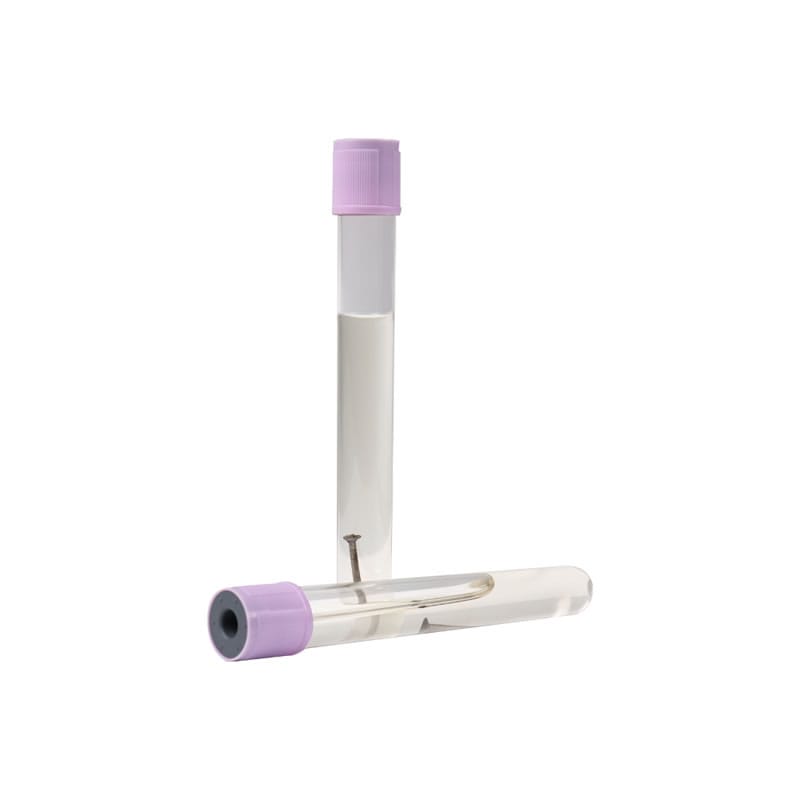
The SRB Sulfate Reducing Bacteria Bottle is designed to detect sulfate-reducing bacteria (SRB) in compatible water and environmental samples. It uses a culture-based method to help users evaluate SRB content.
Each Siny Medical SRB test bottle contains 9ml of prepared culture medium. The product uses the extinction dilution method. During testing, a representative sample is diluted step by step through a series of bottles.
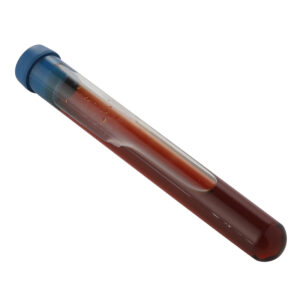
After incubation, users check each bottle for a positive reaction. Blackening of the medium or the formation of black precipitate indicates SRB growth. The positive results and dilution levels can then be used to evaluate SRB content.
The product is suitable for oilfield water monitoring, environmental monitoring, water-quality analysis, industrial water treatment, and groundwater applications.
Sulfate-reducing bacteria can be present in water and other compatible environmental samples. Therefore, SRB testing may form part of a microbial monitoring program.
Typical applications include:
Regular testing also allows users to compare SRB conditions at different sampling points or over different monitoring periods.
However, this product is a detection bottle. It does not treat water or control bacterial growth.
The test uses an extinction dilution method.
First, collect a representative sample in a sterile container. For a solid sample, prepare a suitable leachate before testing.
Next, arrange the SRB test bottles in sequence. Label them according to the required dilution levels.
Use a sterile syringe to collect 1ml of sample. An 18G needle is recommended for sample transfer.
Then inject the sample into the first bottle and mix it thoroughly. Use another sterile syringe to transfer 1ml from the first bottle into the second bottle.
Mix again before continuing.
Repeat the same process through the required dilution series. As a result, each bottle represents a higher dilution of the original sample.
Finally, place all prepared bottles in a constant-temperature incubator.
Incubate the bottles at 28±2°C and protect them from light.
The standard culture period is 5–7 days. If necessary, the observation period can be extended to 10 days.
During incubation, avoid unnecessary movement or tilting.
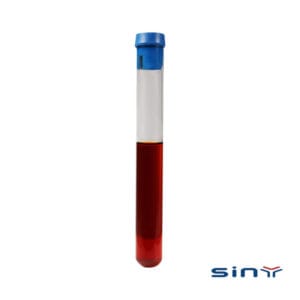
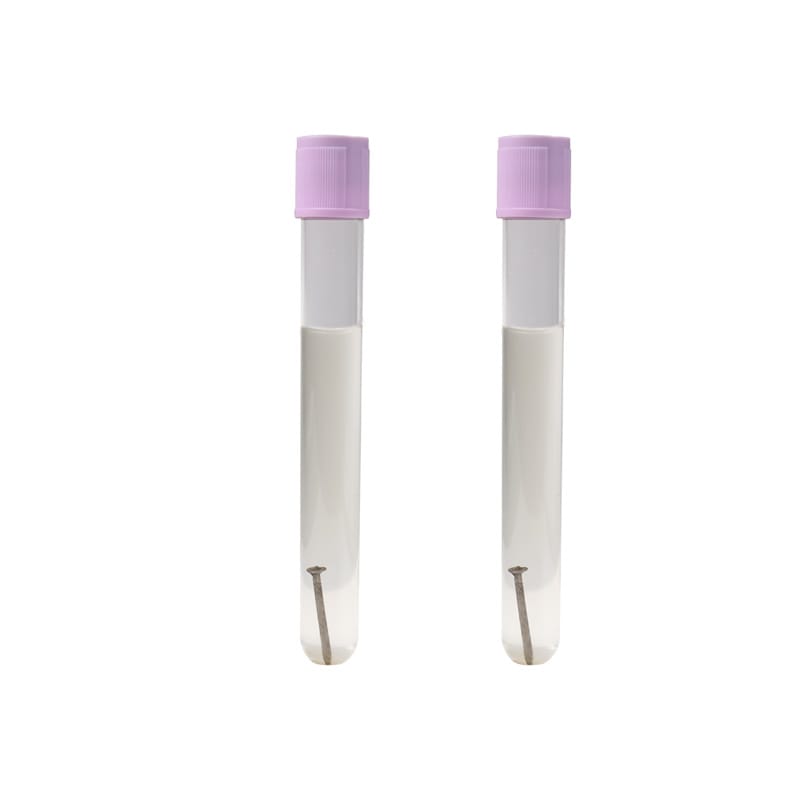
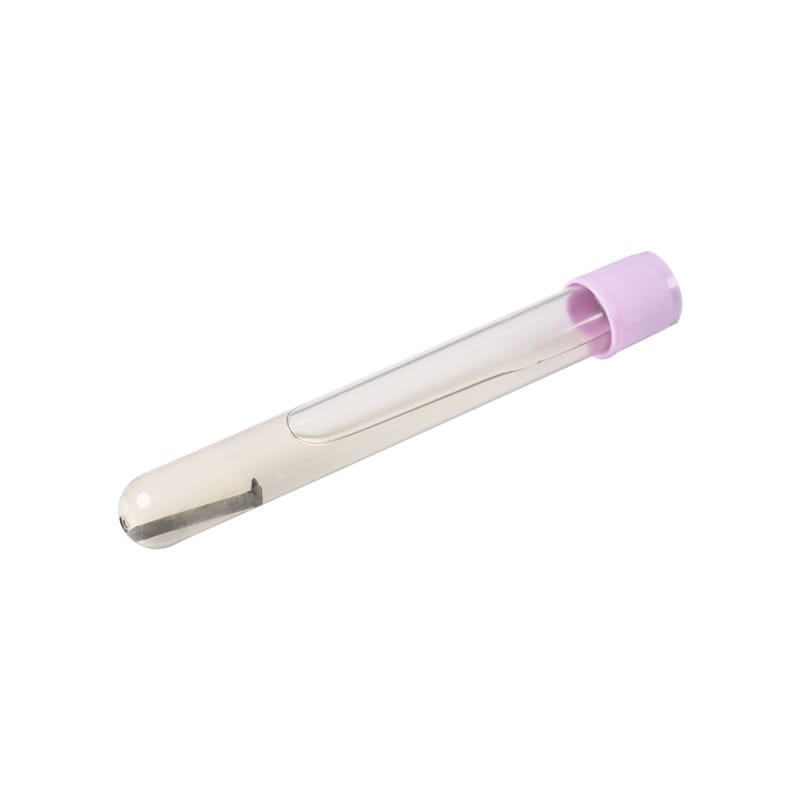
Before testing, the normal culture medium appears light yellow.
A positive reaction occurs when the liquid turns black or develops black precipitate.
This reaction indicates SRB growth under the specified culture conditions.
If positive reactions continue into higher dilution levels, the original sample contains a relatively higher level of SRB.
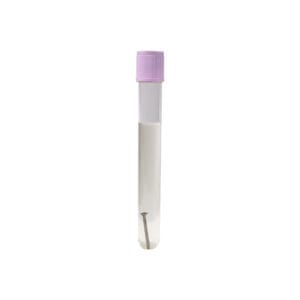
A negative tube remains in its original clear, light-yellow state. No obvious color change develops.
A small amount of white precipitate may appear because of excess nutrients in the medium. This does not affect the test according to the product instructions.
The dilution series provides more information than a single positive or negative result.
After incubation, record each positive bottle and its dilution level. Then arrange the results according to the dilution gradient.
A positive reaction at a higher dilution indicates relatively higher SRB content in the original sample.
The positive reactions and dilution levels can then be used to determine the bacterial growth index and level according to the specified procedure.
Importantly, the darkness of one bottle should not be used alone to estimate SRB quantity. The dilution sequence and positive reactions provide the basis for evaluation.
SRB testing is suitable for several industrial and environmental monitoring applications.
For example, oilfield water can be sampled at defined monitoring points. Industrial water systems can also be tested at selected locations or intervals.
The same approach applies to groundwater and environmental water monitoring.
When users repeat the test under consistent conditions, they can compare SRB levels between sampling locations or testing periods.
Consistency is important. Therefore, sampling, dilution, incubation, and result interpretation should follow the same procedure during comparative monitoring.
An SRB result should also be considered together with other relevant water-quality information when a broader assessment is required.
Different bacterial test bottles have different detection targets.
An SRB Test Bottle detects sulfate-reducing bacteria. A positive result appears as blackening or black precipitate.
An IOB Test Tube targets iron bacteria. It uses a different culture medium and result criteria.
A Total Bacteria Test Tube evaluates general bacterial content under its specified culture conditions.
Therefore, these products are not interchangeable.
Choose the test bottle according to the bacterial group that needs to be monitored. If several microbial groups are relevant, the monitoring program may include more than one test type.
Store unopened SRB test bottles at 4–25°C. Keep them in a cool, dry place and protect them from light.
The unopened shelf life is 2 years. After opening, use the product within 2 weeks.
Sterile technique is important throughout the test. External microbial contamination may affect the result.
In addition, mix each dilution thoroughly for about 1–2 minutes before making the next transfer.
The bottles provide a vacuum, oxygen-free condition for culture. Follow the supplied operating instructions to maintain the required test environment.
Siny Medical can provide SRB test bottles for water, environmental, industrial, and oilfield monitoring applications.
It is a culture-based test product used to detect and evaluate sulfate-reducing bacteria in compatible samples.
It uses the extinction dilution method. The sample is diluted through a series of bottles before incubation and result evaluation.
The medium turns black or develops black precipitate. This indicates SRB growth under the specified conditions.
The specified culture temperature is 28±2°C.
The standard culture period is 5–7 days. If necessary, it can be extended to 10 days.
Yes. Positive reactions and their corresponding dilution levels are used to evaluate SRB content according to the specified procedure.
No. SRB and IOB products target different bacterial groups and use different culture media and result criteria.
The Siny Medical SRB Sulfate Reducing Bacteria Bottle provides a culture-based method for detecting and evaluating sulfate-reducing bacteria.
Each bottle contains 9ml of prepared medium for extinction dilution testing. After incubation at 28±2°C, blackening or black precipitate indicates a positive reaction.
The product supports oilfield water monitoring, environmental monitoring, water-quality analysis, industrial water treatment, and groundwater applications.
Siny Medical can also support bulk orders, packaging, labeling, and confirmed OEM/ODM requirements.
Contact Siny Medical for SRB test bottle specifications, samples, pricing, or bulk-order information.
Copyright © 2026 | Ningbo Siny Medical Technology Co., Ltd