Before exploring where Sulfate-Reducing Bacteria occur, it helps to understand what they are.
Sulfate-Reducing Bacteria (SRB) are anaerobic microorganisms that use sulfate as a terminal electron acceptor during respiration. Instead of using oxygen, they convert sulfate (SO₄²⁻) into hydrogen sulfide (H₂S).
This metabolic pathway places them at the center of the global sulfur cycle. According to microbiological studies referenced in sulfur biogeochemistry research, SRB contribute significantly to organic matter degradation in anoxic environments.
If you would like a deeper explanation, Siny Medical provides a detailed overview in their technical guide:
https://www.sinymedical.com/what-are-sulfate-reducing-bacteria/
It is important to distinguish bacteria from other microorganisms like a virus, which differs fundamentally in structure and reproduction. For clarification, see the biological definition on Wikipedia:
Unlike viruses, Sulfate-Reducing Bacteria are living, metabolically active cells capable of independent growth.
Table of Contents
Where Are Sulfate-Reducing Bacteria Found in Nature?
Sulfate-Reducing Bacteria exist in diverse natural environments. However, they share one defining characteristic: limited oxygen availability.
Marine and Freshwater Sediments
Marine sediments represent one of the largest reservoirs of Sulfate-Reducing Bacteria on Earth.
In coastal zones and continental shelves, sulfate concentrations are high due to seawater chemistry. As organic matter sinks and decomposes, oxygen depletes rapidly. This creates ideal conditions for SRB activity.
Research shows that in marine sediments, SRB may account for up to 50% of total organic carbon mineralization under anoxic conditions.
Freshwater sediments also harbor Sulfate-Reducing Bacteria, though sulfate concentrations are typically lower than in marine systems.
Wetlands and Marshlands
Wetlands provide rich organic substrates and waterlogged soils. Oxygen penetration remains shallow, especially in peat bogs and marshes.
In these environments, Sulfate-Reducing Bacteria contribute to:
- Sulfur cycling
- Methane production interactions
- Soil chemistry changes
- Odor formation
Their activity often explains the characteristic “rotten egg” smell associated with hydrogen sulfide gas.
Deep Subsurface Environments
Sulfate-Reducing Bacteria have been detected kilometers below Earth’s surface.
They thrive in:
- Deep aquifers
- Geothermal systems
- Oil reservoirs
- Rock fractures
Studies in petroleum reservoirs show SRB populations surviving under high pressure and temperature. These findings highlight their remarkable adaptability.
Gastrointestinal Tracts
Some Sulfate-Reducing Bacteria inhabit the human and animal gut.
In the colon, sulfate derived from diet supports SRB growth. While they are not typically pathogenic, excessive hydrogen sulfide production may influence gut health.
However, environmental and industrial monitoring remains the primary concern for most laboratories.
Where Are Sulfate-Reducing Bacteria Found in Industrial Systems?
While natural ecosystems benefit from sulfur cycling, industrial systems often suffer severe consequences when Sulfate-Reducing Bacteria proliferate.
Oil and Gas Pipelines
The oil and gas industry faces significant challenges from SRB.
In pipelines, Sulfate-Reducing Bacteria:
- Form biofilms
- Produce hydrogen sulfide
- Cause pitting corrosion
- Contribute to “souring” of hydrocarbons
Microbiologically Influenced Corrosion (MIC) costs global industries billions of dollars annually. Some industry reports estimate that MIC accounts for up to 20% of total corrosion-related losses worldwide.
To detect SRB in oilfield water, laboratories often rely on specialized products such as:
https://www.sinymedical.com/product/microbial-test-tube-for-reinjection-water/
Water Distribution Systems
Low-flow zones and storage tanks create anaerobic niches.
Within these systems, Sulfate-Reducing Bacteria can:
- Form biofilms
- Reduce pipe integrity
- Interact with iron-oxidizing bacteria
- Decrease water quality
Routine monitoring using reliable bacterial test tubes is essential. Explore testing options here:
Wastewater Treatment Plants
Anaerobic digesters provide excellent conditions for SRB growth.
In wastewater systems, Sulfate-Reducing Bacteria may:
- Compete with methanogens
- Generate hydrogen sulfide gas
- Corrode concrete infrastructure
Early detection reduces structural damage and maintenance costs.
Cooling Towers and Industrial Circuits
Cooling systems often accumulate organic matter and scale deposits.
When oxygen levels fluctuate, localized anaerobic microenvironments allow Sulfate-Reducing Bacteria to establish colonies. Monitoring becomes critical to avoid heat exchange inefficiencies.
Why Sulfate-Reducing Bacteria Matter
Understanding where Sulfate-Reducing Bacteria are found helps industries manage both risks and opportunities.
Risks Associated with Sulfate-Reducing Bacteria
Microbiologically Influenced Corrosion (MIC)
Hydrogen sulfide reacts with iron to form iron sulfide, weakening metal structures.
Operational Fouling
Biofilms reduce flow efficiency and increase energy consumption.
Safety Hazards
Hydrogen sulfide is toxic at high concentrations. Occupational exposure limits require strict monitoring in confined spaces.
Beneficial Roles of Sulfate-Reducing Bacteria
Not all impacts are negative.
Sulfate-Reducing Bacteria support:
- Bioremediation of heavy metals
- Sulfide precipitation of contaminants
- Wastewater nutrient cycling
- Geochemical research
In environmental biotechnology, SRB assist in immobilizing cadmium, lead, and zinc through sulfide formation.
How to Detect Sulfate-Reducing Bacteria
Detecting Sulfate-Reducing Bacteria requires careful methodology due to their anaerobic nature.
Culture-Based Methods
Traditional testing uses selective media that encourage SRB growth.
When SRB reduce sulfate, black iron sulfide precipitates appear. This visual indicator simplifies interpretation.
Petri dishes may support initial isolation work:
However, anaerobic incubation remains essential
Molecular Detection
PCR-based methods detect SRB genetic markers.
These techniques offer high sensitivity but require specialized equipment. Many field operators prefer simpler solutions.
Rapid SRB Detection Kits
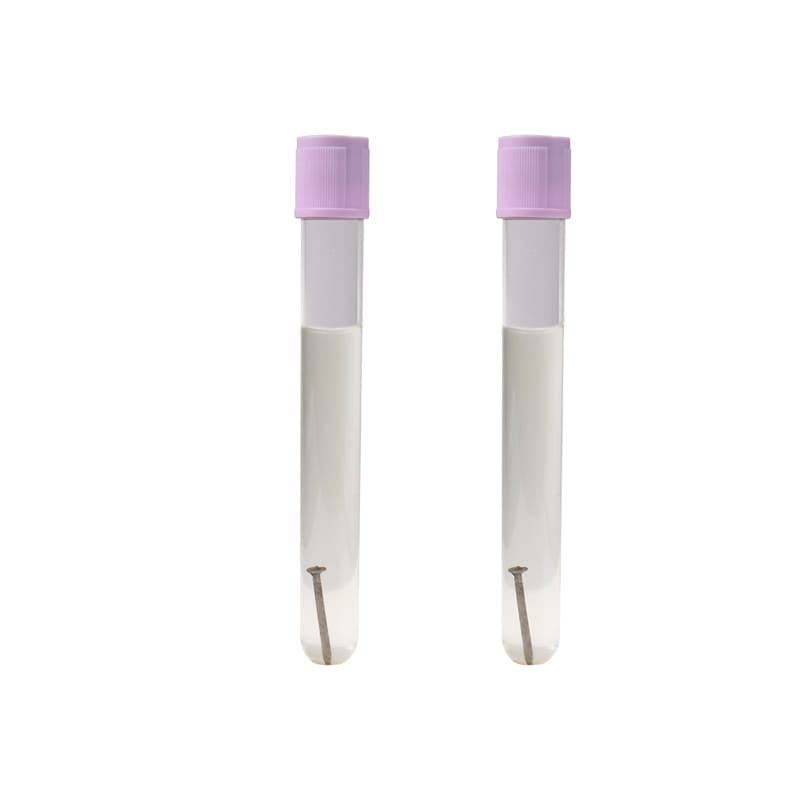
For practical field monitoring, pre-formulated detection kits provide significant advantages.
Products such as:
https://www.sinymedical.com/product/sulfate-reducing-bacteria-test-tube/
and
https://www.sinymedical.com/product/srb-sulfate-reducing-bacteria-bottle/
offer ready-to-use media designed for industrial water samples.
These kits reduce preparation time and improve consistency.
For a full explanation of testing principles, see:
https://www.sinymedical.com/what-is-the-sulfate-reducing-bacteria-srb-test/
How SRB Detection Works in Practice
Testing for Sulfate-Reducing Bacteria follows a structured workflow.
Sample collection must avoid oxygen exposure. Technicians introduce samples into selective media. Incubation occurs at controlled temperatures. After several days, visual indicators reveal SRB presence.
Standardized kits reduce human error and ensure reproducible results.
For organizations implementing monitoring programs, Siny Medical offers product categories tailored for industrial testing:
https://www.sinymedical.com/product-category/bacterial-test-tube/sulfate-reducing-bacteria/
If you need assistance selecting appropriate kits, contact the technical team.
You can also explore additional resources and updates on their official channel:
And international listings here:
https://sinymedical.en.made-in-china.com/
Choosing a Reliable SRB Detection Supplier
Accurate Sulfate-Reducing Bacteria detection depends on:
- Media quality
- Batch consistency
- Shelf stability
- Clear instructions
- Regulatory compliance
Poor-quality kits may produce false negatives. That risk increases corrosion costs.
Selecting validated suppliers protects both infrastructure and reputation.
For additional bacterial monitoring options, including iron-related testing,
Summary
Sulfate-Reducing Bacteria are found in a wide range of oxygen-depleted environments. These include marine sediments, wetlands, deep aquifers, oil pipelines, wastewater systems, and industrial water circuits.
Their presence can either support ecological balance or trigger costly corrosion. For industrial operators, early and accurate detection remains critical.
By understanding habitats, risks, and testing methods, laboratories can implement effective monitoring programs. High-quality SRB detection kits simplify analysis and support informed decision-making.
If you are planning to strengthen your microbial monitoring strategy, explore solutions at https://www.sinymedical.com and review available testing products tailored for Sulfate-Reducing Bacteria control.
FAQs
1. Where are Sulfate-Reducing Bacteria most commonly found?
Sulfate-Reducing Bacteria are most commonly found in anaerobic environments such as marine sediments, oil reservoirs, wetlands, and wastewater systems.
2. Are Sulfate-Reducing Bacteria harmful to humans?
Sulfate-Reducing Bacteria are not typically pathogenic. However, hydrogen sulfide produced by Sulfate-Reducing Bacteria can pose health and safety risks in confined industrial spaces.
3. How do industries detect Sulfate-Reducing Bacteria in pipelines?
Industries detect Sulfate-Reducing Bacteria using culture-based media, molecular tools, or specialized SRB detection kits designed for field sampling.
4. Why do Sulfate-Reducing Bacteria cause corrosion?
Sulfate-Reducing Bacteria produce hydrogen sulfide, which reacts with metals and accelerates electrochemical corrosion processes.
5. Can Sulfate-Reducing Bacteria be beneficial?
Yes. Sulfate-Reducing Bacteria support bioremediation by precipitating heavy metals and contributing to wastewater nutrient cycling.