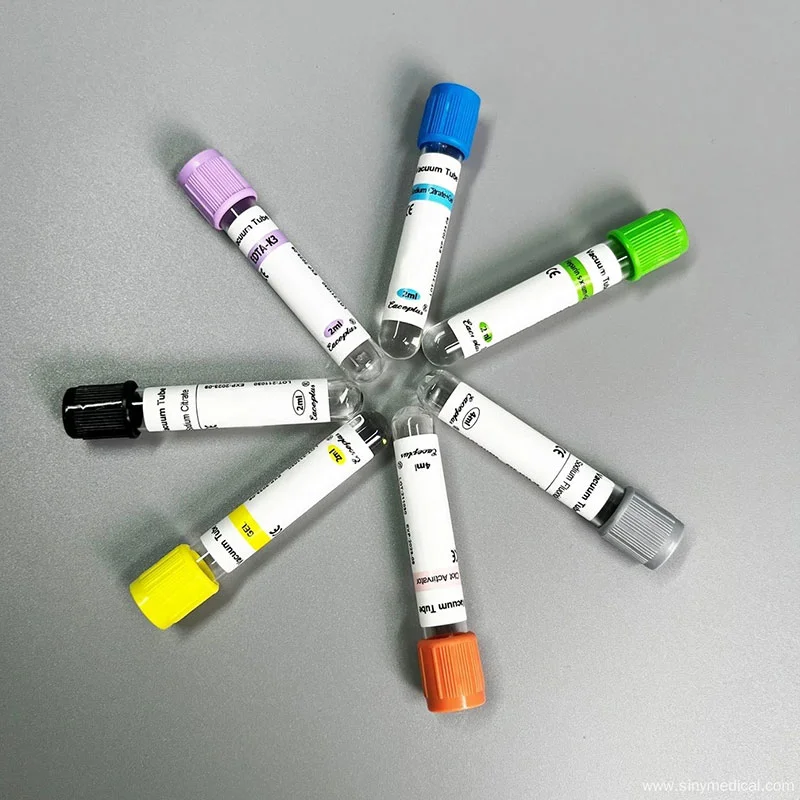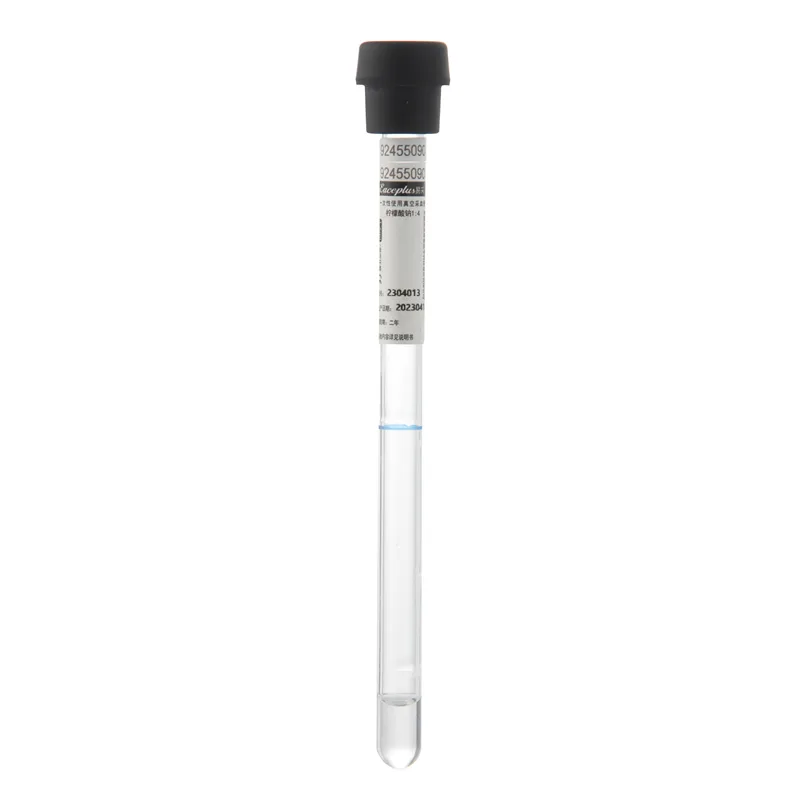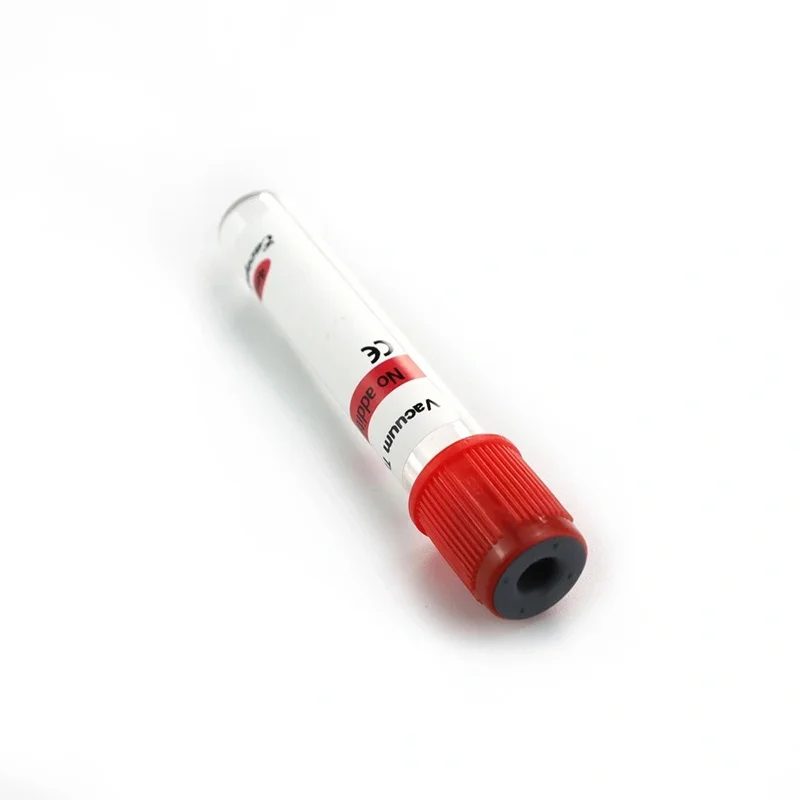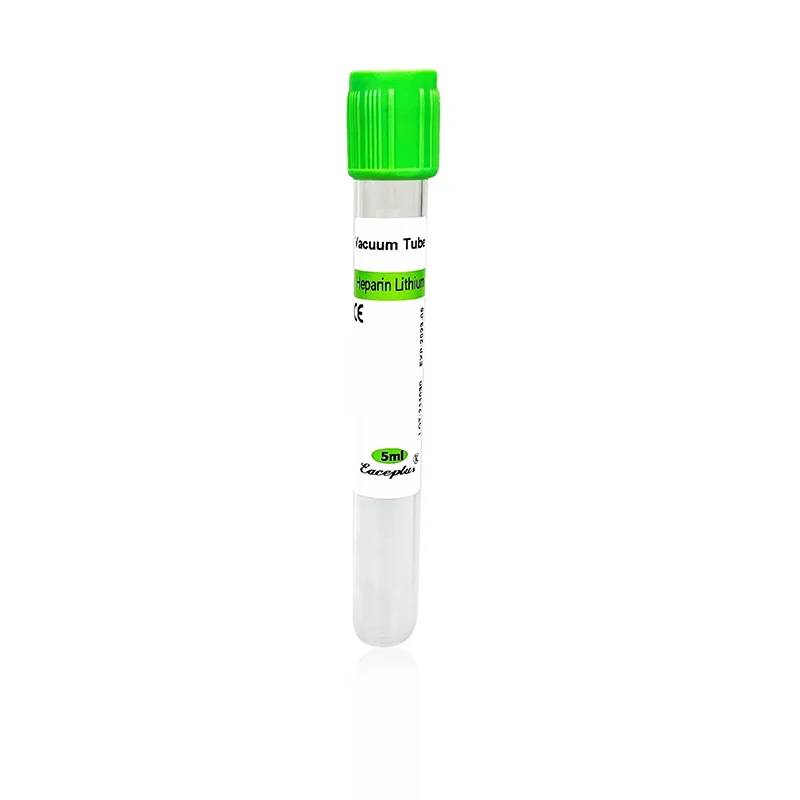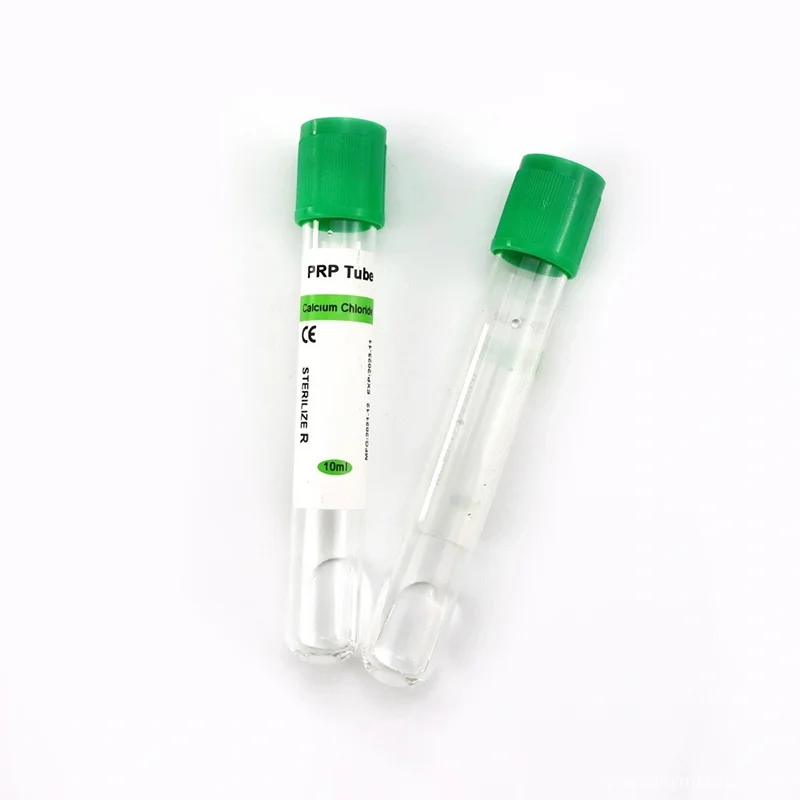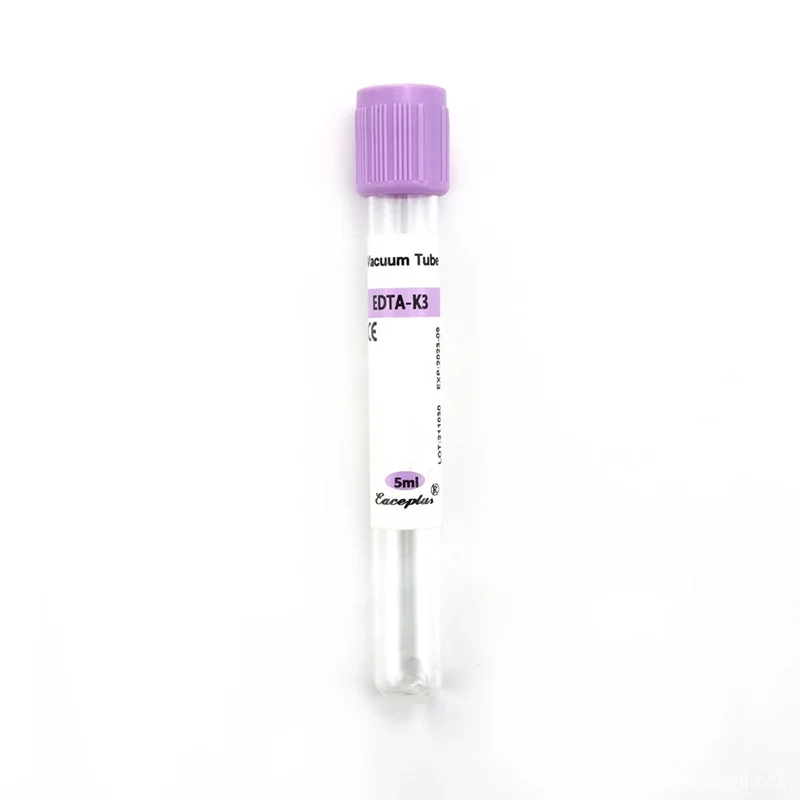

A patient’s coagulation test comes back with abnormal results. The physician orders a retest, causing delays in treatment decisions. After investigation, the lab discovers the issue wasn’t with the patient—it was a short draw in the sodium citrate tube. This single collection error can cascade into misdiagnosis, unnecessary retests, and compromised patient care.
Short draws in blood collection represent one of the most preventable yet frequent pre-analytical errors in laboratory medicine. When a sodium citrate tube doesn’t fill to its intended volume, the ratio between blood and anticoagulant becomes skewed. This imbalance directly affects coagulation test accuracy, potentially leading to false prolonged clotting times. Understanding why this happens and how to prevent it matters for every healthcare professional involved in phlebotomy and laboratory testing.
Table of Contents
- 1 What is a Sodium Citrate Tube?
- 2 Understanding Short Draw: Definition and Causes
- 3 How Short Draws Impact Coagulation Test Results
- 4 Acceptable Fill Volume Range for Sodium Citrate Tubes
- 5 Sodium Citrate Tube Uses and Test Applications
- 6 Best Practices for Preventing Short Draws
- 7 Manufacturer Quality Standards and Tube Selection
- 8 Quality Assurance and Continuous Improvement
- 9 Conclusion
- 10 Call to Action
- 11 FAQs
What is a Sodium Citrate Tube?
Overview
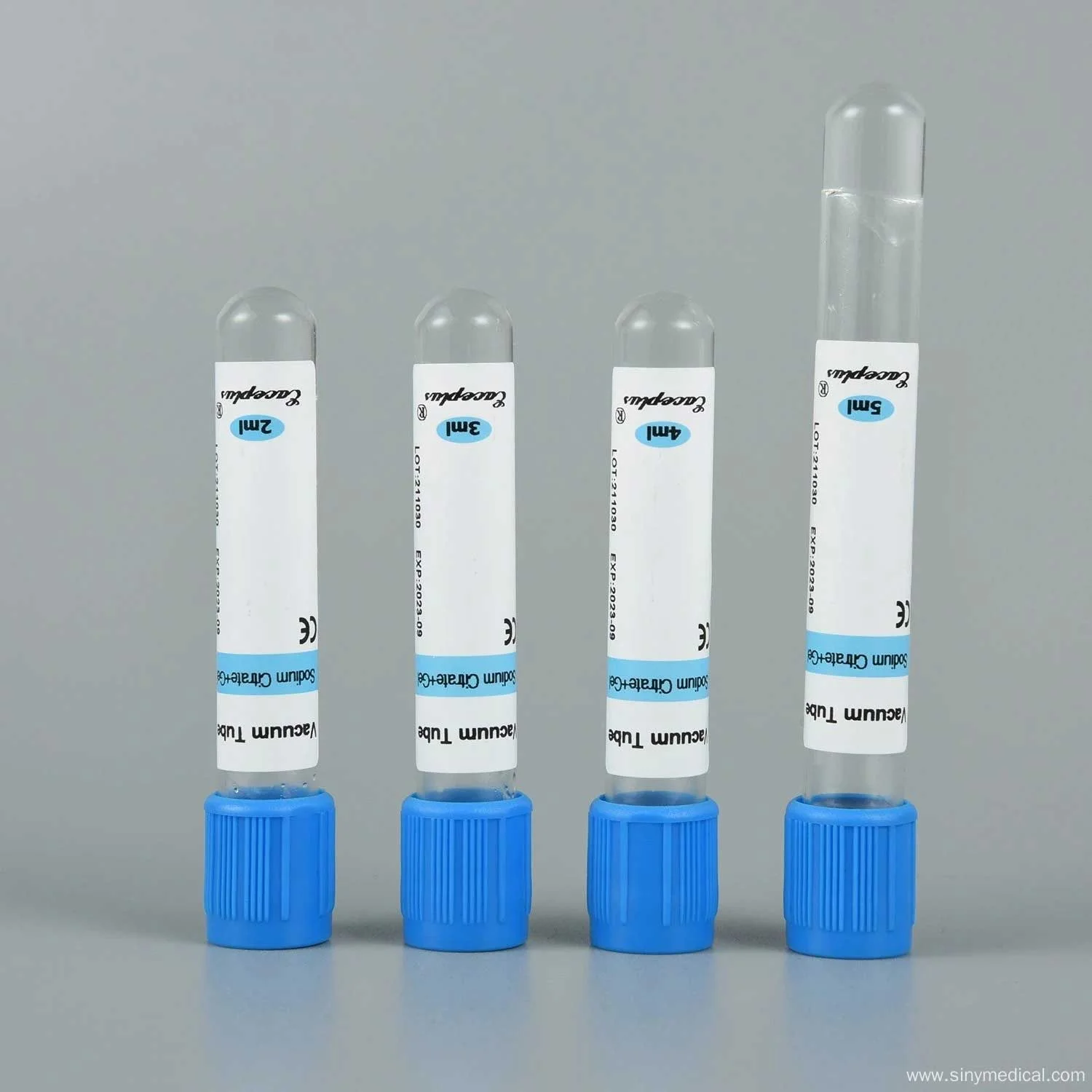
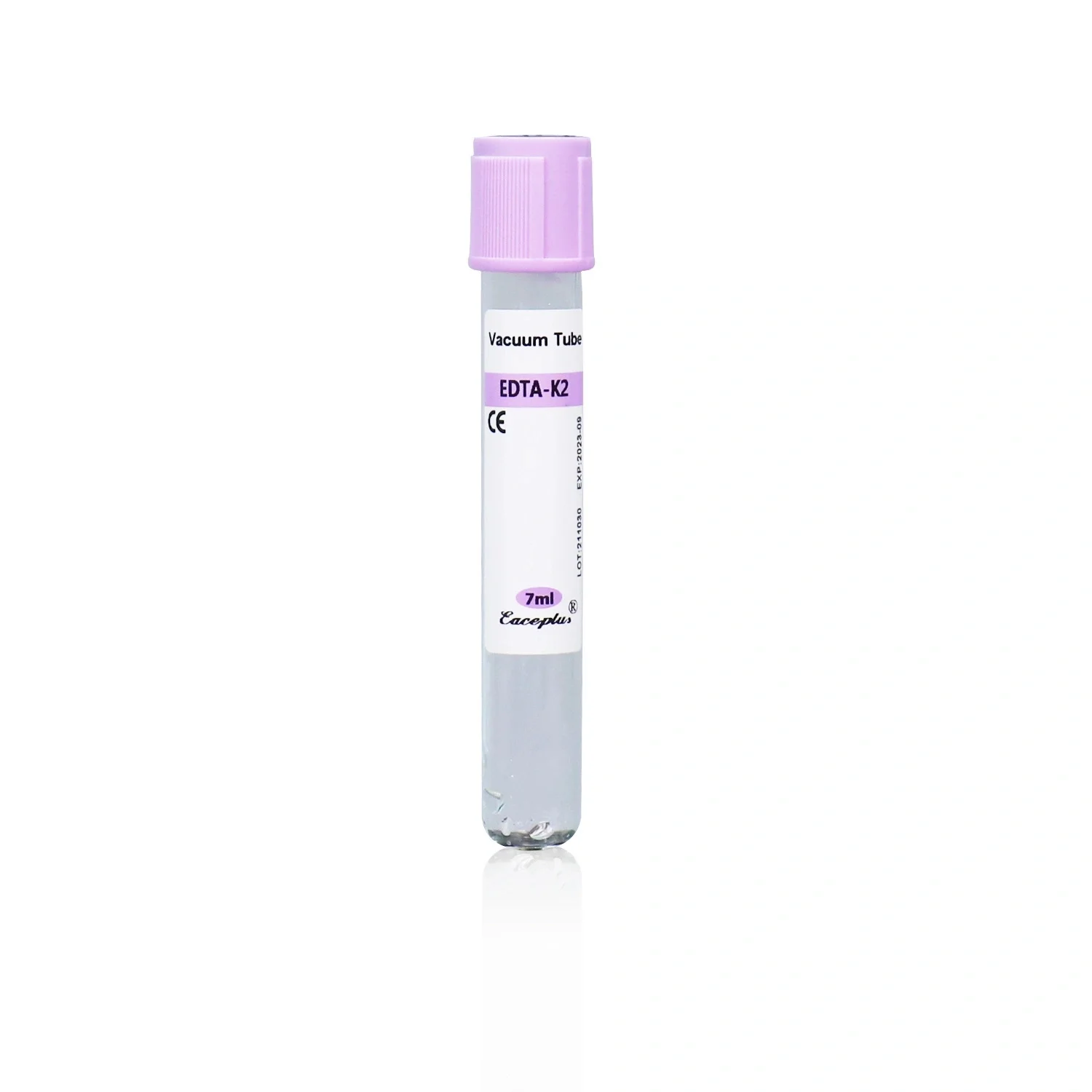
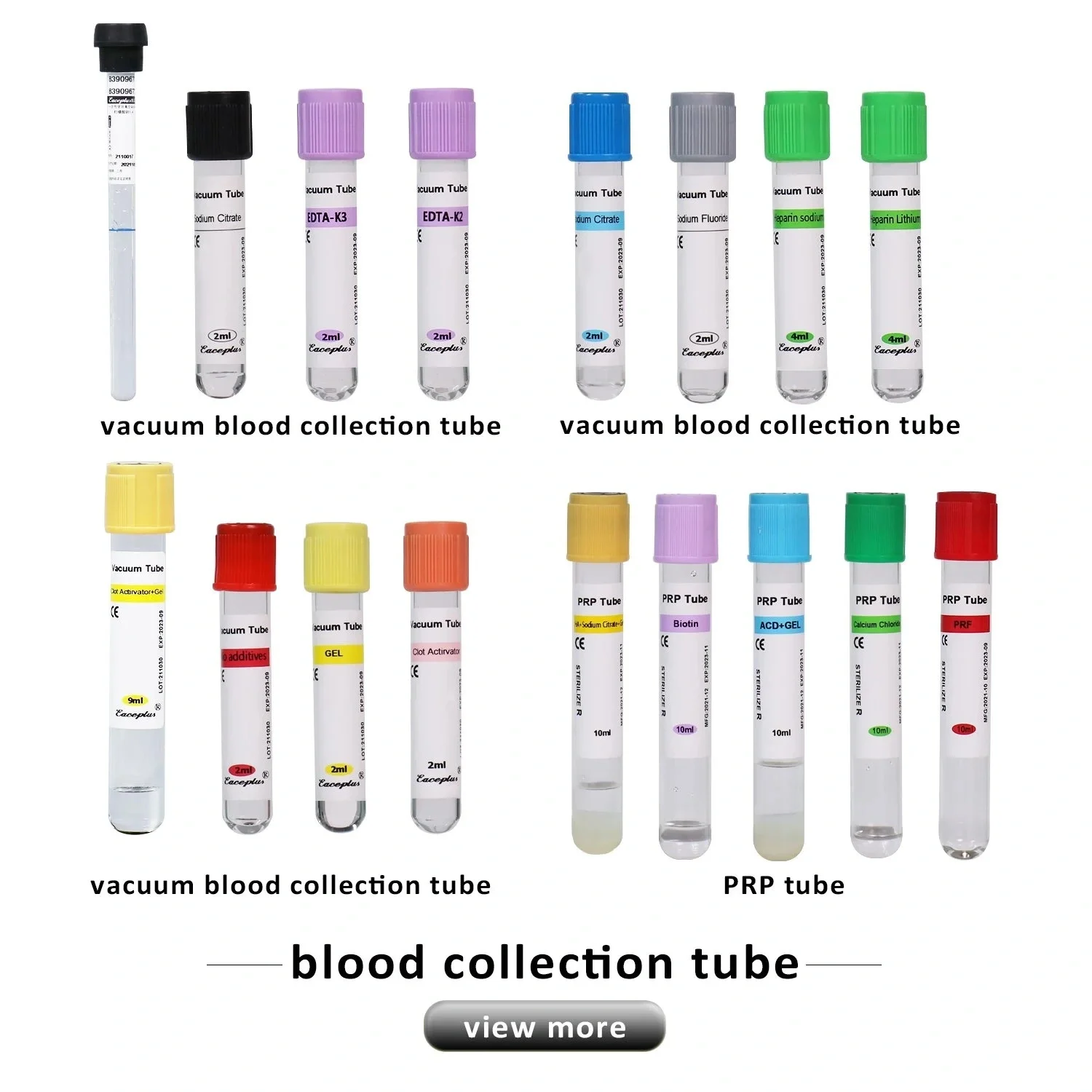
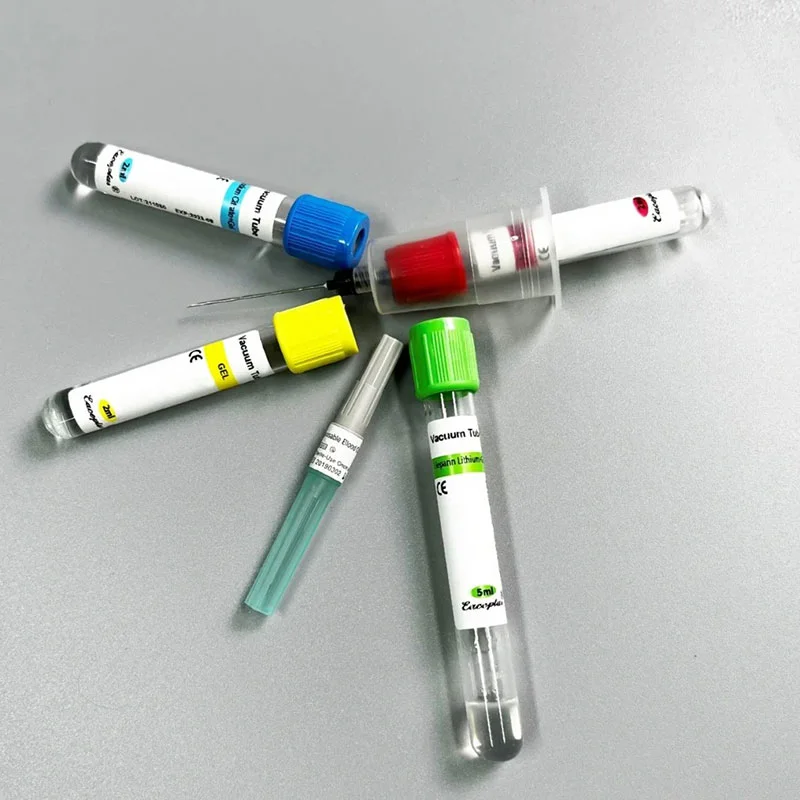
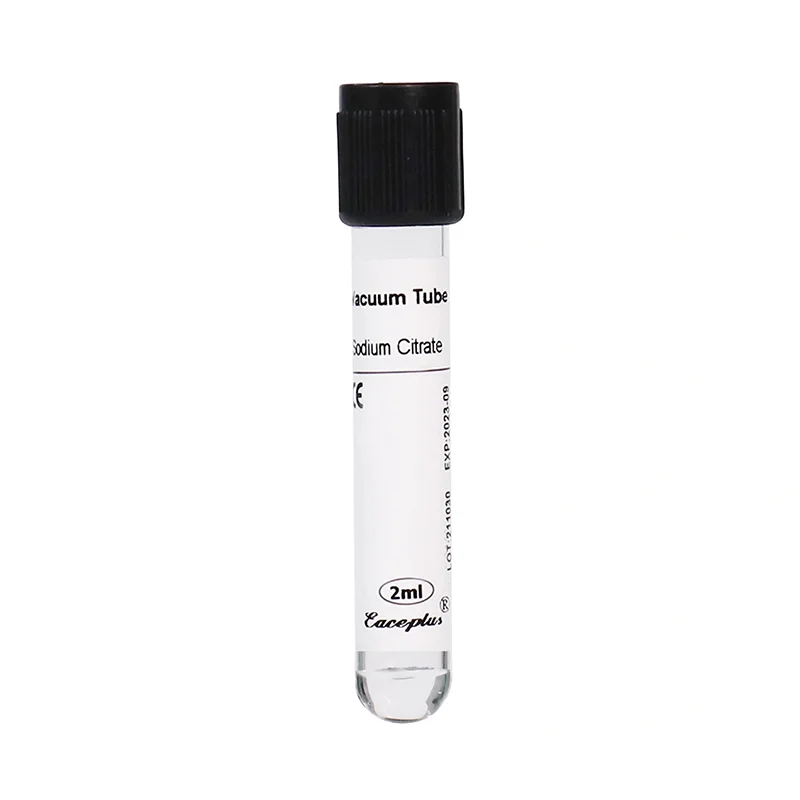
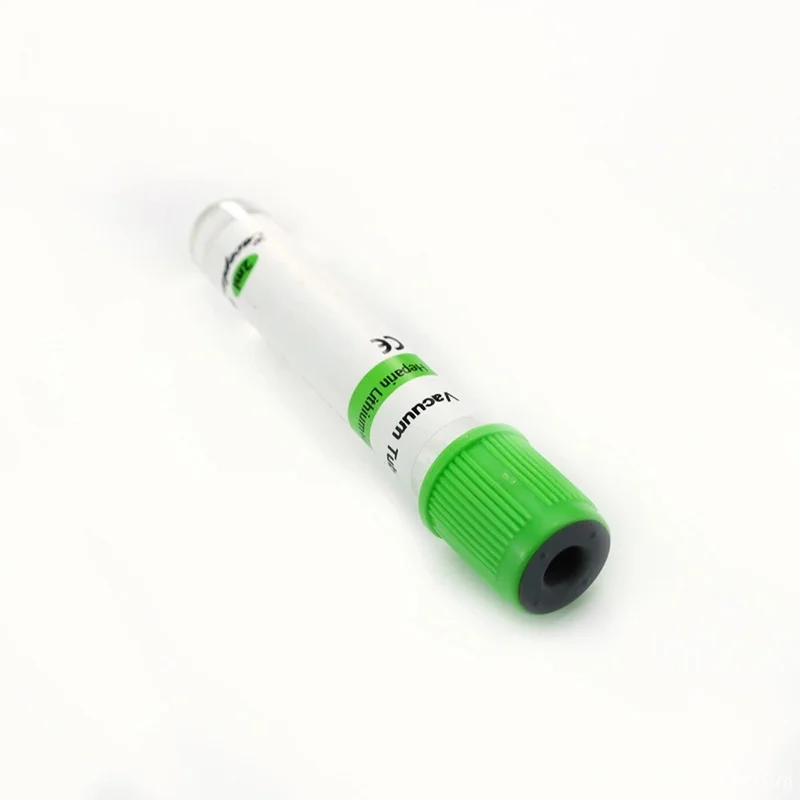
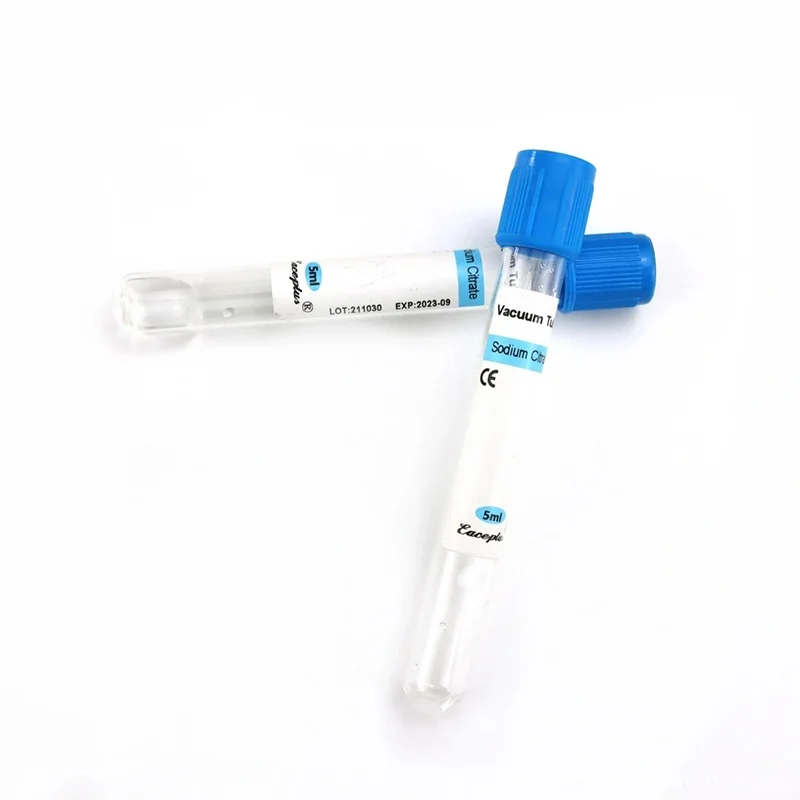
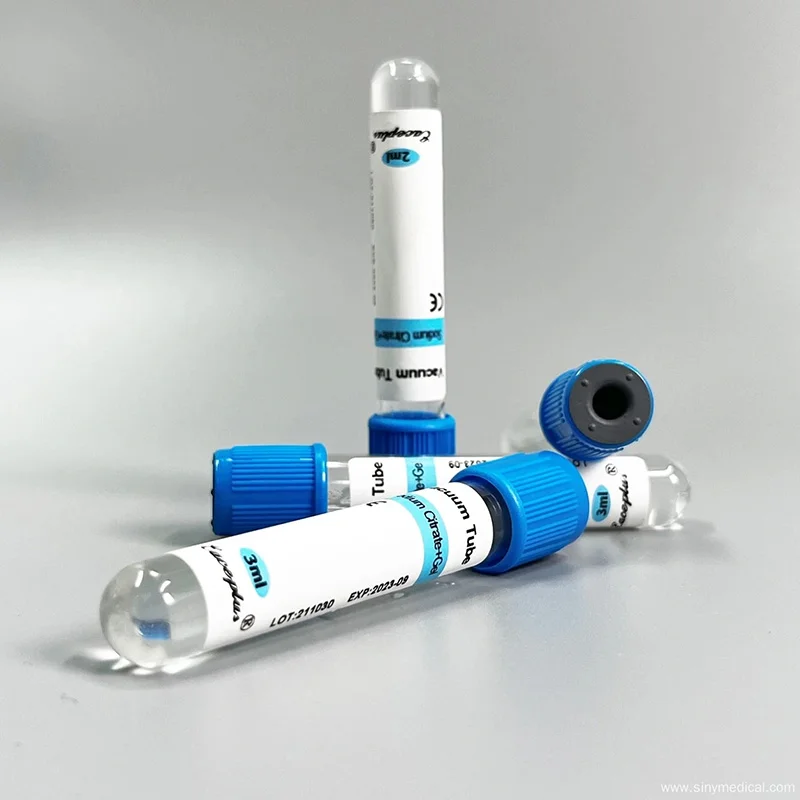
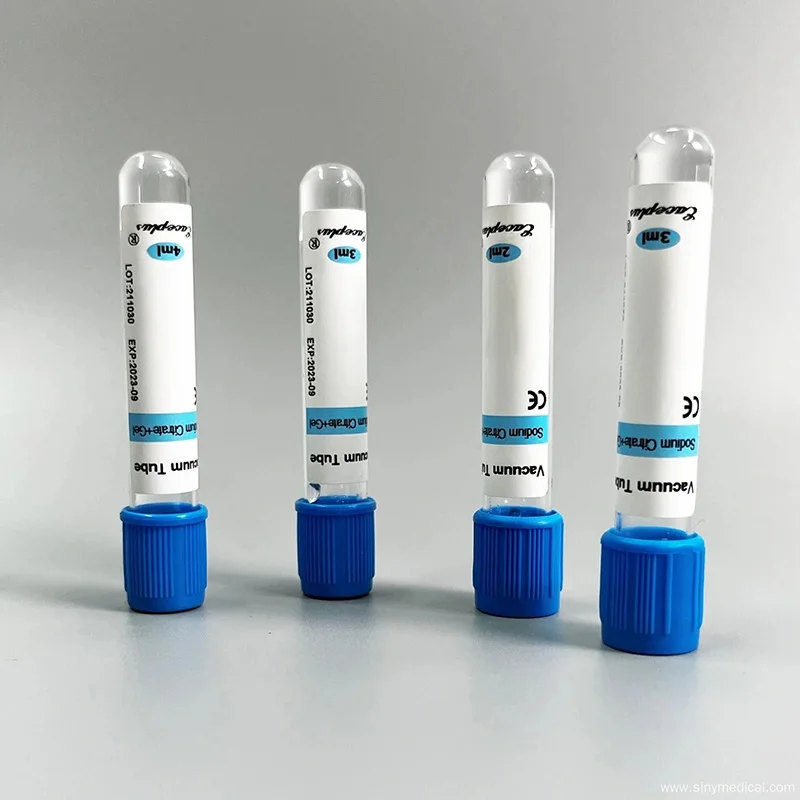
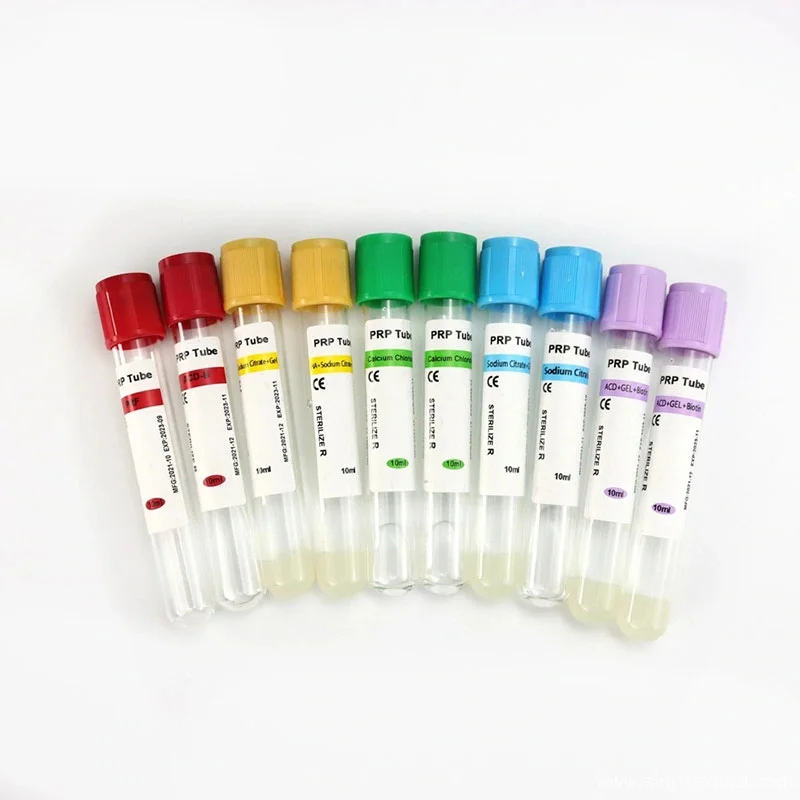
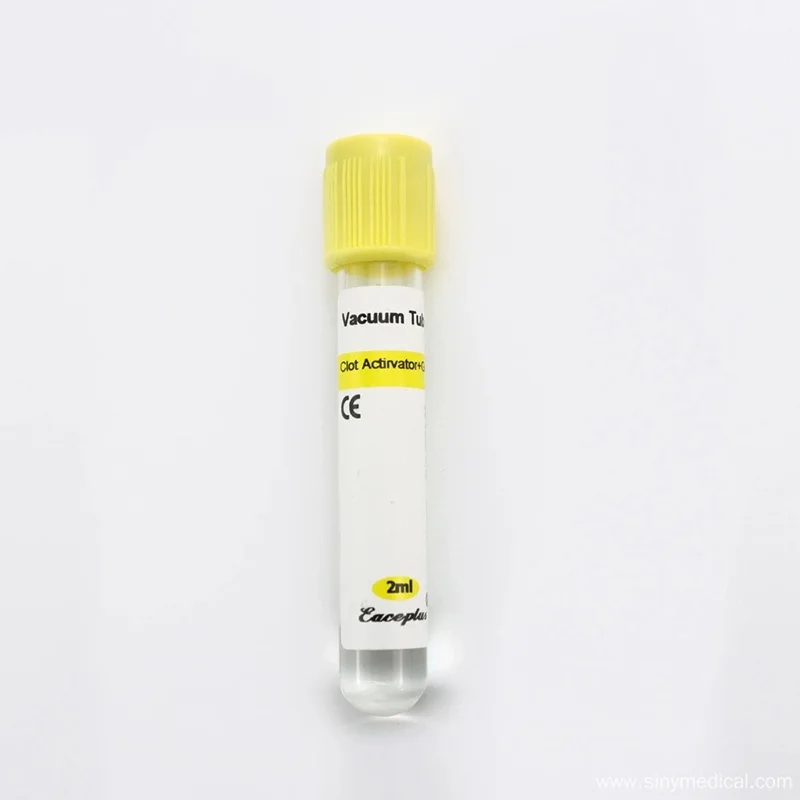
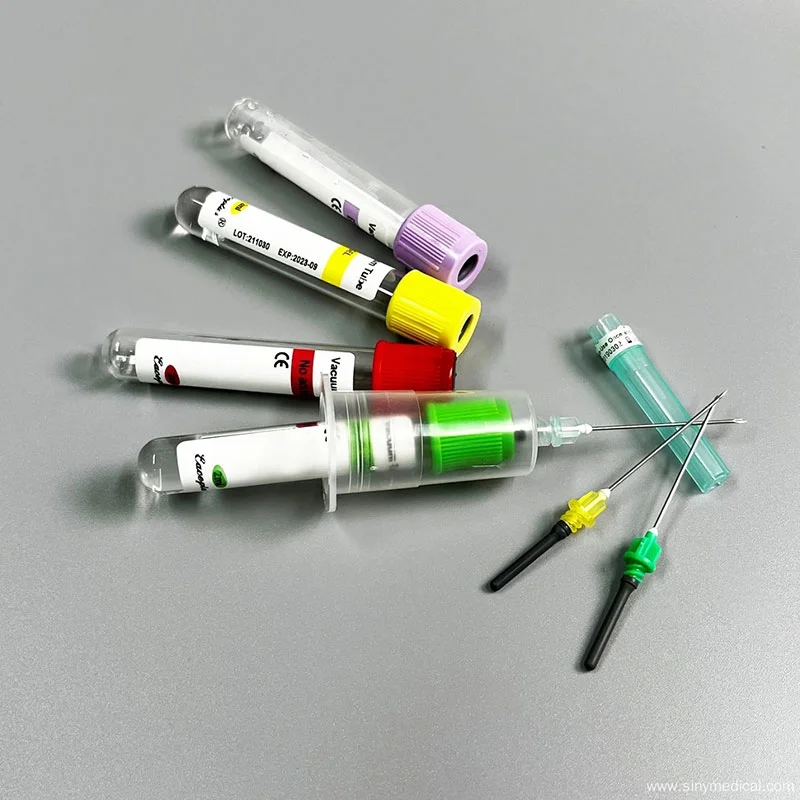
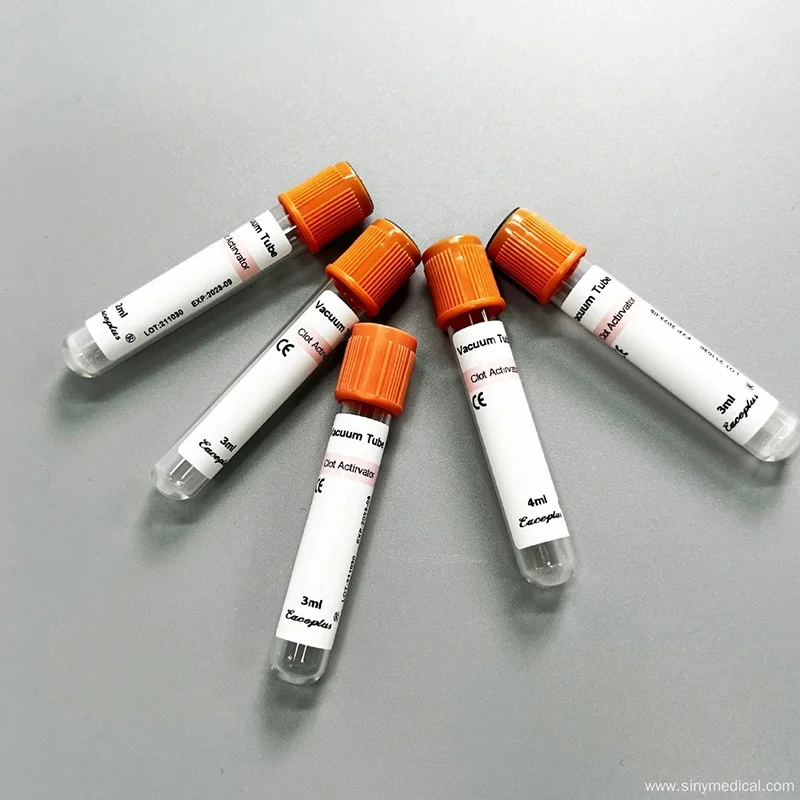
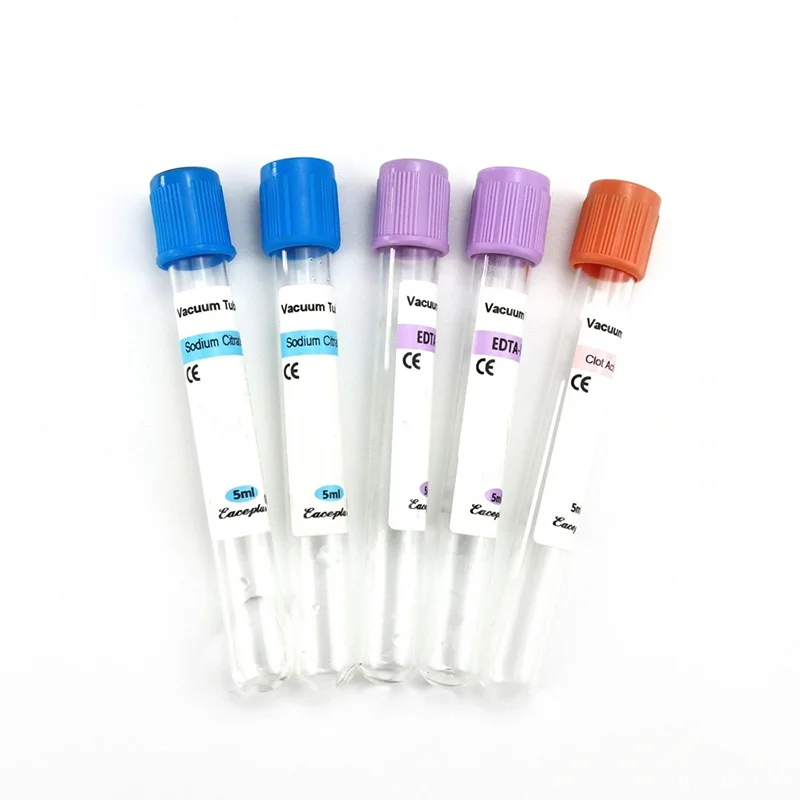
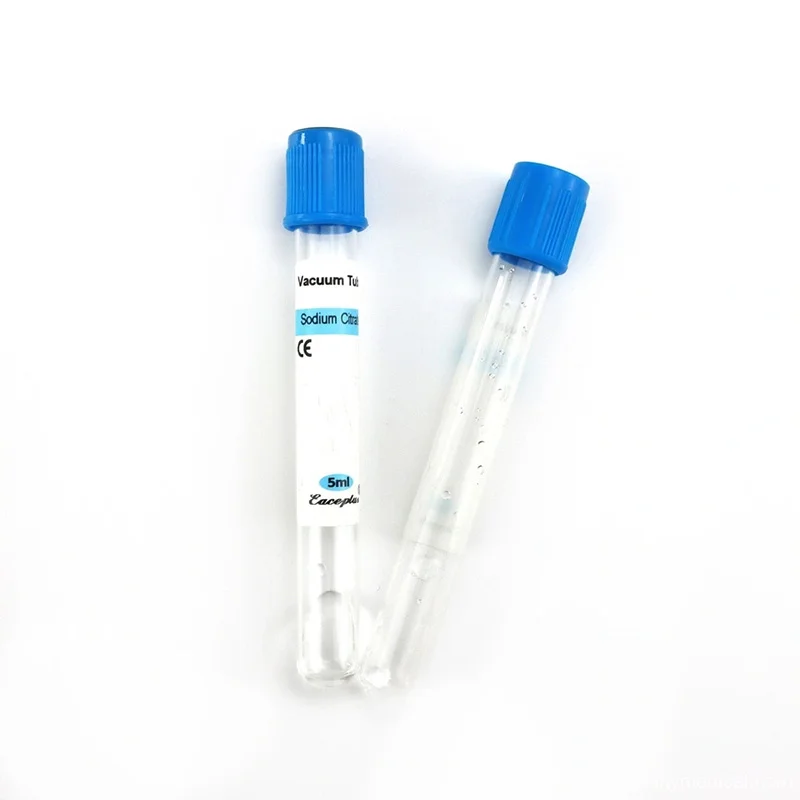
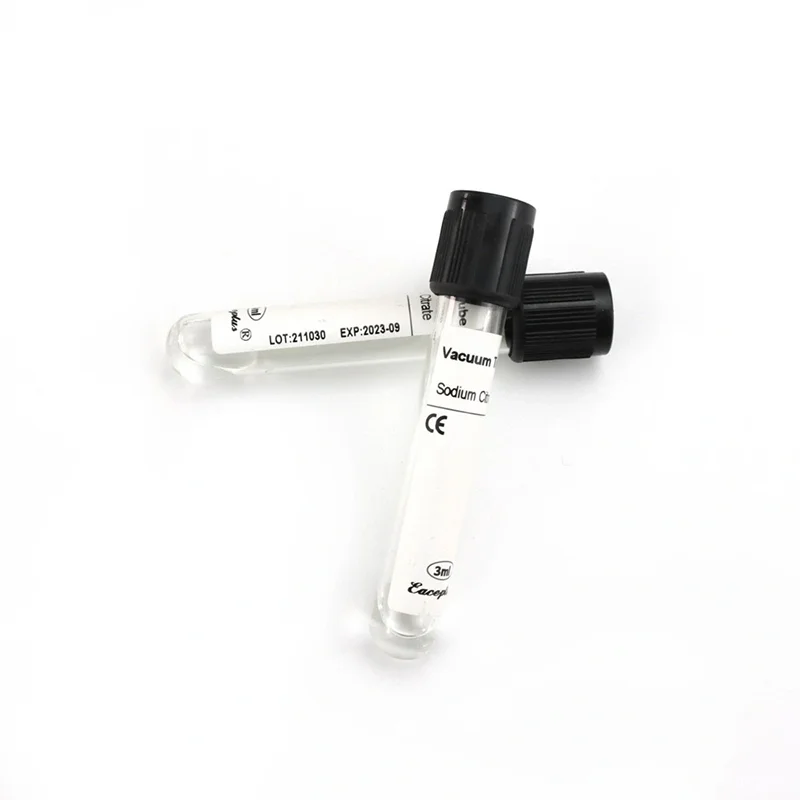
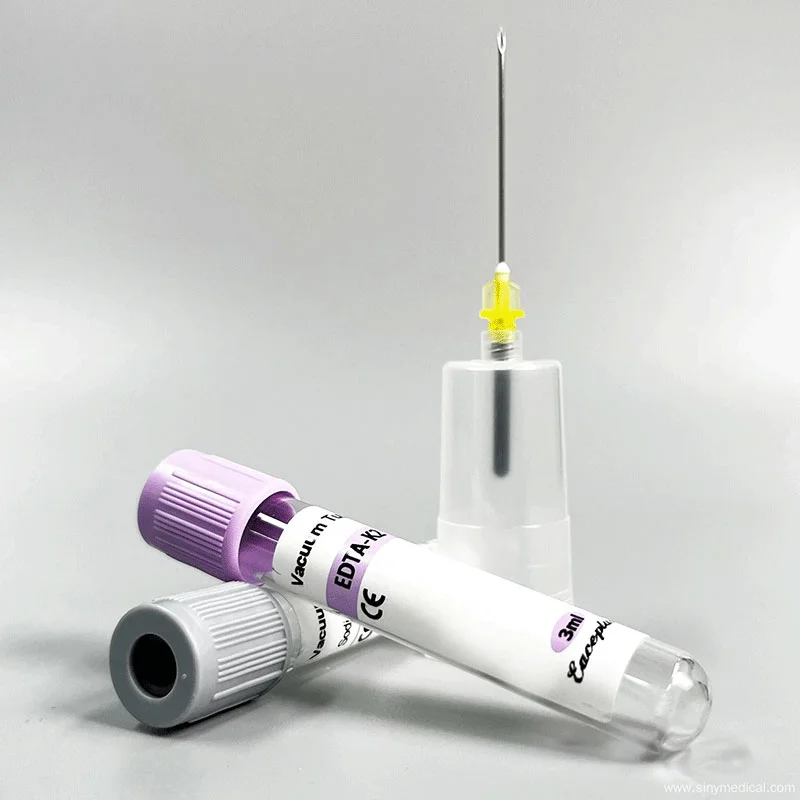
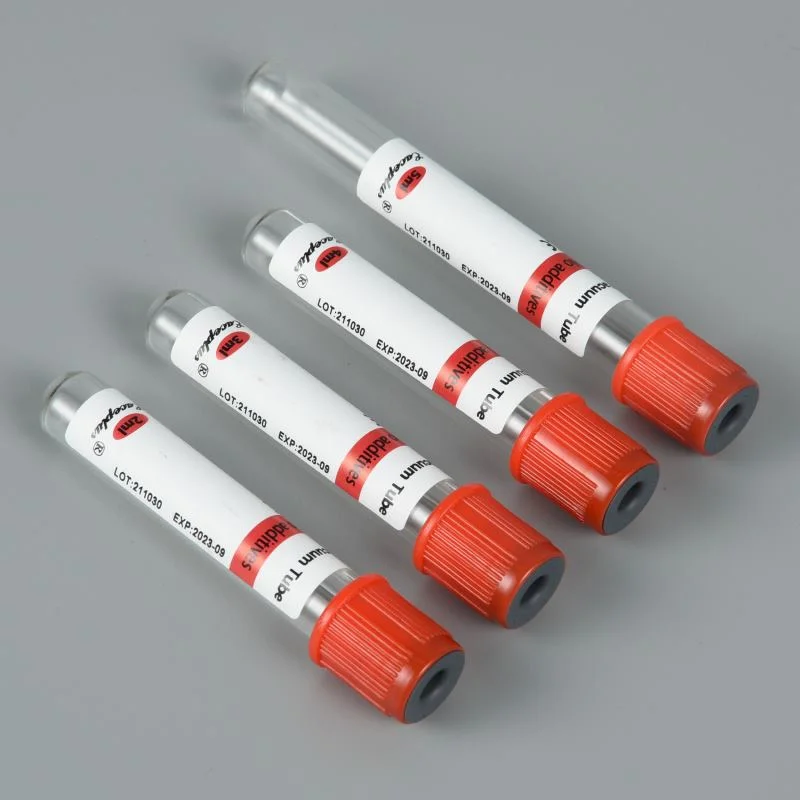
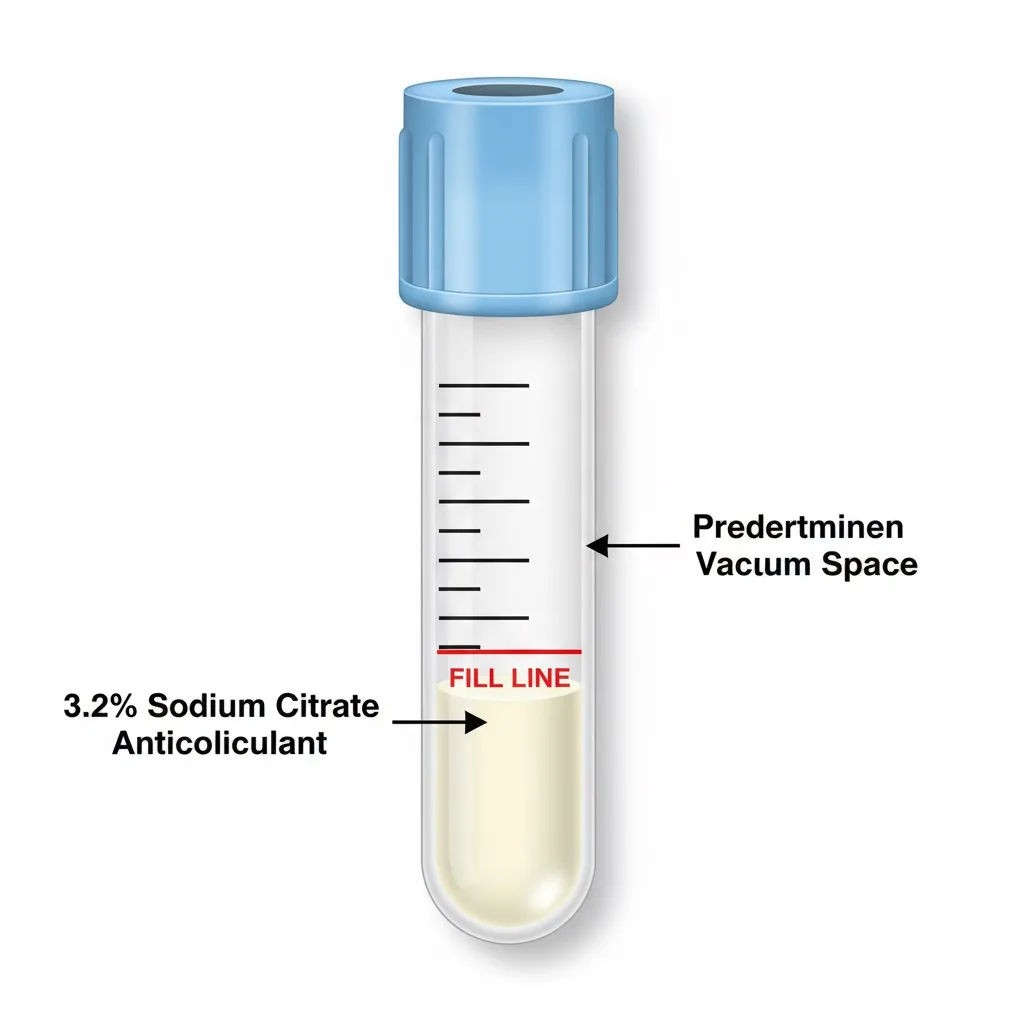
Sodium citrate tubes, often recognized by their light blue top, are primarily used for coagulation tests. These tubes contain 3.2% or 3.8% sodium citrate, an anticoagulant that prevents blood from clotting by binding calcium ions.
Common Tests Using Sodium Citrate Tubes
- Prothrombin Time (PT)
- Activated Partial Thromboplastin Time (APTT)
- Fibrinogen Assays
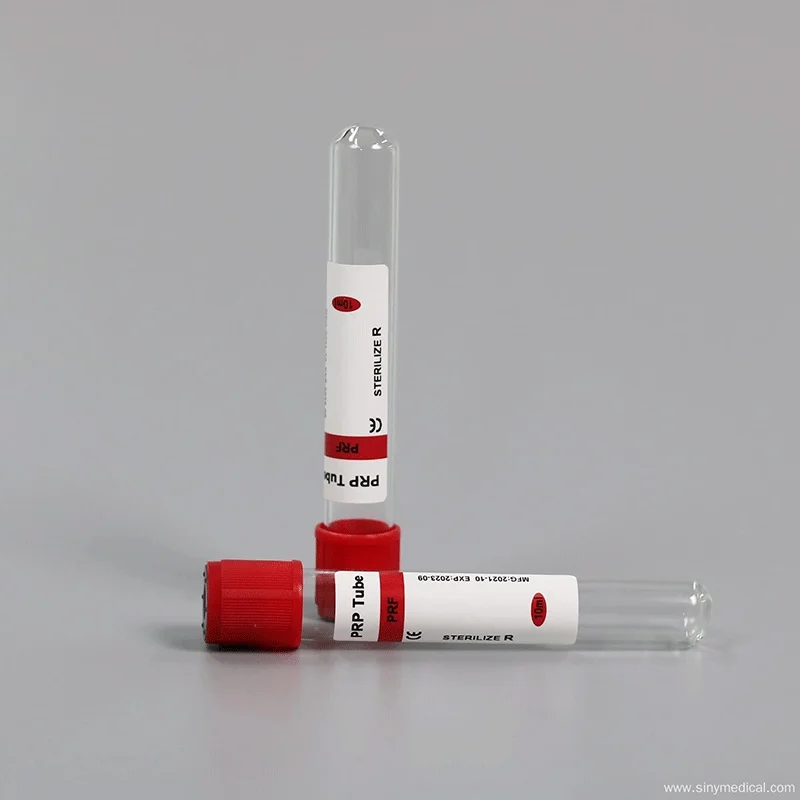
- Platelet-Rich Plasma (PRP) Preparation
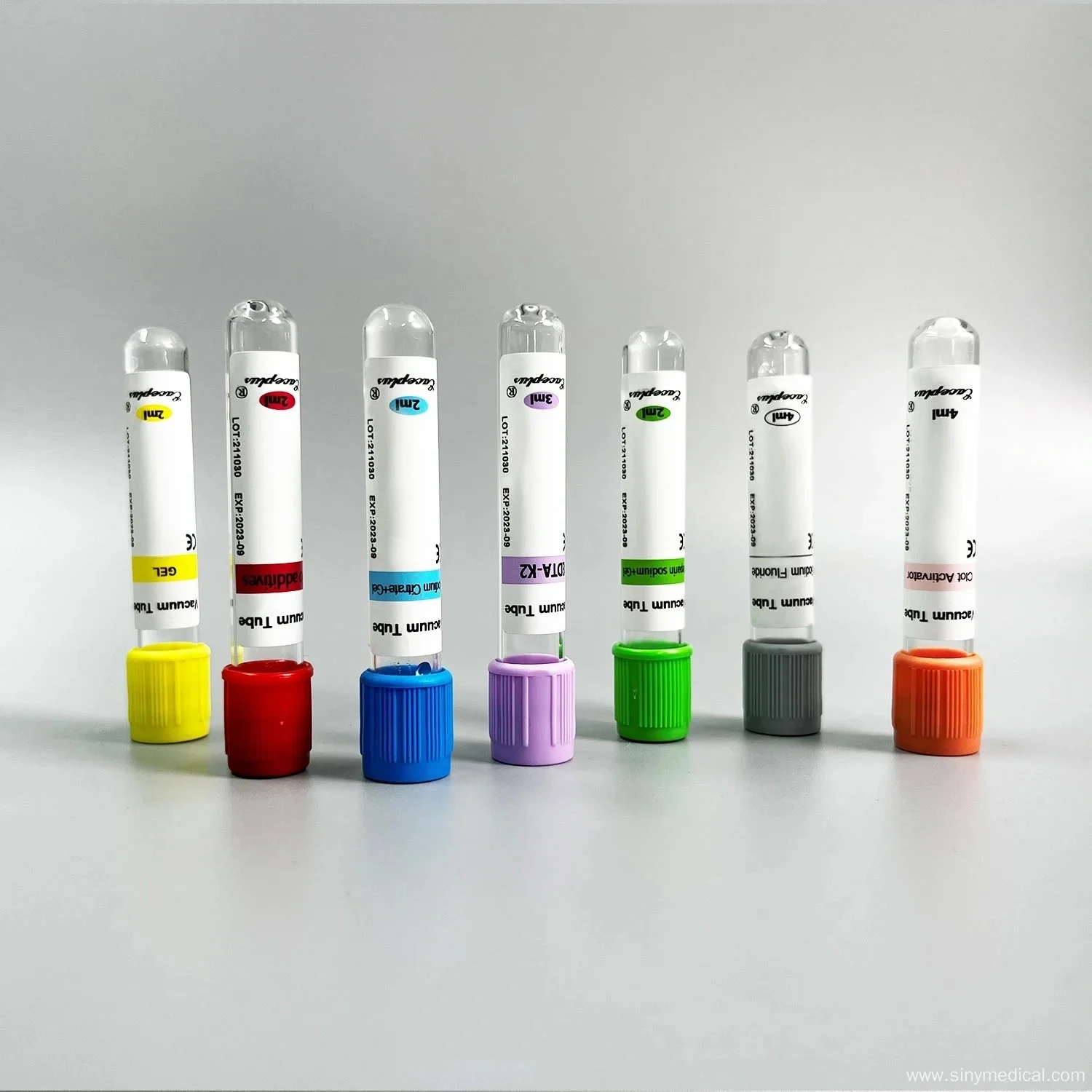
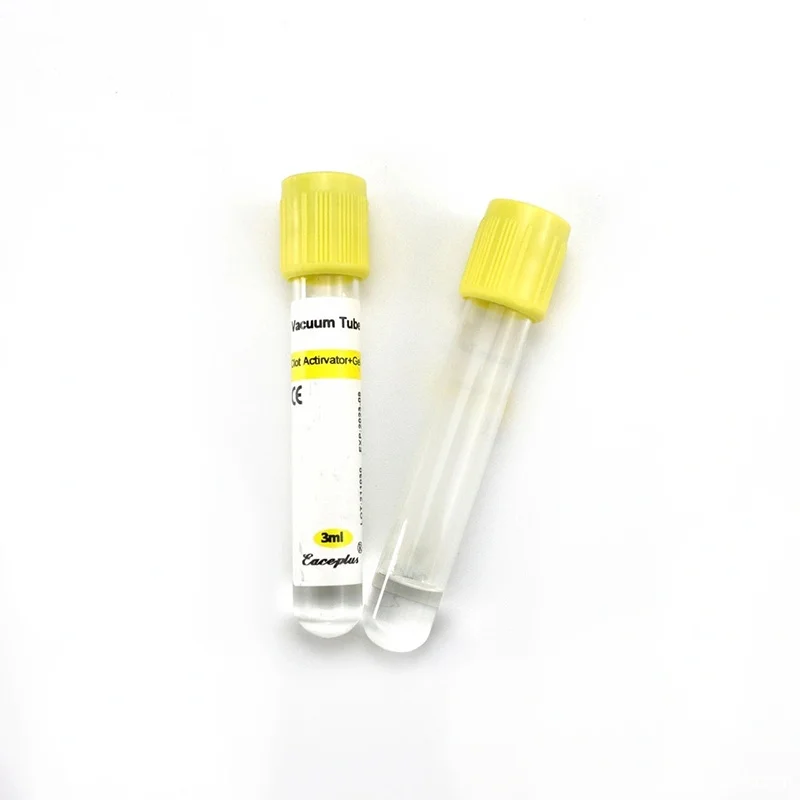
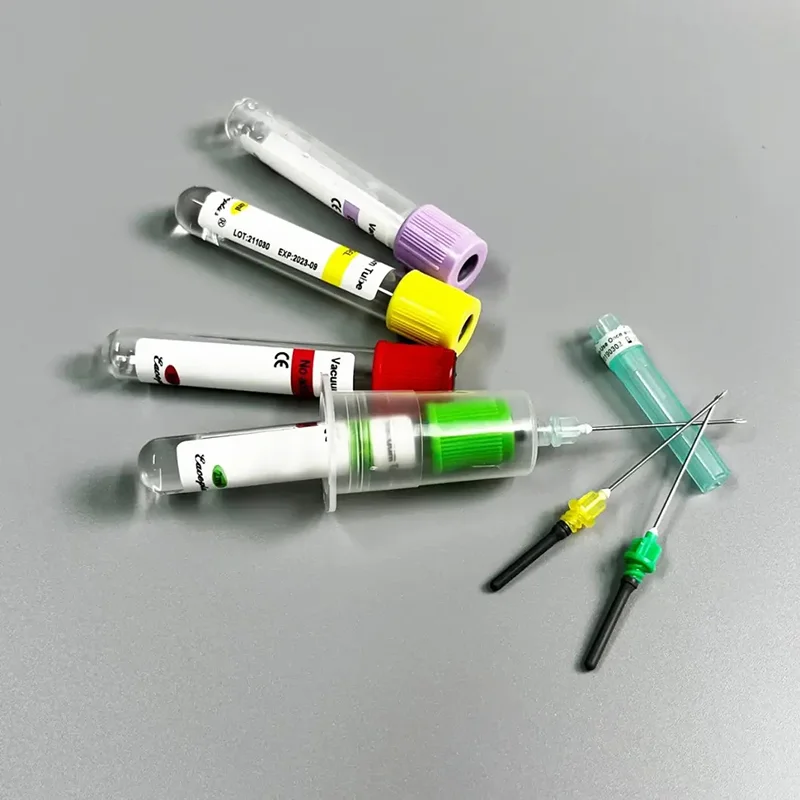
The sodium citrate tube color is universally recognized as light blue, making it easily identifiable during blood collection procedures. This standardized color coding helps prevent collection errors and ensures proper tube selection for coagulation testing.
These tubes come in various sizes, typically ranging from 2.7 mL to 10 mL, with each size designed for specific testing volumes. The 3.2 sodium citrate tube remains the most commonly used concentration in many countries, though the 3.8% version is also utilized in certain regions.
The Critical Blood-to-Anticoagulant Ratio
The sodium citrate tube ratio is fundamental to accurate coagulation testing. The standard ratio is 9 parts blood to 1 part anticoagulant (9:1). This precise proportion ensures that the sodium citrate effectively binds calcium without over-diluting the plasma or interfering with clotting factor activity.
When manufacturers produce these tubes, they calculate the exact volume of anticoagulant needed based on the tube’s intended fill volume. A 2.7 mL tube, for example, contains 0.3 mL of sodium citrate and should collect 2.7 mL of blood to achieve the 9:1 ratio.
Understanding Short Draw: Definition and Causes
A short draw occurs when a blood collection tube fails to fill to its designated capacity. For sodium citrate tubes, this means collecting less blood than the vacuum was designed to draw, resulting in an improper blood-to-anticoagulant ratio.
Common Causes of Short Draws
Several factors contribute to short draw errors in phlebotomy:
Patient-Related Factors:
- Collapsed veins during collection
- Small or fragile veins in pediatric or elderly patients
- Dehydration affecting blood flow
- Patient movement during venipuncture
Technical Factors:
- Partial loss of vacuum in the tube
- Incorrect needle positioning in the vein
- Premature tube removal from the holder
- Excessive negative pressure causing vein collapse
Equipment Issues:
- Manufacturing defects affecting vacuum integrity
- Expired tubes with reduced vacuum
- Damage during storage or transport
- Improper storage conditions
Understanding these causes helps phlebotomists anticipate and prevent short draw situations before they compromise specimen quality.
How Short Draws Impact Coagulation Test Results
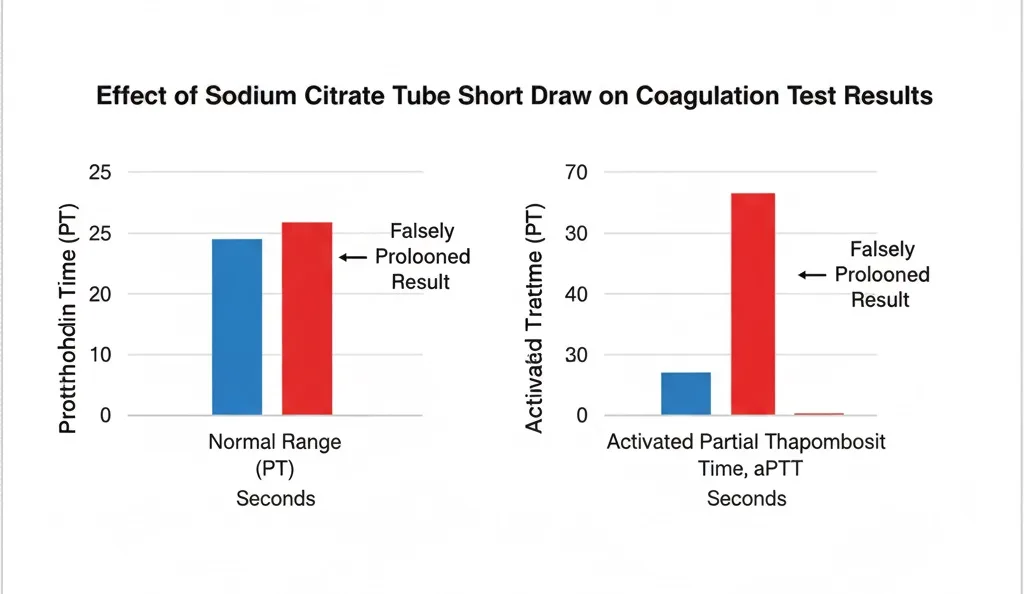
A short draw with a sodium citrate tube will introduce a critical error into coagulation testing. The excess anticoagulant relative to blood volume creates a dilution effect that artificially prolongs clotting times. This produces falsely abnormal results even when the patient’s actual coagulation function is normal.
The Mechanism Behind Result Distortion
When blood volume is insufficient, the concentration of citrate becomes too high relative to the plasma. This excess citrate binds more calcium than necessary, creating an environment that excessively inhibits coagulation. During testing, when calcium is added back to initiate clotting, the time required for clot formation increases artificially.
The magnitude of error depends on the severity of the short draw. A tube filled to only 50% of its intended volume will show more dramatic prolongation than one filled to 80%. Research indicates that fills below 90% of target volume can produce clinically significant errors.
Specific Tests Affected
The sodium citrate tube test list includes numerous coagulation studies vulnerable to short draw errors:
Primary Coagulation Screening Tests:
- Prothrombin Time (PT)
- Activated Partial Thromboplastin Time (aPTT or PTT)
- International Normalized Ratio (INR)
- Thrombin Time (TT)
Specialized Coagulation Studies:
- Factor assays (Factors II, V, VII, VIII, IX, X, XI, XII)
- Fibrinogen levels
- D-dimer testing
- Protein C and Protein S activity
- Antithrombin III levels
- Lupus anticoagulant testing
- von Willebrand factor testing
What test is a light blue top sodium citrate tube used for extends beyond routine PT/PTT to include these specialized assays. Each of these tests relies on precise plasma dilution for accurate measurement, making them equally susceptible to short draw interference.
Clinical Consequences
The impact of falsely prolonged results extends beyond the laboratory:
- Delayed Treatment: Physicians may postpone surgical procedures or invasive interventions based on abnormal coagulation results.
- Inappropriate Therapy: Patients might receive unnecessary treatments or have therapeutic anticoagulation incorrectly adjusted.
- Increased Healthcare Costs: Specimen recollection, repeat testing, and additional clinical assessments drive up expenses.
- Patient Anxiety: Abnormal results cause stress and concern for patients awaiting medical procedures.
- Workflow Disruption: Laboratory staff must spend time investigating discrepancies, contacting physicians, and arranging specimen recollection.
Acceptable Fill Volume Range for Sodium Citrate Tubes
Laboratory standards provide specific guidelines for acceptable sodium citrate tube fill volumes. The Clinical and Laboratory Standards Institute (CLSI) recommends that tubes should be filled to within 90% to 110% of their stated draw volume.
Minimum Fill Requirements
For routine coagulation testing, most laboratories establish a minimum fill threshold of 90%. Tubes filled below this level should be rejected and recollected. The decision to accept or reject a specimen near the borderline requires consideration of several factors:
- Test criticality: Stat or urgent testing may necessitate using marginally filled tubes with appropriate notation.
- Patient access: Difficult-draw patients or those with limited venous access may require clinical judgment.
- Test sensitivity: Highly sensitive assays require stricter adherence to fill requirements.
Maximum Fill Considerations
Overfilling presents fewer problems than underfilling, but tubes filled significantly above capacity may experience:
- Inadequate mixing of blood with anticoagulant
- Clot formation if mixing is delayed
- Sample volume insufficient for planned testing despite apparent adequate fill
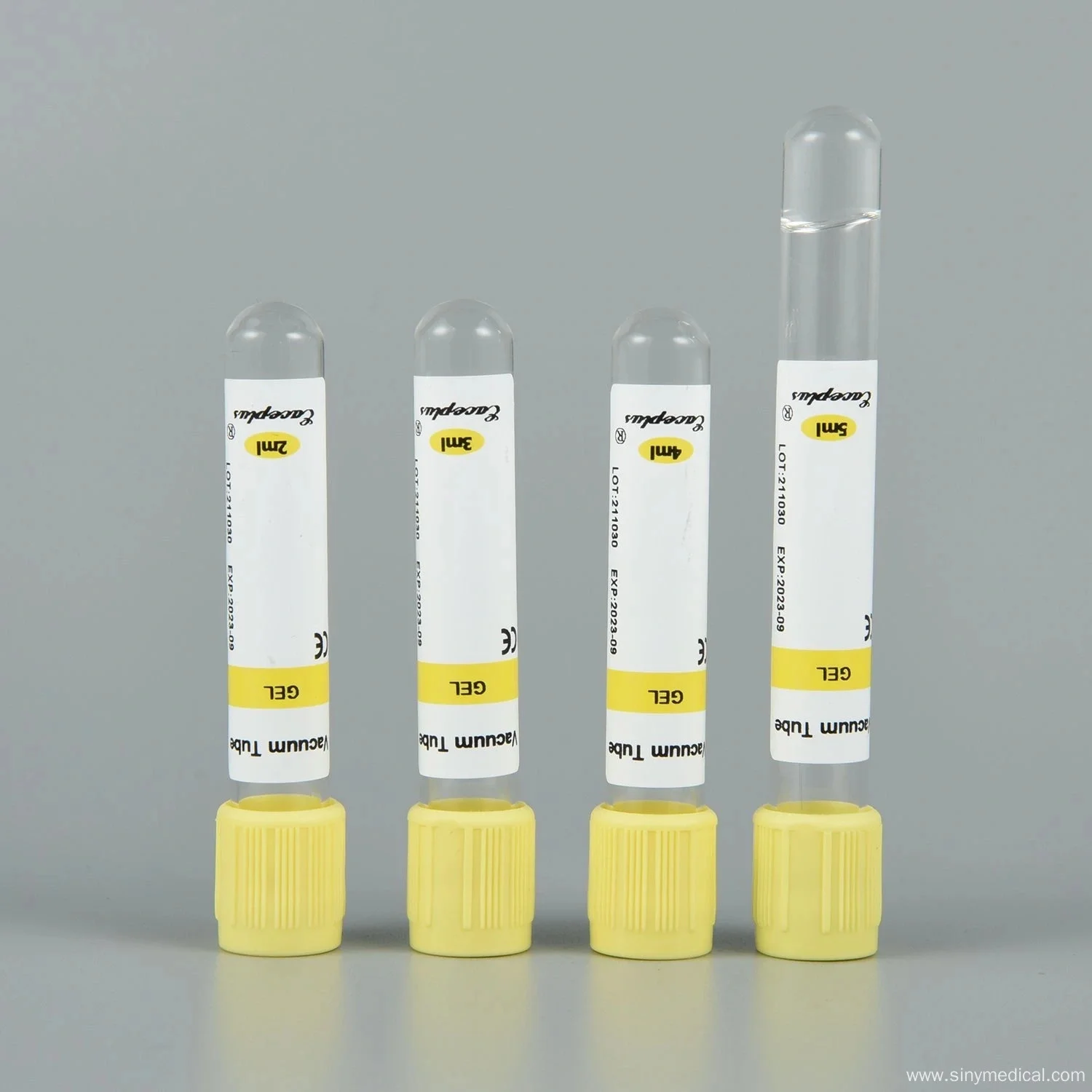
The 6ml sodium citrate gel vacuum tube exemplifies modern tube design with clear fill indicators to help phlebotomists achieve optimal volume consistently.
Sodium Citrate Tube Uses and Test Applications
The versatility of the sodium citrate tube anticoagulant makes it indispensable for various diagnostic applications beyond standard coagulation screening.
Primary Clinical Applications
Coagulation Monitoring: The blue top sodium citrate tube serves as the foundation for monitoring patients on anticoagulant therapy. Whether managing warfarin through INR testing or assessing heparin therapy via aPTT, these tubes provide the consistent specimen quality needed for reliable therapeutic monitoring.
Hemostasis Evaluation: When patients present with bleeding disorders or unexplained bruising, coagulation studies performed on citrated plasma help identify deficiencies in clotting factors, platelet function abnormalities, or presence of inhibitors.
Pre-operative Screening: Surgical patients routinely undergo coagulation testing to assess bleeding risk. The blue sodium citrate tube specimens collected during pre-operative workups inform surgical decisions and anesthesia planning.
Specialized Applications
Erythrocyte Sedimentation Rate (ESR): The ESR tube represents a specialized application where sodium citrate prevents clotting while allowing red blood cells to sediment. The 10ml 3.8 sodium citrate ESR tube is specifically designed for this inflammatory marker test, widely used in diagnosing and monitoring autoimmune conditions, infections, and inflammatory disorders.
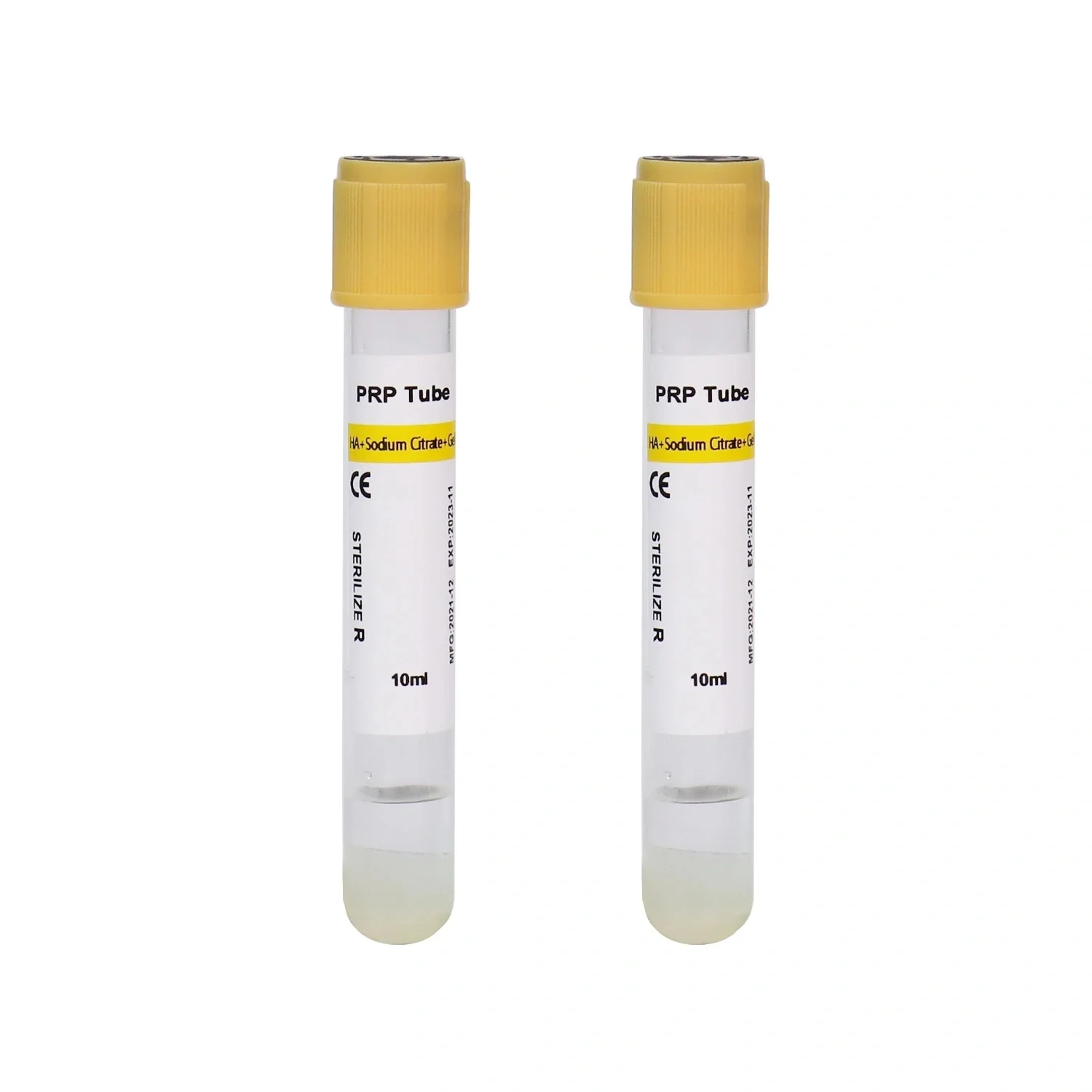
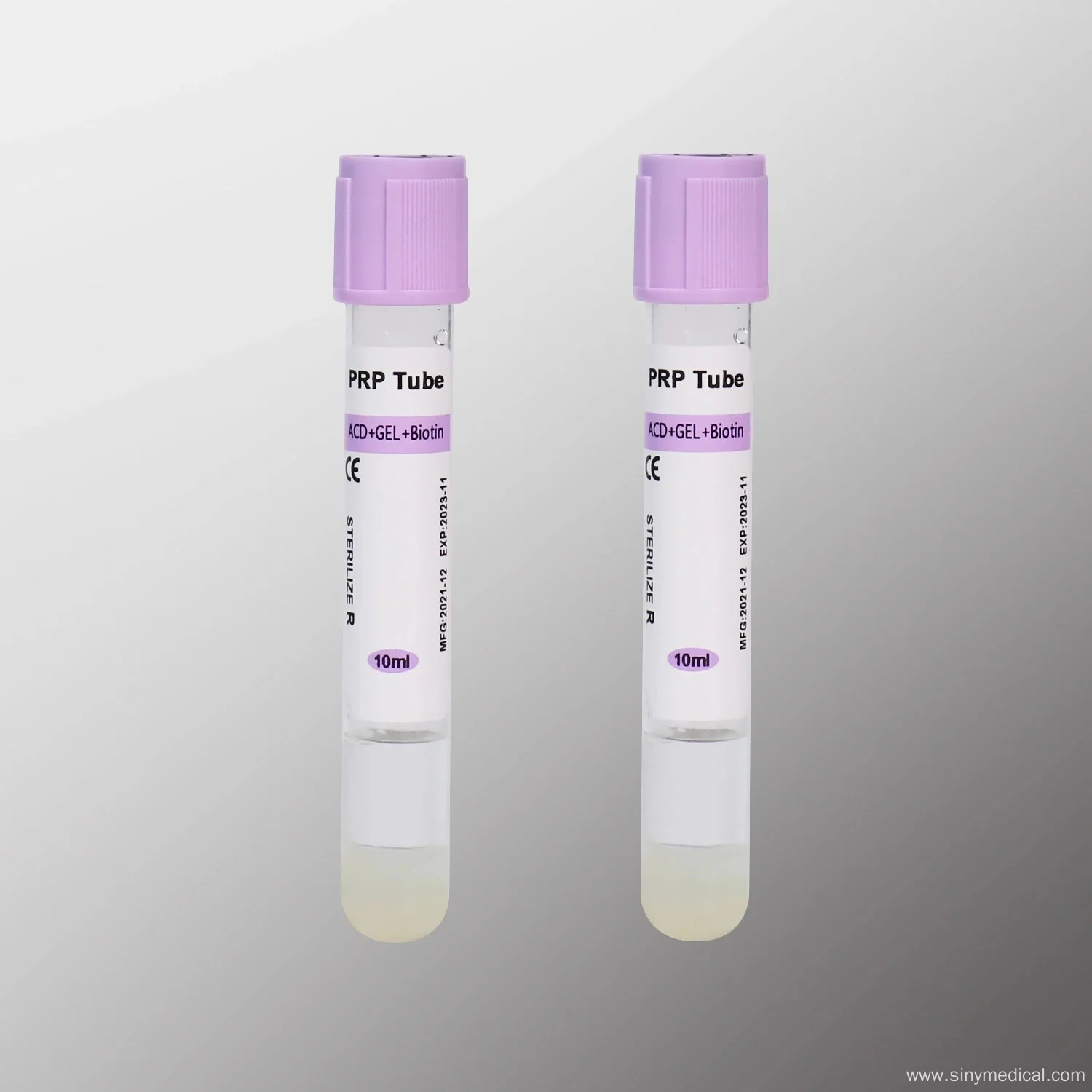
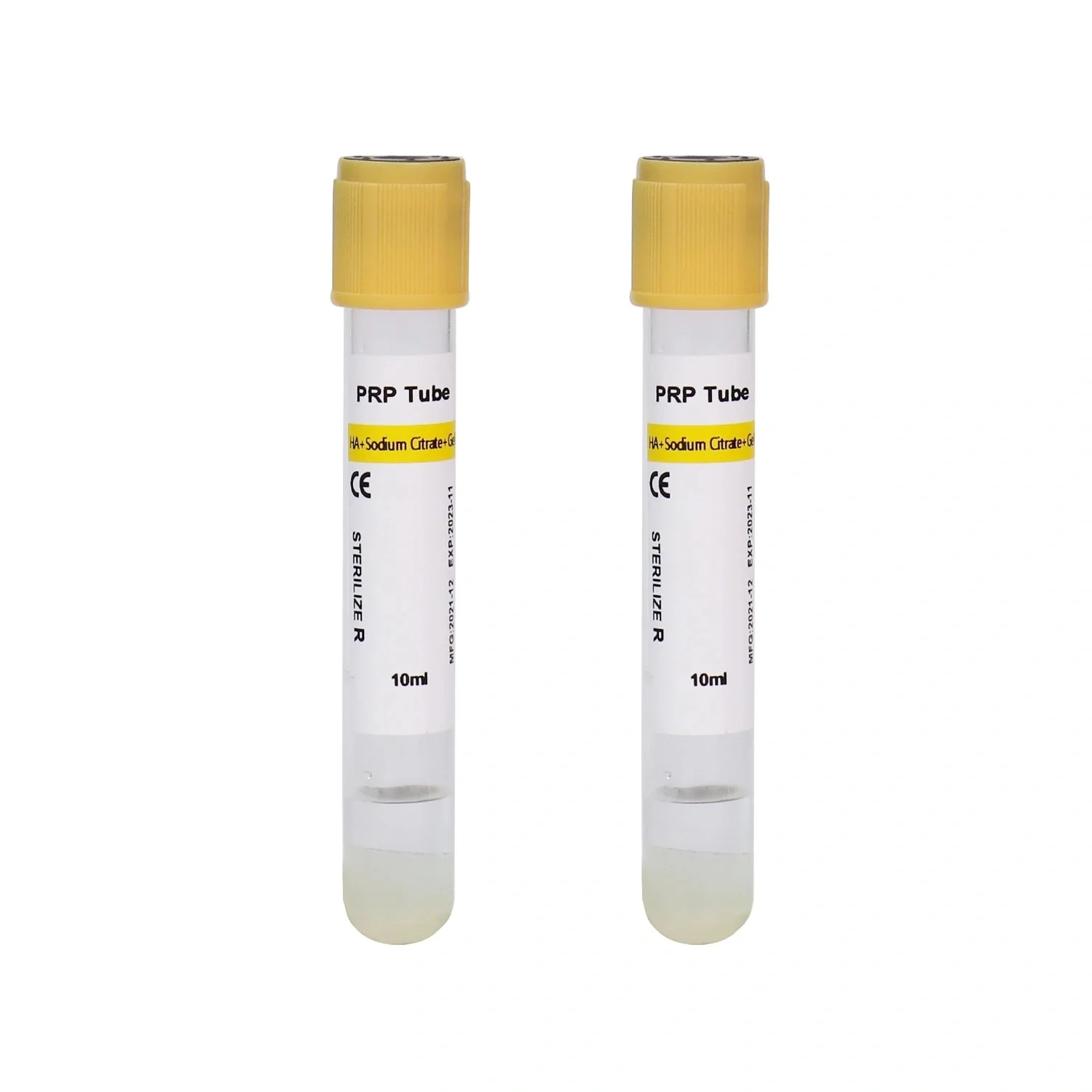
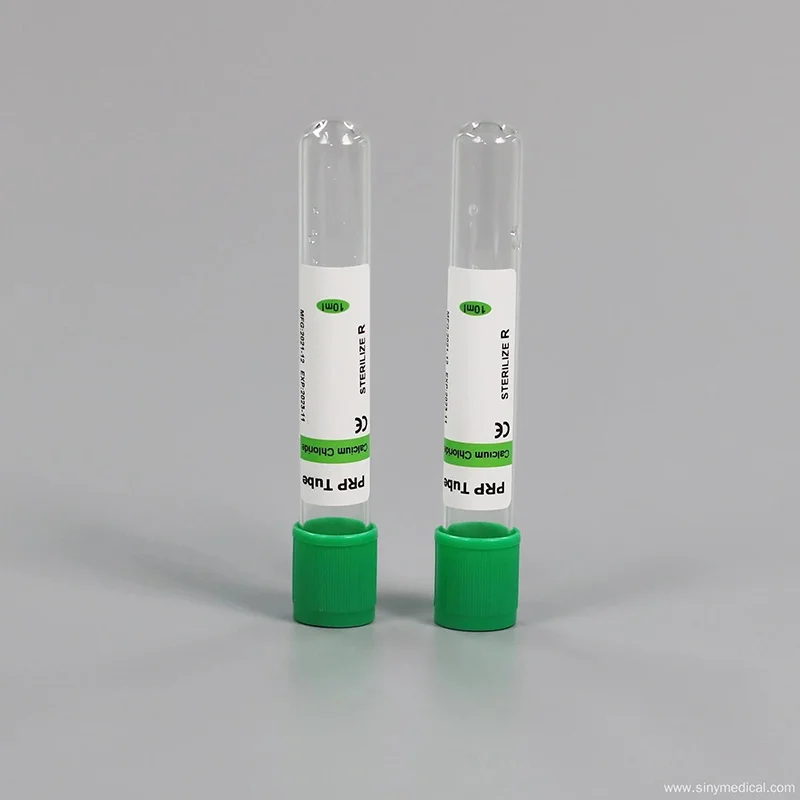
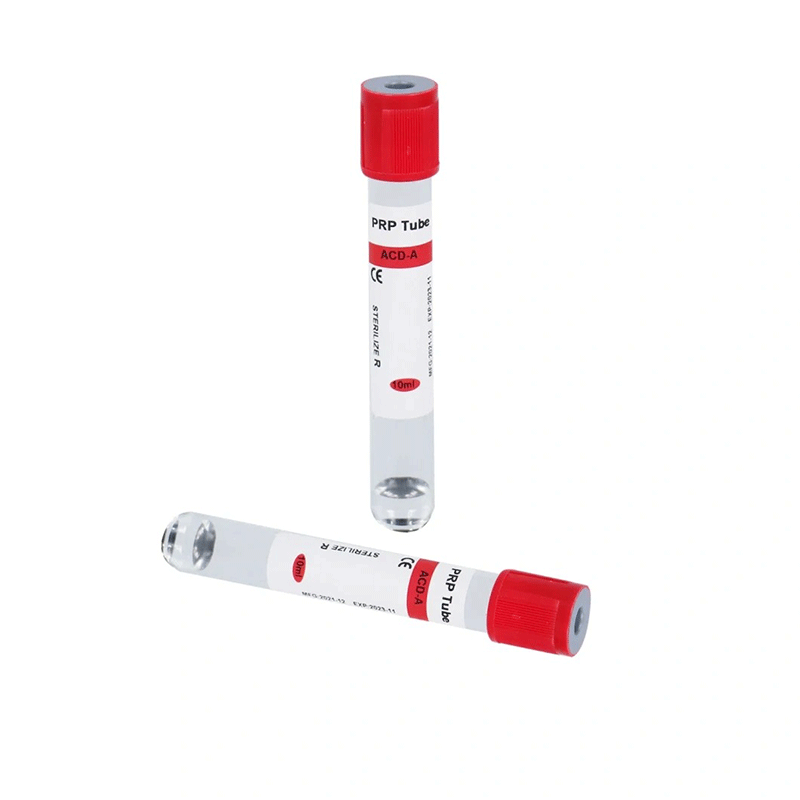
Platelet-Rich Plasma (PRP) Preparation: The sodium citrate tube for PRP has gained prominence in regenerative medicine and aesthetic treatments. The anticoagulant preserves platelet function while preventing clot formation, allowing for centrifugation and separation of platelet-rich plasma used in various therapeutic applications.
Specialized Coagulation Studies: Advanced hemostasis laboratories perform complex assays requiring citrated plasma:
- Thrombophilia screening
- Mixing studies for factor inhibitor detection
- Platelet function analysis
- Coagulation factor inhibitor assays
- Heparin-induced thrombocytopenia testing
The choice between 3.2 sodium citrate tube and 3.8% versions often depends on laboratory standardization and regional testing protocols. However, the fundamental requirement for proper fill volume remains consistent across all concentrations.
Best Practices for Preventing Short Draws
Preventing short draw errors requires a combination of proper technique, quality equipment, and systematic approaches to phlebotomy.
Technique Optimization
Pre-Collection Assessment: Evaluate patient veins before needle insertion. Select the most accessible, stable vein that can support adequate blood flow. Consider warming the extremity to enhance venous dilation in challenging draws.
Proper Equipment Selection: Match needle gauge to vein size. Smaller needles (23-gauge or 25-gauge) suit fragile veins but may slow flow rate. Larger needles (21-gauge) provide faster fills but risk hemolysis or hematoma formation in small veins.
Correct Tube Positioning: Keep the collection tube below the venipuncture site, allowing gravity to assist blood flow. Maintain the tube at a slight downward angle to promote complete filling and prevent backflow.
Vacuum Pressure Management: Allow the tube’s vacuum to draw blood naturally. Avoid pulling back on the syringe or manipulating the needle excessively, which can cause vein collapse or loss of vacuum.
Sequential Draw Order: When collecting multiple tubes, draw the sodium citrate tube in the correct order of draw. Typically, it follows any blood culture bottles and precedes serum or plasma separator tubes. This prevents additive carryover that could compromise results.
Visual Fill Monitoring
Train phlebotomists to recognize proper fill levels:
- Observe the tube throughout collection
- Wait for blood flow to stop naturally before removing the tube
- Check the fill line against manufacturer indicators
- Note that vacuum cessation indicates proper fill in most cases
The 10ml sodium citrate gel vacuum tube includes clear volume markers that help phlebotomists confirm adequate fill before completing the draw.
Quality Control Measures
Implement systematic QC procedures:
Pre-analytical Checks:
- Verify tube expiration dates before use
- Store tubes according to manufacturer specifications
- Inspect tubes for visible damage or vacuum loss
- Rotate stock to use oldest tubes first
Collection Verification:
- Establish visual fill verification as standard practice
- Document any collection difficulties or deviations
- Label tubes immediately after collection with relevant notes
- Mix tubes gently but thoroughly immediately after filling
Staff Training:
- Provide regular competency assessments
- Review common short draw scenarios
- Practice with training arms or simulators
- Discuss challenging cases in team meetings
Manufacturer Quality Standards and Tube Selection
Choosing high-quality sodium citrate tubes from reputable manufacturers significantly reduces short draw incidents and ensures consistent test performance.
Manufacturing Quality Indicators
Vacuum Stability: Premium tubes maintain vacuum integrity throughout their shelf life. Quality manufacturers test vacuum retention under various storage conditions to ensure reliable performance.
Anticoagulant Precision: The exact volume and concentration of sodium citrate must meet strict tolerances. Automated filling systems and gravimetric verification ensure each tube contains the precise anticoagulant amount.
Sterility Assurance: Sterilization processes must not degrade tube components or affect vacuum strength. Ethylene oxide sterilization followed by adequate degassing represents the industry standard.
Material Quality: Tubes manufactured from medical-grade plastic resist breakage during handling and centrifugation. Clear tube material allows visual inspection of specimen quality.
Certification and Compliance
Reputable manufacturers maintain multiple certifications:
- ISO 13485: Medical device quality management system certification
- ISO 9001: Quality management standards
- CE Marking: European conformity for medical devices
- FDA Registration: For markets requiring U.S. regulatory compliance
- Country-specific approvals: Meeting local regulatory requirements
Since 2003, Sinymedical has maintained these certifications while supplying sodium citrate tubes to over 40 countries. This track record demonstrates consistent quality and regulatory compliance across diverse markets.
Selection Considerations for Healthcare Facilities
When evaluating sodium citrate tube suppliers, procurement managers should assess:
Technical Specifications:
- Available volumes and concentrations
- Vacuum reliability and consistency
- Anticoagulant accuracy verification
- Shelf life and storage requirements
Quality Documentation:
- Certificate of analysis for each lot
- Validation data for fill accuracy
- Stability testing results
- Regulatory compliance certificates
Supply Chain Reliability:
- Manufacturing capacity and scalability
- Inventory management systems
- Distribution network coverage
- Emergency supply protocols
Cost-Effectiveness: Balance initial purchase price against total cost of ownership, including:
- Reduction in specimen recollection rates
- Decreased quality control failures
- Improved laboratory efficiency
- Enhanced test result reliability
Comparison Table: Sodium Citrate Tube Options
| Tube Type | Volume | Concentration | Primary Application | Typical Use Case |
|---|---|---|---|---|
| Standard Coagulation | 2.7 mL | 3.2% | PT, PTT, INR | Routine coagulation screening |
| Standard Coagulation | 4.5 mL | 3.2% | Factor assays, specialized tests | Comprehensive coagulation panels |
| ESR Tube | 10 mL | 3.8% | Erythrocyte sedimentation rate | Inflammation screening |
| Gel Separator | 6–10 mL | 3.2% | Coagulation with faster processing | High-volume laboratories |
| Pediatric | 1.8 mL | 3.2% | Pediatric coagulation testing | Neonatal and pediatric patients |
Quality Assurance and Continuous Improvement
Maintaining low short draw rates requires ongoing quality assurance activities and data-driven improvement initiatives.
Key Performance Indicators
Rejection Rate Monitoring: Track the percentage of sodium citrate tubes rejected for inadequate fill:
- Overall department rate
- Individual phlebotomist rates
- Rate by collection location (inpatient, outpatient, emergency)
- Rate by shift or time of day
Target Thresholds: Establish acceptable performance levels:
- Optimal: <2% short draw rejection rate
- Acceptable: 2-5% rejection rate
- Requires intervention: >5% rejection rate
Root Cause Analysis
When short draw rates exceed targets, investigate systematically:
Data Collection:
- Which phlebotomists have highest rates?
- Which patient populations are affected?
- Are specific tube lots or sizes involved?
- Do rates correlate with workload or time pressure?
Investigation Methods:
- Review collection practices through observation
- Interview affected phlebotomists about challenges
- Examine tube quality with manufacturer if patterns emerge
- Survey patient population characteristics
Corrective Actions:
- Provide additional training where needed
- Modify processes causing time pressure
- Change tube brands if quality issues identified
- Implement new techniques for challenging populations
Feedback Loops
Create systems for continuous learning:
Monthly Metrics Review: Share performance data with phlebotomy staff. Celebrate improvements and identify areas needing attention.
Quarterly Competency Updates: Provide refresher training on proper technique. Address trending issues or new best practices.
Annual Comprehensive Assessment: Evaluate entire pre-analytical.
Conclusion
Short draws in sodium citrate tubes represent a critical yet preventable source of pre-analytical error. The cascade effects—from falsely prolonged coagulation times to delayed treatments and increased healthcare costs—underscore the importance of proper collection technique and quality tube selection.
Success in preventing short draws rests on three pillars: skilled phlebotomists trained in proper technique, high-quality collection tubes that maintain vacuum integrity and anticoagulant precision, and systematic quality assurance programs that monitor performance and drive continuous improvement.
Healthcare facilities that prioritize these elements achieve measurably better outcomes. Lower rejection rates, improved patient satisfaction, reduced costs, and enhanced test reliability all flow from commitment to pre-analytical excellence.
For further inquiries, feel free to Contact Siny Medical or visit our YouTube Channel for more insights.
For more information on our products, visit Siny Medical’s Official Website or our Made-in-China Page.
Call to Action
At Ningbo Siny Medical Technology Co., Ltd, we specialize in high-quality sodium citrate tubes and other medical consumables. As a trusted manufacturer since 2003, we ensure our products meet international standards like ISO 9001 and ISO 13485. Simplify your procurement process and guarantee accurate test results with our reliable solutions.
Contact us today to learn more or request a quote: https://www.sinymedical.com/contact-siny-medical/
FAQs
1. What tests require a sodium citrate tube?
Sodium citrate tubes are primarily used for coagulation tests like PT, APTT, and fibrinogen assays.
2. Why is the 9:1 ratio important in sodium citrate tubes?
The 9:1 ratio ensures the correct balance of blood to anticoagulant, preventing inaccurate test results.
3. Can a short draw affect platelet-rich plasma (PRP) preparation?
Yes, a short draw can dilute the sample, impacting PRP quality and effectiveness.
4. How can I ensure proper fill volume in sodium citrate tubes?
Train staff, use correct equipment, and monitor fill levels immediately after collection.
5. What’s the difference between 3.2% and 3.8% sodium citrate tubes?
While both are used for coagulation tests, 3.8% tubes are often preferred for ESR testing.