In the rapidly evolving landscape of healthcare, infection control remains a paramount concern for medical professionals worldwide. As we continue to battle against the spread of infectious diseases, the tools we use in medical procedures play a crucial role in prevention. Among these tools, safety injection needles have emerged as a revolutionary advancement in medical technology, potentially reshaping how we approach patient and healthcare worker safety. This comprehensive exploration delves into the world of safety injection needles, examining their impact on infection control, their technological evolution, and whether they truly represent the future of preventing disease transmission in healthcare settings.
Table of Contents
- 1 Understanding Safety Injection Needles: Technology and Mechanisms
- 2 The Impact on Infection Control: Statistical Evidence
- 3 What Are Safety Injection Needles?
- 4 How Injection Needles Contribute to Cross-Contamination
- 5 Safety Injection Needles vs Traditional Injection Needles
- 6 Economic Impact: Are Safety Injection Needle Cost-Effective?
- 7 Regulatory Pressure and Global Standards
- 8 The Role of Injection Needles in Blood Collection Procedures
- 9 Training and Awareness
- 10 Are Safety Injection Needle the Future?
- 11 Final Summary
- 12 FAQs
Understanding Safety Injection Needles: Technology and Mechanisms
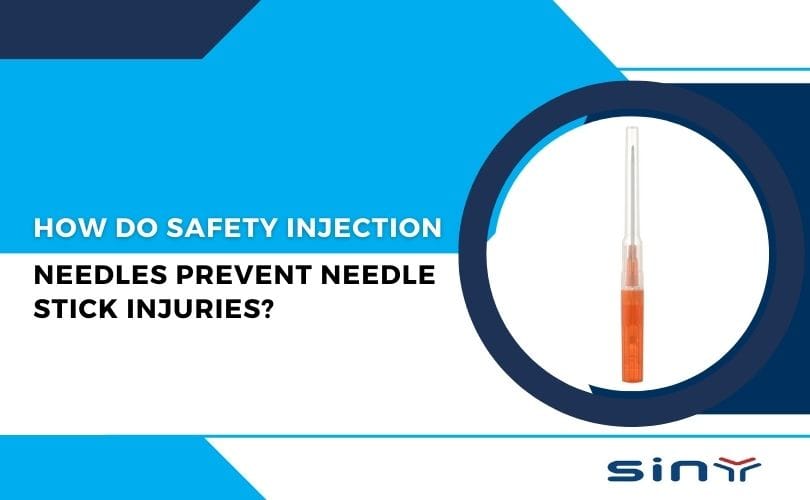
What distinguishes safety injection needles from their conventional counterparts? The answer lies in their engineered design features that automatically or manually activate to cover the needle’s sharp point after use. These mechanisms create a barrier between the healthcare worker and the contaminated needle, significantly reducing the risk of accidental punctures.
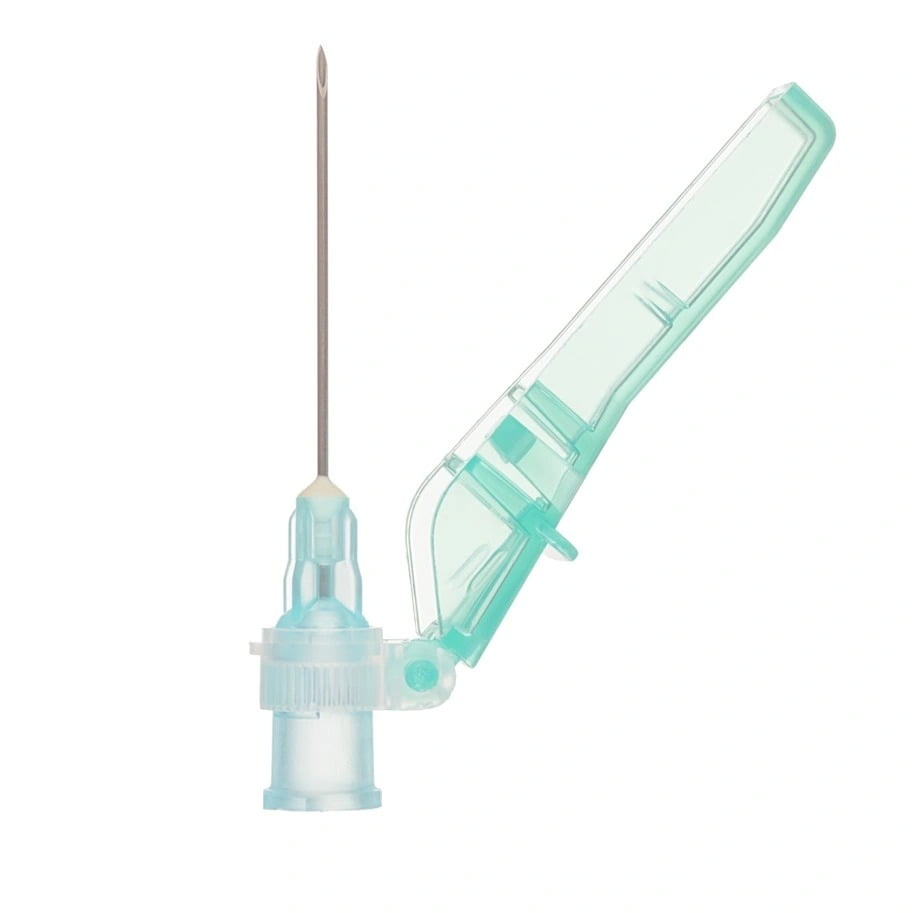
- Passive safety needles automatically activate without requiring user action. These designs are particularly valuable as they eliminate the possibility of human error or forgetfulness.
- Active safety needles require the user to manually activate the safety feature, typically by pushing a button, sliding a sheath, or twisting a mechanism.
- Integrated safety needles feature safety mechanisms built directly into the needle design, rather than being added as an aftermarket feature.
- Add-on safety devices can be attached to conventional needles to provide protection, though these are generally considered less effective than integrated designs.
The technology behind these injection needles continues to evolve, with manufacturers constantly refining designs to improve both safety and usability. Siny Medical, a leading provider of medical supplies, offers a range of innovative safety injection needles that demonstrate the latest advancements in this field.
The Impact on Infection Control: Statistical Evidence
The implementation of safety injection needles has yielded measurable improvements in infection control across healthcare settings. Research published in the Journal of the American Medical Association (JAMA) found that the use of safety-engineered devices reduced needlestick injuries by up to 80% in some facilities.
To better understand the impact, let’s examine some key statistics:
| Metric | Conventional Needles | Safety Injection Needles |
|---|---|---|
| Needlestick Injuries | Higher incidence | Up to 80% reduction |
| Bloodborne Pathogen Transmission Risk | Significant | Dramatically reduced |
| Cost of Post-Exposure Treatment | Substantial | Significantly lower |
| Healthcare Worker Anxiety | Higher | Reduced |
| Compliance with Safety Regulations | Variable | Improved |
The financial implications are equally compelling. While safety injection needles typically cost more upfront than conventional needles, the total cost of ownership is often lower when factoring in the expenses associated with needlestick injuries. These costs include testing, treatment, potential lost work time, and emotional trauma for affected healthcare workers.
The Centers for Disease Control and Prevention (CDC) estimates that the direct costs of a needlestick injury range from $500 to $3,000, depending on the treatment required. When indirect costs are considered, this figure can rise to over $3,000 per incident. With safety injection needles potentially preventing hundreds of such injuries in a large healthcare facility annually, the return on investment becomes clear.
What Are Safety Injection Needles?
Safety injection needles are specially engineered devices designed to prevent accidental needlestick injuries and reuse. They typically include one or more of the following features:
A protective shield that covers the needle immediately after use.
An automatic retraction mechanism.
A locking system that disables reuse.
These features reduce contamination risk and protect both patients and healthcare workers.
You can view Siny Medical’s complete range of safety-focused products here:
https://www.sinymedical.com/product-category/safety-injection-needles/
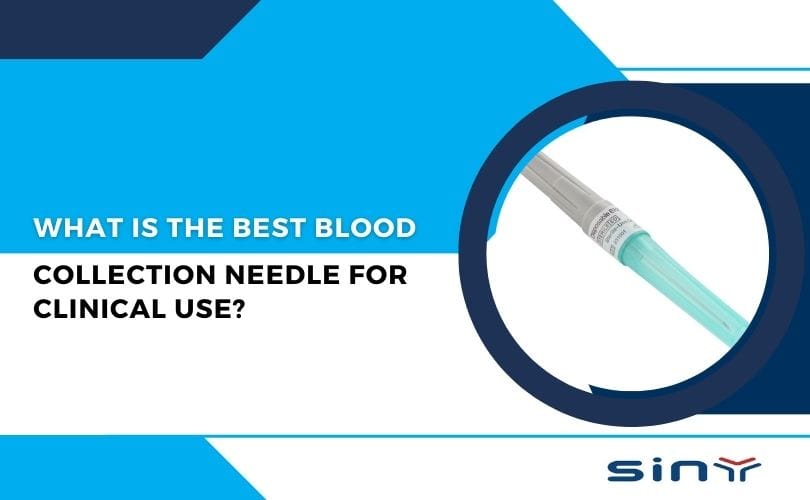
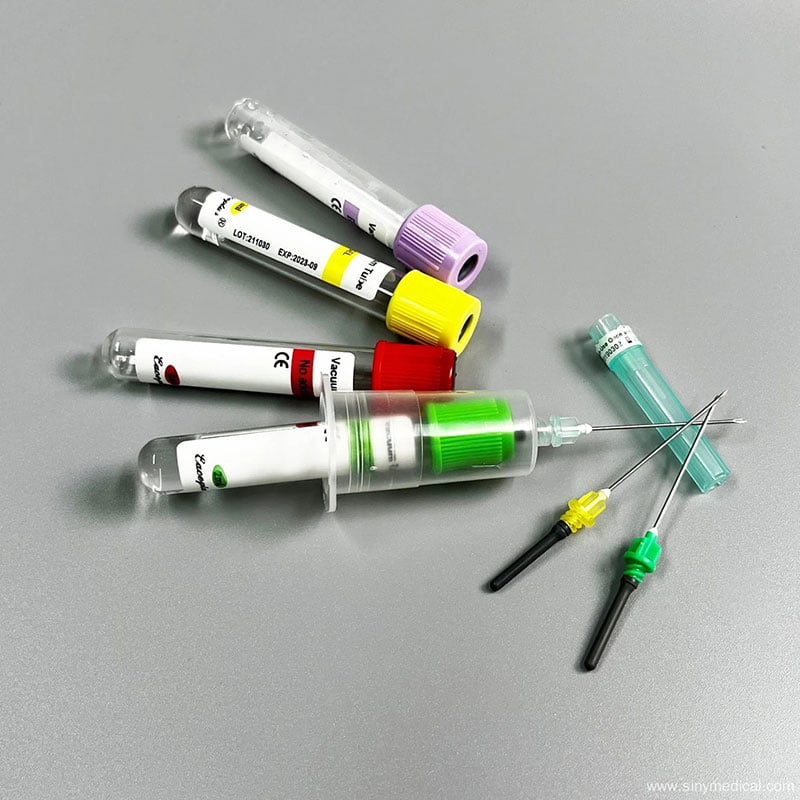
One example is the Siny Medical Safety Blood Collecting Needle.
This product integrates user-friendly safety activation with high-precision manufacturing standards.
How Injection Needles Contribute to Cross-Contamination
Traditional injection needles may transmit pathogens in several ways:
First, accidental reuse without proper sterilization spreads bloodborne viruses.
Second, improper disposal exposes cleaning staff and waste handlers.
Third, open needle exposure increases environmental contamination risk.
Proper disposal systems are equally important. High-quality sharp containers significantly reduce hazards. You can explore reliable disposal solutions here:
Using safety injection needles together with approved sharp containers creates a complete infection control system.
Safety Injection Needles vs Traditional Injection Needles
The difference between standard and safety-engineered injection needles becomes clear when comparing injury rates.
The U.S. Centers for Disease Control and Prevention (CDC) reports that needlestick injuries significantly decline after healthcare facilities switch to safety devices. Countries that implemented mandatory safety needle policies observed measurable improvements in occupational health statistics.
Traditional needles rely heavily on user caution. Safety needles rely on engineered protection.
This shift represents a proactive approach rather than reactive damage control.
Economic Impact: Are Safety Injection Needle Cost-Effective?
Many healthcare administrators initially worry about higher purchasing costs. However, the broader financial picture tells a different story.
Consider these cost factors:
- Post-exposure testing and treatment
- Legal claims and compensation
- Lost workdays
- Infection treatment expenses
When hospitals calculate the long-term impact, safety injection needles often reduce overall operational costs.
Infection prevention remains far cheaper than infection treatment.
Regulatory Pressure and Global Standards
International safety regulations increasingly favor safety-engineered injection needle.
The European Union, the United States, and many Asian countries have passed laws requiring protective needle devices in healthcare settings.
Compliance is not just ethical. It is mandatory.
Manufacturers such as Siny Medical align production with international quality standards and sterile manufacturing protocols. Interested buyers can explore global sourcing options through their Made-in-China profile.
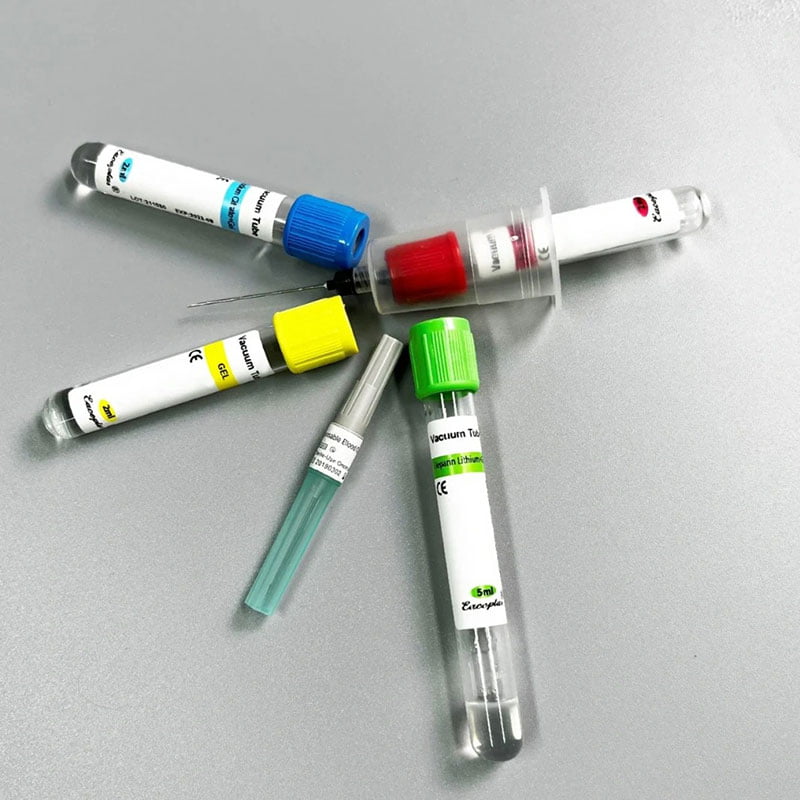
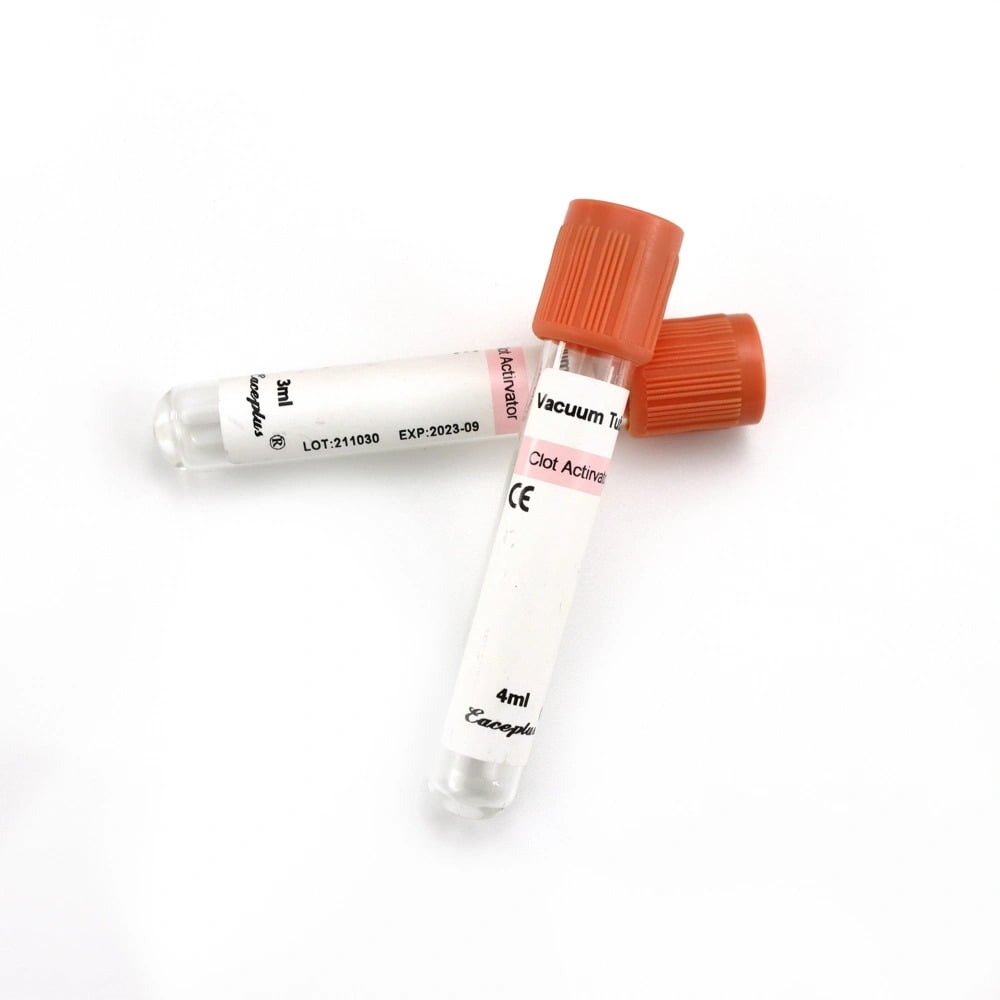
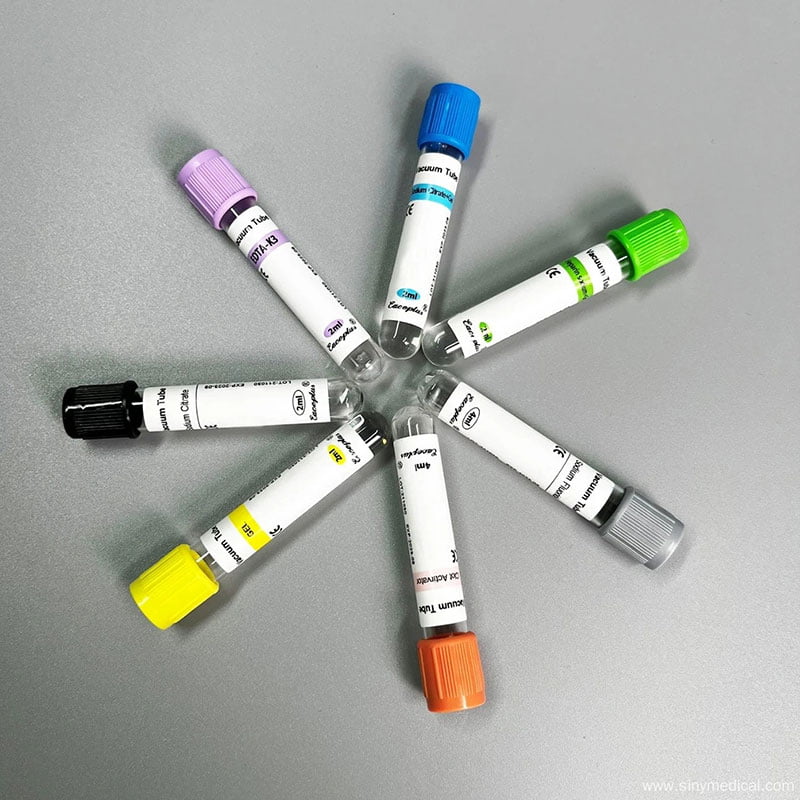
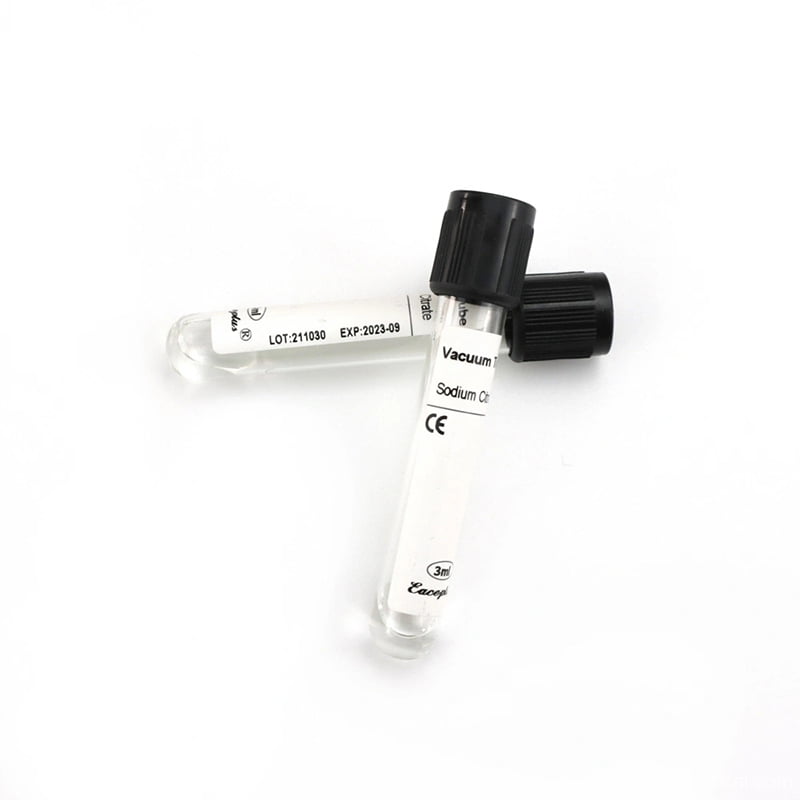
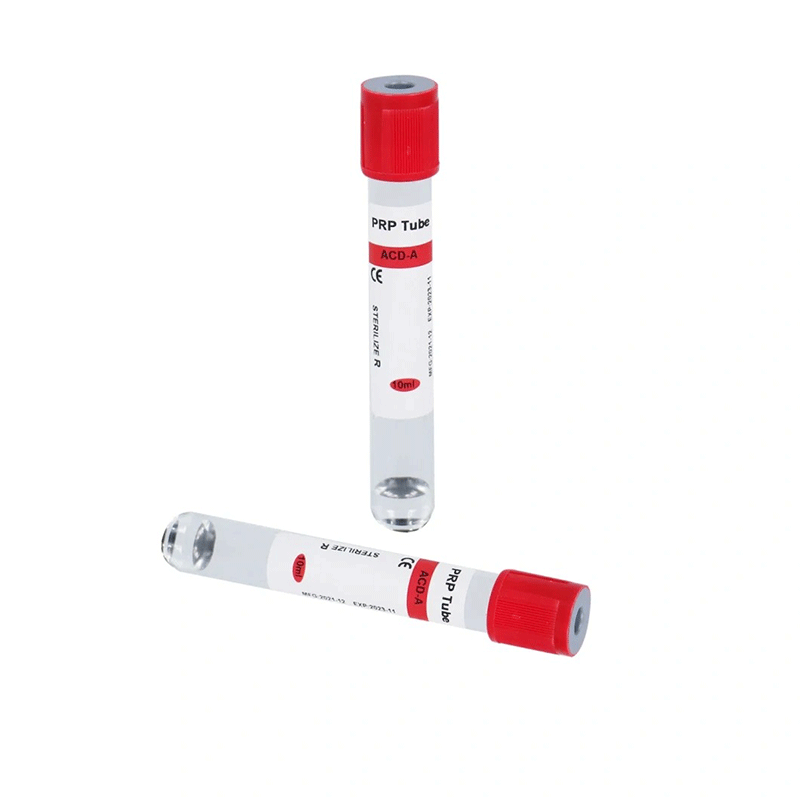
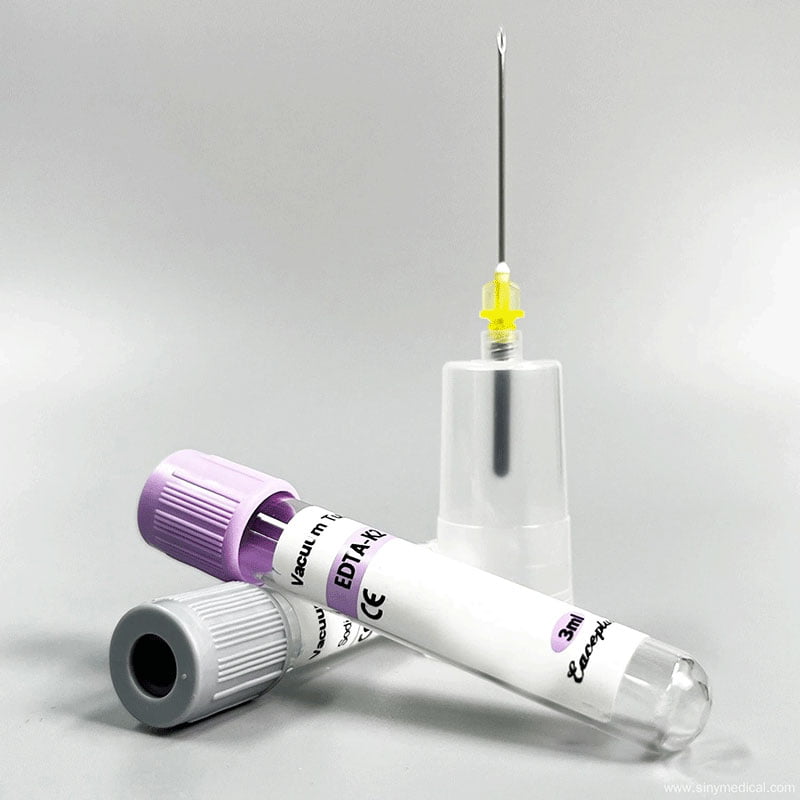
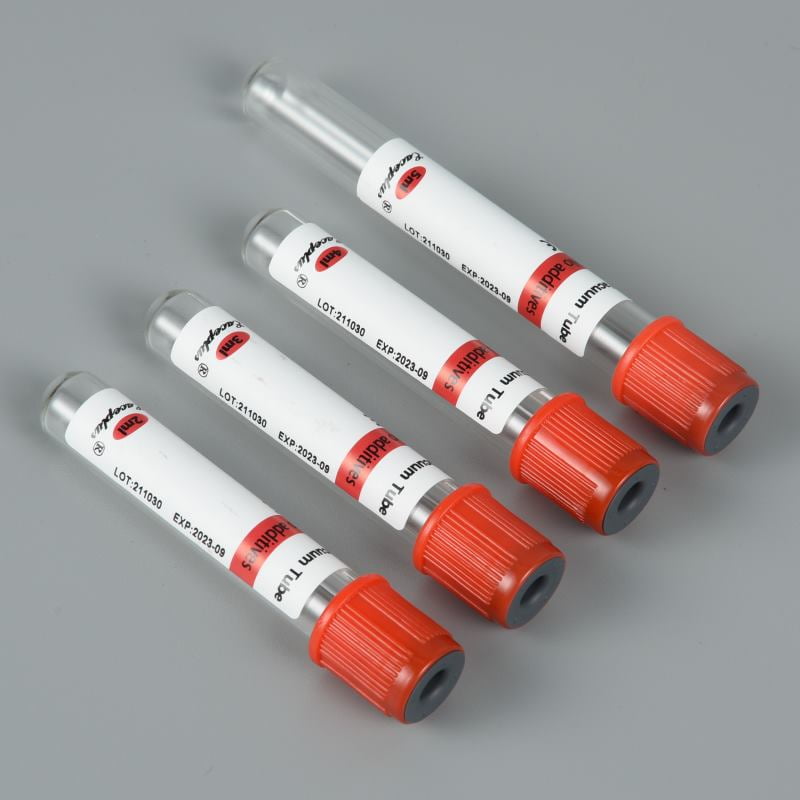
The Role of Injection Needles in Blood Collection Procedures
Blood collection represents one of the most common clinical procedures worldwide. Improper technique or unsafe devices can compromise both patient safety and diagnostic accuracy.
If you want a step-by-step overview of safe blood drawing practices, this authoritative guide from WikiHow provides general educational insight:
While educational resources help, the quality of injection needles plays a central role in minimizing risk.
Siny Medical offers a range of blood collection needle options here, Their sterile injection needles for sale are also available.
Training and Awareness
Even the safest injection needles require correct usage. Healthcare workers must receive training on:
- Activation of safety mechanisms
- Immediate disposal procedures
- Avoidance of recapping
- Safe transport of used sharps
Siny Medical provides educational support and product information through its official YouTube channel.
Are Safety Injection Needle the Future?
All evidence suggests yes.
Healthcare systems aim for zero preventable infections. Safety injection needle align perfectly with this objective.
- They reduce occupational injuries.
- They minimize cross-contamination.
- They improve regulatory compliance.
- They lower long-term healthcare costs.
The transition may require investment and training. However, the long-term benefits outweigh the initial cost difference.
Infection control continues to evolve, and injection needles now reflect that evolution.
For procurement inquiries or product details, contact the Siny Medical team directly at:
Final Summary
Injection needles remain indispensable in healthcare. However, traditional designs carry infection and injury risks. Safety-engineered injection needle address these challenges through retractable mechanisms, protective shields, and single-use technology.
As regulations tighten and infection control becomes a global priority, safety injection needles are not just an option. They are the future of responsible medical practice.
Healthcare providers who invest in advanced injection needles protect patients, staff, and their institutions.
FAQs
1. Why are safety injection needle better than traditional injection needles?
Safety injection needles include built-in protective mechanisms that reduce needlestick injuries and prevent reuse. Traditional injection needles depend heavily on user caution, while safety devices provide engineered protection.
2. Do safety injection needles completely eliminate infection risks?
No medical device guarantees zero risk. However, safety injection needle significantly reduce infection transmission by minimizing accidental exposure and reuse incidents.
3. Are injection needles reusable?
Modern injection needles are designed for single use only. Reusing injection needles increases infection risk and violates international healthcare standards.
4. How should used injection needles be disposed of?
Used injection needles must be placed immediately into approved sharp containers. Proper disposal prevents accidental injuries and environmental contamination.
5. Are safety injection needles more expensive?
Safety injection needle may have a higher upfront cost. However, they reduce long-term expenses associated with occupational injuries and infection treatment.