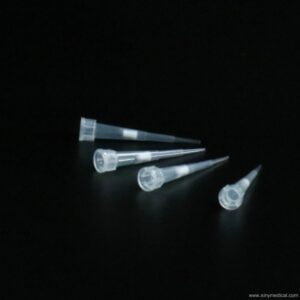
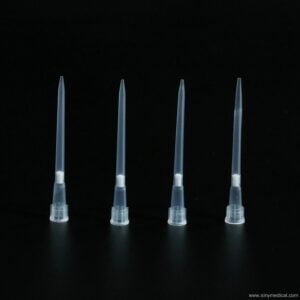
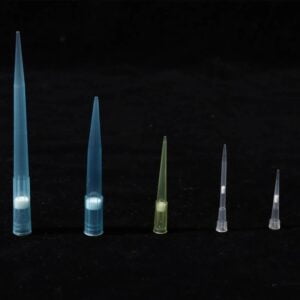
| Product Name | Pipette Tip |
| Main Material | PP |
| OEM/ODM | Yes |
| Certificate | CE, ISO13485 |
| Usage | Laboratory or Hospital |
| Specification | EO sterilization |
| Sample | Free |
| Service | In the groups we serve: distributors, import traders, government procurement, buying agents, and medical chain stores, we provide one-stop procurement for you to simplify your procurement process. |
Medical Disposable Pipette Tips play an important role in daily liquid handling, especially in laboratories that process multiple samples and reagents. At Siny Medical, we supply Siny Tip Eppendorf Medical Disposable Pipette Tips for medical laboratories, research institutions, biotechnology companies, and international distributors.
During routine laboratory work, technicians use pipettes to transfer liquids between tubes, plates, and other suitable containers. The pipette tip provides a replaceable liquid-contact surface. As a result, laboratory personnel can use a fresh tip when changing samples or reagents.
Disposable tips support specimen aliquoting, reagent dispensing, dilution preparation, and other common procedures. They also help laboratories organize daily operations by reducing the need to reuse liquid-contact consumables.
For Eppendorf-related pipetting requirements, selecting the right tip involves identifying the intended instrument, working volume, and application. A suitable tip-and-pipette combination supports normal aspiration, dispensing, and tip ejection.
Siny Medical supplies disposable laboratory consumables for professional buyers. We help customers organize product selection, inventory requirements, and bulk purchasing for routine laboratory operations.
Our disposable pipette tips are intended for single-use liquid handling.
During aspiration and dispensing, the tip contacts the sample or reagent. Replacing it between relevant procedures helps reduce carryover from previously handled liquids.
This makes single-use tips practical for laboratories that process multiple samples throughout the day.
Pipette tips work with suitable pipetting instruments to transfer measured liquid volumes.
They support common tasks such as sample aliquoting, reagent preparation, and dilution.
The pipetting instrument controls the transferred volume, while the tip provides the replaceable liquid-contact component.
The Eppendorf designation in this product range makes instrument identification important.
Before selecting replacement tips, laboratories should identify the intended pipette model and operating range.
A suitable tip connection supports normal aspiration, dispensing, and ejection.
Laboratory personnel can replace disposable tips when changing samples, reagents, or experimental stages.
This helps maintain organized handling practices and reduces carryover associated with reusing the same liquid-contact consumable.
In busy laboratories, consistent tip replacement is an important part of routine sample processing.
Medical and research laboratories regularly use disposable pipette tips.
Maintaining adequate supplies helps technicians prepare for daily procedures and planned testing activities.
Siny Medical supports professional buyers with product information and bulk purchasing coordination.
Sample aliquoting involves dividing a liquid specimen into smaller portions for different procedures.
Medical laboratories may prepare aliquots for analysis, storage, or further processing. Pipette tips provide a replaceable liquid-contact component during these operations.
Using a fresh tip between relevant samples helps reduce carryover.
Laboratories prepare and dispense reagents during many analytical procedures.
Technicians may transfer buffers, working solutions, or other liquids into tubes and plates.
Disposable tips support these tasks by allowing personnel to replace the liquid-contact component when required.
Before laboratory analysis, specimens may undergo aliquoting, dilution, or transfer into suitable containers.
These steps require organized handling and appropriate liquid-transfer equipment.
Disposable pipette tips are commonly used in these workflows because they provide a convenient replacement component for routine liquid handling.
Research institutions and biotechnology companies perform a wide range of pipetting procedures.
These include experimental setup, solution preparation, and sample processing.
Disposable tips are widely used in these environments because they support convenient consumable replacement during laboratory operations.
Universities and teaching laboratories often use pipettes during experiments and practical activities.
Their consumable requirements depend on the instruments and procedures involved.
Organized purchasing helps these institutions maintain suitable supplies for routine laboratory work.
Efficient sample preparation begins with clear specimen identification and suitable equipment.
Technicians may transfer liquids into different vessels according to the laboratory procedure.
Disposable tips support these operations by providing a replaceable liquid-contact surface.
Sample carryover occurs when residual material from one liquid transfer affects another sample or reagent.
Reusing a tip between unrelated liquids can increase this risk.
Therefore, laboratories commonly replace disposable tips between relevant samples and procedures.
Medical laboratories may process numerous specimens during a single working session.
Repeated pipetting requires clear sample organization and suitable consumables.
A consistent tip-changing routine helps technicians maintain separation between unrelated samples.
Laboratory workstations benefit from clear consumable identification and easy access to suitable tips.
Keeping the required tip categories available helps personnel complete routine procedures without unnecessary interruptions.
Used tips should be separated from clean consumables and handled according to laboratory waste-management procedures.
Disposable tips are consumed throughout routine laboratory operations.
Usage depends on sample volumes, transfer frequency, and tip replacement requirements.
Understanding these patterns helps laboratory managers organize purchasing and maintain adequate inventory.
Different pipetting instruments may have different tip requirements.
Before selecting replacement tips, laboratories should identify the intended instrument model.
For Eppendorf pipettes, model information helps purchasing teams narrow the selection of suitable consumables.
The intended transfer volume is an important selection factor.
Different procedures require different operating ranges.
Buyers should identify the pipette’s working range and select a suitable tip category for their procedures.
A suitable tip should attach securely to the intended pipette.
The connection influences sealing, aspiration, dispensing, and tip ejection.
Laboratories can review these characteristics when evaluating replacement tips.
Different procedures may require different consumable characteristics.
For routine sample aliquoting and reagent dispensing, buyers should consider instrument fit and working volume.
Contamination-sensitive procedures may involve additional requirements based on laboratory protocols.
Pipette tips and standalone transfer pipettes both support laboratory liquid handling. However, they operate differently.
| Feature | Disposable Pipette Tips | Disposable Transfer Pipettes |
|---|---|---|
| Operating Method | Used with a suitable pipetting instrument | Usually operated manually |
| Liquid Transfer | Controlled by the pipetting instrument | Controlled by the transfer device and operator |
| Common Applications | Measured liquid handling | General liquid transfer |
| Separate Instrument | Required | Usually not required |
| Selection Factors | Pipette fit, volume, application | Transfer capacity, design, application |
Understanding these differences helps purchasing teams select suitable consumables.
Medical laboratories and research institutions may operate several departments with different instruments.
Collecting requirements from each department helps purchasing teams prepare consolidated orders.
This approach also supports organized inventory planning.
Accurate instrument information helps reduce purchasing confusion.
Buyers can organize requirements according to pipette model, working volume, and intended procedure.
Clear application information also helps distinguish between consumable categories.
A structured purchasing record makes quotations and repeat orders easier to manage.
| Purchasing Information | Purpose |
|---|---|
| Pipette Brand and Model | Identifies the intended instrument |
| Working Volume | Supports tip selection |
| Laboratory Application | Clarifies expected use |
| Required Tip Category | Organizes consumable requirements |
| Estimated Consumption | Supports inventory planning |
| Order Quantity | Helps prepare quotations |
| Packaging Preference | Communicates handling and storage needs |
Disposable tip consumption depends on daily sample volumes and laboratory handling practices.
Facilities processing numerous specimens may require regular replenishment.
Purchasing teams can review historical usage and upcoming workloads to estimate future demand.
Laboratories using several pipette models benefit from clear consumable identification.
Tips can be organized according to the intended instrument, working range, or department.
This helps technicians locate suitable consumables and allows purchasing teams to monitor stock.
Regular purchasing records help laboratories maintain adequate consumable supplies.
Inventory planning can consider historical consumption, current stock, and expected laboratory activity.
For distributors, organized records also support customer quotations and repeat orders.
Siny Medical supplies disposable laboratory consumables for medical laboratories, research institutions, and international distributors.
We support professional purchasing with product information and bulk order coordination.
Medical disposable pipette tips are single-use consumables used with suitable pipetting instruments to transfer liquids during laboratory procedures.
They are commonly used for specimen aliquoting, reagent dispensing, dilution preparation, and routine liquid handling.
Replacing tips helps reduce carryover of residual material between unrelated samples or reagents.
Yes. Disposable tips are commonly used with suitable pipetting instruments to dispense liquid reagents into laboratory vessels.
Identify the intended pipette model, operating range, and application. Tip attachment and normal ejection are also important considerations.
Disposable refers to single-use design. Sterile describes a product that has undergone a sterilization process.
Laboratories can review historical usage, sample processing volumes, and tip replacement practices to estimate purchasing requirements.
Buyers should prepare the intended pipette model, working volume, application, required tip category, order quantity, and packaging preferences.
At Siny Medical, we supply Medical Disposable Pipette Tips for medical laboratories, research institutions, biotechnology companies, and international distributors. Our disposable tips support routine sample preparation and liquid handling. In addition, our professional supply services help customers organize consumable selection, inventory planning, and bulk purchasing. Contact Siny Medical to discuss your disposable pipette tip requirements, purchasing quantities, and quotation needs.
Copyright © 2026 | Ningbo Siny Medical Technology Co., Ltd