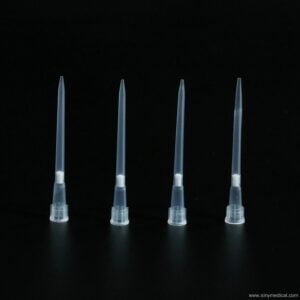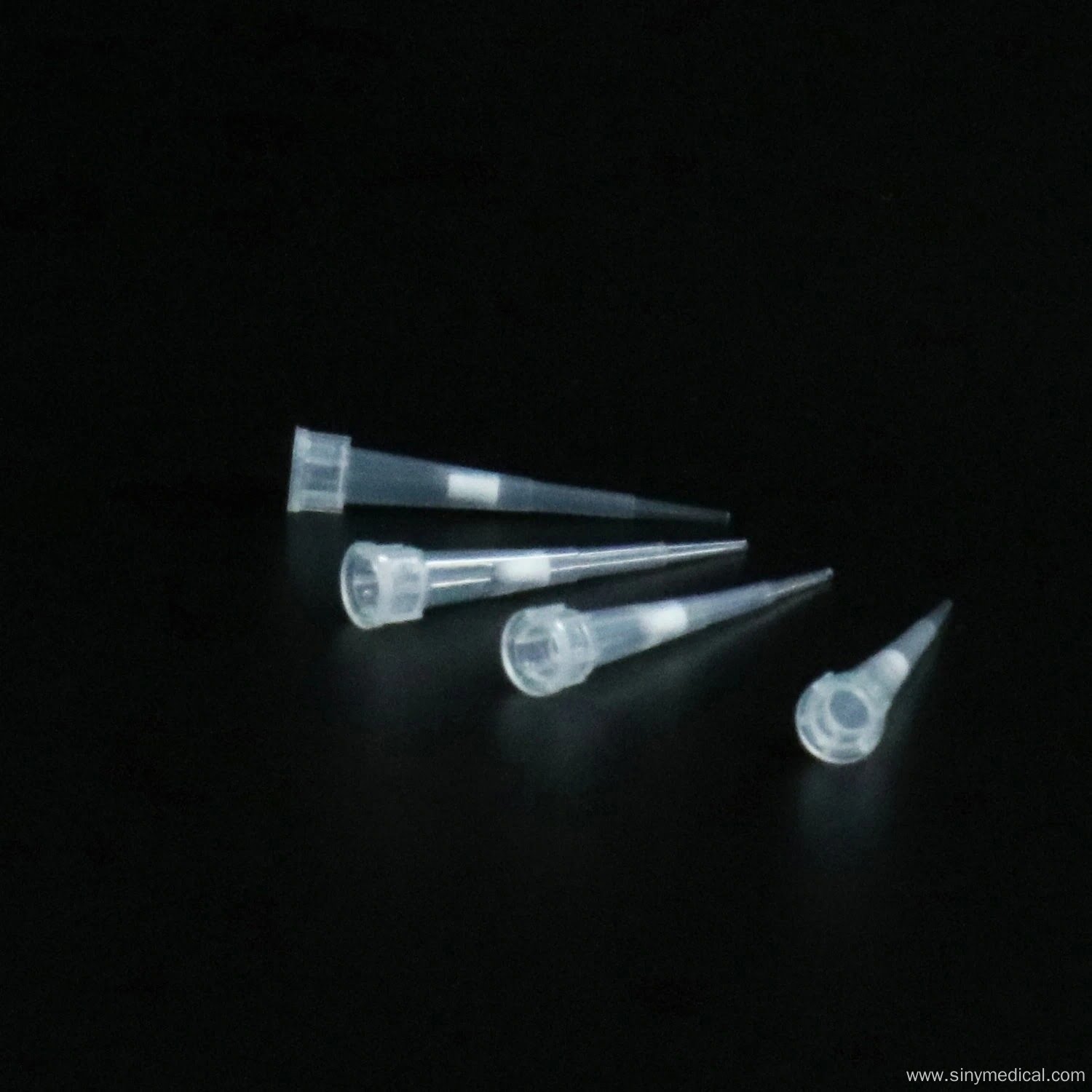
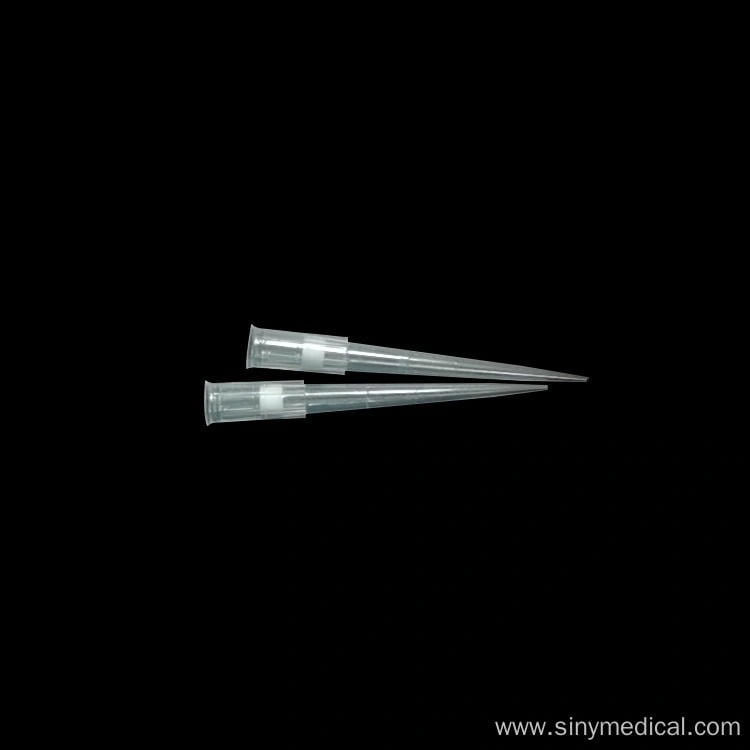
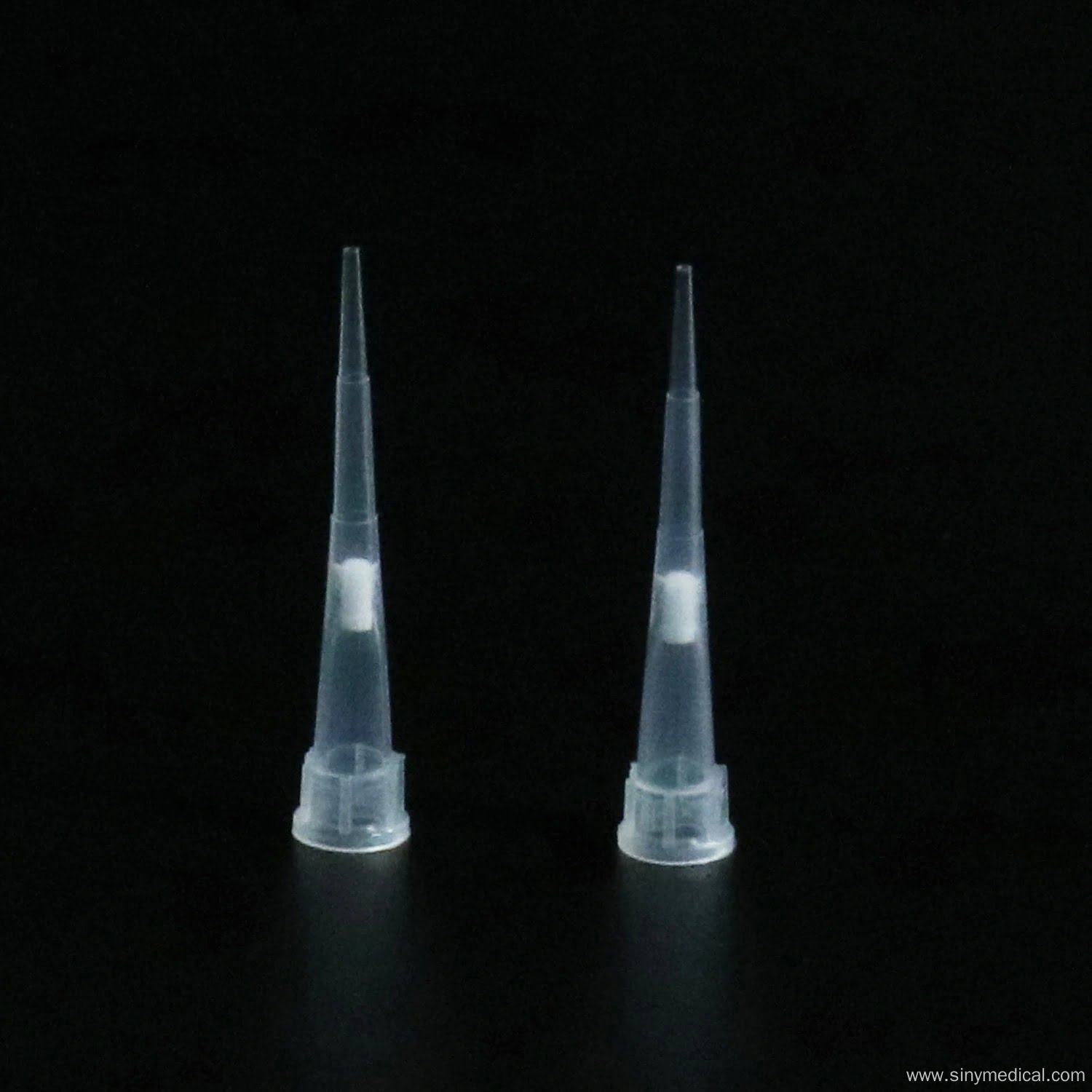
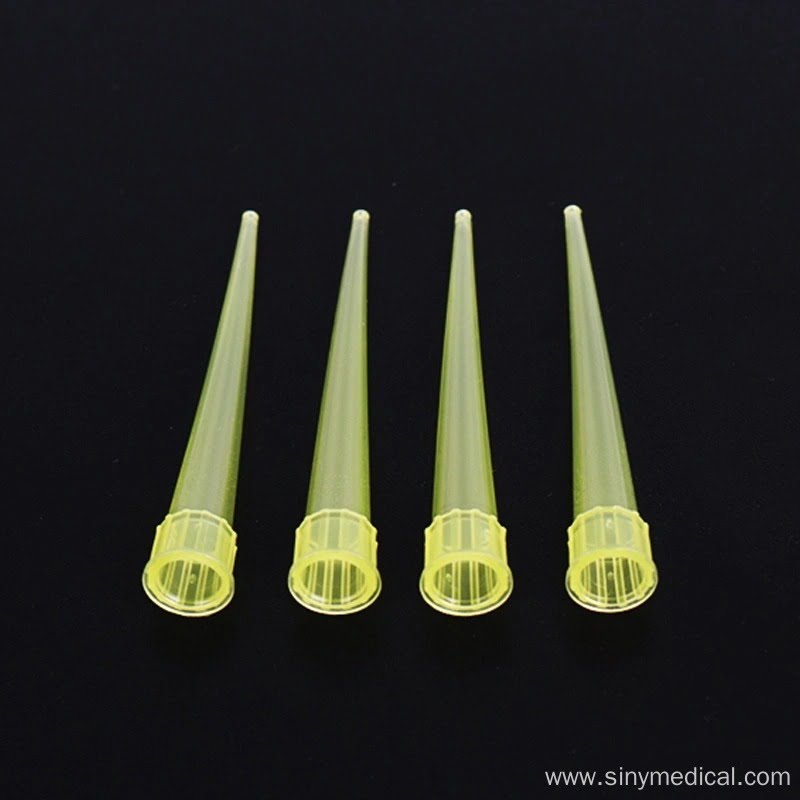
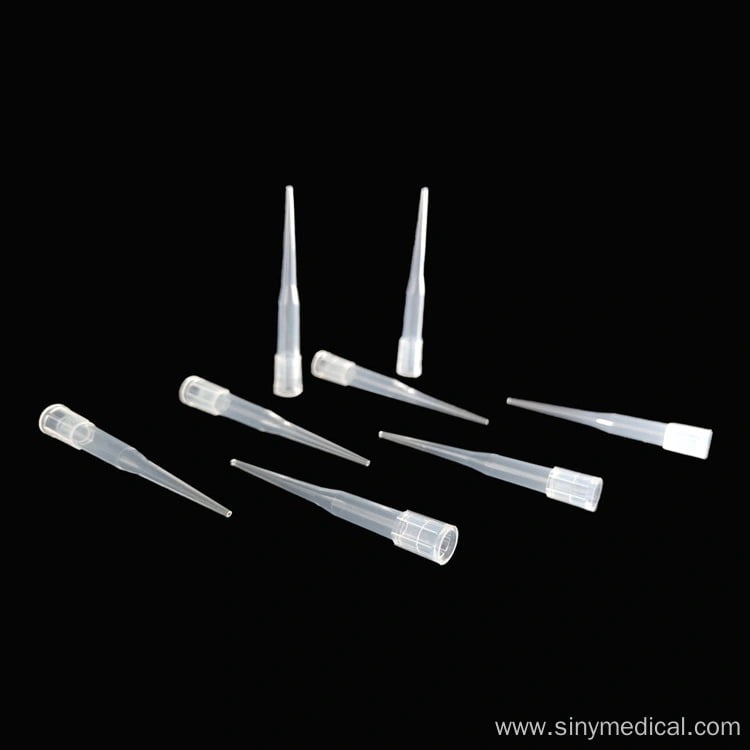
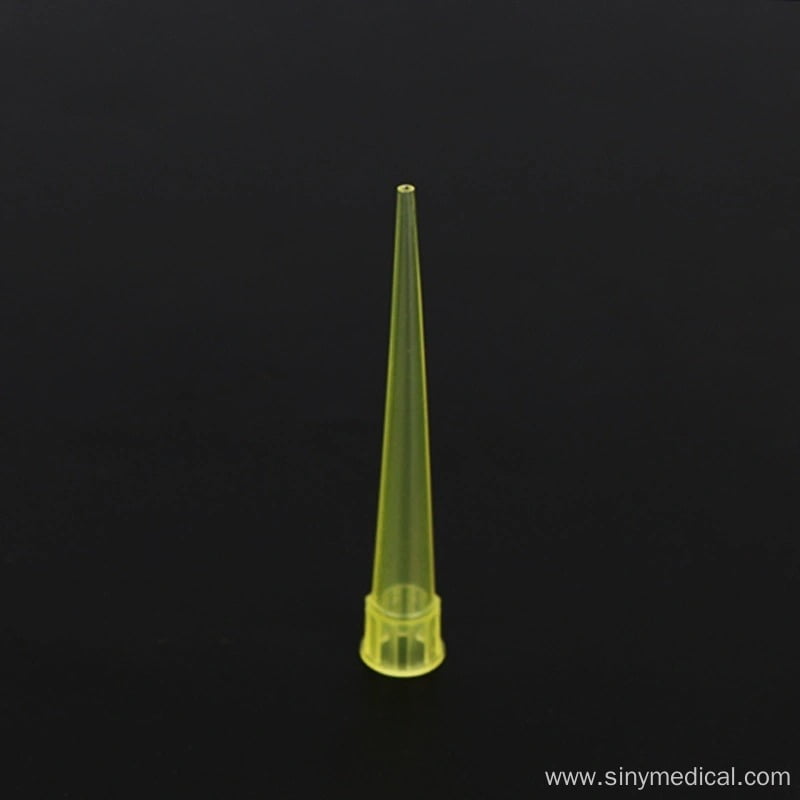
| Product Name | Pipette Tip |
| Main Material | PP |
| OEM/ODM | Yes |
| Certificate | CE, ISO13485 |
| Usage | Laboratory or Hospital |
| Specification | EO sterilization |
| Sample | Free |
| Service | In the groups we serve: distributors, import traders, government procurement, buying agents, and medical chain stores, we provide one-stop procurement for you to simplify your procurement process. |
Siny Medical supplies Filter Pipette Tips for molecular biology laboratories, biotechnology companies, research institutions, and laboratory consumables distributors. This plastic laboratory product features a filter within the pipette tip and belongs to a consumable category widely used in precision liquid-handling workflows.
Laboratory personnel use pipettes to transfer measured volumes of reagents, biological samples, and prepared solutions. Choosing an appropriate tip is essential because the tip must fit the pipette and suit the intended liquid-handling procedure.
Filtered pipette tip designs incorporate a barrier between the liquid-handling area and the pipette. In general, this barrier aims to limit the movement of aerosols or droplets toward internal pipette components. Actual protection depends on the filter design, operating conditions, and correct handling practices.
These tips are particularly relevant to laboratories that assess contamination risks during PCR preparation, nucleic acid handling, and other sensitive procedures. However, the presence of a filter does not establish a specific protection rating or eliminate the need for proper laboratory techniques.
Siny Medical supports professional buyers and international distributors with clearly identified laboratory consumables and practical procurement coordination.
The integrated filter is the defining feature of this product category.
In filtered pipette tip designs, a barrier sits inside the tip and aims to limit aerosol or droplet movement toward the pipette. This function helps explain why laboratories often consider filtered tips for contamination-sensitive procedures.
However, filter designs differ in their construction and operating characteristics. Therefore, buyers should assess the intended application and review relevant product information when they require specific barrier performance.
A filter does not provide a universal guarantee against contamination.
Plastic pipette tips serve as laboratory consumables for transferring measured liquid volumes.
Different plastics have different chemical and physical properties. As a result, material selection can influence suitability for particular liquids and experimental conditions.
The plastic designation identifies the general material category without establishing a specific polymer, chemical resistance rating, or specialized surface treatment.
Laboratories should evaluate these requirements according to their intended procedures.
Accurate liquid handling requires suitable equipment, appropriate technique, and consistent operating procedures.
Pipette tips form the connection between the pipette and the liquid sample. Their design must suit the intended instrument and application.
Filtered tips add a barrier component to this liquid-handling system.
Nevertheless, reliable laboratory practice also requires correct aspiration, dispensing, tip replacement, and equipment maintenance.
Pipette tips must fit the intended pipette securely.
An unsuitable connection may affect sealing and liquid transfer performance. Consequently, laboratories should review compatibility before introducing a new tip into routine operations.
Product naming alone cannot establish compatibility with every pipette model from a particular manufacturer.
Buyers should identify the pipette models they use and evaluate the corresponding tip requirements.
Laboratories often maintain separate inventories for filtered and non-filtered tips.
Each category serves different purchasing needs depending on the application and contamination control requirements.
Clear product identification helps purchasing teams organize consumables and avoid ordering the wrong tip type.
For distributors, accurate descriptions also support catalog management and customer quotations.
PCR laboratories transfer reagents and prepare reaction mixtures before thermal cycling.
These procedures often require careful sample handling and contamination control practices.
Filtered pipette tips represent a consumable option for compatible PCR preparation workflows.
Laboratories should select tips according to pipette compatibility, volume requirements, and any application-specific cleanliness criteria.
Molecular biology laboratories regularly transfer DNA, RNA, and related reagents.
Sample preparation may involve aliquoting, dilution, and transferring materials between containers.
Filtered tips can form part of a broader contamination control approach during suitable liquid-handling procedures.
When a workflow requires particular nuclease or nucleic acid contamination characteristics, buyers should evaluate those requirements separately.
Research laboratories handle biological materials during specimen preparation and analysis.
These activities may involve transferring small liquid portions, preparing dilutions, or organizing samples for subsequent testing.
A filtered pipette tip provides a barrier-equipped container interface for compatible pipetting procedures.
Personnel must continue to follow appropriate laboratory safety and sample handling practices.
Biotechnology laboratories perform a wide range of liquid-handling tasks.
Common procedures include reagent preparation, sample dilution, experimental setup, and transfer of prepared solutions.
Different applications may require different pipette tip categories.
Choosing suitable consumables helps laboratory teams maintain organized workflows and manage routine purchasing needs.
Universities, research institutions, and laboratory testing facilities purchase pipette tips regularly.
Their requirements may vary according to pipette models, working volumes, and experimental procedures.
Distributors often manage several tip categories for different customers.
Siny Medical supplies laboratory consumables for institutional procurement and international distribution.
The main difference between filtered and non-filtered tips is the presence of a barrier inside the tip.
Filtered designs aim to limit aerosol or droplet movement toward the pipette. Standard non-filtered tips lack this integrated barrier.
| Consideration | Filtered Pipette Tips | Non-Filtered Pipette Tips |
|---|---|---|
| Filter Barrier | Present | Absent |
| Main Design Difference | Includes an internal barrier | No integrated filter |
| Typical Selection Reason | Contamination-sensitive procedures | Routine liquid handling where a filter is unnecessary |
| Pipette Compatibility | Requires verification | Requires verification |
| Cleanliness Requirements | Evaluated separately | Evaluated separately |
| Purchasing Focus | Filter design, fit, and application | Fit, volume, and application |
Neither option suits every laboratory procedure.
Buyers should consider sample characteristics, operating requirements, and contamination control needs before selecting a tip.
Filtered and sterile describe different product characteristics.
A filter refers to the barrier design inside the pipette tip. Sterility refers to a microbiological condition established through an appropriate sterilization process.
| Feature | Filtered | Sterile |
|---|---|---|
| Describes | Internal barrier design | Microbiological condition |
| Main Consideration | Aerosol or droplet barrier function | Sterility requirements |
| Automatically Indicates the Other Property? | No | No |
| Purchasing Requirement | Relevant filter information | Appropriate sterility information |
A filtered tip is not automatically sterile. Likewise, sterility alone does not establish the presence of a filter.
Laboratories should specify both characteristics separately when their procedures require them.
A pipette tip must form an appropriate connection with the pipette.
The correct fit supports consistent aspiration and dispensing. By contrast, an unsuitable tip may create handling difficulties or interfere with liquid transfer.
Laboratories using multiple pipette models should identify compatible consumables for each instrument.
Compatibility depends on the actual tip and pipette design, not simply on a brand name appearing in a product title.
Aerosols and droplets may develop during certain liquid-handling operations.
Filtered tip designs aim to reduce the movement of this material toward internal pipette components. However, actual performance varies according to product design and operating conditions.
Laboratory personnel should follow appropriate aspiration and dispensing techniques.
They should also replace tips between relevant samples and maintain pipetting equipment according to established procedures.
Some laboratory applications require additional consumable characteristics.
Examples include sterility, documented nuclease control, nucleic acid contamination requirements, or specialized liquid-handling surface properties.
These characteristics are independent of the filter designation.
Purchasing teams should identify the necessary requirements and review appropriate product information before ordering.
Start by defining the intended liquid-handling procedure.
PCR preparation, nucleic acid handling, biological sample processing, and routine reagent transfer may involve different requirements.
Clear application information helps purchasing teams determine whether a filtered tip is appropriate.
Before ordering, identify the pipette models used by the laboratory.
Buyers should check whether the selected tip design suits the intended instruments.
A product name or general appearance does not guarantee compatibility with every pipette.
For institutions using multiple models, a clear compatibility list helps prevent purchasing mistakes.
Pipettes operate within specified volume ranges.
Purchasing teams should select tips that suit the intended pipette and liquid transfer volumes.
The nominal tip capacity and the pipette’s operating range are separate considerations.
Clear volume requirements help buyers choose appropriate consumables for each procedure.
Laboratories should identify the intended function of the filter barrier.
Some applications may require additional supporting information about filter performance.
Other procedures may require specific sterility or contamination control characteristics.
Buyers should establish these criteria independently rather than assuming that every filtered tip offers identical properties.
Pipette tips are available in different packaging formats across the laboratory consumables market.
Common industry options include bulk packaging, pre-racked tips, and refill systems. Each format supports different purchasing and handling priorities.
| Packaging Format | General Purchasing Consideration |
|---|---|
| Bulk Packaging | Inventory cost and laboratory loading procedures |
| Pre-Racked Tips | Convenient access during routine pipetting |
| Refill Systems | Compatibility with existing racks and replenishment workflows |
Laboratories should select packaging according to their operating procedures, handling requirements, and inventory preferences.
Laboratories may purchase several tip types for different pipettes and procedures.
Purchasing teams should distinguish products by tip category, required volume range, compatibility, and other relevant specifications.
A consistent SKU identification system helps prevent confusion between filtered and non-filtered products.
For distributors, accurate catalog records also support repeat orders and stock management.
Routine pipetting generates recurring consumable demand.
Laboratories can estimate usage through historical purchasing records, sample throughput, and expected experimental activity.
Procurement documents should identify the required tip type, pipette compatibility, volume range, packaging preferences, and any necessary supporting documentation.
Clear requirements support efficient purchasing and replenishment planning.
A filter pipette tip is a laboratory liquid-handling tip that contains an internal barrier. Filtered designs aim to limit aerosol or droplet movement toward the pipette during suitable procedures.
Filtered tips contain an internal barrier, while standard non-filtered tips do not. Laboratories choose between them according to their applications and contamination control requirements.
No. Filter barriers aim to reduce certain contamination risks, but their effectiveness depends on product design and operating conditions. Appropriate laboratory techniques remain essential.
Not necessarily. Filtered and sterile describe separate characteristics. Buyers should verify sterility through appropriate product information when required.
Filtered tips are commonly used in PCR preparation workflows. Laboratories should confirm pipette compatibility and any application-specific cleanliness requirements before use.
The presence of a filter does not establish these characteristics. Laboratories should verify relevant cleanliness requirements through product-specific information.
No. Compatibility depends on the specific pipette and tip design. Buyers should verify the intended instrument model before selecting consumables.
Common industry formats include bulk packaging, pre-racked tips, and refill systems. Buyers should consider handling procedures, inventory needs, and packaging compatibility when selecting an appropriate format.
Siny Medical supplies Filter Pipette Tips for molecular biology laboratories, biotechnology companies, research institutions, and international laboratory consumables distributors. Our plastic filtered pipette tips provide a filter-equipped consumable option for compatible liquid-handling workflows. Contact Siny Medical to discuss your filter pipette tip purchasing requirements, bulk supply plans, product documentation, and quotation needs.
Copyright © 2026 | Ningbo Siny Medical Technology Co., Ltd