Logo Printing: | With Logo Printing |
Material: | Plastic |
Quality: | Excellent |
Price: | Competitive |
Quality Guarantee Period: | Two Years |
Ethylene Oxide Sterilization: | Ethylene Oxide Sterilization |
Desc1: | Disposable Medical Supply |
Model NO.: | Stool Sample Container |
Place Of Use: | Laboratory or Hospital |
USER: | Patient |
Type: | Laboratory Supplies |
Group: | All Persons |
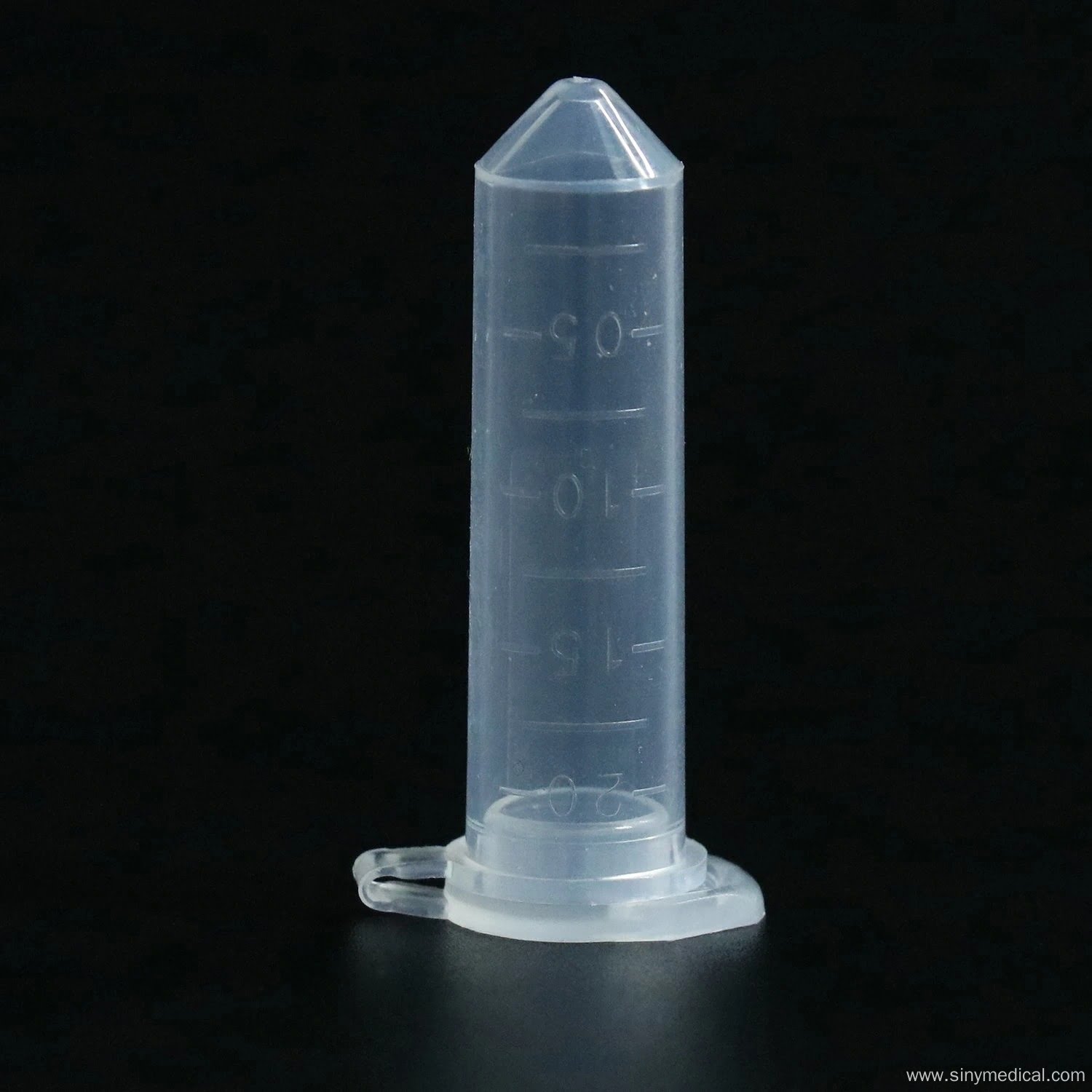
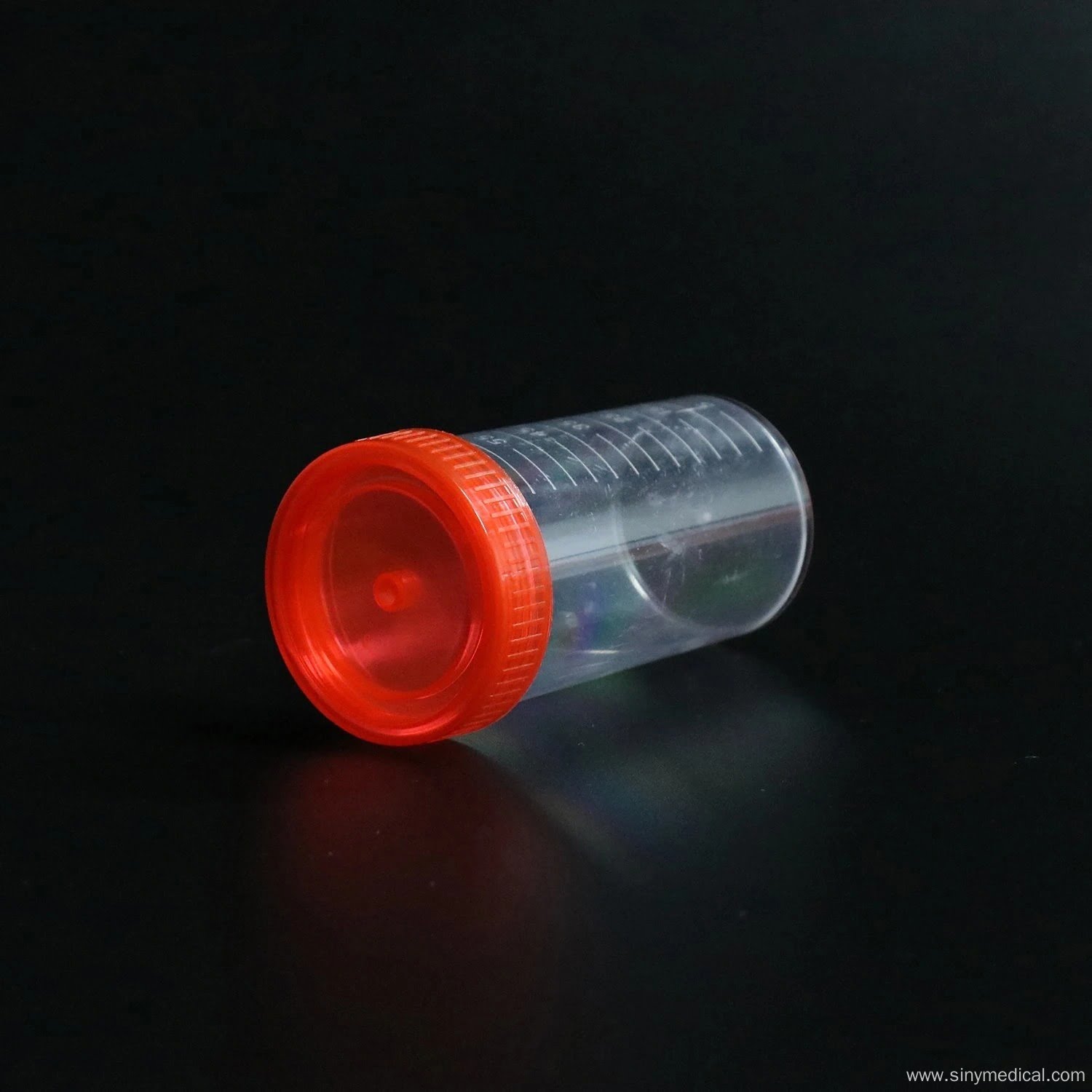
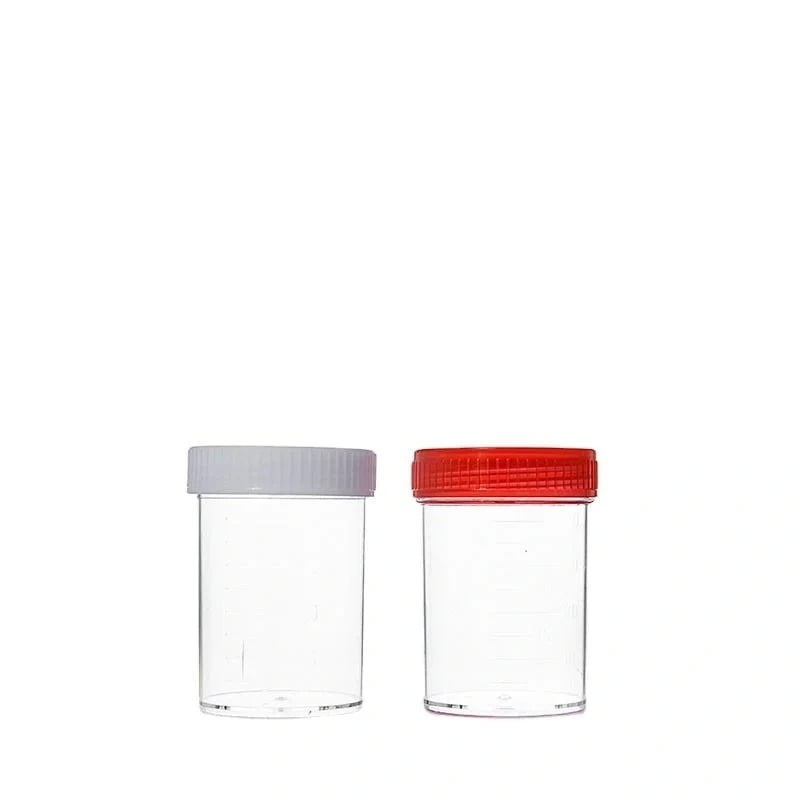
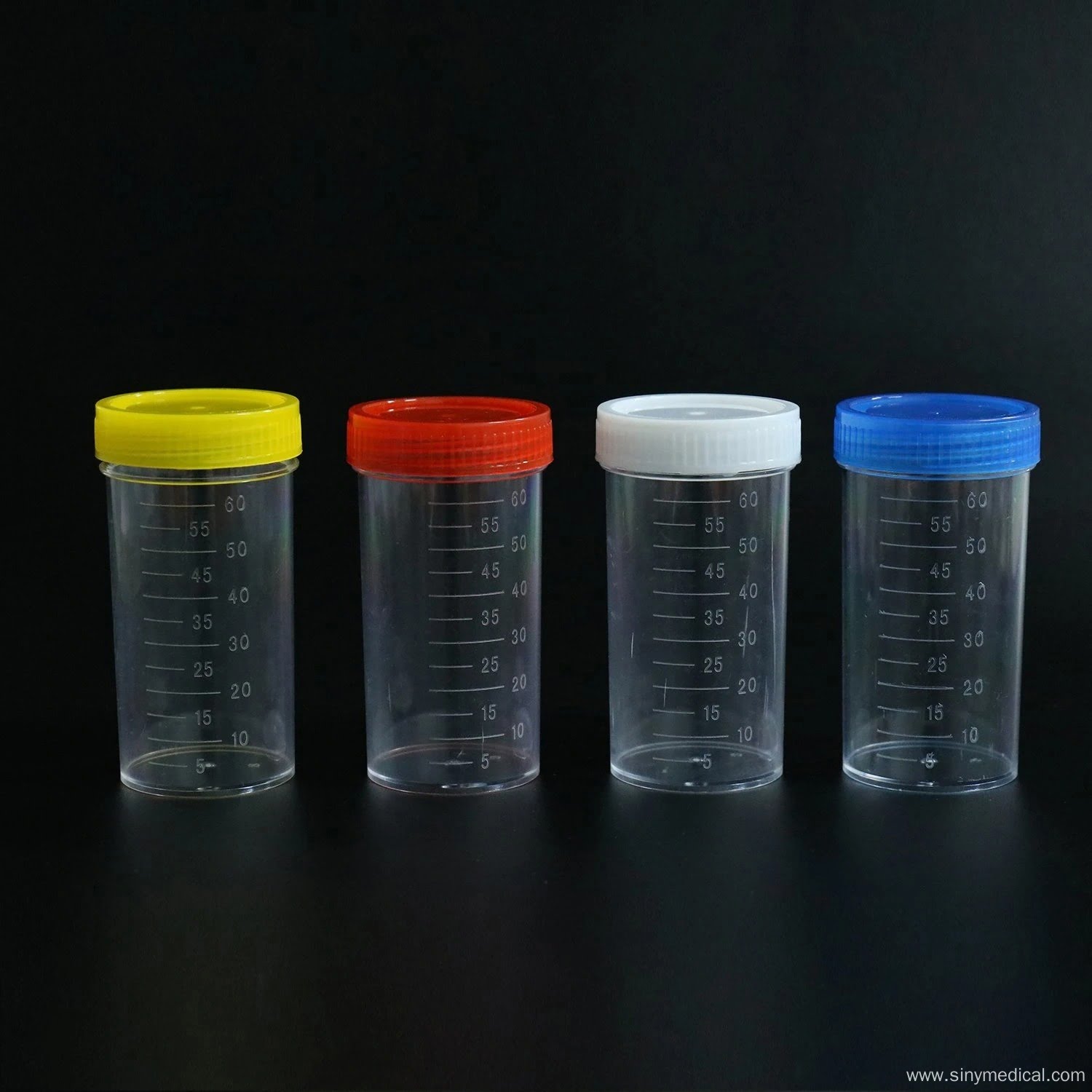
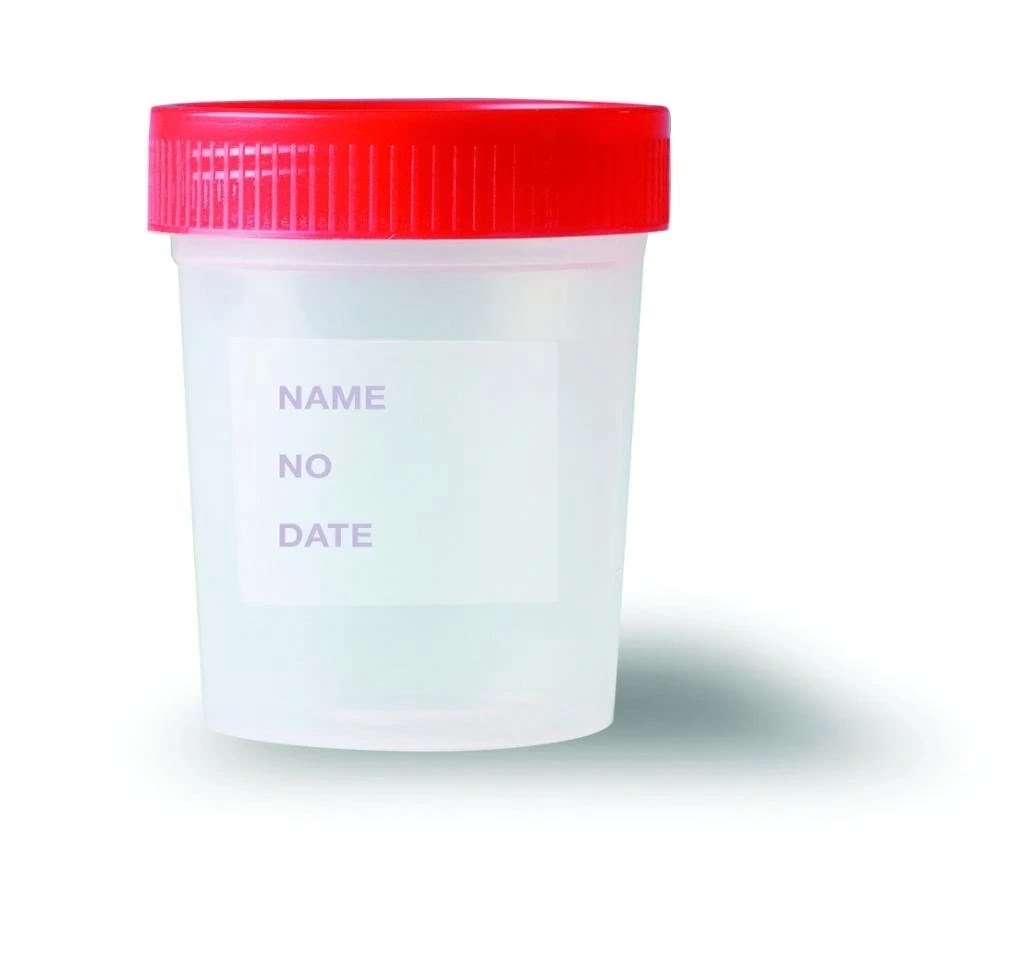
The Siny Supply Hospital Disposable Medical Stool Sample Cup is a single-use specimen collection cup intended for stool sample collection in hospitals and healthcare facilities. As a hospital disposable stool sample cup, it supports clinical departments that require a new collection container for each specimen and procurement teams responsible for maintaining routine medical consumable supplies.
Hospitals collect stool specimens for various diagnostic examinations, including investigations of gastrointestinal symptoms and suspected infections. However, the required collection method and container characteristics depend on the examination. Healthcare facilities must therefore match specimen collection products to their laboratory procedures rather than treating all stool collection cups as interchangeable.
For hospital purchasing teams, selecting a suitable product involves both clinical and operational considerations. In addition to single-use requirements, buyers need to understand departmental demand, laboratory acceptance criteria, inventory allocation, and replenishment planning. These factors help hospitals maintain organized collection supplies across outpatient services, inpatient departments, and laboratory collection areas.
Siny Medical supplies medical specimen collection products to hospitals, diagnostic laboratories, healthcare distributors, and international medical buyers. We support professional customers with product information and bulk purchasing coordination.
This stool sample cup is intended for one-time use.
The single-use design supports hospital collection procedures by providing a new cup for each specimen and avoiding the reuse of previously used containers.
It also eliminates the need to clean and reprocess a used cup for another collection procedure.
However, disposable use does not guarantee contamination-free collection. Healthcare personnel must still follow appropriate specimen collection, identification, and handling practices.
After use, healthcare facilities should manage the product according to their established infection-control and waste-handling procedures.
The product is intended for collecting fecal specimens for laboratory examination.
Hospitals may use stool collection cups during diagnostic workflows involving gastrointestinal conditions.
The collection method and container requirements depend on the requested examination and receiving laboratory’s procedures.
Hospitals organize specimen collection across different departments.
Outpatient clinics, inpatient services, and laboratory collection areas may have different collection procedures and consumption patterns.
A dedicated disposable stool collection product helps purchasing teams identify the appropriate consumable category for these workflows.
Hospital procurement teams often manage multiple categories of specimen collection supplies.
Clearly identifying this product as a disposable stool sample cup helps distinguish it from containers intended for urine, sputum, or other specimen types.
It also helps purchasing teams organize product records and departmental requests.
| Specification | Details |
|---|---|
| Product Name | Siny Supply Hospital Disposable Medical Stool Sample Cup |
| Product Category | Stool Sample Collection Cup |
| Usage | Single Use |
| Intended Application | Stool Specimen Collection |
| Application Setting | Hospital / Healthcare |
Outpatient departments may provide stool collection cups to patients before diagnostic examinations.
Healthcare professionals should explain the collection procedure and specimen submission requirements.
For purchasing teams, outpatient demand may depend on patient visits and the number of examinations requiring stool specimens.
Inpatient departments may collect stool specimens according to medical examination requests.
Healthcare personnel should follow the relevant collection and identification procedures.
Meanwhile, procurement teams can review departmental usage when estimating the quantity of disposable collection cups required.
Hospital laboratories receive stool specimens for different diagnostic examinations.
Depending on the test, laboratories may establish requirements for container characteristics, specimen identification, and handling conditions.
Therefore, laboratory personnel should communicate these requirements to purchasing teams before products are selected.
Hospitals may distribute specimen collection supplies through centralized stores or departmental inventory systems.
Outpatient clinics, inpatient services, and laboratory collection areas may request different quantities.
Clear product classification and departmental demand records help purchasing teams organize supply allocation and replenishment.
Hospitals should begin by identifying the examinations that require stool specimen collection.
Different tests may have different collection procedures.
Some examinations use general collection containers, while others require specialized devices or preservation methods.
Therefore, the receiving laboratory’s requirements should guide product selection.
This product is intended for one-time use.
Hospitals should identify which departments require disposable stool collection supplies and estimate expected consumption.
Clear single-use identification also helps purchasing teams organize medical consumables separately from reusable equipment.
Container capacity, material, and closure configuration may influence product selection.
Healthcare facilities should identify any specific requirements established by their laboratories.
For example, a laboratory may specify a particular container size or closure type according to its procedures.
These requirements should be clarified before purchasing.
Disposable and sterile describe different product characteristics.
Disposable indicates that a product is intended for one-time use, while sterile refers to a separately specified microbiological condition.
A disposable stool sample cup is not necessarily sterile.
Hospitals should therefore identify whether the intended examination requires a sterile collection product.
Laboratories may establish specimen acceptance requirements related to container suitability, identification, collection method, and handling conditions.
Hospital purchasing teams should review these criteria before selecting collection supplies.
This helps align procurement decisions with laboratory workflows.
| Selection Factor | Buyer Consideration |
|---|---|
| Intended Examination | Which stool tests require collection cups? |
| Usage | Is a single-use product required? |
| Material | Does the laboratory specify a material? |
| Sterility Requirement | Does the procedure require a sterile container? |
| Capacity | What container size is required? |
| Closure Configuration | Does the laboratory specify a closure type? |
| Laboratory Acceptance | What specimen receiving requirements apply? |
| Departmental Demand | Which hospital departments need the product? |
| Purchasing Quantity | What is the expected consumption volume? |
This checklist helps hospitals prepare consistent purchasing requirements across clinical departments.
Healthcare professionals should provide patients with the collection instructions required for the examination.
The appropriate method depends on the test and laboratory procedures.
Patients should follow the guidance provided by their healthcare facility or receiving laboratory.
Patients should avoid mixing stool specimens with urine, toilet water, or other unwanted materials.
Such contamination may affect specimen suitability for certain examinations.
Healthcare professionals should explain the appropriate collection method according to the intended test.
Healthcare personnel should associate each collected specimen with the correct patient and examination request.
Laboratories may require specific identification information on specimen labels or accompanying documents.
After collection, specimens should be submitted according to the receiving laboratory’s instructions.
Each collection cup is intended for one procedure.
Healthcare facilities should use a new cup for each specimen and avoid reusing previously used containers.
After specimen processing, staff should manage used products according to applicable infection-control and waste-handling procedures.
Hospitals often organize medical consumable purchasing through centralized procurement systems.
Individual departments may submit requests based on expected specimen collection activity.
Purchasing teams can then consolidate these requirements and prepare purchasing quantities according to overall demand.
For example, outpatient services and inpatient departments may require different quantities of stool collection cups.
Clear product classification helps centralized procurement teams distinguish disposable stool collection products from other specimen containers.
After purchasing, hospitals may distribute collection supplies to different departments.
The allocation process can reflect departmental usage, available inventory, and expected collection activity.
For example, a laboratory collection area may require a different replenishment schedule from an inpatient department.
Maintaining clear inventory records helps purchasing teams organize supplies across multiple locations.
Hospitals may need to replenish disposable stool collection cups regularly.
Procurement teams can review historical consumption, current stock, and expected demand to estimate future purchasing quantities.
In addition, departments may report changes in specimen collection activity that affect consumption.
These factors help hospitals prepare replenishment plans according to operational requirements.
Hospital laboratories may purchase stool collection cups directly or through healthcare distributors.
Before ordering, laboratory purchasing teams should identify the intended examinations and any required container characteristics.
For example, buyers may need to specify capacity, material, closure configuration, or sterility requirements.
Clear purchasing information helps laboratories organize suitable collection supplies.
Healthcare distributors supply specimen collection products to hospitals, clinics, and diagnostic laboratories.
Different customers may request different product categories.
For example, one customer may require a general disposable stool sample cup, while another specifies a sterile collection product.
Therefore, distributors should distinguish these requirements when preparing quotations and purchasing records.
Clear product information also supports repeat purchasing and inventory organization.
Providing accurate purchasing information helps suppliers understand customer requirements.
| Purchasing Factor | Product Information or Buyer Requirement |
|---|---|
| Product Name | Siny Supply Hospital Disposable Medical Stool Sample Cup |
| Product Category | Stool Sample Collection Cup |
| Usage | Single Use |
| Intended Application | Stool Specimen Collection |
| Application Setting | Hospital / Healthcare |
| Departmental Demand | Outpatient, inpatient, or laboratory requirements |
| Material | Buyer to specify required material |
| Sterility Requirement | Buyer to confirm whether a sterile product is required |
| Capacity | Buyer to specify required container size |
| Closure Configuration | Buyer to specify required closure type |
| Estimated Quantity | Buyer to provide purchasing volume |
| Destination Market | Buyer to identify applicable documentation needs |
| Delivery Destination | Buyer to provide destination details |
Siny Medical supports hospitals, clinical laboratories, and healthcare distributors with product information and bulk purchasing coordination.
A hospital disposable stool sample cup is a single-use specimen collection product intended for collecting fecal samples in hospital and healthcare settings.
Single-use cups support collection procedures that provide a new container for each specimen. They also avoid the need to clean and reprocess previously used collection products.
Outpatient departments, inpatient services, and hospital laboratory collection areas may require stool sample cups according to their specimen collection procedures.
No. Disposable describes single-use design, while sterile describes a separate product characteristic. Hospitals should confirm sterility when their collection procedures require it.
Hospitals can review departmental collection volumes, historical usage, and expected demand to estimate purchasing quantities.
Procurement teams should review the intended examination, single-use requirements, container configuration, laboratory acceptance criteria, departmental demand, and purchasing quantities.
Hospitals can monitor available inventory, review consumption patterns, and coordinate departmental requests to prepare replenishment schedules.
Yes. Siny Medical supplies disposable stool specimen collection products to professional healthcare buyers, including hospitals, laboratories, and medical distributors.
Siny Medical supplies the Siny Supply Hospital Disposable Medical Stool Sample Cup for hospitals, clinical laboratories, healthcare distributors, and international medical buyers. Its single-use design and dedicated stool specimen application support hospital collection workflows, while its clear product classification helps purchasing teams organize departmental supply and bulk procurement requirements. Contact Siny Medical to discuss your product requirements, purchasing quantities, and bulk quotation needs.
Copyright © 2026 | Ningbo Siny Medical Technology Co., Ltd