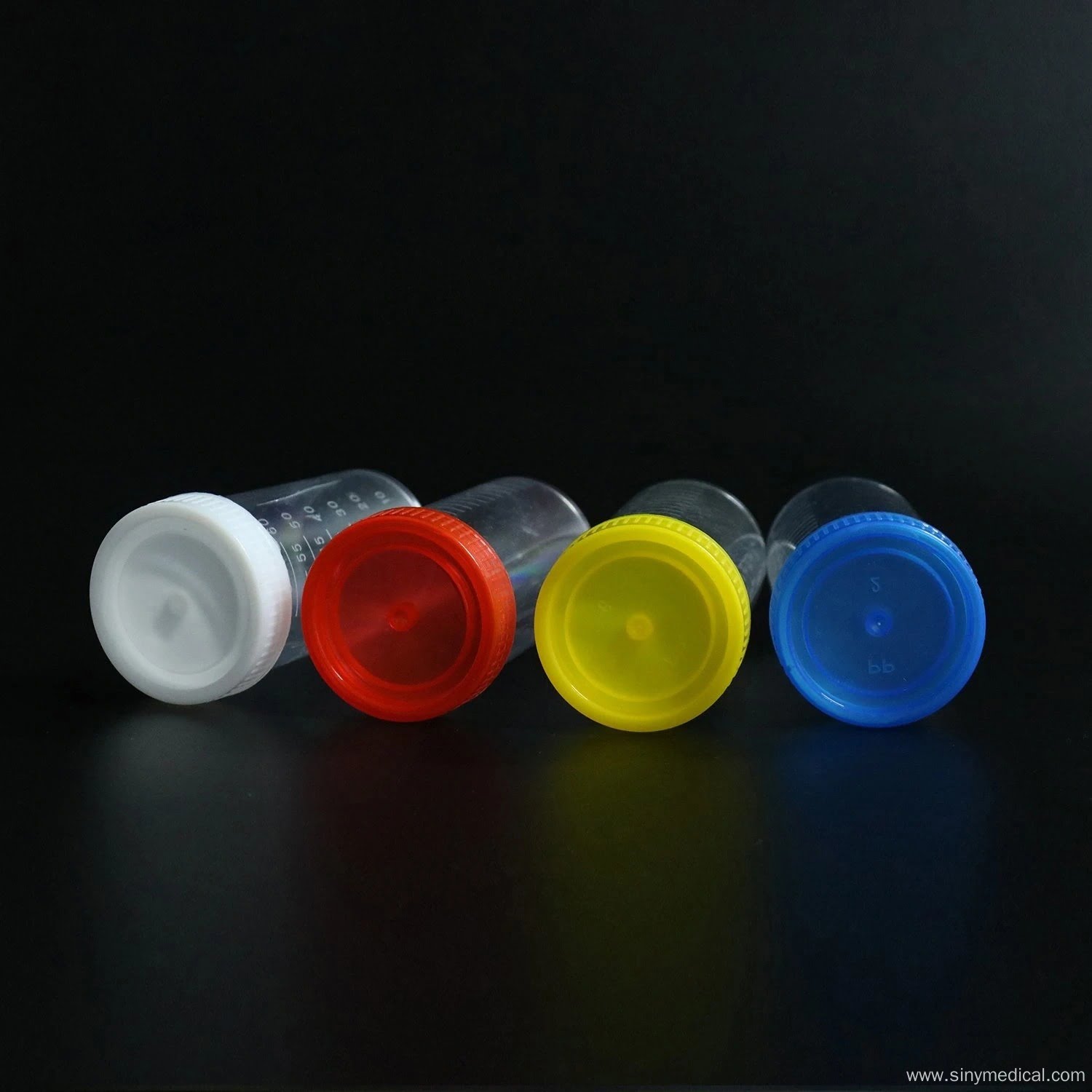
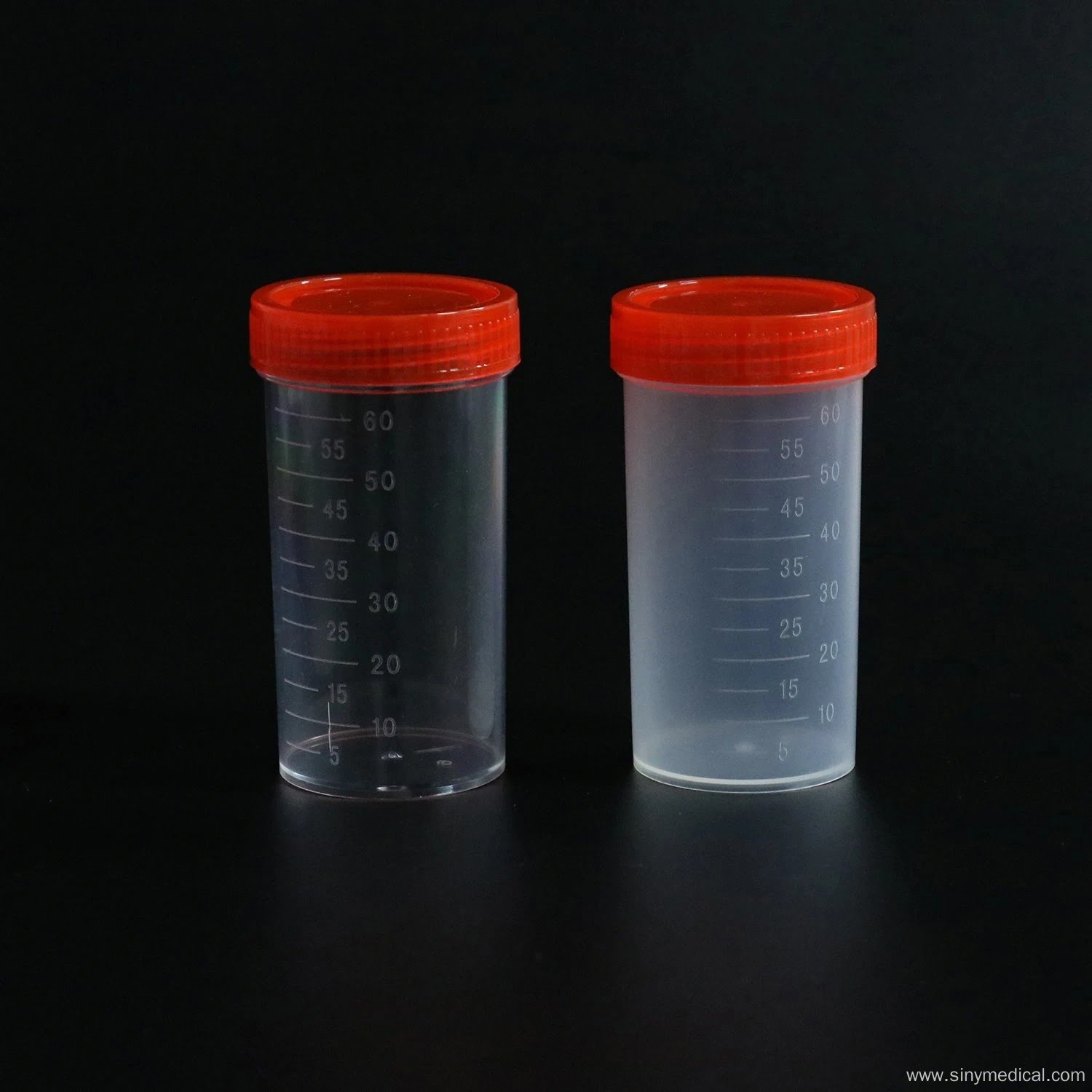
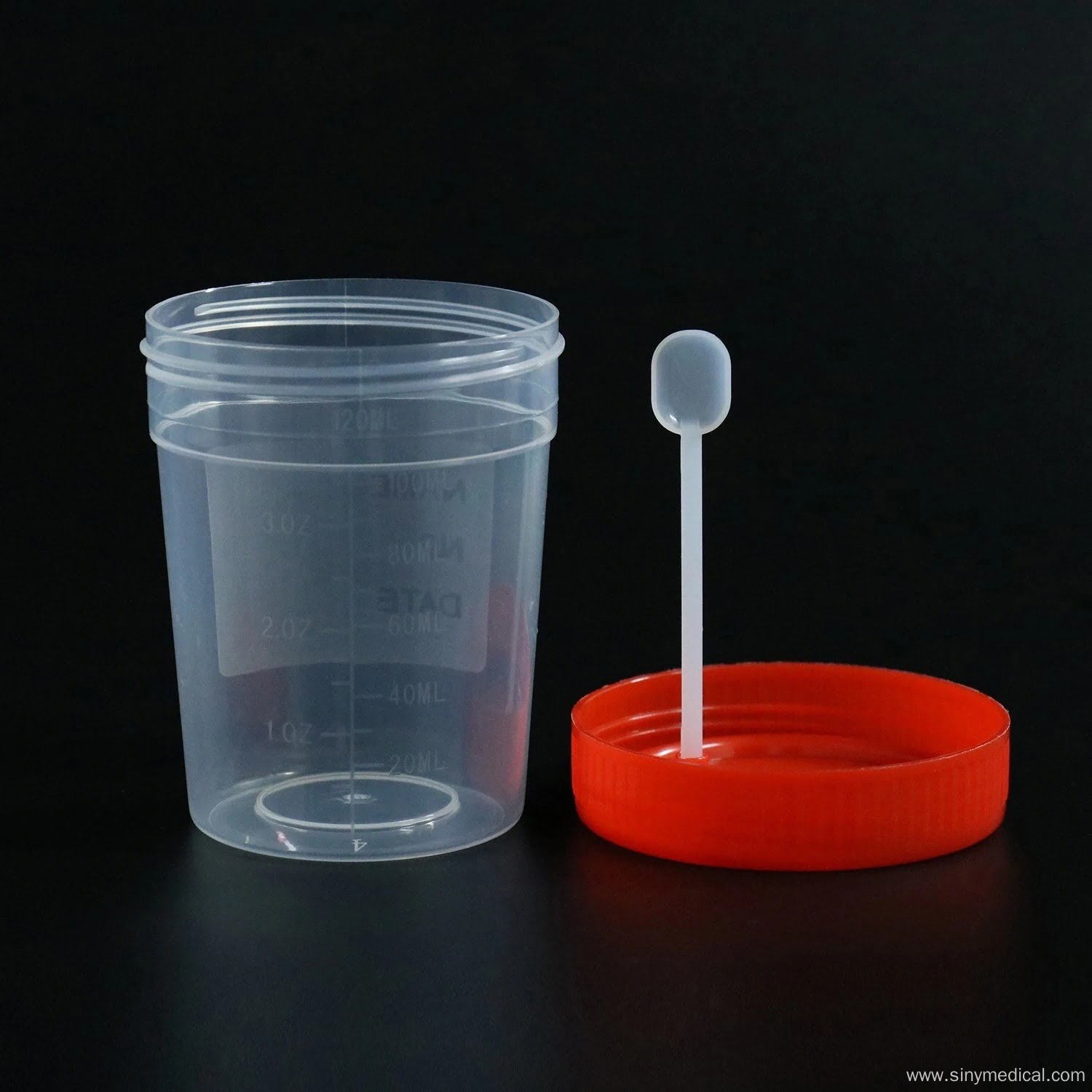
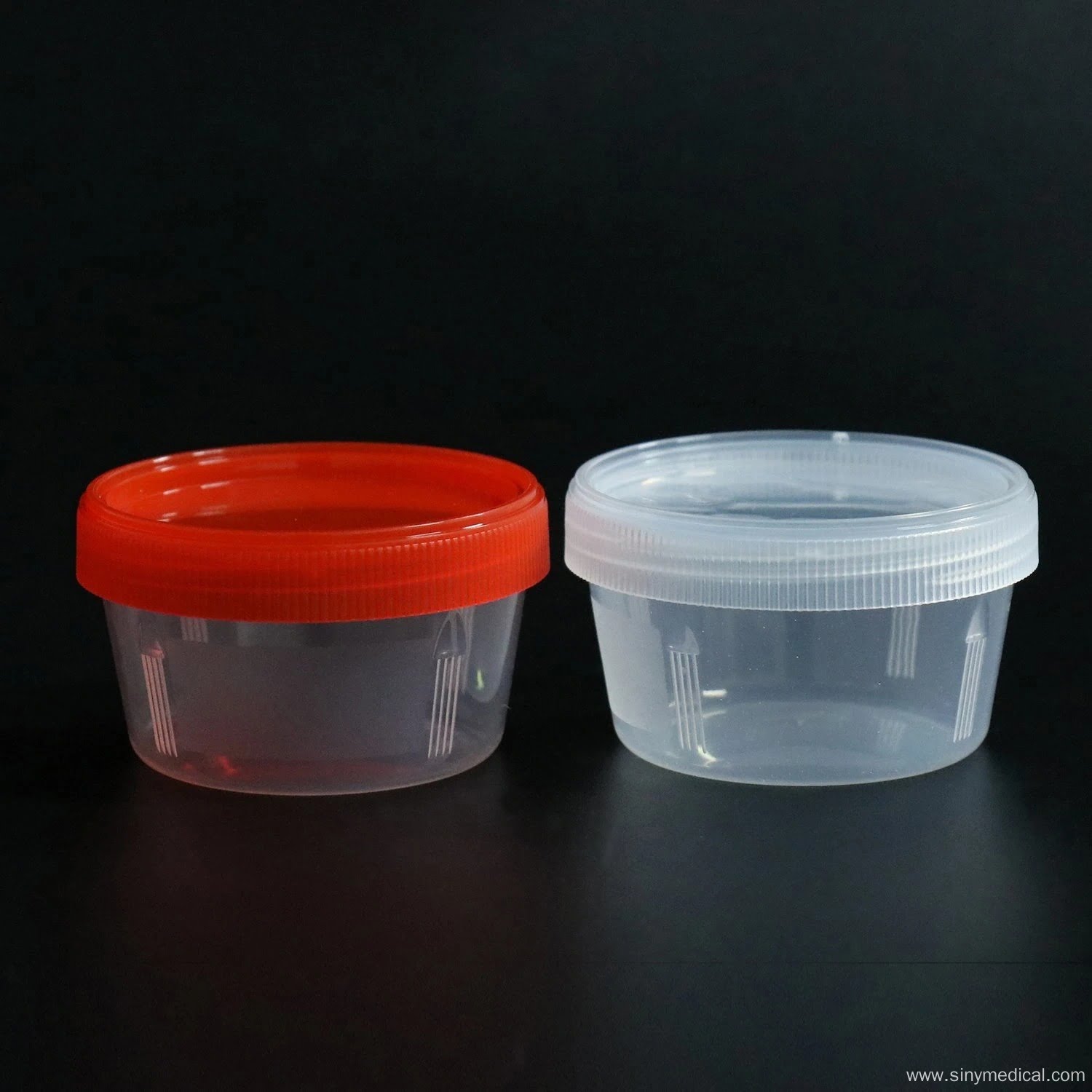
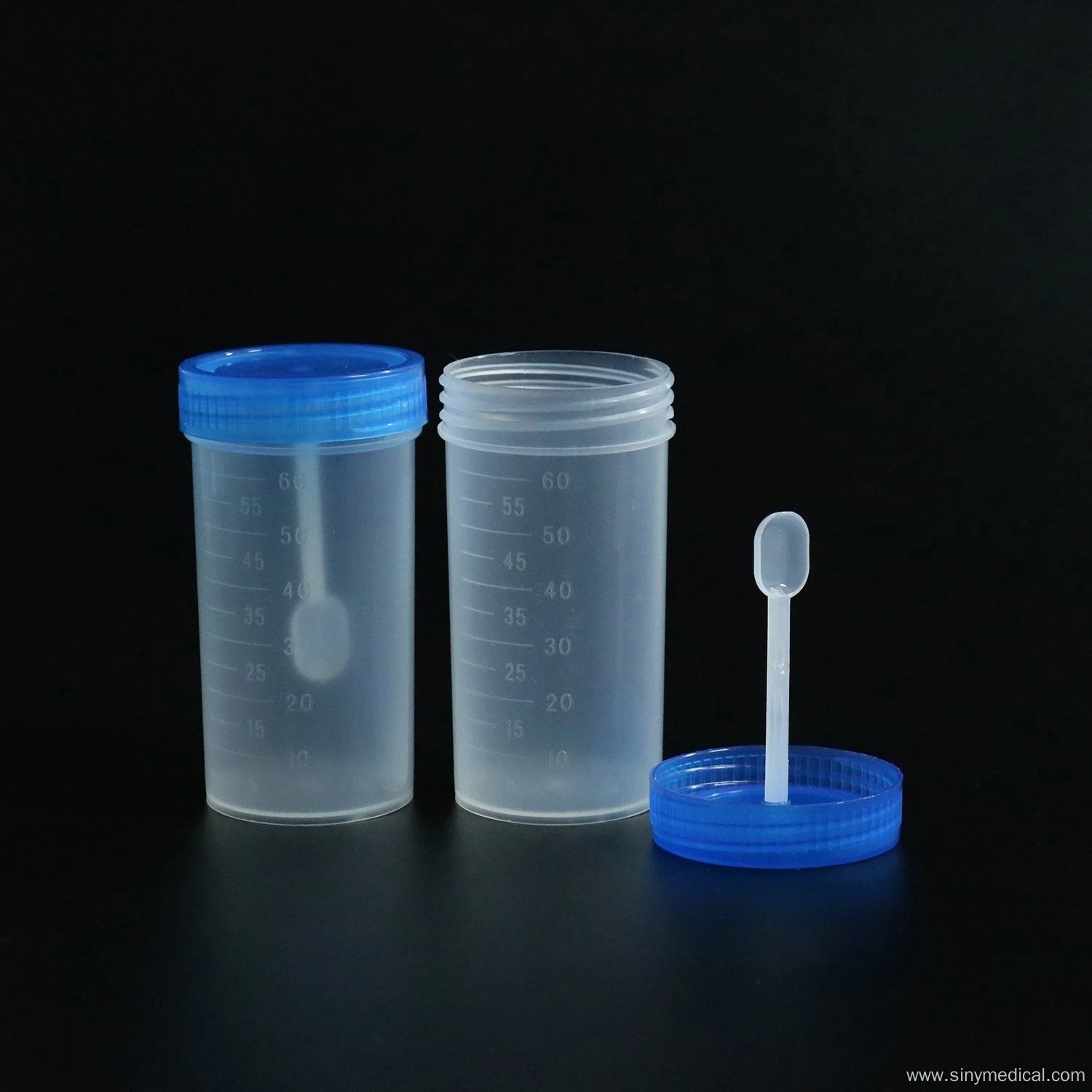
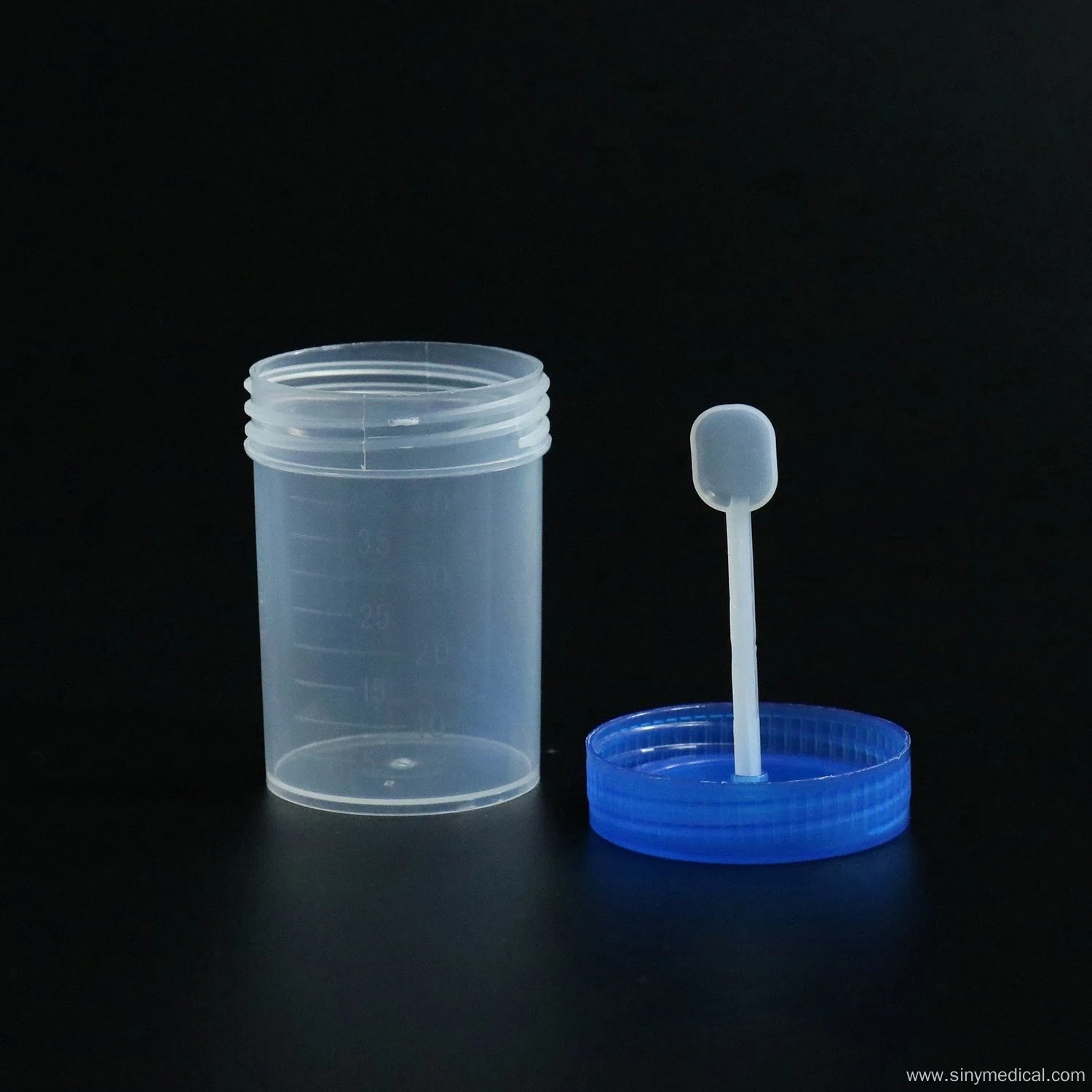
Model No.: | Stool sample cup |
Brand: | Siny |
Logo Printing: | With Logo Printing |
Material: | Plastic |
Quality Guarantee Period: | Two Years |
Ethylene Oxide Sterilization: | Ethylene Oxide Sterilization |
Place Of Use: | Laboratory or Hospital |
Type: | Laboratory Supplies |
Group: | All Persons |
The Hospital Disposable Medical Supplies Stool Cup is a single-use medical collection product intended for collecting stool specimens in hospital and clinical laboratory workflows. As a hospital disposable stool cup, it supports healthcare facilities that require disposable collection supplies for outpatient services, inpatient wards, and other clinical departments.
Hospitals use stool collection products during diagnostic examinations involving gastrointestinal conditions. However, selecting the appropriate container is only one part of the collection process. Healthcare personnel must also follow laboratory instructions, identify specimens correctly, and manage collection products after use.
Because disposable stool cups serve a single-use purpose, hospitals need to consider their ongoing consumption when planning medical supply purchases. Departmental demand, inventory allocation, and replenishment schedules can influence purchasing quantities. In addition, healthcare facilities must follow appropriate waste-handling procedures after using collection products.
Siny Medical supplies medical specimen collection products to hospitals, healthcare distributors, and international medical buyers. We support professional customers with product information and bulk purchasing coordination.
The product is intended for one-time use during stool specimen collection.
A disposable collection cup supports a workflow in which healthcare personnel use each product for a single collection procedure. Afterward, staff manage the used product according to hospital procedures and applicable waste-management requirements.
This single-use characteristic also influences purchasing plans because hospitals must replenish consumed supplies rather than return used products to inventory.
Hospitals may require stool collection products across several departments.
For example, outpatient services may provide collection cups to patients, while inpatient wards may maintain supplies for patients who require laboratory examinations during hospitalization.
As a result, purchasing teams may need to coordinate supply requirements across multiple clinical departments.
This product belongs to the stool specimen collection category.
Hospitals manage different specimen collection products for stool, urine, sputum, and other specimen types.
Therefore, clear product identification helps central supply departments organize medical consumables and distinguish collection products by their intended application.
Disposable collection products contribute to ongoing medical consumable demand.
Hospitals may monitor the number of collection cups issued to departments, track consumption, and review remaining inventory.
In addition, purchasing teams can use these records to prepare replenishment plans based on expected clinical activity.
| Specification | Details |
|---|---|
| Product Name | Hospital Disposable Medical Supplies Stool Cup |
| Product Category | Stool Collection Cup |
| Usage | Disposable / Single Use |
| Intended Application | Stool Specimen Collection |
| Healthcare Setting | Hospital |
| Supply Category | Medical Supplies |
Outpatient departments may provide stool collection cups when physicians request fecal examinations.
Healthcare personnel should supply the appropriate collection product and explain the examination-specific collection instructions.
However, outpatient demand may vary according to appointment volumes and diagnostic activity.
Therefore, purchasing teams can review historical usage and expected patient demand when planning departmental supplies.
Inpatient wards may maintain disposable stool collection products for patients who require laboratory examinations during hospitalization.
Nursing personnel coordinate specimen collection according to clinical orders and hospital procedures.
To support these activities, wards may maintain departmental stock through their hospital supply systems.
Regular consumption records can help purchasing personnel estimate replenishment requirements.
Hospitals often organize medical consumables through central purchasing or storage departments.
These departments may receive supplies in bulk and distribute them to outpatient services, inpatient wards, and other clinical units.
For example, central supply personnel can record the quantities issued to each department.
This approach helps hospitals monitor product movement and maintain clear inventory records.
Different hospital departments may use disposable stool cups at different rates.
As a result, purchasing teams should distinguish departmental consumption from total hospital purchasing volume.
A department’s usage history can provide a starting point for estimating future demand. However, actual consumption may change with patient activity, clinical procedures, and examination requests.
Therefore, hospitals can review usage records regularly and adjust replenishment quantities when necessary.
Inventory coordination involves more than storing collection products.
Hospitals may need to identify which departments use stool cups, how frequently they request replenishment, and how much stock remains available.
In addition, purchasing personnel can maintain consistent product descriptions to distinguish disposable stool cups from other specimen collection supplies.
Clear records support departmental communication and repeat purchasing.
The hospital disposable stool cup is intended for single-use stool specimen collection.
Therefore, hospitals should identify disposable usage as a product requirement when preparing purchasing specifications.
Sterility is a separate characteristic. A disposable designation does not automatically indicate that a product is sterile.
The receiving laboratory determines the collection requirements for each examination.
Some stool tests use general collection containers that meet laboratory criteria. In contrast, specialized examinations may require dedicated collection devices, preservatives, or particular handling procedures.
For this reason, procurement teams should confirm the intended examination before selecting collection supplies.
Hospitals may need to specify container capacity, material, closure configuration, or sterility.
These requirements depend on the intended examination and the laboratory’s collection procedures.
For example, a laboratory may request a particular container size or closure type.
Purchasing teams should record such requirements separately from the product’s disposable designation.
Hospital purchasing teams should identify which departments require disposable stool collection products.
They can then review expected consumption, current inventory, and replenishment schedules.
Furthermore, clear product descriptions help central supply personnel distribute the correct collection products to the relevant departments.
| Selection Factor | Hospital Purchasing Consideration |
|---|---|
| Intended Application | Which departments require stool collection supplies? |
| Usage | Does the hospital require single-use products? |
| Intended Examination | Which laboratory examinations will use the product? |
| Container Capacity | Does the laboratory specify a capacity? |
| Material | Does the laboratory require a particular material? |
| Closure Configuration | Does the laboratory specify a closure type? |
| Sterility | Does the examination require a sterile container? |
| Laboratory Acceptance | Which specimen receiving criteria apply? |
| Departmental Demand | What quantities do departments expect to use? |
| Replenishment Planning | How frequently does the hospital review stock? |
This checklist helps hospital buyers connect clinical requirements with departmental purchasing needs.
Healthcare personnel should follow the hospital’s collection procedures and the receiving laboratory’s instructions.
Before collection, staff should identify the appropriate product for the requested examination.
In addition, patients should receive the collection instructions applicable to their tests.
Patients or healthcare personnel should collect specimens according to the examination-specific instructions.
The required specimen quantity depends on the test.
Healthcare personnel should also associate each specimen with the correct patient and examination request.
Correct identification supports specimen traceability during submission and laboratory processing.
Healthcare facilities should submit stool specimens according to the receiving laboratory’s requirements.
Some examinations specify delivery timeframes, storage conditions, or particular handling procedures.
Therefore, staff should follow the applicable laboratory instructions rather than assuming that all stool specimens require identical handling.
The disposable design establishes the product’s single-use purpose.
Healthcare personnel should not reuse a collection cup after its intended use.
When the cup enters the waste stream, staff should classify and dispose of it according to contamination risks, institutional waste-management procedures, and applicable local regulations.
Not every used collection cup necessarily belongs to the same waste category. The appropriate classification depends on the circumstances of use.
Hospitals establish waste-management procedures for used medical consumables.
These procedures may include segregation, collection, temporary storage, and disposal.
Healthcare personnel should follow the requirements applicable to their facility and the actual condition of the used product.
In addition, hospitals can incorporate post-use handling instructions into their departmental collection procedures.
Hospitals may purchase disposable stool collection products through centralized procurement departments.
These teams often consolidate requirements from outpatient services, inpatient wards, and clinical laboratories.
Before ordering, procurement personnel should confirm the intended application, single-use requirement, and any additional container specifications.
Furthermore, centralized purchasing teams can review departmental demand when estimating total purchasing quantities.
Siny Medical supports professional healthcare buyers with product information and bulk purchasing coordination.
Disposable products require ongoing replenishment because healthcare facilities do not reuse them after their intended use.
Hospitals can estimate purchasing demand by reviewing the number of collection cups consumed during previous periods.
For example, a purchasing team may compare monthly departmental consumption with current inventory and anticipated clinical activity.
However, actual usage may vary according to patient volumes, examination requests, and departmental procedures.
Therefore, historical consumption should serve as a planning reference rather than a fixed purchasing requirement.
Hospitals may distribute medical consumables from central storage to individual departments.
Purchasing teams can maintain records of the quantities issued to outpatient services, inpatient wards, and other relevant units.
In addition, departments can report consumption and remaining stock through their internal supply procedures.
These records help purchasing personnel identify replenishment needs and organize stock allocation.
Medical distributors may supply disposable stool collection products to hospitals and healthcare institutions.
Before preparing quotations, distributors should confirm the customer’s intended application, single-use requirements, and any additional container specifications.
For example, customers may specify capacity, material, closure configuration, or sterility according to laboratory requirements.
Clear purchasing information helps distributors distinguish similar collection products and prepare accurate customer records.
Hospitals and distributors may organize repeat purchases according to expected demand.
Purchasing teams can review historical consumption, current stock, and anticipated clinical activity when planning replenishment.
Furthermore, consistent product descriptions help buyers distinguish disposable stool cups from other specimen collection supplies.
This supports purchasing communication across departments and customer accounts.
A clear purchasing inquiry should separate confirmed product characteristics from additional buyer requirements.
| Purchasing Factor | Product Information or Buyer Requirement |
|---|---|
| Product Name | Hospital Disposable Medical Supplies Stool Cup |
| Product Category | Stool Collection Cup |
| Usage | Disposable / Single Use |
| Intended Application | Hospital Stool Specimen Collection |
| Healthcare Setting | Hospital |
| Departmental Application | Buyer to identify relevant departments |
| Intended Examination | Buyer to identify laboratory requirements |
| Container Capacity | Buyer to specify required size |
| Material | Buyer to specify required material |
| Closure Configuration | Buyer to specify required type |
| Sterility Requirement | Buyer to identify applicable requirements |
| Departmental Consumption | Buyer to estimate expected usage |
| Estimated Order Quantity | Buyer to provide purchasing volume |
| Destination Market | Buyer to identify applicable documentation needs |
| Delivery Destination | Buyer to provide destination details |
By organizing purchasing requirements clearly, hospitals and distributors can communicate their medical consumable needs more effectively.
Siny Medical supplies medical specimen collection products for professional healthcare purchasing and distribution.
A hospital disposable stool cup is a single-use medical collection product intended for collecting stool specimens in hospital and clinical laboratory workflows.
Single-use collection cups support disposable specimen collection procedures. After use, healthcare personnel manage the products according to hospital handling and waste-management requirements.
No. Disposable describes single-use design, while sterile refers to a separate product characteristic. Therefore, hospitals should confirm sterility requirements according to the intended examination.
Not necessarily. Some examinations require specialized collection devices, preservatives, or particular container characteristics. The receiving laboratory’s requirements should guide product selection.
Outpatient services, inpatient wards, and other departments involved in stool specimen collection may require these products. However, actual demand depends on hospital activities and examination requests.
Hospitals should classify and dispose of used collection cups according to contamination risks, institutional waste-management procedures, and applicable local regulations.
Purchasing teams can review historical departmental usage, current inventory, and expected clinical activity. In addition, regular consumption monitoring can help hospitals adjust replenishment quantities.
Yes. Siny Medical supplies medical specimen collection products to professional healthcare buyers, including hospitals and medical distributors. Buyers can organize bulk inquiries according to their product requirements and expected purchasing quantities.
Siny Medical supplies the Hospital Disposable Medical Supplies Stool Cup for hospitals, healthcare distributors, and international medical buyers. Its disposable design supports single-use stool specimen collection, while its hospital-oriented application helps purchasing teams organize departmental consumption and medical consumable procurement. Contact Siny Medical to discuss your product requirements, purchasing quantities, and bulk quotation needs.
Copyright © 2026 | Ningbo Siny Medical Technology Co., Ltd