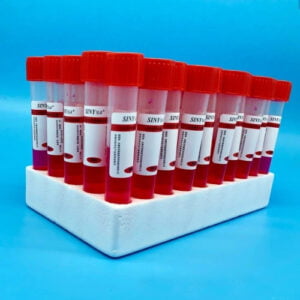
| Item | Specification |
|---|---|
| Product Name | Disposable Product Virus Sampling Tube Swab |
| Product Category | Viral Specimen Collection Consumables |
| Product Type | Disposable Virus Sampling Tube |
| Product Configurations | Multiple Configurations |
| Application | Viral Specimen Collection and Transport |
The Disposable Virus Sampling Tube from Siny Medical is a single-use medical consumable for viral specimen collection and transportation. We supply viral sampling products for hospitals, diagnostic laboratories, clinics, and medical distributors. Our product range includes multiple configurations to support different collection procedures and purchasing requirements.
Disposable specimen collection products play an important role in daily healthcare operations. Each collection procedure requires suitable materials, clear handling instructions, and an organized method for transferring specimens to the laboratory. Using single-use collection components eliminates the need to clean and reprocess them for another patient.
A viral sampling workflow commonly involves a collection swab, a specimen container, and a suitable transport arrangement. Where required by the laboratory procedure, viral transport medium (VTM) helps maintain conditions appropriate for the intended examination. The collection system must match the specimen type and diagnostic method.
For healthcare buyers, product selection involves both clinical workflow requirements and practical supply considerations. Hospitals need consistent access to sampling consumables, while distributors must manage product configurations, customer demand, and recurring orders.
At Siny Medical, we provide viral specimen collection products for healthcare organizations seeking practical, dependable procurement arrangements.
Our viral sampling products are disposable medical consumables intended for single-use collection procedures.
A single-use approach avoids the need to clean and reprocess collection components between patients. It also supports established infection prevention practices when healthcare personnel follow the applicable collection and disposal procedures.
For busy healthcare facilities, disposable products simplify preparation. Staff can organize the required supplies before collection and discard used components through the appropriate waste management process afterward.
Siny Medical offers viral sampling consumables in multiple configurations.
Healthcare facilities can select products according to their established collection methods and purchasing arrangements. Different workflows may require different combinations of collection components.
For example, one laboratory may organize swabs and tubes together for routine sampling activities. Another may manage individual consumables through separate inventory systems.
Our product range supports these different procurement needs without requiring facilities to change their established procedures.
A sampling swab collects material from the designated collection site.
The swab tip and shaft influence how healthcare professionals handle the device during collection. Different procedures may require different swab characteristics.
Therefore, healthcare facilities should select swabs according to the intended specimen collection method and diagnostic test requirements.
Appropriate swab selection helps staff maintain consistency during routine collection activities.
The sampling tube provides a container for the collected specimen during the intended handling and transport process.
The container and its closure are important parts of the collection arrangement. After collection, healthcare personnel secure the specimen according to the applicable procedure.
Clear identification also helps laboratory staff associate each specimen with the correct examination request.
Together, suitable containment and identification practices support organized specimen handling.
Viral specimen collection products must fit the laboratory’s intended examination workflow.
For example, some diagnostic methods specify acceptable swab materials, transport media, and specimen handling conditions.
The selected collection system should follow those requirements.
This makes compatibility with the laboratory procedure an important purchasing consideration, rather than relying only on the appearance or general category of the sampling product.
Disposable collection products are regularly consumed during healthcare operations.
Hospitals and laboratories therefore need to plan stock levels according to their expected sampling activity.
Our multiple configurations help customers organize their purchasing requirements, while consistent product identification supports inventory management and order planning.
Healthcare facilities use disposable sampling consumables in routine clinical collection procedures.
Qualified personnel select the appropriate collection device and follow the prescribed technique for the intended specimen.
After collection, staff place the specimen into the designated transport system and prepare it for laboratory examination.
Single-use collection components support an organized workflow without requiring reprocessing for subsequent patients.
Respiratory specimens are commonly collected for viral diagnostic testing.
Depending on the test, collection procedures may involve nasal, nasopharyngeal, or throat specimens obtained with suitable devices.
The collection technique and transport arrangement should follow the applicable diagnostic instructions.
For hospitals and clinics, maintaining the correct supplies helps staff prepare for routine respiratory specimen collection.
Clinical laboratories receive specimens from hospitals, clinics, and other collection locations.
Disposable collection products form part of the supply chain connecting these locations with the testing laboratory.
Standardized collection procedures help staff identify, handle, and receive specimens consistently.
In addition, clear product identification makes it easier for laboratories to manage collection materials across different departments.
Suitable viral specimen collection systems are used in molecular diagnostic procedures, including PCR-based testing.
The collection device and transport materials must meet the requirements of the intended assay.
For example, a laboratory may specify particular collection materials and handling conditions for a diagnostic method.
Purchasing teams should follow those specifications when selecting consumables.
Healthcare organizations may conduct specimen collection activities across multiple departments or locations.
These programs require coordinated purchasing, stock distribution, and collection procedures.
Disposable consumables help facilities organize the materials needed for each collection session.
Meanwhile, consistent purchasing arrangements can reduce confusion when different sites use the same collection protocol.
Medical distributors supply viral sampling products to hospitals, laboratories, clinics, and healthcare organizations.
Their customers may require different collection components and purchasing quantities.
Siny Medical supplies viral sampling consumables for distributors managing these varied procurement needs.
Disposable specimen collection products are one part of a broader infection prevention process. Their single-use design helps healthcare facilities avoid the risks associated with cleaning and reusing collection components.
However, safe specimen collection also depends on staff practices, handling procedures, and appropriate waste disposal.
Before collection, healthcare personnel should prepare the required sampling components and confirm that they match the intended procedure.
Staff should inspect the packaging and follow the applicable product instructions.
Preparing materials in advance helps maintain an organized collection area and reduces unnecessary handling during the procedure.
Single-use collection components should be used only for their intended collection procedure.
They should not be cleaned or reused for another patient.
This approach supports infection prevention practices by avoiding the transfer of used collection materials between patients.
Healthcare personnel must also follow the appropriate hand hygiene and protective equipment requirements.
After collection, staff should place the specimen into the designated container according to the applicable protocol.
They should secure the container and complete the required identification.
Proper specimen handling helps maintain an organized workflow between the collection area and the laboratory.
Used collection materials require appropriate handling and disposal.
Healthcare facilities should follow their applicable medical waste management procedures, including segregation of contaminated materials.
The disposal method depends on the waste category and local healthcare requirements.
Staff should not place potentially infectious collection materials into ordinary waste streams unless the applicable rules permit that disposal route.
| Collection Stage | Recommended Practice | Main Purpose |
|---|---|---|
| Before Collection | Prepare appropriate unused components | Reduce unnecessary handling |
| Patient Sampling | Use the prescribed collection technique | Support consistent collection |
| Single-Use Practice | Do not reuse disposable components | Avoid cross-patient reuse |
| Specimen Handling | Secure and identify the specimen | Support organized sample handling |
| Transportation | Follow laboratory transport requirements | Maintain the intended workflow |
| After Collection | Dispose of used components appropriately | Support infection prevention |
| Stock Management | Store unused products as instructed | Protect supplies before use |
Disposable collection products support these practices, but they do not replace staff training or established infection prevention procedures.
Selecting a Disposable Virus Sampling Tube requires attention to the intended collection procedure, laboratory requirements, product configuration, and expected consumption.
For hospitals and distributors, these factors influence both daily operations and long-term purchasing decisions.
Start by identifying the type of specimen collection procedure.
Different collection methods may require different sampling devices and transport arrangements.
For example, respiratory specimen collection should follow the requirements of the intended diagnostic test.
The selected product should fit the healthcare facility’s established procedure.
A viral sampling workflow may involve a collection swab, a specimen container, and transport materials specified by the laboratory.
Purchasing teams should identify which components they need before ordering.
Some organizations manage related components together. Others purchase individual consumables separately.
Selecting the appropriate arrangement helps avoid unnecessary stock and simplifies collection preparation.
Transport requirements depend on the specimen and intended examination.
For example, different diagnostic methods may specify different acceptable collection materials or handling conditions.
Laboratories should follow their established protocols when selecting transport systems.
This helps ensure that the purchased consumables fit the intended workflow.
Disposable sampling products are consumed during routine collection activities.
Hospitals and laboratories should estimate their purchasing needs based on expected sampling volume.
For example, a facility with regular specimen collection activity may plan recurring orders to maintain adequate stock.
However, purchasing teams should also consider changes in demand and their available storage space.
Different sampling configurations should be clearly identified within the inventory system.
This helps staff select the appropriate collection components for each procedure.
In addition, organized inventory records support purchasing decisions and stock rotation.
For healthcare facilities operating several collection locations, consistent product identification can simplify internal distribution.
Packaging plays an important role in storing and distributing medical consumables before use.
Healthcare organizations should consider how products will be received, stored, and delivered to collection departments.
Distributors should also plan packaging and order quantities according to their customers’ purchasing arrangements.
Clear identification helps reduce confusion when several sampling products are managed together.
Medical distributors and healthcare purchasing organizations often need a consistent supply of disposable collection products.
Before ordering, buyers should define the required configuration, intended application, estimated quantity, packaging preferences, and delivery arrangements.
Siny Medical supports customers sourcing viral sampling consumables for routine procurement and larger healthcare supply programs.
Good inventory management helps healthcare facilities maintain a reliable supply of disposable sampling products.
It also supports organized distribution to departments and collection locations.
Unused collection products should be stored according to their applicable product instructions.
Keep supplies in suitable packaging and protect them from contamination or physical damage.
Staff should also check product identification before distributing items for clinical use.
Hospitals and laboratories may manage several specimen collection products within the same supply area.
Clear identification helps staff distinguish products intended for different procedures.
In addition, organized storage reduces the risk of selecting the wrong collection materials.
Purchasing teams should track stock levels and follow applicable expiration-date management procedures.
Regular inventory checks help facilities identify products that require replacement or replenishment.
This is especially important when multiple departments draw supplies from a shared inventory.
Healthcare organizations with several collection sites need a coordinated distribution process.
Stock planning should reflect the expected activity at each location.
Furthermore, consistent product identification and purchasing records help teams organize deliveries and replenishment.
Routine monitoring of product usage helps purchasing teams plan future orders.
For example, changes in sampling volume may affect how quickly a facility uses its disposable collection supplies.
Reviewing these trends supports more practical inventory planning and reduces unnecessary purchasing pressure.
A disposable virus sampling tube is a single-use specimen collection container used in appropriate viral sampling and transport workflows.
Single-use products eliminate the need to clean and reuse collection components between patients. They support established infection prevention practices when handled and disposed of correctly.
Viral specimen collection workflows commonly involve sampling swabs and collection tubes. The required components depend on the intended collection procedure.
Viral transport medium helps maintain conditions appropriate for transporting specified viral specimens before laboratory examination.
Suitable collection systems are used in PCR-based workflows when their components and transport materials meet the requirements of the intended assay.
Used collection components should be discarded according to the healthcare facility’s applicable medical waste and infection prevention procedures.
Yes. We supply multiple configurations of viral sampling consumables for different collection and purchasing requirements.
Distributors should consider the intended application, required components, product configuration, expected demand, packaging preferences, and delivery arrangements.
Siny Medical supplies Disposable Virus Sampling Tubes and related viral specimen collection consumables for hospitals, diagnostic laboratories, healthcare procurement organizations, and medical distributors. Our multiple product configurations support routine specimen collection and different purchasing requirements. Contact Siny Medical to discuss your disposable sampling product needs, explore available configurations, and request a quotation for bulk orders.
Copyright © 2026 | Ningbo Siny Medical Technology Co., Ltd