| Item | Specification |
|---|---|
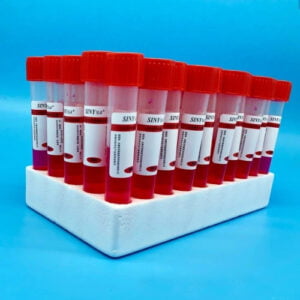
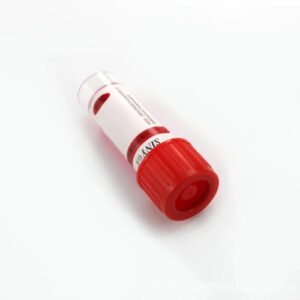
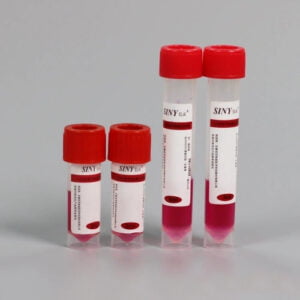
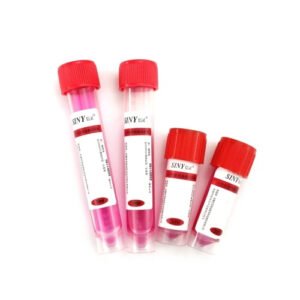
| Product Name | Disposable Nasopharyngeal Swab VTM Sampling Collection Tube |
| Product Category | Viral Specimen Collection Consumables |
| Product Type | Disposable Viral Sampling Tube |
| Product Range | Multiple Configurations |
| Application | Viral Specimen Collection and Transport |
The Nasopharyngeal Swab Collection Tube from Siny Medical is a disposable medical consumable used in respiratory specimen collection and transport workflows. We supply viral sampling tubes and related collection products for hospitals, diagnostic laboratories, clinics, and medical distributors. Our product range includes multiple configurations to support different sampling procedures and purchasing requirements.
Nasopharyngeal sampling is a method of collecting respiratory specimens from the nasopharynx, the area behind the nasal cavity. Healthcare professionals use an appropriate swab to obtain the specimen and then place it into a designated collection or transport system according to the laboratory’s instructions.
The collection process requires coordination between the sampling device, specimen container, and intended diagnostic examination. Where viral transport medium (VTM) is specified, it provides conditions appropriate for transporting certain viral specimens. The suitability of a complete collection system depends on the specimen type, transport materials, and testing method.
For healthcare purchasing teams, selecting nasopharyngeal collection consumables involves more than choosing a tube. They must consider the collection protocol, swab requirements, specimen handling procedures, and laboratory acceptance criteria.
Siny Medical supplies disposable viral sampling products for healthcare organizations seeking suitable collection materials and organized purchasing arrangements.
Our viral sampling products are intended for single-use collection procedures.
Disposable collection components eliminate the need to clean and reprocess them for another patient. This supports established infection prevention practices when healthcare professionals follow the appropriate handling and disposal procedures.
Single-use products also simplify routine collection preparation. Healthcare facilities can organize the necessary materials for each procedure and manage replenishment according to expected demand.
Siny Medical supplies viral sampling consumables in multiple configurations.
Different healthcare facilities may use different collection components depending on their diagnostic procedures. Some purchasing arrangements involve coordinated swab and tube supplies, while others involve individual consumables.
This flexibility helps hospitals and distributors organize product selection around their customers’ requirements.
Nasopharyngeal specimen collection requires a swab appropriate for the intended anatomical site.
The collection device must allow qualified healthcare personnel to follow the prescribed procedure. Its characteristics should meet the requirements of the intended examination.
After sampling, the specimen is transferred or placed into the designated collection system according to the applicable instructions.
The sampling tube serves as a container for the collected specimen during the intended handling and transport process.
Its role is to support the movement of the specimen from the collection location to the laboratory.
Healthcare personnel must secure and identify the container according to their established procedures. The appropriate transport conditions depend on the collection system and diagnostic examination.
A nasopharyngeal specimen may need to travel from a clinic or collection department to a diagnostic laboratory.
Where the laboratory specifies a viral transport medium, the selected system should meet the requirements of the intended examination.
The transport medium, swab, and specimen container should be evaluated together rather than treated as interchangeable components.
Hospitals and laboratories consume sampling products during routine diagnostic activities.
Our multiple configurations support healthcare purchasing teams and distributors sourcing viral collection consumables for their operational needs.
Clear product identification and order planning also help organizations manage inventory across different departments.
Nasopharyngeal sampling collects material from the nasopharynx, an anatomical region located behind the nasal cavity.
This method differs from anterior nasal sampling, which collects material from a more forward region of the nose.
Because the collection sites are different, the techniques and devices should not be considered interchangeable.
Qualified healthcare personnel should follow the procedure specified by the intended diagnostic examination.
Nasopharyngeal specimens are used in appropriate respiratory virus testing workflows.
The intended assay determines which specimen types and collection methods are acceptable.
Some diagnostic procedures accept nasopharyngeal samples, while others specify different respiratory specimens.
Healthcare facilities should select collection materials based on the instructions associated with the test.
Molecular diagnostic laboratories use suitable respiratory specimens for examinations such as nucleic acid amplification testing.
The quality of the specimen collection process can affect subsequent laboratory analysis.
For this reason, laboratories establish requirements for collection devices, transport materials, specimen identification, and handling.
Purchasing teams should use these requirements when selecting consumables.
Hospitals may collect respiratory specimens in outpatient departments, inpatient services, or designated collection areas.
These activities require coordination between clinical staff and laboratory personnel.
Standardized collection materials help staff prepare the required supplies and follow consistent procedures.
In addition, clear specimen identification supports laboratory receiving and processing.
Diagnostic centers may receive specimens from several collection locations.
They need collection systems that fit their testing procedures and specimen acceptance requirements.
Appropriate product selection helps laboratories organize their collection instructions and communicate requirements to referring healthcare facilities.
Medical distributors supply specimen collection products to hospitals, clinics, and diagnostic laboratories.
Their customers may require different sampling components and purchasing quantities.
Siny Medical supports distributors sourcing viral sampling consumables for these healthcare supply requirements.
A nasopharyngeal collection workflow includes preparation, specimen collection, containment, identification, and transportation.
Each stage requires appropriate procedures. The collection tube is one component within this process.
Before sampling, healthcare personnel identify the intended examination and prepare the appropriate collection materials.
They should check the collection instructions and inspect the products before use.
The necessary specimen identification materials should also be available.
Preparation helps staff follow the prescribed workflow without unnecessary interruptions.
A swab used for nasopharyngeal sampling should be suitable for the anatomical site and accepted by the intended diagnostic method.
Relevant selection considerations include the swab tip, shaft characteristics, and materials specified by the assay.
A device intended for anterior nasal or throat collection should not automatically be substituted for a nasopharyngeal swab.
The correct device should be selected according to the applicable instructions.
Qualified healthcare personnel should perform nasopharyngeal sampling using the prescribed technique.
Correct collection is important because the specimen must come from the intended anatomical site.
The procedure also requires appropriate infection prevention measures and attention to patient safety.
Sampling should follow established clinical instructions rather than a generalized collection method.
After collection, the specimen should be placed into the designated transport system according to the applicable procedure.
The handling process depends on the collection device and transport arrangement.
Staff should secure the specimen container and avoid unnecessary handling that could compromise the sample.
Correct identification allows laboratory personnel to associate a specimen with the appropriate patient and test request.
Healthcare facilities should follow their established labeling and documentation procedures.
This is particularly important when a laboratory receives samples from multiple collection sites.
The collected specimen must be transported under the conditions required by the intended examination.
These conditions depend on the specimen type, collection system, and laboratory procedure.
Potentially infectious specimens also require appropriate packaging and handling during transportation.
| Workflow Stage | Main Requirement | Why It Matters |
|---|---|---|
| Preparation | Confirm the examination and collection materials | Supports the prescribed procedure |
| Swab Selection | Choose a suitable nasopharyngeal collection device | Matches the intended anatomical site |
| Specimen Collection | Follow the established sampling technique | Supports appropriate specimen collection |
| Tube Handling | Use the designated collection system | Supports specimen containment |
| Identification | Apply required specimen information | Supports accurate laboratory receiving |
| Transportation | Follow applicable transport requirements | Supports the intended testing workflow |
| Laboratory Receiving | Check the specimen against acceptance criteria | Helps identify unsuitable submissions |
This workflow helps healthcare purchasing teams understand why the sampling tube, swab, and laboratory requirements must be considered together.
Choosing a Nasopharyngeal Swab Collection Tube requires a clear understanding of the intended collection procedure and laboratory examination.
Hospitals and distributors should consider the following factors before purchasing.
Start by confirming that the intended procedure requires nasopharyngeal sampling.
Anterior nasal, mid-turbinate, and nasopharyngeal specimens come from different collection sites.
They may require different devices and techniques.
Purchasing teams should therefore use the laboratory’s exact collection instructions when selecting supplies.
The sampling device should meet the requirements of the intended procedure.
Relevant considerations include swab design, collection materials, and the diagnostic assay’s instructions.
The appropriate swab should be selected for the collection site rather than chosen solely by appearance.
This helps reduce the risk of purchasing unsuitable collection components.
Different laboratory examinations may require different transport arrangements.
Some workflows specify viral transport medium, while others use different collection systems.
The selected products must match the intended examination.
For example, molecular diagnostic testing and viral culture can have different specimen handling requirements.
Laboratories establish criteria for accepting collected specimens.
These may include specimen type, collection method, transport materials, identification, and handling conditions.
Healthcare purchasing teams should review these requirements before ordering.
This helps ensure that collection materials support the laboratory’s established procedures.
Siny Medical supplies viral sampling consumables in multiple configurations.
Buyers should identify the collection components required by their healthcare facility.
Some organizations coordinate sampling materials together, while others manage components through separate inventory categories.
Choosing the appropriate configuration helps simplify purchasing and internal distribution.
Disposable collection products are consumed during clinical sampling activities.
Hospitals and laboratories should estimate their purchasing requirements based on expected collection volume.
They should also consider available storage space and their replenishment schedule.
Organized purchasing helps facilities maintain supplies without unnecessary stock accumulation.
Medical distributors often supply multiple healthcare customers with different requirements.
Before ordering, buyers should confirm the intended application, required configuration, quantity, packaging preferences, and delivery arrangements.
Clear purchasing specifications help reduce misunderstandings and support repeat orders.
Appropriate collection and handling practices are important for maintaining the suitability of specimens submitted for laboratory examination.
The collection tube supports this process, but it cannot compensate for an incorrect sampling technique or an unsuitable transport arrangement.
The quality of a nasopharyngeal specimen depends partly on using the appropriate collection method.
Healthcare personnel should follow the instructions for the intended diagnostic examination.
Using the correct swab and anatomical collection site is an important part of this process.
Specimen collection should follow established infection prevention procedures.
Healthcare professionals should handle collection devices appropriately and avoid unnecessary contact with unintended surfaces.
Used sampling components should be discarded according to applicable medical waste procedures.
Clear labeling supports specimen traceability.
Laboratory personnel need to associate each received specimen with its corresponding examination request.
Healthcare facilities should therefore follow consistent identification and documentation procedures.
Specimen transport conditions should follow the requirements of the intended diagnostic test and collection system.
The appropriate conditions may vary between laboratory methods.
Healthcare personnel should not assume that all viral specimens can be transported under identical conditions.
Unused sampling consumables should be stored according to their applicable product instructions.
Protect supplies from contamination and physical damage.
Inventory teams should also monitor product identification and follow appropriate stock rotation procedures.
A nasopharyngeal swab collection tube is a specimen container used within an appropriate nasopharyngeal sampling and transport workflow.
A nasopharyngeal swab collects material from the nasopharynx, while an anterior nasal swab collects material from a more forward region of the nose. They require different collection techniques.
VTM stands for viral transport medium. It is used in specified collection systems to maintain conditions appropriate for transporting certain viral specimens before laboratory examination.
Nasopharyngeal specimens are used in appropriate PCR-based diagnostic workflows when the assay accepts that specimen type and collection method.
No. Different tests accept different specimen types. Healthcare facilities should follow the collection instructions for the intended examination.
Swab characteristics influence suitability for the collection site and diagnostic procedure. The selected device must meet the applicable collection and assay requirements.
Yes. We offer multiple configurations of viral sampling consumables for different healthcare collection and purchasing requirements.
Buyers should consider the intended sampling method, required collection components, laboratory compatibility, product configuration, order quantity, packaging preferences, and delivery arrangements.
Siny Medical supplies Nasopharyngeal Swab Collection Tubes and related viral specimen collection consumables for hospitals, diagnostic laboratories, clinics, healthcare procurement organizations, and medical distributors. Our multiple product configurations support different sampling workflows and purchasing requirements. Contact Siny Medical to discuss your nasopharyngeal collection product needs, explore available configurations, and request a quotation for bulk orders.
Copyright © 2026 | Ningbo Siny Medical Technology Co., Ltd