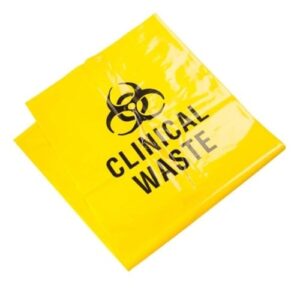
| Specification | Description |
|---|---|
| Product Name | Customized Three-Layer Biological Specimen Transport Bag |
| Product Category | Biological Specimen Transport Packaging |
| Product Type | Specimen Transport Bag |
| Intended Application | Biological Specimen Transport |
| Packaging Concept | Three-Layer Specimen Transport Packaging |
Biological specimen transportation requires careful packaging, clear identification, and appropriate handling procedures. Hospitals, diagnostic laboratories, and medical testing centers regularly transfer samples between collection sites and testing facilities. During these activities, suitable packaging helps protect specimen containers and supports organized transportation.
Siny Medical offers the Customized Three-Layer Biological Specimen Transport Bag for buyers seeking packaging solutions for biological sample handling. The product focuses on the needs of healthcare facilities, laboratories, and medical distributors that manage specimen collection and transport workflows.
A Three-Layer Specimen Transport Bag relates to the principle of using multiple protective packaging elements during biological sample transportation. In a conventional triple-packaging system, the primary receptacle contains the specimen, the secondary packaging provides additional containment, and the outer packaging protects the assembled package during transport.
However, the product name alone does not establish which components come with a particular bag. Buyers should confirm the actual product construction and determine whether they need additional primary containers, absorbent materials, or outer packaging.
For medical purchasing teams, the main considerations include specimen type, packaging compatibility, transport conditions, and institutional requirements. Understanding these factors helps buyers select a suitable product without confusing general laboratory sample bags with complete transport packaging systems.
Three-layer packaging plays an important role in the transport of many biological specimens. The concept uses separate protective elements rather than relying on a single plastic bag.
Each element serves a different purpose. Together, appropriately selected components can support containment and protection during transport.
The primary receptacle holds the biological specimen directly.
Examples include suitable specimen tubes, collection containers, and other receptacles designed for the sample involved.
Before transport, personnel should close the primary receptacle securely and verify its suitability for the intended contents.
For liquid specimens, the primary receptacle must provide the required containment performance for the applicable transport conditions.
In addition, staff should check the sample label and ensure that the container remains intact.
Secondary packaging surrounds the primary receptacle and provides another level of containment.
Depending on the transport requirements, this component may need to meet specific leakproof or other performance criteria.
For example, suitable secondary packaging can help contain leakage if a primary receptacle fails.
However, a flexible specimen bag does not automatically meet every secondary-packaging requirement.
Therefore, buyers must verify the actual bag construction and its suitability for the intended specimen and transport process.
Outer packaging protects the assembled package from external handling conditions.
It may also provide space for required identification and shipping information.
For regulated transport, the outer packaging must meet the requirements that apply to the specimen classification and transport method.
Consequently, buyers should not assume that a specimen bag alone replaces an appropriate rigid or otherwise compliant outer package.
The three components serve complementary functions.
The primary receptacle contains the sample. Next, the secondary packaging provides an additional containment layer. Finally, the outer packaging protects the assembly during handling and transport.
For liquid specimens, applicable packaging instructions may also require sufficient absorbent material between the primary and secondary components.
However, the exact arrangement depends on the specimen classification and relevant transport rules.
Facilities should follow the applicable requirements rather than use one universal packaging arrangement for every sample.
Specimen transport bags support laboratory sample handling, but their actual capabilities depend on the finished product.
Therefore, purchasing teams should evaluate the bag’s construction, intended use, and compatibility with the complete transport system.
An appropriate specimen transport bag can provide an additional packaging layer around a properly closed primary container.
This helps facilities organize specimen handling and reduce unnecessary direct contact with primary receptacles.
However, the level of protection depends on the bag’s construction and closure.
Buyers should verify any specific leakproof, strength, or barrier requirements before selecting the product.
Laboratories often receive samples from different departments or collection sites.
Suitable packaging can help personnel keep specimen containers organized during transfer.
For example, staff may group samples according to the laboratory’s receiving procedures while maintaining the required identification.
In addition, clear packaging arrangements can support smoother sample intake.
Nevertheless, staff must continue to follow specimen identification and traceability procedures.
Biological specimens come in different primary containers.
Some facilities handle blood collection tubes, while others transport urine containers, swabs, or other diagnostic samples.
Therefore, buyers should compare the dimensions and shape of their primary containers with the intended secondary packaging.
They should also consider whether the transport system requires cushioning, absorbent material, or additional protective components.
Accurate identification remains essential throughout the specimen transport process.
Laboratory staff should verify specimen labels and accompanying information before dispatch.
Some packaging designs may provide separate areas for paperwork or identification. However, buyers must confirm whether a particular product includes these features.
Furthermore, documentation should remain protected from potential specimen leakage when the applicable procedures require separation.
Different healthcare institutions may need different packaging configurations.
For example, a diagnostic laboratory may prioritize compatibility with its existing collection tubes. Meanwhile, a medical distributor may focus on packaging consistency and customer requirements.
Customization discussions can cover the intended application, dimensions, identification needs, and packaging arrangement.
However, the supplier must confirm the feasibility of each requested feature before finalizing the product specification.
Healthcare facilities use specimen packaging in several environments. However, the appropriate packaging arrangement depends on the sample and the conditions of transport.
Hospitals frequently transfer specimens from wards, emergency departments, and outpatient clinics to central laboratories.
Suitable packaging can support these internal workflows.
For example, personnel may place properly closed specimen containers into an appropriate secondary package before transferring them through the hospital’s transport system.
However, the facility should determine the required containment measures according to the sample and transport method.
Diagnostic laboratories receive samples from collection centers, clinics, and healthcare institutions.
A consistent packaging system can help personnel organize incoming specimens.
In addition, clear identification supports sample receiving and tracking.
Laboratories should inspect incoming packages according to their acceptance procedures and address any leakage or damage through established protocols.
Independent collection centers often send specimens to centralized testing laboratories.
These workflows may involve multiple handling stages.
Therefore, packaging selection should account for transport duration, handling conditions, and the applicable requirements.
Facilities should also verify whether temperature control or additional protective packaging is necessary for the particular specimen.
Research facilities may transport biological materials between departments or institutions.
Different materials can present different biological and physical hazards.
Consequently, researchers should classify the material and select packaging according to the relevant institutional and transport requirements.
A general specimen bag does not automatically suit every research material.
Medical distributors supply specimen packaging products to hospitals, laboratories, and collection centers.
Their customers may use different primary containers and transport arrangements.
Therefore, distributors should request clear information about intended applications and product construction.
Consistent specifications can also help them manage inventory and repeat orders.
Although both product categories support specimen handling, they may serve different packaging requirements.
A standard specimen bag often provides a convenient additional layer for routine sample handling. In contrast, a triple-packaging approach involves multiple protective components with distinct functions.
However, a product described as three-layer does not automatically constitute a complete compliant transport package.
Standard specimen bags can support the organization and transfer of properly closed sample containers.
Their features vary by product design.
For example, some bags may include closure mechanisms or document compartments.
Nevertheless, buyers must verify these features and any required containment performance.
A triple-packaging system combines primary, secondary, and outer packaging.
Each component contributes to the overall transport arrangement.
In addition, applicable transport requirements may specify absorbent materials, pressure resistance, strength, or other performance criteria.
Therefore, facilities must assess the complete packaging system rather than only one component.
| Feature | Standard Specimen Bag | Three-Layer Packaging System |
|---|---|---|
| Main Purpose | Routine Specimen Packaging and Handling | Multi-Component Specimen Transport Protection |
| Primary Receptacle | Separate Specimen Container | Required Component |
| Secondary Packaging | May Serve This Role if Suitable | Required Component |
| Outer Packaging | Not Necessarily Included | Required Component |
| Absorbent Material | Depends on Application | May Be Required by Applicable Instructions |
| Transport Suitability | Depends on Product and Conditions | Depends on Complete System and Applicable Requirements |
| Typical Buyers | Hospitals and Laboratories | Laboratories, Collection Centers and Transport Providers |
The key difference is the packaging arrangement rather than the number of visible plastic films.
As a result, buyers should confirm which components the supplier provides and which components they must source separately.
Healthcare buyers should start with the specimen type and transport requirements.
Next, they should evaluate the bag as part of the intended packaging system.
First, determine which specimens the facility plans to transport.
Blood samples, urine specimens, swabs, and other biological materials may have different handling requirements.
In addition, some specimens require specific temperature conditions or protective measures.
Therefore, buyers should identify the intended contents before selecting packaging.
Next, determine which packaging elements the product includes.
For example, a buyer may need a secondary specimen bag but already have suitable primary containers and outer packaging.
Another buyer may need several components for a complete transport arrangement.
However, the product name alone does not establish the supplied components.
Therefore, purchasing teams should request a clear description of the finished product.
Containment is especially important when transporting liquid specimens.
Buyers should determine whether the applicable procedure requires leakproof primary or secondary packaging.
They should also assess any absorbent material requirements.
However, a bag’s appearance does not establish its containment performance.
Facilities should verify the relevant specifications before introducing the product into their workflow.
The selected packaging should accommodate the intended primary receptacle.
A bag that is too small may place unnecessary pressure on the container or closure.
Conversely, an excessively large package may complicate organization.
Therefore, buyers should consider the primary container dimensions and the complete packaging arrangement.
Internal hospital transfers and external shipments can involve different handling requirements.
For example, external shipments may involve couriers, multiple transfer points, or different transport modes.
Consequently, buyers should review the applicable rules before selecting a packaging system.
For certain Category B biological substances, transport requirements may include UN3373 marking and the relevant packing instructions.
However, the exact requirements depend on classification, transport mode, and jurisdiction. A product should not claim compliance without appropriate supporting evidence.
Specimen identification supports laboratory traceability.
Buyers should consider how the packaging accommodates labels, paperwork, and other necessary information.
In addition, the packaging should not obscure important specimen details.
Facilities should follow their established labeling and documentation procedures.
Healthcare distributors and laboratories may have specific purchasing needs.
A useful specification can describe the intended specimen, primary container, packaging components, dimensions, and identification requirements.
Buyers may also outline packaging preferences and expected purchasing volumes.
The supplier can then review the requested configuration and determine which options are available.
Correct handling helps facilities maintain organized specimen transport workflows.
Before use, inspect the packaging for visible damage.
Next, verify that the primary receptacle suits the specimen and that personnel have closed it correctly.
Check the sample identification and accompanying information.
Then, assemble the appropriate secondary and outer packaging according to the applicable procedures.
If the transport requirements call for absorbent material, include the specified quantity and arrangement.
Avoid forcing oversized primary containers into unsuitable packaging.
During transport, follow the facility’s procedures for handling, temperature control, and documentation.
If a package leaks or becomes damaged, personnel should follow the relevant spill response and exposure control procedures.
Finally, receiving staff should inspect specimens according to the laboratory’s acceptance requirements.
Store unused specimen transport bags in a clean, dry location.
Keep them in their original packaging and protect them from physical damage or unsuitable environmental conditions.
In addition, follow the manufacturer’s labeled storage instructions.
Facilities should organize different packaging components clearly to reduce selection errors.
The term refers to a product associated with multi-layer biological specimen packaging. However, buyers should verify the actual bag construction and supplied components.
A conventional triple-packaging system uses a primary receptacle, secondary packaging, and outer packaging.
Appropriate triple packaging provides separate containment and protective functions during specimen transport.
Not necessarily. The product configuration determines which components the supplier provides.
They may support blood specimen transport when the finished product and complete packaging arrangement meet the applicable requirements.
Suitable packaging may support properly closed urine containers. However, buyers must verify containment and transport requirements.
No. Buyers should verify the actual product’s containment characteristics rather than assume leakproof performance.
No. Specimen transport packaging supports sample movement for testing, while biohazard waste bags serve designated waste collection workflows.
No. Compliance depends on the specimen classification, complete packaging system, and applicable transport requirements.
Buyers can discuss their required configuration, dimensions, and packaging needs with the supplier. The supplier must confirm the available options.
They should review the intended specimens, packaging components, dimensions, containment requirements, transport conditions, and purchasing quantities.
Siny Medical supplies medical consumables and specimen packaging products for hospitals, clinical laboratories, diagnostic centers, and medical distributors. Our three-layer specimen transport bag product supports buyers seeking suitable packaging solutions for biological sample handling and transport workflows. Explore our specimen transport packaging range or contact Siny Medical to discuss your intended application, packaging requirements, customization needs, and bulk purchasing plans.
Copyright © 2026 | Ningbo Siny Medical Technology Co., Ltd