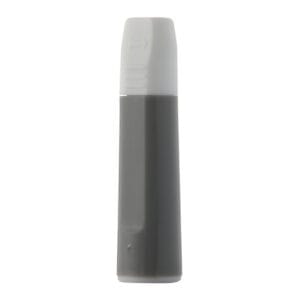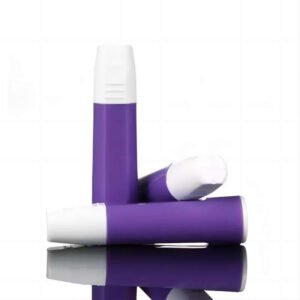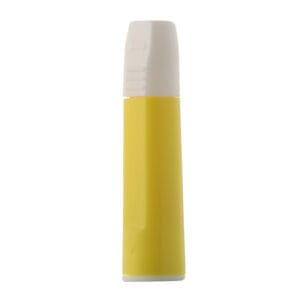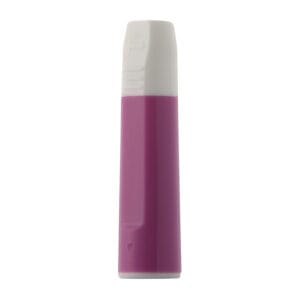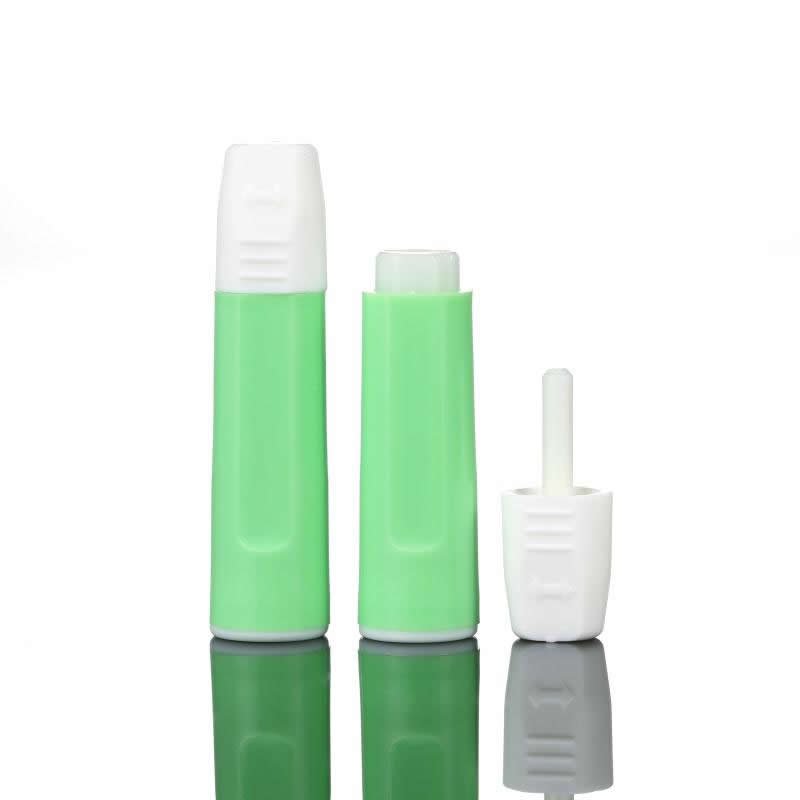
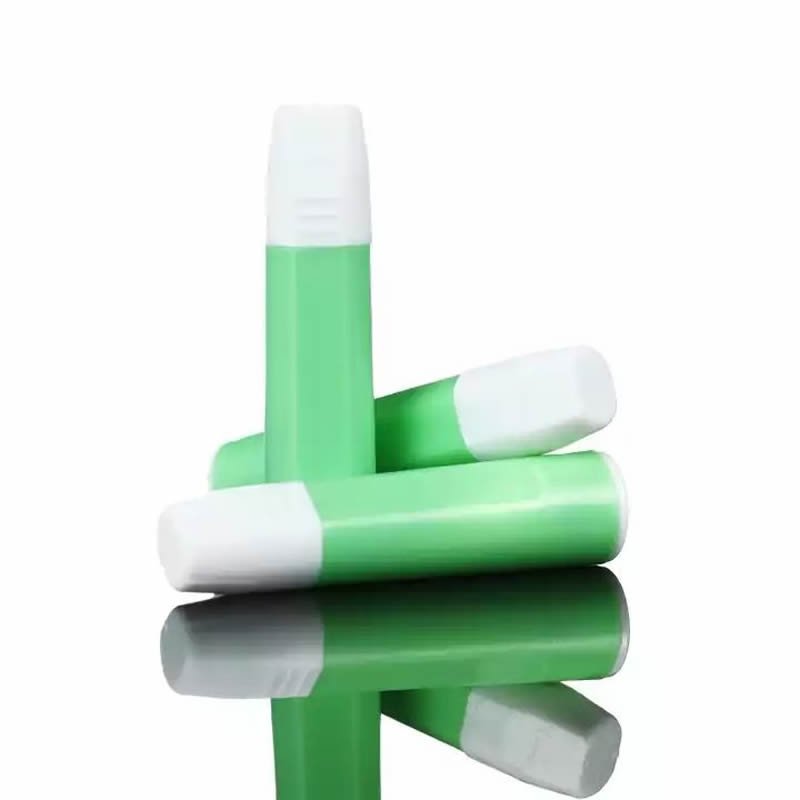

| Product Name | Safety Blood Lancet |
| Material | PP |
| OEM/ODM | Yes |
| Certificate | CE, ISO13485, ISO9001 |
| Usage | Hospital |
| Specification | 23G |
| Sample | Free |
| Service | In the groups we serve: distributors, import traders, government procurement, buying agents, and medical chain stores, we provide one-stop procurement for you to simplify your procurement process. |
The Siny Medical Disposable Sterile Pressure Activated Safety Blood Collection 23G Lancet Needle is designed for capillary blood sampling with a 23G needle and 1.8 mm puncture depth.
Within the Siny Medical safety lancet range, 23G sits between the larger 21G option and finer gauges such as 26G, 28G, and 30G.
This gives the 23G lancet a practical middle position.
It provides a smaller needle diameter than 21G while still offering more sample-volume margin than finer lancet gauges.
For compatible capillary blood collection procedures, this balance can make 23G suitable when the required sample is greater than a very small blood drop but does not require the larger 21G configuration.
The current product specification uses Green identification for the 23G model.
A 23G safety blood lancet is a single-use capillary blood sampling device with a 23-gauge needle.
The current Siny Medical specification includes:
A blood lancet creates a controlled skin puncture so a small capillary blood specimen can be obtained.
Unlike venous blood collection needles, lancets are intended for capillary sampling rather than accessing a vein.
This distinction makes the 23G lancet suitable for compatible diagnostic procedures that require a small blood specimen.
The 23G designation refers to needle gauge.
Gauge numbering works in reverse.
A lower gauge number generally means a larger needle diameter. Therefore, a 23G lancet is larger than 26G, 28G, and 30G options.
At the same time, it is finer than a 21G lancet.
This places 23G in a medium-gauge position within common safety lancet specifications.
That position matters because lancet selection often requires a balance between two factors:
A finer lancet may be appropriate when only a very small specimen is needed.
A larger lancet may provide more blood-flow margin when the procedure requires a greater capillary sample.
The correct choice depends on the diagnostic system and specimen requirement.
The main role of a 23G blood lancet is to obtain a capillary blood specimen.
Capillary sampling commonly uses the fingertip or another validated puncture site.
After the puncture, the blood drop may be applied to a compatible test strip or collected according to the diagnostic procedure.
Potential applications may include compatible testing for:
However, the lancet itself does not determine which test can be performed.
The testing system determines the required specimen type and sample volume.
Always follow the instructions supplied with the meter, test strip, analyzer, or diagnostic procedure.
A 23G lancet provides a middle-ground option between larger and finer gauges.
Compared with 21G, it uses a smaller needle diameter.
Compared with 26G, 28G, or 30G, it uses a larger diameter.
This may make 23G suitable when the procedure requires a moderate capillary blood sample.
Key selection factors include:
The goal is not to choose the smallest gauge automatically.
The correct lancet should provide enough blood for the intended test while matching the required puncture specification.
A 21G lancet has a larger needle diameter than a 23G lancet.
The current Siny Medical 21G specification also uses a deeper 2.8 mm puncture depth, while the 23G model uses 1.8 mm.
This creates a clear difference between the two products.
The 21G option may be considered when a greater capillary sample is required and the validated procedure supports a larger puncture specification.
The 23G option provides a finer needle and shallower puncture depth.
Therefore, 23G can serve as a more moderate configuration for general capillary sampling.
Neither option is universally better.
The required sample volume and puncture specification should guide selection.
A 26G lancet is finer than a 23G lancet.
Both current Siny Medical models use a 1.8 mm puncture depth, so the main difference is needle gauge.
A 23G lancet has a larger needle diameter.
A 26G lancet has a finer diameter.
The 23G option may provide more sample-volume margin for procedures that need a moderate capillary blood drop.
The 26G option moves toward a finer-gauge configuration while remaining suitable for compatible blood sugar and capillary sampling workflows.
Selection should therefore follow the required specimen volume rather than assuming the finer gauge is always preferable.
A 28G lancet is noticeably finer than a 23G lancet.
Both may be used for compatible capillary blood sampling, but they provide different balances between puncture size and potential sample volume.
A 23G lancet provides a larger-diameter puncture.
A 28G lancet provides a finer-gauge option for smaller sample requirements.
If the diagnostic procedure requires more capillary blood, 23G may provide additional sample-volume margin.
If a smaller specimen is sufficient, a finer gauge may be considered.
The test system should determine the final choice.
The difference becomes even greater when 23G is compared with 30G.
A 30G lancet has a much finer needle diameter.
This makes 30G more closely associated with very small capillary sample requirements.
A 23G lancet provides a larger puncture diameter and may support greater capillary blood flow.
Therefore, these gauges serve different sampling priorities.
The correct choice depends on how much blood the test requires and whether the selected puncture specification matches the intended procedure.
The current Siny Medical specification lists a 1.8 mm puncture depth for the 23G safety blood lancet.
Puncture depth and needle gauge describe different product characteristics.
Gauge refers to needle diameter.
Puncture depth refers to how far the device is designed to penetrate during activation.
Both factors can influence the amount of blood obtained.
For this reason, the complete specification should be considered:
23G + 1.8 mm
Do not select a lancet based on gauge alone.
The current 23G safety lancet uses Green identification.
Color can help distinguish one specification from another during storage and handling.
However, color should not be used as the only identification method.
Always confirm the written product label and technical specification.
For this product, the key combination is:
23G + 1.8 mm + Green + Safety Blood Lancet
This provides a clearer identification method than color alone.
The product title identifies this model as a pressure-activated safety lancet.
This type of design is intended to activate the lancet when the device is pressed against the puncture site according to its operating instructions.
The safety configuration helps control needle exposure during the sampling process.
After activation, the device should be treated as a used single-use sharp.
The safety mechanism supports controlled handling, but it does not replace proper infection-control procedures.
Users should follow the operating instructions for the confirmed product configuration.
A safety lancet includes an integrated activation and needle-control mechanism.
A conventional lancet may require a separate reusable lancing device or may use a different manual configuration.
This structural difference affects how the device is prepared and used.
A single-use safety lancet can provide a ready-to-use puncture configuration for compatible professional or point-of-care procedures.
However, the exact operating sequence depends on the product design.
Always follow the instructions supplied with the selected lancet.
The 23G safety blood lancet is intended for single use.
It should not be reused or shared between individuals.
After activation and blood collection, dispose of the used lancet according to the applicable sharps-disposal procedure.
Important handling steps include:
The safety design helps control the needle during use.
It does not replace correct handling and infection-control practices.
Start with the diagnostic procedure.
First, confirm how much capillary blood the test requires.
Next, determine whether a 23G needle with a 1.8 mm puncture depth provides the appropriate sampling specification.
Then confirm the safety configuration.
Key specifications include:
The diagnostic system should remain the main reference.
The lancet should provide enough blood for the test without using a larger puncture specification than necessary.
Siny Medical can discuss 23G safety blood lancet requirements according to the confirmed product specification and order quantity.
Available requirements may include:
Final product and packaging specifications should be confirmed before quotation and production.
Contact Siny Medical with your required 23G safety lancet quantity, packaging, and labeling requirements for product information or a quotation.
A 23G blood lancet is a capillary blood sampling device with a 23-gauge needle. The current Siny Medical safety lancet specification uses a 1.8 mm puncture depth.
23G refers to needle gauge. A lower gauge number generally indicates a larger needle diameter.
The current 23G specification uses Green identification.
The current Siny Medical specification lists a 1.8 mm puncture depth.
It can support compatible capillary blood sampling procedures where the required specimen volume matches the 23G and 1.8 mm configuration.
It may be used with compatible glucose testing procedures if the required capillary sample volume matches the lancet specification. Always follow the meter and test-strip instructions.
Yes. A 23G lancet has a smaller needle diameter than a 21G lancet.
Yes. A 23G lancet has a larger needle diameter than a 26G lancet.
Yes. Both 28G and 30G are finer than 23G.
Not universally. The best gauge depends on the required capillary blood volume, puncture specification, skin characteristics, and testing system.
No. It is intended for single use and should be discarded after sampling.
It means the safety lancet activates through contact pressure against the puncture site according to the device design and operating instructions.
Packaging, labeling, carton marking, language, and related requirements can be discussed according to the confirmed product specification and order quantity.
The Siny Medical Disposable Sterile Pressure Activated Safety Blood Collection 23G Lancet Needle occupies a clear middle position within common lancet gauges.
Its 23G needle, 1.8 mm puncture depth, Green identification, and pressure-activated safety design define the product more clearly than the general term “blood lancet.”
Compared with 21G, the 23G option provides a finer needle and shallower puncture specification.
Compared with 26G, 28G, and 30G, it retains a larger needle diameter and additional sample-volume margin.
This makes 23G a practical option for compatible capillary blood sampling procedures that require a balance between puncture size and specimen volume.
Contact Siny Medical with your required 23G safety lancet quantity, packaging, and labeling requirements to request additional product information or a quotation.
Copyright © 2026 | Ningbo Siny Medical Technology Co., Ltd