| Item | Specification |
|---|---|
| Product Name | 1 Channel ECG Paper |
| Product Type | ECG Recording Paper |
| Paper Type | Thermal Paper |
| Channel Type | 1 Channel |
| Compatibility | Compatible ECG Machines |
| Usage | Electrocardiogram Recording |
| Customization | OEM / ODM Available |
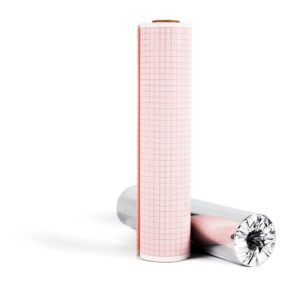
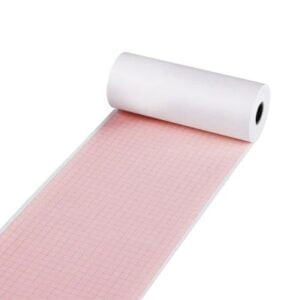
1 Channel ECG Paper is thermal recording paper designed for compatible single-channel electrocardiograph machines. It provides the physical recording surface for ECG waveforms and related information produced by the equipment.
During an examination, the ECG machine processes electrical signals and sends the recording information to its thermal printer. The heat-sensitive paper responds to the printhead and produces the visible trace.
Single-channel equipment typically uses a compact recording format. However, paper dimensions and roll configurations can vary between machines. Therefore, buyers should confirm the requirements of their ECG equipment before ordering replacement paper.
Siny Medical supplies recording paper for hospitals, clinics, diagnostic centers, health examination facilities, and other professional medical environments.
The key feature of this product is its compatibility with single-channel ECG recording systems.
A single-channel machine records and prints through one recording channel at a time. The paper provides a continuous surface for the waveform generated by the equipment.
This makes the product different from recording paper intended for multi-channel machines, which may require different dimensions or physical configurations.
However, the number of channels alone does not confirm paper compatibility.
Two single-channel machines may still use different paper widths, roll lengths, core configurations, or loading systems. For this reason, the machine specification should remain the main reference when selecting replacement paper.
The existing paper roll can also provide useful information. Buyers can check its dimensions, format, and packaging before placing a new order.
This paper uses a heat-sensitive surface for thermal printing.
As the paper passes beneath a compatible printhead, controlled heat creates the ECG waveform and related printed information. This process does not require conventional ink or toner.
The quality of the physical recording depends on several factors.
First, the thermal surface needs to match the intended printing system. The paper should also feed smoothly through the machine and remain correctly aligned during recording.
In addition, correct loading matters. The thermal surface must face the appropriate direction so that it can interact with the printhead.
Storage conditions can also affect thermal recording media. Excessive heat, moisture, contamination, or physical damage may affect the paper before use.
For routine ECG recording, buyers should therefore consider both thermal performance and equipment compatibility.
Selecting replacement paper becomes easier when the machine requirements are identified first.
Instead of choosing a product only because it is described as “1 Channel,” check the physical configuration as well.
Confirm the required paper width and length.
Different machines may use different dimensions even when they belong to the same general equipment category.
If the equipment uses roll paper, check the roll dimensions and core configuration where applicable.
The roll needs to fit correctly inside the paper compartment.
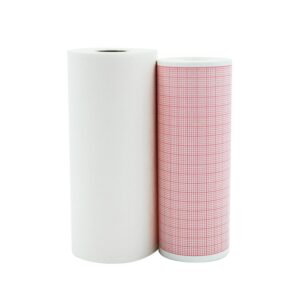
Where a printed grid is required, confirm the grid configuration used by the intended ECG system.
The grid should provide a consistent reference background for the printed waveform.
The electrocardiograph brand and model can help identify the required recording paper.
If the specification is unclear, compare the new product with the existing paper or refer to the equipment manual.
For regular supply, confirm the required order quantity and packaging arrangement.
Facilities using several ECG machines should identify the paper requirements for each model separately. This can help prevent similar-looking products from being mixed during purchasing or storage.
The terms single-channel and multi-channel describe the ECG recording systems for which the paper is intended.
Single-channel equipment prints through one recording channel at a time. Multi-channel systems can use different recording layouts and may require wider or differently configured paper.
This difference does not mean that one type of recording paper is better than another.
The correct choice depends on the ECG machine.
For example, a paper product intended for a multi-channel system should not be selected for a single-channel machine simply because both products use thermal printing.
Likewise, two single-channel paper rolls should not be considered interchangeable based only on their appearance.
The paper dimensions, roll configuration, grid, and equipment requirements should all be checked before use.
Recording paper is a frequently replaced consumable. Consistent physical quality can make routine use easier.
The thermal surface should remain clean and suitable for the intended printer. The paper should also move smoothly through compatible equipment.
Where a printed grid is present, the lines should remain consistent across the recording area. They should provide a visible reference background while allowing the machine-generated trace to remain easy to distinguish.
Paper edges and alignment also matter during feeding.
Incorrect dimensions, damaged edges, or an unsuitable roll configuration may interfere with normal paper movement.
These characteristics relate to the recording medium itself. The ECG machine remains responsible for signal acquisition and processing.
For this reason, product quality should be discussed in terms of paper condition, printing response, feeding, and compatibility, rather than making broad claims about clinical or diagnostic accuracy.
Store unused thermal paper in a clean and dry environment.
Avoid prolonged exposure to excessive heat, moisture, direct sunlight, and contamination. Also protect the recording surface from unnecessary scratching, rubbing, or pressure.
Before loading a new roll, confirm that the paper matches the intended machine.
Then follow the equipment manufacturer’s instructions for installation. Make sure the paper is positioned correctly and feeds in the proper direction.
If printing or feeding problems occur, check:
These basic checks can help identify a compatibility or installation problem before another roll is installed.
It is recording paper intended for compatible single-channel electrocardiograph machines. It provides the surface on which the machine prints ECG waveforms and related information.
This product uses thermal paper. A compatible ECG printer creates the trace by applying controlled heat to the heat-sensitive surface.
No conventional ink or toner is required. The image forms through the interaction between the thermal printhead and the paper surface.
No. Paper dimensions and roll configurations can vary between ECG machines. Check the equipment requirements before ordering.
Check the existing paper, equipment manual, required dimensions, and ECG machine model. These details provide a useful basis for confirming compatibility.
Do not select replacement paper by channel description alone. The dimensions, format, and feeding configuration must match the intended equipment.
Keep unused paper clean and dry. Protect it from excessive heat, moisture, direct sunlight, contamination, and unnecessary physical damage.
Siny Medical supplies 1 Channel ECG Paper for compatible electrocardiograph recording systems.
Since single-channel machines may have different paper requirements, buyers should confirm the required dimensions and physical configuration before ordering.
Different specifications, quantities, packaging, labeling, and confirmed OEM/ODM requirements can be discussed according to the purchasing project.
Contact Siny Medical with your ECG machine model and paper requirements for product information, samples, or bulk-order pricing.
Copyright © 2026 | Ningbo Siny Medical Technology Co., Ltd