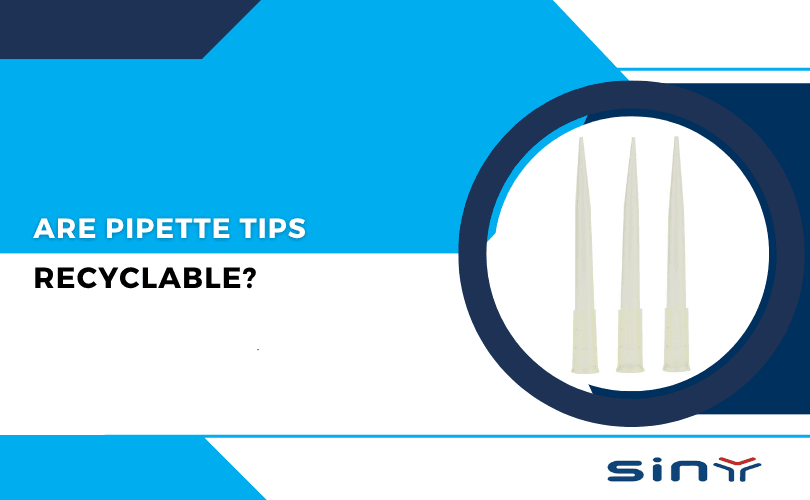
In modern laboratories, precision is paramount. From molecular biology to clinical diagnostics, the smallest discrepancy in liquid handling can significantly impact experimental outcomes. While pipettes themselves often receive attention, the choice of consumables, especially low adsorption pipette tips, can make a remarkable difference in accuracy and reproducibility.
Low adsorption tips are specifically designed to reduce sample loss due to surface binding. Standard tips, while effective for routine liquid handling, may allow small amounts of biomolecules to adhere to the tip walls, potentially affecting results in sensitive applications. In this article, we provide a detailed head-to-head comparison between low adsorption vs. standard pipette tips, exploring design, performance, and practical applications.
Understanding these differences not only helps laboratory professionals achieve consistent results but also reduces waste and ensures sample integrity. Siny Medical offers a wide range of pipette tips, including low adsorption pipette tips, universal pipette tips, and pipette tips with filters, designed for precision and reliability.
Table of Contents
- 1 What Are Low Adsorption Pipette Tips?
- 2 Design Differences Between Low Adsorption and Standard Tips
- 3 Performance Comparison
- 4 Applications in Modern Laboratories
- 5 Cost Considerations
- 6 Choosing the Right Pipette Tip
- 7 Why Low Adsorption Tips Improve Laboratory Efficiency
- 8 Common Misconceptions
- 9 Siny Medical: Trusted Supplier for Pipette Tips
- 10 FAQs
- 11 Final Summary
What Are Low Adsorption Pipette Tips?
Low adsorption pipette tips are laboratory consumables engineered to minimize the binding of liquids, proteins, DNA, RNA, or enzymes to the plastic surface. They are often made from high-quality polypropylene and undergo specialized surface treatments to reduce molecular adherence. This feature is particularly valuable when handling precious or small-volume samples.

Low adsorption tips are commonly used in:
- Molecular biology: DNA, RNA, and protein analysis
- Enzyme assays: Where activity is sensitive to surface loss
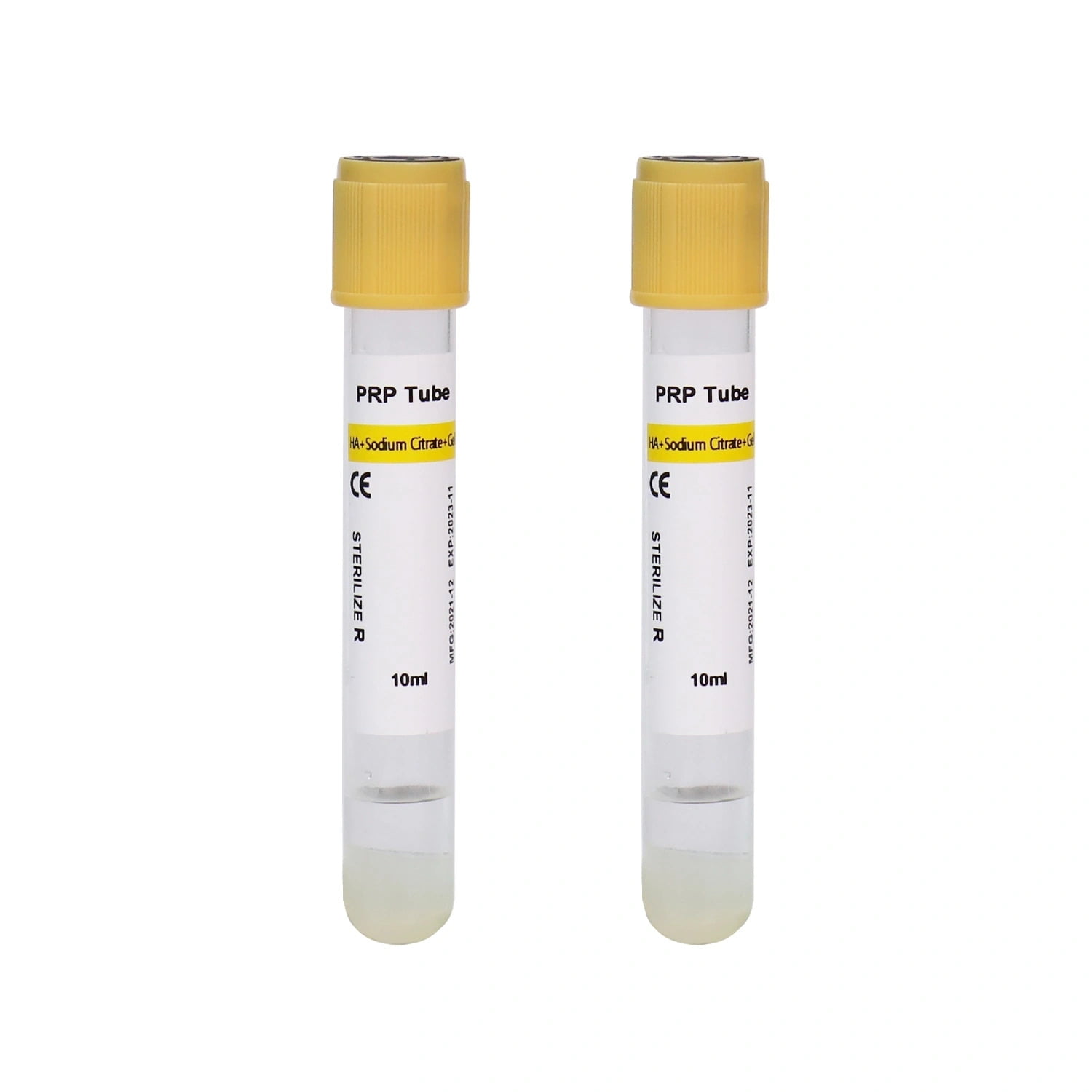
- Clinical diagnostics: Blood plasma and platelet-rich plasma (PRP) processing
By comparison, standard pipette tips are untreated and may result in sample loss due to biomolecule adhesion. This can introduce variability in critical experiments, especially when dealing with microliter volumes.
Siny Medical offers low adsorption pipette tips that combine chemical resistance, precision molding, and low retention surfaces to optimize laboratory workflows.
Design Differences Between Low Adsorption and Standard Tips
Understanding the structural differences between low adsorption vs. standard pipette tips is essential for selecting the right consumable. While both types share the basic components—cone, shaft, and orifice—their surface properties and manufacturing treatments differ.
1. Surface Treatment
- Low adsorption tips: Chemically treated to reduce surface energy, minimizing the adhesion of proteins and nucleic acids. This ensures higher recovery of precious samples.
- Standard tips: Untreated plastic surfaces can bind biomolecules, causing sample loss, especially in sensitive assays.
2. Internal Smoothness
- Low adsorption tips are polished and free from micro-imperfections, allowing liquid to flow smoothly.
- Standard tips may have microscopic roughness, increasing the risk of droplet retention inside the shaft.
3. Sterility and Contamination Control
- Both types are available in sterile formats. However, low adsorption tips are often paired with filtered options to prevent aerosol contamination, crucial in molecular biology workflows. Siny Medical offers disposable sterile universal pipette filter tips for this purpose.
Performance Comparison
The real test of low adsorption vs. standard pipette tips comes in performance metrics. Several laboratory studies and internal tests reveal key differences:
| Feature | Low Adsorption Tips | Standard Tips |
|---|---|---|
| Sample Retention | <0.5% | 2–5% |
| Molecular Applications | Excellent | Moderate |
| Consistency Across Replicates | High | Variable |
| Ideal Use | Sensitive biomolecules | Routine liquid handling |
| Cost | Moderate | Low |
These numbers show that low adsorption tips significantly reduce sample loss, making them ideal for DNA, RNA, enzymes, and other high-value reagents.
Applications in Modern Laboratories
1. Molecular Biology
PCR, qPCR, and sequencing require precise liquid handling to ensure reproducibility. Using low adsorption tips reduces the loss of nucleic acids during pipetting. Labs often use Siny Medical automated filtered low adsorption tips for high-throughput assays.
2. Clinical Diagnostics
Blood plasma and platelet-rich plasma (PRP) preparation demands low adsorption tips to prevent sample retention and contamination. Proper tip selection improves recovery rates and diagnostic accuracy.
3. Enzyme Assays
Enzyme activity can be reduced if molecules adhere to standard pipette tips. Low adsorption tips preserve enzyme concentration, ensuring consistent assay results.
4. Drug Discovery and Pharmaceutical Research
When working with rare compounds or small volumes, minimizing sample loss is critical. Low adsorption tips prevent molecular binding, reducing variability in experimental results.
Cost Considerations
While low adsorption pipette tips are slightly more expensive than standard tips, the reduction in sample loss often offsets the cost. In high-value experiments, the difference in price is negligible compared to the benefits of improved accuracy and reliability.
Siny Medical provides a range of low adsorption pipette tips that balance performance and affordability, catering to both routine and high-precision laboratory applications.
Choosing the Right Pipette Tip
Selecting the right tip requires consideration of volume range, tip type, and application. Siny Medical offers a helpful guide on how to find the right pipette tip. Key factors include:
- Volume compatibility with your pipette
- Surface treatment for sample sensitivity
- Filter requirements for aerosol protection
- Sterility based on assay type
For example, if working with enzymes or nucleic acids, low adsorption tips with filters are often ideal. For general liquid transfers, standard tips may suffice.
Why Low Adsorption Tips Improve Laboratory Efficiency
- Reduced Sample Loss: Minimizes retention of critical biomolecules.
- Improved Reproducibility: Ensures consistent results across replicates.
- Reduced Contamination Risk: Filtered low adsorption tips prevent aerosol entry.
- Compatibility with Automation: Polished tips reduce jamming in robotic pipetting systems.
Siny Medical’s product line, including disposable standard pipette tips and plastic transfer pipette tips, caters to both automated and manual workflows.
Common Misconceptions
1. Low Adsorption Tips Are Only for DNA/RNA
While molecular biology applications benefit most, low adsorption tips are also useful for enzymes, clinical samples, and any scenario where liquid retention may affect outcomes.
2. Standard Tips Are Sufficient for All Applications
Standard tips are suitable for routine liquid handling. However, in sensitive or low-volume assays, they may lead to measurable sample loss.
3. Sterility Alone Prevents Sample Loss
Sterile tips prevent microbial contamination but do not reduce biomolecule adhesion. Low adsorption tips combine sterility with surface treatment to protect samples.
Siny Medical: Trusted Supplier for Pipette Tips
Siny Medical is a leading manufacturer of pipette tips globally. They produce sterilized pipette tips suitable for scientific use, filter tips, low adsorption tips, and more. The company emphasizes:
- Precision molding for consistent volume
- Low retention surfaces for sensitive samples
- Compatibility with a wide range of pipette brands
Learn more about Siny Medical’s offerings on their official YouTube channel and Made-in-China profile.
FAQs
1. What are low adsorption pipette tips?
Low adsorption pipette tips are consumables treated to minimize sample adhesion, ensuring maximum recovery of biomolecules.
2. How do low adsorption tips differ from standard tips?
Low adsorption tips have smooth, treated surfaces that reduce molecular binding, while standard tips are untreated and may retain small amounts of liquid.
3. Are low adsorption tips more expensive than standard tips?
Yes, but their use reduces sample loss and improves reproducibility, often offsetting the additional cost in sensitive experiments.
4. Can low adsorption tips be used in automated systems?
Absolutely. Many low adsorption tips, like Siny Medical’s automated filtered tips, are designed for robotics and high-throughput assays.
5. Do low adsorption tips reduce contamination?
When paired with filters, low adsorption tips prevent aerosol entry, significantly reducing contamination risk in molecular and clinical assays.
Final Summary
Choosing between low adsorption vs. standard pipette tips depends on sample sensitivity, assay type, and desired reproducibility. Low adsorption tips minimize liquid retention, protect biomolecules, and improve consistency in critical laboratory workflows. Siny Medical provides a wide array of low adsorption pipette tips, filter tips, and standard tips to meet the demands of modern laboratories, ensuring accurate and reliable results every time.