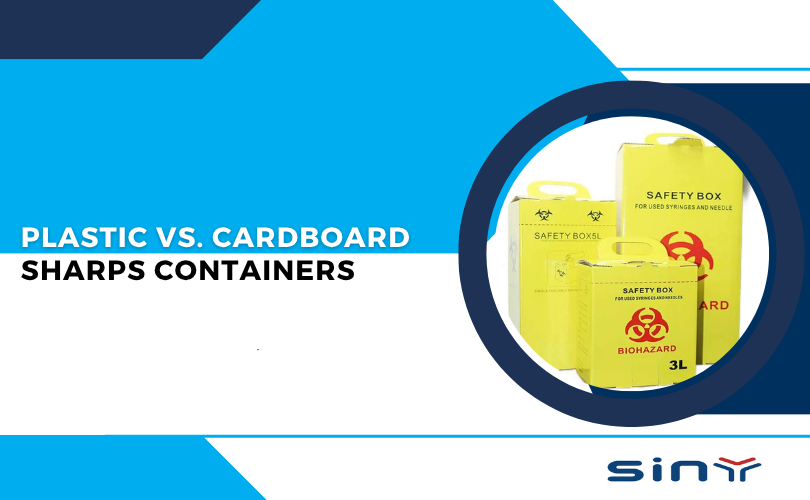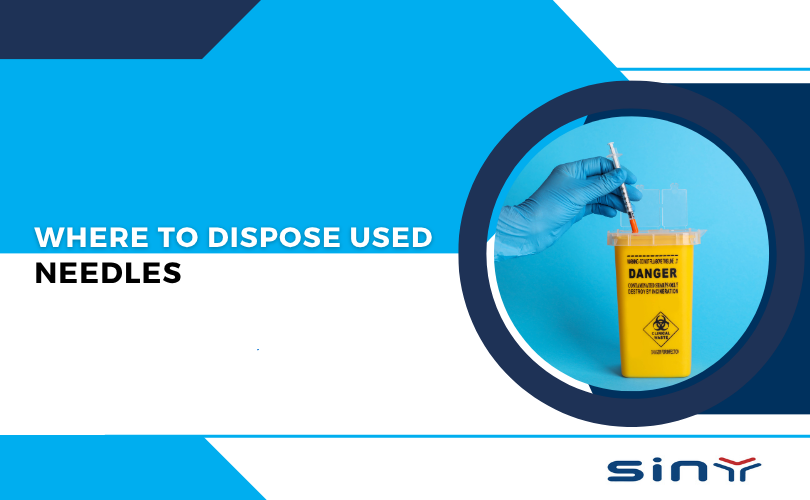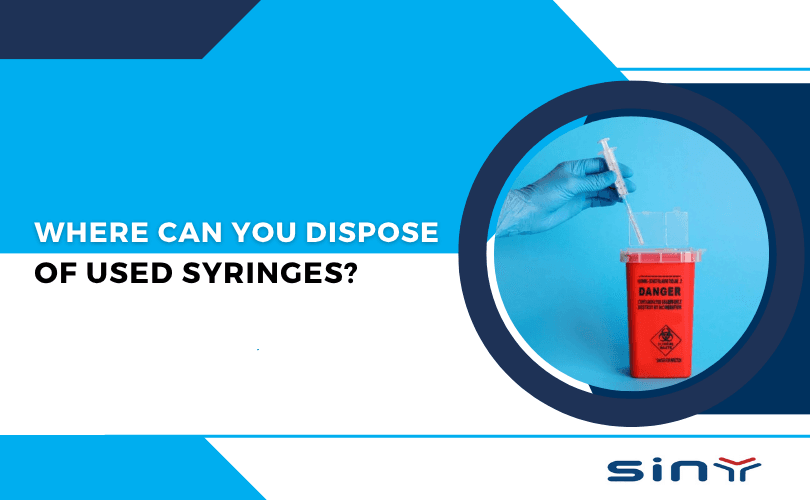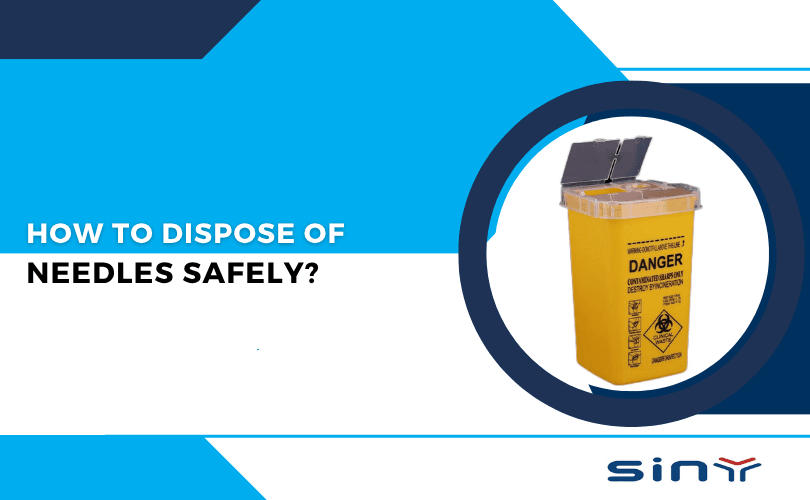
If you are trying to understand how to recycle medical sharps, the most important point comes first: used needles, syringes with attached needles, lancets, scalpel blades, and other sharps should not be placed in a regular recycling bin.
Even when a sharp contains recyclable metal or plastic, its status changes after medical use. It may be contaminated with blood or other potentially infectious material, and a loose needle can cause a needlestick injury at almost any stage of waste handling. That is why recycling medical sharps starts with safe containment rather than material separation.
In a compliant waste-management system, used sharps are placed directly into a suitable sharps container, securely closed, collected through an authorized route, and sent for professional treatment. Depending on local regulations and the capabilities of the treatment facility, some treated materials may later be recovered. Others may require approved final disposal.
So medical sharps recycling is not the same as household recycling. It is a controlled process built around safe collection, treatment, and responsible waste management.
What Does Recycling Medical Sharps Actually Mean?
Medical sharps cover more than injection needles. The category can include hypodermic needles, syringes with attached needles, lancets, blood collection needles, scalpel blades, pen needles, and other medical devices capable of cutting or puncturing skin.
Many of these products contain materials that are recyclable under ordinary circumstances. Needles contain metal, while syringes and device housings may contain plastic.
However, material composition alone does not determine whether a used medical device can enter a recycling stream.
Why Used Sharps Cannot Go Into Regular Recycling
Conventional recycling systems are designed to sort materials such as clean plastics, metals, paper, and glass. They are not designed to safely receive loose contaminated needles.
A needle hidden inside a recycling bag or mixed-waste container may puncture the packaging during collection. It may then expose cleaners, transport workers, waste handlers, or recycling facility employees to injury.
For this reason, used sharps should first enter a dedicated sharps waste stream.
The U.S. Food and Drug Administration advises users to place used sharps immediately into an appropriate sharps disposal container and not to put loose needles or other sharps into household or public trash or recycling bins.
Where Recycling Fits Into the Process
Material recovery, where available, happens much later.
After collection, an authorized medical waste processor can apply an appropriate treatment method based on local regulations, waste classification, and facility capabilities. Only after the necessary treatment can suitable materials potentially enter a downstream recovery process where this is permitted.
In other words, recycling is a possible end stage of professional sharps waste management. It is not something that should be attempted manually at the point where the sharp is used.
This distinction is especially important for healthcare facilities trying to improve sustainability without compromising infection control or worker safety.

How to Recycle Medical Sharps Safely
Understanding how to recycle medical sharps is easier when the process is viewed as a complete chain:
Use → Containment → Closure → Collection → Treatment → Recovery or Final Disposal
Each stage has a different purpose.
Step 1: Put Used Sharps Directly Into a Sharps Container
Safe handling begins as soon as the medical device has been used.
The sharp should be placed into an appropriate sharps container as soon as practical according to the applicable procedure. This reduces unnecessary handling and helps prevent loose needles from being left on work surfaces or carried through clinical areas.
The container should be suitable for the intended sharps and designed to resist puncture and leakage during normal use.
Healthcare workers should never need to reach inside the container to dispose of an item.
Step 2: Keep Sharps Separate From Ordinary Recycling
Used sharps should not be manually separated into metal and plastic components simply to improve recyclability.
Trying to remove a needle from a syringe or retrieve an item from a sharps container introduces unnecessary handling. It can also increase the risk of accidental puncture.
Any material separation intended for recycling should take place downstream through an approved professional process where applicable.
Step 3: Close the Container at the Appropriate Fill Level
Sharps containers should not be packed as tightly as possible.
As a container approaches its designated fill line, continuing to force additional items inside can increase the risk of protruding sharps and make safe closure more difficult.
Follow the manufacturer’s instructions and the facility’s waste-management procedure. Once the appropriate fill level is reached, securely close the container.
Do not reopen a closed disposable sharps container to make additional space.
A closed sharps container still contains regulated or otherwise controlled medical waste according to the applicable jurisdiction. It needs to enter an appropriate collection system.
Depending on location and type of waste generator, this may include licensed medical waste services, approved collection facilities, healthcare waste programs, designated drop-off locations, or approved mail-back programs.
Requirements for a hospital or clinic may differ significantly from those for household-generated sharps.
Always follow local rules rather than assuming one disposal method applies everywhere.
Step 5: Professional Treatment
After collection, sharps are transferred to an appropriate waste treatment facility.
The treatment method depends on factors such as waste classification, local regulations, facility technology, and the type of material being processed.
This is the stage where the sharps waste can be made suitable for its approved downstream route.
Step 6: Material Recovery or Final Disposal
After appropriate treatment, some waste-management systems may recover suitable materials such as certain metals or plastics. In other systems, the treated waste follows an approved final disposal route instead.
Not every used sharp will ultimately be recycled.
What matters is that any recovery happens after safe collection and appropriate professional treatment, rather than by placing contaminated sharps directly into conventional recycling.
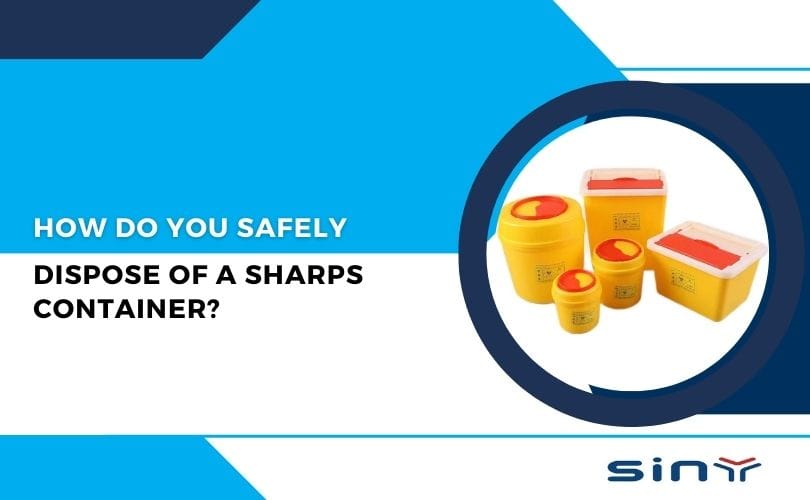
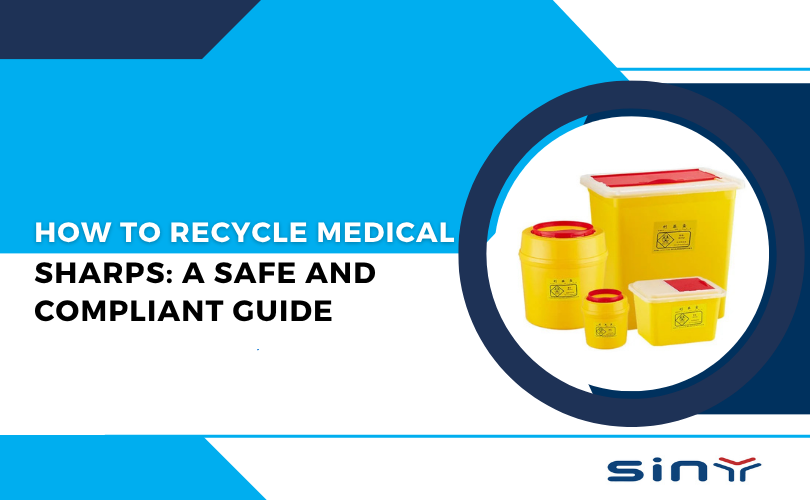
For healthcare facilities developing a more controlled sharps collection system, Siny Medical provides sharps containers for the collection and handling of used medical sharps.

What Happens to Medical Sharps After Collection?
This is where medical sharps recycling differs most clearly from ordinary waste recycling.
Once a sealed sharps container leaves its point of generation, the next steps depend on the waste-management system receiving it.
Treatment May Come Before Material Recovery
Medical waste processors may use different treatment technologies. Depending on applicable regulations and the characteristics of the waste, these can include autoclave-based treatment, incineration, or other authorized medical waste treatment methods.
Certain systems may also use shredding or other mechanical processing at an appropriate stage of the treatment process.
The purpose is not simply to make the waste smaller. The process must address the biological and physical hazards associated with used sharps according to the applicable requirements.
Can the Metal From Used Needles Be Recovered?
Potentially, but this depends on the processing system.
Stainless steel and other metals have value as recyclable materials under normal circumstances. However, a used medical needle cannot simply enter a scrap-metal stream.
It first has to move through the appropriate sharps waste and treatment process.
Where a qualified processor has the technology and authorization to recover treated metal, that material may enter a downstream recycling stream. Where such recovery is not available, another approved disposal method will be used.
What About Plastic Syringes?
The same principle applies to plastic.
A clean plastic item and a used medical syringe may contain similar polymers, but their waste-management requirements are very different.
Contamination, mixed materials, device construction, treatment technology, and local regulations can all affect whether plastic recovery is practical or permitted.
This is why healthcare facilities should avoid making recycling claims based only on whether a product contains metal or plastic.
Are Medical Sharps Always Incinerated?
No single treatment route applies everywhere.
Some medical waste is incinerated. Other waste streams may be treated using non-incineration technologies where permitted and appropriate.
The final route depends on local requirements and available infrastructure.
Healthcare organizations interested in improving waste sustainability should ask their licensed waste provider how sharps are treated and whether any materials are recovered after treatment. That gives a much more accurate picture than assuming everything is either “recycled” or “incinerated.”
Choosing the Right Sharps Container for Safe Medical Waste Handling
A professional recycling or disposal process can only work properly if sharps are safely controlled from the beginning.
That makes the sharps container an important part of the overall waste-management system.
When evaluating containers for a healthcare facility, laboratory, dental clinic, veterinary facility, or other professional environment, several practical factors deserve attention.
Puncture Resistance
The container needs to hold needles, lancets, blades, and other intended sharps without allowing them to easily penetrate the wall during normal handling.
This is especially important when filled containers need to be moved from clinical areas into temporary storage or collection points.
Leak Resistance
Sharps waste may carry residual blood or other fluids.
A container designed to limit leakage helps reduce exposure during routine handling, storage, and transport within the applicable waste-management process.
Secure Closure
A suitable closure system helps keep the contents contained once the container has reached its designated fill level.
For disposable containers, the final closure should support secure handling through the next stages of the waste stream.
A Clearly Visible Fill Line
The fill line is more important than it may appear.
It gives staff a clear indication of when the container should be closed and replaced. Without a clear stopping point, users may be tempted to continue adding sharps until the container becomes difficult to close safely.
An Opening Appropriate for the Intended Sharps
Not every healthcare environment generates the same type of waste.
A container used for small lancets may face different practical requirements from one receiving syringes, blood collection devices, or other longer sharps.
The opening should allow the intended item to enter easily without requiring users to push their hands into the container.
Capacity That Matches the Workflow
Bigger is not automatically better.
Container capacity should reflect where it will be placed, how frequently sharps are generated, how often waste is collected, and how the container will be handled after closure.
A well-matched container helps prevent both excessive replacement and prolonged storage of partially filled containers.
Appropriate Placement
Even a well-designed sharps container cannot work effectively if it is inconvenient to reach.
Facilities should position containers according to their safety procedures and the locations where sharps are generated. Easy access supports immediate disposal and reduces unnecessary movement of used sharps.
For organizations sourcing sharps disposal containers for healthcare waste collection, Siny Medical offers sharps container solutions for different medical collection environments. Contact our team to discuss your product or purchasing requirements.
Building a Safer and More Sustainable Sharps Waste System
Recycling is only one part of sustainable medical waste management.
A healthcare organization can often improve its waste system before the waste ever reaches a treatment facility.
Separate Waste at the Point of Generation
Good waste segregation prevents ordinary waste from unnecessarily entering specialized medical waste streams.
Sharps should go into the designated sharps container. Other waste should follow the appropriate category established by the facility and applicable local requirements.
This helps keep hazardous items controlled while avoiding unnecessary treatment of materials that do not belong in the sharps stream.
Make Correct Disposal Easy
Staff are more likely to follow a waste procedure when the correct container is available where the waste is actually generated.
Facilities should review container placement rather than assuming that one central sharps bin is suitable for every clinical workflow.
Train Staff Consistently
Everyone handling sharps should understand what belongs in the container, when the container needs to be closed, and what happens after closure.
Clear procedures are particularly important in environments where several types of medical waste are generated in the same area.
Understand What Your Waste Provider Actually Does
If sustainability is part of your procurement or environmental strategy, speak with your waste-management provider about the downstream process.
Useful questions include:
- Which treatment method is used for sharps?
- Are treated metals or plastics recovered?
- What happens to materials that cannot be recovered?
- How are closed sharps containers transported?
- Which local regulations apply?
- What documentation is available for waste handling and treatment?
These answers can help a facility distinguish between genuine material recovery and vague recycling claims.
Ultimately, a safer and more sustainable system depends on coordination between clinical staff, procurement teams, facility management, and qualified waste service providers.
FAQ About Medical Sharps Recycling
Can Used Needles Be Recycled?
Potentially, but not through ordinary recycling. Used needles should first enter an appropriate sharps container and professional medical waste system. Whether the treated metal is eventually recovered depends on local regulations and the processing facility.
Can Syringes Go in Recycling Bins?
Used syringes with attached needles and other sharps should not be placed loose in regular recycling bins. Follow the applicable sharps disposal requirements for your location.
For syringes without needles or other medical plastics, classification and recycling options may vary depending on contamination status and local waste rules.
What Happens to Sharps After Disposal?
After collection, sharps are transferred through an appropriate medical waste system for treatment. Depending on local requirements and facility capabilities, the waste may undergo processes such as autoclave-based treatment, incineration, or another approved method. Suitable treated materials may sometimes be recovered afterward.
Can Sharps Containers Be Recycled?
It depends on the type of container and the waste-management system.
Disposable sharps containers should not be manually opened, emptied, or cleaned simply to recycle them. Some specialized programs use reusable sharps containers that are professionally collected and processed under controlled procedures.
How Should Hospitals Handle Sharps for Recycling?
Hospitals should begin with correct segregation and immediate disposal into appropriate sharps containers. Closed containers should then move through the facility’s approved medical waste process and qualified waste service provider.
If downstream material recovery is available, it should take place through that professional system.
Are Medical Sharps Incinerated or Recycled?
Both routes may exist, along with other approved treatment options. The appropriate method depends on the jurisdiction, waste classification, treatment infrastructure, and service provider.
Recycling should therefore be considered a possible downstream outcome rather than a universal destination for all medical sharps.
Safe Sharps Recycling Starts With Proper Collection
Knowing how to recycle medical sharps means looking beyond the recycling bin.
Used needles, syringes with attached needles, lancets, and blades first need to be treated as sharps waste. They should be collected in an appropriate sharps container, securely closed, and transferred through an authorized waste-management route.
Professional treatment comes next. Only then, where regulations and processing technology allow, can suitable materials potentially be recovered for recycling.
For hospitals, clinics, laboratories, dental practices, veterinary facilities, and other healthcare environments, the most practical place to improve the process is often at the point of collection.
Siny Medical provides sharps disposal containers for safe and organized medical sharps collection. Explore our sharps container products or contact Siny Medical to discuss your purchasing requirements.