
We often focus on the high-tech laboratory machines or the complex algorithms that analyze data, yet the humble disposable virus sampling tubes remain the unsung heroes of the diagnostic process. Without a reliable vessel to transport and preserve a biological specimen, even the most advanced laboratory equipment in the world cannot yield a correct result.
When we talk about detecting infectious diseases, from seasonal influenza to more complex viral outbreaks, the integrity of the viral RNA or DNA is paramount. This is where the specialized engineering of disposable virus sampling tubes comes into play. These are not merely plastic containers; they are sophisticated medical devices designed to stabilize a virus from the moment it leaves a patient’s body until it reaches the technician’s bench.
In this comprehensive guide, we will explore the intricate mechanics, chemical compositions, and essential role that these tools play in modern medicine. Whether you are a procurement officer for a large hospital or a lab technician looking for better reliability, understanding the inner workings of your equipment is the first step toward clinical excellence.
Table of Contents
- 1 Understanding the Anatomy of Disposable Virus Sampling Tubes
- 2 How Disposable Virus Sampling Tubes Work: The Step-by-Step Process
- 3 The Critical Role of Viral Transport Media (VTM)
- 4 Why Quality Standards Matter for Clinical Accuracy
- 5 Comparing Sampling Tubes to Other Medical Containers
- 6 The Impact of Supply Chain Reliability
- 7 Best Practices for Handling and Storage
- 8 The Future of Viral Sampling Technology
- 9 Conclusion
- 10 FAQs
Understanding the Anatomy of Disposable Virus Sampling Tubes
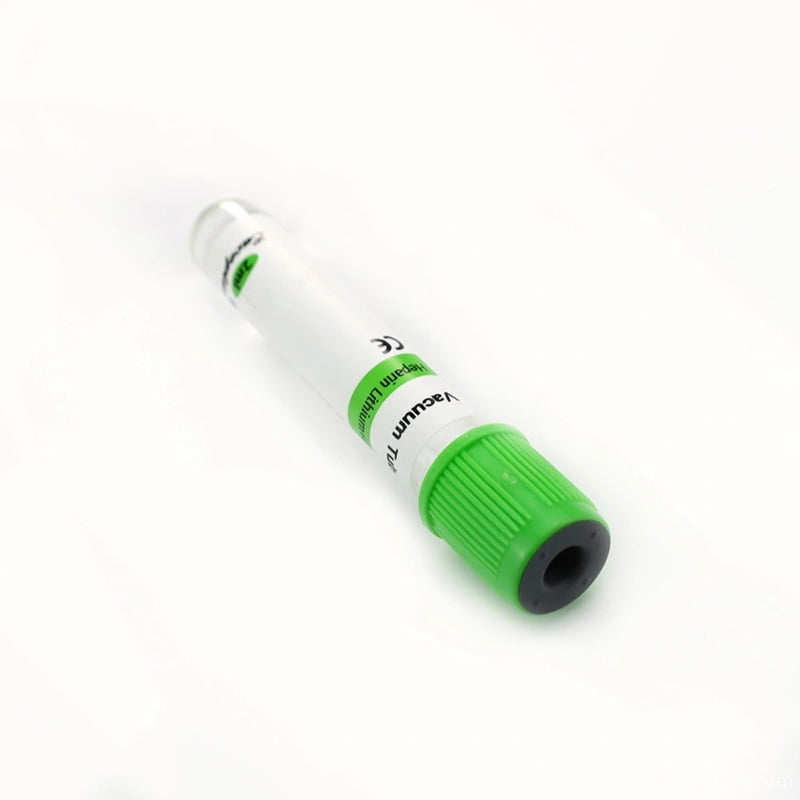
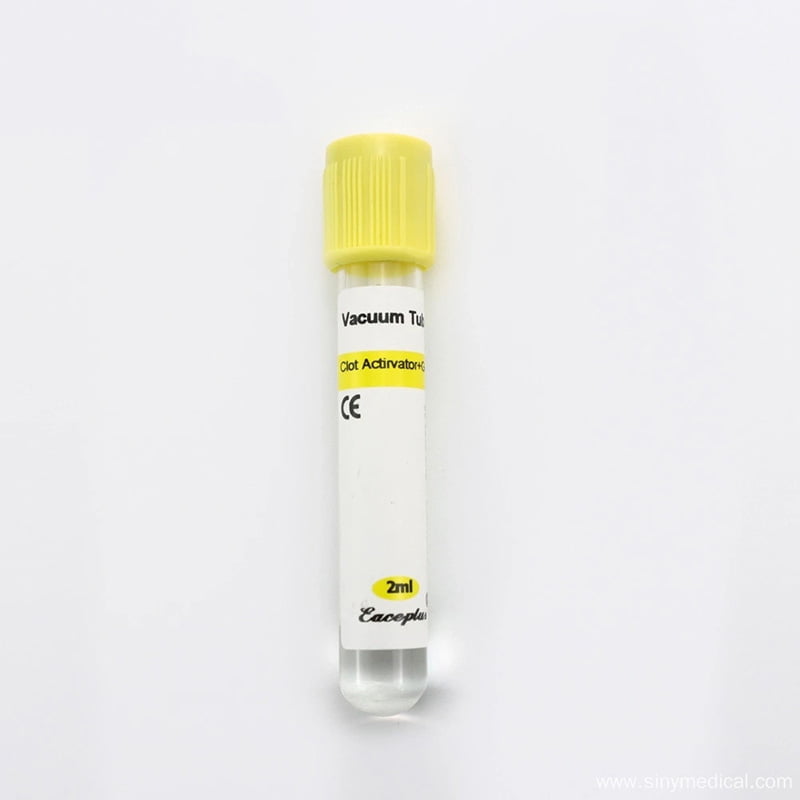
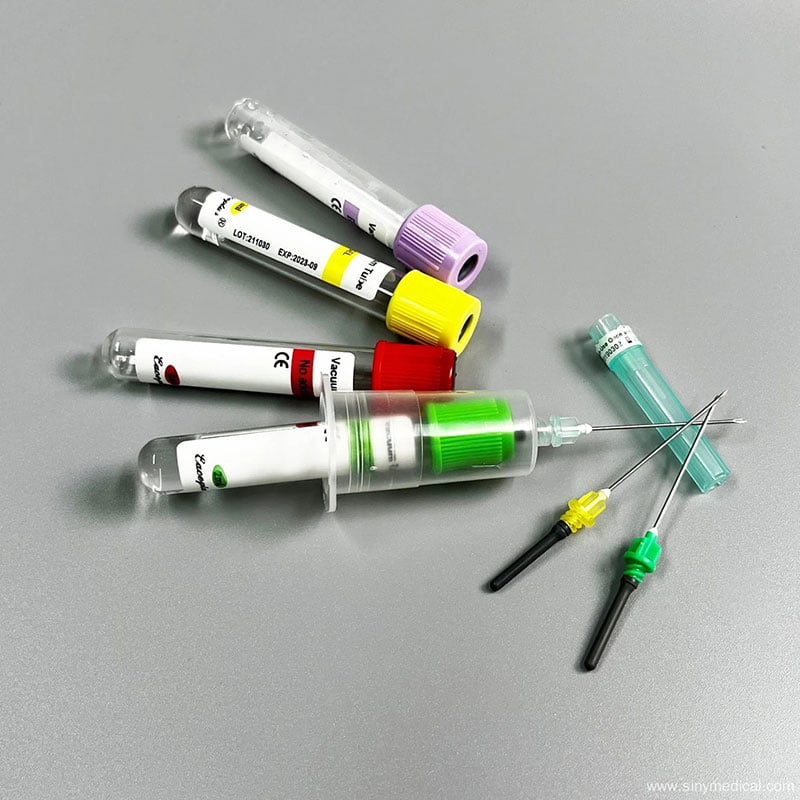
To truly grasp how these devices function, we must first look at their physical and chemical components. A standard kit usually consists of a leak-proof tube, a specialized cap, and a viral transport medium (VTM). Each part is engineered to solve a specific problem: contamination, degradation, and leakage.

The tube itself is typically made from high-quality, medical-grade polypropylene. This material is chosen because it is chemically inert and can withstand extreme temperatures, which is vital for samples that require cold-chain transport. When you browse the product category of virus sampling tubes, you will notice that the dimensions and volumes are standardized to fit into most laboratory centrifuges and automated workstations.
However, the real “magic” happens inside the tube. Most disposable virus sampling tubes contain 2ml to 3ml of liquid known as Viral Transport Media. This liquid is a complex cocktail of salts, proteins, and antibiotics. Its primary job is to maintain the pH balance of the sample and prevent the growth of bacteria or fungi that could interfere with the viral detection.
How Disposable Virus Sampling Tubes Work: The Step-by-Step Process
The functionality of these tubes can be broken down into three distinct phases: stabilization, protection, and accessibility.
1. The Stabilization Phase
The moment a medical professional uses a disposable product virus sampling tube swab to collect a specimen, the biological material begins to degrade. Enzymes present in human secretions can quickly break down viral particles. The chemical additives in the transport medium work immediately to neutralize these enzymes. By keeping the virus in a “suspended” state, the tube ensures that the viral load remains high enough for detection by PCR (Polymerase Chain Reaction) tests.
2. The Protection Phase
Transporting a virus across a city or a country involves significant physical risks. Disposable virus sampling tubes must be completely leak-proof. Most high-quality tubes, such as those offered by Siny Medical, feature an internal O-ring or a specialized screw-cap design. This prevents the aerosolization of the virus, which would pose a massive biohazard risk to transport personnel.
3. The Accessibility Phase
Once the sample reaches the lab, it must be easy to extract. The conical bottom of the tube is a deliberate design choice. It allows the liquid to pool at the very bottom, making it easy for automated pipettes to draw the sample without wasting any of the precious biological material. You can learn more about these specific design features in this ultimate guide to disposable virus sampling tubes.
There are two primary types of media found in disposable virus sampling tubes: Inactivating and Non-inactivating. Understanding the difference is crucial for laboratory safety and the specific type of test being performed.
- Inactivating Media: These contain detergents and protein denaturants that “kill” or lyse the virus. This makes the sample safer to handle because the virus is no longer infectious. However, the viral genetic material (RNA/DNA) remains intact for molecular testing.
- Non-inactivating Media: These are designed to keep the virus “alive” or viable. These are necessary if the lab intends to perform a virus culture—essentially growing the virus in a controlled environment to study its behavior.
Most high-volume testing sites prefer inactivating media because it streamlines the workflow and reduces the need for high-level biosafety labs. If you are unsure which one your facility needs, consulting a virus sampling tube usage guide is highly recommended to ensure protocol compliance.
Why Quality Standards Matter for Clinical Accuracy
In the world of medical consumables, the margin for error is zero. A poorly manufactured tube can lead to a “false negative” result. This happens if the tube leaks, if the medium is contaminated, or if the plastic of the tube leaches chemicals that inhibit the PCR process.

According to Wikipedia’s entry on viruses, these microscopic entities are highly sensitive to their environment. Even a slight shift in pH can destroy the delicate spike proteins or the outer envelope of a virus. Therefore, sourcing your supplies from a reputable manufacturer is not just a business decision; it is a clinical necessity.
Siny Medical adheres to strict ISO and CE certifications to ensure that every exporter virus sampling tube meets international standards for safety and efficacy. When samples are handled correctly from the start, the entire healthcare system functions more efficiently.
Comparing Sampling Tubes to Other Medical Containers
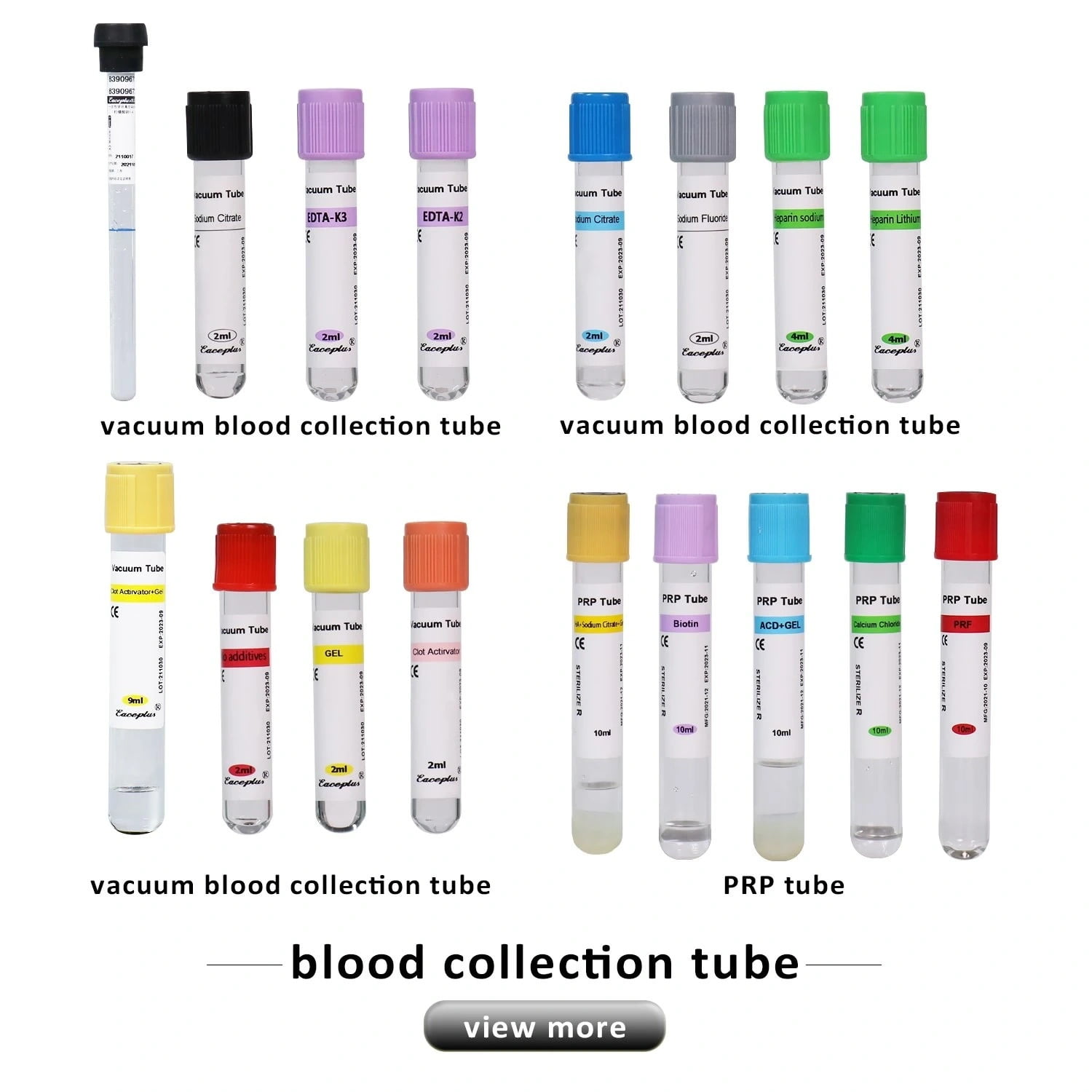
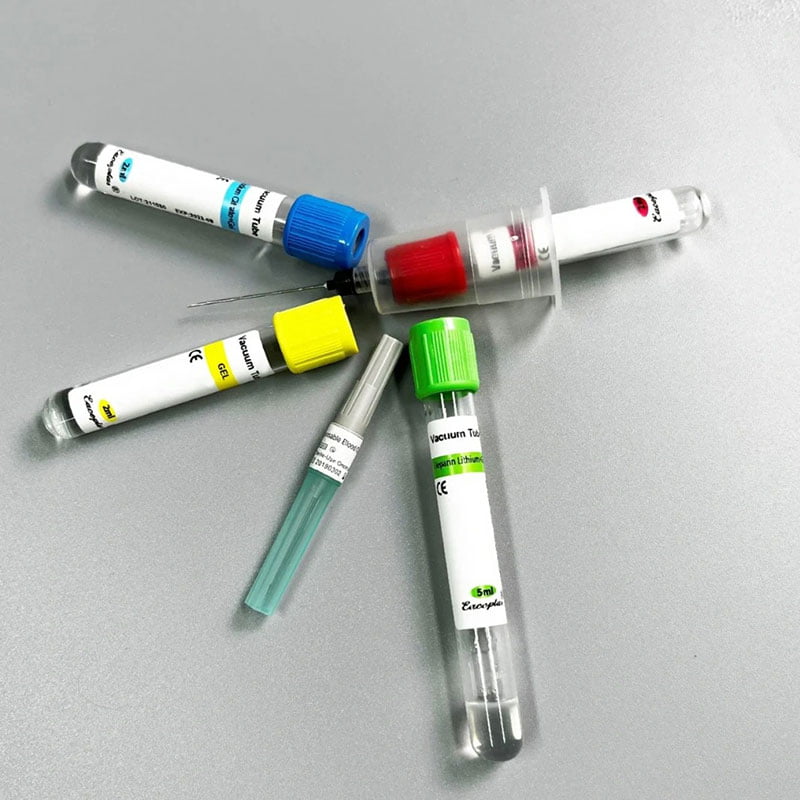
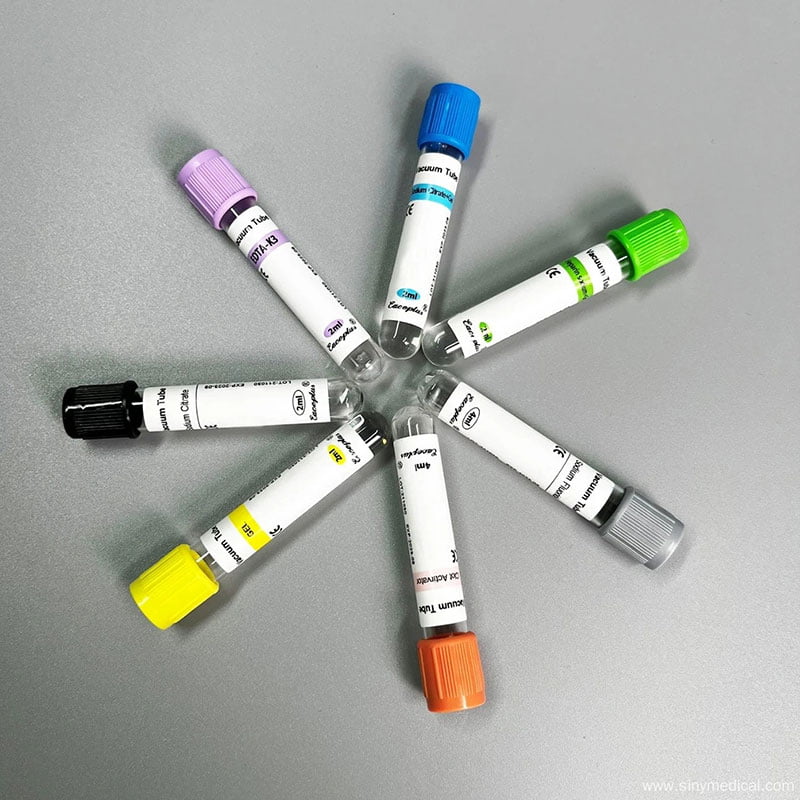
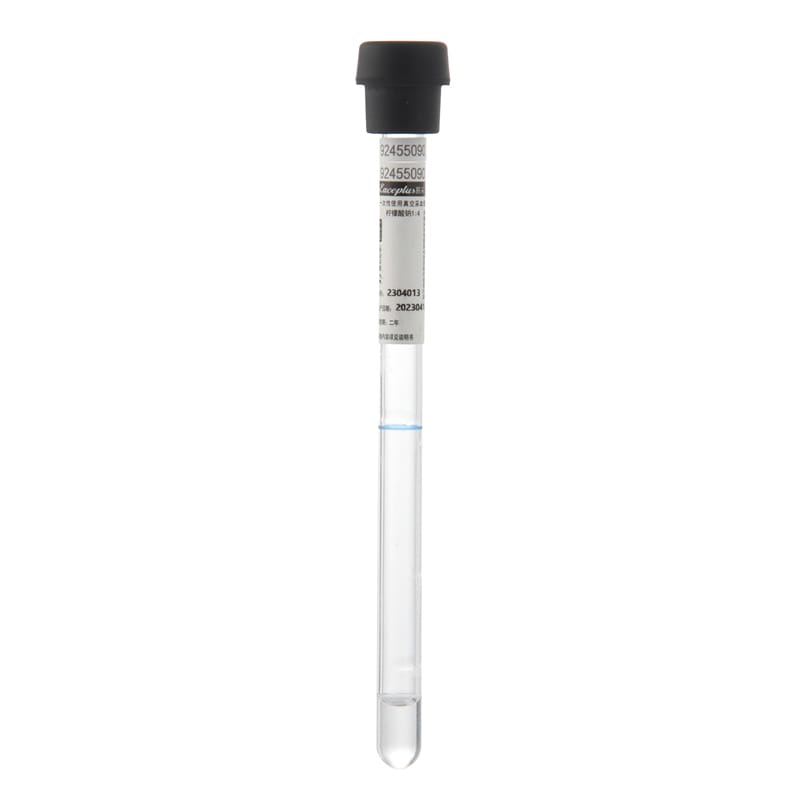
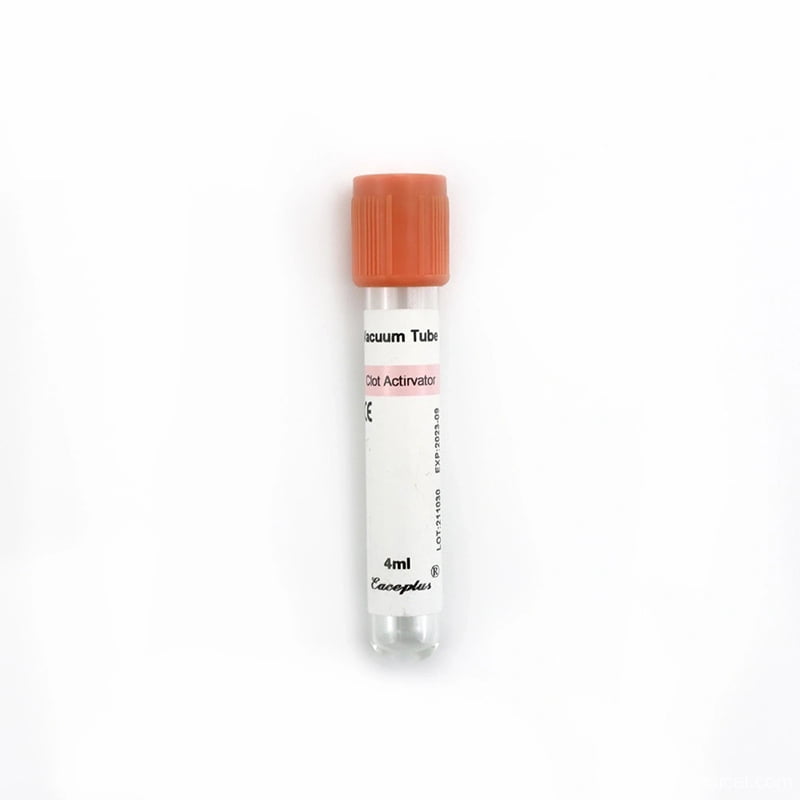
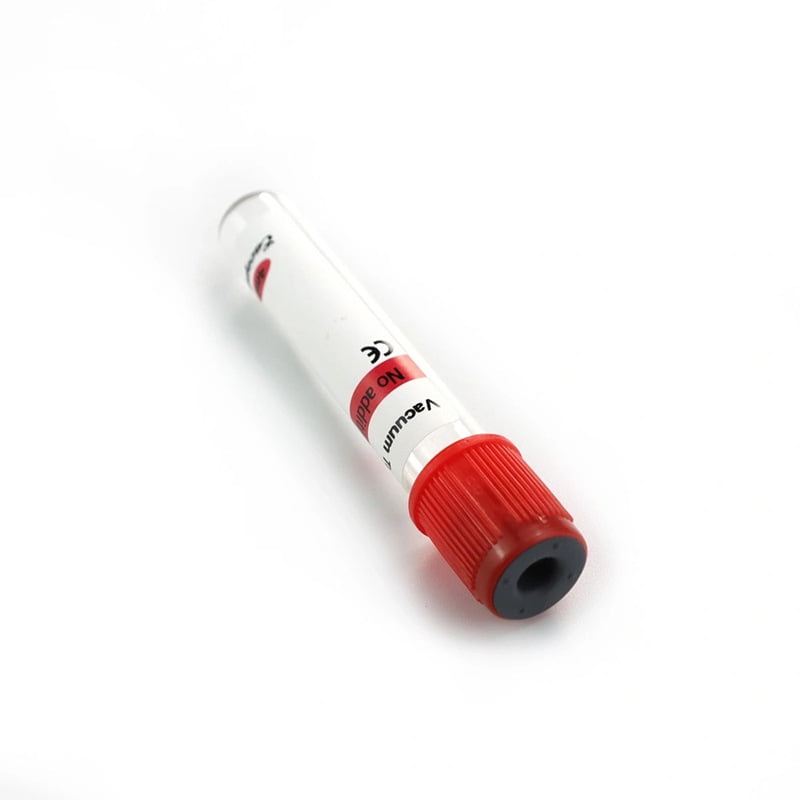
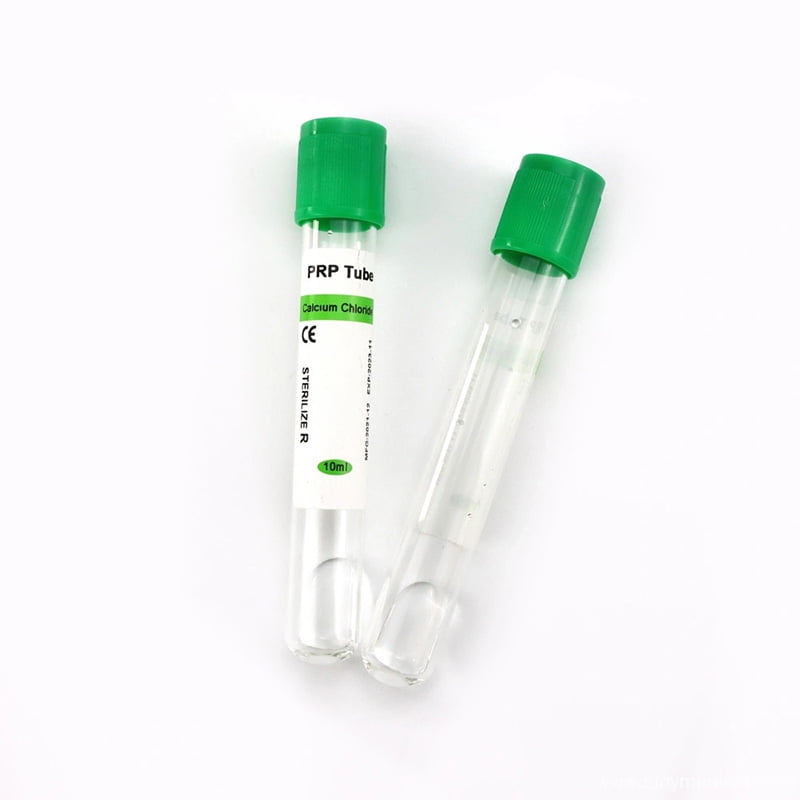
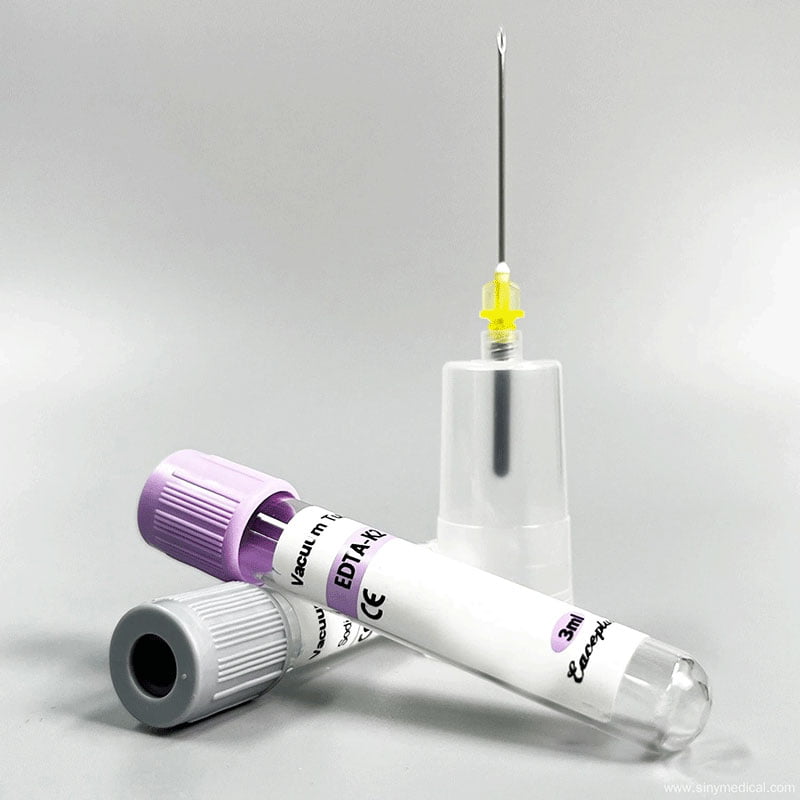
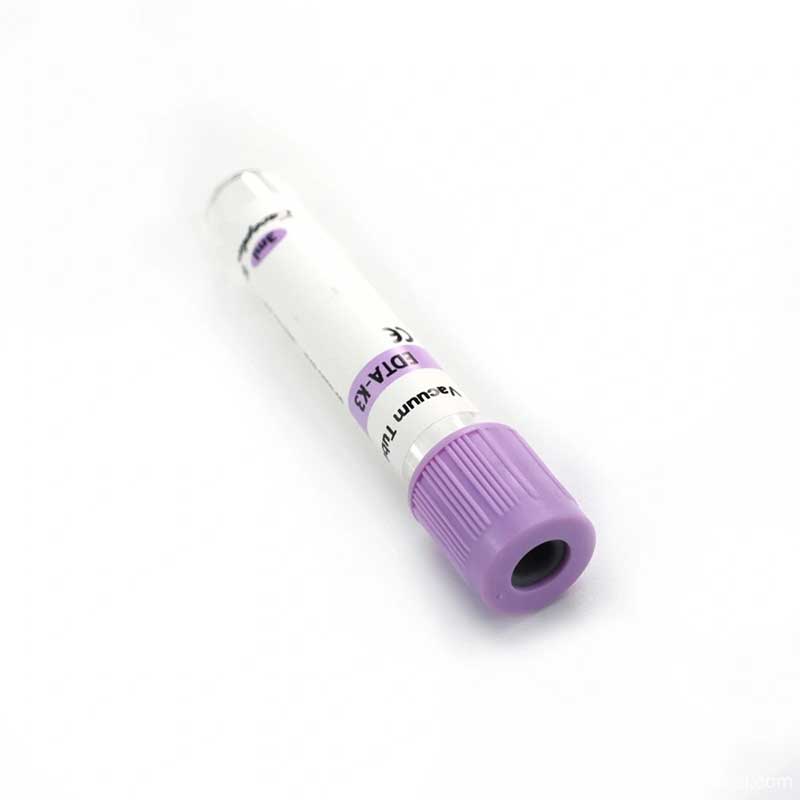
It is a common mistake to think that any sterile tube can hold a virus. For instance, blood collection tubes are designed with completely different additives like anticoagulants (EDTA or Heparin). Using a blood tube for a respiratory virus sample would lead to immediate failure of the diagnostic test.
Disposable virus sampling tubes are uniquely tailored for epithelial cells and respiratory secretions. The swab included in these kits is often made of synthetic fibers like polyester or nylon. Unlike cotton swabs, which contain fatty acids that can inhibit PCR, these synthetic materials release the sample efficiently into the transport medium.
| Feature | Virus Sampling Tube | Standard Sterile Tube |
| Material | Medical Polypropylene | General Plastic/Glass |
| Medium | VTM/UTM | None (Dry) |
| Cap Type | Internal O-ring (Leak-proof) | Standard Screw/Snap |
| Compatibility | PCR/Viral Culture | General Storage |
The Impact of Supply Chain Reliability
During the height of the COVID-19 pandemic, the world realized how fragile the medical supply chain could be. A shortage of disposable virus sampling tubes meant that testing centers had to turn patients away. This underscored the importance of working with reliable manufacturers who have large-scale production capabilities.
Companies that list their products on platforms like Made-in-China allow for global transparency and easier procurement for international NGOs and government health departments. Furthermore, seeing the manufacturing process in action, perhaps via the Siny Medical YouTube channel, provides an extra layer of trust and verification for stakeholders.
Best Practices for Handling and Storage
To get the most out of your disposable virus sampling tubes, certain protocols must be followed. Even the best tube cannot compensate for poor handling.
- Check Expiration Dates: The transport medium has a shelf life. Using expired media can lead to pH imbalances that degrade the virus.
- Maintain Temperature: While some media are stable at room temperature for short periods, most samples should be refrigerated at 2-8°C immediately after collection.
- Proper Swab Insertion: Ensure the swab is snapped off at the correct break-point. If the swab handle is too long, the cap will not seal properly, leading to leakage.
- Labeling: Always label the tube before collection to prevent any mix-ups in high-volume environments.
For a deeper dive into the operational side of these products, you can visit the dedicated virus sampling tubes page for detailed technical specifications.
As we look toward the future, the technology behind disposable virus sampling tubes continues to advance. We are seeing the rise of “self-sampling” kits where patients can collect their own specimens at home and mail them to a lab. This requires even more robust tube designs that can survive the rigors of the postal system without losing sample integrity.
Moreover, there is a growing movement toward eco-friendly medical supplies. Manufacturers are exploring biodegradable plastics that still maintain the sterile and inert properties required for medical use. While we are not quite there yet, the innovation in this space is constant.
Conclusion
The effectiveness of a diagnostic test is only as good as the sample it analyzes. By choosing high-quality disposable virus sampling tubes, healthcare providers ensure that they are giving their patients the best possible chance at an accurate diagnosis. From the chemical stabilization of the VTM to the physical security of the leak-proof cap, every detail matters.
Siny Medical remains at the forefront of this industry, providing the essential tools that labs and hospitals need to fight infectious diseases. If you are looking to upgrade your laboratory’s collection protocols or need a steady supply of certified medical consumables, do not hesitate to contact Siny Medical for expert guidance and competitive pricing.
In the end, a virus sampling tube is more than just a piece of plastic. It is a vital link in the chain of survival, a protector of biological truth, and a cornerstone of global public health.
FAQs
1. How long can a specimen stay inside disposable virus sampling tubes before testing?
Typically, a specimen can remain stable at room temperature for up to 48 hours depending on the medium used. However, for the most accurate results, it is highly recommended to refrigerate the disposable virus sampling tubes at 2-8°C and transport them to the lab as soon as possible. Prolonged exposure to heat can cause the viral RNA to degrade, potentially leading to inaccurate test results.
2. Are all disposable virus sampling tubes compatible with PCR testing?
Yes, most modern disposable virus sampling tubes are specifically designed for molecular diagnostics like PCR. However, it is important to ensure that the transport medium does not contain substances that could inhibit the polymerase chain reaction.
3. What is the difference between a dry tube and one with media?
Dry tubes contain no liquid, and medical staff use them primarily for rapid antigen tests that require immediate on-site processing. In contrast, healthcare professionals rely on disposable virus sampling tubes with transport media when they must transport a specimen to a distant laboratory.
4. Can I reuse disposable virus sampling tubes if they weren’t used on a patient?
No, you should never attempt to reuse disposable virus sampling tubes. These devices are sterilized during the manufacturing process and are intended for single use only.
5. Why is the swab snap-point important for these tubes?
The snap-point on the swab is a critical design feature for disposable virus sampling tubes. It allows the healthcare worker to break the handle at the exact length needed so that the tube cap can be screwed on tightly. If the swab is too long and prevents a perfect seal, the transport medium could leak out, or external contaminants could enter the tube, ruining the specimen.