Hair loss affects millions worldwide, leading many to seek effective treatments. Among the latest advancements, Platelet-Rich Plasma (PRP) therapy has emerged as a promising non-surgical, natural solution for hair restoration. But does PRP truly work for hair loss?
This in-depth guide explores the science behind PRP, its effectiveness for different hair loss types, potential limitations, and how it compares to other treatments. Whether you’re considering PRP or just researching options, this article provides evidence-based insights to help you make an informed decision.
Table of Contents
What Is PRP Therapy for Hair Loss?
PRP therapy is a treatment that uses the patient’s own blood to stimulate hair growth. The process involves:
- Blood Extraction – A healthcare professional draws a small amount of blood from the patient.
- Centrifugation – Centrifugation increases platelet concentration to 5–10 times higher than normal blood levels.
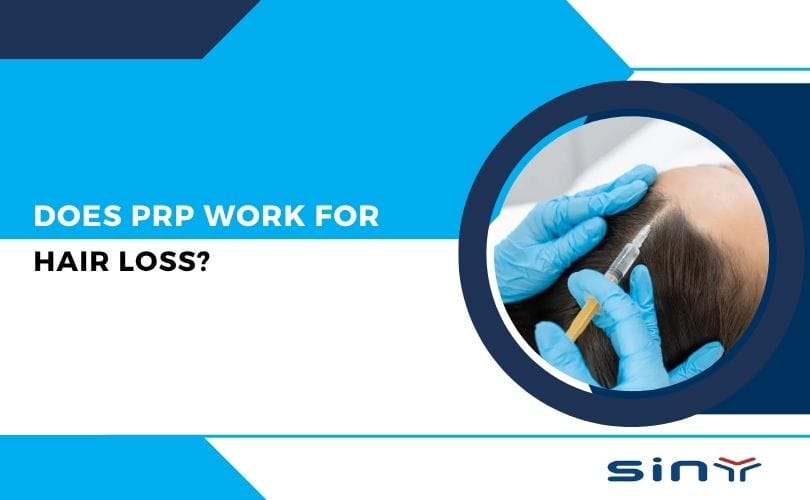
- Injection – A clinician injects the platelet-rich plasma into thinning areas of the scalp.
PRP contains growth factors like PDGF, VEGF, and TGF-β, which promote cell regeneration, blood circulation, and hair follicle strengthening.
What Is PRP Therapy for Hair Loss?
PRP therapy is a regenerative treatment that uses the patient’s own blood to stimulate hair growth. The process involves:
- Blood Extraction –A healthcare professional draws a small amount of blood from the patient.
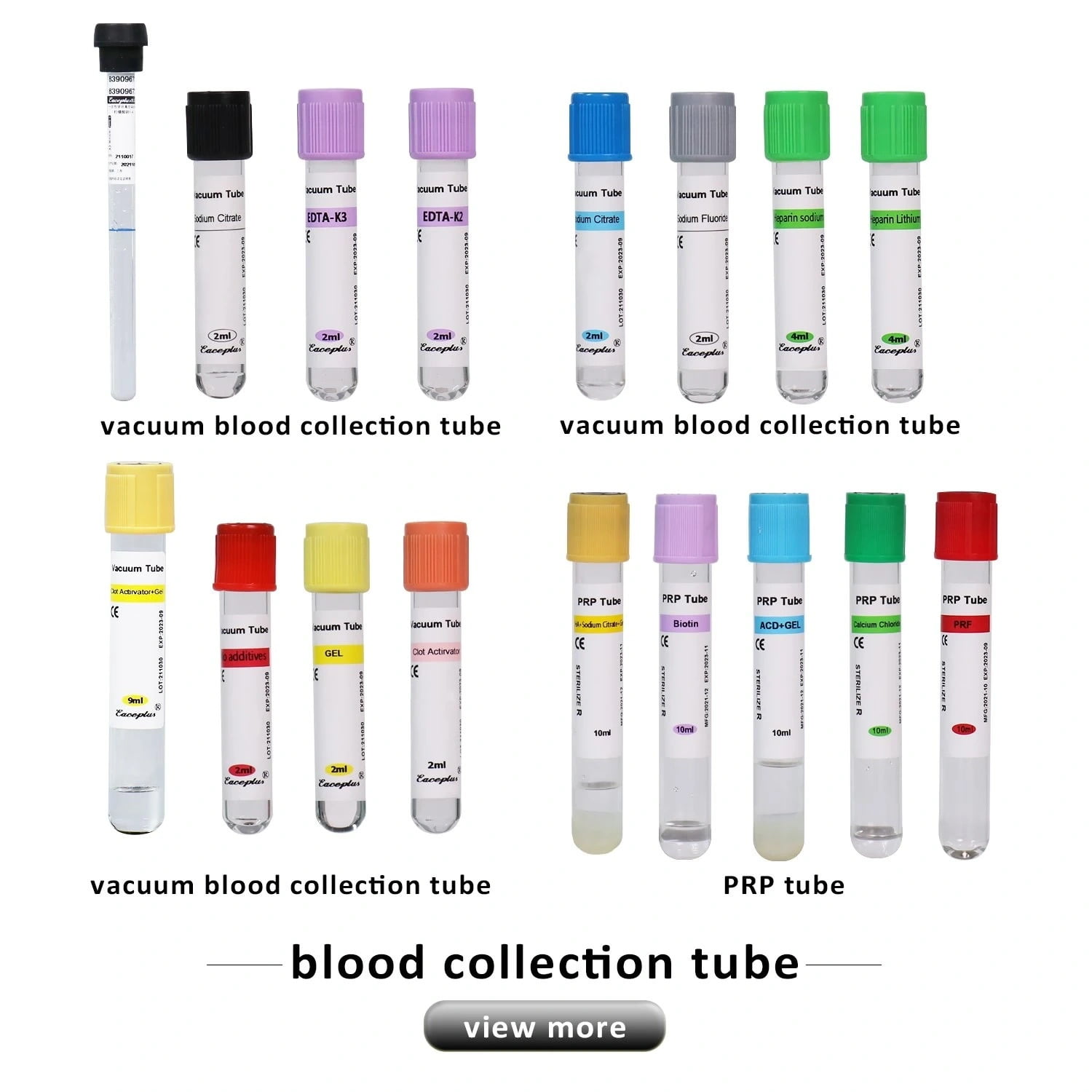
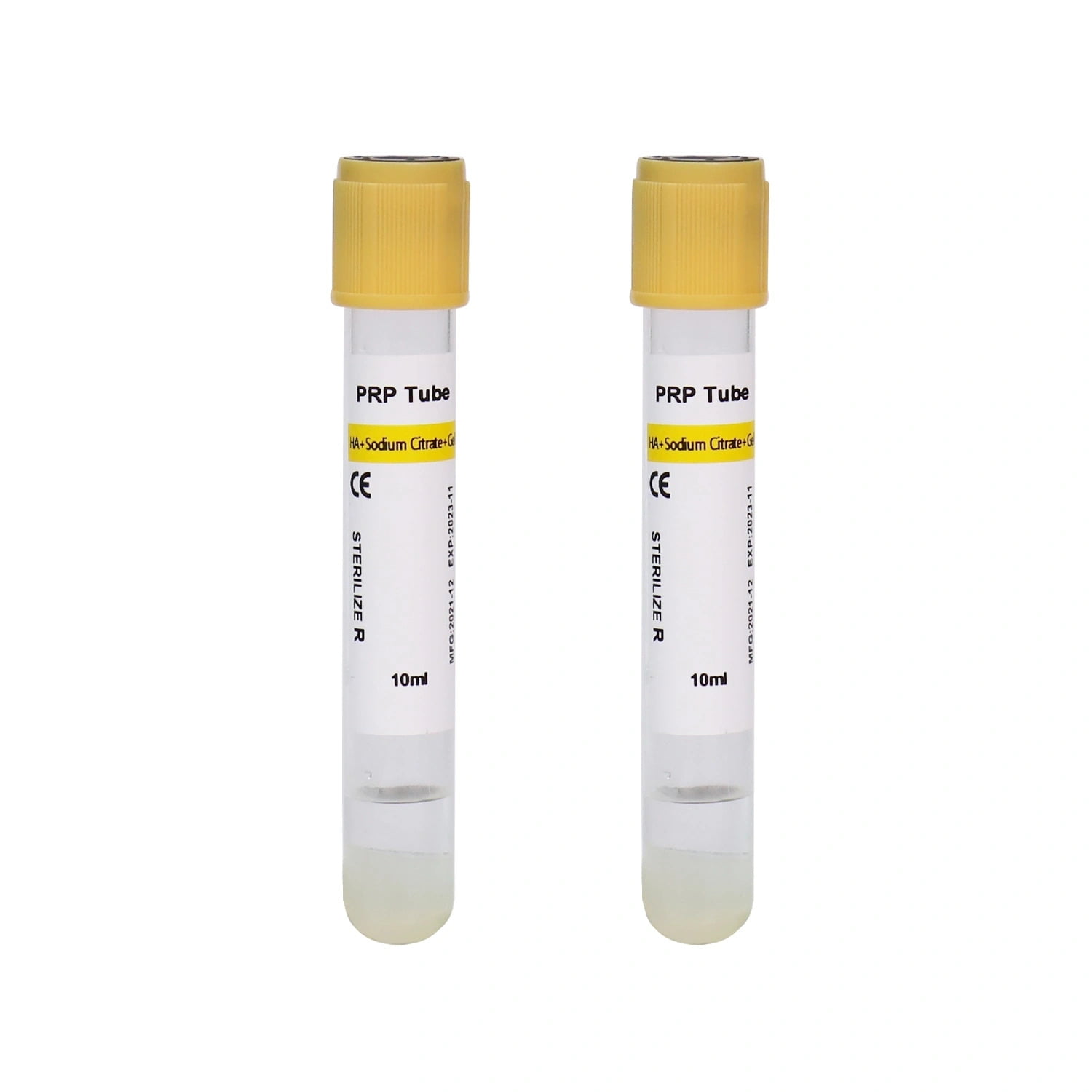
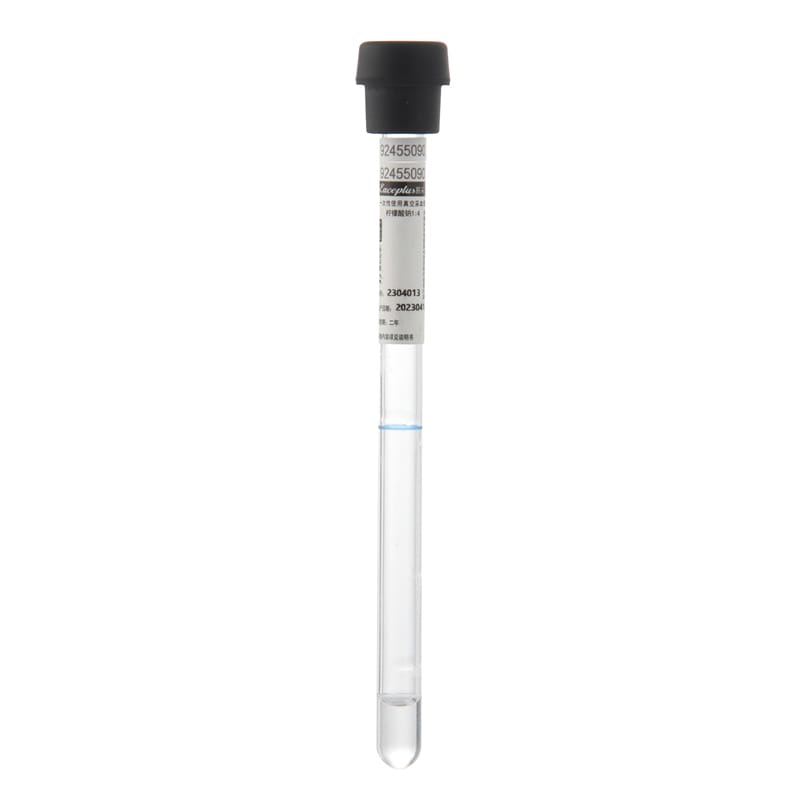
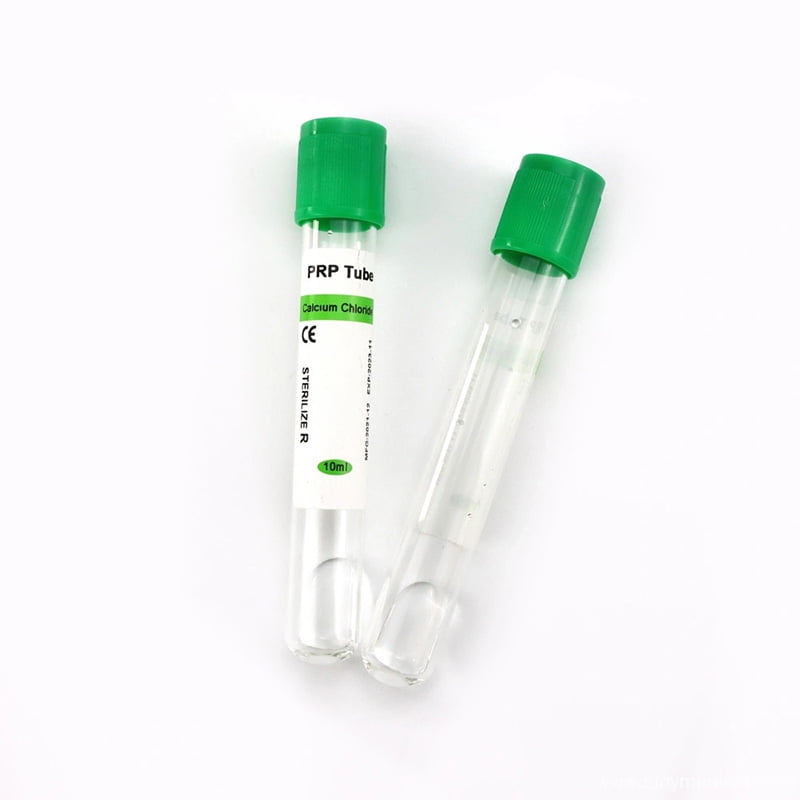
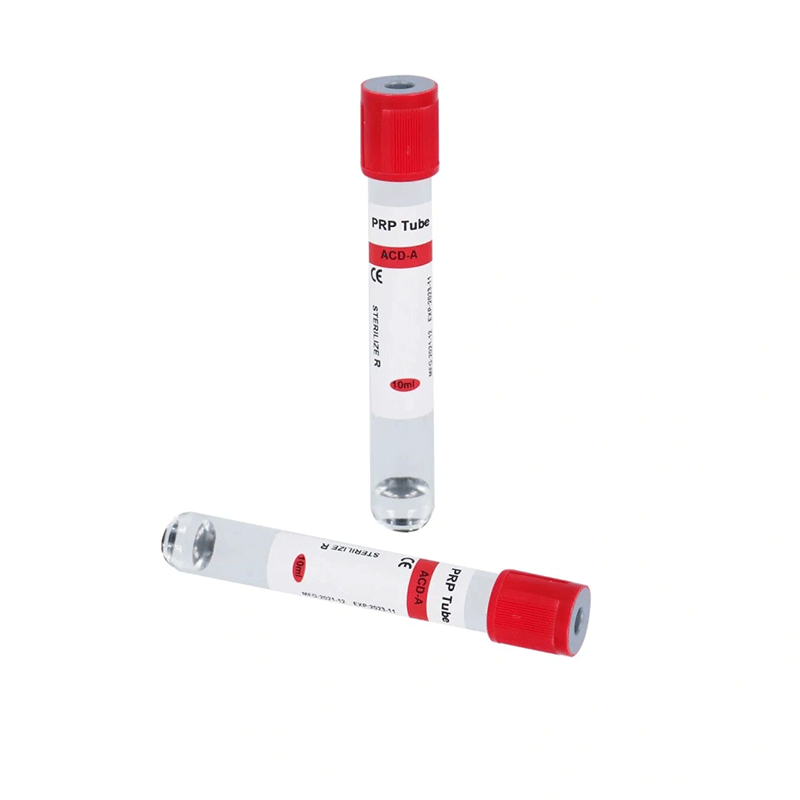
- Centrifugation – The PRP tube spins the blood to separate platelet-rich plasma from other components.
- Injection – The practitioner injects the concentrated PRP into the scalp to activate dormant hair follicles.
PRP Tubes contains growth factors like PDGF, VEGF, and TGF-β, which promote cell regeneration, blood circulation, and hair follicle strengthening.
What Is PRP and How It’s Prepared?
PRP is derived from your own blood. Here’s the process:
- Blood Collection – A healthcare professional draws a small amount of blood from your arm.
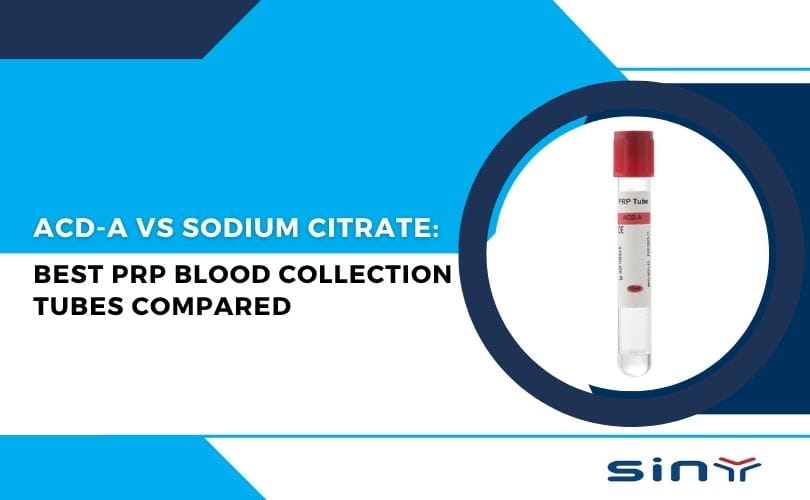
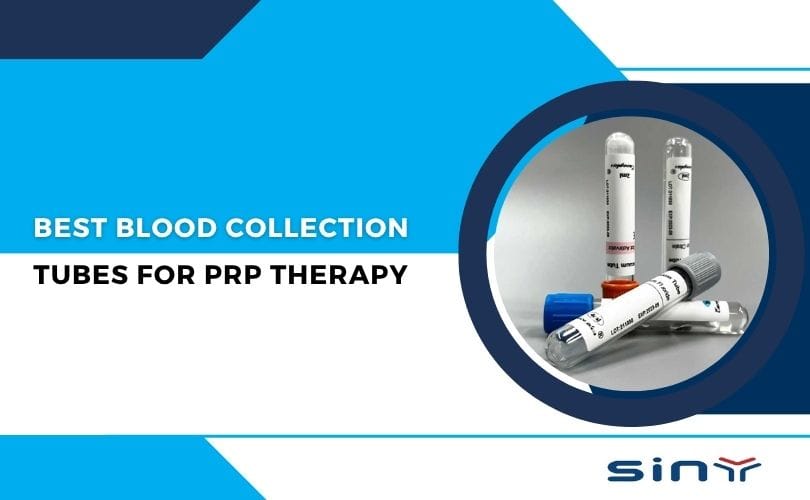
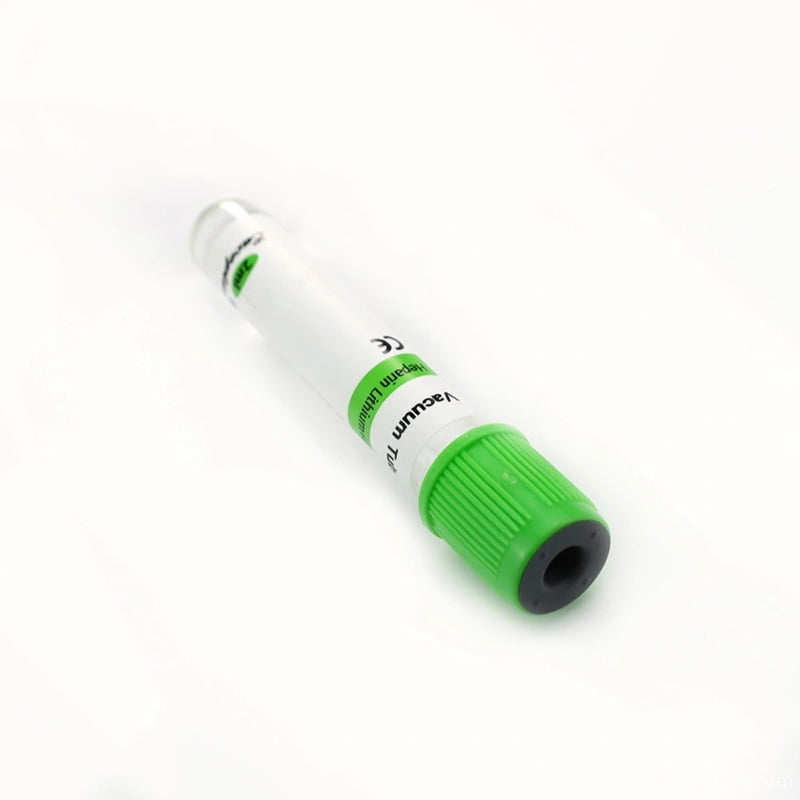
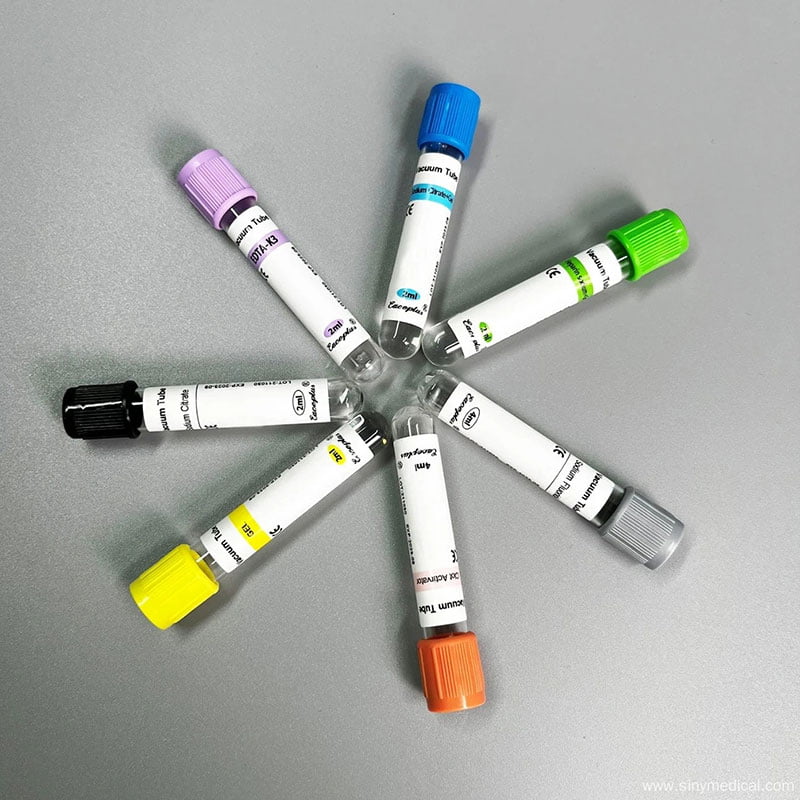
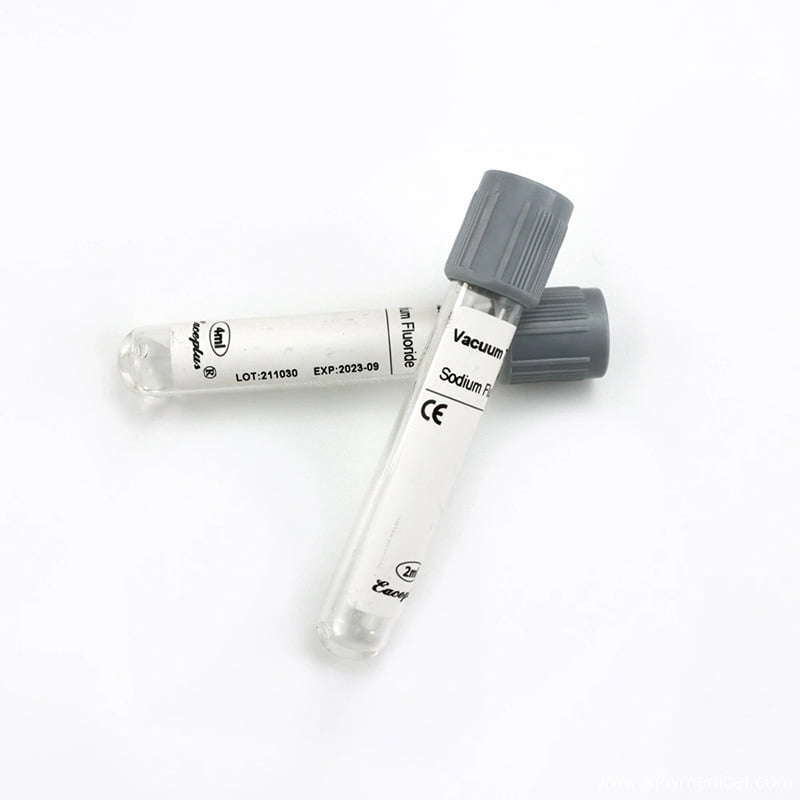
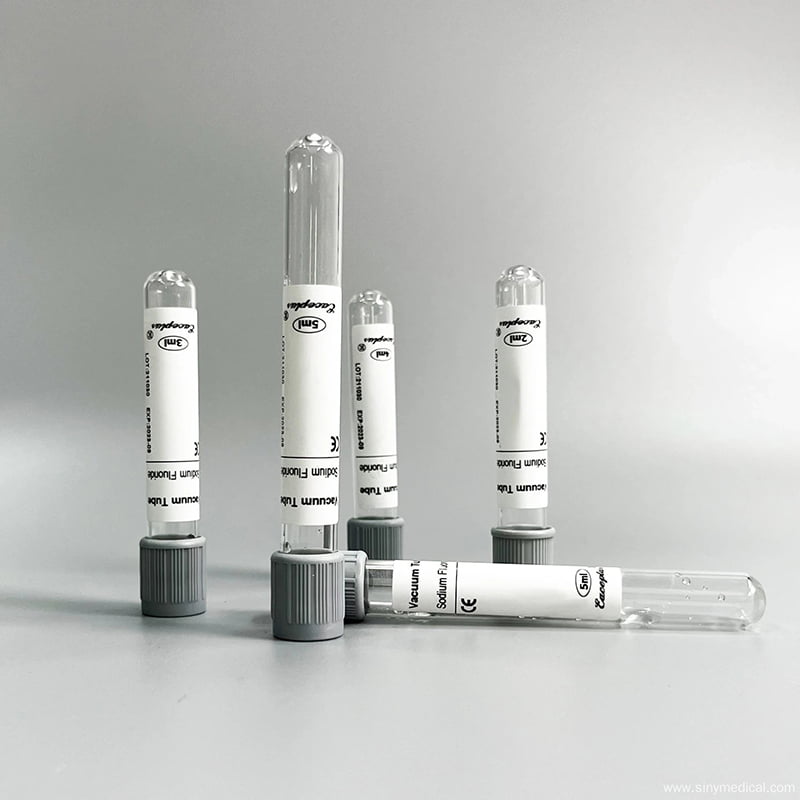
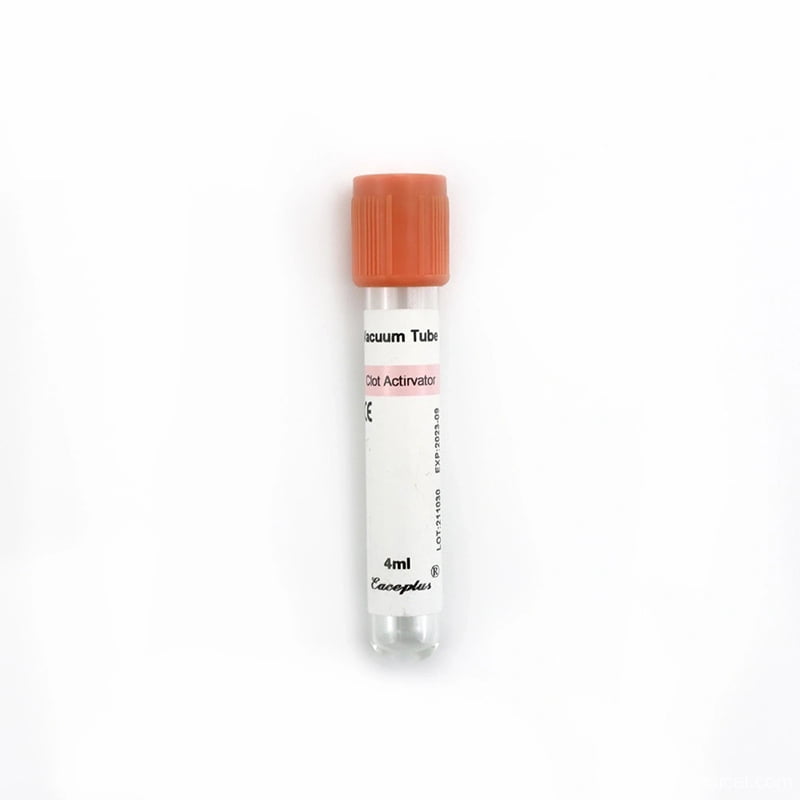
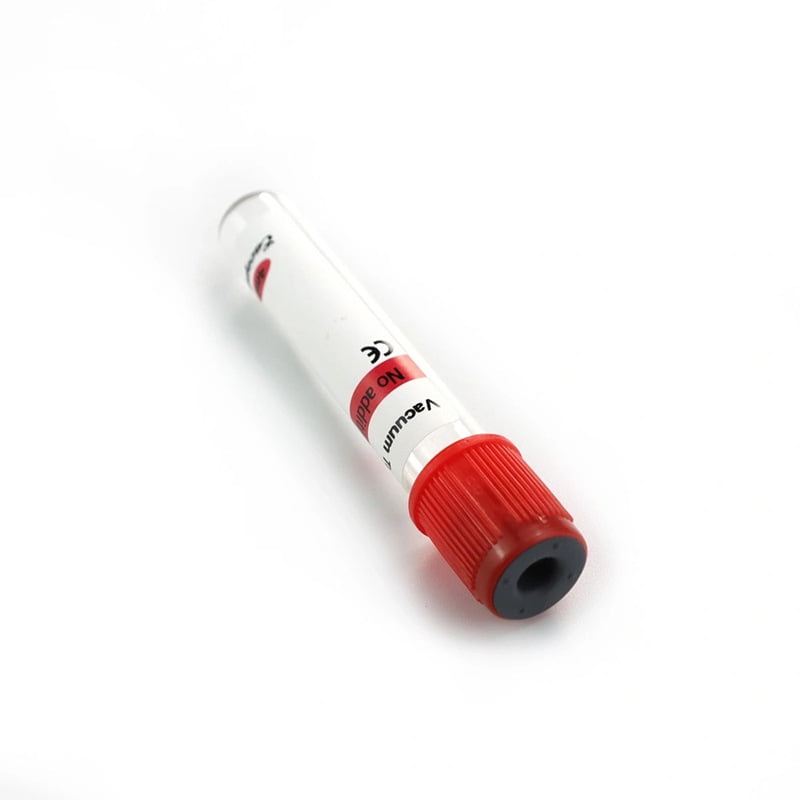
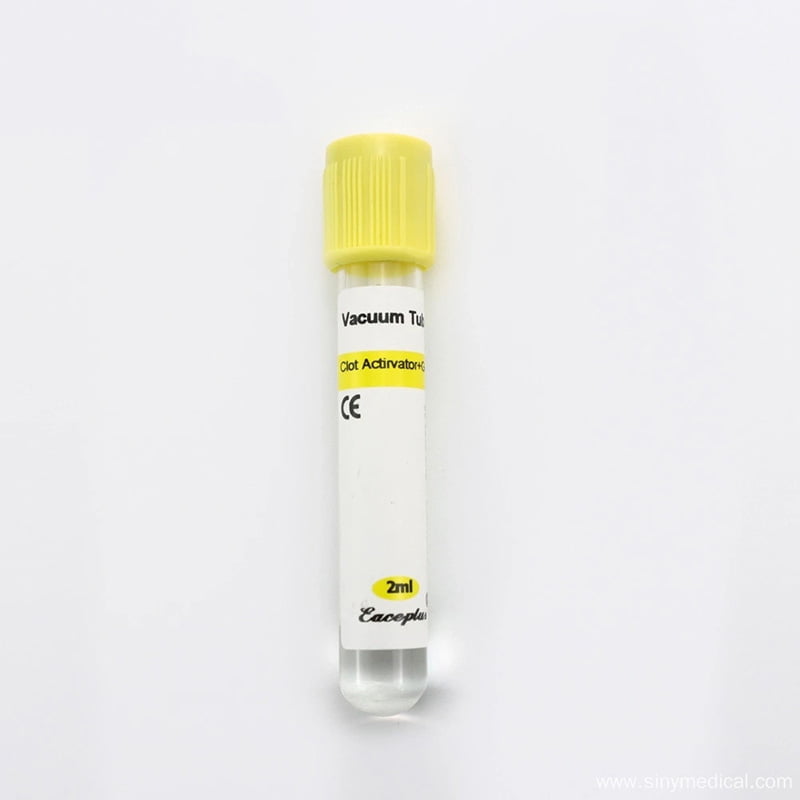
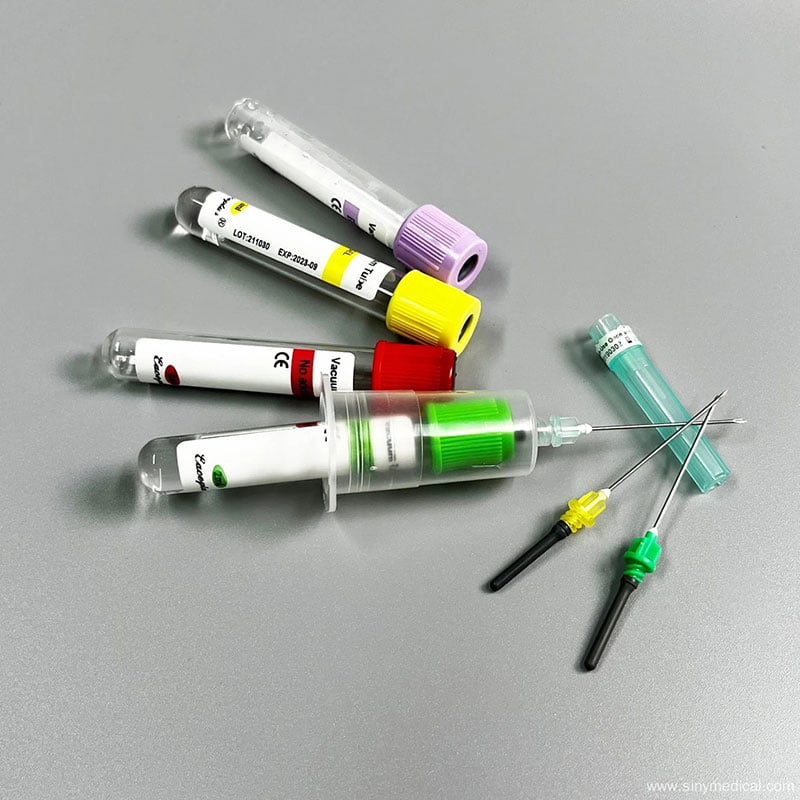
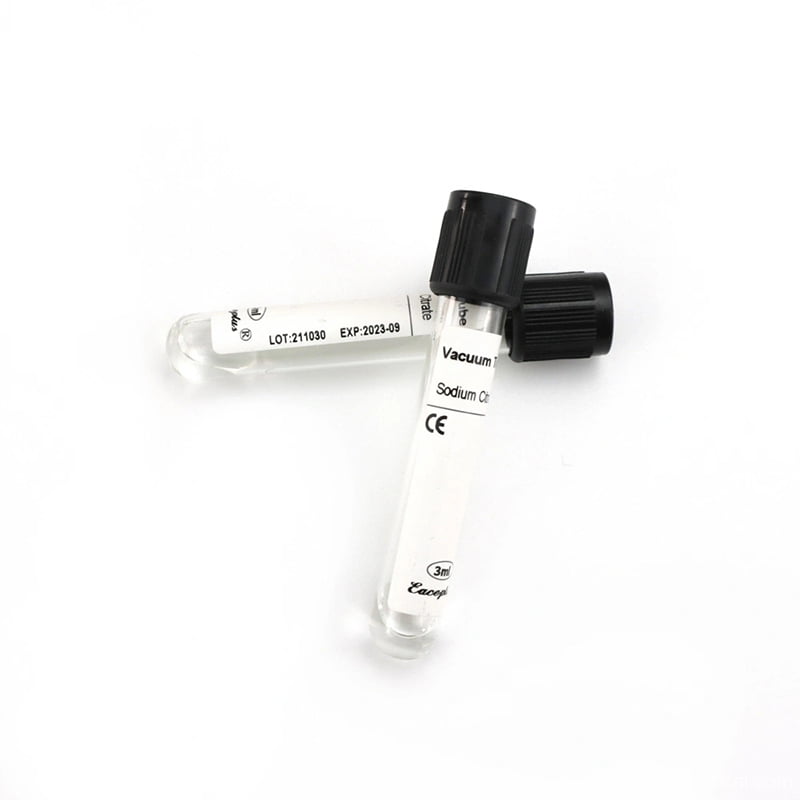
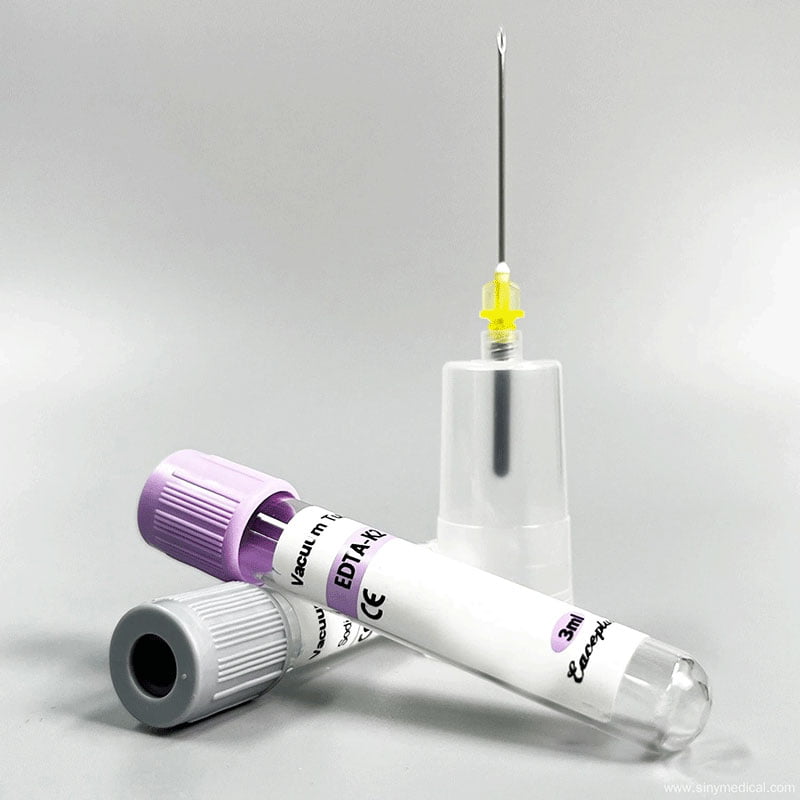
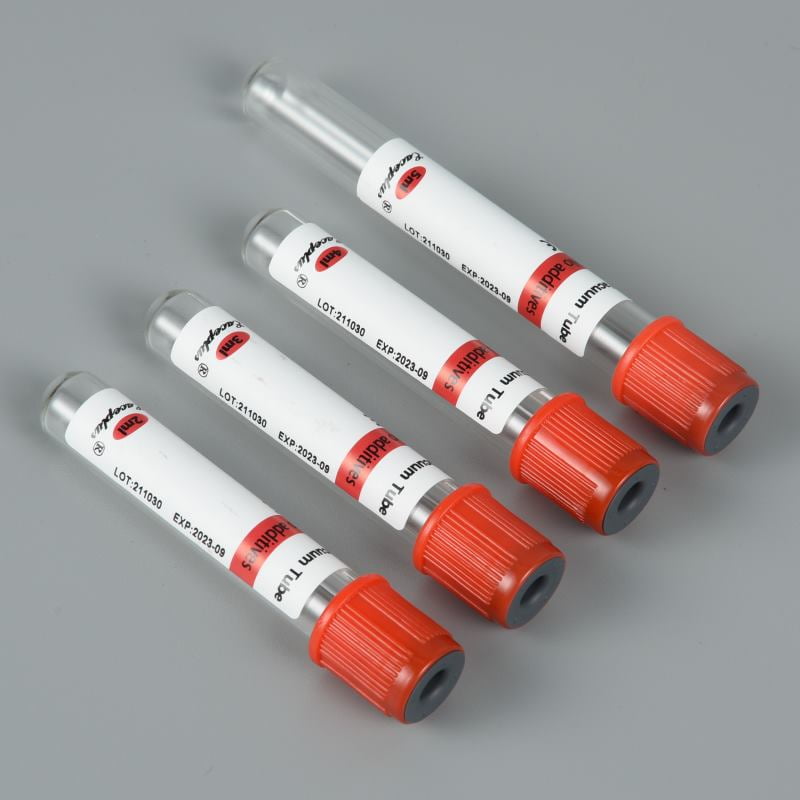
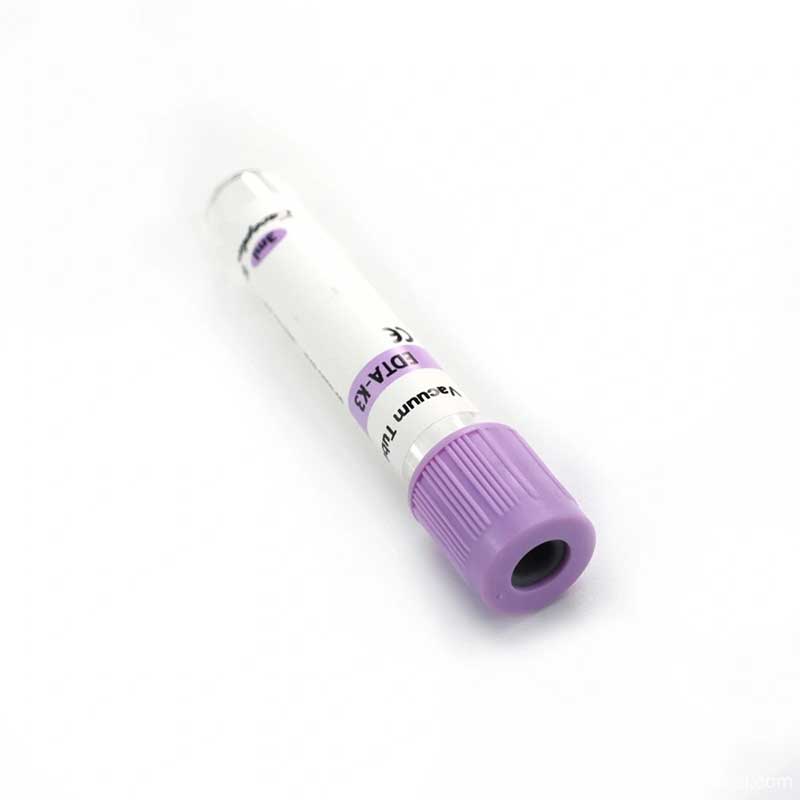
- Centrifugation – Using specialized PRP tubes such as Siny Medical PRP Tubes, The high-speed spinning of the blood separates plasma rich in platelets from red and white blood cells.
- Concentration – The process increases the platelet concentration by 5–10 times compared to normal blood levels.
- Injection into the Scalp – The platelet-rich plasma is injected into thinning areas of the scalp.
The key to effective PRP therapy lies in high-quality PRP tubes and proper preparation. Siny Medical provides specialized tubes for hair treatments, ensuring optimal platelet concentration and purity.
PRP for Different Types of Hair Loss
1. Androgenetic Alopecia (Male & Female Pattern Baldness)
PRP can slow down follicle miniaturization and thicken hair shafts. Best results after 3–6 sessions.
2. Telogen Effluvium (Stress/Postpartum Hair Loss)
It accelerates regrowth once you address the shedding trigger.
3. Alopecia Areata
Some improvement seen in mild cases, but not a replacement for medical therapy.
4. Hair Transplant Recovery
PRP boosts graft survival and accelerates healing.
PRP vs. Other Hair Loss Treatments
- Minoxidil – FDA-approved topical treatment, works by increasing scalp blood flow.
- Finasteride – Oral medication for men that blocks DHT hormone.
- Low-Level Laser Therapy (LLLT) – Stimulates cellular activity.
- Hair Transplant – Surgical restoration of hair.
These treatments can be combined with PRP for better results.
Treatment Timeline and Maintenance
- Initial phase – 1 session per month for 3–4 months.
- Maintenance – 1 session every 3–6 months based on hair status.
- Lifestyle – Adequate sleep, stress control, and a balanced diet are crucial to maintain results.
For androgenetic alopecia patients, doctors use PRP as an ongoing strategy to counteract DHT-related follicular miniaturization.
Summary
PRP is not a miracle cure, but for suitable candidates with proper technique and realistic expectations, it delivers meaningful improvements in hair density and quality. Backed by research showing efficacy in AGA and supportive roles in other types, combining PRP with therapies like minoxidil or LLLT often yields the best results. Understanding limitations ensures informed choices. If exploring non-hormonal options, PRP is worthwhile. To learn more about treatments and high-quality PRP tubes, visit Siny Medical or contact our specialists for personalized advice.
FAQs
Who is a good candidate for PRP?
People with early-stage androgenetic alopecia, postpartum shedding, or stress-related thinning.
How long until I see results?
Usually after the second or third session, with shedding reduction first, then visible regrowth.
Are results permanent?
No — maintenance sessions are needed to sustain hair density.
Can PRP be combined with other treatments?
Yes, combining with minoxidil, laser therapy, or hair transplants often improves results.