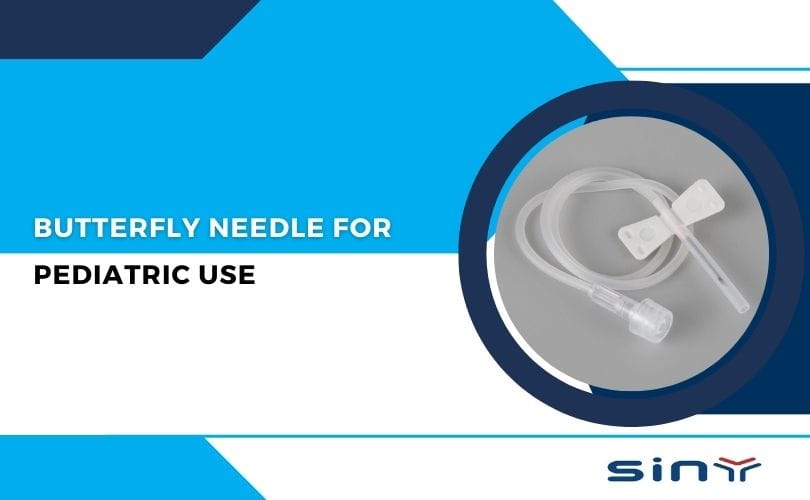
Drawing blood from children can be challenging for both healthcare professionals and young patients. Pediatric veins are smaller, more fragile, and often harder to locate compared to adult veins. For this reason, the Butterfly Needle for Pediatric procedures has become one of the most trusted solutions in hospitals, clinics, and laboratories around the world.
A butterfly needle, also known as a winged infusion set, is designed with small flexible wings and a thin needle that allows healthcare providers to access delicate veins with greater precision. This design significantly reduces discomfort and improves the success rate of blood collection and intravenous access in children.
According to healthcare research from the World Health Organization (WHO), proper blood collection techniques reduce complications and improve diagnostic accuracy. Pediatric blood draws must prioritize safety, comfort, and precision.
This guide explains everything healthcare professionals and medical buyers need to know about Butterfly Needle for Pediatric use, including design, benefits, safety considerations, and best practices for pediatric blood collection.
For an overview of professional butterfly needle solutions, visit the main product category.
Table of Contents
- 1 Butterfly Needles in Pediatric Medicine
- 2 Features of Butterfly Needles for Pediatric Use
- 3 Benefits of Using Butterfly Needles for Pediatric Patients
- 4 Why Butterfly Needles Are Superior for Pediatric Venipuncture
- 5 Mastering the Technique: Using Butterfly Needles in Pediatric Patients
- 6 Proper Pediatric Blood Collection Procedure
- 7 Importance of Quality Medical Suppliers
- 8 Summary
Butterfly Needles in Pediatric Medicine
What Is a Butterfly Needle?
A butterfly needle is a short, thin needle attached to flexible plastic “wings” and connected to tubing. The wings allow clinicians to stabilize the needle during insertion, which is particularly important when working with delicate pediatric veins.

The device is commonly used for:
- Pediatric blood collection
- Neonatal blood sampling
- IV therapy in children
- Patients with fragile or small veins
Healthcare professionals frequently use butterfly needles when a standard straight needle would be too large or difficult to control.
More information about blood drawing techniques can be found in this practical guide:
Why Pediatric Patients Require Specialized Needles
Children present unique challenges during medical procedures. Their veins are:
- Smaller and more fragile
- Located deeper beneath the skin in some cases
- More likely to collapse during blood withdrawal
These factors increase the difficulty of venipuncture. A Butterfly Needle for Pediatric procedures offers better control, lower insertion force, and improved patient comfort.
Studies show that butterfly needles can significantly increase first-attempt success rates in pediatric blood collection. This reduces both stress for children and time spent by medical staff.
Hospitals that prioritize safety often combine butterfly needles with modern safety injection technologies. These technologies help prevent accidental injuries and contamination.
For more information about these safety devices, see:
https://www.sinymedical.com/safety-injection-needles/
Features of Butterfly Needles for Pediatric Use
Thin Gauge Design
Butterfly needles used in pediatric medicine typically range from 21G to 25G. The smaller the gauge number, the thicker the needle. Pediatric procedures usually prefer thinner needles.
| Needle Gauge | Typical Use |
|---|---|
| 21G | Larger pediatric veins |
| 23G | Standard pediatric venipuncture |
| 25G | Neonatal and infant use |
Smaller gauges reduce tissue trauma and make insertion easier.
A reliable example of pediatric-friendly design can be found in this product: siny medical disposable 18g butterfly blood needle.
Flexible Wings for Stability
The distinctive butterfly wings provide several benefits:
- They allow clinicians to hold and guide the needle precisely.
- They stabilize the device after insertion.
- They minimize movement that could damage fragile veins
This design improves accuracy during pediatric blood collection.
Flexible Tubing for Reduced Movement
The tubing attached to butterfly needles helps reduce direct pressure on the insertion site. This is particularly important for children who may move during the procedure.
A good example is the soft connection design seen in: siny medical soft blood needle.
Benefits of Using Butterfly Needles for Pediatric Patients
Improved Patient Comfort
Children often experience anxiety during medical procedures. The Butterfly Needle for Pediatric procedures helps reduce pain due to its thin needle and smooth insertion.
Healthcare professionals frequently report that pediatric patients tolerate butterfly needles better than standard blood collection needles.
Higher First-Attempt Success Rates
Accurate vein access is crucial in pediatric care. Multiple failed attempts can cause stress and bruising.
Butterfly needles provide:
- Better grip for clinicians
- More precise insertion control
- Greater stability after placement
This improves the success rate of the first venipuncture attempt.
Reduced Risk of Vein Collapse
Because butterfly needles are thinner and allow slower blood flow, they reduce the risk of vein collapse during collection.
This makes them ideal for infants, toddlers, and young children.
Why Butterfly Needles Are Superior for Pediatric Venipuncture
Pediatric patients present unique challenges that make butterfly needle for pediatric procedures the preferred choice in most clinical settings. Children’s veins are typically smaller, more superficial, and more prone to rolling compared to adult veins. Additionally, young patients often experience anxiety and may have difficulty remaining still during procedures.
The lightweight design of butterfly needles allows for more precise insertion, reducing the risk of vein puncture through the back wall. The flexible tubing accommodates patient movement without dislodging the needle, which is particularly valuable when working with infants and toddlers who cannot remain perfectly still.
Another significant advantage is the reduced pain perception associated with butterfly needles. The sharp, thin bevel creates a cleaner insertion with less tissue displacement. Studies show that when healthcare providers use butterfly needles for pediatric blood draws, children report 30% less pain on standardized pain scales compared to conventional needles.
Mastering the Technique: Using Butterfly Needles in Pediatric Patients
Proper technique is crucial when using a butterfly needle for pediatric venipuncture. Even with the best equipment, incorrect handling can lead to unsuccessful attempts and unnecessary patient discomfort.
When inserting the needle, hold the wings between your thumb and index finger for maximum control. The bevel should face upward, and the insertion angle should be shallow (15-30 degrees) for superficial pediatric veins. Once you observe a “flash” of blood in the tubing, advance the needle slightly to ensure it’s fully within the vein lumen, then lower the angle and advance further.
Securing the butterfly needle is particularly important with pediatric patients who may move. Use a clear, breathable dressing that allows for continuous visualization of the insertion site. For extended IV therapy, consider using a stabilization device specifically designed for pediatric patients.
For detailed visual guidance on proper technique, you might find this resource helpful. Additionally, Siny Medical offers educational videos demonstrating proper butterfly needle techniques.
Proper Pediatric Blood Collection Procedure
Step 1: Prepare the Equipment
Healthcare providers should prepare:
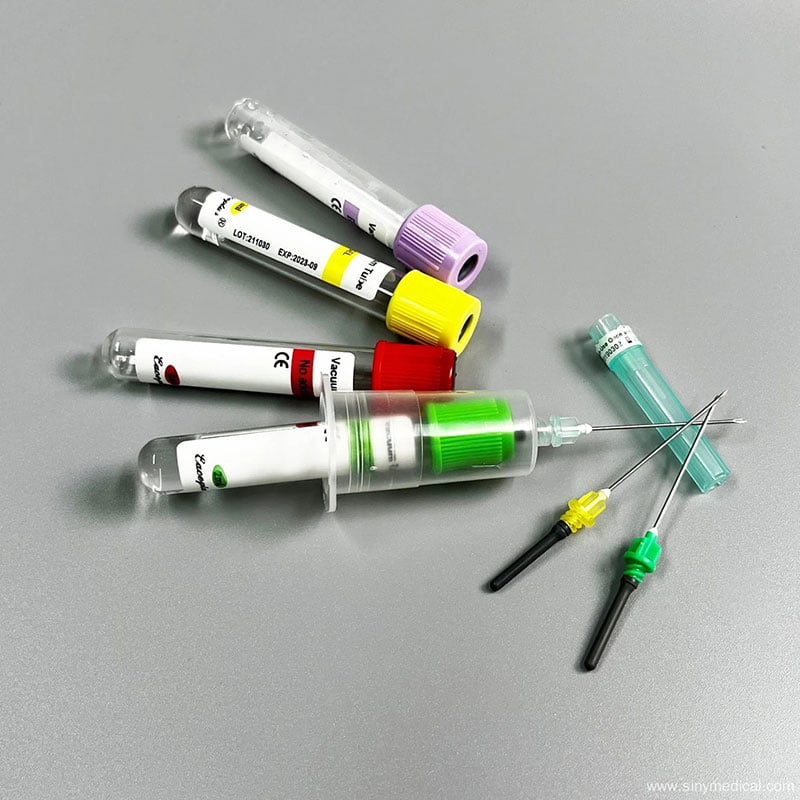
- Butterfly needle
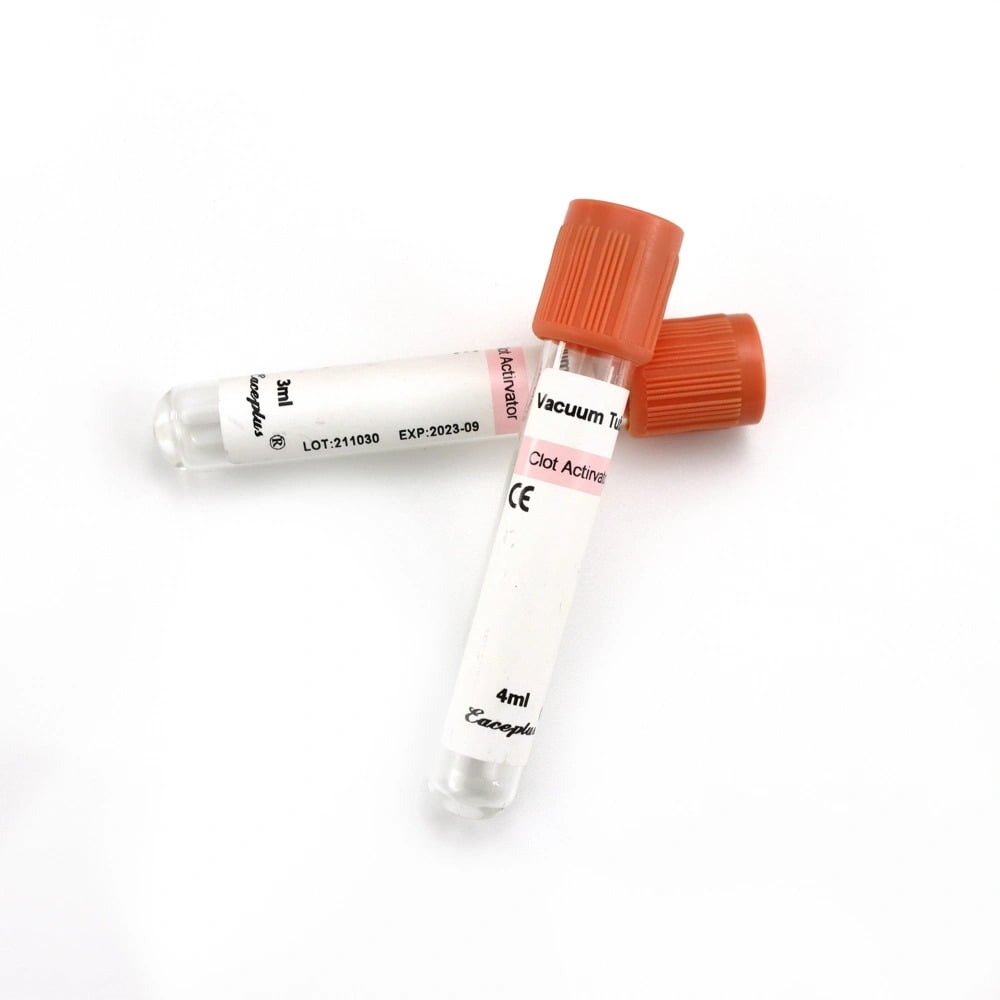
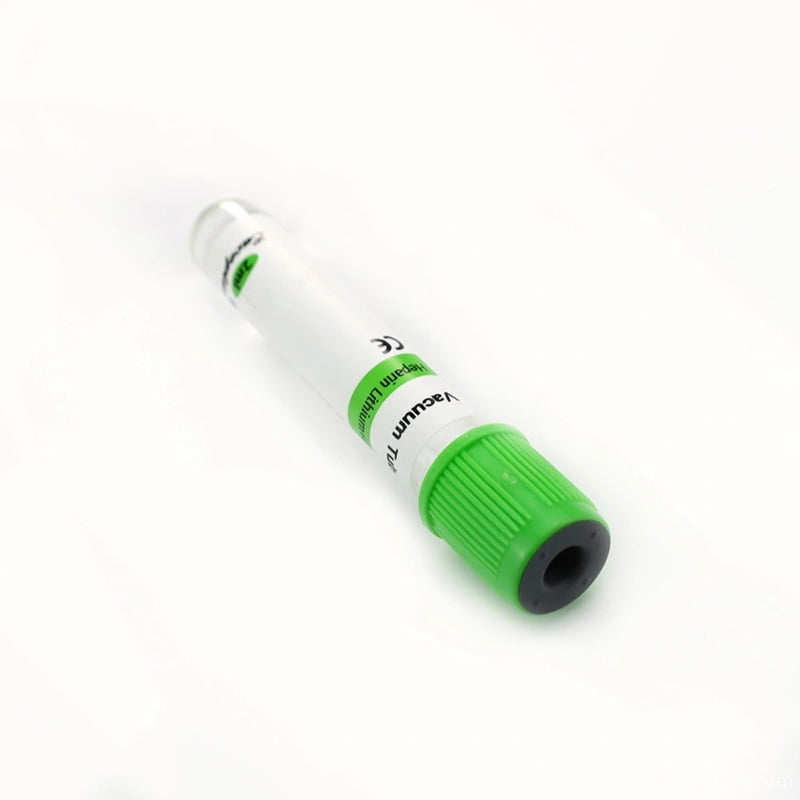
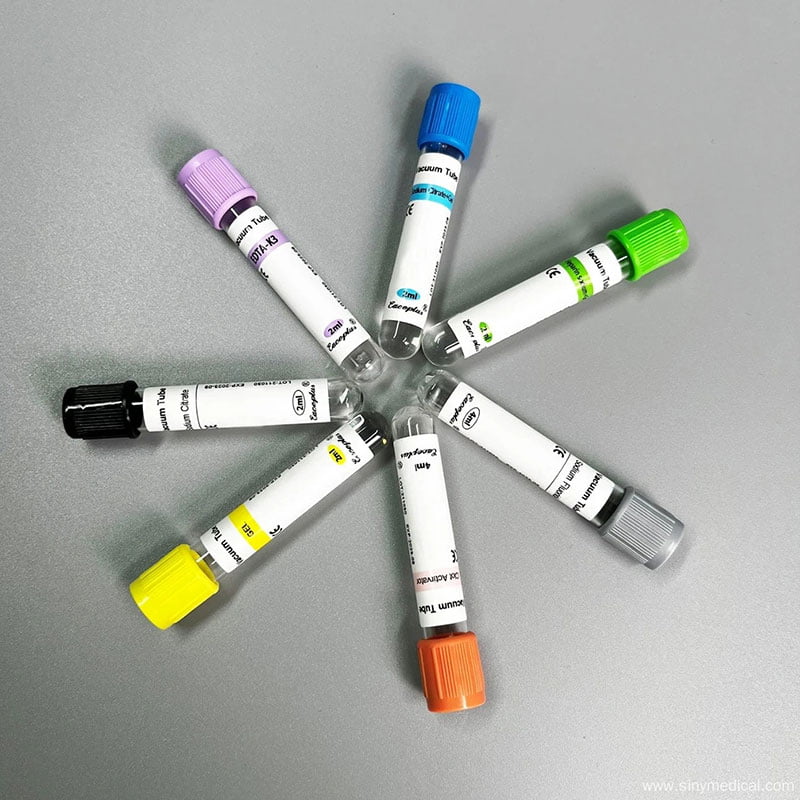
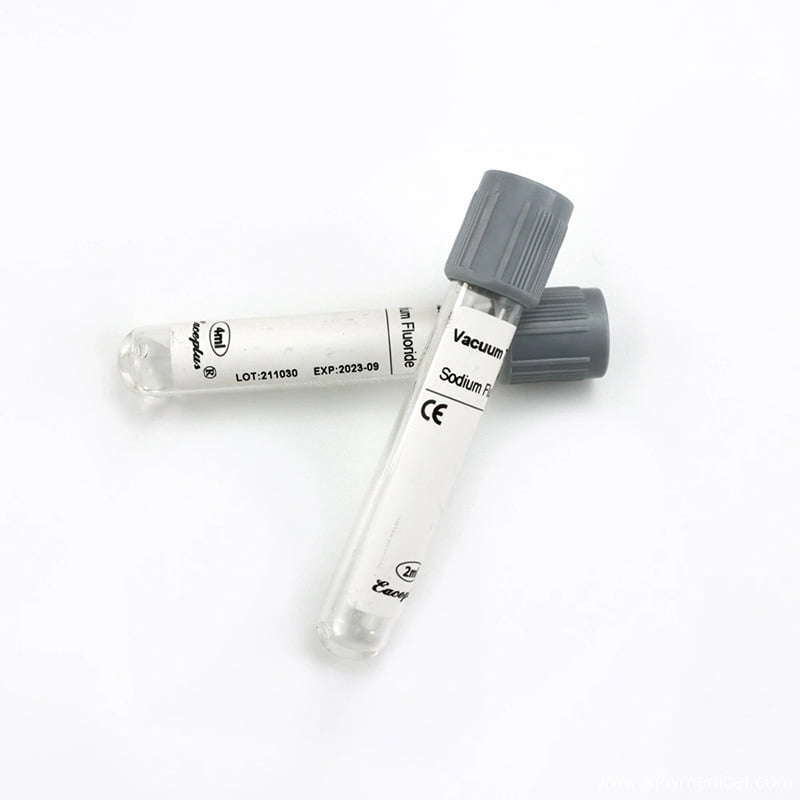
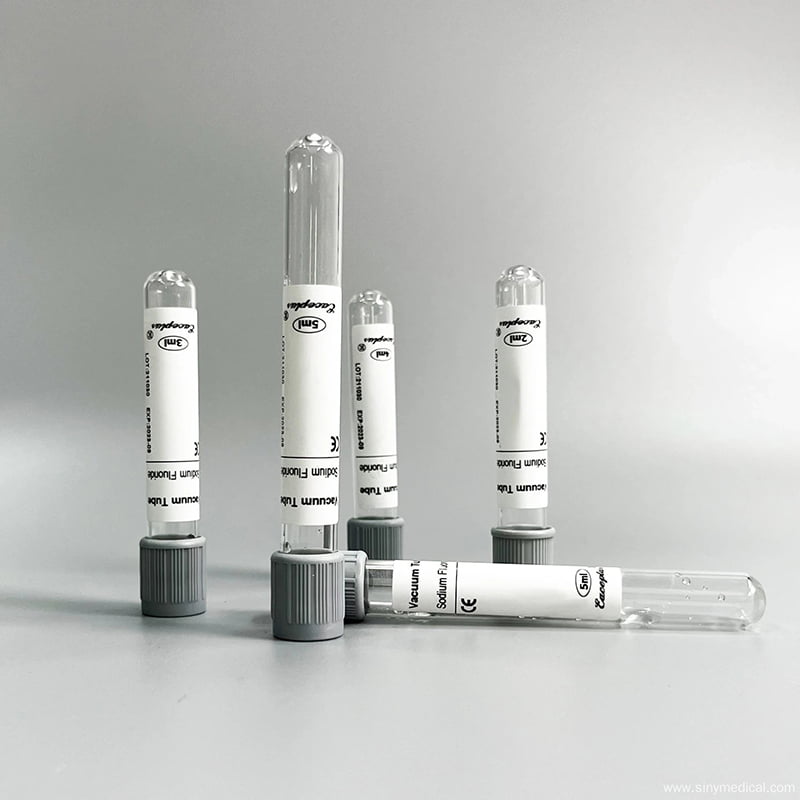
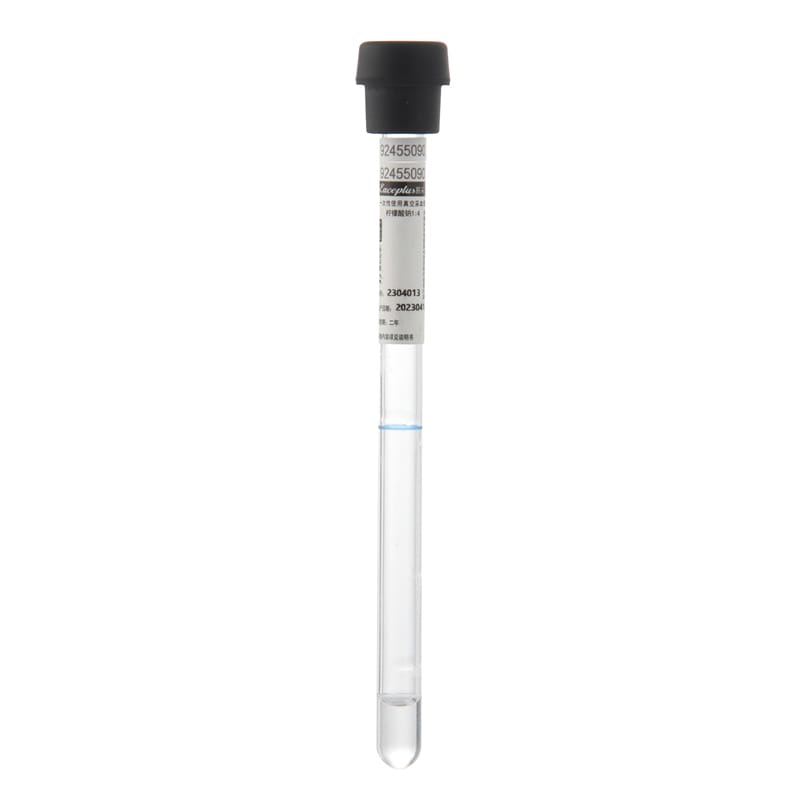
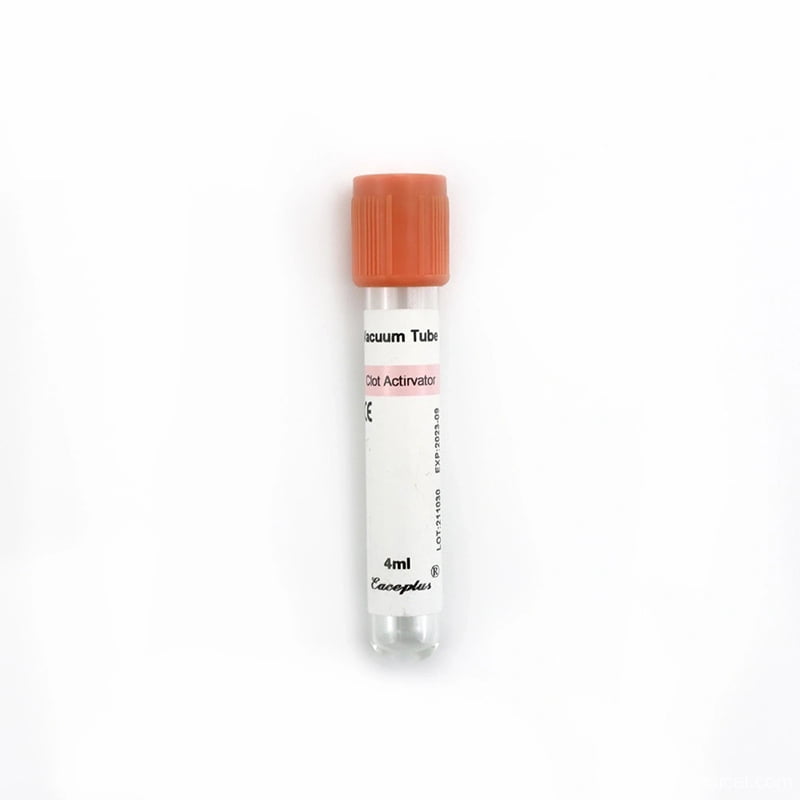
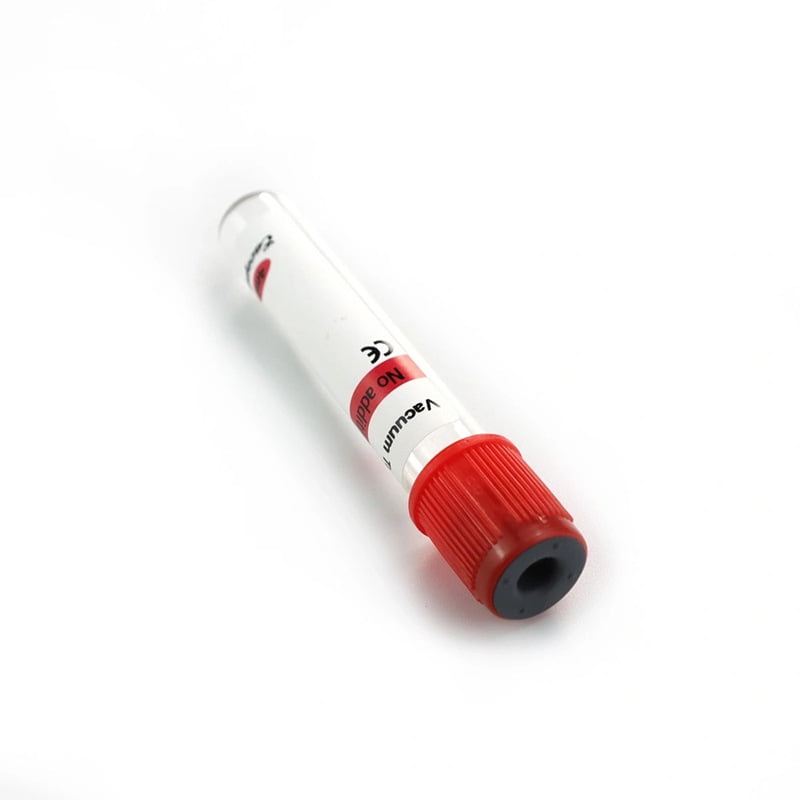
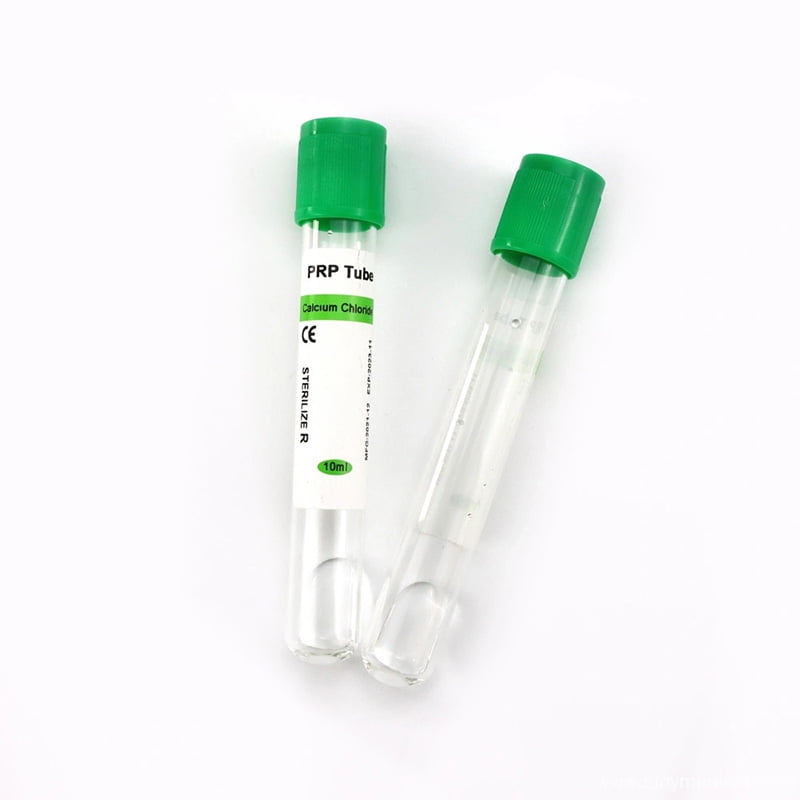
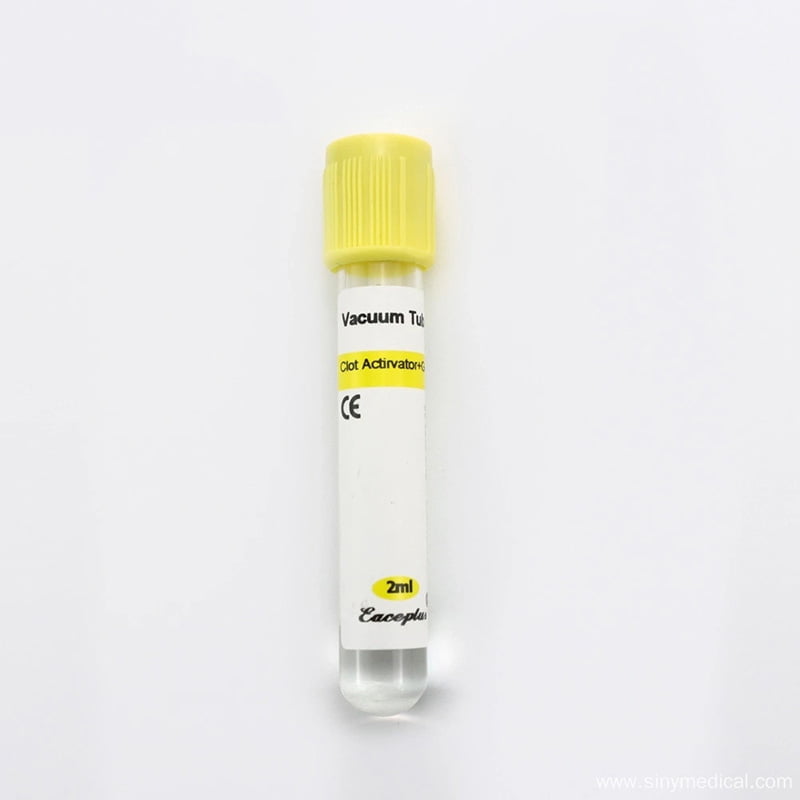
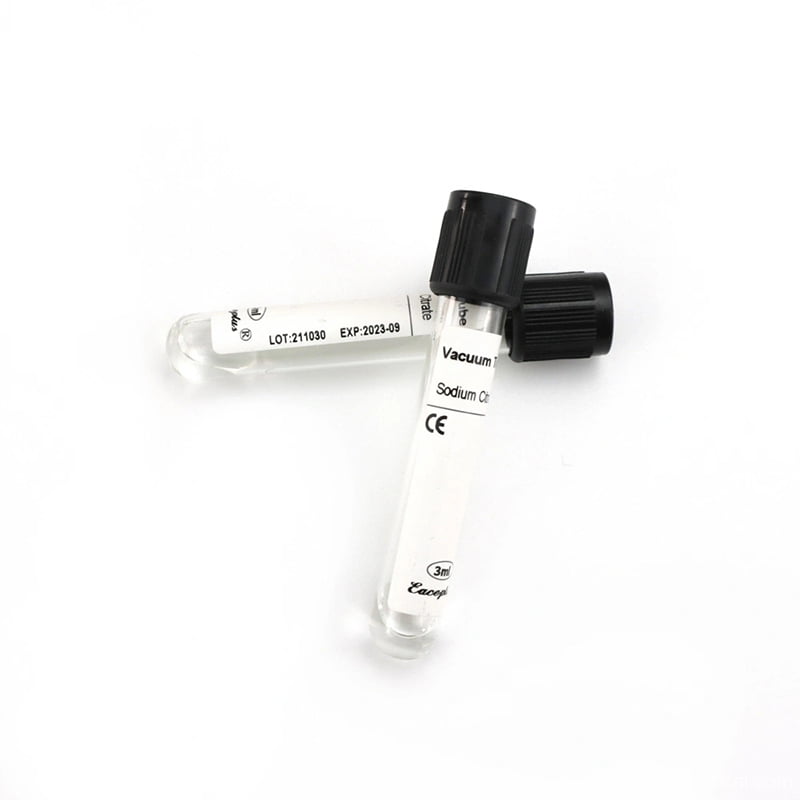
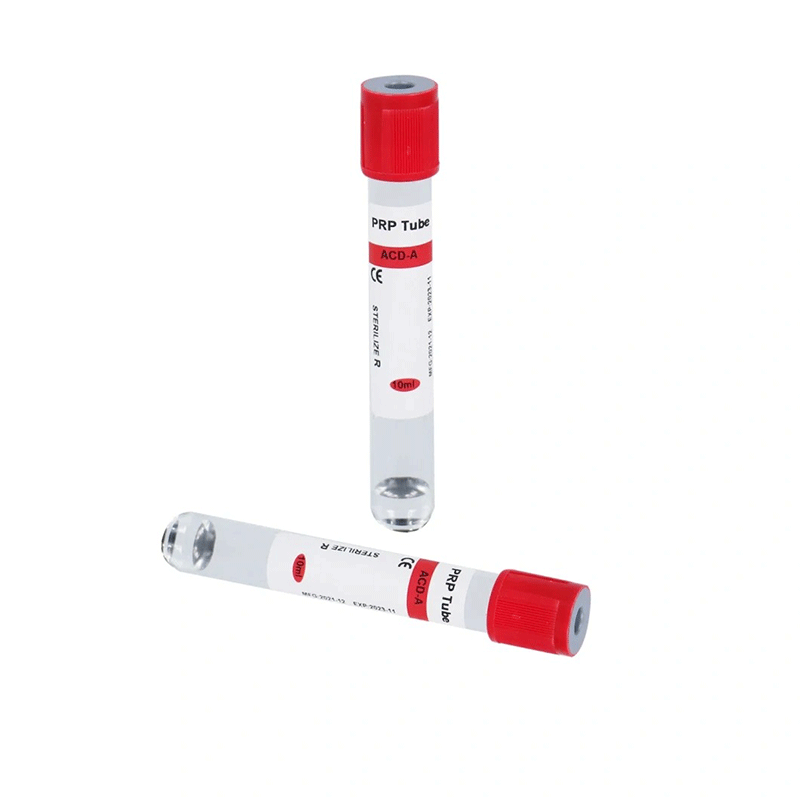
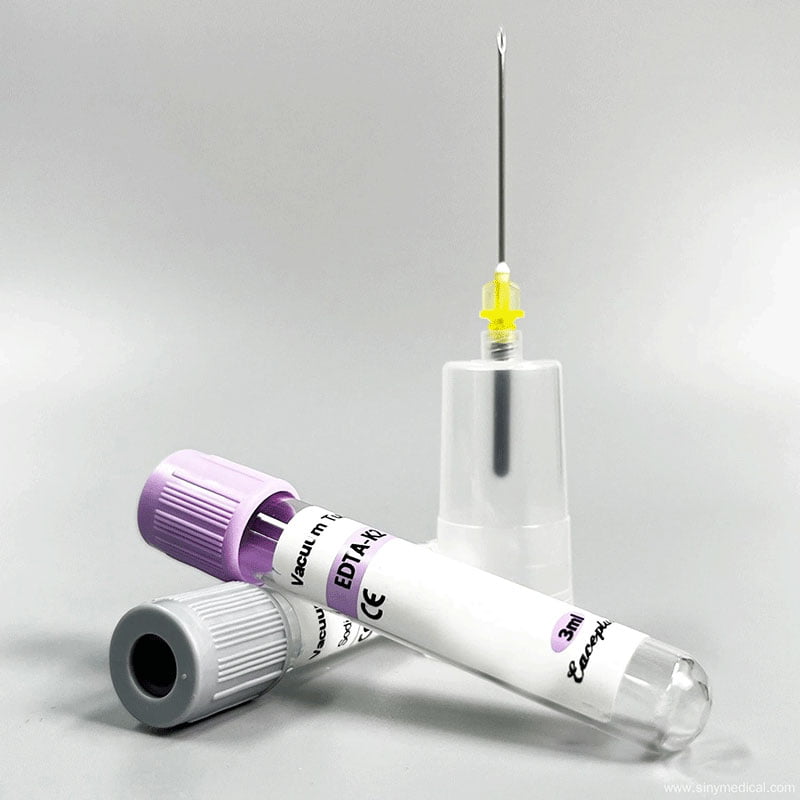
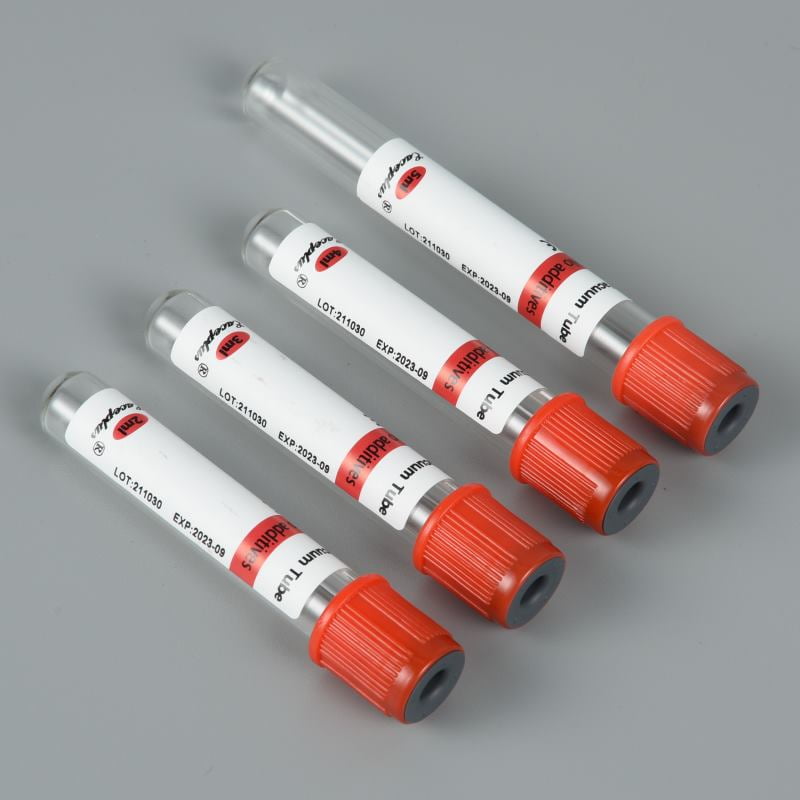
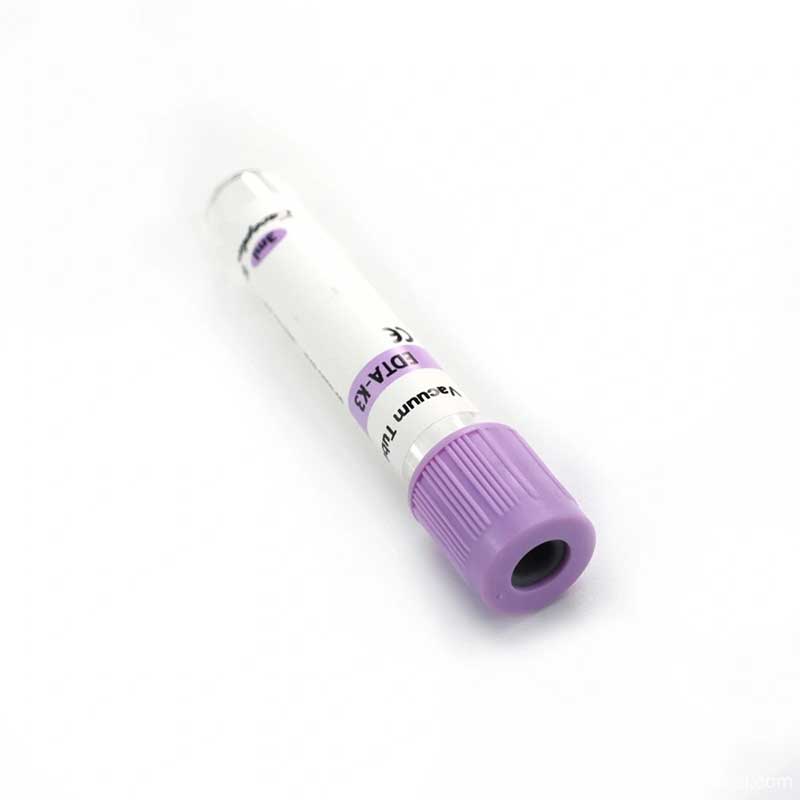
- Collection tubes
- Alcohol swabs
- Gloves
- Sharps container
Proper preparation ensures a smooth procedure.
Step 2: Locate the Vein
Common pediatric venipuncture sites include:
- Dorsal hand veins
- Median cubital vein
- Scalp veins (in neonates)
Careful vein selection improves success.
Step 3: Insert the Butterfly Needle
The needle should be inserted at a shallow angle. The wings help stabilize the device while entering the vein.
The tubing allows blood to flow smoothly into collection tubes.
Step 4: Secure and Monitor
Once inserted, the butterfly wings are gently taped to the skin to prevent movement.
Healthcare providers should monitor the child carefully during blood collection.
Step 5: Safe Needle Disposal
After use, the needle must be disposed of immediately in a sharps container.
Proper sharps disposal prevents injuries and contamination.
Learn how to safely dispose of medical sharps:
You can also explore professional medical sharps containers.
Importance of Quality Medical Suppliers
Healthcare institutions must source medical devices from trusted manufacturers.
High-quality butterfly needles ensure:
- Consistent sterility
- Reliable safety mechanisms
- Durable materials
- Regulatory compliance
You can explore certified medical manufacturing listings here: Healthcare professionals can also contact the manufacturer directly for bulk inquiries. and Educational resources and demonstrations are available on the official YouTube channel.
Summary
The Butterfly Needle for Pediatric procedures play a crucial role in modern pediatric healthcare. Their thin gauge, flexible wings, and precise control make them ideal for accessing small veins safely and comfortably.
By improving success rates in blood collection and reducing patient discomfort, butterfly needles help healthcare providers deliver better care for infants and children.
Modern safety designs also protect healthcare workers from accidental injuries and reduce the risk of bloodborne disease transmission.
Hospitals and clinics seeking reliable pediatric blood collection tools should prioritize high-quality butterfly needle systems and follow proper safety protocols.
With continued innovation in medical device technology, butterfly needles will remain a cornerstone of safe and effective pediatric venipuncture.