Platelet-Rich Plasma (PRP) therapy has revolutionized regenerative medicine, offering a natural approach to healing and rejuvenation. However, the success of your treatment doesn’t end when you leave the clinic. Understanding what to do and not do after PRP injection is crucial for maximizing your results and ensuring a smooth recovery. This comprehensive guide will walk you through the essential post-treatment care steps, helping you get the most out of your PRP therapy.
Table of Contents
- 1 Understanding PRP Therapy and Its Healing Process
- 2 Essential Do’s After PRP Injection
- 3 Critical Don’ts After PRP Injection
- 4 Special Considerations for Different Treatment Areas
- 5 Timeline of Recovery After PRP Injection
- 6 The Importance of Quality PRP Preparation
- 7 When to Contact Your Healthcare Provider
- 8 Maximizing Your PRP Results: Beyond Basic Aftercare
- 9 The Science Behind PRP Aftercare
- 10 FAQs
- 10.1 How long should I avoid anti-inflammatory medications after PRP injection?
- 10.2 Can I exercise after PRP injection?
- 10.3 Is it normal to have increased pain after PRP injection?
- 10.4 How soon can I return to work after PRP injection?
- 10.5 Can I drive after PRP injection?
- 10.6 How many PRP treatments will I need?
- 11 Summary
Understanding PRP Therapy and Its Healing Process
Before diving into aftercare instructions, it’s important to understand what PRP therapy is and how it works. PRP therapy involves extracting a small amount of your own blood, processing it in a centrifuge to concentrate the platelets, and then injecting this platelet-rich plasma back into the targeted treatment area. These concentrated platelets contain powerful growth factors that stimulate tissue regeneration and accelerate healing.
According to research published in the Journal of Clinical Medicine, PRP therapy has shown promising results in various applications, from orthopedic injuries to aesthetic treatments. The effectiveness of PRP largely depends on your body’s natural healing response, which is why proper aftercare is so important.
The healing process after PRP injection follows a natural biological timeline. Initially, you may experience some inflammation as the growth factors begin working. This is followed by tissue regeneration and remodeling over the following weeks and months. Supporting this process through proper aftercare can significantly enhance your outcomes.
Essential Do’s After PRP Injection

Allow Time for Rest and Recovery
After PRP injection, your body needs time to respond to the treatment. For the first 24-48 hours, it’s important to rest the treated area. If you’ve received a joint injection, avoid putting weight on that joint. For facial treatments, try to keep your head elevated and avoid excessive facial movements. This initial rest period allows the platelets to begin their work without interference.
Manage Discomfort Appropriately
Some mild discomfort, swelling, or redness at the injection site is normal and actually indicates that the healing process has begun. To manage this discomfort, you can use cold compresses intermittently (15-20 minutes at a time) during the first 24 hours. However, avoid placing ice directly on the skin—wrap it in a cloth first.
For pain management, acetaminophen (Tylenol) is generally recommended over anti-inflammatory medications like ibuprofen or aspirin, as these may interfere with the inflammatory response that’s essential for PRP effectiveness.
Stay Hydrated and Maintain Good Nutrition
Proper hydration and nutrition support your body’s healing processes. Drink plenty of water in the days following your treatment. Focus on a balanced diet rich in protein, vitamins, and minerals that support tissue repair. Foods high in vitamin C, zinc, and antioxidants can be particularly beneficial for recovery.
Follow Your Provider’s Specific Instructions
Every PRP treatment is unique, and your healthcare provider may have specific recommendations based on your individual situation. For detailed guidance on aftercare for specific treatment areas, you might find helpful information on Siny Medical’s aftercare page.
Attend Follow-Up Appointments
Follow-up appointments are an important part of your PRP treatment journey. These visits allow your provider to assess your progress and make any necessary adjustments to your care plan. Be sure to keep all scheduled appointments and communicate any concerns you may have.
Critical Don’ts After PRP Injection
Avoid Anti-Inflammatory Medications
One of the most important rules after PRP injection is to avoid anti-inflammatory medications (NSAIDs) like ibuprofen, naproxen, and aspirin for at least 3-5 days post-treatment. These medications can counteract the inflammatory response that’s crucial for PRP’s effectiveness. If you’re unsure about which medications to avoid, consult with your healthcare provider.
Don’t Engage in Strenuous Activity
For at least 48-72 hours after your PRP injection, avoid strenuous activities that could stress the treated area. This includes high-impact exercises, heavy lifting, and vigorous physical activity. Depending on your treatment area, your provider may recommend a longer period of activity modification.
Avoid Heat and Saunas
Heat can increase inflammation and potentially interfere with the healing process after PRP treatment. Avoid hot baths, saunas, steam rooms, and hot tubs for at least 48-72 hours after your injection. Warm showers are generally acceptable, but avoid directing hot water directly onto the treatment area.
Don’t Massage or Manipulate the Treated Area
While it might be tempting to touch or massage the treated area, especially after facial PRP treatments, it’s important to let the injection sites heal undisturbed. Manipulating the area can cause the PRP to disperse from the targeted treatment zone, potentially reducing effectiveness.
Avoid Alcohol and Smoking
Alcohol and nicotine can both interfere with the healing process. Alcohol can increase inflammation and dehydration, while smoking constricts blood vessels and reduces oxygen delivery to tissues, both of which can impair the regenerative effects of PRP. It’s best to avoid both for at least 72 hours after treatment, though longer abstinence would be even more beneficial.
Special Considerations for Different Treatment Areas
After PRP Injection in Joints
For those receiving PRP injections in joints like the knee, shoulder, or hip, the recovery process may involve specific mobility considerations. While complete immobilization isn’t typically recommended, you’ll need to modify your activities to protect the joint. Your provider might recommend specific gentle exercises to maintain range of motion without stressing the treated area.
Crutches or other assistive devices might be recommended temporarily for lower extremity injections. Physical therapy often begins a week or two after treatment to support the regenerative process. For more detailed guidance on knee PRP aftercare, Siny Medical’s specialized page offers valuable insights.
After Facial PRP Treatments
Facial PRP treatments, often called “vampire facials,” require special considerations to protect your skin. Avoid applying makeup or skincare products to the treated area for at least 12-24 hours. When you do resume your skincare routine, use gentle, non-irritating products.
Stay out of direct sunlight and avoid tanning beds for at least a week after treatment. When you do go outside, use a broad-spectrum sunscreen with SPF 30 or higher to protect your healing skin. For those interested in the specific products used in facial PRP treatments, Siny Medical’s PRP tubes for beauty provide information on the specialized equipment used.
After PRP for Hair Restoration
PRP therapy for hair loss has gained significant popularity in recent years. After treatment, avoid washing your hair for at least 12-24 hours. When you do wash your hair, use a gentle shampoo and avoid vigorous scrubbing of the scalp.

Avoid wearing hats or other head coverings that might cause friction or trap heat against your scalp for the first 24-48 hours. It’s also important to avoid chemical treatments or coloring your hair for at least a week after PRP treatment. For those interested in the specialized equipment used for hair PRP treatments, Siny Medical’s PRP tubes for hair treatment offer detailed information.
After Dental PRP Applications
PRP is increasingly used in dental procedures to enhance healing and tissue regeneration. After dental PRP treatments, follow your dentist’s specific instructions regarding oral hygiene. You may be advised to avoid vigorous rinsing or spitting for the first 24 hours.
Stick to soft foods and avoid extremely hot or cold foods and beverages that might irritate the treatment area. If you’ve had extractions or implant placement with PRP, avoid using straws as the suction can dislodge blood clots and interfere with healing. Siny Medical’s PRP tubes for dental applications provide more information on this specialized use of PRP therapy.
Timeline of Recovery After PRP Injection
Understanding the typical recovery timeline can help you set realistic expectations for your PRP treatment. While individual experiences may vary, most people follow a similar healing pattern.
First 24-48 Hours
This initial period is critical for PRP effectiveness. You may experience some mild swelling, redness, and discomfort at the injection sites. This is a normal inflammatory response that indicates the growth factors are beginning to work. Rest is crucial during this time, and you should avoid any activities that might stress the treated area.
First Week
By the end of the first week, most of the initial inflammation should subside. You may begin to notice some improvement in your symptoms, though significant changes typically take longer. Depending on your treatment area, you might be able to gradually resume normal activities, though strenuous exercise should still be avoided.
Two to Four Weeks
During this period, the regenerative processes are in full swing. You might notice gradual improvement in your symptoms or appearance. For aesthetic treatments, you may begin to see skin quality improvements. For orthopedic applications, pain and function may start to improve.
One to Three Months
This is when most people experience the most significant benefits from PRP therapy. The tissue regeneration and remodeling processes are well underway, and you should notice substantial improvement in your treated condition. For hair restoration treatments, new hair growth may become visible.
Three to Six Months
The full effects of PRP therapy typically become apparent by three to six months post-treatment. For some conditions, particularly chronic or severe cases, additional PRP treatments may be recommended to achieve optimal results.
The Importance of Quality PRP Preparation
While proper aftercare is crucial, the quality of the PRP preparation itself plays a significant role in treatment outcomes. The concentration of platelets, the presence of white blood cells, and the overall quality of the PRP can vary significantly based on the preparation method and equipment used.
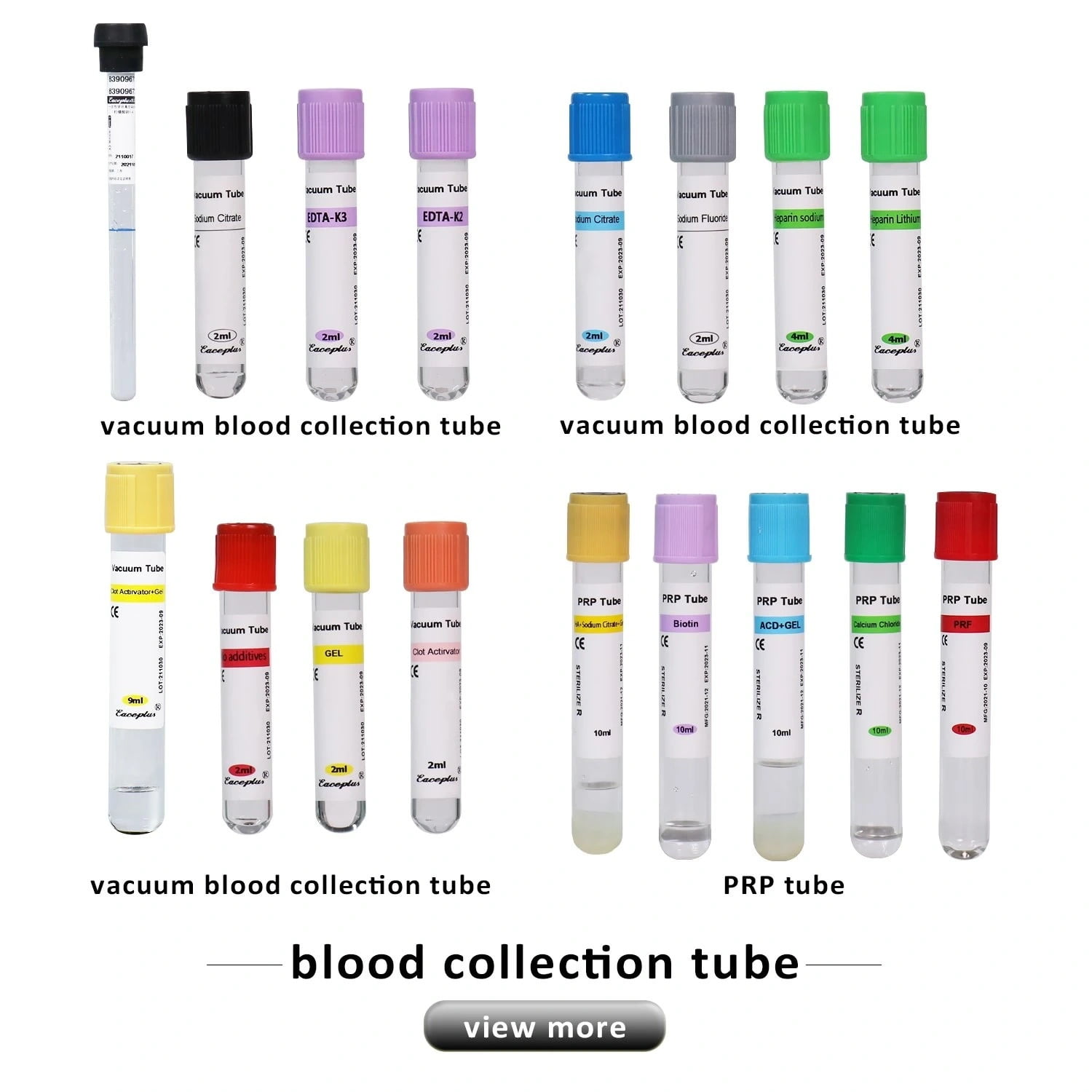
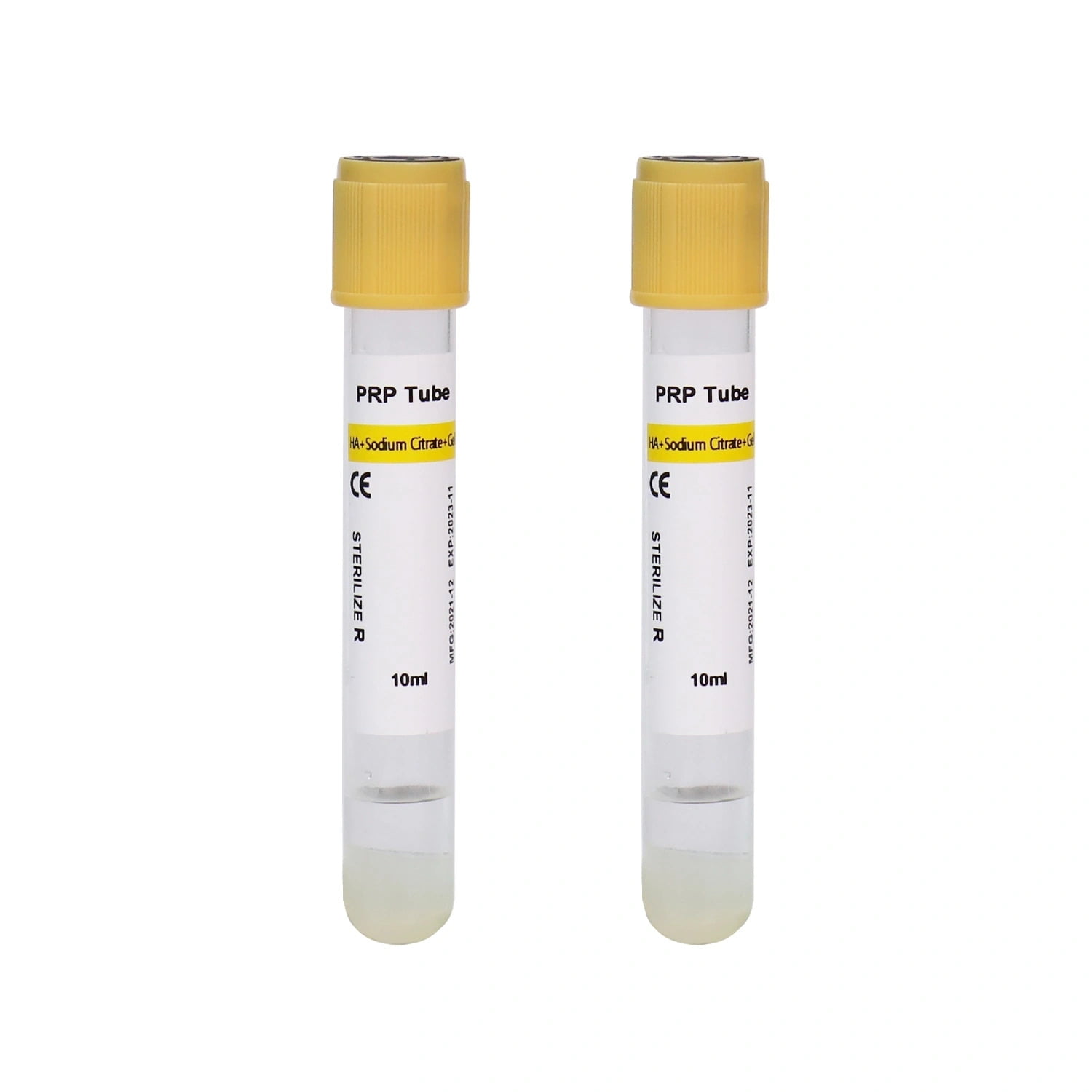
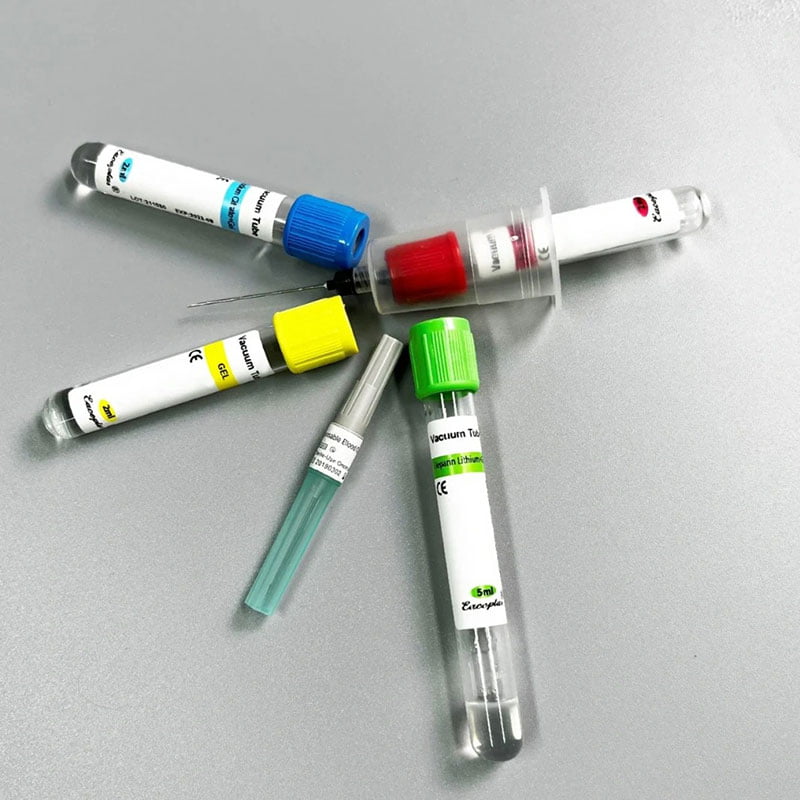
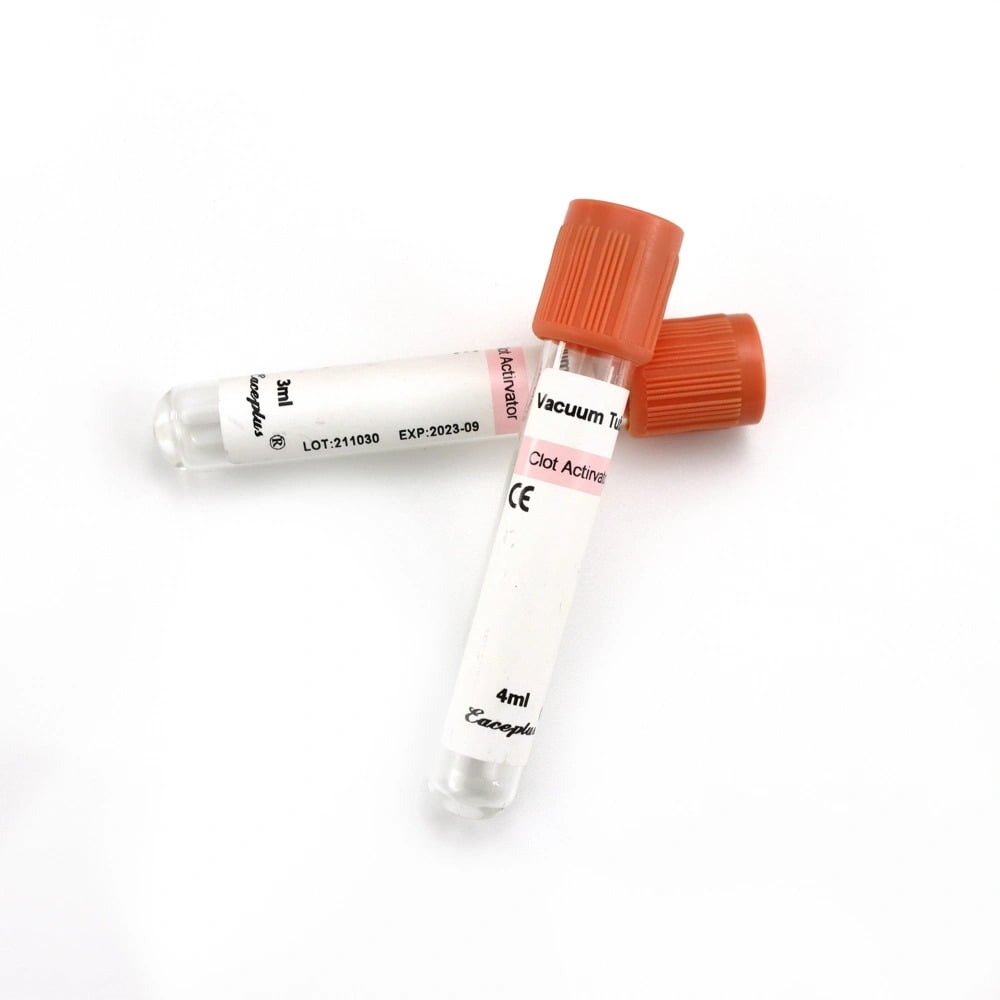
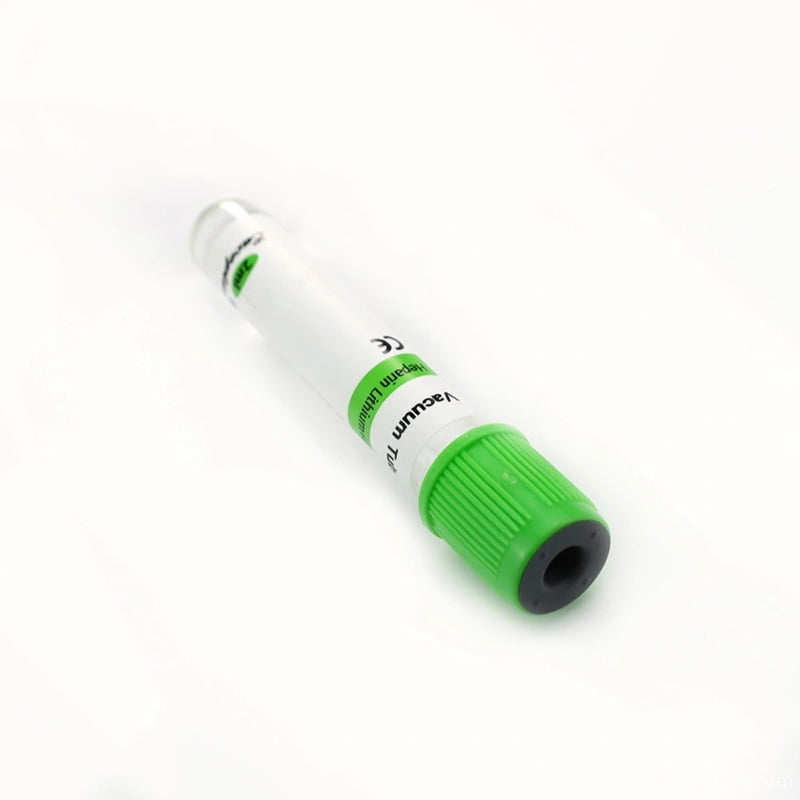
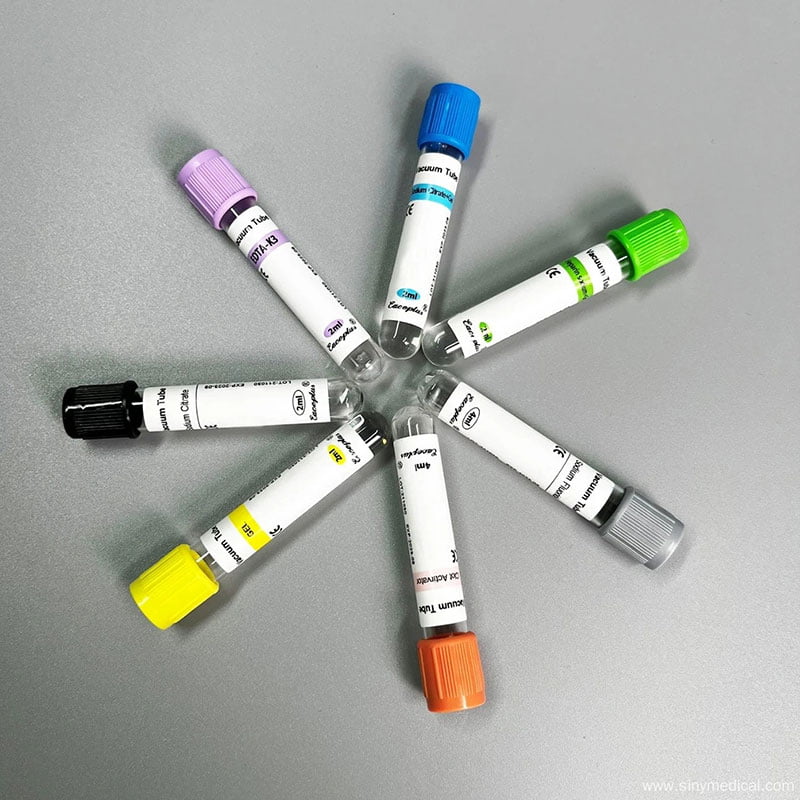
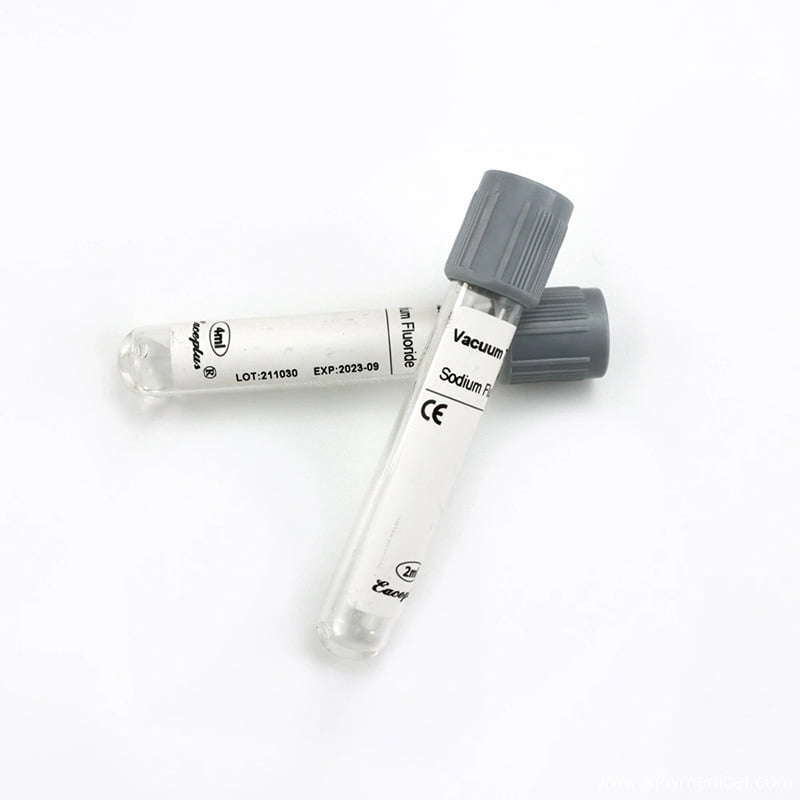
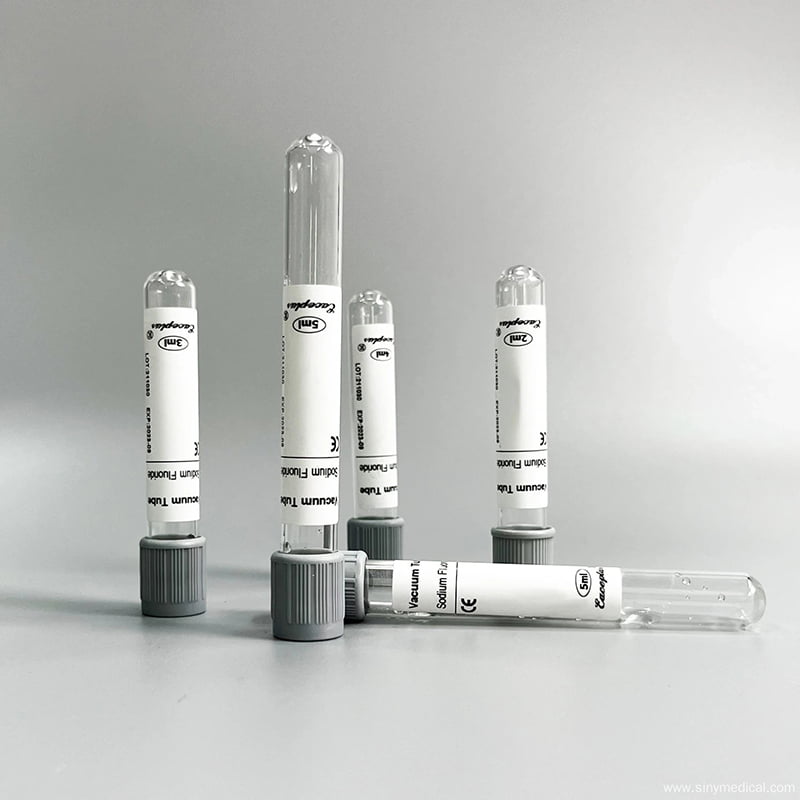
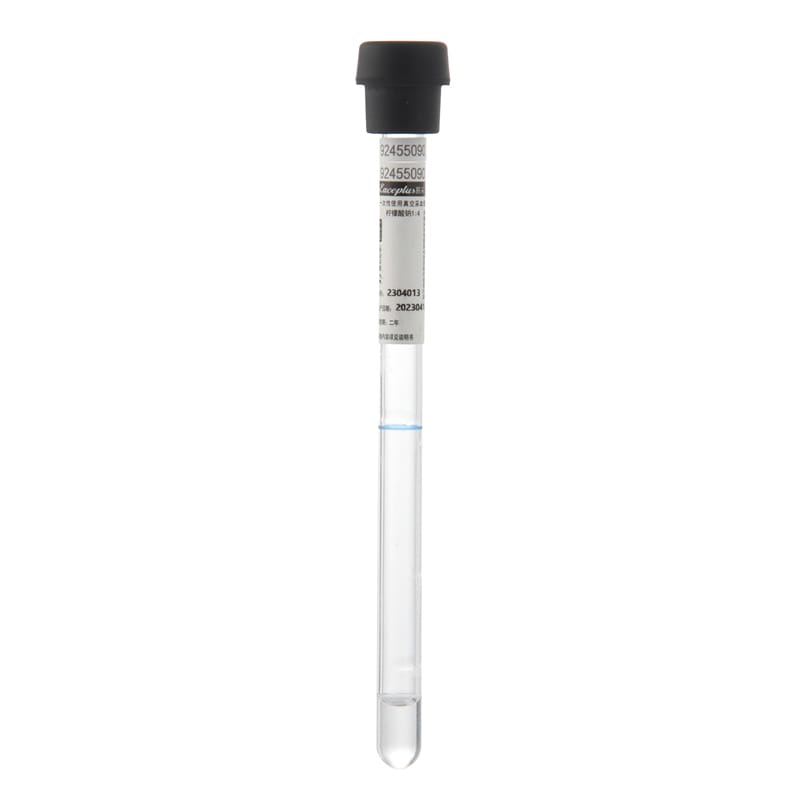
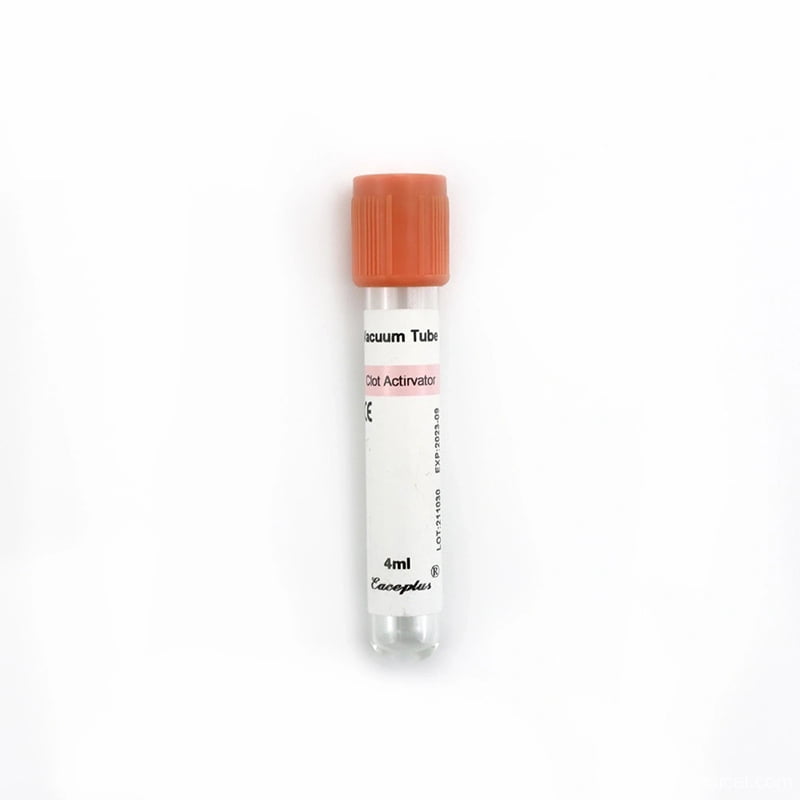
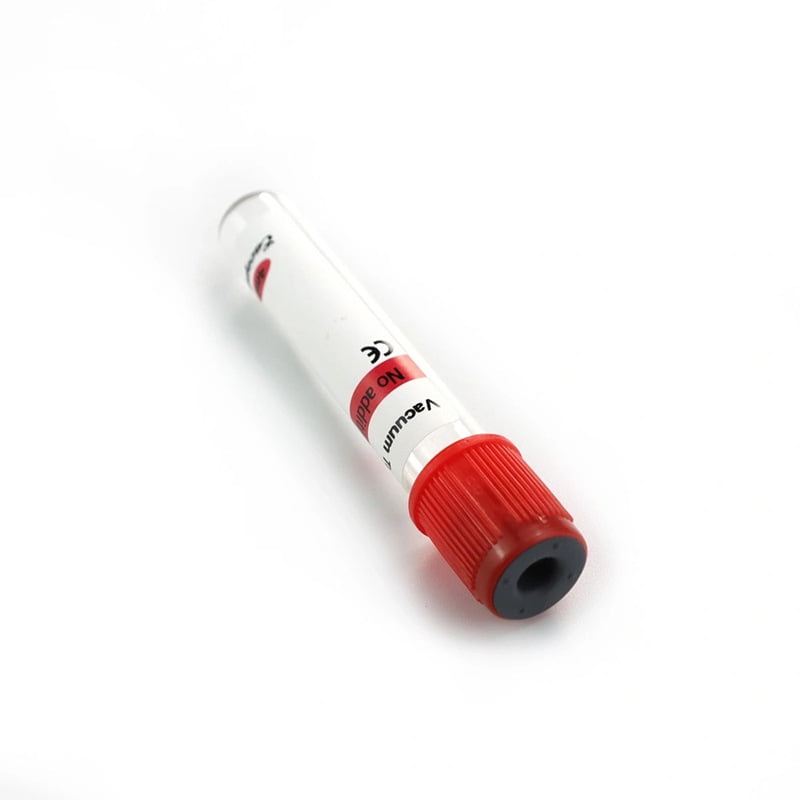
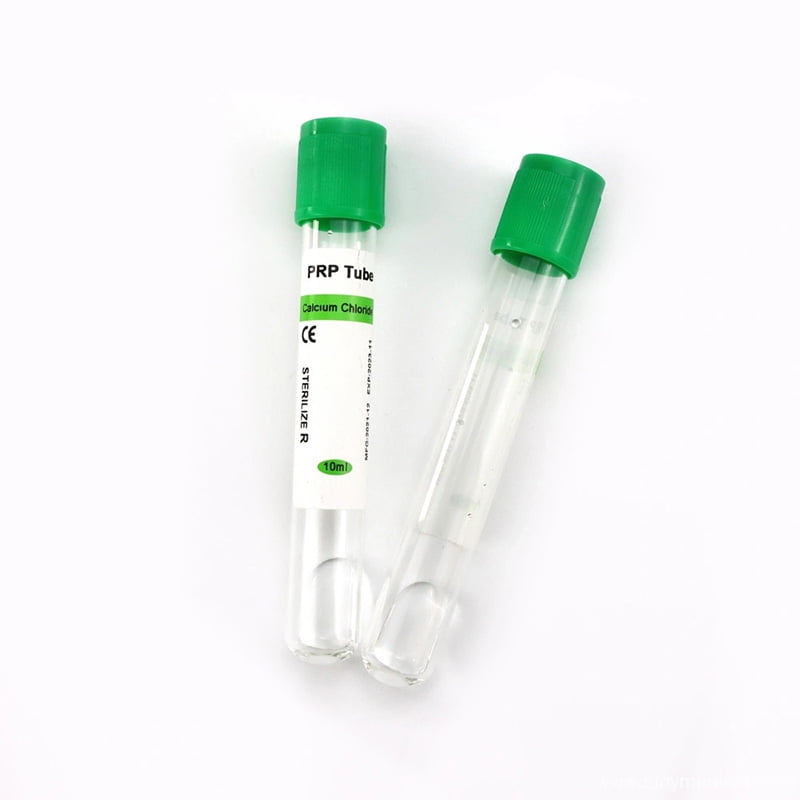
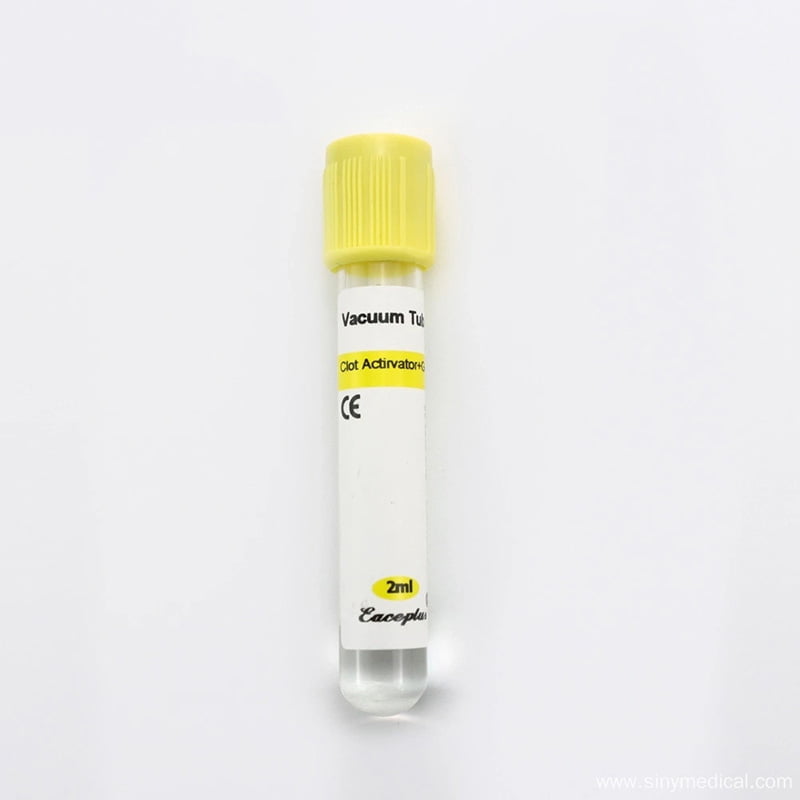
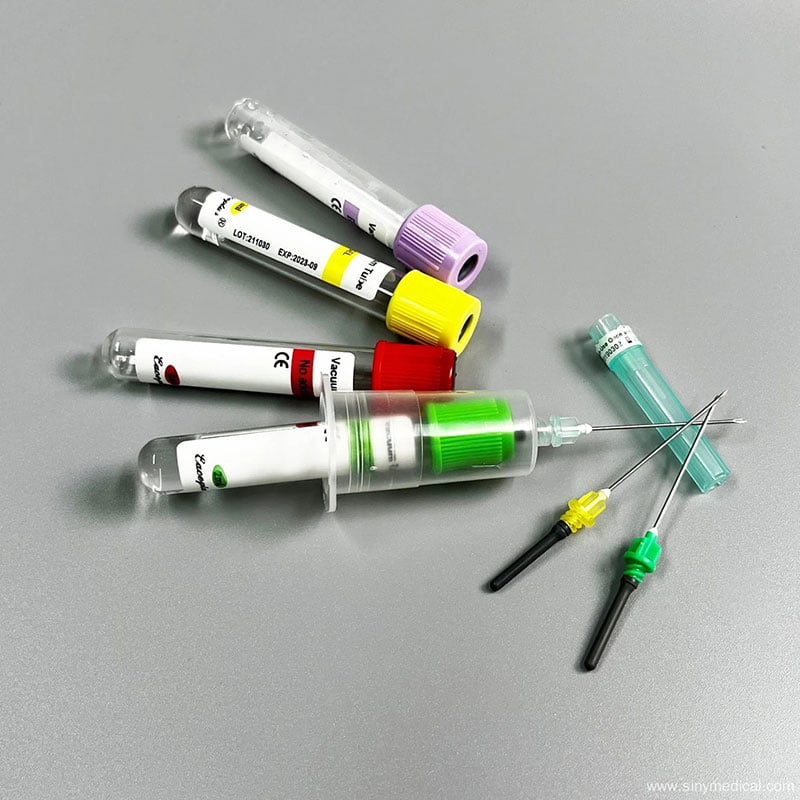
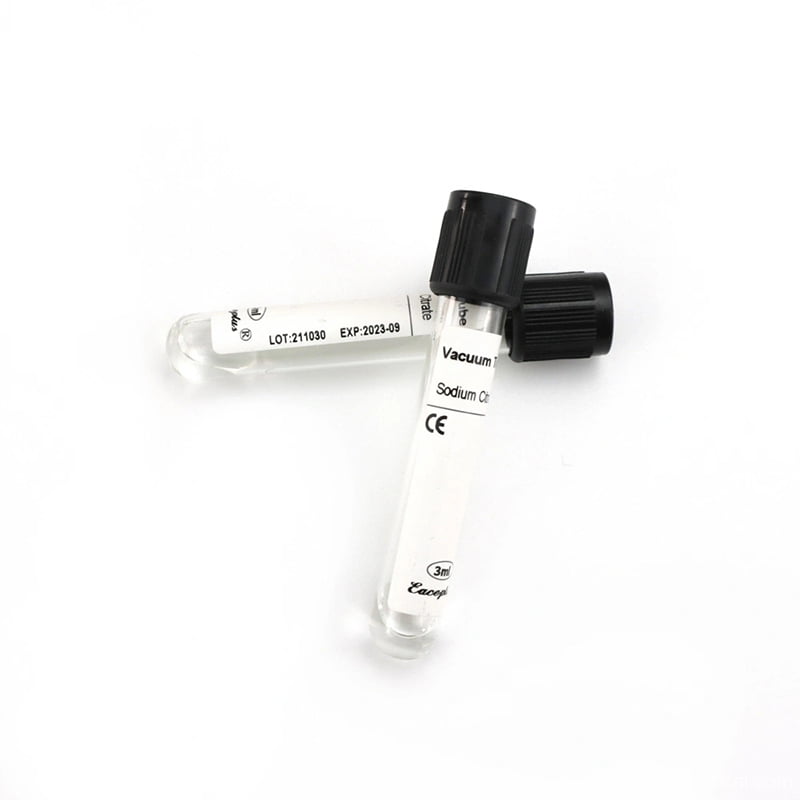
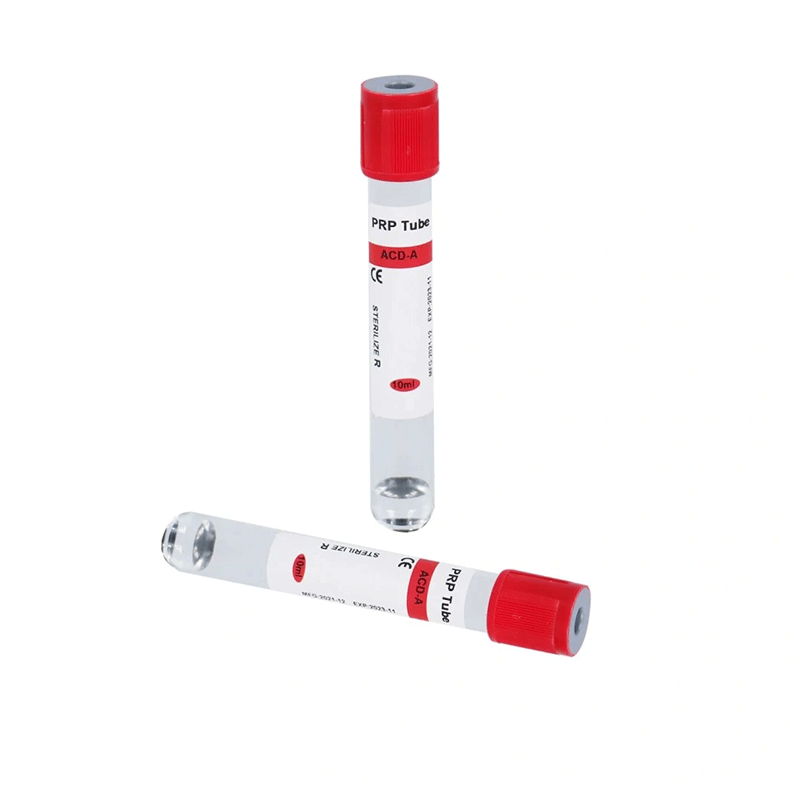
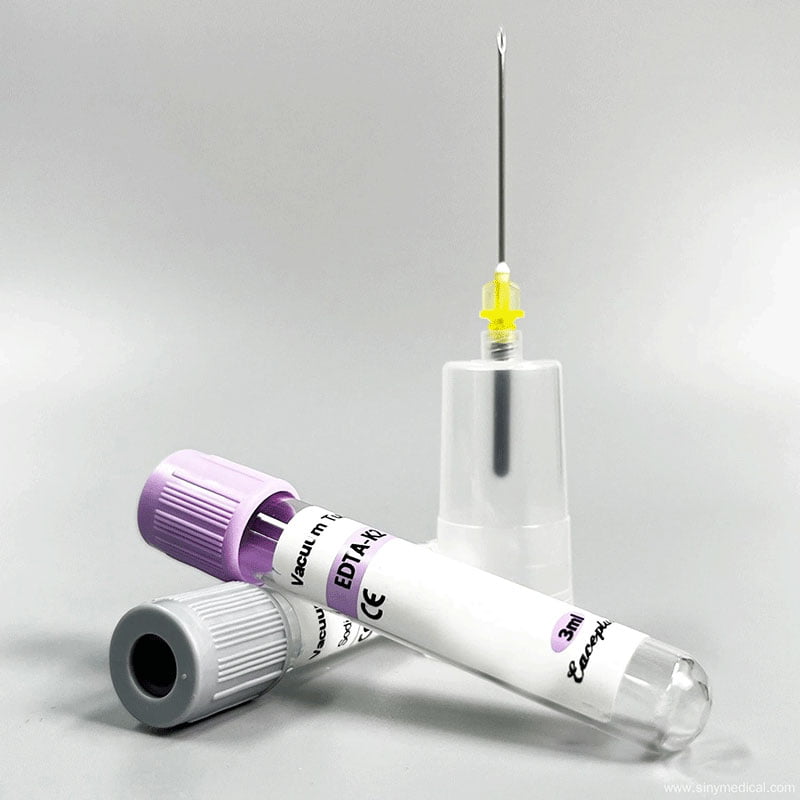
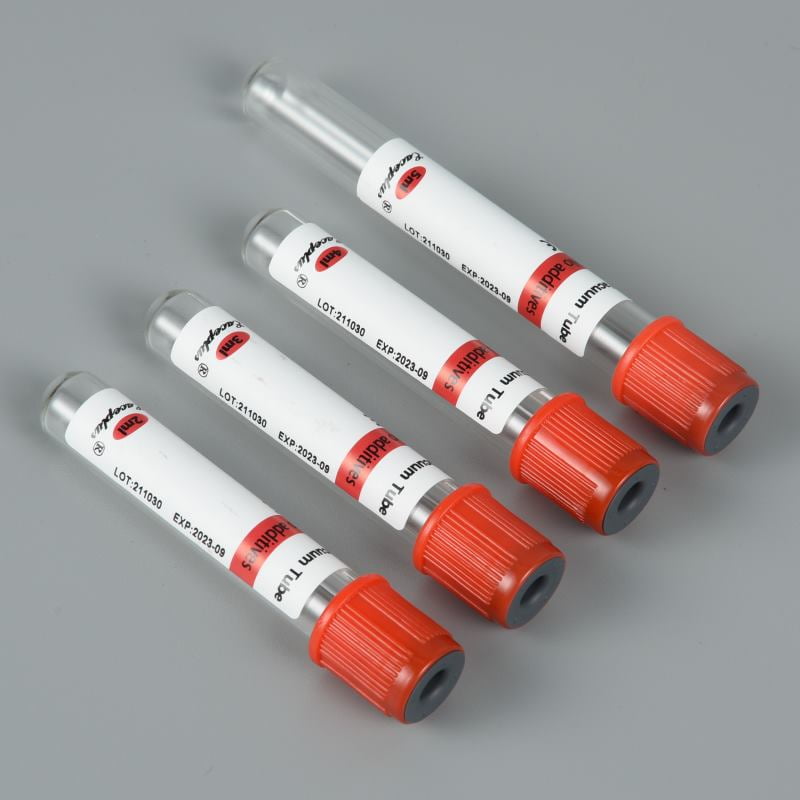
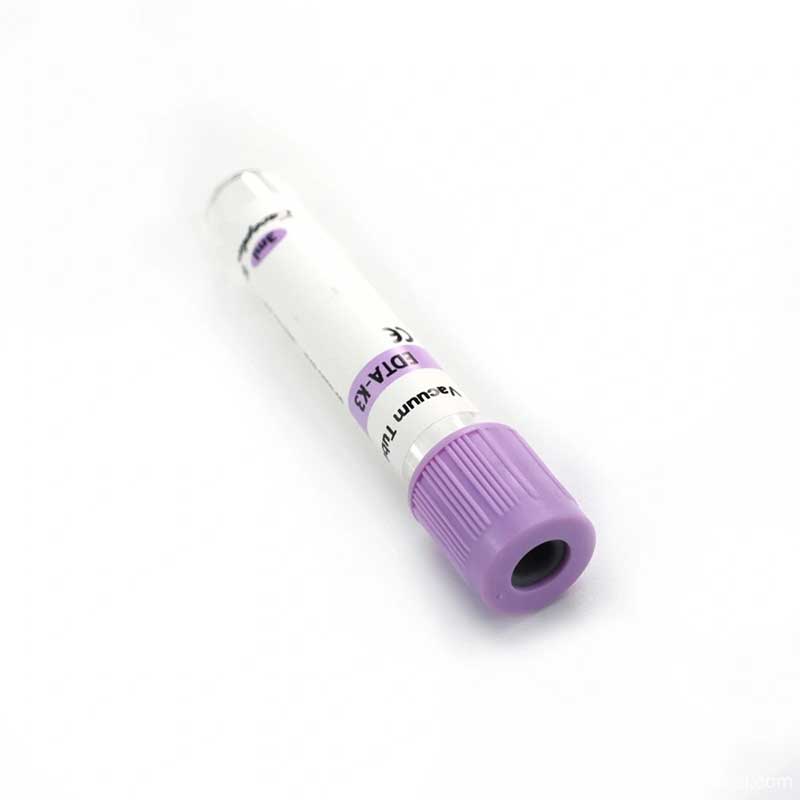
High-quality PRP tubes, like those offered by Siny Medical, are designed to optimize platelet concentration and viability. The separation process is critical—too much or too little centrifugation can affect the quality of the final PRP product.
For clinics and healthcare providers, using standardized, high-quality PRP preparation systems ensures consistent results across patients and treatments. Siny Medical’s range of PRP tubes are specifically designed to produce optimal PRP concentrations for various therapeutic applications.
When to Contact Your Healthcare Provider
While most side effects after PRP injection are mild and temporary, certain symptoms may warrant contacting your healthcare provider:
- Severe or worsening pain after the first 48 hours
- Signs of infection such as fever, chills, or increasing redness and warmth at the injection site
- Excessive swelling that doesn’t improve after a few days
- Any allergic reactions such as hives, difficulty breathing, or swelling of the face or throat
- Any new or unusual symptoms that concern you
It’s always better to err on the side of caution and reach out to your provider if you’re unsure whether your symptoms are normal. They can assess your situation and provide appropriate guidance.
Maximizing Your PRP Results: Beyond Basic Aftercare
While following the basic do’s and don’ts after PRP injection is essential, there are additional steps you can take to maximize your results:
Consider Complementary Therapies
Depending on your specific condition, complementary therapies may enhance the effects of PRP treatment. These might include physical therapy for orthopedic conditions, specific skincare routines for facial treatments, or nutritional supplements for hair restoration. Always discuss these options with your healthcare provider before adding them to your regimen.
Maintain a Healthy Lifestyle
The benefits of PRP therapy are enhanced by an overall healthy lifestyle. Regular exercise (once you’ve healed from the injection), a balanced diet, adequate sleep, and stress management all support your body’s healing processes and can improve your treatment outcomes.
Plan for Multiple Treatments if Needed
For some conditions, particularly chronic or severe cases, a single PRP treatment may not be sufficient. Many protocols involve a series of injections spaced several weeks apart. Discuss the recommended treatment plan with your provider, and be prepared to commit to the full series for optimal results.
Document Your Progress
Taking photos or keeping a journal of your symptoms can help you and your provider assess your progress objectively. This documentation can be particularly valuable for determining whether additional treatments are needed or for adjusting your care plan.
The Science Behind PRP Aftercare
The importance of proper aftercare after PRP injection is grounded in the science of how PRP works. When platelets are activated at the treatment site, they release alpha granules containing growth factors such as platelet-derived growth factor (PDGF), transforming growth factor-beta (TGF-β), and vascular endothelial growth factor (VEGF).
These growth factors initiate a cascade of healing processes, including inflammation, new blood vessel formation (angiogenesis), and tissue regeneration. The inflammatory phase, which typically lasts 2-3 days, is particularly crucial as it sets the stage for the subsequent healing phases.
Anti-inflammatory medications can suppress this essential inflammatory response, potentially reducing PRP effectiveness. Similarly, excessive activity or heat can increase inflammation beyond the optimal level or cause the PRP to disperse from the targeted treatment area.
Understanding these biological processes helps explain why specific aftercare instructions are so important for maximizing the benefits of PRP therapy.
FAQs
How long should I avoid anti-inflammatory medications after PRP injection?
Most healthcare providers recommend avoiding NSAIDs like ibuprofen, naproxen, and aspirin for at least 3-5 days after PRP injection. Some may suggest a longer period, particularly for orthopedic applications. Always follow your provider’s specific instructions, as they may tailor recommendations based on your individual situation and treatment area.
Can I exercise after PRP injection?
Light activity is often encouraged, but you should avoid strenuous exercise for at least 48-72 hours after PRP injection. For joint treatments, you may need to modify activities for a longer period. Your provider will give you specific guidelines based on your treatment area and individual condition. Gradually returning to normal activity as tolerated is generally the best approach.
Is it normal to have increased pain after PRP injection?
Some increase in pain or discomfort is normal in the first few days after PRP injection. This is part of the inflammatory response that indicates the treatment is working. However, if pain is severe, worsening, or persists beyond the first few days, contact your healthcare provider to rule out complications.
How soon can I return to work after PRP injection?
The timing for returning to work depends on your job requirements and the treatment area. For office jobs with minimal physical demands, you might be able to return the next day. For physically demanding jobs, you may need to take more time off or modify your duties. Discuss return-to-work plans with your provider.
Can I drive after PRP injection?
For most PRP treatments, you can drive yourself home after the procedure unless you’ve received sedation or the injection was in a body part that affects driving ability (such as a foot or ankle). However, you should check with your provider, as recommendations may vary based on your specific treatment.
How many PRP treatments will I need?
The number of PRP treatments needed varies depending on your condition, its severity, and your individual response to treatment. Some conditions may improve with a single injection, while others might require a series of 3-4 treatments spaced several weeks apart. Your provider will recommend a treatment plan based on your specific needs.
Summary
Proper aftercare is essential for maximizing the benefits of PRP therapy. By following the do’s and don’ts outlined in this guide, you can support your body’s natural healing processes and achieve the best possible results from your treatment.
Remember to rest the treated area initially, manage discomfort appropriately without anti-inflammatory medications, stay hydrated and well-nourished, and follow your provider’s specific instructions. Avoid strenuous activity, heat, alcohol, and smoking in the days following your treatment.
The quality of the PRP preparation itself also plays a crucial role in treatment outcomes. Using high-quality PRP tubes and preparation systems, like those offered by Siny Medical, helps ensure consistent, effective treatments.
Finally, maintain realistic expectations and be patient with the healing process. While some improvement may be noticeable within weeks, the full benefits of PRP therapy typically develop over several months. By following proper aftercare guidelines and maintaining a healthy lifestyle, you can optimize your results and enjoy the full benefits of this innovative regenerative therapy.
For more information about PRP therapy and the specialized equipment used in these treatments, visit Siny Medical’s comprehensive website or contact their team with specific questions about PRP preparation and administration.