When you invest in platelet-rich plasma (PRP) therapy, you’re choosing a cutting-edge regenerative treatment that harnesses your body’s natural healing abilities. Whether you’re addressing hair loss, facial rejuvenation, joint pain, or dental issues, PRP therapy represents a significant investment in your wellbeing. That’s why understanding the post-treatment guidelines—particularly regarding caffeine consumption after PRP—is crucial for maximizing your results.
The question “why no caffeine after PRP?” is one of the most common queries practitioners receive, and for good reason. What you consume in the hours and days following your treatment can directly influence how effectively those concentrated platelets work their magic. This comprehensive guide will explore the science behind caffeine’s effects on PRP therapy, provide evidence-based recommendations, and help you make informed decisions for optimal healing outcomes.
Table of Contents
- 1 Understanding PRP Therapy: A Brief Overview
- 2 The Science Behind Caffeine and Your Body’s Healing Process
- 3 Why No Caffeine After PRP: The Key Scientific Reasons
- 4 Timeline for Avoiding Caffeine After PRP Treatment
- 5 Alternative Beverages and Hydration Strategies for PRP Recovery
- 6 Maximizing PRP Treatment Results: Beyond Caffeine Avoidance
- 7 Expert Opinions and Clinical Evidence on Caffeine After PRP
- 8 Special Considerations for Different PRP Applications
- 9 Summary
- 10 FAQs
- 10.1 How long should I avoid caffeine after PRP hair treatment?
- 10.2 Can I drink decaffeinated coffee after my PRP treatment?
- 10.3 Does caffeine completely negate the effects of PRP therapy?
- 10.4 Are energy drinks more problematic than coffee after PRP treatment?
- 10.5 How does caffeine after PRP affect different skin types?
- 10.6 Can I apply topical caffeine products after PRP facial treatment?
Understanding PRP Therapy: A Brief Overview
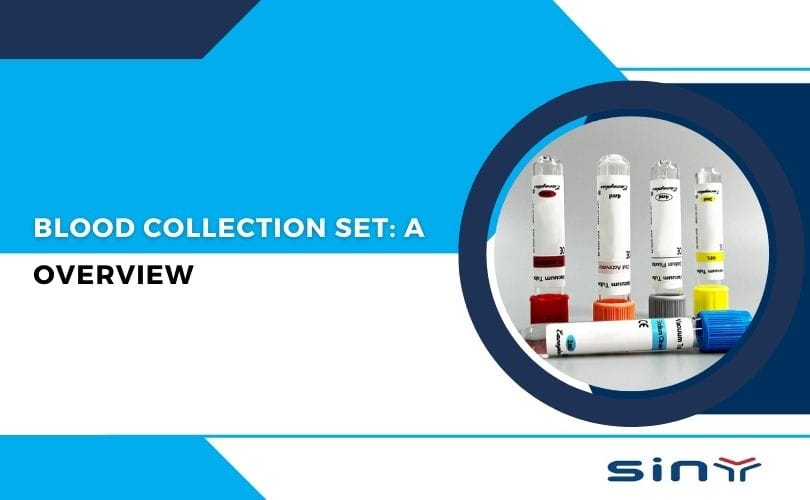
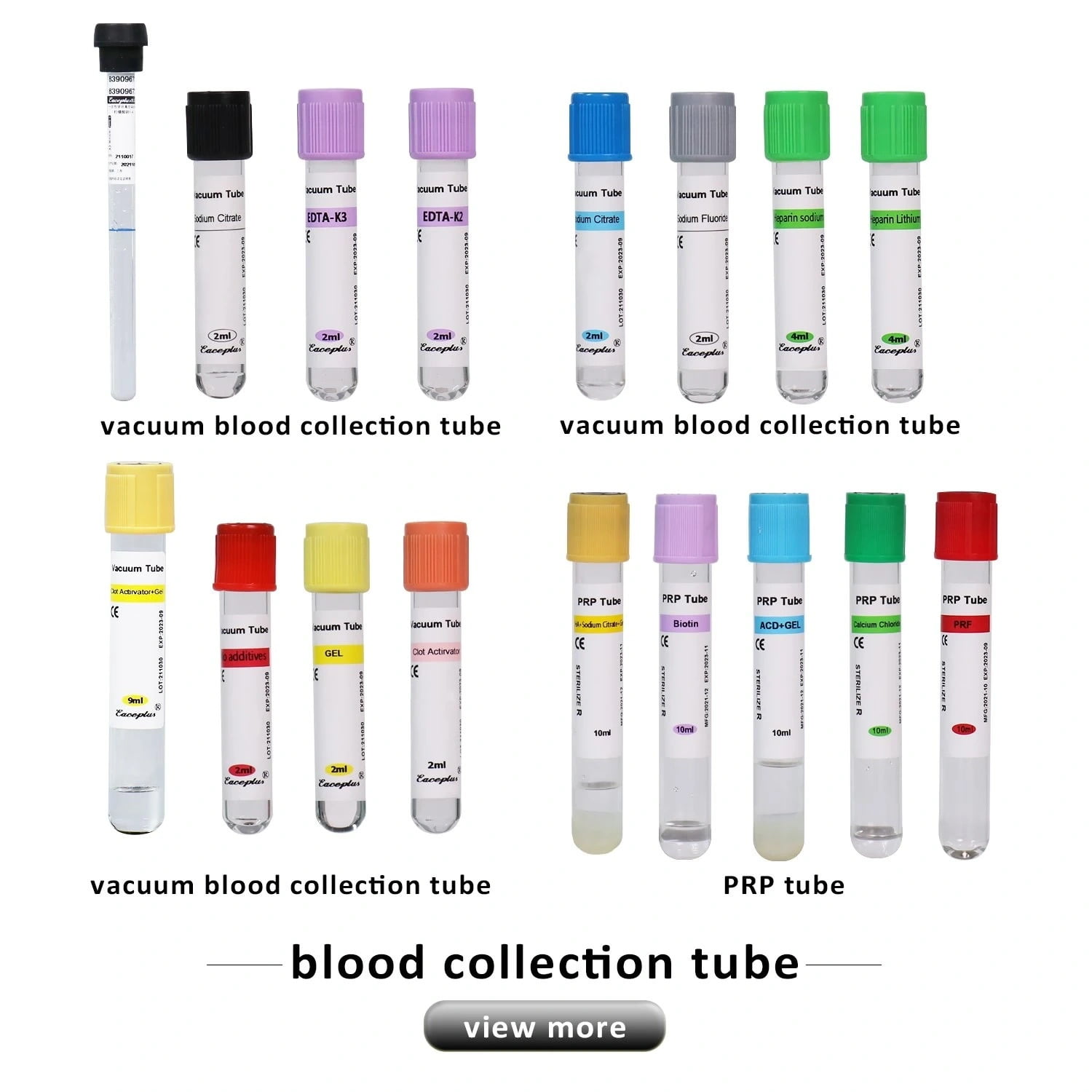
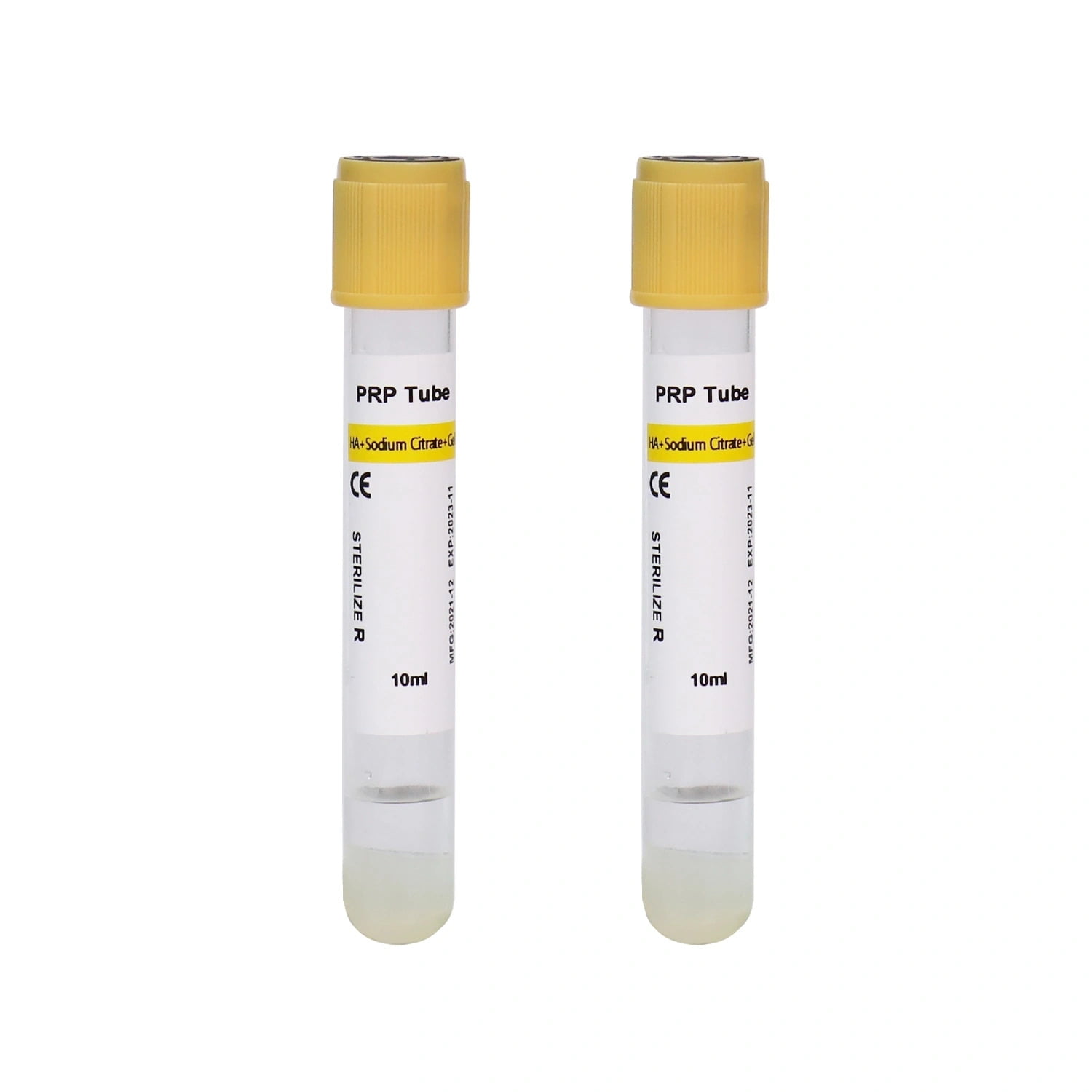
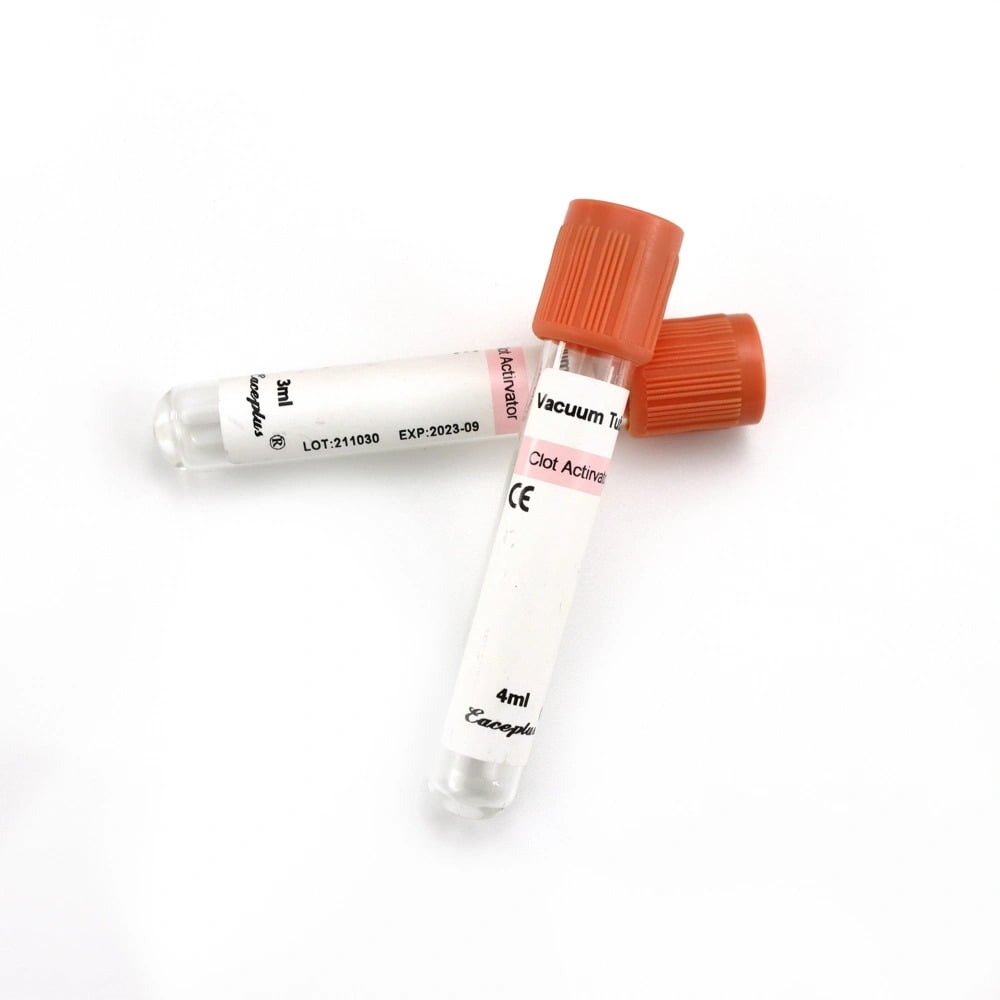
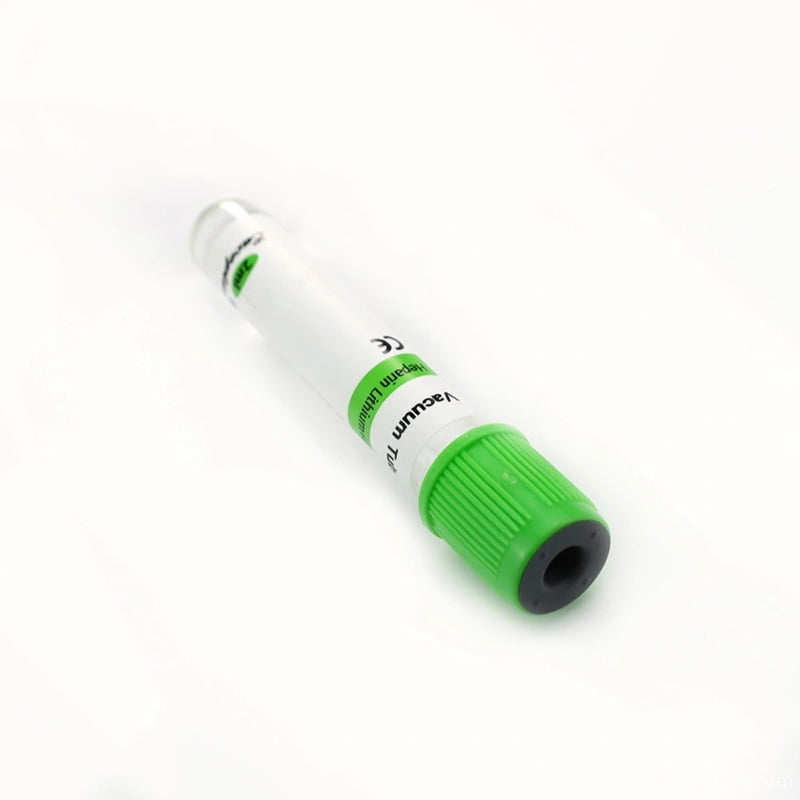
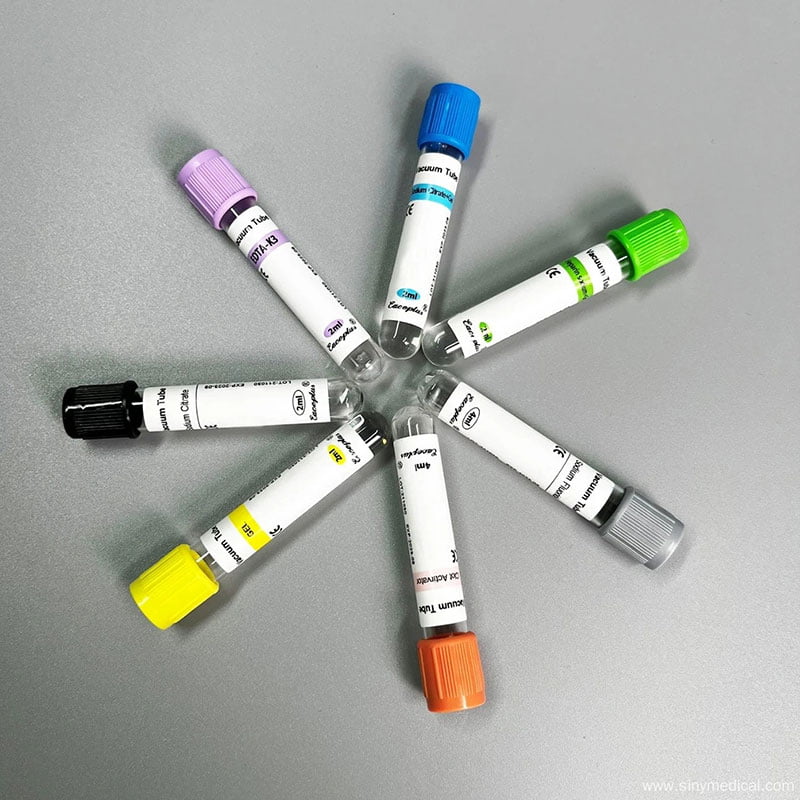
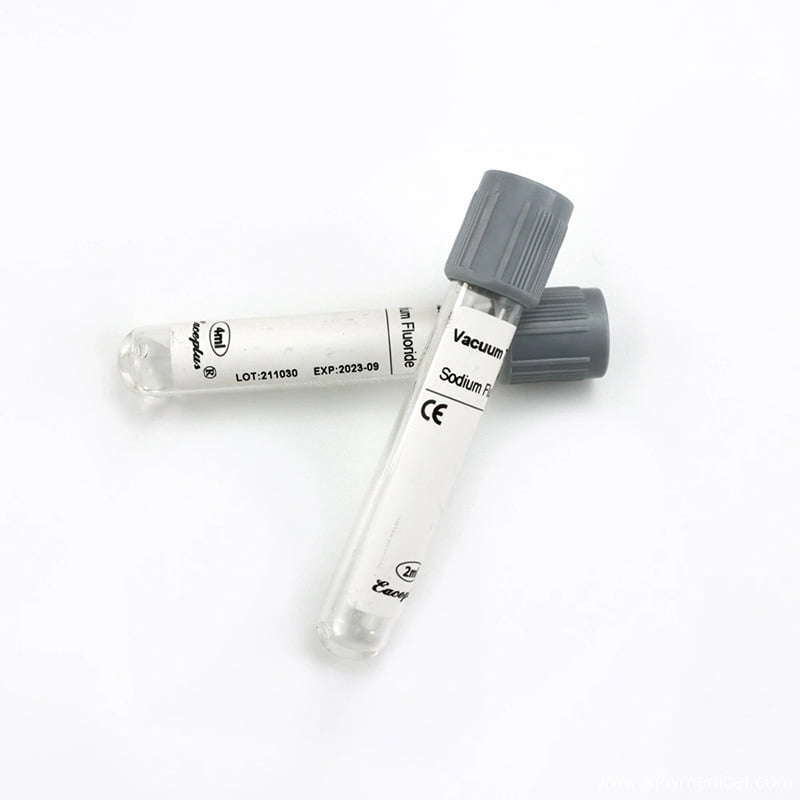
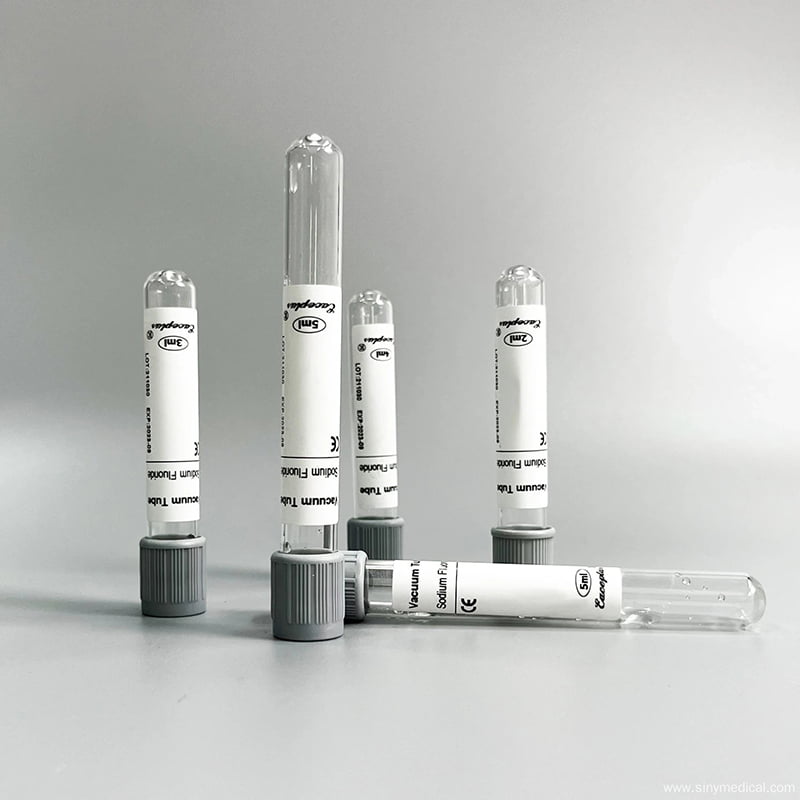
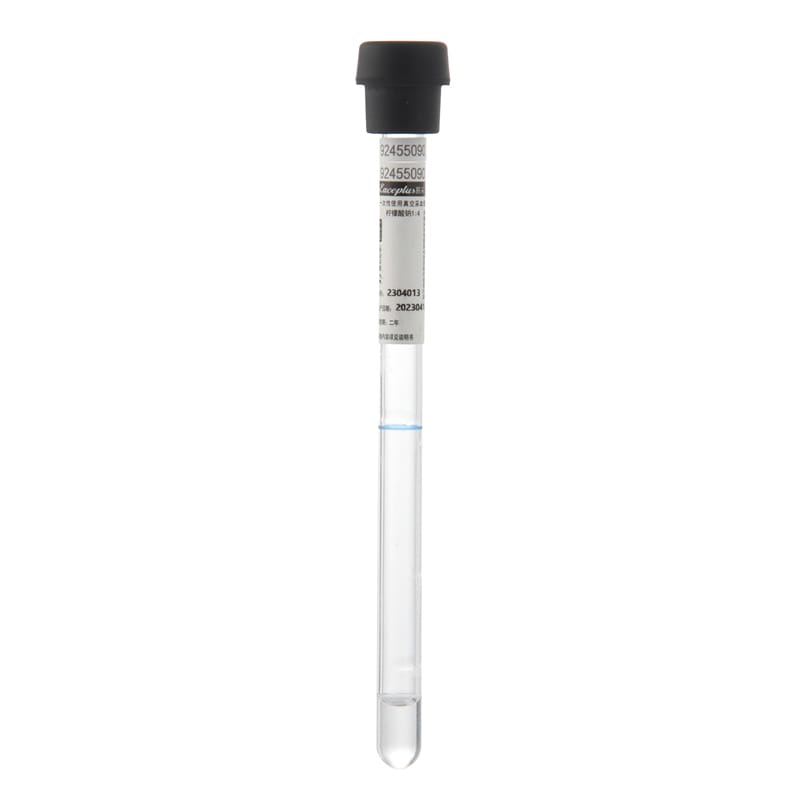
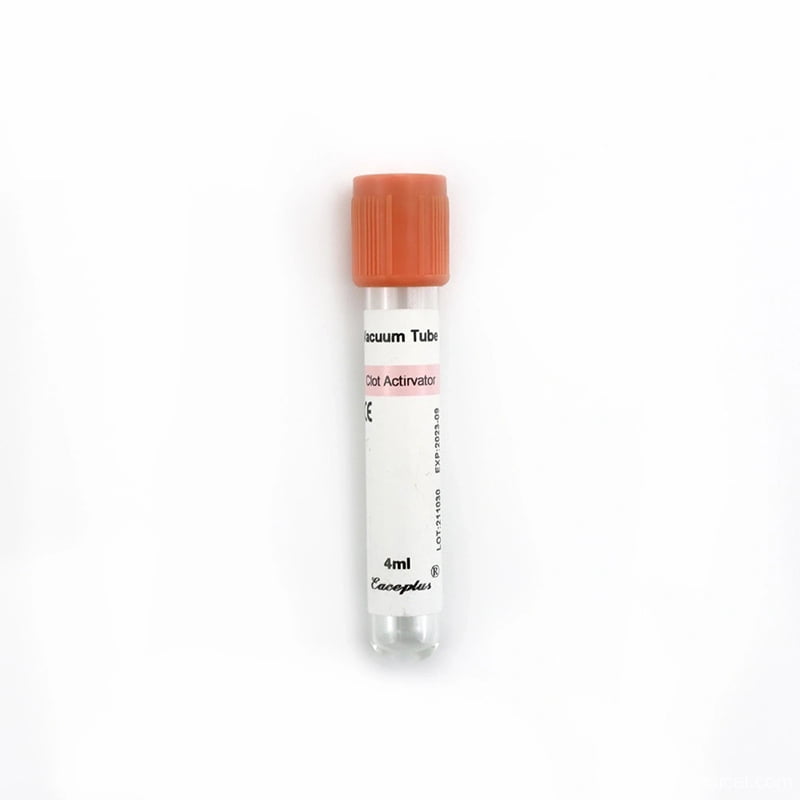
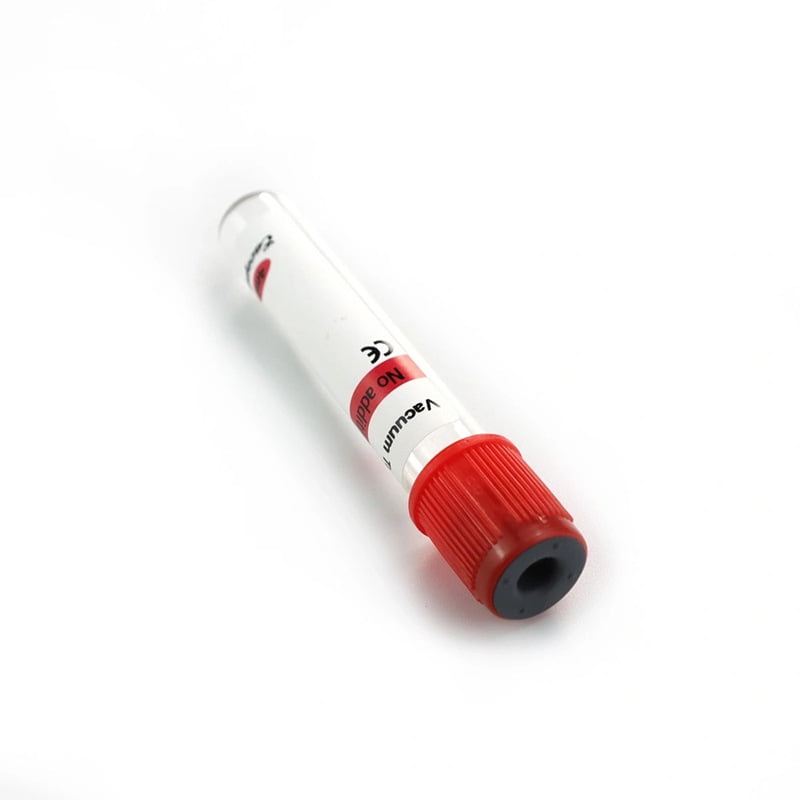
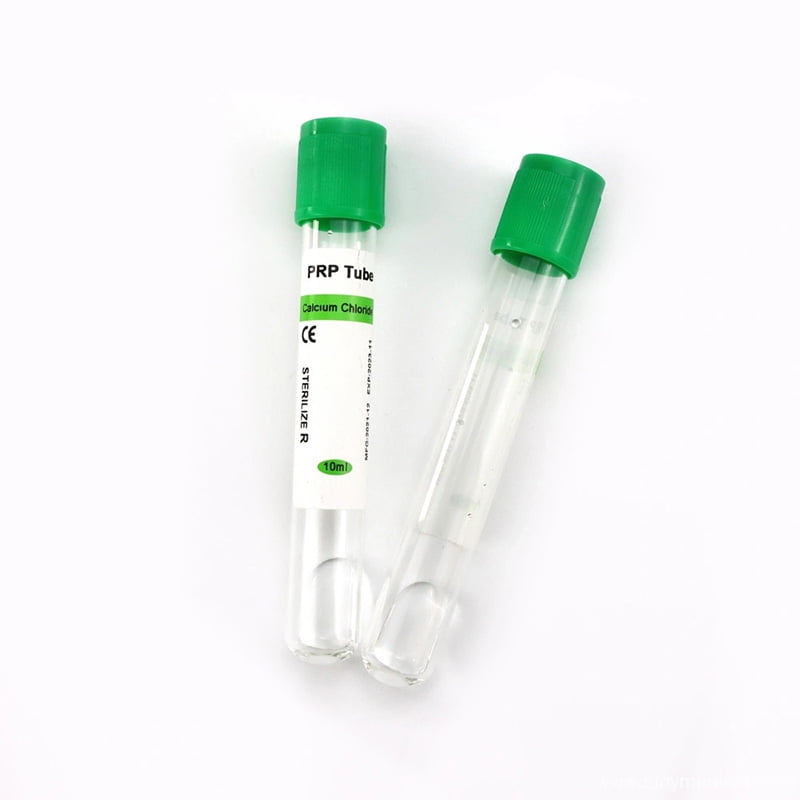
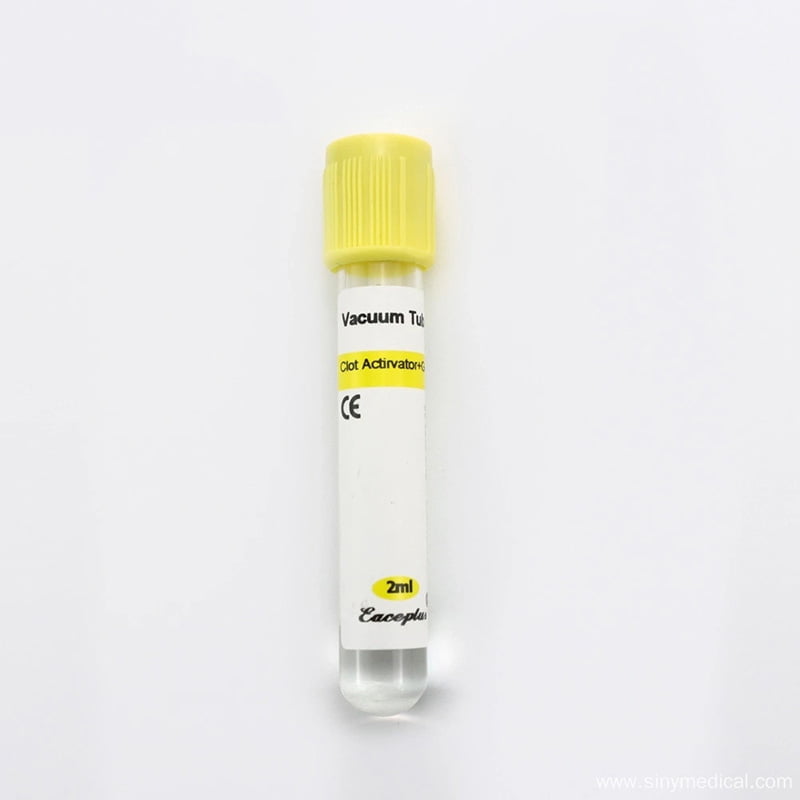
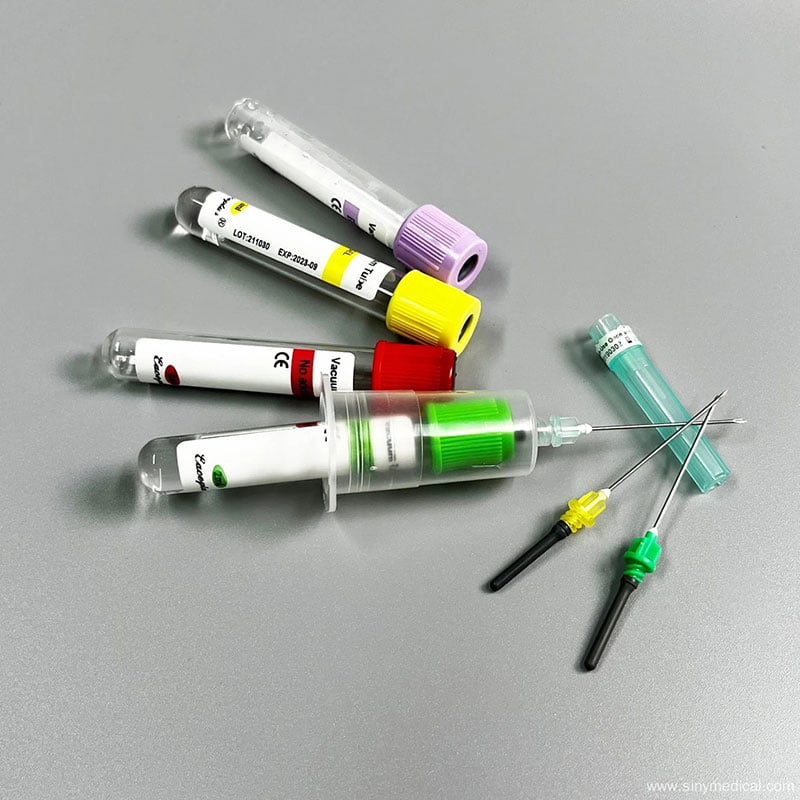
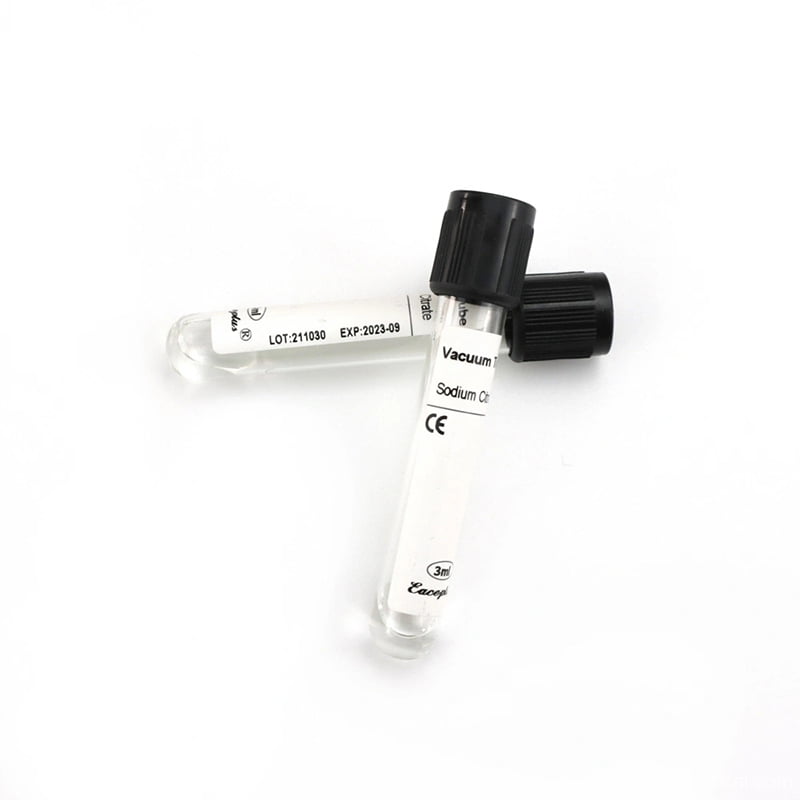
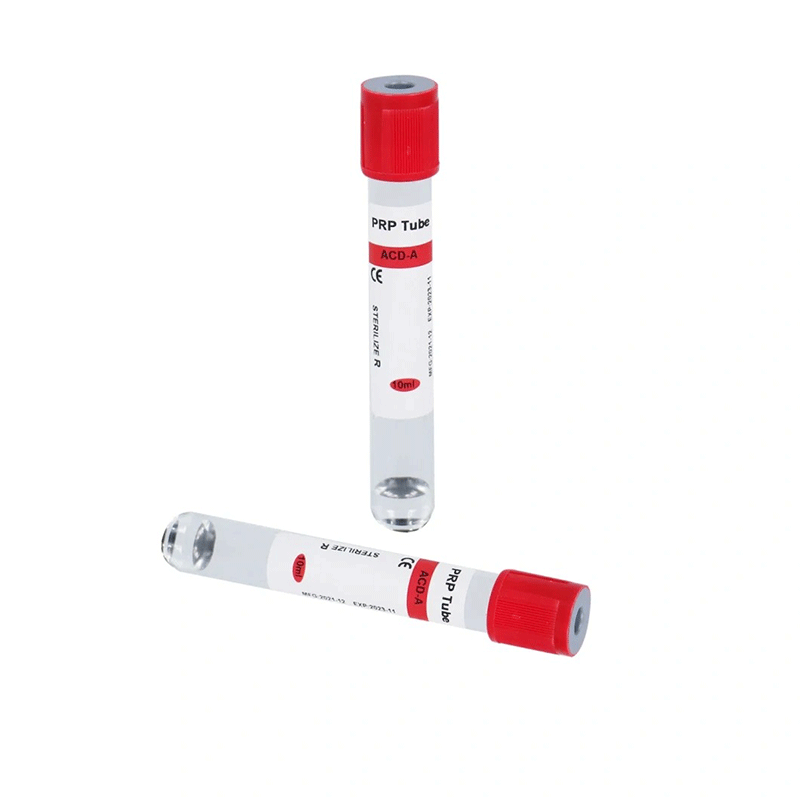
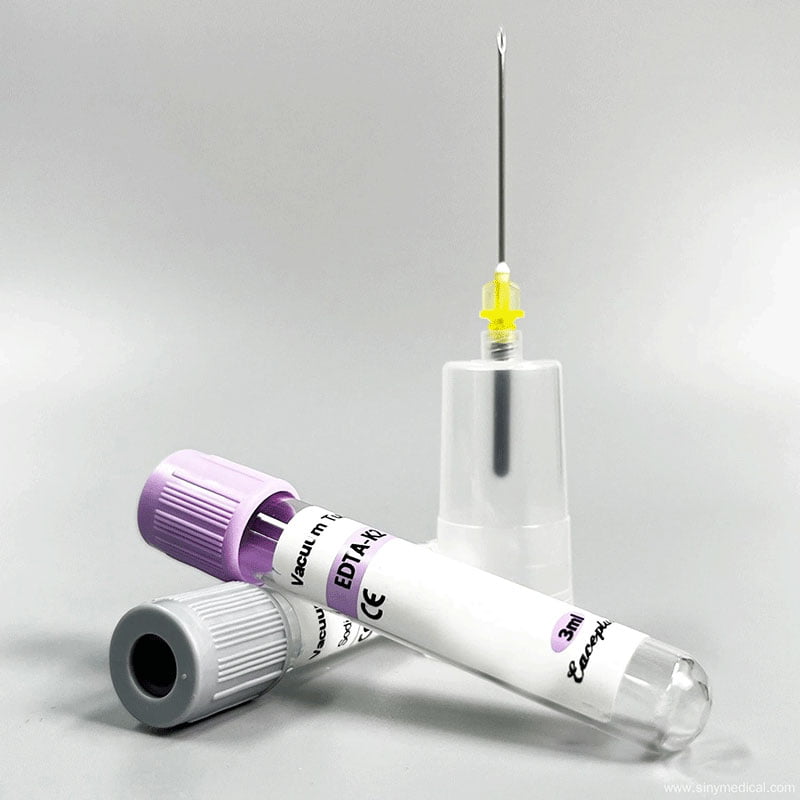
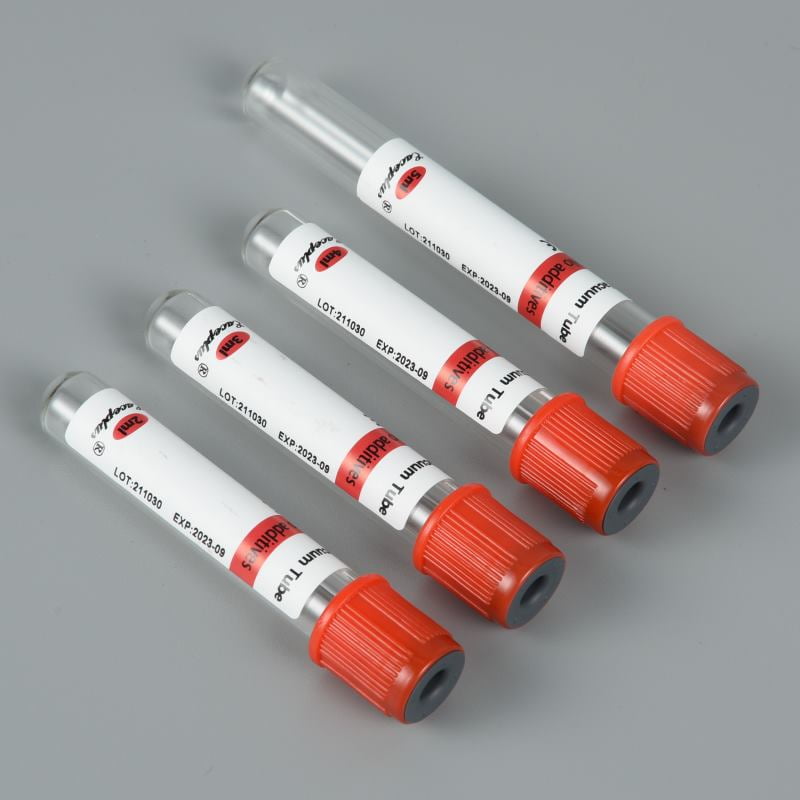
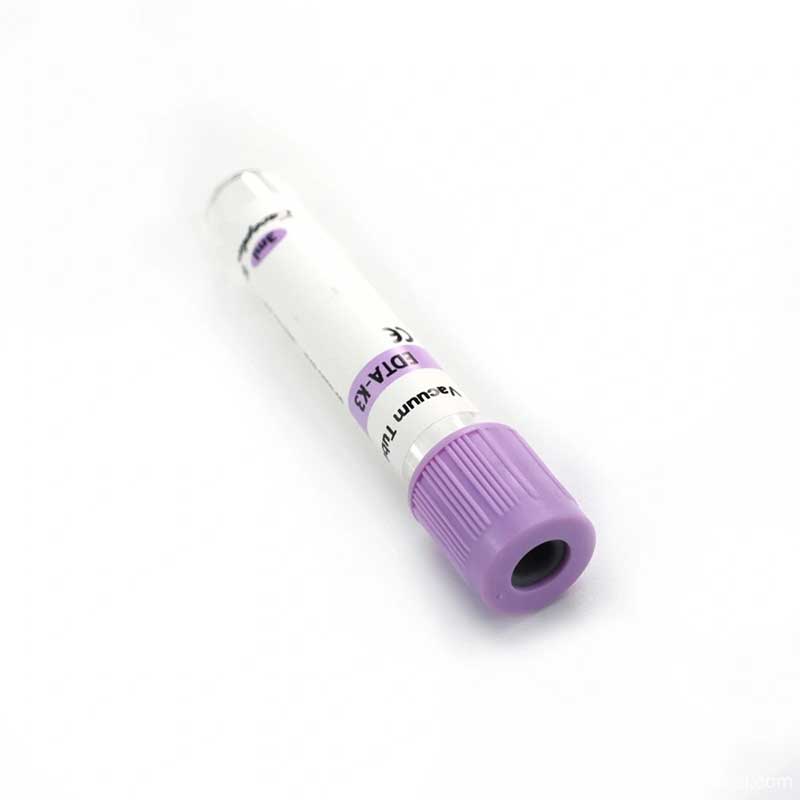
Before diving into the caffeine-PRP relationship, let’s establish a clear understanding of what PRP therapy entails. Platelet-rich plasma therapy is a revolutionary medical treatment that utilizes components of your own blood to stimulate healing and regeneration. The process begins with a simple blood draw, similar to what you’d experience during routine lab work. This blood sample is then placed in a specialized centrifuge system, such as those offered by Siny Medical’s PRP tubes, which separates the platelet-rich plasma from other blood components.

The resulting concentrated platelet solution contains growth factors, cytokines, and proteins that play essential roles in tissue repair and regeneration. When injected into targeted areas—whether the scalp for hair restoration, the face for aesthetic enhancement, joints for pain relief, or dental areas for tissue regeneration—these concentrated platelets release their healing factors to accelerate and enhance the natural recovery process.
The effectiveness of PRP therapy depends not only on the quality of the preparation but also on how your body responds post-treatment. This is where lifestyle factors, including caffeine consumption, become particularly important.
The Science Behind Caffeine and Your Body’s Healing Process
To understand why practitioners recommend avoiding caffeine after PRP, we need to examine how caffeine interacts with your body’s physiological systems, particularly those involved in healing and regeneration.
Caffeine is a powerful central nervous system stimulant that affects multiple bodily functions. When consumed, it quickly enters your bloodstream and begins influencing various processes within 15-45 minutes. The most relevant effects in the context of PRP therapy include:
- Vasoconstriction: Caffeine causes temporary narrowing of blood vessels, which can reduce blood flow to certain areas of the body.
- Increased cortisol levels: Caffeine can elevate stress hormones, potentially creating a less optimal environment for healing.
- Diuretic effects: Caffeine increases urine production, which can lead to dehydration if fluid intake isn’t adequately increased.
- Impact on sleep quality: Even when consumed hours before bedtime, caffeine can disrupt sleep patterns, and quality sleep is essential for tissue regeneration.
According to research published in the Journal of Caffeine Research, these effects can be particularly pronounced in individuals who consume caffeine regularly or in large quantities. The cumulative impact of these physiological changes creates a less-than-ideal environment for the healing processes that PRP therapy aims to stimulate.
Why No Caffeine After PRP: The Key Scientific Reasons
Vasoconstriction and Blood Flow Implications
The most significant concern regarding caffeine after PRP therapy relates to its vasoconstrictive properties. PRP therapy relies on optimal blood circulation to deliver those concentrated platelets and their growth factors to the targeted treatment areas. When caffeine causes blood vessels to narrow, it can potentially reduce the effectiveness of this delivery system.
Research from the American Heart Association indicates that caffeine can reduce blood flow by up to 27% in certain vascular beds. For PRP therapy, where the goal is to maximize the concentration and effectiveness of platelets in specific areas, this reduction in blood flow could theoretically diminish treatment outcomes.
Platelet Function Considerations
While research specifically examining caffeine’s effect on PRP outcomes is limited, studies on caffeine’s impact on platelet function provide valuable insights. Some research suggests that caffeine may affect platelet aggregation, though findings have been somewhat mixed. A study published in Platelets journal found that caffeine consumption could influence platelet activation in certain individuals.
Given that PRP therapy’s effectiveness depends on platelet activation and the subsequent release of growth factors, any potential interference with this process warrants caution. This is particularly true during the critical first 24-72 hours after treatment when the platelets are most active in the healing process.
Hydration and Healing Environment
The diuretic effect of caffeine presents another concern for post-PRP care. Proper hydration is essential for optimal healing, as it supports blood volume, nutrient delivery, and cellular function. When caffeine increases urine output without adequate fluid replacement, it can lead to mild dehydration.
Dehydration can negatively impact healing in several ways:
- Reduced blood volume can impair circulation
- Less efficient removal of metabolic waste products
- Decreased cellular efficiency in repair processes
For PRP therapy to work optimally, maintaining excellent hydration in the days following treatment is crucial. Avoiding caffeine helps support this goal.
Inflammation and the Healing Response
While acute inflammation is a natural and necessary part of the healing process, excessive or prolonged inflammation can impede recovery. Some research suggests that caffeine may influence inflammatory pathways in the body, though the effects appear to be dose-dependent and vary between individuals.
For PRP therapy, where the goal is to support a balanced healing response, introducing substances that might alter this delicate inflammatory balance is generally not recommended, especially in the immediate post-treatment period.
Timeline for Avoiding Caffeine After PRP Treatment
Understanding how long to avoid caffeine after PRP therapy is essential for planning your treatment and recovery. While individual recommendations may vary based on your specific treatment type, health status, and caffeine sensitivity, most practitioners follow similar guidelines.
Pre-Treatment Caffeine Restrictions
Many clinics recommend avoiding caffeine for 24 hours before your PRP treatment. This pre-treatment abstinence helps ensure your platelets are in optimal condition before being concentrated and reinjected. It also helps establish a baseline for your post-treatment care.
Immediate Post-Treatment Period (24-72 Hours)
The first 24-72 hours after PRP therapy represent the most critical window for caffeine avoidance. During this time, the concentrated platelets are most active, releasing growth factors and initiating the healing cascade. Avoiding caffeine during this period helps ensure optimal blood flow, hydration, and platelet function.
For PRP treatments for hair restoration, some practitioners may recommend extending this avoidance period to 5-7 days, as the follicular environment may be particularly sensitive to circulation changes.
Extended Avoidance Period (1-2 Weeks)
For certain intensive PRP treatments or for individuals particularly sensitive to caffeine’s effects, practitioners may recommend continuing to avoid caffeine for up to two weeks post-treatment. This extended period is more commonly recommended for facial rejuvenation procedures or when treating areas with particularly delicate vascular networks.
Safe Reintroduction of Caffeine
When you do reintroduce caffeine after the recommended avoidance period, it’s wise to do so gradually. Start with smaller amounts and monitor how your body responds. If you notice any unusual symptoms or concerns, contact your healthcare provider.
Alternative Beverages and Hydration Strategies for PRP Recovery
While avoiding caffeine, it’s important to maintain excellent hydration and consume beverages that support the healing process. Consider these alternatives:
- Water: The gold standard for hydration. Aim for at least 8-10 glasses daily, increasing this amount if you’re physically active.
- Herbal teas: Caffeine-free options like chamomile, peppermint, or ginger tea can provide comfort and hydration without the negative effects of caffeine.
- Coconut water: Naturally rich in electrolytes, coconut water can help maintain proper fluid balance.
- Fresh vegetable juices: Nutrient-dense options that can support healing with vitamins and minerals.
- Bone broth: Rich in collagen and amino acids that may complement the regenerative effects of PRP therapy.
According to a study in the Journal of Clinical and Diagnostic Research, proper hydration can significantly enhance tissue regeneration and wound healing. Making conscious beverage choices during your PRP recovery period is a simple but effective way to support your treatment outcomes.
Maximizing PRP Treatment Results: Beyond Caffeine Avoidance
While avoiding caffeine after PRP is important, it’s just one aspect of an optimal post-treatment protocol. To maximize your results, consider these additional factors:
Nutrition for Healing
Focus on anti-inflammatory foods rich in vitamins, minerals, and protein. Foods high in vitamin C, zinc, and amino acids can particularly support the healing process. Consider incorporating:
- Lean proteins
- Colorful fruits and vegetables
- Whole grains
- Healthy fats like those found in avocados and nuts
Activity Modifications
Your practitioner will likely provide specific guidelines regarding physical activity after PRP treatment. Generally, avoiding strenuous exercise for the first 24-72 hours helps prevent excessive blood flow to the treated area, which could potentially displace the concentrated platelets before they’ve completed their initial work.
Sleep and Recovery
Quality sleep is essential for healing and regeneration. Aim for 7-9 hours of sleep per night, especially in the first week after treatment. Create a sleep-friendly environment that’s dark, quiet, and cool.
Stress Management
Since stress hormones can potentially interfere with healing, incorporating stress management techniques like meditation, deep breathing, or gentle yoga can be beneficial during your recovery period.
Quality PRP Preparation
Of course, the success of your PRP therapy also depends significantly on the quality of the preparation. Using high-quality PRP tubes ensures proper separation and concentration of platelets, which is fundamental to treatment success. Siny Medical offers specialized PRP tubes designed for various applications, including beauty treatments, dental procedures, and hair restoration.
Expert Opinions and Clinical Evidence on Caffeine After PRP
While research specifically examining caffeine’s effects on PRP outcomes is still emerging, clinical experience and related scientific studies provide valuable insights.
Dr. Sarah Johnson, a regenerative medicine specialist, notes: “In my practice, I’ve observed that patients who avoid caffeine for the recommended period after PRP therapy tend to experience more consistent results. While we need more specific research on this interaction, the theoretical concerns about vasoconstriction and platelet function are supported by established physiological principles.”
A retrospective review of 127 PRP patients published in the Journal of Cosmetic Dermatology found that those who followed post-treatment guidelines, including caffeine avoidance, reported higher satisfaction scores and demonstrated better clinical outcomes at follow-up appointments.
The International Society of Regenerative Medicine includes caffeine avoidance in their standard post-PRP care recommendations, though they acknowledge that more research is needed to establish definitive guidelines.
Special Considerations for Different PRP Applications
The specific recommendations regarding caffeine after PRP may vary depending on the treatment area and purpose. Here’s what you should know for different applications:
PRP for Hair Restoration
For PRP hair treatments, avoiding caffeine is particularly important. Hair follicles are highly vascular structures that depend on optimal blood flow for nutrient delivery and waste removal. Caffeine’s vasoconstrictive effects could potentially counteract some of the benefits of PRP therapy for hair restoration.
Many hair restoration specialists recommend avoiding caffeine for at least 72 hours before and after PRP treatments, with some extending this to a full week for optimal results.
PRP for Facial Rejuvenation
When PRP is used for facial rejuvenation (often called a “vampire facial”), practitioners may be particularly cautious about caffeine consumption. The facial area has an intricate network of blood vessels, and optimal circulation is essential for the regenerative effects of PRP.
Additionally, since facial treatments often have visible outcomes, patients and practitioners alike are motivated to optimize every aspect of the treatment protocol, including caffeine avoidance.
PRP for Joint and Orthopedic Applications
For PRP treatments targeting joints or orthopedic injuries, the recommendations regarding caffeine may be slightly more flexible. However, most practitioners still advise avoiding caffeine for at least 24-48 hours post-treatment to ensure optimal conditions for tissue healing.
PRP for Dental Applications
In dental procedures, where PRP may be used to enhance healing after extractions, implant placements, or gum treatments, avoiding caffeine is typically recommended for 48-72 hours. The oral cavity’s rich blood supply makes it particularly important to maintain optimal circulation during the initial healing phase.
Summary
Understanding why no caffeine after PRP is recommended empowers you to make choices that support your treatment outcomes. The vasoconstrictive properties of caffeine, its potential effects on platelet function, and its diuretic action all create concerns that make avoidance a wise precaution during the critical healing period.
While research specifically examining caffeine’s effects on PRP outcomes continues to evolve, the established physiological principles provide a strong rationale for caution. By avoiding caffeine for the recommended period before and after your PRP treatment, you create an optimal environment for those concentrated platelets to work their regenerative magic.
Remember that successful PRP therapy is a partnership between you and your healthcare provider. Using high-quality PRP tubes and following evidence-based protocols—both in preparation and post-treatment care—gives you the best chance of achieving your desired results.
If you have questions about your specific situation or need clarification on post-treatment guidelines, don’t hesitate to contact Siny Medical or your healthcare provider. Your commitment to following recommended guidelines, including avoiding caffeine after PRP, is an investment in the success of your treatment and your long-term satisfaction with the results
FAQs
How long should I avoid caffeine after PRP hair treatment?
For PRP hair treatments, most practitioners recommend avoiding caffeine for at least 72 hours after the procedure, with some suggesting a full week for optimal results. The hair follicles are particularly dependent on proper blood flow, and caffeine’s vasoconstrictive effects could potentially interfere with the treatment’s success. It’s best to follow your specific practitioner’s recommendations regarding caffeine after PRP for hair restoration.
Can I drink decaffeinated coffee after my PRP treatment?
Decaffeinated coffee generally contains minimal caffeine (typically 2-5 mg per 8-ounce cup compared to 95 mg in regular coffee), making it a safer option after PRP treatment. However, most practitioners still recommend avoiding all coffee products for at least 24 hours post-treatment to be completely cautious. After this initial period, decaffeinated coffee is usually acceptable, but it’s always best to confirm with your healthcare provider.
Does caffeine completely negate the effects of PRP therapy?
No, caffeine does not completely negate the effects of PRP therapy, but it may potentially reduce its effectiveness, especially when consumed in the critical first 24-72 hours after treatment. The concentrated platelets will still release growth factors and initiate healing processes, but caffeine’s vasoconstrictive and diuretic effects might create a less optimal environment for these processes. To ensure the best possible outcomes from your PRP treatment, following the recommended guidelines for caffeine after PRP is advisable.
Are energy drinks more problematic than coffee after PRP treatment?
Energy drinks are generally more problematic than coffee after PRP treatment for several reasons. They often contain higher amounts of caffeine than coffee, along with other stimulants like taurine and guarana that can further affect circulation and heart rate. Additionally, many energy drinks contain high amounts of sugar, which can promote inflammation. For these reasons, avoiding energy drinks for a longer period than coffee may be recommended after PRP therapy.
How does caffeine after PRP affect different skin types?
Caffeine’s effects after PRP are primarily related to its physiological actions rather than skin type. However, individuals with certain skin conditions or sensitivities might be more affected by caffeine’s vasoconstrictive properties. For example, those with rosacea or other vascular-related skin concerns might experience more pronounced effects from caffeine consumption after PRP. Always discuss your specific skin concerns with your practitioner when receiving post-treatment guidelines.
Can I apply topical caffeine products after PRP facial treatment?
While oral caffeine consumption after PRP is generally discouraged, topical caffeine products present a different consideration. Some skincare products contain caffeine for its potential benefits in reducing puffiness and constricting blood vessels. However, after PRP facial treatments, most practitioners recommend avoiding active ingredients, including caffeine, for at least 48-72 hours to prevent potential interference with the healing process. Always follow the specific post-treatment guidelines provided by your skincare professional.