Sharps waste management is one of the most important parts of infection control in healthcare environments. Whether in hospitals, clinics, laboratories, dental practices, veterinary centers, or even home healthcare settings, knowing when should a sharps box be changed is essential for maintaining safety, regulatory compliance, and workplace efficiency. A sharps container that is replaced too late can increase the risk of needle-stick injuries, contamination, and improper disposal. On the other hand, replacing containers too early can increase operational costs and waste management expenses.
For buyers sourcing sharps disposal products, choosing the right sharps box is not simply about price. Capacity, puncture resistance, locking systems, wall mounting options, and compliance standards all influence how safely and efficiently the container performs in real-world environments. This is why many healthcare distributors and procurement teams spend significant time comparing suppliers before making a decision.
In this guide, we will explain when a sharps box should be changed, the warning signs of overfilled containers, the risks of delayed replacement, and how to choose the right sharps disposal container for different healthcare applications.
Table of Contents
- 1 Why Knowing When to Change a Sharps Box Matters
- 2 When Should a Sharps Box Be Changed? The 3/4 Full Rule
- 3 Signs a Sharps Box Needs Immediate Replacement
- 4 How Often Should Different Healthcare Facilities Change Sharps Boxes?
- 5 How to Choose the Right Sharps Box for Safer Disposal
- 6 Common Mistakes When Using Sharps Containers
- 7 FAQ About When a Sharps Box Should Be Changed
- 8 Final Thoughts
Why Knowing When to Change a Sharps Box Matters
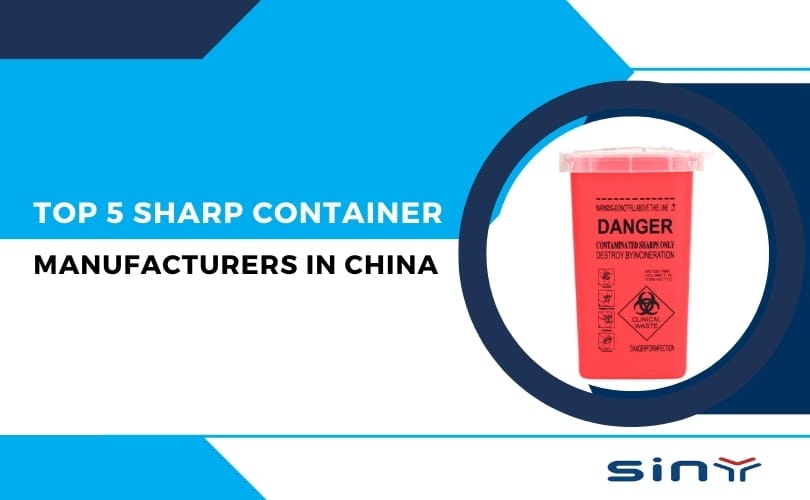
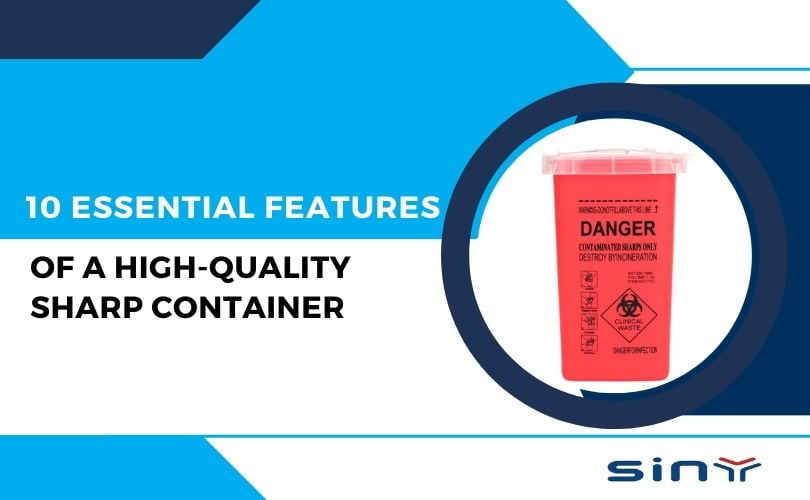
A sharps box, also called a sharps container or sharps disposal box, is specifically designed to safely collect used needles, syringes, lancets, scalpels, butterfly needles, and other medical sharps. These containers reduce the risk of accidental injuries and help healthcare facilities comply with medical waste regulations.
The biggest mistake many facilities make is waiting until the container is completely full before replacing it. In reality, most safety guidelines recommend replacing the sharps box before it reaches maximum capacity.
Overfilled sharps containers create several serious problems:
- Increased risk of needle-stick injuries
- Difficulty inserting additional sharps safely
- Sharps protruding from the opening
- Cross-contamination risk
- Improper lid closure
- Regulatory non-compliance
- Higher exposure risk for waste management staff
Healthcare workers often handle hundreds of sharps daily. Even a small lapse in disposal safety can lead to injuries or exposure incidents. That is why hospitals and clinics usually implement strict replacement schedules rather than waiting for containers to overflow.
For procurement teams, choosing containers with visible fill lines, temporary locking systems, and secure permanent closure mechanisms can greatly improve workplace safety and reduce operational risk.
At Siny Medical, many healthcare buyers explore different sharps container capacities and mounting styles to match the workflow of hospitals, laboratories, and outpatient facilities.
When Should a Sharps Box Be Changed? The 3/4 Full Rule
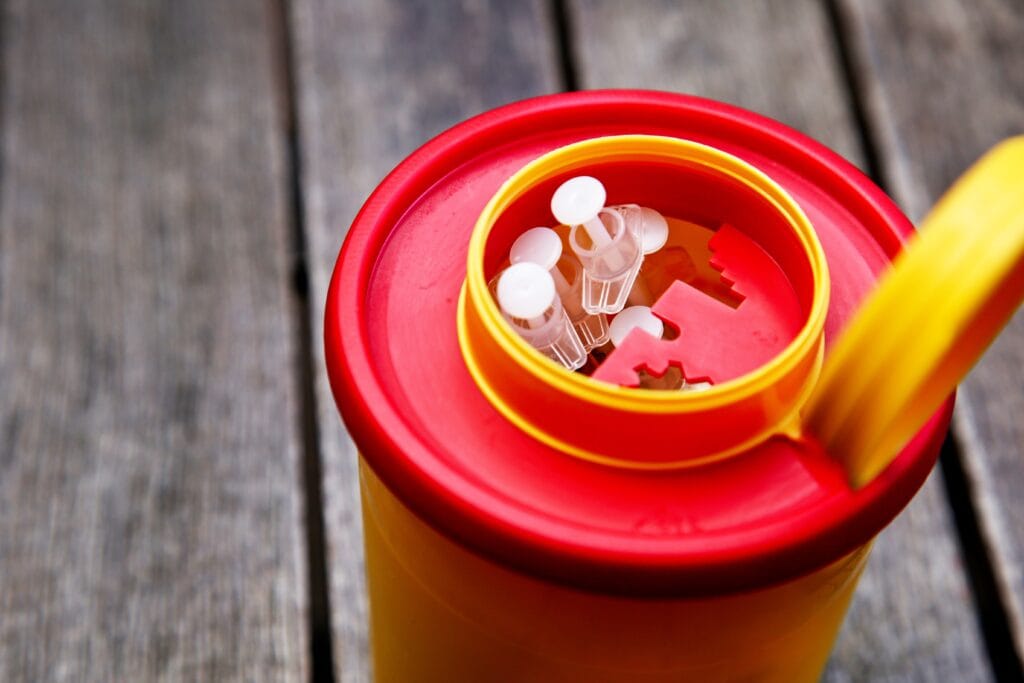
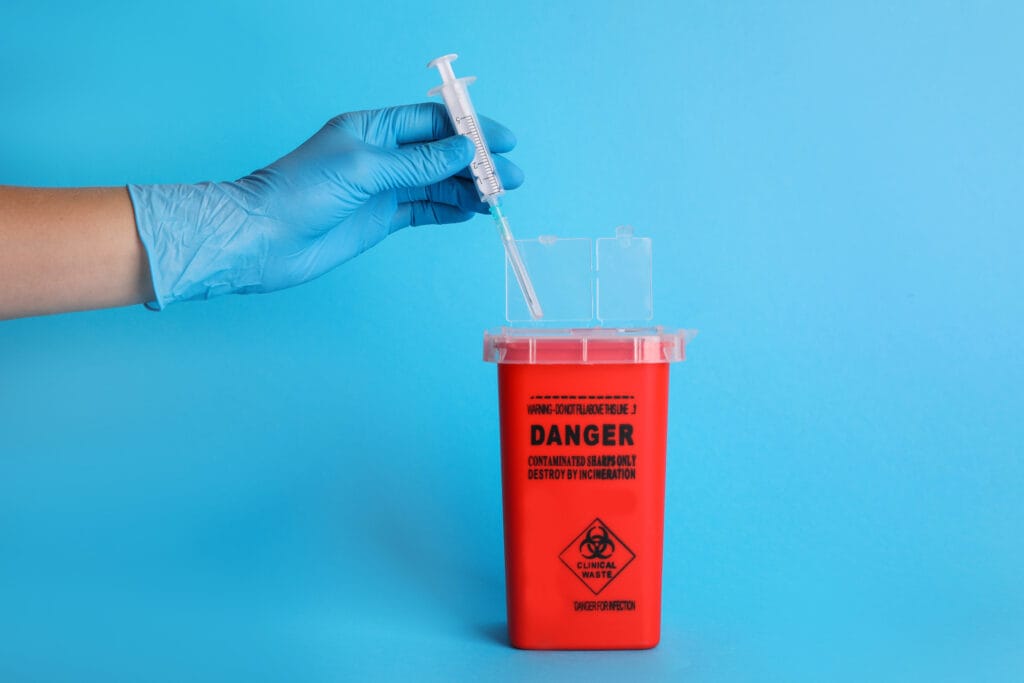
The most widely accepted guideline is that a sharps box should be changed when it reaches approximately 75% full, often referred to as the “3/4 full rule.”
Most certified sharps containers include a visible fill line indicating the maximum safe capacity. Once the waste reaches this line, the container should be sealed and replaced immediately.
Why Not Wait Until the Container Is Completely Full?
Many people assume maximizing the container capacity saves money. However, overfilling significantly increases injury risk. When sharps accumulate near the opening, users may accidentally touch exposed needles while inserting additional waste.
Overfilled containers also make it harder to safely dispose of long sharps such as:
- Blood collection needles.
- Butterfly needles
- Syringes.
- IV catheter stylets.
- Scalpels.
- Dental sharps.
In busy healthcare settings, staff may continue forcing sharps into the container even after capacity has been exceeded. This creates dangerous pressure inside the container and may damage the lid or opening.
The safest practice is simple:
- Monitor the fill level daily.
- Replace the container once it reaches the fill line.
- Never compress the contents.
- Never attempt to reopen sealed containers.
Facilities that handle high sharps volumes often use larger-capacity products such as wall-mounted sharps boxes or large biohazard disposal containers to reduce replacement frequency while maintaining safety.
Some buyers also prefer containers with transparent lids or visible fill indicators because they simplify routine inspections and reduce accidental overfilling.
Signs a Sharps Box Needs Immediate Replacement
Although the fill line is the primary indicator, there are additional warning signs that a sharps box should be changed immediately.
The Lid Cannot Close Properly
If the lid no longer closes securely, the container should be replaced at once. A loose or partially closed lid increases contamination risk during transportation and disposal.
When needles or syringe tips are close to the opening, users are more likely to experience accidental contact injuries.
The Container Is Difficult to Use
If staff members struggle to insert sharps safely, the container is likely overloaded or improperly positioned.
The Container Is Damaged
Cracks, punctures, broken hinges, or unstable mounting systems all compromise sharps safety. Damaged containers should never remain in service.
The Container Has Reached Expiration or Inspection Limits
Some facilities follow scheduled replacement intervals regardless of fill level, especially in low-volume departments. This prevents old medical waste from remaining stored for extended periods.
In professional healthcare environments, staff training is equally important. Even the best sharps container cannot prevent injuries if employees ignore fill levels or use the wrong disposal methods.
Healthcare facilities looking to improve disposal workflows often compare products such as:
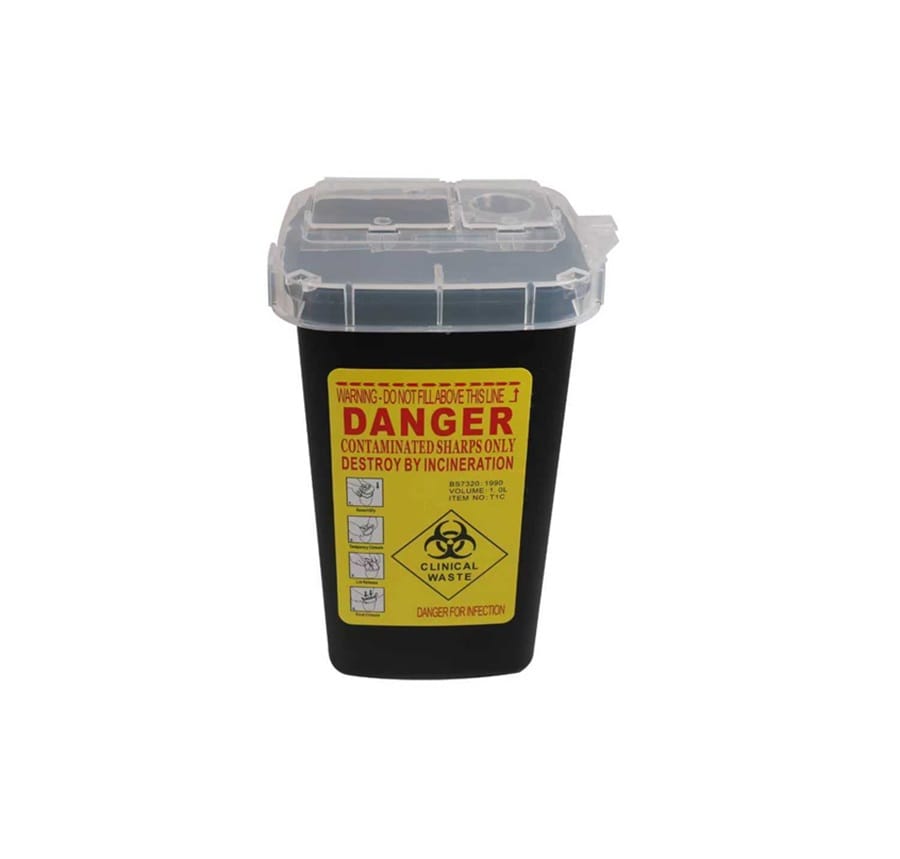
- Wall-mounted sharps containers
- Portable sharps boxes
- Multi-size biohazard sharps containers
- Needle disposal bins for laboratories
- Lockable medical waste containers
These product categories are commonly used across hospitals, blood collection centers, dental clinics, and diagnostic laboratories.
How Often Should Different Healthcare Facilities Change Sharps Boxes?
The replacement frequency depends heavily on the medical environment and sharps usage volume.
Hospitals and Emergency Rooms
High-volume hospitals may replace sharps containers daily or several times per week due to continuous patient care activities.
Areas with particularly high sharps usage include:
- Emergency departments
- Surgical units
- ICU departments
- Blood collection stations
- Oncology units
Clinics and Outpatient Centers
Small clinics typically replace sharps boxes weekly or biweekly, depending on patient traffic.
Dental Clinics
Dental practices frequently use smaller sharps containers because treatment rooms have limited space. Containers may need replacement every few days during busy schedules.
Laboratories and Blood Collection Facilities
Laboratories handling blood sampling and specimen processing often generate large quantities of needles and lancets. Proper placement near workstations helps reduce disposal errors.
Home Healthcare and Diabetes Care
Patients using insulin pens or lancets at home may use compact portable sharps containers. These are generally replaced less frequently but still should never exceed the fill line.
Choosing the correct container size is extremely important. Oversized containers may encourage waste accumulation for too long, while undersized containers require excessive replacement.
Many procurement managers therefore prefer suppliers that offer multiple capacity options ranging from compact countertop containers to large-volume wall-mounted sharps boxes.
Healthcare buyers reviewing disposal solutions often compare product durability, puncture resistance, leak resistance, and locking performance before selecting a supplier. Product consistency is especially important for distributors managing long-term supply contracts.
If you are evaluating medical waste disposal products for your facility or distribution business, you can explore different sharps container styles and specifications through Siny Medical to compare options suitable for hospitals, laboratories, and clinical environments.
How to Choose the Right Sharps Box for Safer Disposal
Understanding when a sharps box should be changed is only part of the equation. The design and quality of the container itself also affect workplace safety.
Puncture Resistance
A certified sharps container must resist penetration from needles and sharp instruments.
Leak-Proof Construction
Leak-resistant designs help prevent fluid contamination during transport and storage.
Secure Locking Systems
Temporary and permanent locking mechanisms reduce accidental spills and unauthorized access.
Proper Opening Design
Containers should allow one-handed disposal without forcing users to push sharps inside.
Size and Mounting Options
Different departments require different container configurations:
- Countertop sharps boxes
- Portable sharps containers
- Wall-mounted systems
- Large-capacity medical waste bins
Compliance Standards
Reliable suppliers typically manufacture containers according to international healthcare waste standards and biohazard labeling requirements.
For distributors and healthcare procurement teams, consistency in manufacturing quality is critical. Poor-quality containers can crack during transportation or fail under heavy sharps loads, creating major safety liabilities.
This is why many buyers prioritize experienced medical consumable manufacturers that can provide stable production quality, export experience, and healthcare compliance documentation.
Common Mistakes When Using Sharps Containers
Even experienced healthcare workers sometimes make disposal mistakes that increase injury risks.
Overfilling the Container
This is the most common issue and the primary reason sharps injuries occur during disposal.
Pushing Sharps Down by Hand
Sharps should never be compressed manually under any circumstances.
Using the Wrong Container Size
Improper sizing leads either to rapid overflow or inefficient waste handling.
Reusing Disposable Sharps Containers
Single-use sharps boxes should never be reused after sealing.
Poor Placement
Containers should always be located close to the point of use to encourage immediate disposal.
Facilities that implement proper disposal training together with high-quality sharps containers generally experience lower injury rates and safer waste management operations.
FAQ About When a Sharps Box Should Be Changed
How full should a sharps box be before changing it?
Most safety guidelines recommend replacing the container when it reaches approximately 3/4 full or the indicated fill line.
Can a sharps container be overfilled?
Yes. Overfilled containers significantly increase the risk of needle-stick injuries and contamination.
What happens if a sharps box is too full?
Sharps may protrude from the opening, lids may fail to close properly, and healthcare workers may accidentally contact exposed needles.
How often should hospitals replace sharps containers?
High-volume departments may replace them daily, while lower-volume departments may replace them weekly depending on usage.
Are all sharps boxes the same?
No. Sharps containers vary in size, material quality, puncture resistance, mounting style, and locking systems.
What should buyers look for in a sharps container supplier?
Important factors include manufacturing quality, compliance standards, stable supply capacity, product variety, and export experience.
Final Thoughts
Understanding when should a sharps box be changed is essential for maintaining safe healthcare environments and reducing the risk of accidental sharps injuries. Replacing containers before they become overfilled is one of the simplest yet most effective infection-control practices in hospitals, clinics, laboratories, and home healthcare settings.
For procurement teams and distributors, choosing the right sharps disposal container is equally important. Reliable container construction, secure locking systems, visible fill indicators, and appropriate sizing all contribute to safer and more efficient waste management.
If your organization is evaluating sharps disposal products for clinical or distribution use, you can explore medical waste disposal solutions and related healthcare consumables through Siny Medical for additional product information and support.