Platelet-rich plasma therapy has become a widely used regenerative treatment in orthopedics, aesthetics, and hair restoration. However, one of the most common questions patients and clinics ask is: what to do after PRP injection to maximize results and avoid complications.
The recovery phase is just as important as the procedure itself. From activity restrictions to product selection—especially the quality of PRP preparation systems—every step can directly influence treatment outcomes. In this guide, we’ll walk through what actually matters after a PRP procedure and how to approach recovery in a practical, clinic-focused way.
Table of Contents
- 1 What to Do After PRP Injection: First 24–48 Hours Matter Most
- 2 Activity Restrictions After PRP Injection: When to Resume Normal Movement
- 3 What to Avoid After PRP Injection: Medications, Ice, and Lifestyle Factors
- 4 How Long Does It Take to Recover After PRP Injection?
- 5 Choosing the Right PRP System: Why It Matters After the Injection
- 6 FAQ: What to Do After PRP Injection
- 7 Final Thoughts
What to Do After PRP Injection: First 24–48 Hours Matter Most
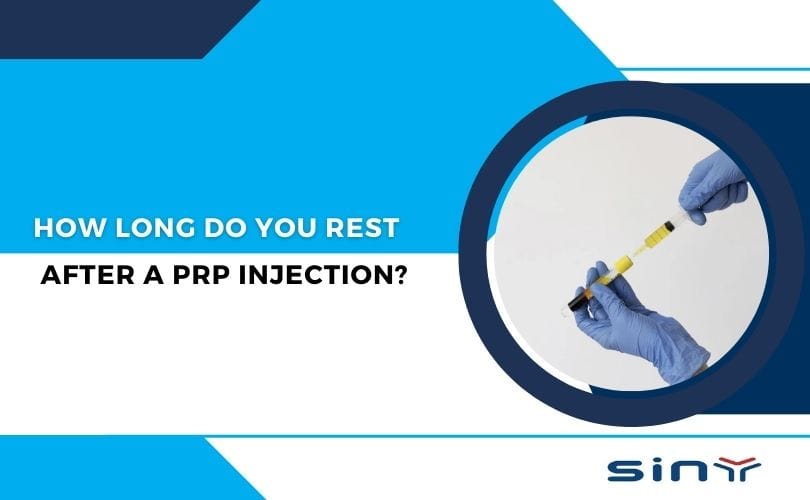
The first 24 to 48 hours after a PRP injection are critical because this is when the body begins its inflammatory healing response. Unlike conventional treatments, PRP relies on a controlled inflammatory process to stimulate tissue repair.
Patients are typically advised to:
- Avoid strenuous physical activity.
- Keep the treated area clean and undisturbed.
- Refrain from applying ice unless specifically instructed.
- Stay hydrated and maintain normal nutrition.
It may sound counterintuitive, but mild swelling or discomfort is actually part of the therapeutic process. Suppressing inflammation too early can reduce the effectiveness of the treatment.
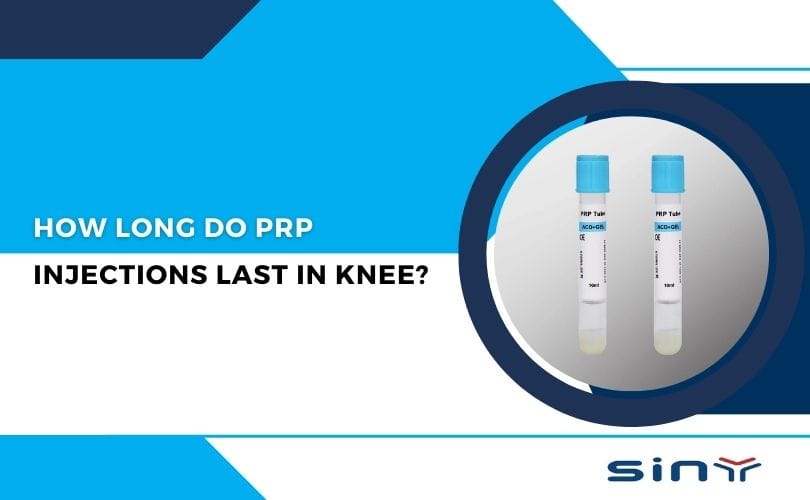
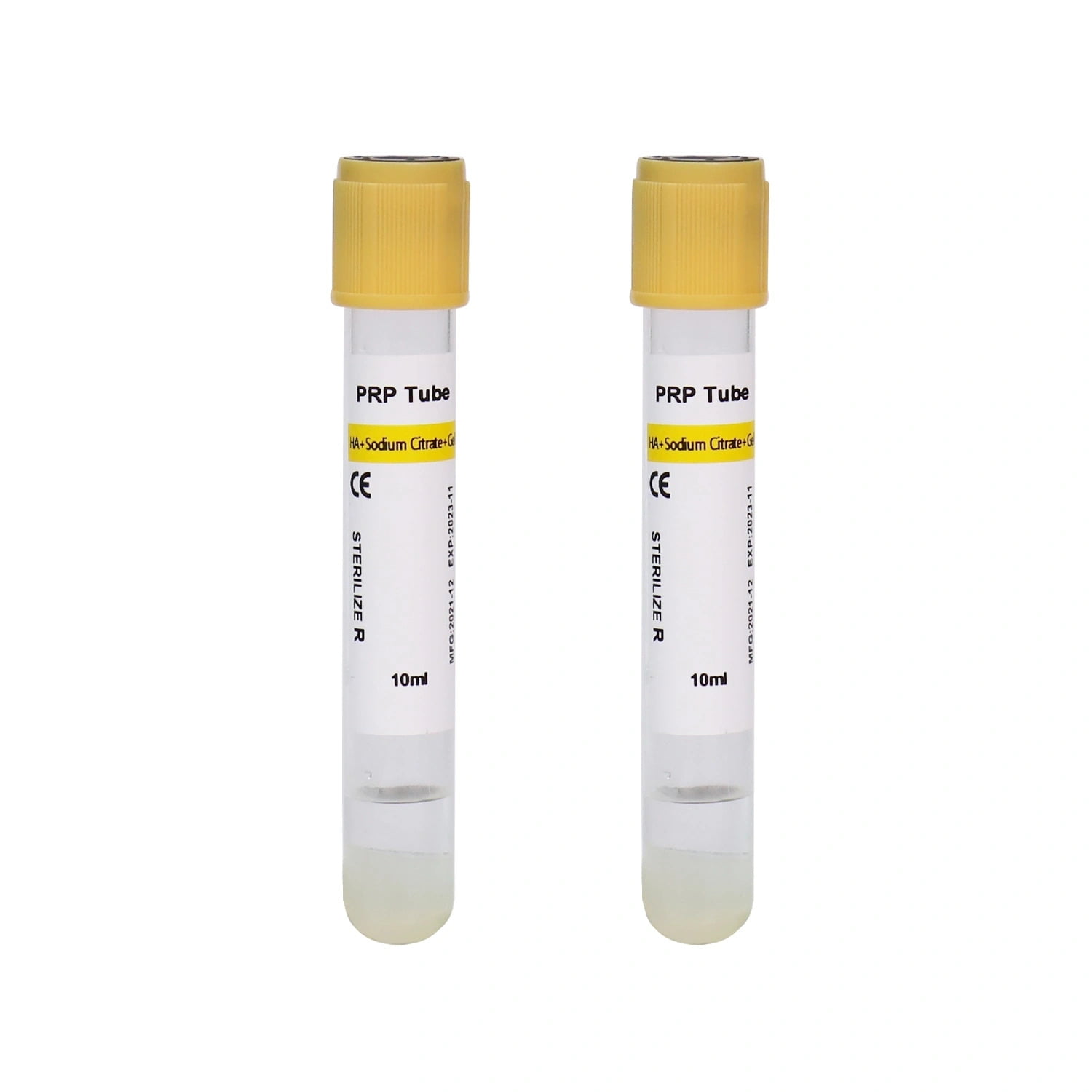
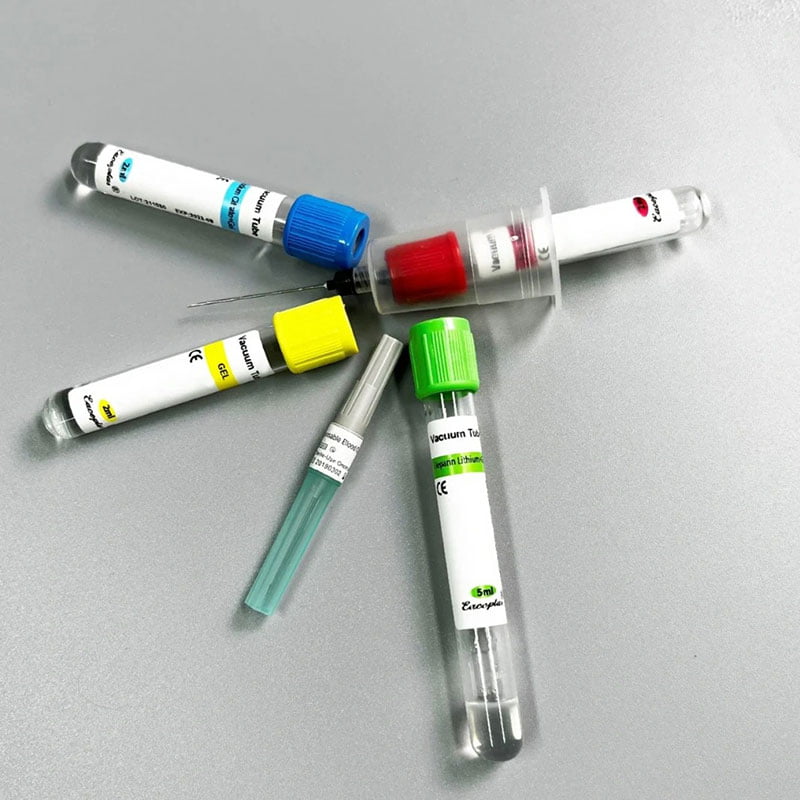
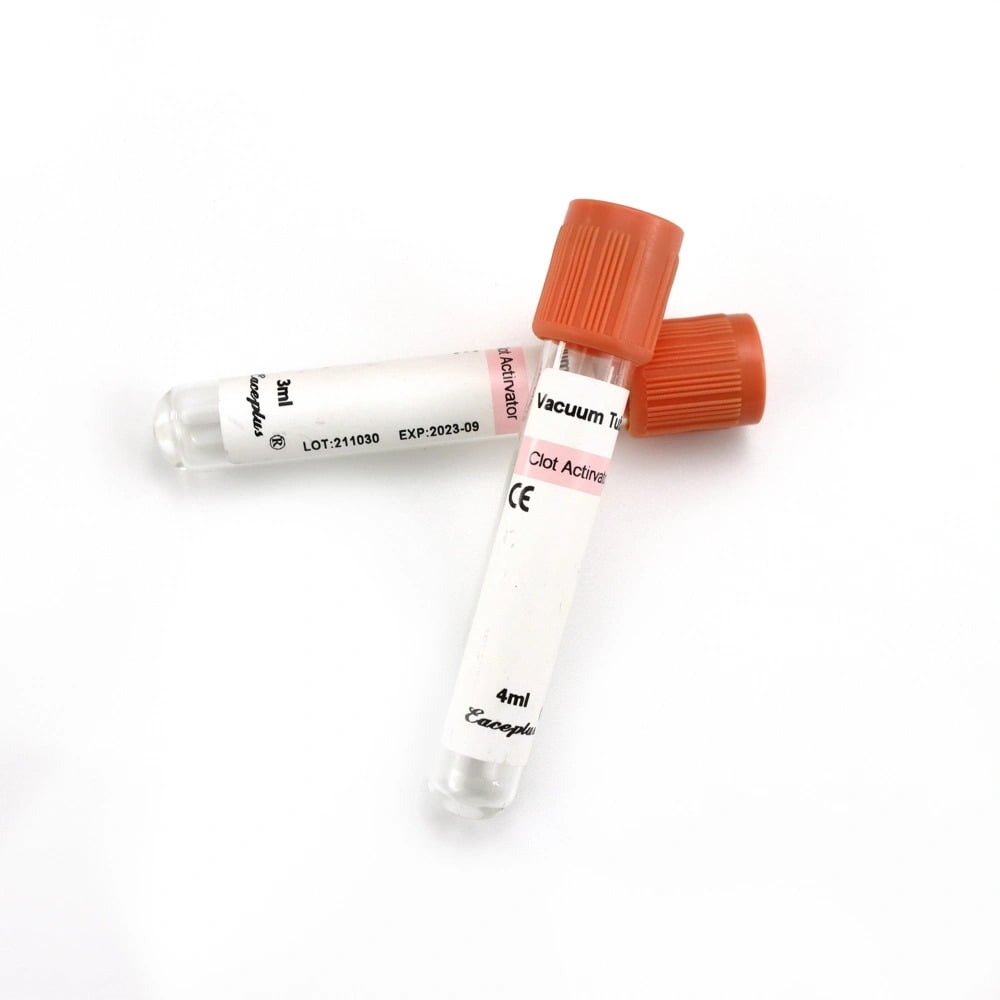
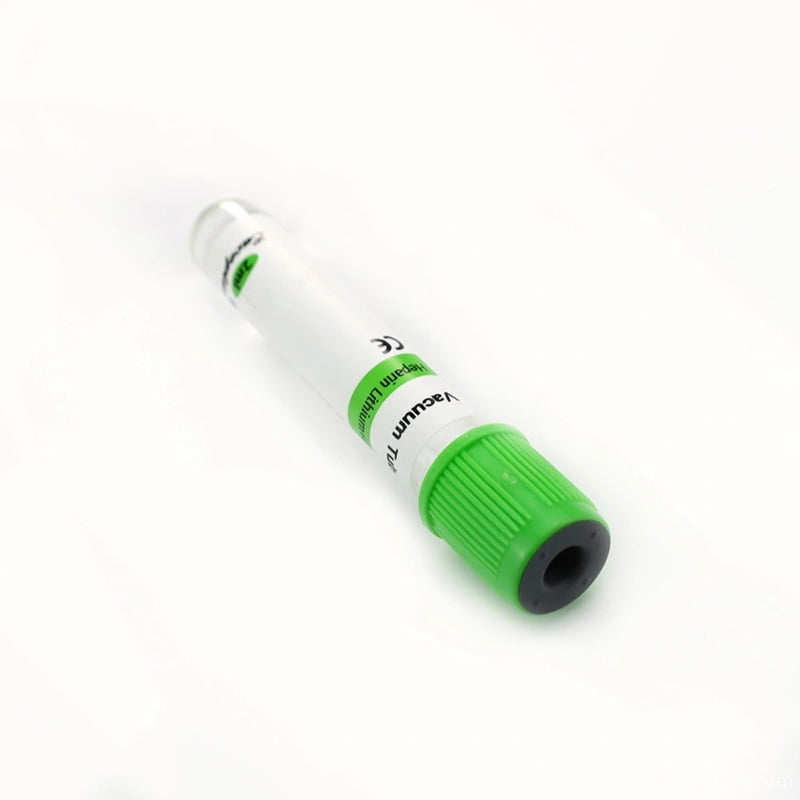
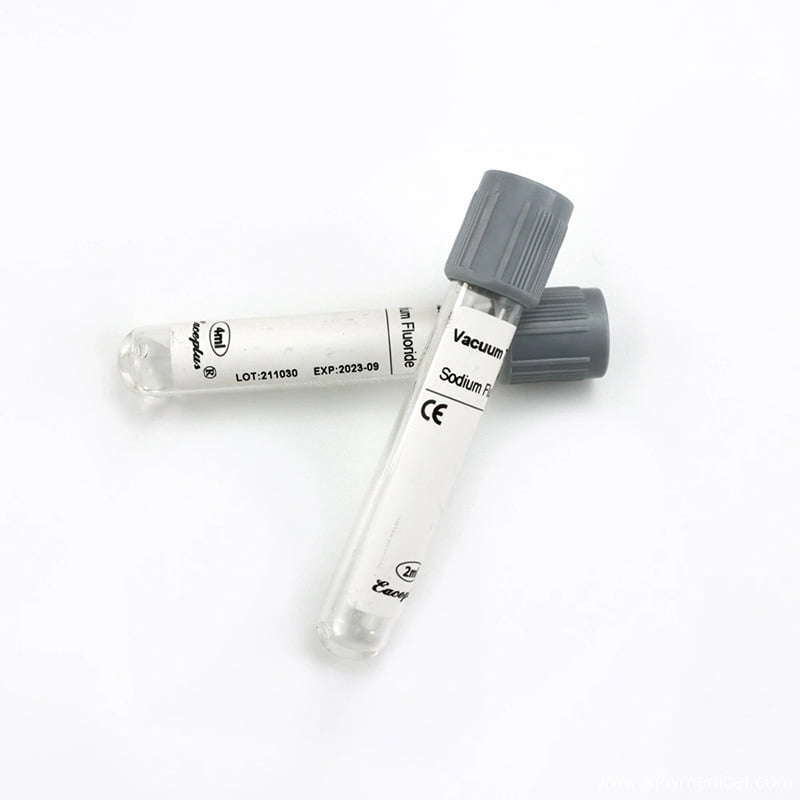
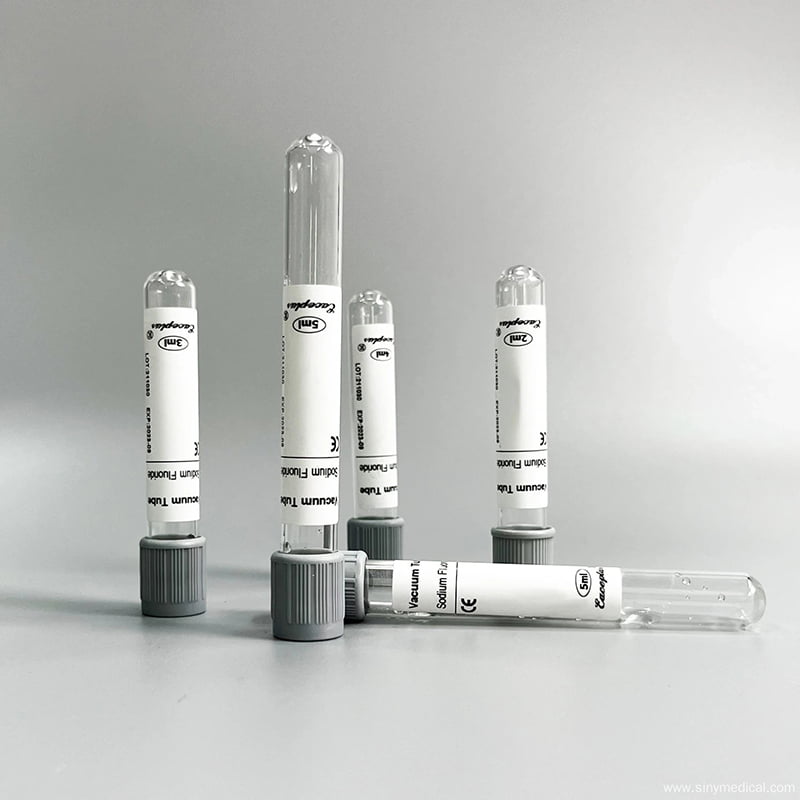
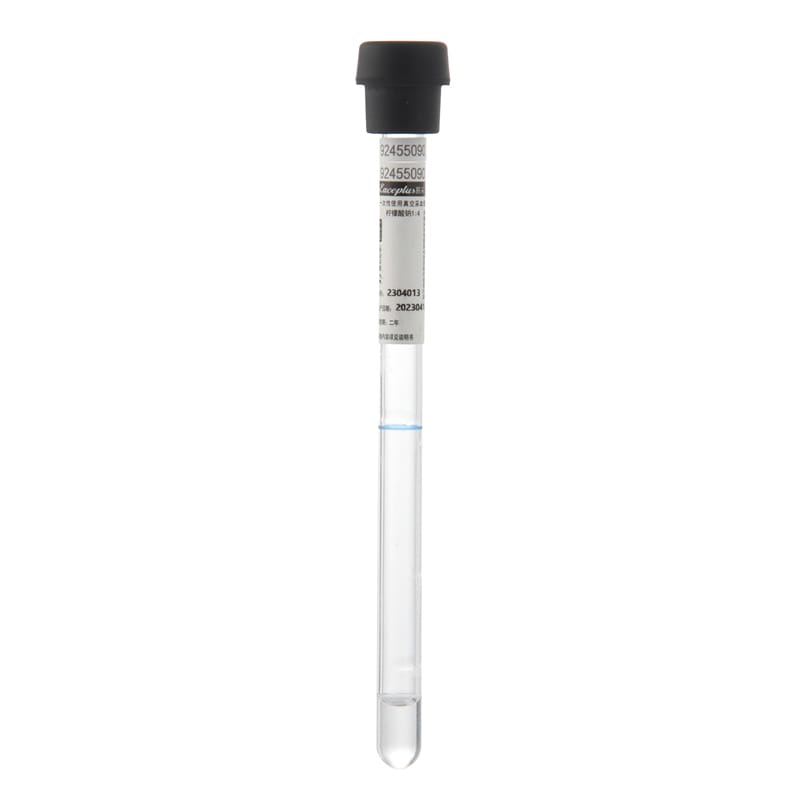
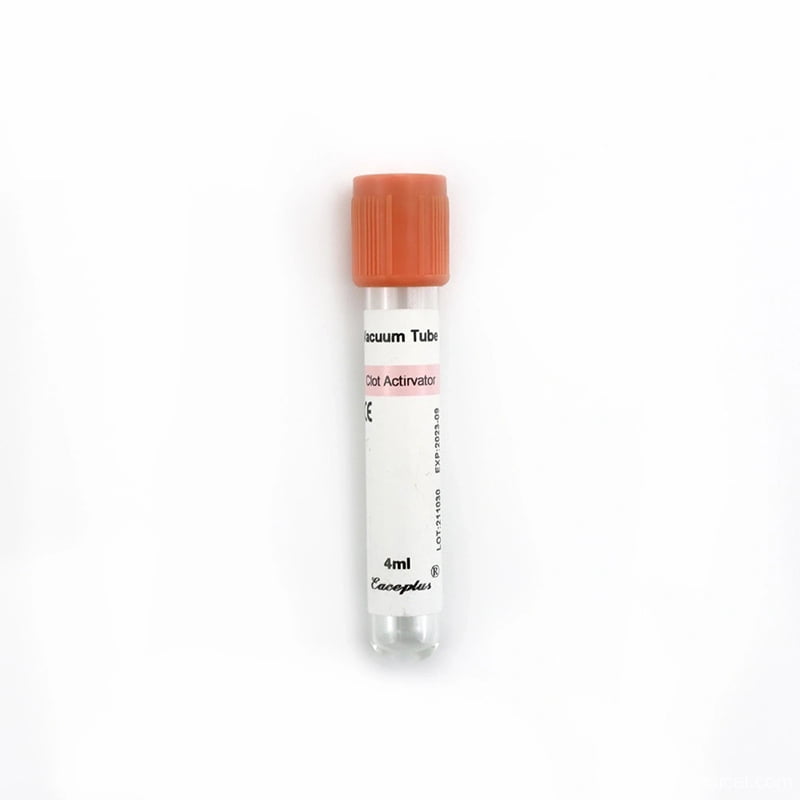
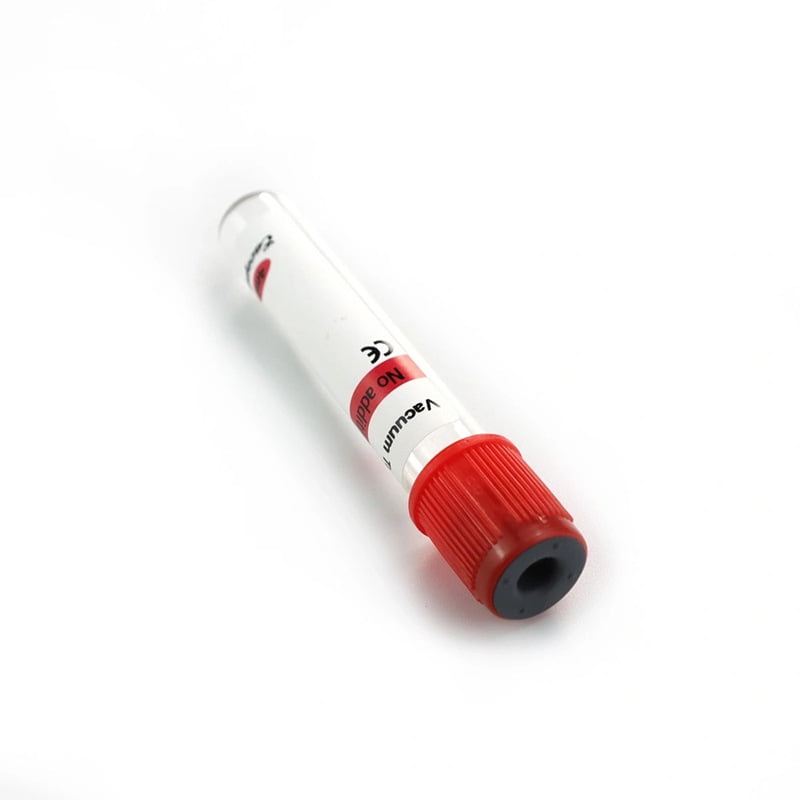
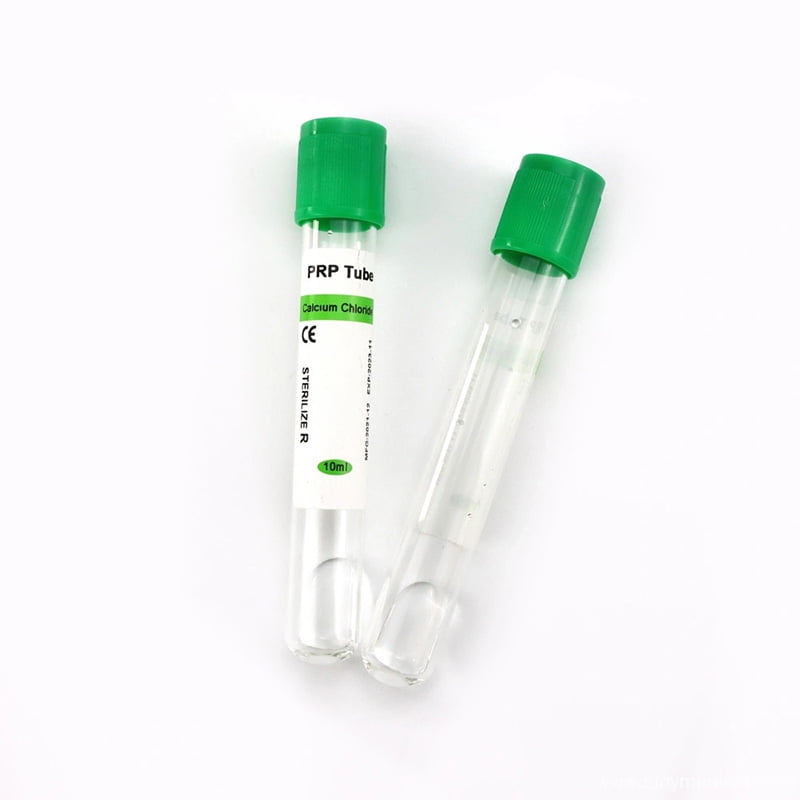
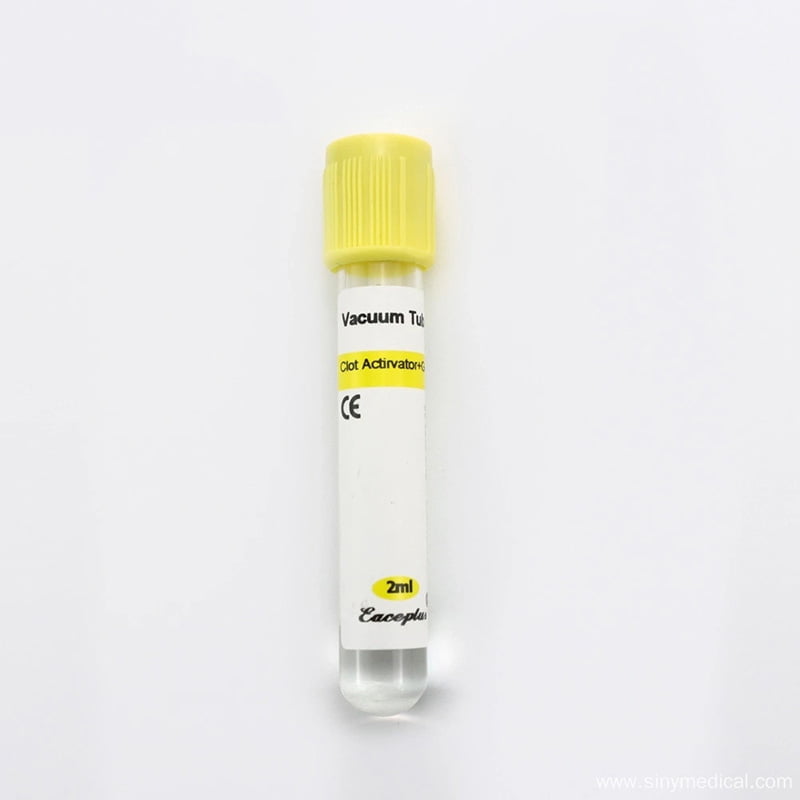
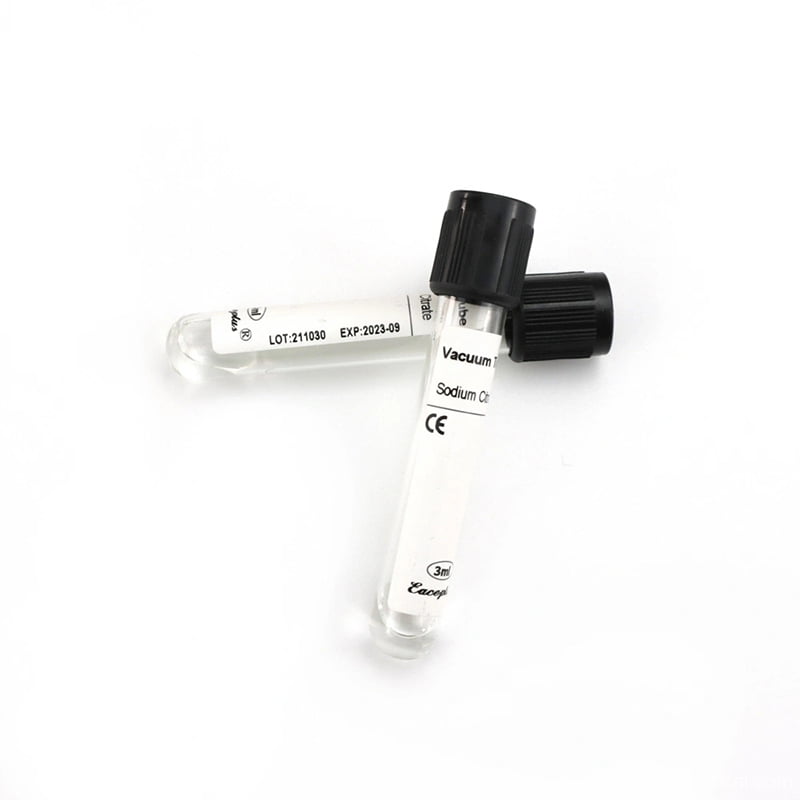
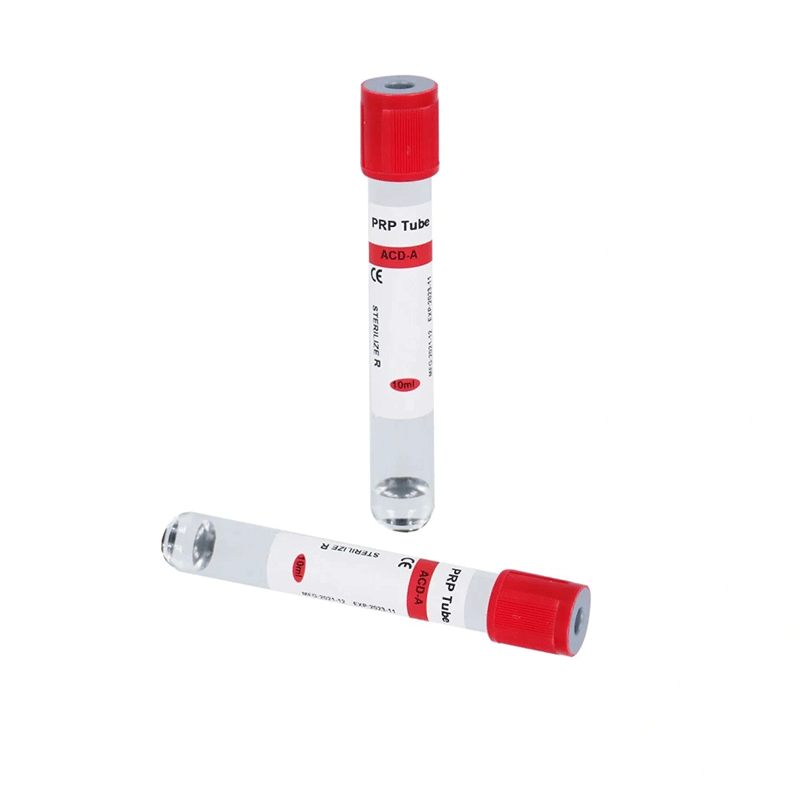
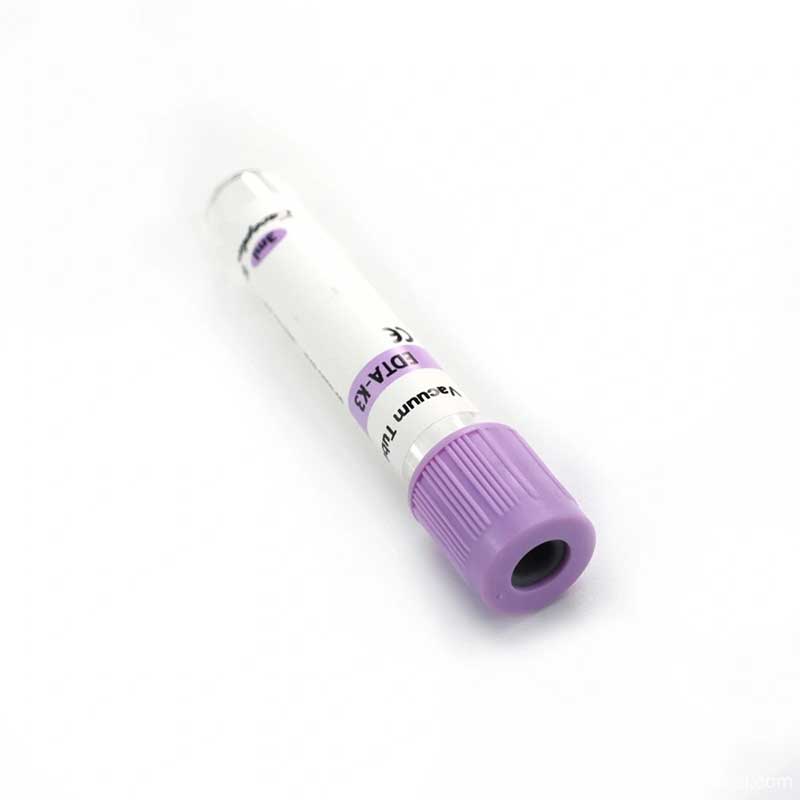
From a clinical perspective, the quality of platelet concentration and separation plays a key role here. Using well-designed systems like Siny Medical PRP Tube (ACD + Gel) or Siny Medical 10ml PRP Tube with Sodium Citrate Gel ensures a more stable and reproducible platelet yield—helping clinics deliver consistent early-phase results.
👉 If you’re evaluating PRP systems, it’s worth reviewing how separation efficiency impacts patient recovery in the first 48 hours.
Activity Restrictions After PRP Injection: When to Resume Normal Movement
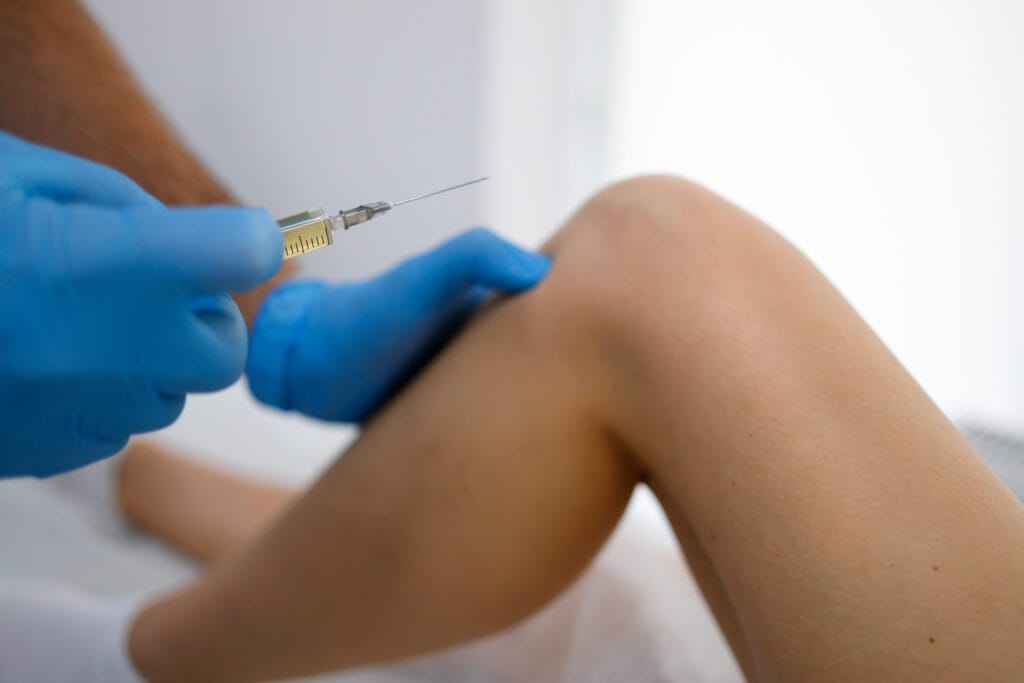
A common concern when discussing what to do after PRP injection is how long patients should limit their activity. The answer depends on the treatment area, but general principles apply across most use cases.
- Joint injections (knee, shoulder): Avoid high-impact activities for at least 5–7 days
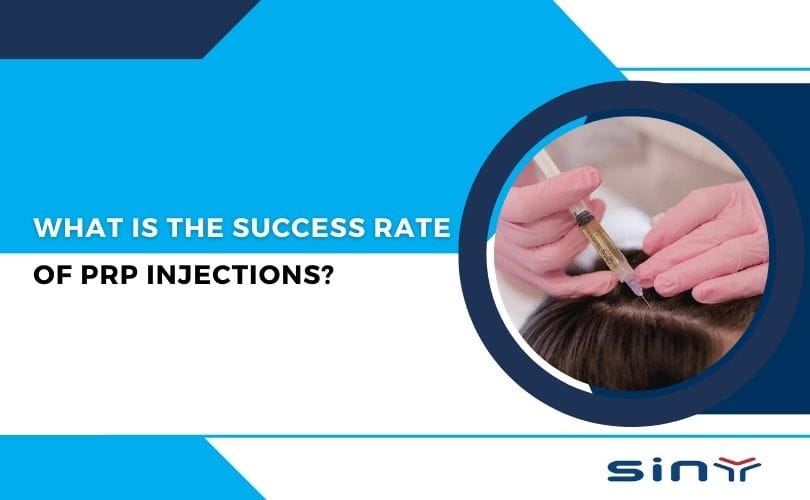
- Hair restoration: Avoid sweating and scalp irritation for 24–48 hours
- Facial/aesthetic PRP: Resume light activities within 24 hours, but avoid intense workouts
The goal is not complete immobilization but controlled movement. Gentle motion can support circulation and healing, while excessive strain may disrupt platelet activity.
Clinics that use high-quality PRP tubes—such as Siny Medical PRP ACD + Gel + HA Tube for aesthetic applications—often report more predictable recovery timelines due to improved plasma purity and reduced contamination.
👉 Choosing the right PRP tube is not just about pricing—it directly affects clinical outcomes and patient satisfaction.
What to Avoid After PRP Injection: Medications, Ice, and Lifestyle Factors
Understanding what not to do is just as important as knowing what to do after PRP injection.
Here are key things to avoid:
1. Anti-inflammatory medications (NSAIDs)
Drugs like ibuprofen or aspirin can interfere with platelet function and reduce treatment effectiveness.
2. Ice application
While commonly used for swelling, ice may suppress the natural inflammatory response needed for PRP to work.
3. Alcohol and smoking
Both can negatively affect circulation and slow down tissue regeneration.
4. Excessive sun exposure (for facial PRP)
UV exposure can increase irritation and delay skin recovery.
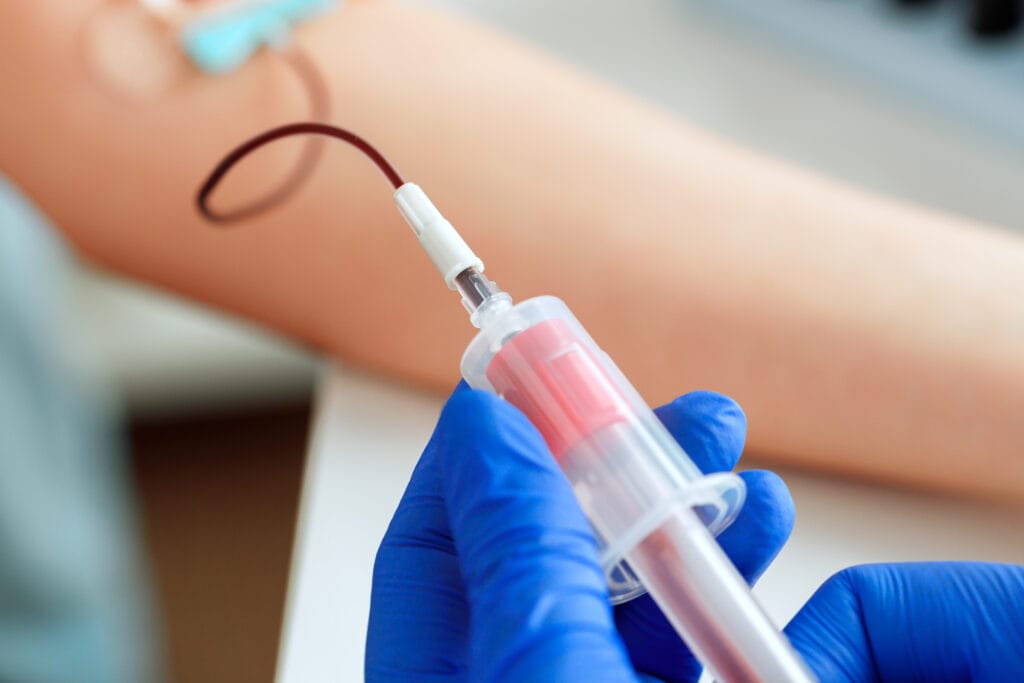
From a product standpoint, consistent platelet activation depends heavily on anticoagulant quality and gel stability. Well-designed PRP preparation systems help maintain platelet viability during centrifugation and reduce variability in clinical outcomes.
If you are currently evaluating suppliers or looking for a more stable and reliable solution, you can reach out to Siny Medical to discuss your requirements, request samples, or get technical support for your specific applications.
👉 This is why many clinics are shifting toward standardized PRP preparation systems rather than generic tubes.
How Long Does It Take to Recover After PRP Injection?
Recovery timelines vary, but most patients experience:
- Initial soreness: 1–3 days
- Improvement phase: 2–6 weeks
- Full regenerative effect: Up to 3 months
The key point is that PRP is not an instant treatment—it works gradually by stimulating the body’s own healing mechanisms.
👉 When sourcing PRP tubes, consistency in separation and additive formulation is often more important than short-term cost savings.
Choosing the Right PRP System: Why It Matters After the Injection
While most discussions around what to do after PRP injection focus on patient behavior, experienced buyers know that outcomes are equally dependent on the preparation system.
Key factors to evaluate when selecting a PRP tube include:
- Anticoagulant stability
- Gel separation efficiency
- Platelet recovery rate
- Sterility and certification (ISO)
- Compatibility with centrifuge protocols
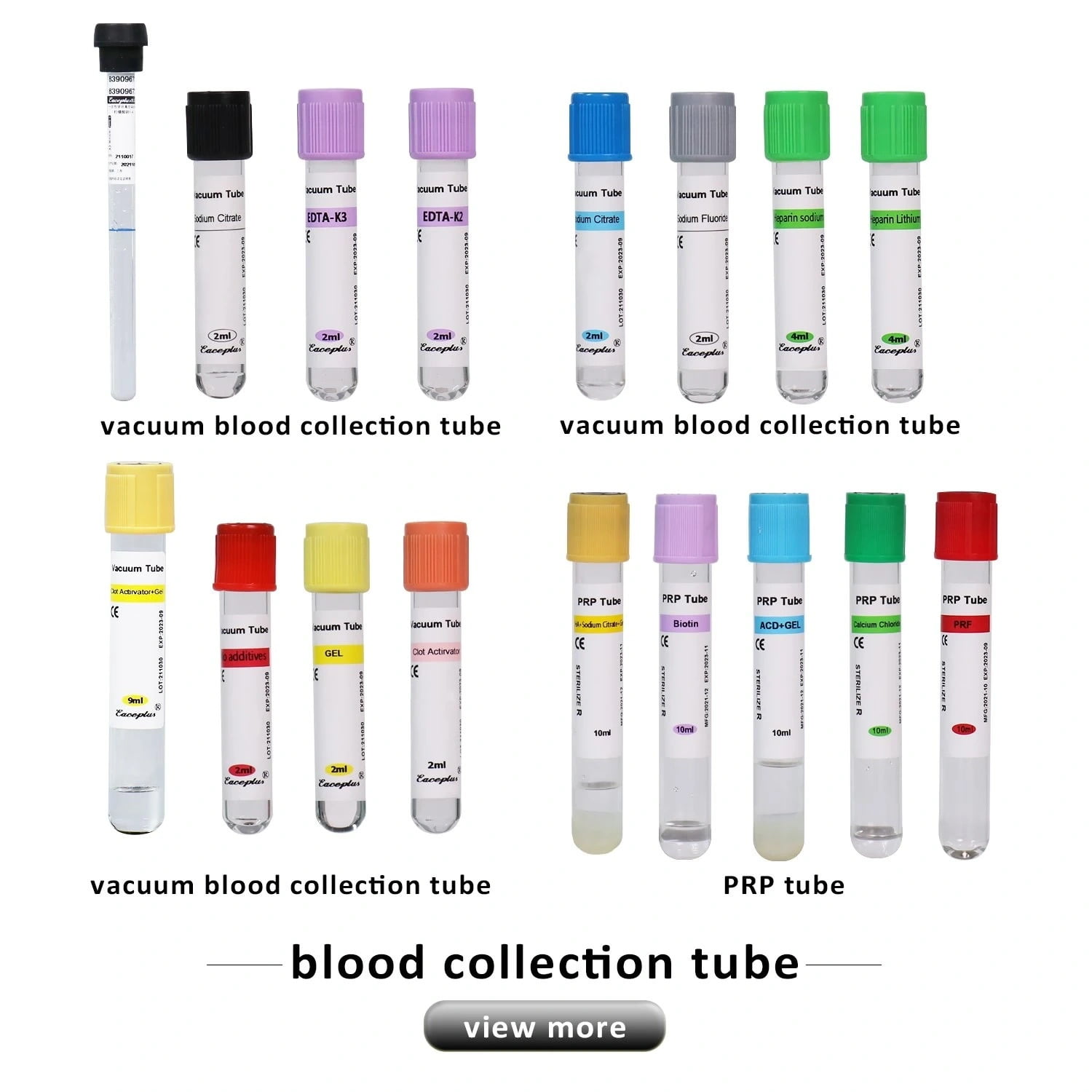
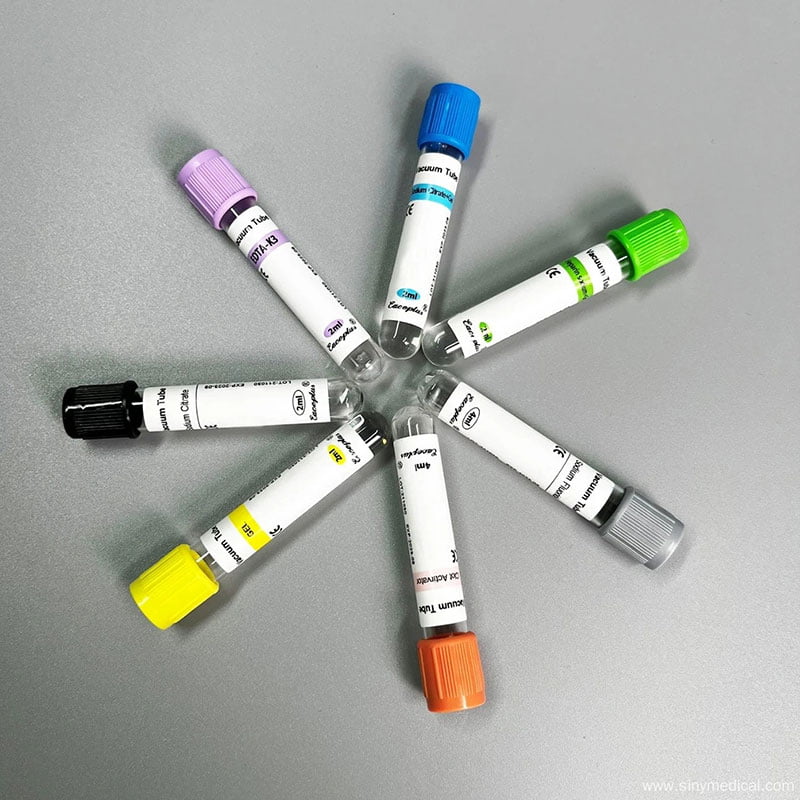
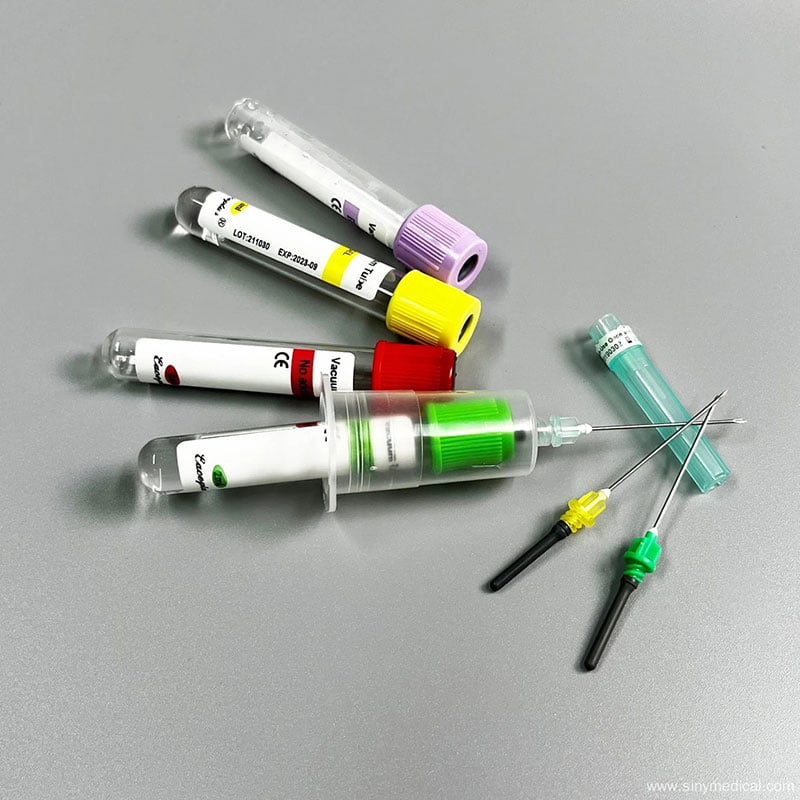
For example, Siny Medical offers a range of PRP solutions, such as:
- 10ml ACD + Gel PRP Tube (Yellow Top)
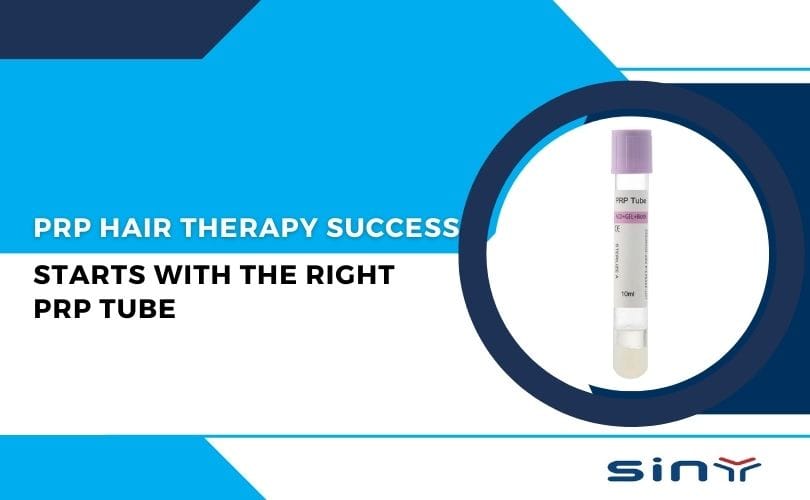
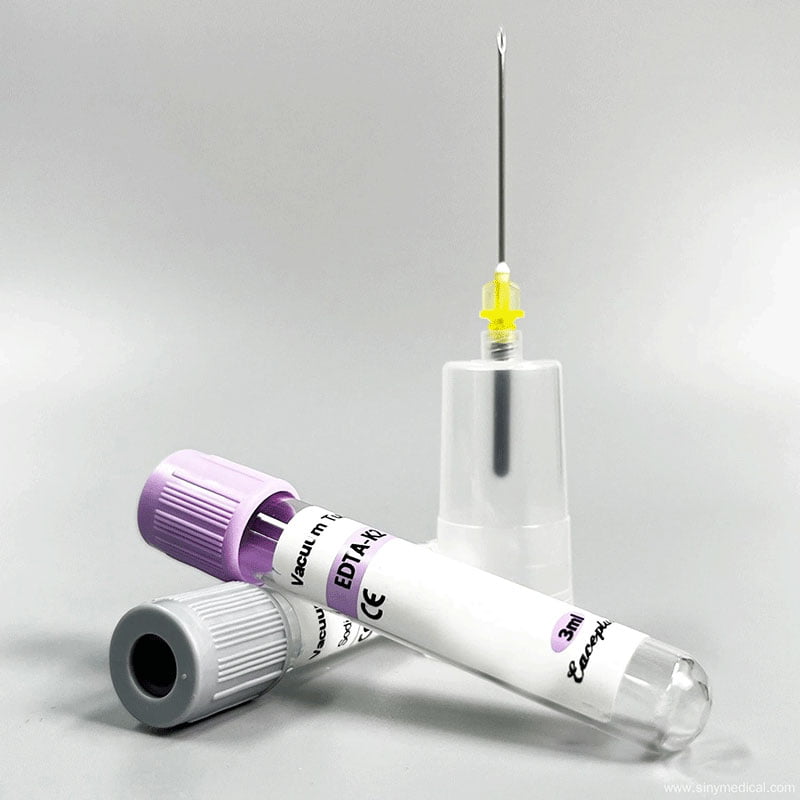
- PRP Tube with Sodium Citrate + Gel + Biotin
- PRP Tube ACD + Gel + HA for aesthetic use
These options allow clinics and distributors to tailor PRP preparation based on application—whether orthopedic, dermatological, or hair restoration.
👉 If you’re sourcing for a clinic or distribution project, aligning the product with the clinical scenario is essential for long-term success.

FAQ: What to Do After PRP Injection
1. Can I walk immediately after PRP injection?
Yes, light walking is usually encouraged, especially for joint treatments. However, avoid high-impact activities for several days.
2. Should I use ice after PRP?
In most cases, no. Ice may reduce the inflammatory response needed for PRP to be effective.
3. When can I return to exercise?
Typically, after 5–7 days, depending on the treatment area and physician guidance.
4. Is swelling normal after PRP injection?
Yes, mild swelling and discomfort are expected and indicate that the healing process has started.
5. Does the quality of PRP tubes affect recovery?
Absolutely. Poor separation or inconsistent platelet concentration can lead to unpredictable outcomes. This is why many clinics prioritize high-quality PRP systems.
Final Thoughts
Understanding what to do after PRP injection goes beyond simple aftercare instructions—it involves a combination of patient behavior, clinical protocols, and product quality.
For clinics, distributors, and procurement professionals, selecting a reliable PRP system is just as important as guiding patients through recovery. Consistency in platelet concentration, sterility, and separation efficiency can significantly influence treatment success.
If you’re currently evaluating PRP tubes or looking to improve your product offering, exploring a stable and certified supplier like Siny Medical can be a practical next step toward delivering better clinical outcomes.