PRP with microneedling is a regenerative aesthetic treatment that combines platelet-rich plasma (PRP) with controlled micro-injuries to the skin. This dual approach enhances the body’s natural healing response, accelerating collagen production and tissue repair.
Microneedling creates thousands of tiny channels in the skin using fine needles. When PRP—derived from the patient’s own blood—is applied during or after the procedure, these channels allow growth factors to penetrate deeper layers of the skin. The result is a more effective stimulation of fibroblasts and collagen synthesis compared to microneedling alone.
This combination therapy is widely used for:
- Skin rejuvenation and anti-aging
- Acne scar reduction
- Hyperpigmentation improvement
- Hair restoration treatments
While many articles focus on outcomes, the real effectiveness of PRP with microneedling depends heavily on the quality and consistency of the PRP preparation system, especially the tubes used during blood processing.
For clinics and distributors looking to standardize results, it’s worth exploring reliable PRP systems from experienced manufacturers like Siny Medical.

Table of Contents
How PRP With Microneedling Works: From Blood to Bioactive Serum
Understanding the mechanism behind PRP with microneedling helps clarify why not all treatments deliver the same results.
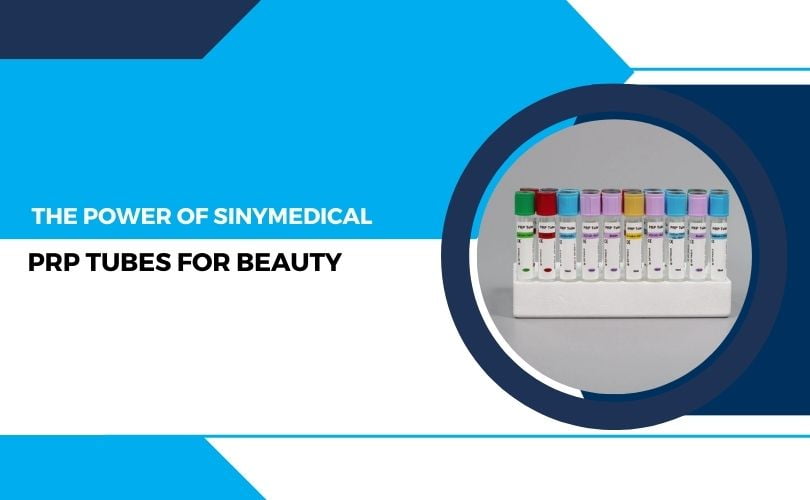
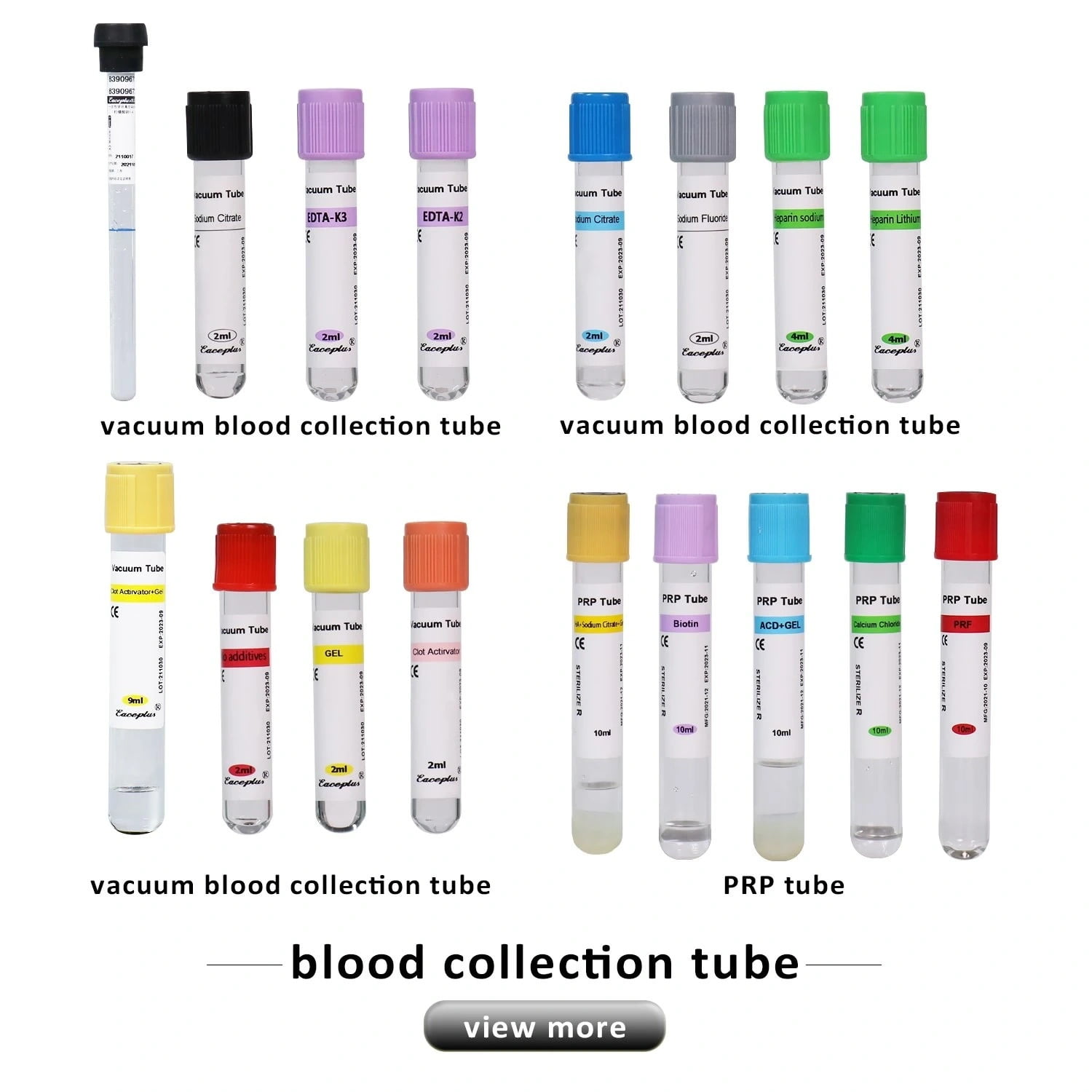
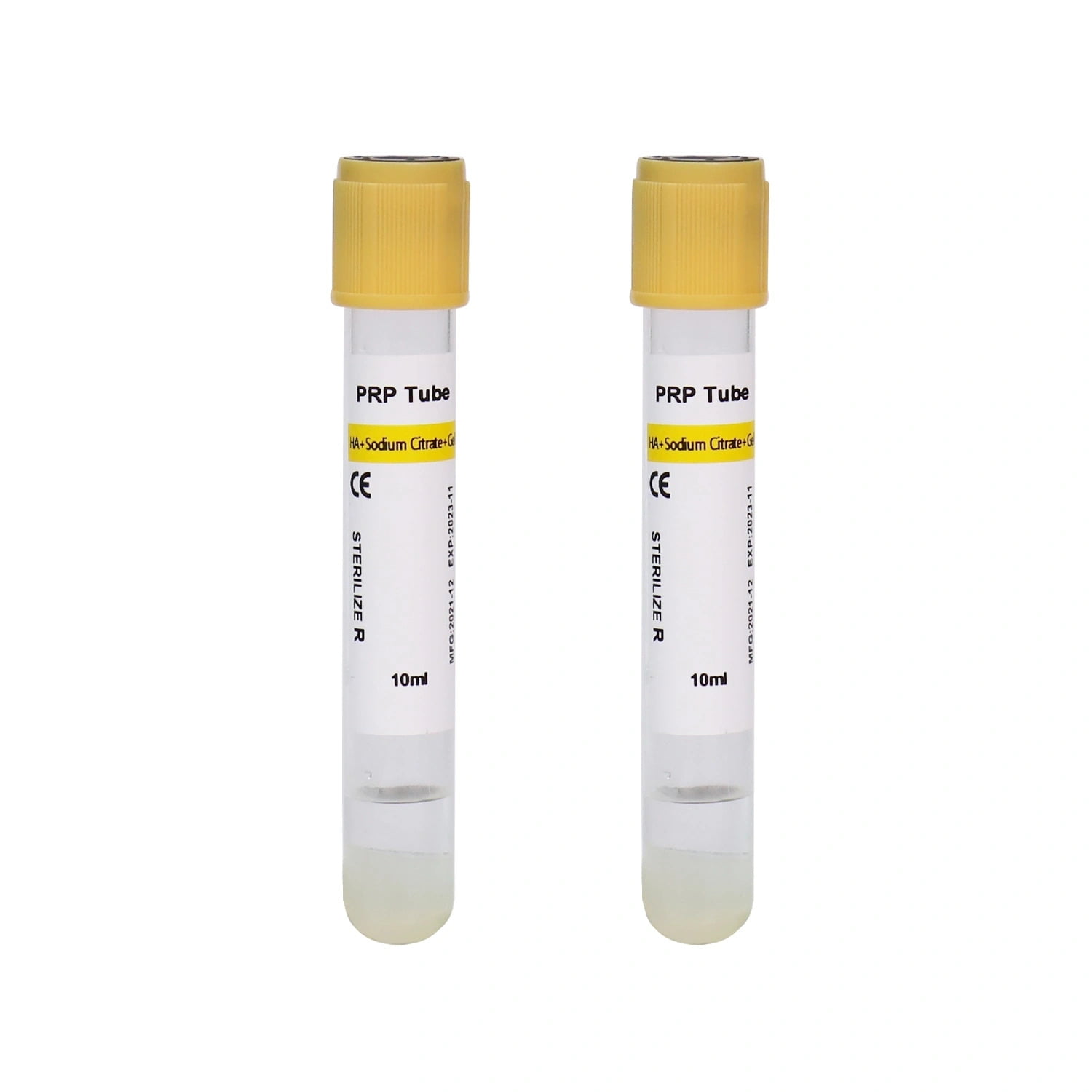
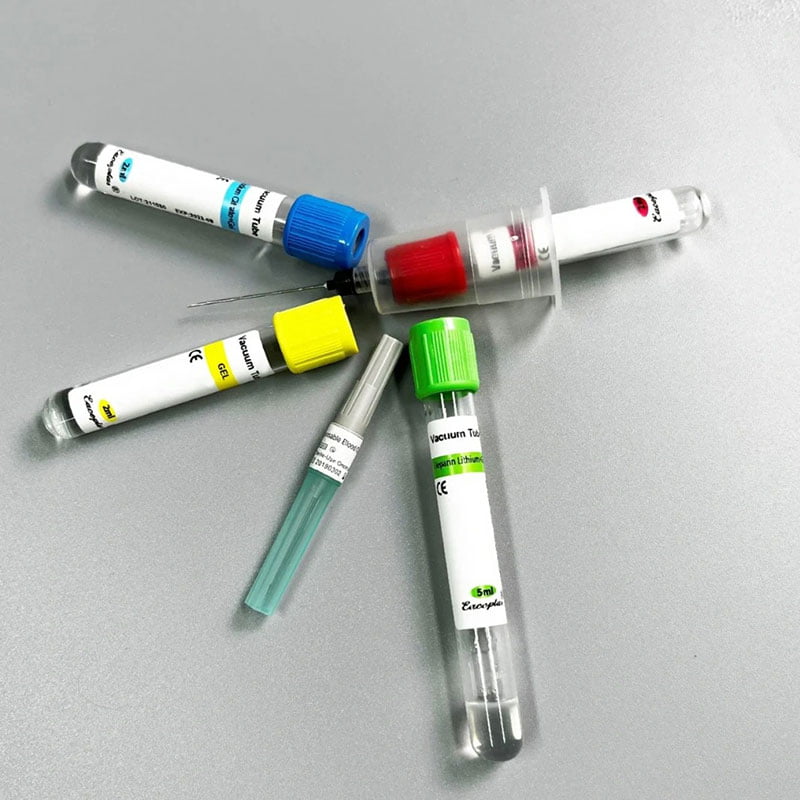
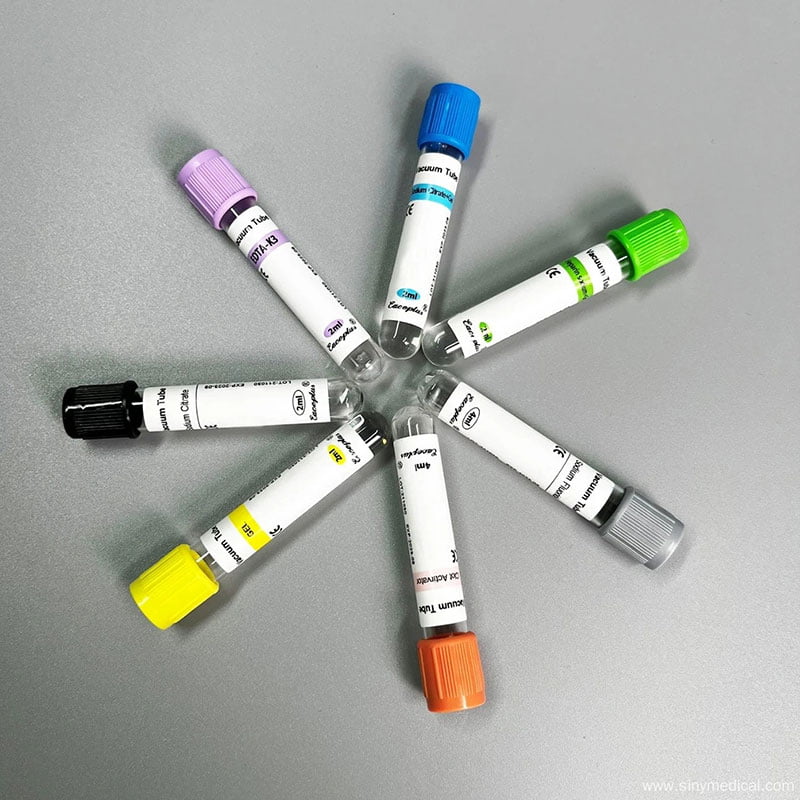
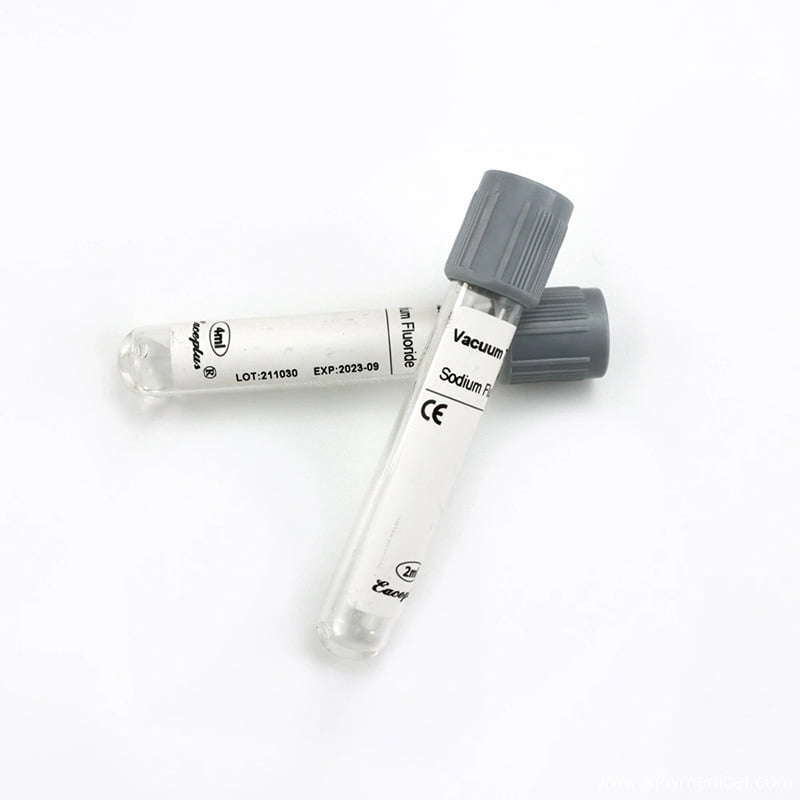
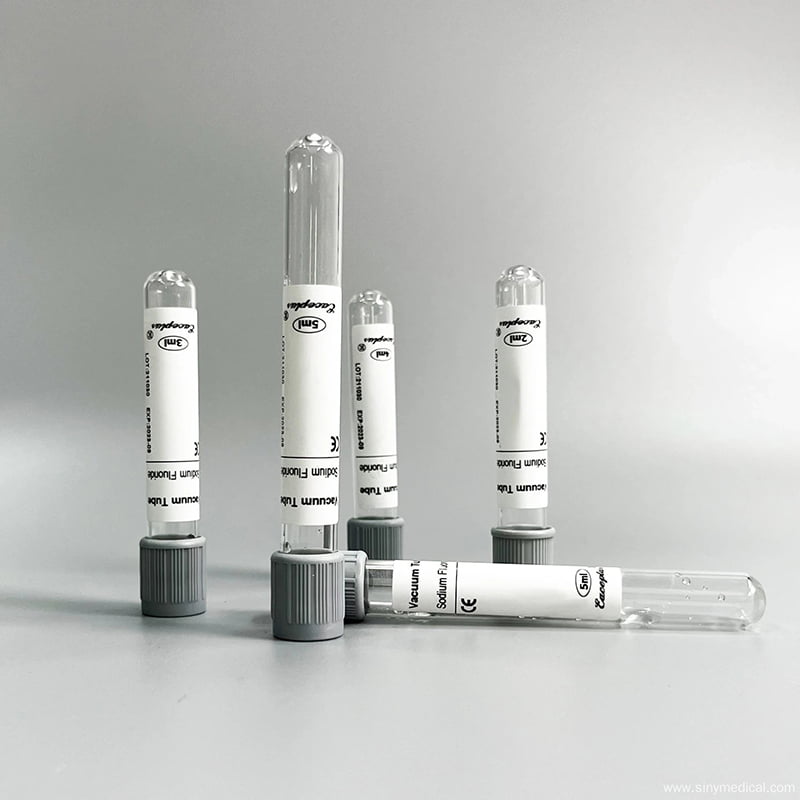
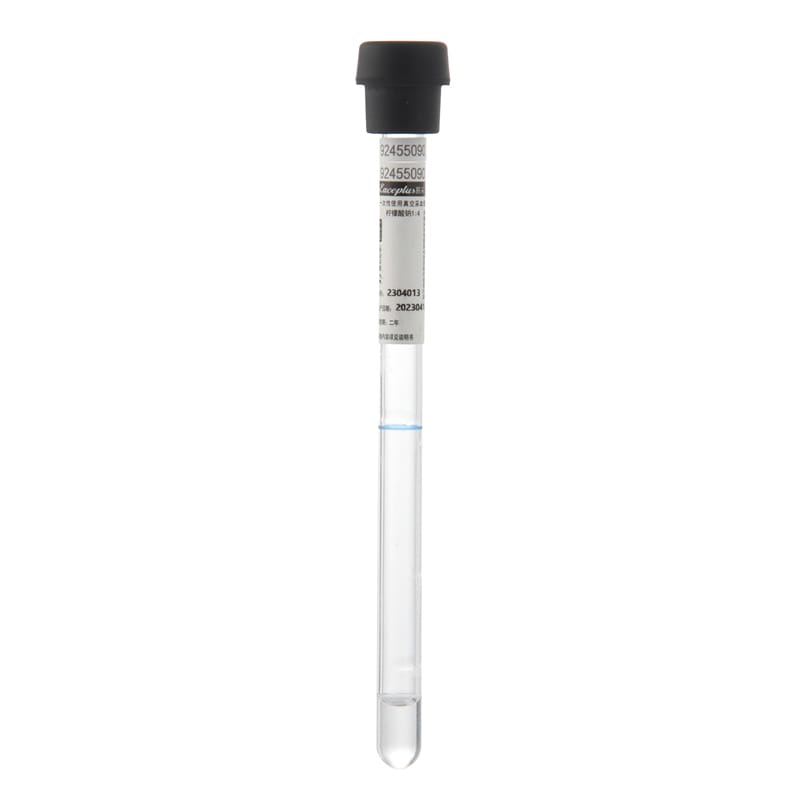
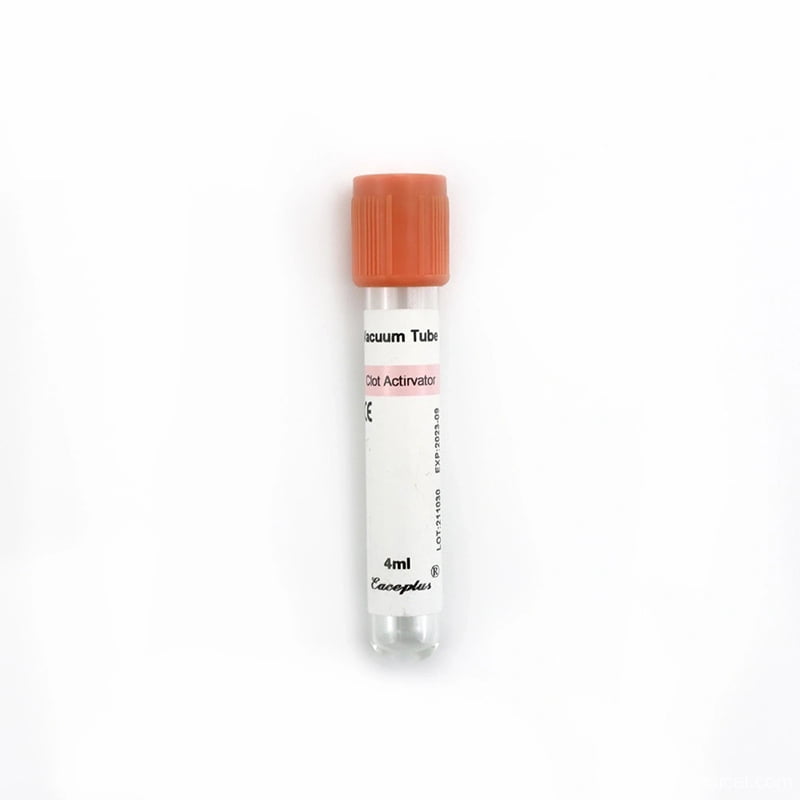
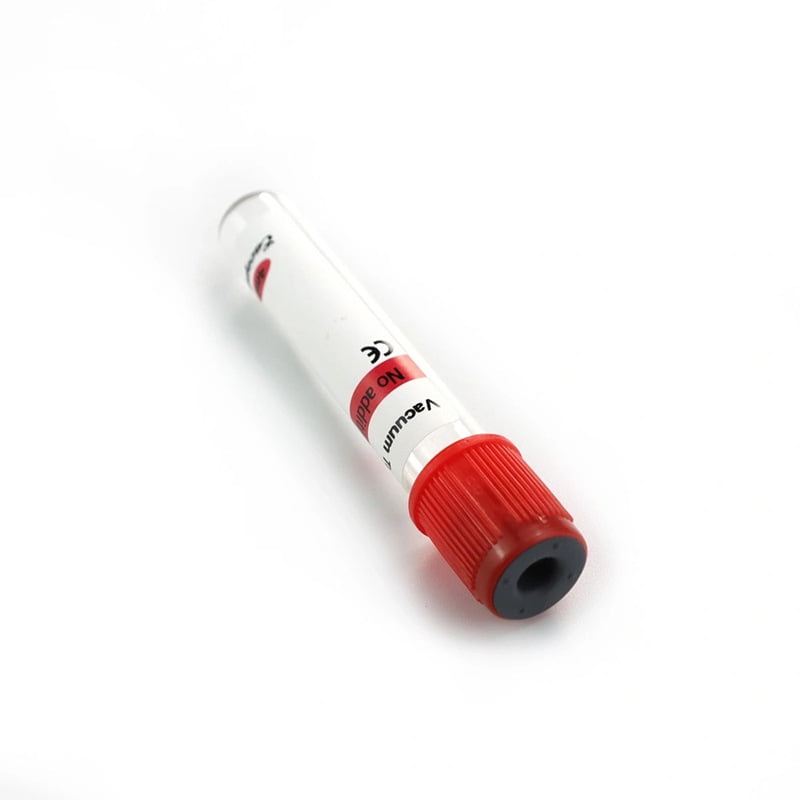
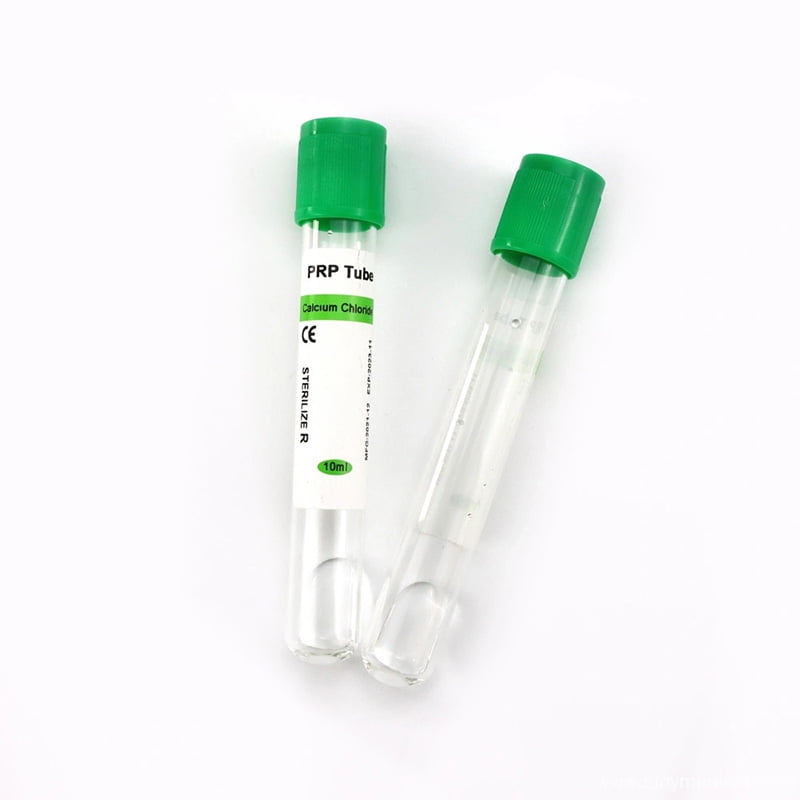
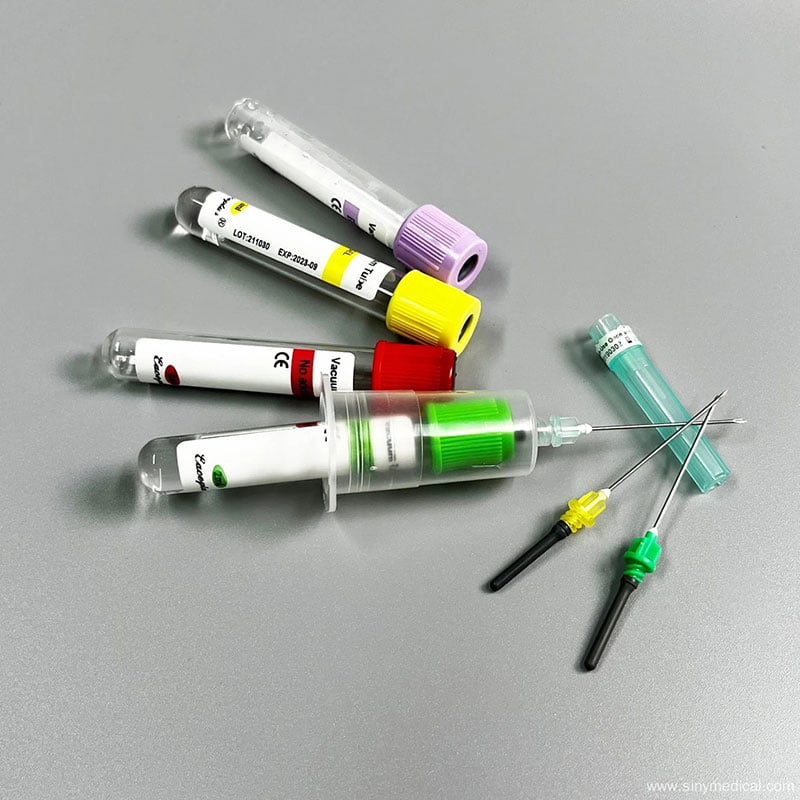
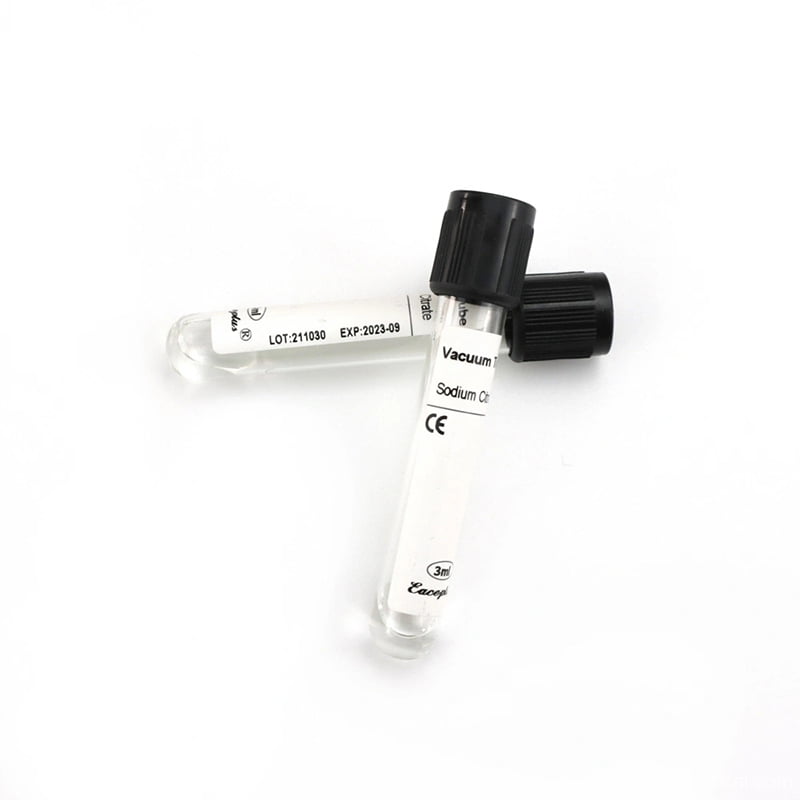
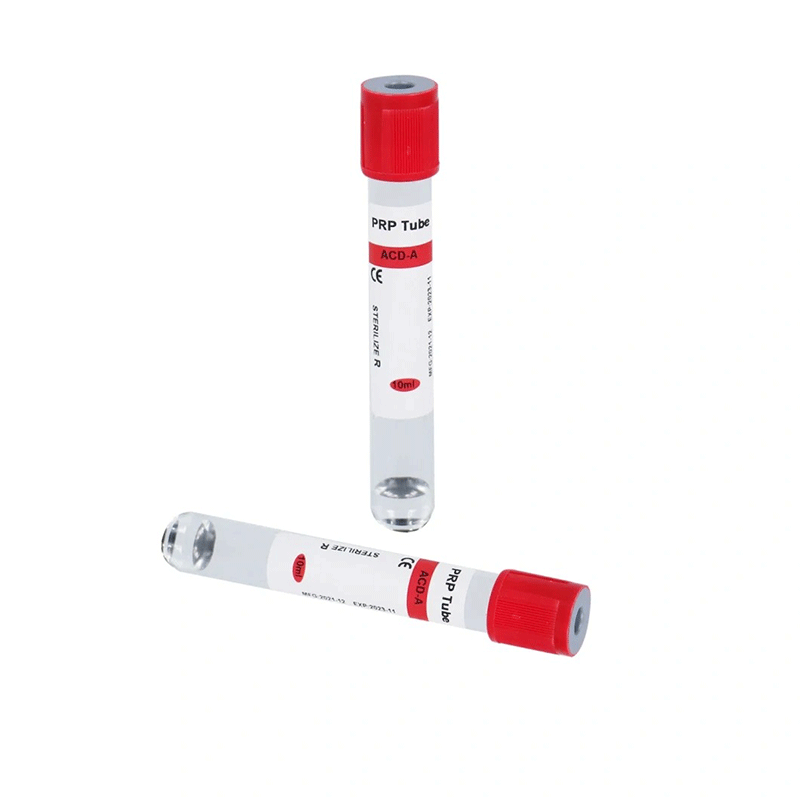
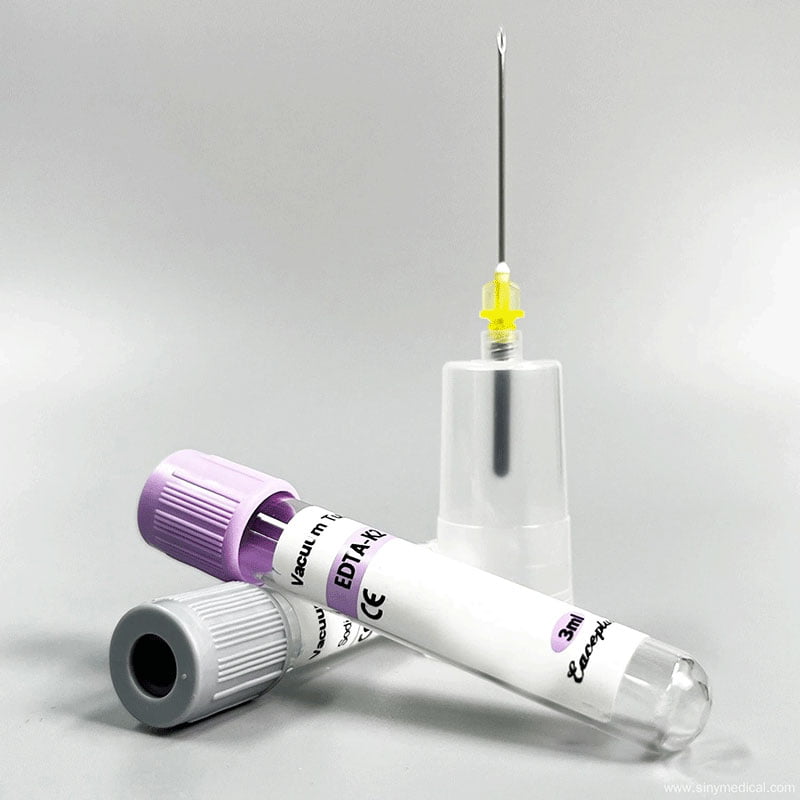
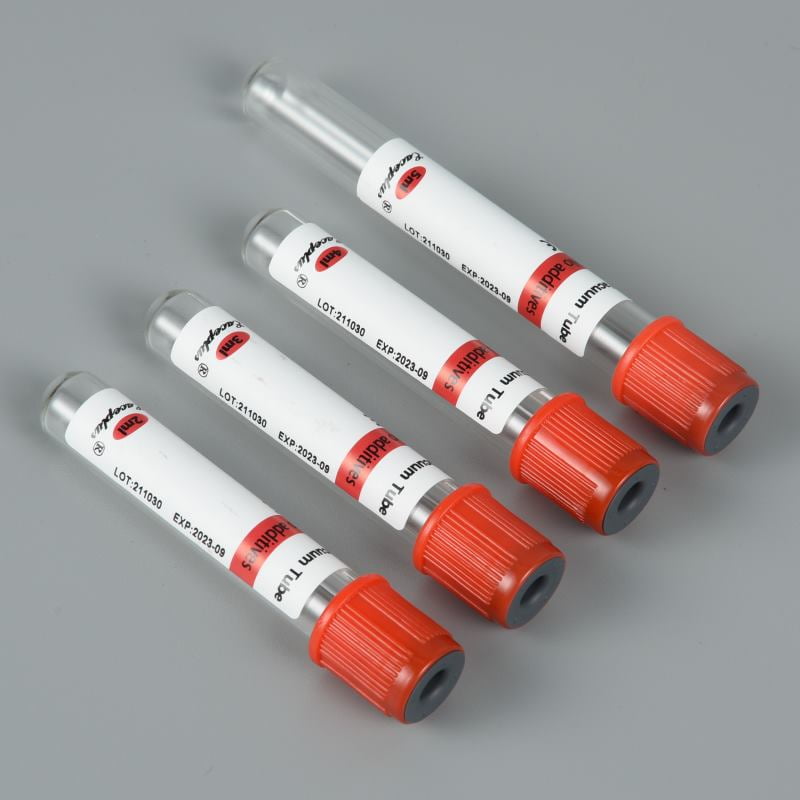
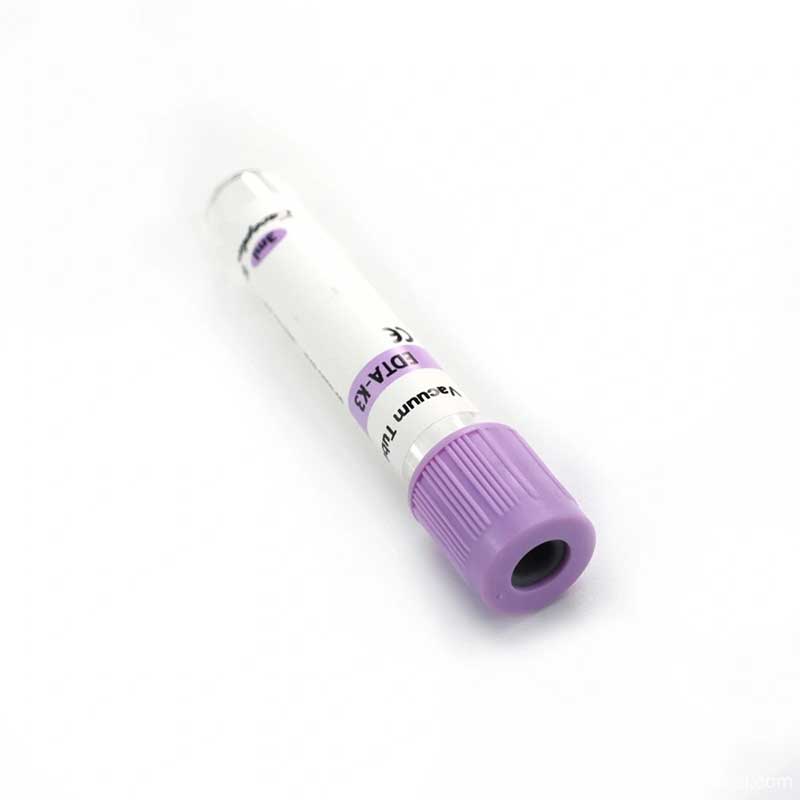
The process starts with a blood draw, typically using specialized PRP tubes. These tubes often contain anticoagulants and separation gels, designed to efficiently isolate platelets during centrifugation.
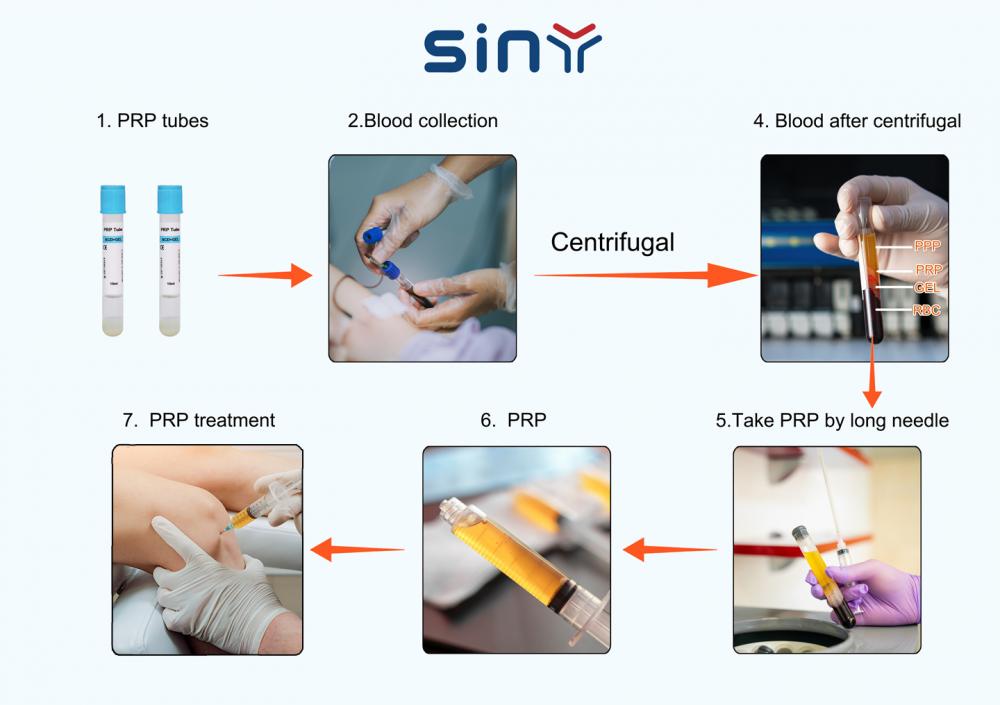
After spinning the sample, the blood separates into layers:
- Red blood cells are at the bottom.
- Platelet-poor plasma at the top.
- Platelet-rich plasma in the middle.
The PRP layer contains concentrated growth factors such as PDGF, TGF-β, and VEGF, which are essential for tissue regeneration.
- Microchannels are created in the skin.
- PRP is applied topically or injected.
- Growth factors penetrate and activate healing pathways.
The effectiveness of this process depends on:
- Platelet concentration
- Purity of PRP (low RBC contamination)
- Stability of anticoagulants
- Tube material (glass vs PET)
This is where product selection becomes critical. Inconsistent PRP yield can lead to unpredictable clinical outcomes. Clinics aiming for repeatable results often rely on high-quality, certified PRP tubes.
If you’re evaluating options, reviewing standardized PRP solutions from Siny Medical can help ensure more consistent preparation performance.
Step-by-Step Procedure of PRP With Microneedling
A typical PRP with microneedling session follows a structured workflow:
1. Blood Collection
Blood is drawn using sterile PRP tubes. The choice of tube affects platelet recovery and separation clarity.
2. Centrifugation
The sample is spun at controlled speeds to isolate platelet-rich plasma. Incorrect parameters or poor tube design can reduce yield.
3. PRP Extraction
The PRP layer is carefully collected, avoiding contamination from red blood cells.
4. Microneedling Treatment
A dermapen or roller creates microchannels across the treatment area.
5. PRP Application
PRP is applied topically or injected into targeted areas, enhancing absorption and regeneration.
6. Post-Treatment Care
Patients are advised to avoid sun exposure and harsh skincare products for several days.
From a clinical perspective, the consistency of PRP preparation is just as important as the microneedling technique itself. Even with skilled practitioners, poor-quality consumables can compromise results.
Benefits and Applications of PRP With Microneedling
The popularity of PRP with microneedling continues to grow due to its versatility and minimal downtime.
Key benefits include:
- Enhanced collagen production
- Improved skin texture and tone
- Reduction of fine lines and wrinkles
- Faster healing compared to traditional treatments
- Natural results using autologous material
In hair restoration, PRP stimulates dormant follicles, improving hair density and thickness over time.
However, these benefits are closely tied to PRP quality. Low platelet concentration or contamination can significantly reduce treatment effectiveness.
For clinics and distributors, this highlights a crucial point:
Choosing a reliable PRP tube supplier is not just a procurement decision—it directly impacts treatment outcomes and patient satisfaction.
If you’re sourcing PRP consumables for long-term use, exploring trusted manufacturers like Siny Medical can help reduce variability and improve consistency.
How to Choose the Right PRP Tubes for Microneedling Treatments
With so many products on the market, selecting the right PRP system can be challenging. Not all tubes are created equal, and small differences can lead to major variations in results.
Key factors to consider include:
- Material: PET vs glass affects platelet activation and safety
- Additives: ACD, sodium citrate, or gel separators influence PRP purity.
- Centrifugation compatibility: Tubes must match your equipment
- Certifications: ISO 13485 and other regulatory approvals
- Yield consistency: Reliable platelet concentration across batches
Many low-cost options compromise on these aspects, leading to unstable performance.
For buyers looking to build a dependable supply chain, working with a manufacturer that understands both clinical application and production standards is essential.
Siny Medical, with years of experience in PRP tube manufacturing, offers solutions designed for consistent separation and clinical reliability—worth considering when evaluating suppliers.

FAQs
1. Is PRP with microneedling painful?
Most patients experience mild discomfort. Topical numbing cream is usually applied before the procedure to minimize pain.
2. How long does it take to see results?
Initial improvements may appear within 2–3 weeks, with continued enhancement over several months as collagen production increases.
3. How many sessions are needed?
Typically, 3–4 sessions spaced 4–6 weeks apart are recommended for optimal results.
4. Is PRP with microneedling safe?
Yes, since PRP is derived from the patient’s own blood, the risk of allergic reaction is minimal. However, sterile technique and high-quality materials are essential.
5. Does the type of PRP tube really matter?
Absolutely. Tube quality affects platelet concentration, purity, and overall treatment effectiveness. Poor-quality tubes can lead to inconsistent outcomes.
Final Thoughts
PRP with microneedling is more than just a trending aesthetic treatment—it’s a procedure where biological science meets clinical technique. While the visible results often take center stage, the underlying success depends heavily on the quality of PRP preparation.
For clinics and distributors, this means that choosing the right supplier is not just about price—it’s about reliability, consistency, and long-term trust.
If you’re exploring PRP solutions or looking to improve treatment outcomes, it may be worth taking a closer look at professional-grade systems from experienced manufacturers like Siny Medical.