laboratory managers, and research professionals. With the rapid rise of liquid biopsy, non-invasive prenatal testing, and advanced oncology diagnostics, cell-free DNA (cfDNA) has emerged as a critical biomarker for modern healthcare.
Cell-free DNA refers to short fragments of DNA circulating freely in the bloodstream, outside of cells. These fragments carry valuable genetic information derived from dying or damaged cells, placental tissue, or tumors. As a result, cfDNA testing has revolutionized diagnostics, enabling non-invasive monitoring and early disease detection.
For laboratories and healthcare institutions, understanding cfDNA biology, collection methods, and sample preservation is crucial. The selection of cell-free DNA collection tubes plays a pivotal role in ensuring accurate results, preventing contamination, and maintaining sample integrity for downstream analysis.
Table of Contents
- 1 The Science Behind Cell-Free DNA
- 2 How Is Cell-Free DNA Collected and Preserved?
- 3 Clinical Importance of Cell-Free DNA
- 4 Choosing the Right Cell-Free DNA Tube
- 5 Types of Cell-Free DNA Tubes by Siny Medical
- 6 Challenges in cfDNA Collection and Testing
- 7 Supplier Reliability and Workflow Stability
- 8 Summary
- 9 FAQs
- 9.1 1. Is cell-free DNA the same as genomic DNA?
- 9.2 2. Can cfDNA be collected using standard EDTA tubes?
- 9.3 3. How long is cfDNA stable after collection?
- 9.4 4. What volume of blood is needed for cfDNA testing?
- 9.5 5. Does tube quality affect sequencing results?
- 9.6 6. Can cfDNA testing be used for early cancer detection?
The Science Behind Cell-Free DNA
Cell-free DNA is released into the bloodstream through natural cellular processes such as apoptosis (programmed cell death), necrosis (cell injury and death), or active secretion. In healthy individuals, cfDNA primarily originates from normal cell turnover. However, in pathological conditions, including cancer or pregnancy, cfDNA can provide highly informative genetic signals.
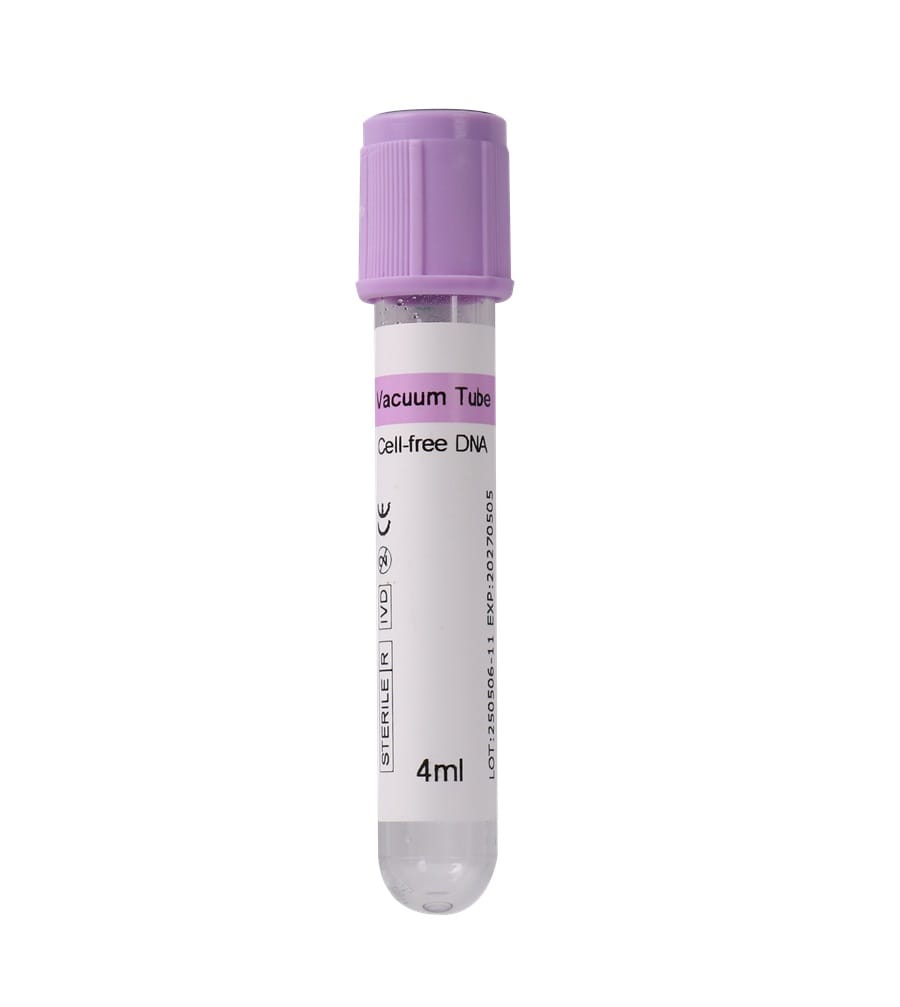
A subset of cfDNA, known as circulating tumor DNA (ctDNA), is released from tumor cells. Clinicians can monitor ctDNA to detect mutations, track therapy response, and identify minimal residual disease without performing invasive biopsies. Similarly, fetal cfDNA circulating in maternal blood enables non-invasive prenatal testing (NIPT) for chromosomal abnormalities like trisomy 21, trisomy 18, and trisomy 13.
Despite its diagnostic potential, cfDNA is extremely fragile. Without careful handling, white blood cells can rupture, releasing genomic DNA that contaminates cfDNA samples. This underscores the critical importance of pre-analytical steps and specialized cfDNA tubes for reliable results.
How Is Cell-Free DNA Collected and Preserved?
Proper collection and preservation are essential to obtaining high-quality cfDNA. Laboratories typically follow these steps:
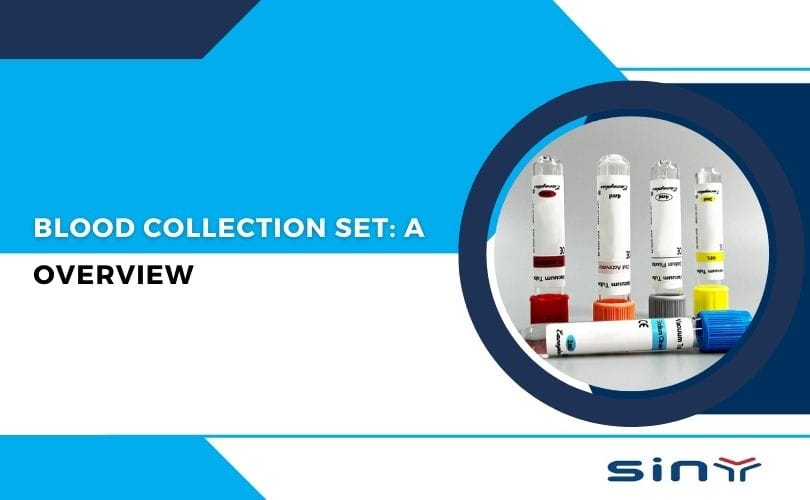
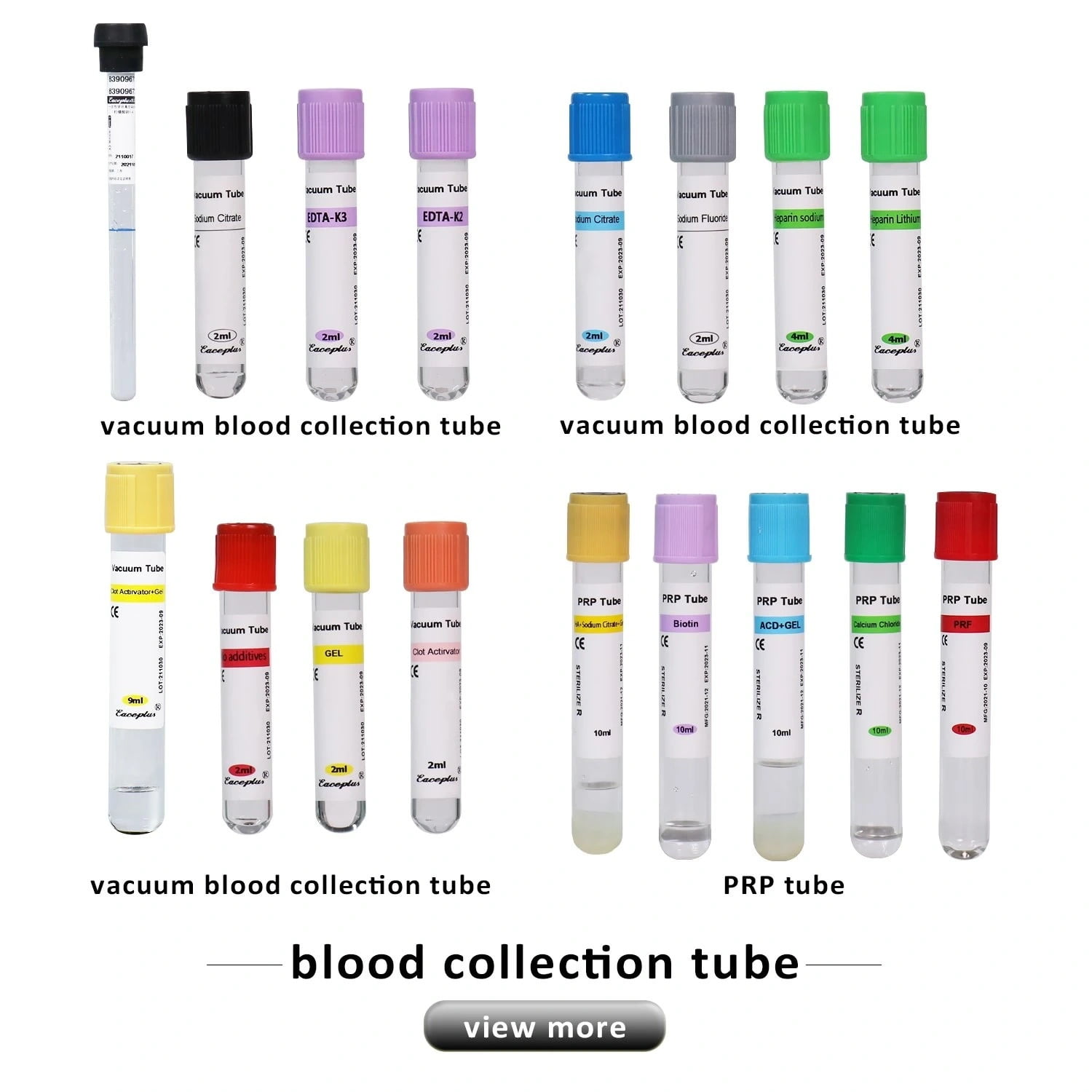
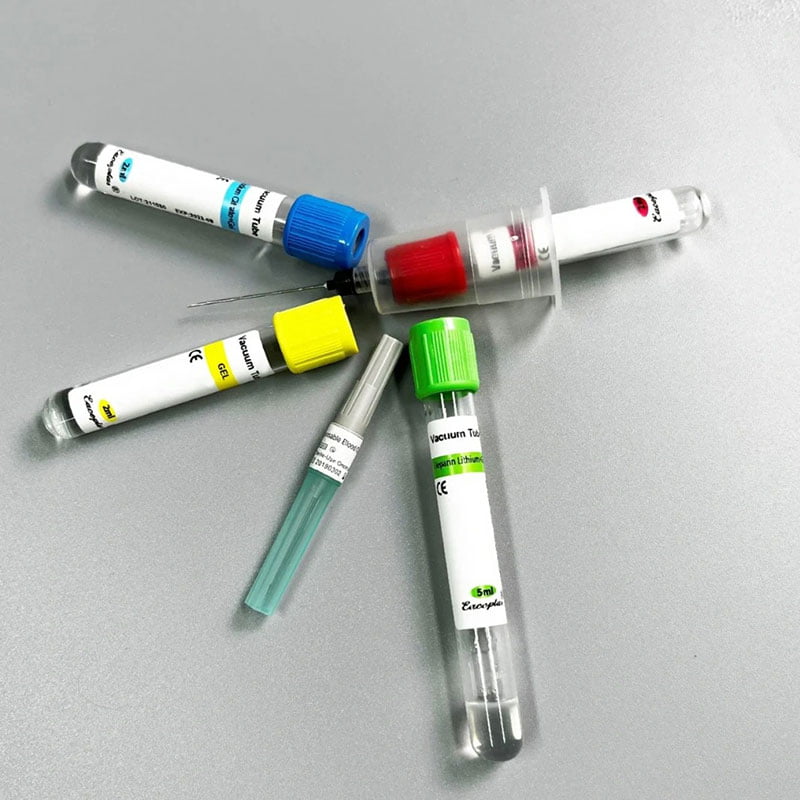
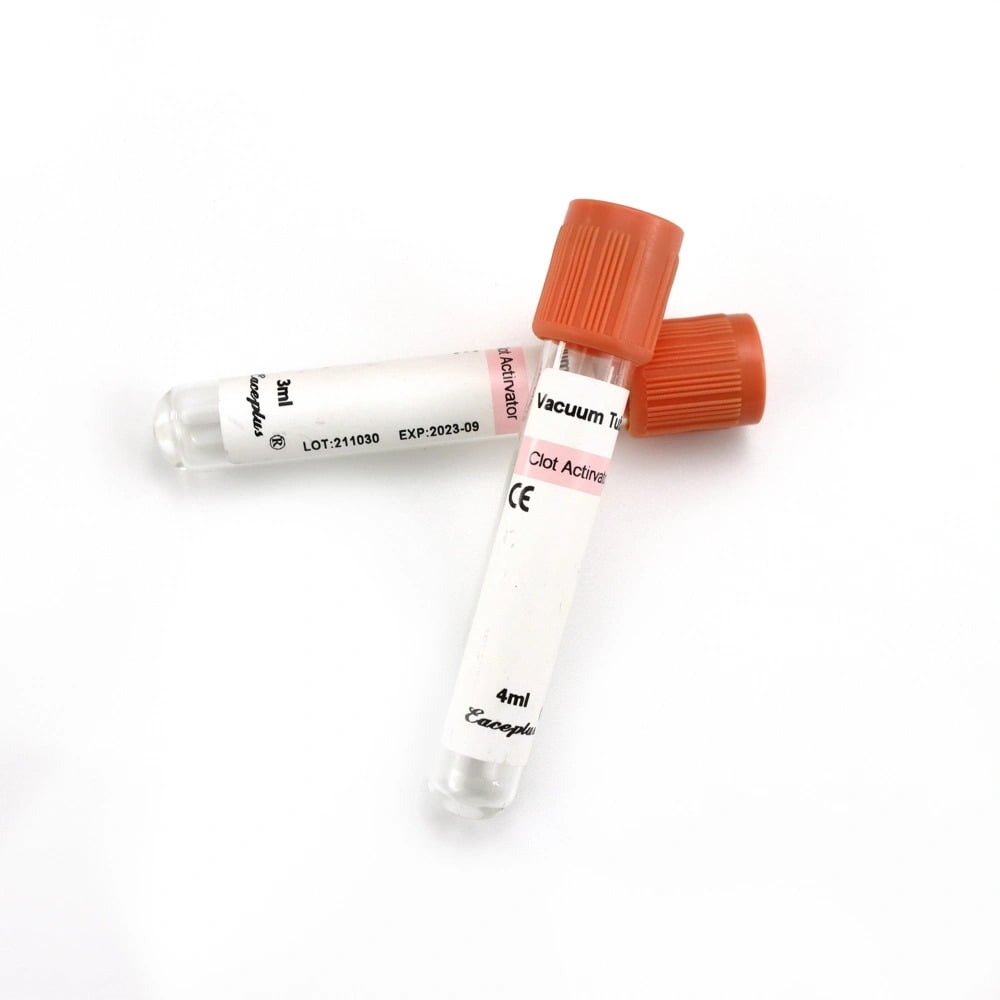
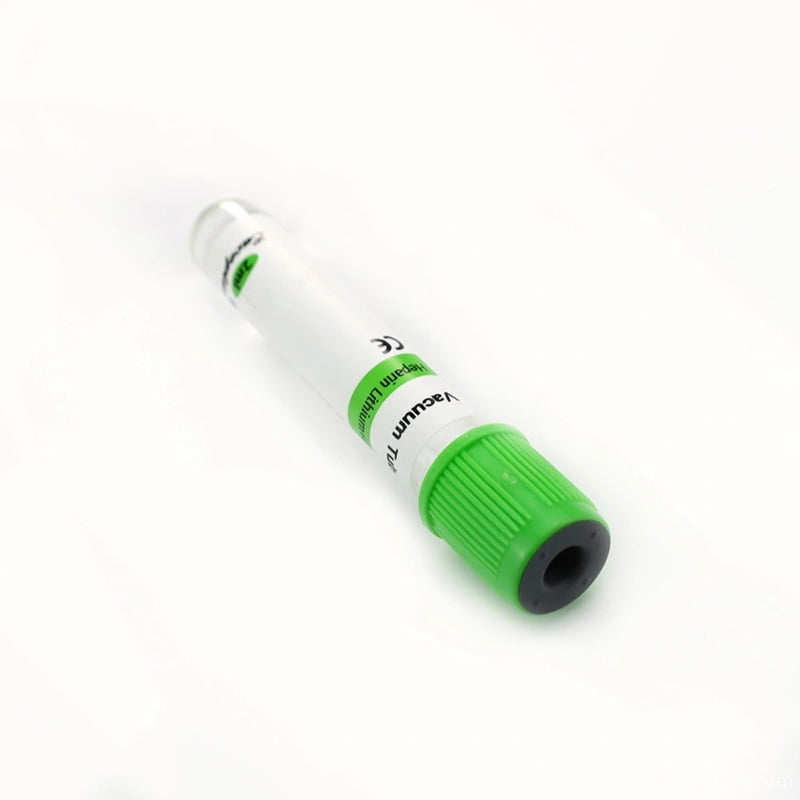
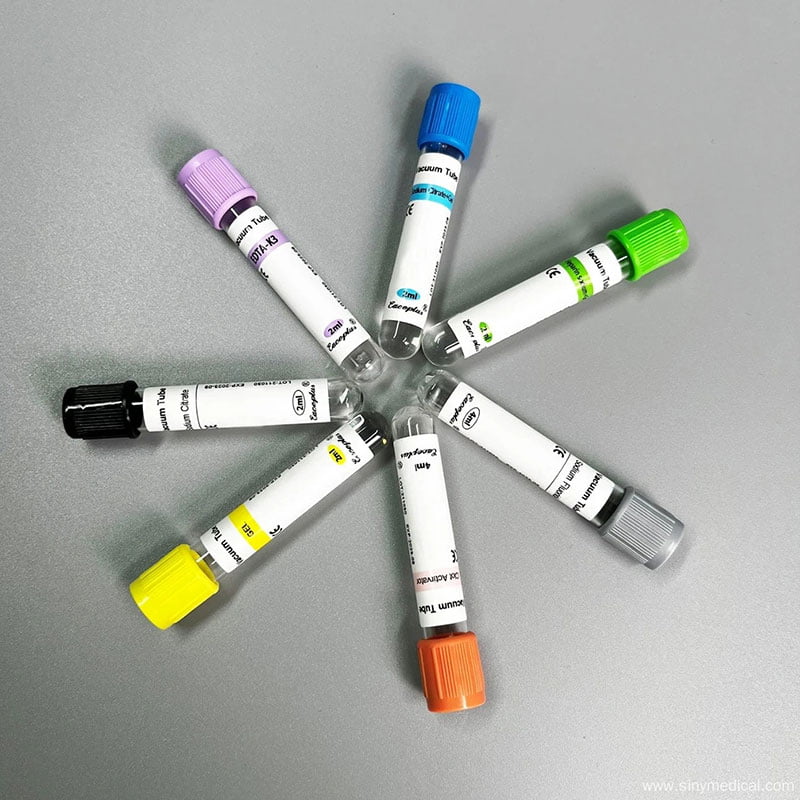
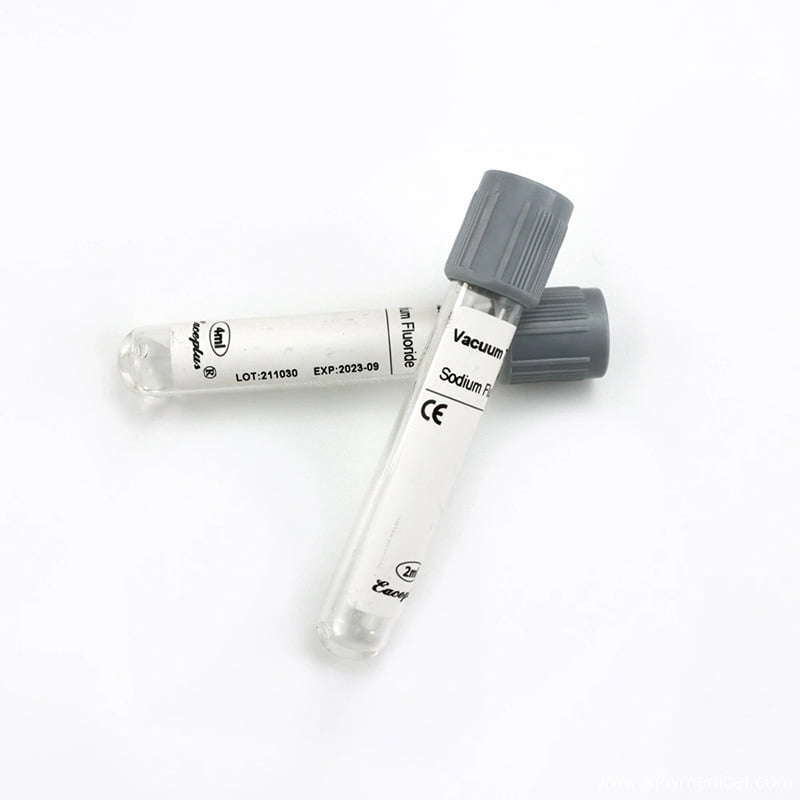
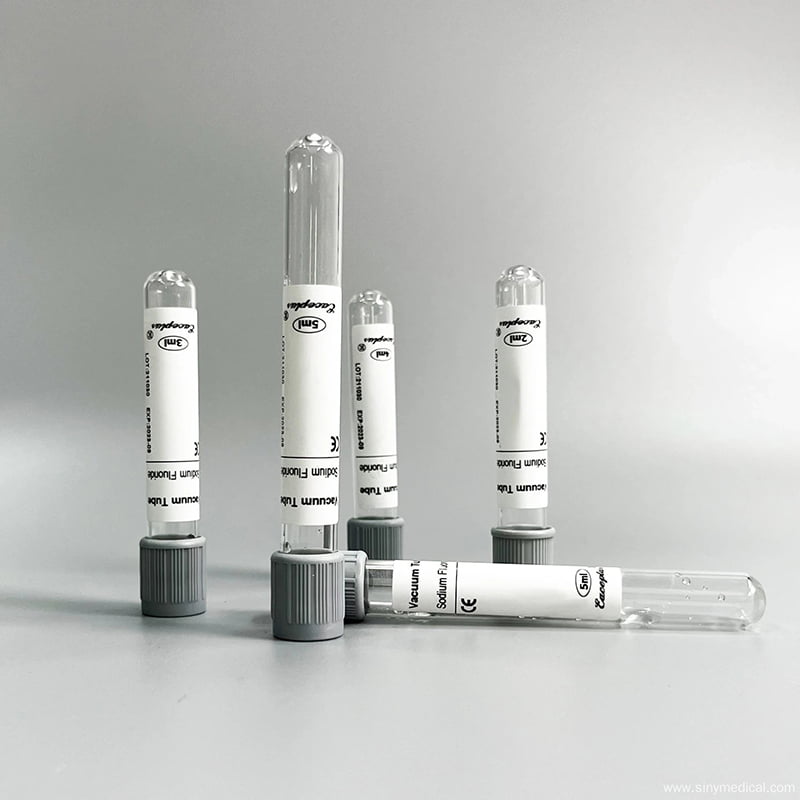
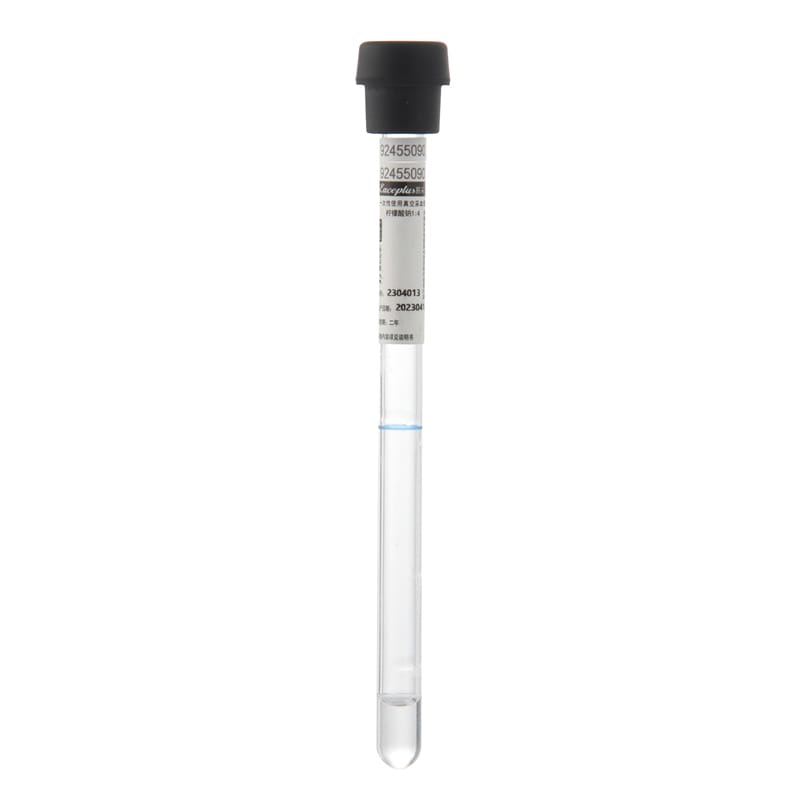
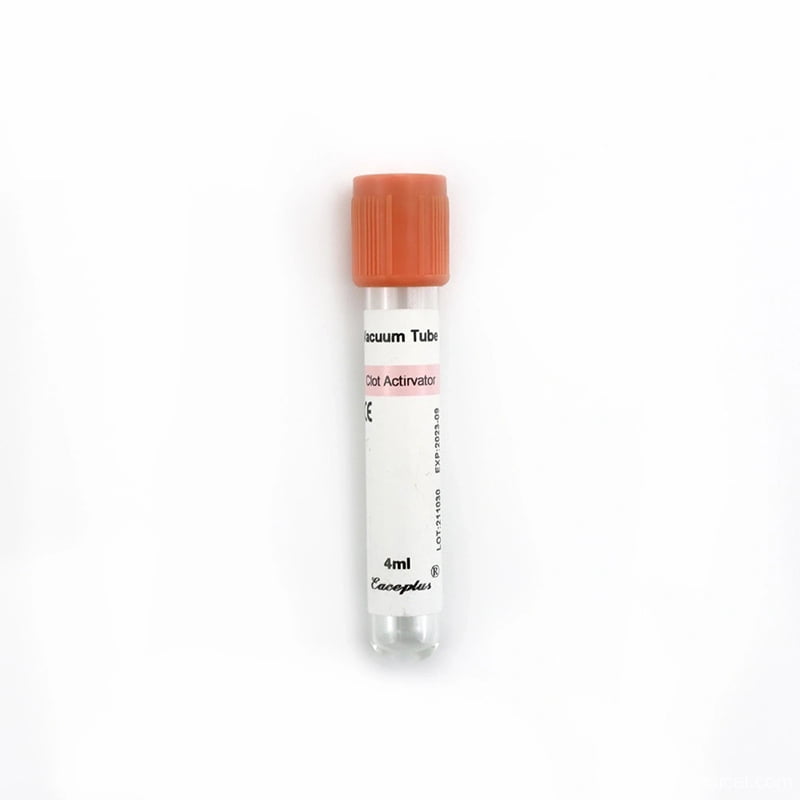
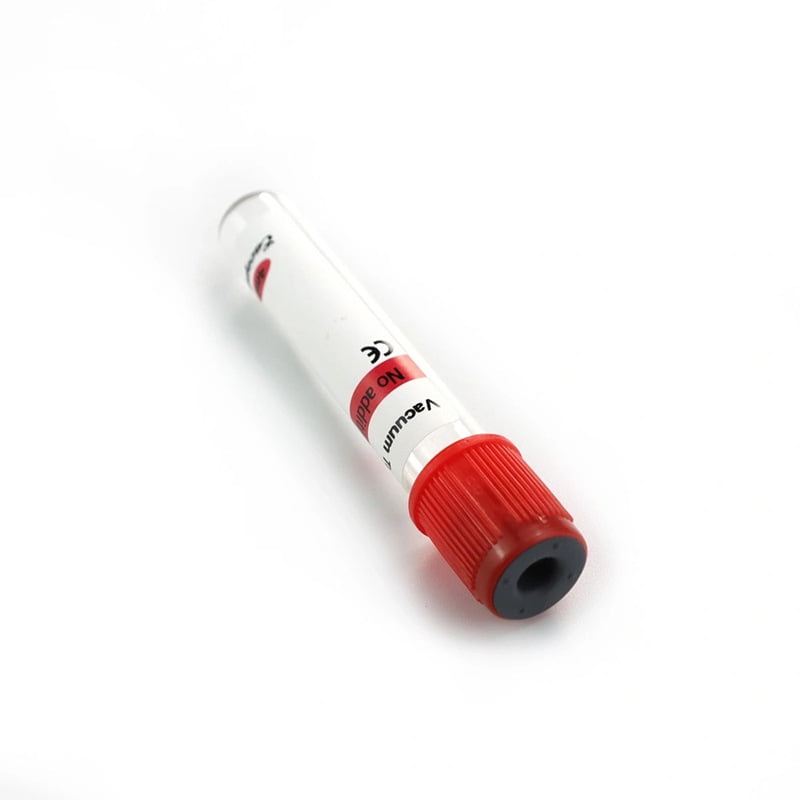
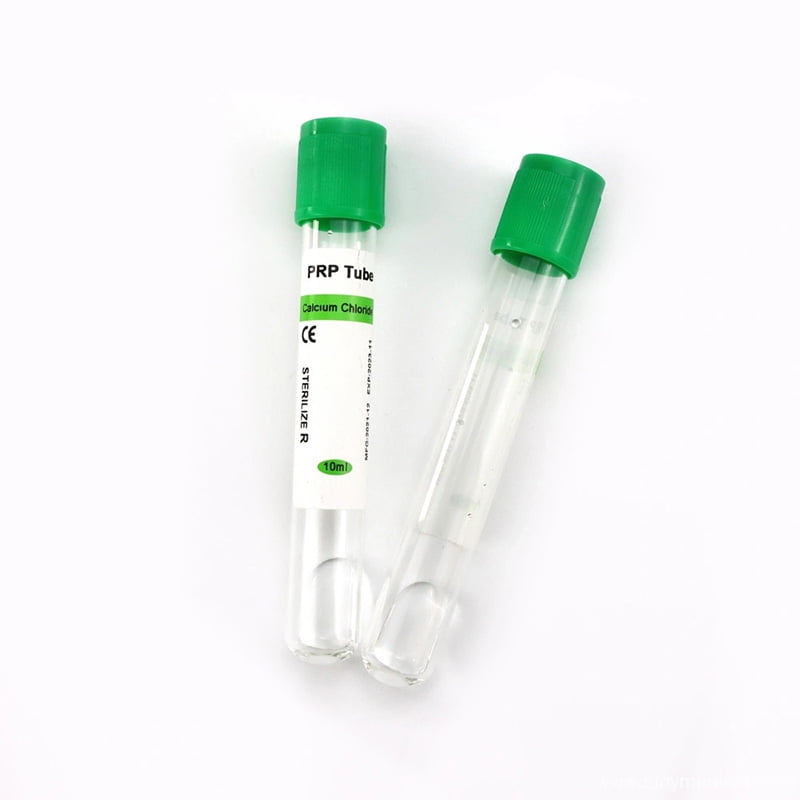
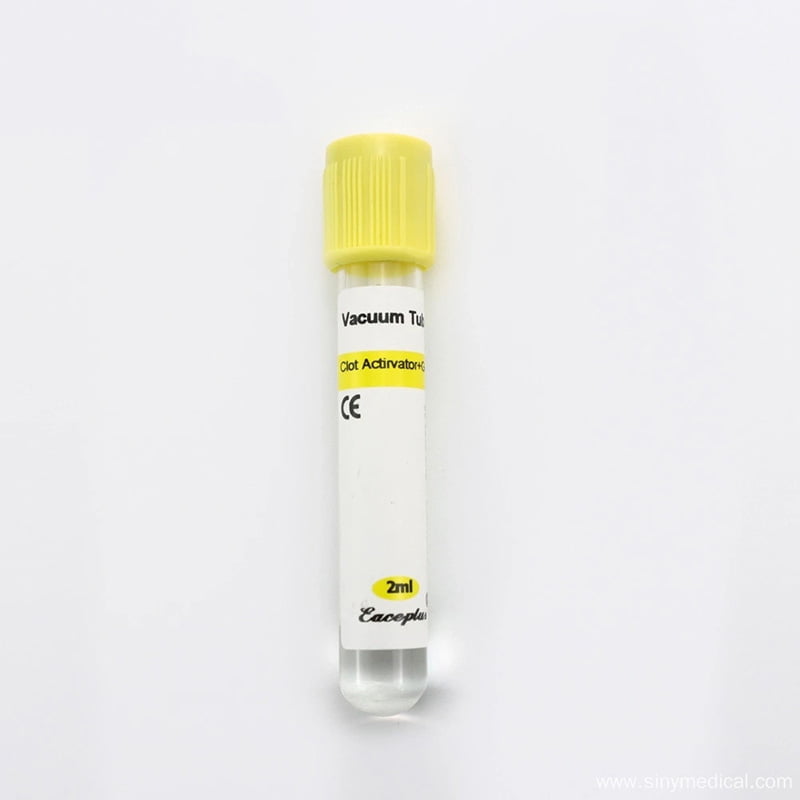
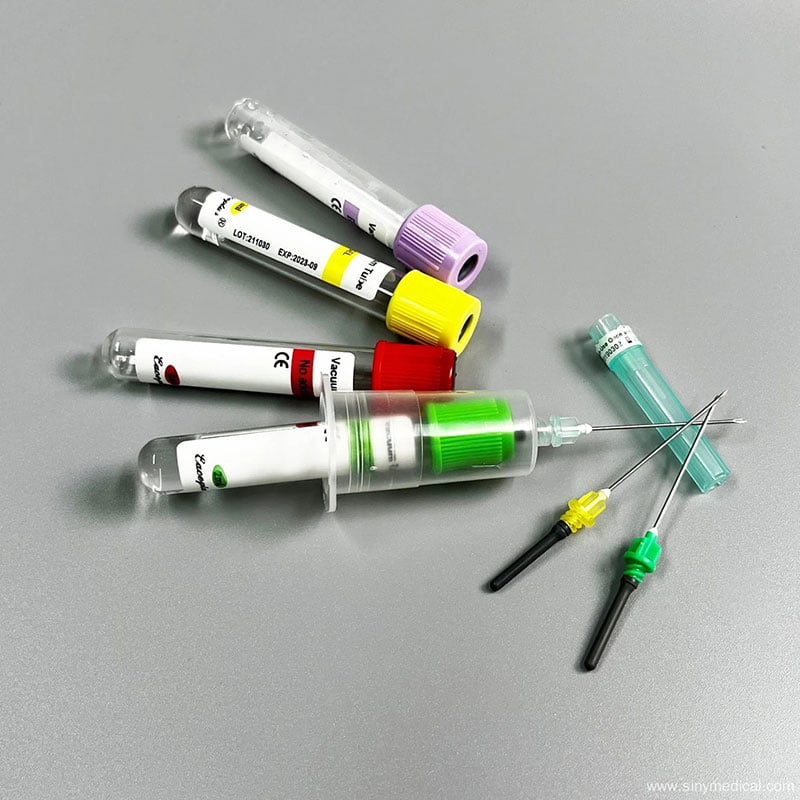
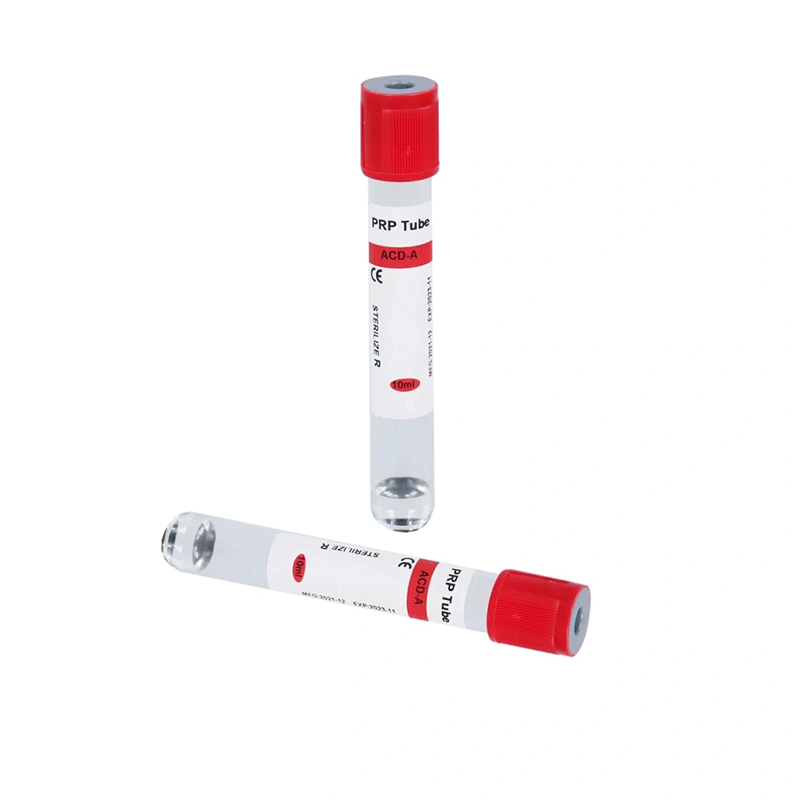
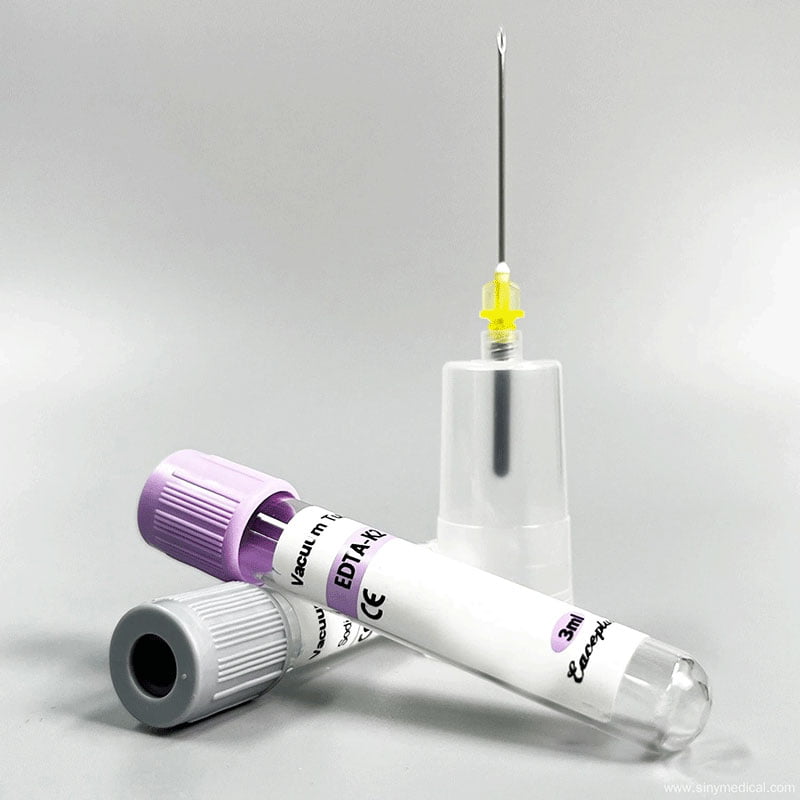
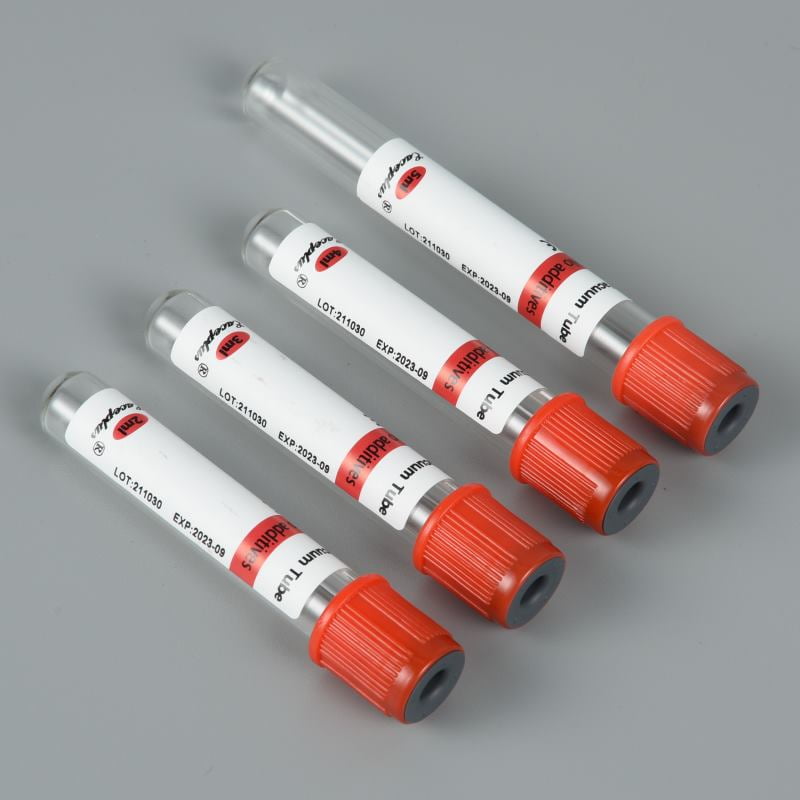
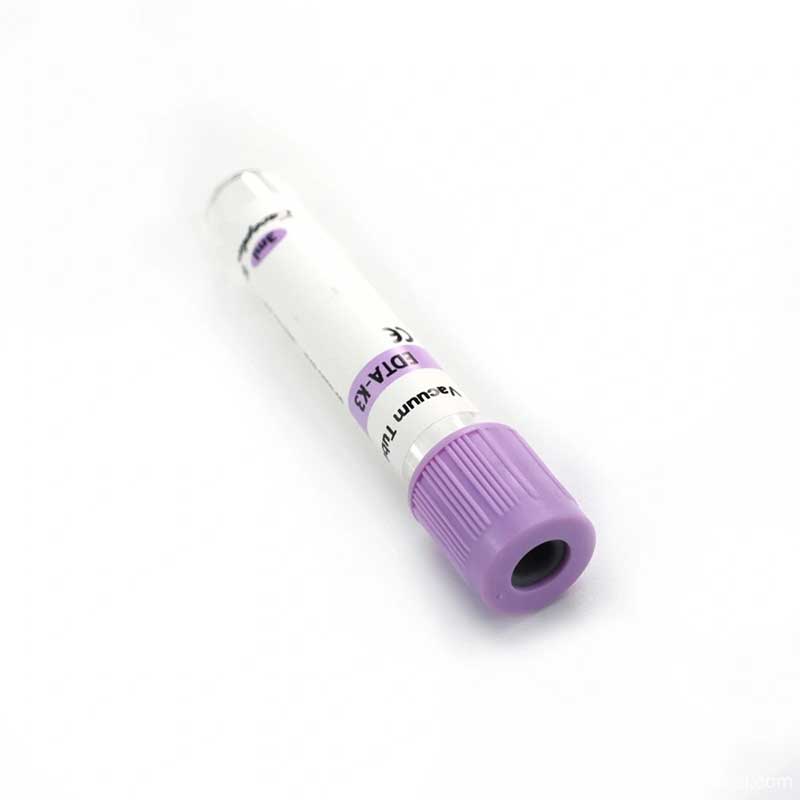
- Blood Collection: Using dedicated cfDNA stabilization tubes to prevent cell lysis. Siny Medical offers options such as PRP tubes and specialized cfDNA tubes.
- Gentle Mixing: Inversion of tubes ensures preservatives are evenly distributed without causing hemolysis.
- Controlled Storage and Transport: Samples should be kept at recommended temperatures to prevent degradation.
- Plasma Separation: Centrifugation separates plasma from blood cells, minimizing contamination.
- cfDNA Extraction: High-quality cfDNA is isolated for downstream applications like sequencing or PCR.
Compared to standard EDTA tubes, cfDNA-specific tubes significantly reduce background genomic DNA contamination, enhancing assay sensitivity.
Clinical Importance of Cell-Free DNA
Cell-free DNA testing has numerous applications across medicine and research:
1. Oncology
In cancer diagnostics, cfDNA allows non-invasive monitoring of tumor mutations. By analyzing ctDNA, oncologists can:
- Track therapy response
- Detect minimal residual disease
- Identify mutations linked to drug resistance
This approach reduces the need for invasive tissue biopsies, improving patient comfort and care.
2. Prenatal Testing
Fetal cfDNA in maternal blood enables non-invasive prenatal testing (NIPT) for chromosomal abnormalities. Early detection allows for informed decision-making and timely interventions, all while minimizing risk to the fetus.
3. Transplant Medicine
cfDNA levels can indicate organ transplant rejection. Donor-derived cfDNA provides an early warning system for graft injury, allowing clinicians to adjust immunosuppressive therapy promptly.
4. Research Applications
Researchers use cfDNA to study epigenetics, fragmentomics, and biomarker discovery. High-quality cfDNA is essential for reproducible results and meaningful insights.
Choosing the Right Cell-Free DNA Tube
Selecting an appropriate tube is not just a logistic decision; it directly impacts diagnostic accuracy. Consider these factors:
- Stabilization Duration: How long the tube prevents leukocyte lysis.
- Assay Compatibility: Suitability for sequencing, PCR, or other downstream analyses.
- Material Quality: High-quality plastics and preservatives reduce contamination risk.
- Regulatory Compliance: Tubes should meet standards for clinical or research use.
For laboratories scaling cfDNA services, reliable suppliers like Siny Medical provide validated products and technical support. This ensures consistent performance across batches and prevents costly repeat testing.
Types of Cell-Free DNA Tubes by Siny Medical
Siny Medical offers several specialized products tailored to cfDNA workflows:
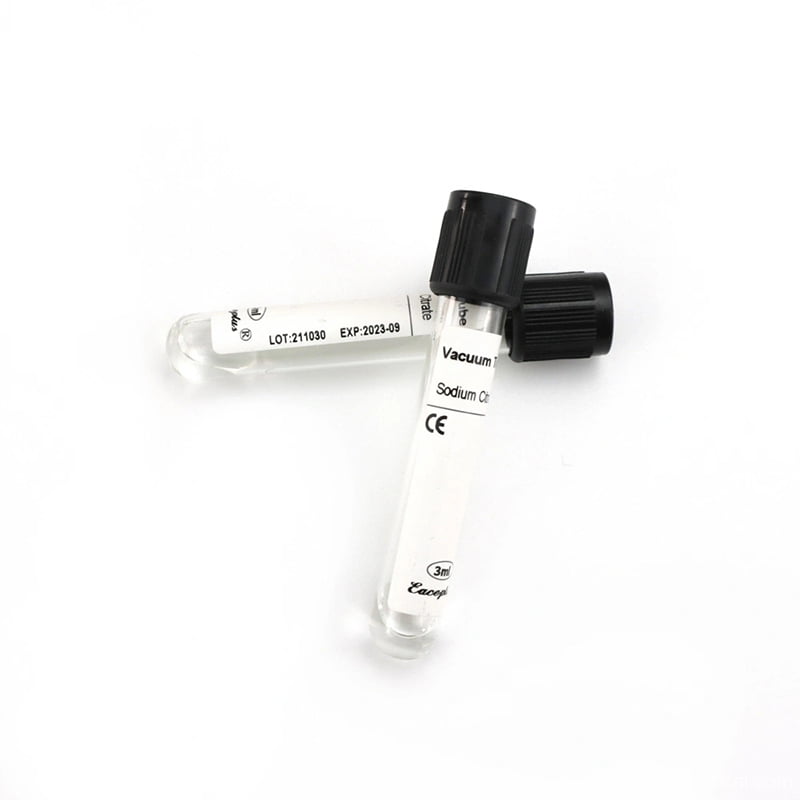
- Standard cfDNA Tubes: Suitable for general cfDNA collection and extraction.
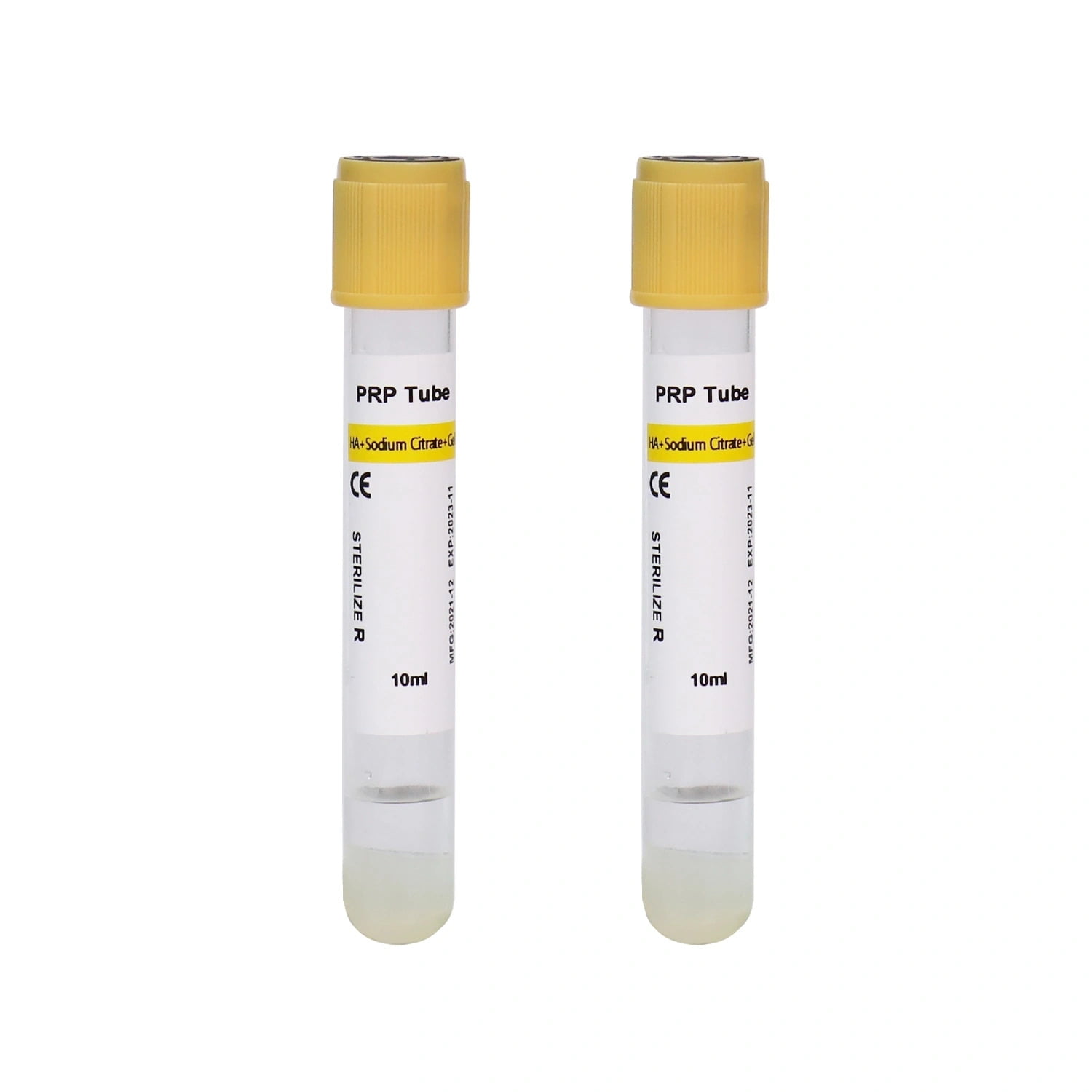
- PRP Tubes: Useful for platelet-rich plasma preparation, providing high-quality plasma for cfDNA analysis (PRP Tube Product).
- Specialized Stabilization Tubes: Include proprietary preservatives for long-term cfDNA stabilization (Product Details).
The tube maintains cfDNA integrity during transport, reduces background genomic DNA, and simplifies workflow for clinical and research laboratories.
Challenges in cfDNA Collection and Testing
Despite its clinical value, cfDNA testing has challenges:
- Fragility of cfDNA: Rapid degradation if not properly stabilized.
- Background Genomic DNA: Cell lysis can reduce sensitivity and increase false positives.
- Variable Tube Performance: Not all tubes maintain cfDNA stability equally.
- High Sensitivity Requirements: Downstream assays like next-generation sequencing require high-quality cfDNA.
These challenges reinforce the need for validated collection systems and high-quality consumables to ensure reliable results.
Supplier Reliability and Workflow Stability
In cfDNA workflows, consistency is crucial. Variations in tube manufacturing or additives can compromise entire testing pipelines. Partnering with a specialized supplier ensures:
- Continuous access to validated products
- Reliable technical support for workflow integration
- Regulatory compliance for clinical testing
Siny Medical offers dedicated support and product documentation to help laboratories maintain accuracy and compliance in cfDNA testing.
Summary
Understanding cell-free DNA goes beyond basic biology. cfDNA testing has become a cornerstone of modern diagnostics in oncology, prenatal screening, transplant monitoring, and research. Its fragility demands careful handling, validated collection tubes, and reliable suppliers.
By choosing specialized cell-free DNA tubes from trusted manufacturers like Siny Medical, laboratories ensure sample integrity, accurate results, and scalable workflows. As cfDNA applications continue to expand, prioritizing collection quality and supplier reliability remains essential for success in both clinical and research environments.
For more information, explore Siny Medical’s offerings and contact their technical team to select the right cfDNA collection solution.
FAQs
1. Is cell-free DNA the same as genomic DNA?
No. Cell-free DNA consists of short DNA fragments circulating in plasma, while genomic DNA remains within intact cells.
2. Can cfDNA be collected using standard EDTA tubes?
Standard EDTA tubes are not ideal for cfDNA, especially if processing is delayed. Specialized cfDNA tubes prevent leukocyte lysis and preserve sample quality.
3. How long is cfDNA stable after collection?
Stability depends on the tube. Dedicated cfDNA tubes can preserve samples for several days under recommended storage conditions.
4. What volume of blood is needed for cfDNA testing?
Most cfDNA assays use 5–10 ml of whole blood collected in a cell-free DNA stabilization tube.
5. Does tube quality affect sequencing results?
Yes. Poorly stabilized samples increase background DNA, reduce sensitivity, and can lead to inaccurate variant detection.
6. Can cfDNA testing be used for early cancer detection?
Absolutely. cfDNA testing, especially circulating tumor DNA analysis, enables non-invasive early detection and monitoring of cancers.