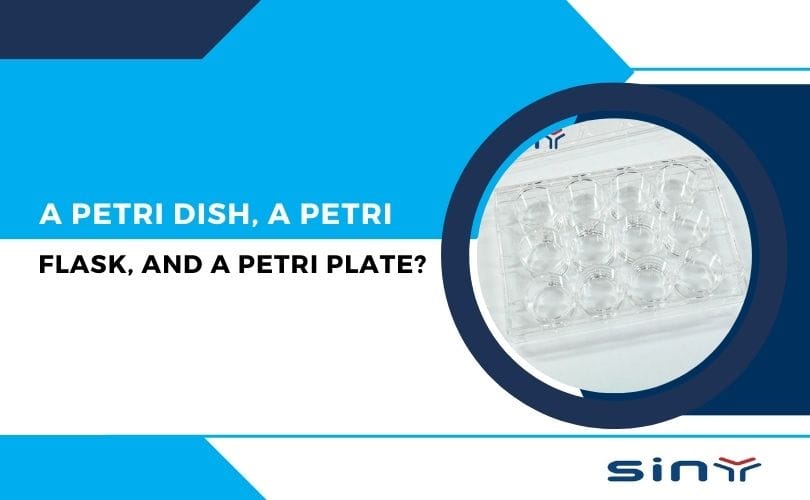
A petri dish — also referred to as a culture dish, culture plate, or cell-culture dish — is one of the most fundamental tools in laboratories worldwide. But what exactly is a petri dish used for, and why is it so important for researchers, clinicians, educators, and quality-control labs? In this comprehensive guide, we’ll explore the many applications of petri dishes, the standard workflow for using them, and key factors to consider when selecting the right product for your needs. Whether you’re a seasoned researcher or new to lab work, this guide will provide valuable insights into this essential lab tool.
Table of Contents
What Is a Petri Dish?
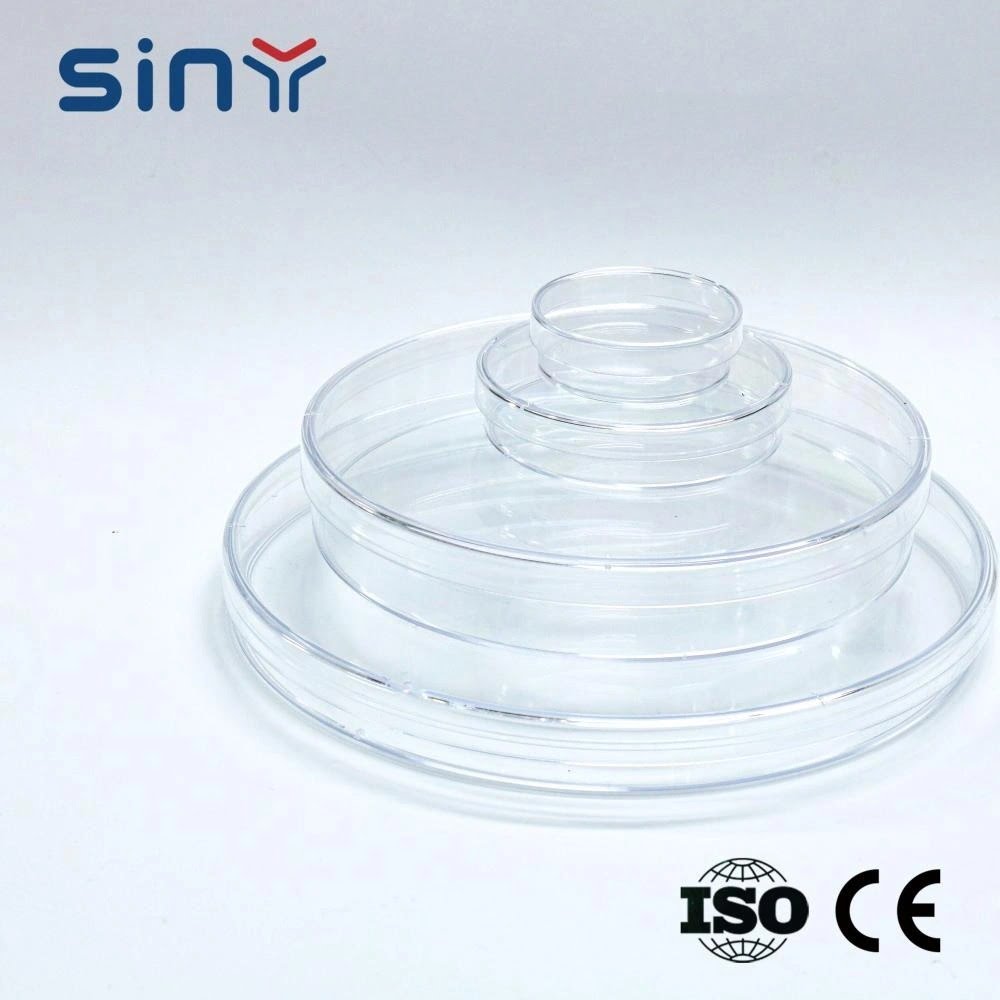
At its core, a petri dish is a shallow, transparent container — typically round — with a matching lid, designed to hold a growth medium for culturing cells or microorganisms. Developed by Julius Richard Petri in the late 19th century, this simple yet ingenious tool has become indispensable in scientific research and diagnostics.
Key Features of Petri Dishes
- Material Options: Traditionally, petri dishes were made from heat-resistant glass (e.g., borosilicate), which can be sterilized and reused. However, disposable plastic versions (e.g., polystyrene) have become increasingly popular due to their convenience and reduced risk of contamination.
- Shape and Size: While circular dishes with diameters around 90 mm are the most common, there are also square or compartmented dishes designed for specific applications.
- Design Features: The lid helps maintain sterility and reduce contamination. Some dishes are stackable or feature ribs/slots to prevent sticking or sliding when stacked.
Understanding these basic structural differences is essential when comparing products. Whether you choose glass or plastic, reusable or disposable, standard or compartmented dishes, each option has its own trade-offs in terms of cost, sterility, convenience, and application suitability.
Typical Uses of a Petri Dish: From Microbiology to Cell Culture and Beyond
Petri dishes are incredibly versatile tools used across various scientific fields. Here’s a closer look at their most common applications:
Microbiological Culturing
Researchers widely use petri dishes for culturing bacteria, fungi, yeasts, and other microorganisms. They pour a growth medium, such as agar, into the dish and inoculate it with a sample. As the microorganisms grow, they form colonies, which researchers can count, isolate, or study further.
Cell Culture for Research or Diagnostics
In addition to microorganisms, petri dishes are used to culture eukaryotic cells — human, animal, or plant cells. This is essential for tissue culture, drug testing, immunology, and genetic studies.
Environmental Monitoring and Contamination Assays
Many labs use petri dishes to test water, soil, food, air, or surface samples for microbial contamination or pathogen detection. This is particularly important in industries such as food safety and pharmaceuticals.
Plant Biology and Seed Germination Studies
Petri dishes are also used in botany to observe seed germination or study plant cell and tissue development under controlled conditions.
Sample Drying, Evaporation, and Storage
The shallow, flat design of petri dishes makes them ideal for evaporating solvents, drying precipitates, or holding small solid or liquid samples.
Educational and Demonstration Purposes
In schools and teaching labs, petri dishes help students observe microbial growth, learn culturing techniques, and conduct basic experiments.
Because of their versatility, petri dishes are indispensable in microbiology, cell biology, environmental testing, and quality control labs.
How to Use a Petri Dish Properly: Standard Workflow and Best Practices
Using a petri dish correctly is essential for obtaining reliable results and avoiding contamination. Here’s a step-by-step guide to the standard workflow:
- Prepare the Growth Medium: If needed, dissolve and sterilize a nutrient medium, such as agar, and cool it to a safe pouring temperature.
- Pour the Medium into the Dish: Pour the molten agar into sterile petri dishes and allow it to solidify into a gel-like surface.
- Inoculate the Sample: Using sterile tools (e.g., loop, swab, pipette), place the microbial or cell sample onto the agar surface. Streaking methods are often used to isolate individual colonies.
- Incubation: Cover the dish and incubate it upside down to minimize condensation. Maintain controlled temperature and environmental conditions.
- Observation, Analysis, or Storage: Once colonies or cell layers have developed, examine, count, isolate, or use them for further tests.
Throughout this process, maintaining sterile technique is crucial to ensure accuracy. If using reusable glass dishes, proper sterilization before each use is essential.
What Is a Petri Dish Used For?
The phrase Petri Dish Used reflects how broad this tool’s role truly is. A Petri dish is used for:
- Growing bacteria, fungi, and yeast
- Culturing human, animal, or plant cells
- Environmental monitoring
- Food and water contamination testing
- Diagnostic testing
- Antibiotic screening
- Seed germination and plant tissue culture
- Observing insects or small biological specimens
- Chemical drying or small-sample storage
- Teaching demonstrations in classrooms
Below, we dig into these uses in detail so you fully understand the range of tasks a Petri dish supports.
How to Choose the Right Petri Dish
With so many options available, selecting the right petri dish can be challenging. Here are some factors to consider:
Material and Reusability
- Glass Dishes: Durable and reusable, ideal for labs prioritizing sustainability.
- Plastic Dishes: Convenient and minimize cross-contamination risks, perfect for high-throughput or clinical work.
Dish Size and Format
Standard 90 mm dishes work for most tasks, but specialized formats such as compartmented or square dishes may better fit certain applications.
Sterility and Quality Control
For diagnostic and pharmaceutical work, consistent sterility and reliable manufacturing standards are critical.
Handling Convenience
Features such as stackability, secure lids, and optical clarity improve workflow efficiency.
Supplier Reliability
Choosing a trustworthy supplier ensures consistent quality, good packaging, reliable sterilization, and compliance with laboratory standards.
When evaluating vendors, look beyond pricing — factors such as quality assurance, material consistency, and supply reliability greatly impact lab results. A reliable supplier like Siny Medical can support your laboratory’s needs effectively.
Risks of Poor-Quality Plates
Low-quality petri dishes can lead to significant problems:
- Contamination Risks: Poor sealing or improper sterilization may introduce unwanted microbes, compromising experiments.
- Inconsistent Results: Variations in dish dimensions, lid fit, clarity, or manufacturing quality can lead to unreliable data.
- Resource Waste: Failed experiments or contaminated cultures cost time, money, and valuable samples.
- Safety Concerns: In clinical or microbiology labs, cross-contamination may pose safety risks.
Selecting petri dishes from a supplier with proper quality control ensures accurate, reproducible, and safe lab performance. For dependable laboratory-grade culture dishes, explore Siny Medical’s product range or contact us directly.
Summary
A Petri dish plays an essential role in laboratories worldwide. From growing microbes to culturing human or plant cells, checking environmental conditions, teaching students, testing antibiotics, or supporting industrial quality control, this dish supports countless scientific workflows.
Choosing the right Petri dish involves considering the dish’s size, material, sterility, clarity, and manufacturer reliability. High-quality dishes help generate dependable, accurate results. Siny Medical provides a trusted range of laboratory-grade Petri dishes for all scientific needs, along with support for bulk and custom orders.
Selecting the right dish involves considering material, sterility, format, and supplier reliability — all of which affect laboratory outcomes. If you’re ready to source high-quality petri dishes, feel free to visit Siny Medical or contact us for tailored recommendations.
FAQs
Q: What is the difference between a “petri dish” and a “petri plate”?
A: A petri dish refers to an empty, shallow container with a lid. Scientists often call it a petri plate or culture plate when they fill it with agar or another growth medium and use it for culturing.
Q: Can I reuse petri dishes?
A: Laboratory technicians can sterilize and reuse glass petri dishes. However, manufacturers typically design disposable plastic dishes for single use to minimize contamination risks.
Q: What kinds of media can I use in a petri dish?
A: Scientists commonly use agar-based media, such as nutrient agar, selective agar, or enriched agar, in their experiments. Depending on the experiment, they may also incorporate additives like dyes or antibiotics.
Q: Can petri dishes be used for plant cells or seeds?
A: Absolutely. In botany and plant tissue culture, researchers frequently use petri dishes for seed germination, root studies, or small-scale plant experiments.
Q: How important is the supplier when purchasing petri dishes?
A: Extremely important. A reliable supplier ensures consistent material quality, sterilization, and packaging — all essential for reproducible results. Trusted suppliers like Siny Medical can provide stable, high-quality options for laboratory use.