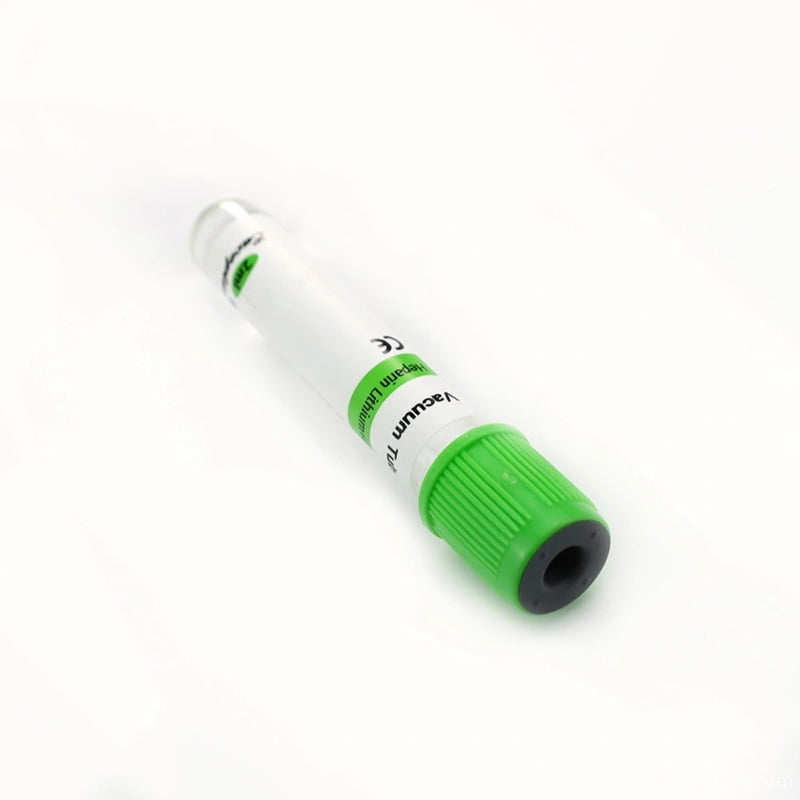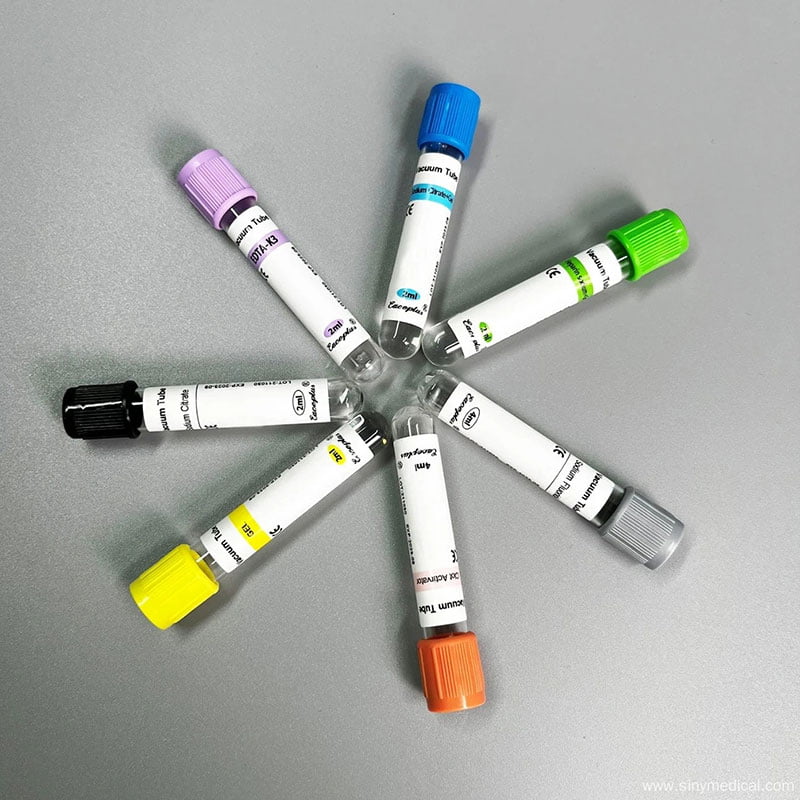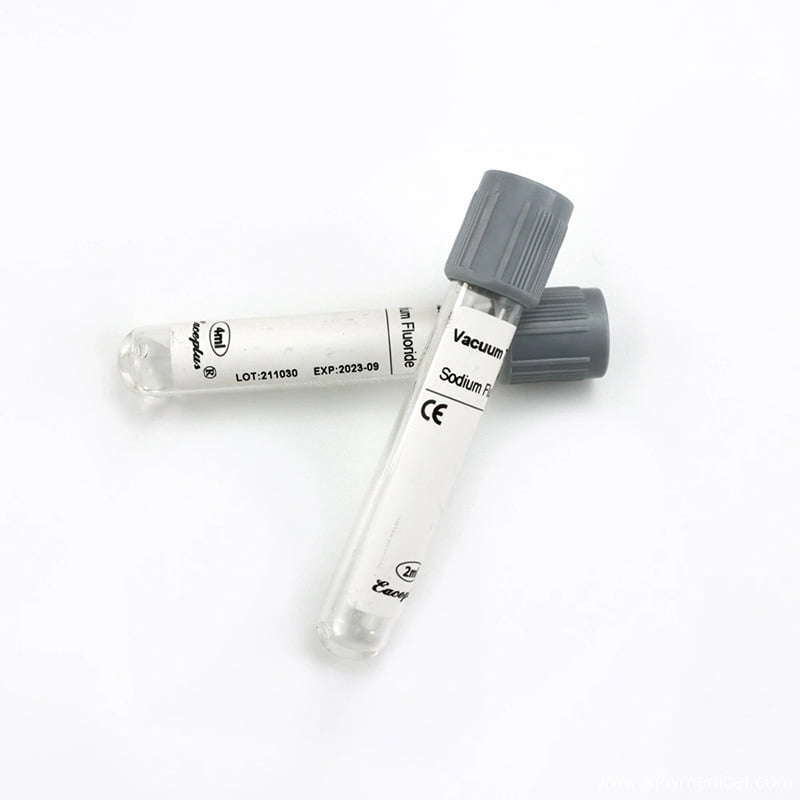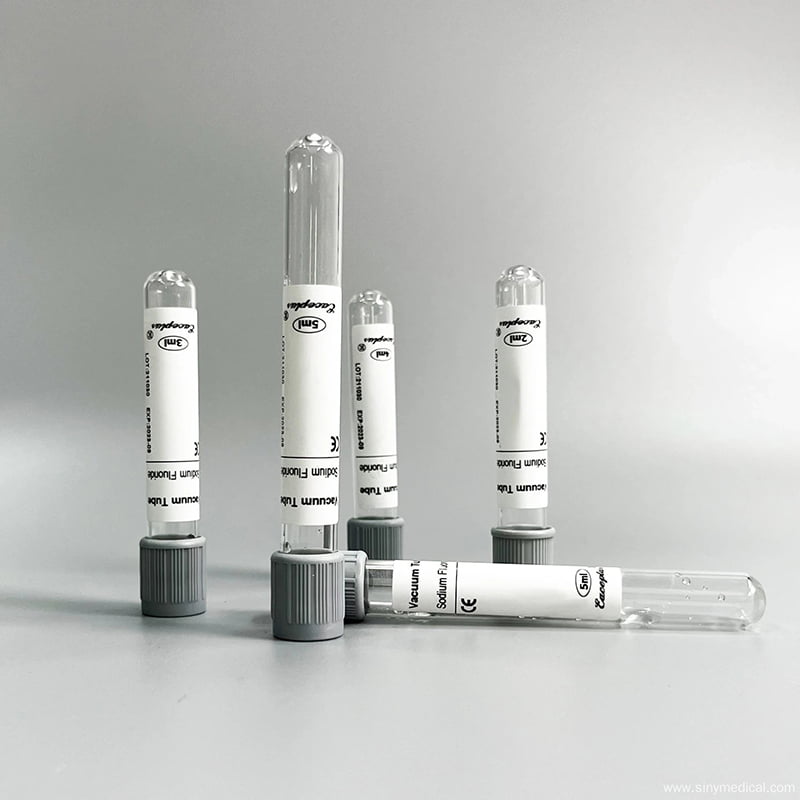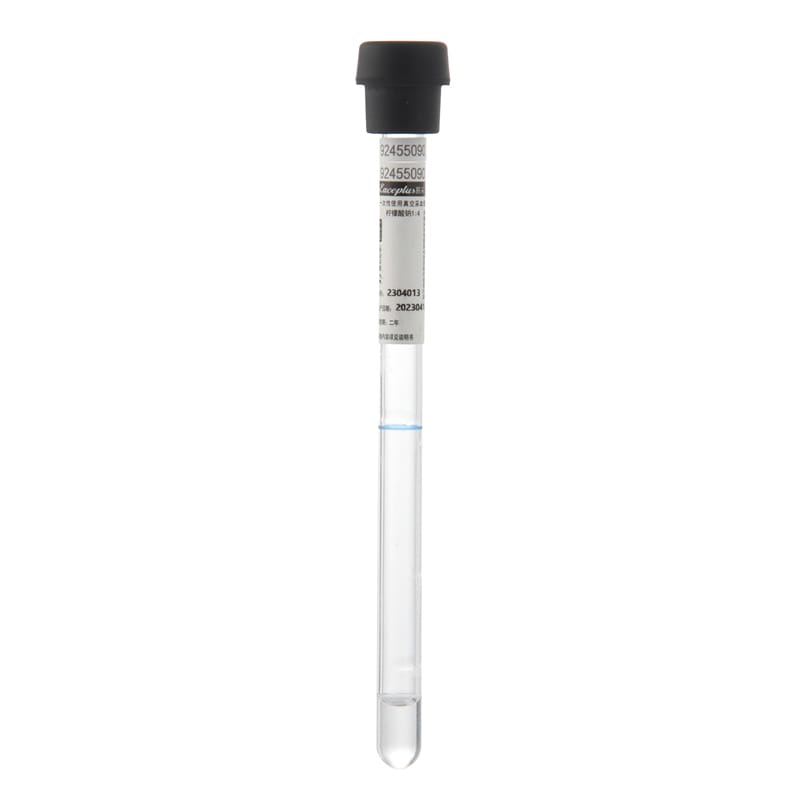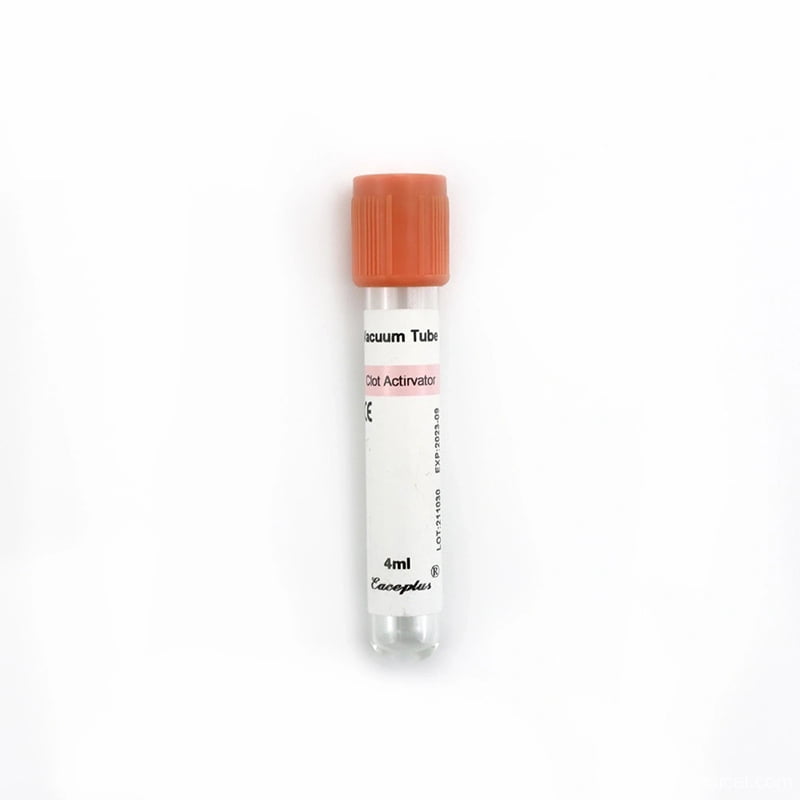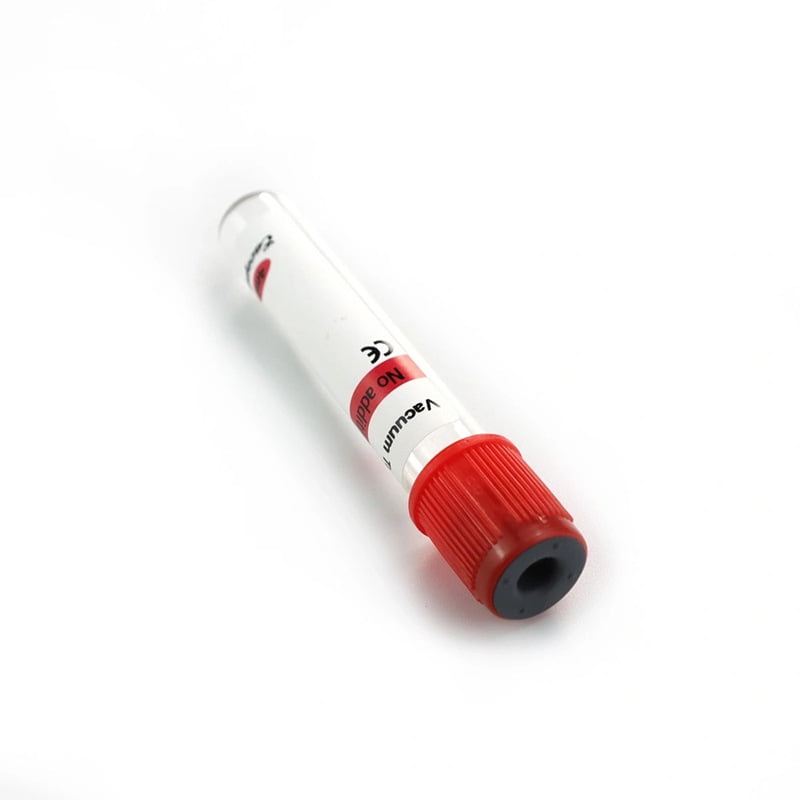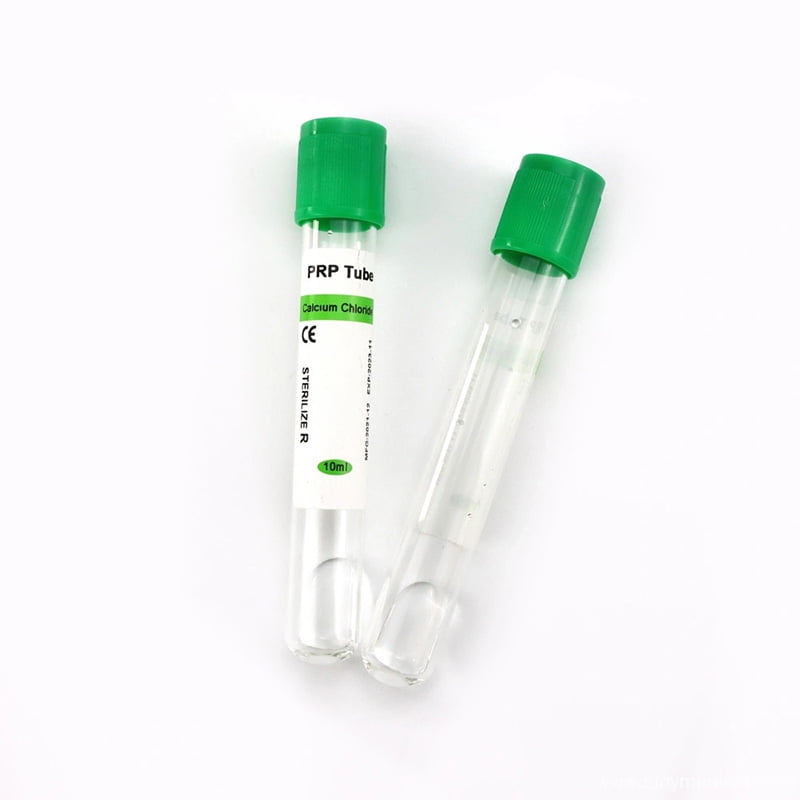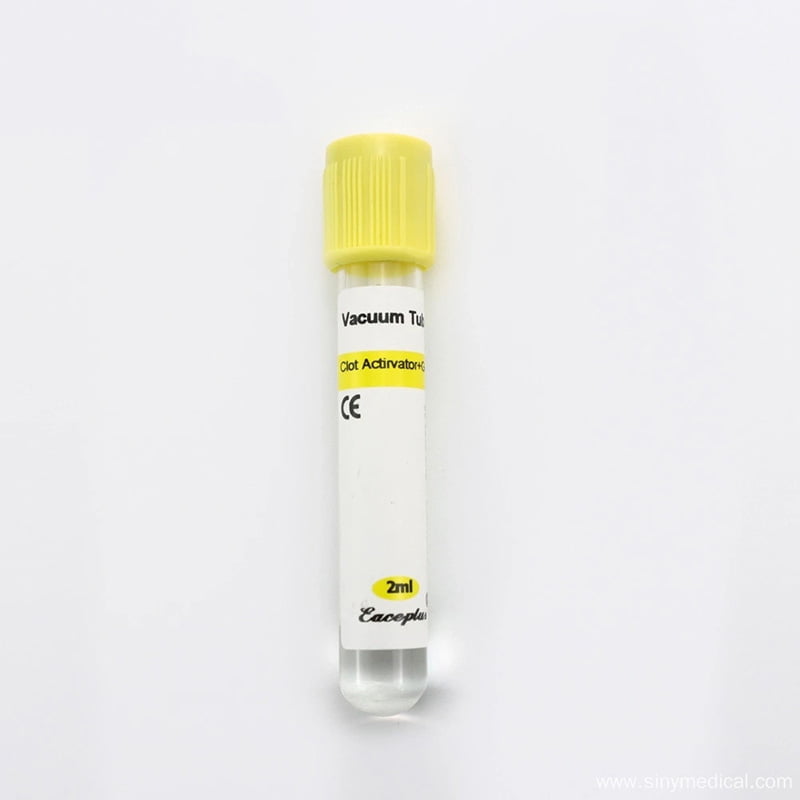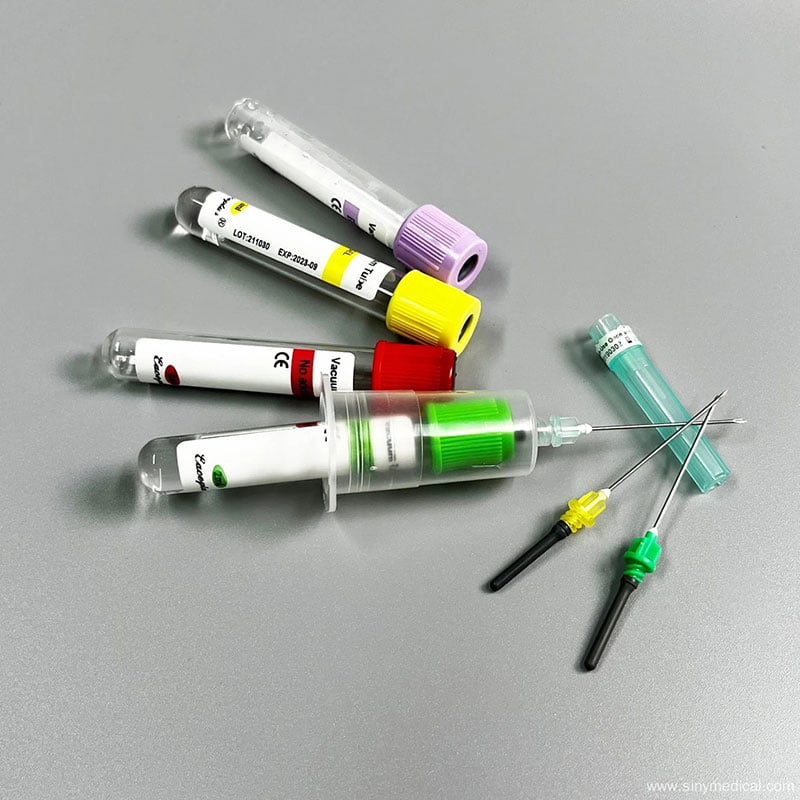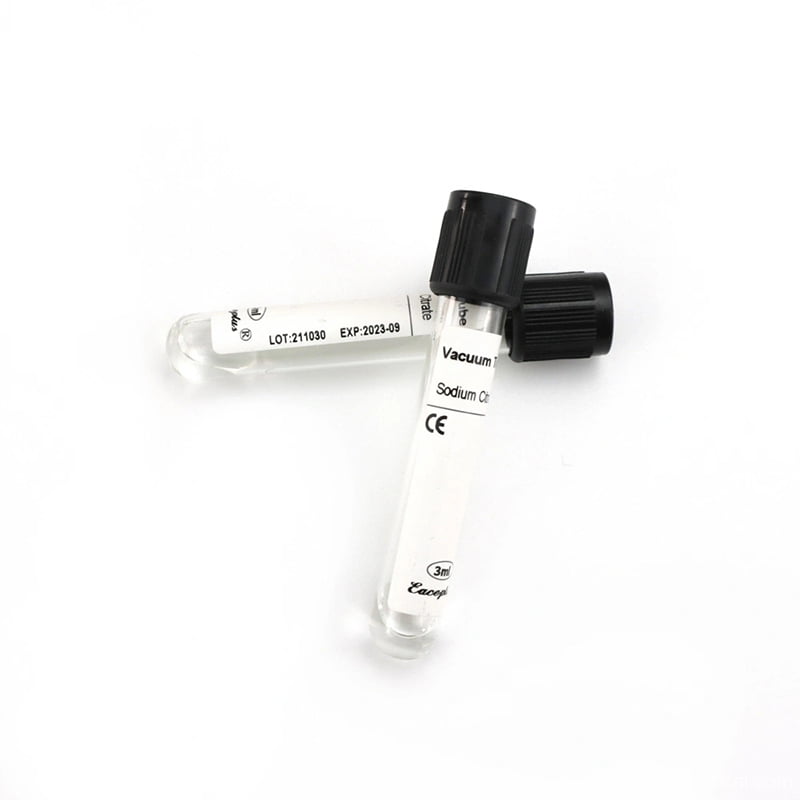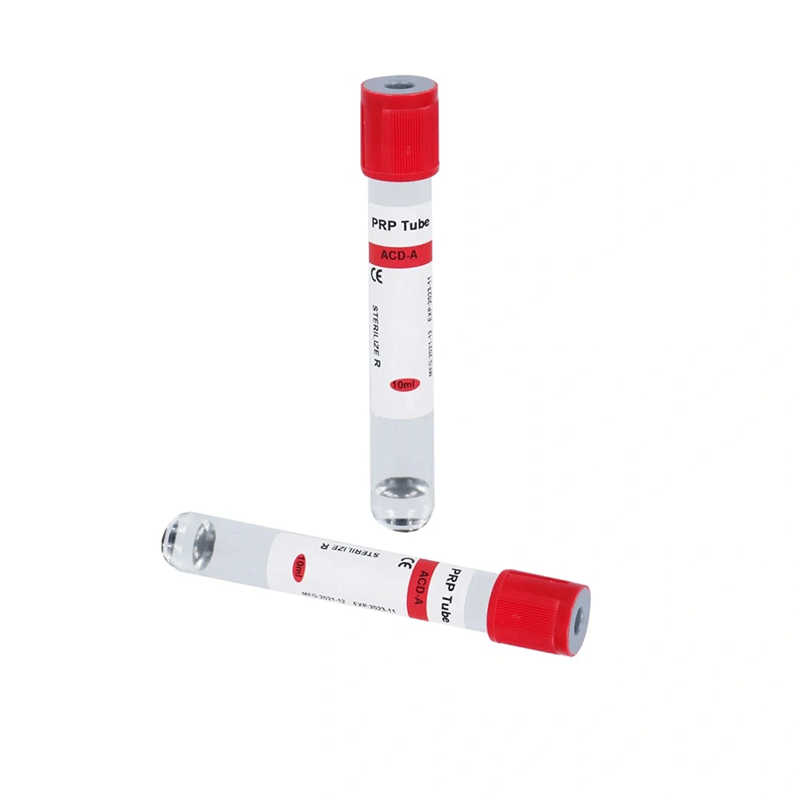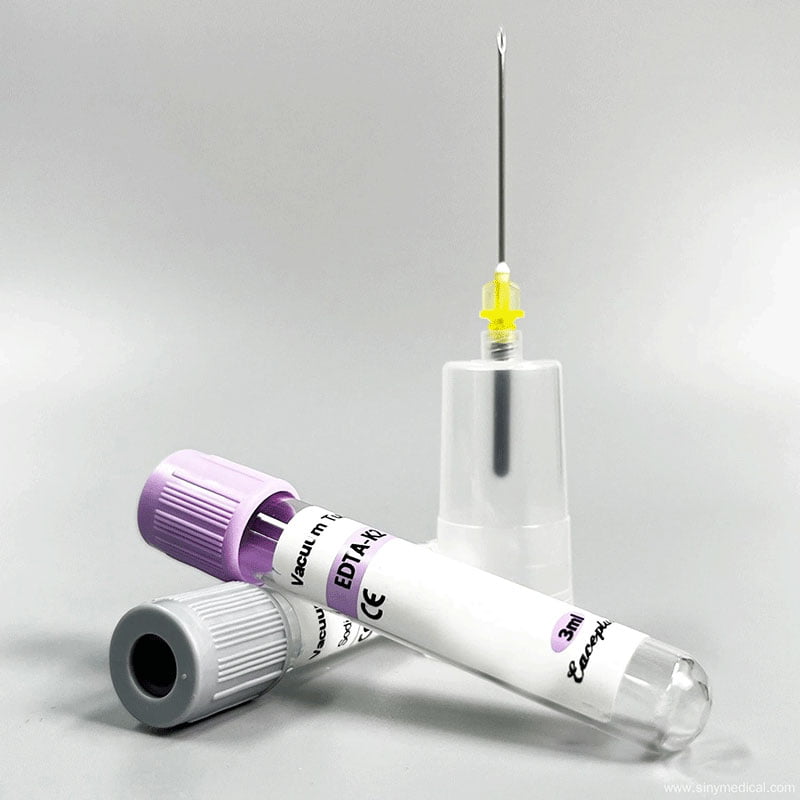
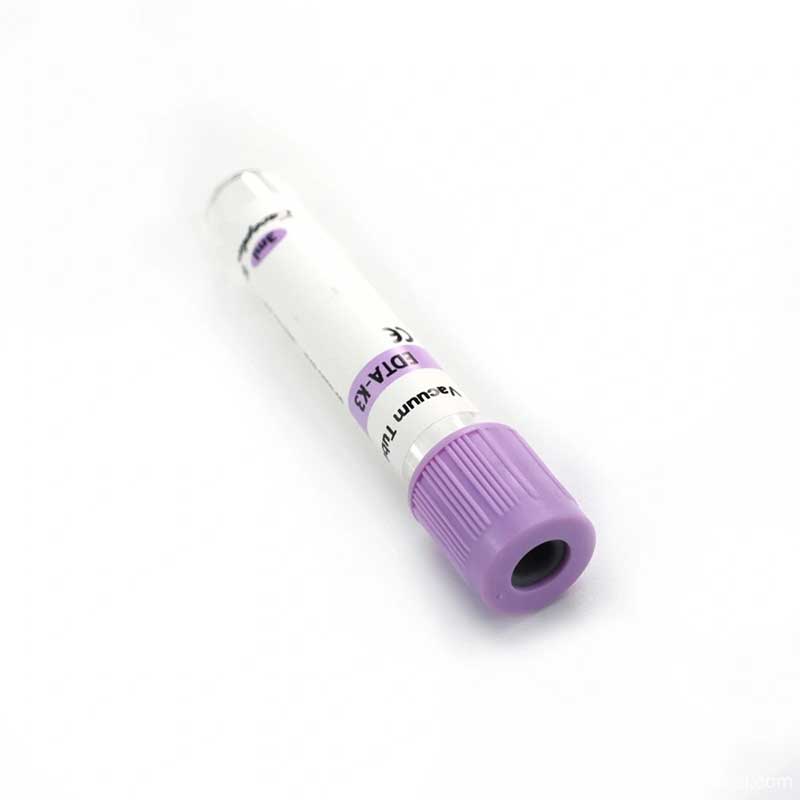
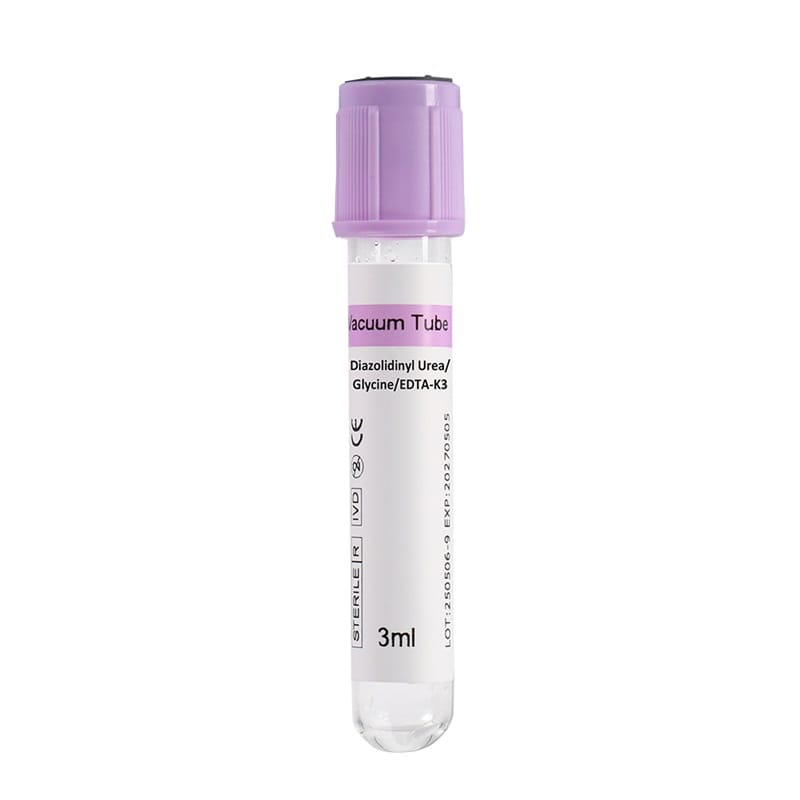
Blood is the foundation of medical diagnostics, but keeping it stable and uncontaminated after collection isn’t always easy. The Diazolidinyl Urea Glycine EDTA-K3 Blood Collection Tube was designed to solve that problem by combining anticoagulation, preservation, and stabilization in one advanced tube. Unlike a standard EDTA-K3 Blood Collection Tube, this one goes the extra mile—making it a trusted option for labs, hospitals, and researchers worldwide.
The Diazolidinyl Urea Glycine EDTA-K3 Blood Collection Tube is a specially engineered vacuum blood collection tube that integrates anticoagulants, buffers, and preservatives. This tube prevents coagulation, extends sample preservation, and minimizes external contamination. This article delves into its components, mechanism, applications, advantages, limitations, and practical considerations.
Table of Contents
- 1 What is a Diazolidinyl Urea Glycine EDTA-K3 Blood Collection Tube?
- 2 Applications of the Diazolidinyl Urea Glycine EDTA-K3 Blood Collection Tube
- 3 Advantages
- 4 Limitations and Safety Concerns
- 5 Standard EDTA-K3 Tube vs Diazolidinyl Urea Glycine EDTA-K3 Tube
- 6 Usage and Storage Guidelines
- 7 Wrapping It Up
- 8 FAQs
What is a Diazolidinyl Urea Glycine EDTA-K3 Blood Collection Tube?
This tube is a vacuum blood collection tube preloaded with three key components:
- EDTA-K3 (Tripotassium Ethylenediaminetetraacetic Acid)
- Function: A potent anticoagulant that chelates calcium ions in the blood, preventing clotting.
- Features: Widely used in clinical complete blood count (CBC) tests and considered the international standard for hematology testing.
- Glycine
- Function: Acts as a buffer and cell protector, helping to reduce cellular damage caused by environmental changes.
- Features: Helps maintain blood pH and enhances cell stability during storage.
- Diazolidinyl Urea (DU)
- Function: A common preservative that releases trace amounts of formaldehyde to inhibit bacterial and fungal growth.
- Features: Reduces sample degradation caused by contamination during transport or delayed testing.
This combination provides “anticoagulation + stabilization + antimicrobial protection,” ensuring high reliability of blood samples under complex testing and research conditions.
How It Works
- Anticoagulation Mechanism
- EDTA-K3 rapidly binds calcium ions in the blood, which are essential for the coagulation cascade. By chelating calcium, the clotting process is blocked, keeping the blood in a liquid state.
- Stabilization
- Glycine participates in the buffering system, helping maintain the blood’s pH and reducing cellular damage. It also minimizes red blood cell hemolysis and white blood cell autolysis.
- Antimicrobial Preservation
- Diazolidinyl Urea slowly releases formaldehyde, disrupting bacterial and fungal cell walls, inhibiting growth, and prolonging sample viability.
Applications of the Diazolidinyl Urea Glycine EDTA-K3 Blood Collection Tube
Clinical Hematology
- Used in CBC tests to assess red blood cells, white blood cells, and platelets.
- Maintains morphology for microscopic studies.
Biochemistry & Immunology
- Preserves plasma proteins for biochemical testing.
- Protects white blood cells for immunological assays.
Sample Transport
- Prevents sample degradation during long-distance shipping.
- Helps smaller hospitals send samples to centralized labs.
Research Laboratories
- Extends blood stability for molecular biology experiments.
- Useful in trials requiring consistent sample quality.
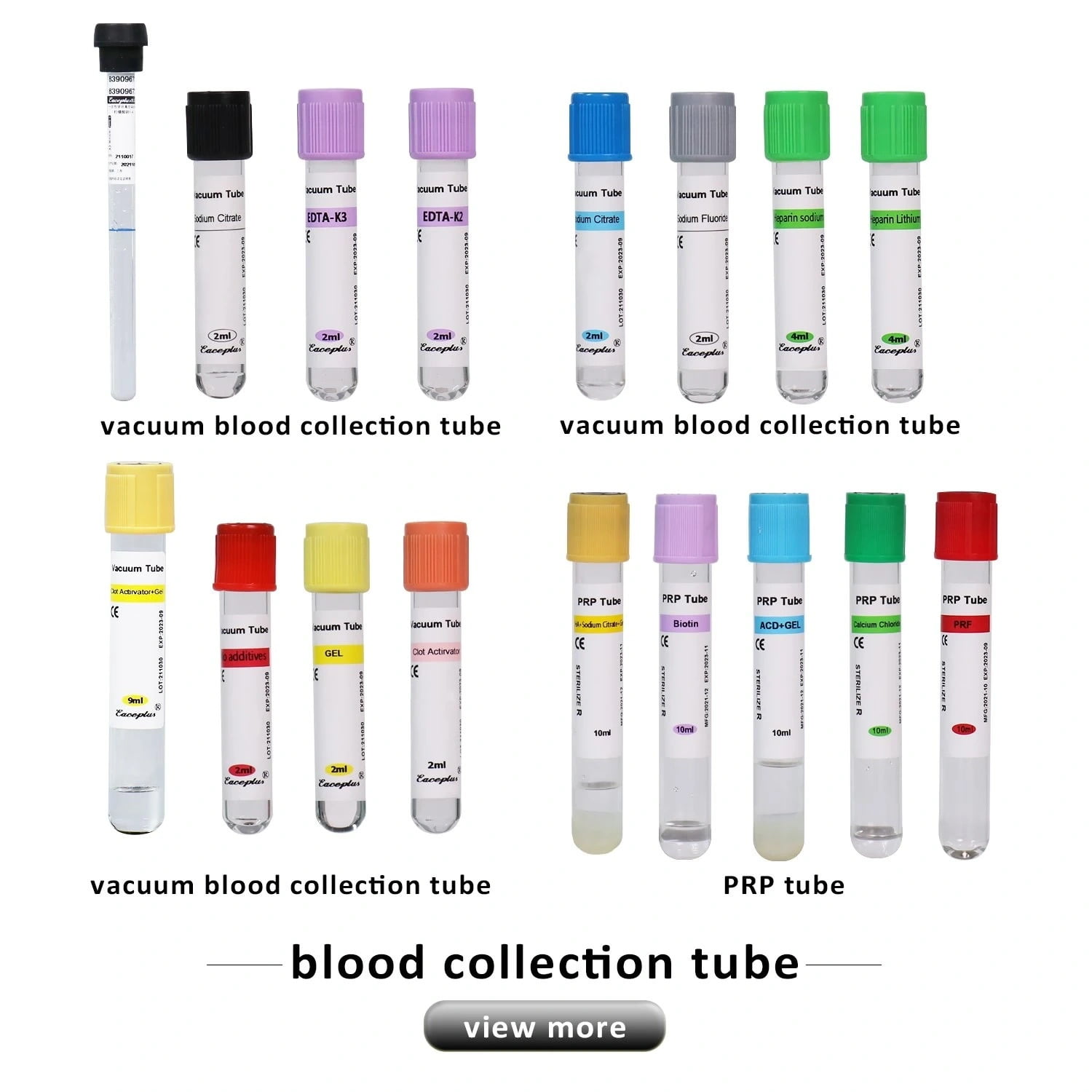
You can view a full range of lab-ready tubes under blood collection tube categories.
Advantages
- Multi-Functional Design
- Combines anticoagulation, preservation, and stabilization, offering more comprehensive functionality than traditional EDTA tubes.
- Ideal for complex workflows requiring high sample integrity.
- Extended Preservation
- Compared with standard EDTA tubes that remain stable for 6–8 hours at room temperature, this tube can extend stability to 12–24 hours, depending on test type and conditions.
- Valuable for delayed testing or long-distance transport.
- Improved Testing Accuracy
- Reduces cell clumping, providing more accurate counts and classification on hematology analyzers.
- Clearer blood cell morphology under microscopy.
- Versatile Applications
- Suitable for clinical, research, and transport scenarios.
- Reduces dependency on cold chain in small to medium laboratories.
Limitations and Safety Concerns
No medical tool is perfect. While this tube has clear benefits, there are a few considerations:
- Molecular testing interference: The formaldehyde released by Diazolidinyl Urea can crosslink DNA/RNA, making it unsuitable for advanced molecular tests like PCR and sequencing.
- Allergy concerns: Formaldehyde-sensitive individuals should handle with caution.
- Storage limits: While it extends stability, samples still require refrigeration beyond 24 hours.
- Scope: Not recommended for high-precision nucleic acid research.
For molecular-focused work, preservative-free alternatives are more suitable.
Standard EDTA-K3 Tube vs Diazolidinyl Urea Glycine EDTA-K3 Tube
| Feature | Standard EDTA-K3 Tube | Diazolidinyl Urea Glycine EDTA-K3 Tube |
|---|---|---|
| Anticoagulation | Yes | Yes |
| Stabilization | No | Yes (via Glycine) |
| Antimicrobial Protection | No | Yes (via Diazolidinyl Urea) |
| Sample Stability | 6–8 hours | 12–24 hours |
| Suitable for Molecular Biology | Yes | No |
| Best Use | Routine CBCs | Long transport, extended storage |
Usage and Storage Guidelines
- Order of Draw: Follow the standard sequence: blood culture tube → coagulation tube → anticoagulant tube.
- Mixing: Immediately invert the tube 6–8 times to ensure uniform anticoagulant distribution.
- Storage Conditions: Recommended at 2–8°C; for long-term storage, follow experimental requirements.
- Application Restrictions: For molecular testing, use preservative-free tubes to avoid interference.
Wrapping It Up
The Diazolidinyl Urea Glycine EDTA-K3 Blood Collection Tube is a big step forward in laboratory medicine. By combining anticoagulation, stabilization, and antimicrobial protection, it helps maintain reliable blood samples in ways a traditional EDTA tube cannot.
That said, it isn’t a universal solution—especially for molecular tests where DNA and RNA integrity is crucial. Choosing the right blood collection tube depends on your specific test requirements.
If you’re looking to upgrade your lab supplies or need more information, check out Siny Medical and explore their wide range of EDTA tubes designed for clinical and research excellence.
FAQs
How does this tube differ from a standard EDTA tube?
A standard EDTA tube prevents clotting but doesn’t stabilize or protect against microbes. This tube adds Glycine and Diazolidinyl Urea, making it more versatile.
Can it be used for molecular testing?
Not recommended. The formaldehyde release can interfere with DNA and RNA assays.
How long can blood samples last in this tube?
At room temperature, stability extends up to 12–24 hours, depending on conditions.
Are there safety concerns?
Yes, but minimal. Users sensitive to formaldehyde should take precautions.
Who should use this type of tube?
It’s ideal for hospitals, clinics, and research labs needing longer stability and safe transport of blood samples.