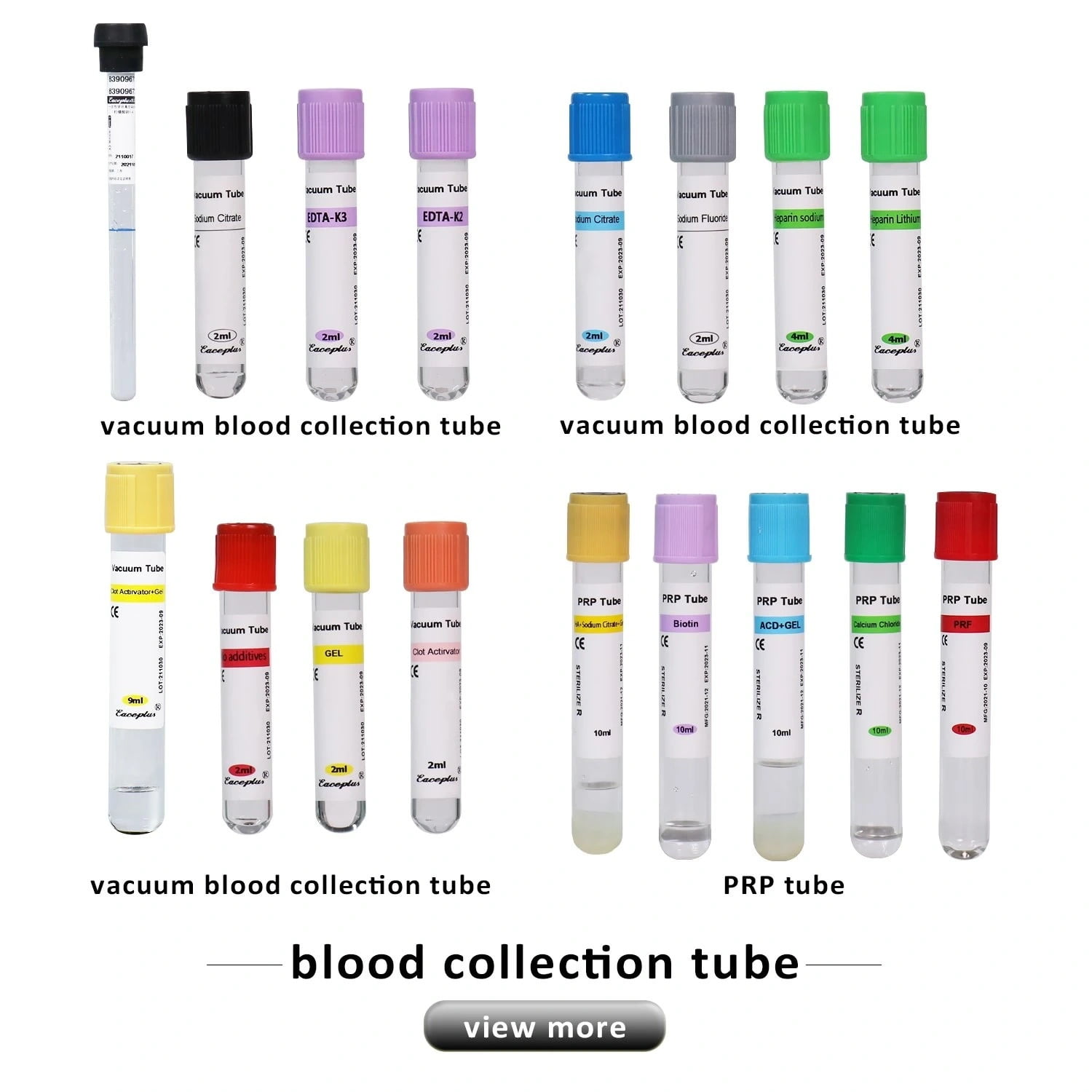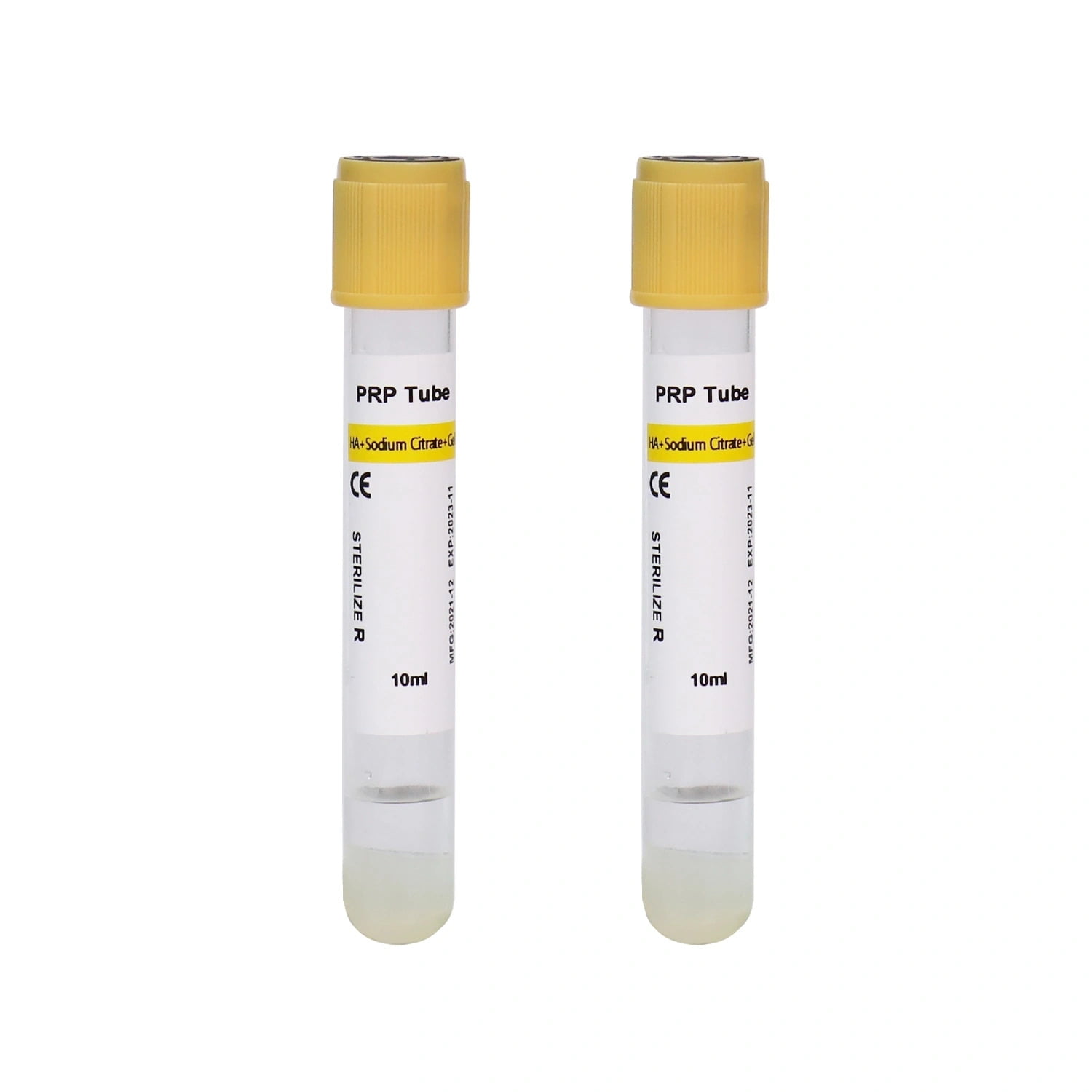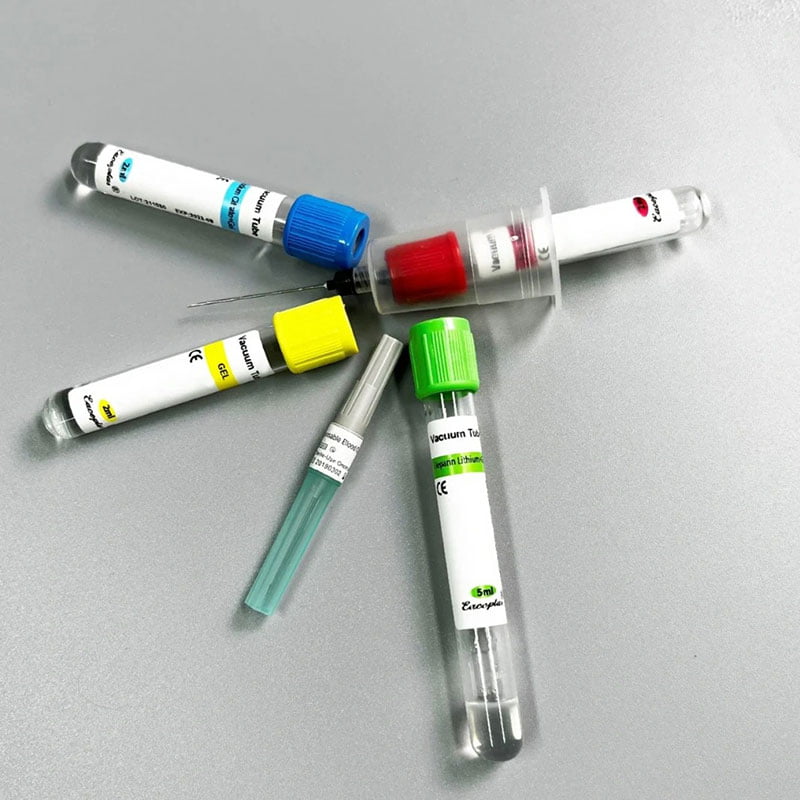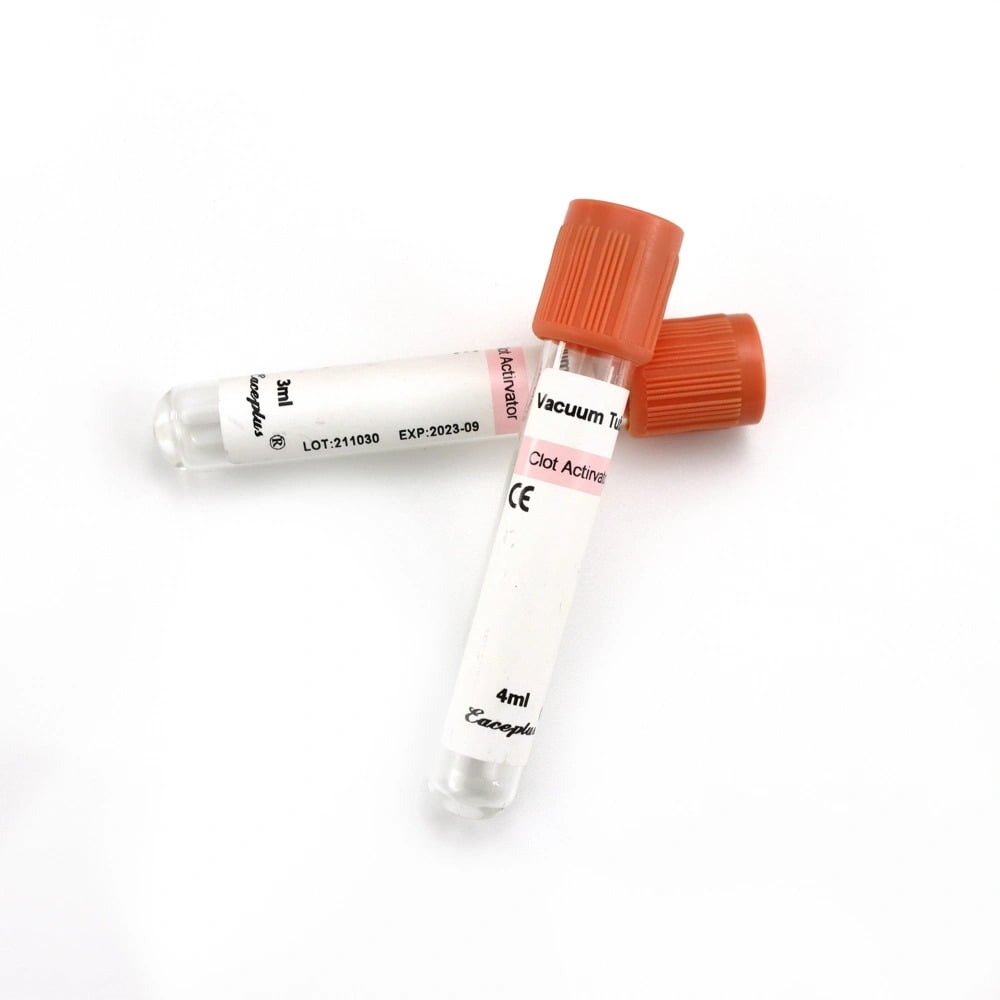

When you visit a hospital or clinic for a blood test, you may notice that the phlebotomist uses a variety of colorful tubes to collect your blood. These tubes, with their distinct colored tops, are not just for aesthetics—they play a critical role in ensuring the accuracy of your test results. Each color represents a specific type of additive that prepares the blood sample for particular laboratory tests. In this blog, we will explore the “rainbow code” of blood collection tubes, detailing what each color is used for and why it matters. This knowledge is essential for understanding the precision behind phlebotomy and the importance of using the correct tube for each test.
Table of Contents
Why Do Blood Collection Tubes Need Different Colors?
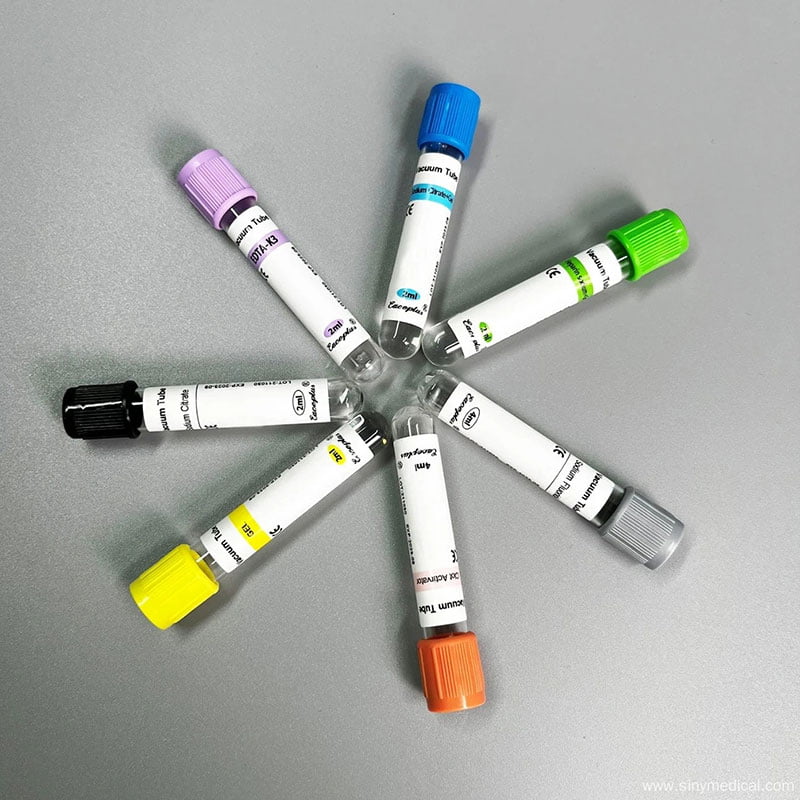
Blood collection tubes are designed to meet the diverse requirements of laboratory tests. Blood naturally begins to clot after it leaves the body, but different tests require the sample to be in specific states—whole blood, plasma, or serum. To achieve this, tubes are pre-filled with additives that serve different purposes:
- Anticoagulants: Prevent blood from clotting (e.g., heparin, EDTA).
- Clot Activators: Accelerate clotting to separate serum.
- Preservatives: Maintain the stability of specific blood components.
The color-coding system allows healthcare professionals to quickly identify the type of additive in each tube, ensuring the correct tube is used for the correct test. This is the first step in guaranteeing the accuracy of laboratory results.
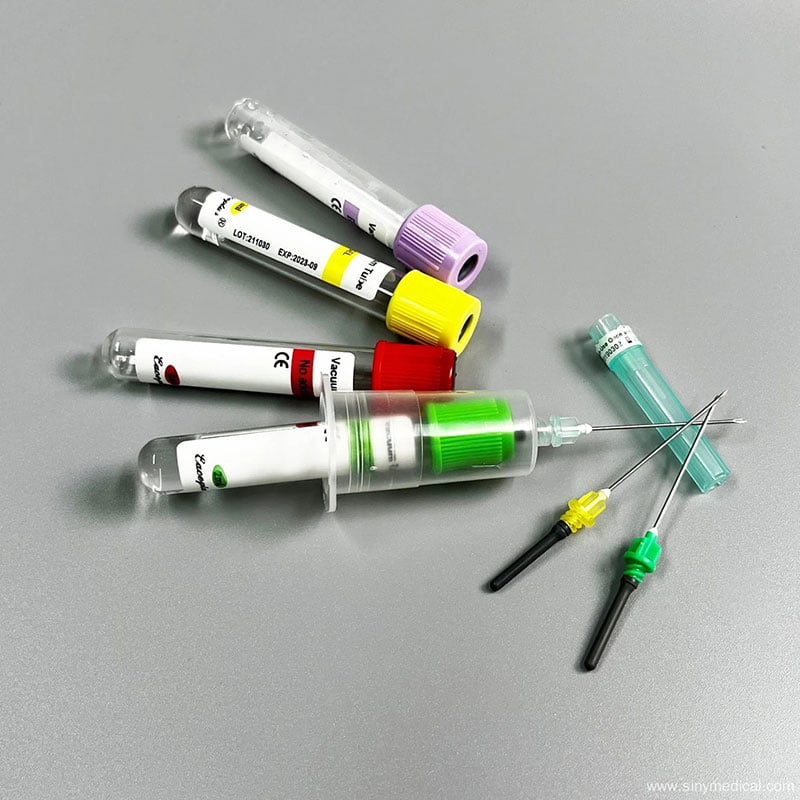
A Detailed Guide to Common Blood Collection Tube Colors
Let’s dive into the specific roles of each colored tube, starting with the most commonly used ones in clinical settings.
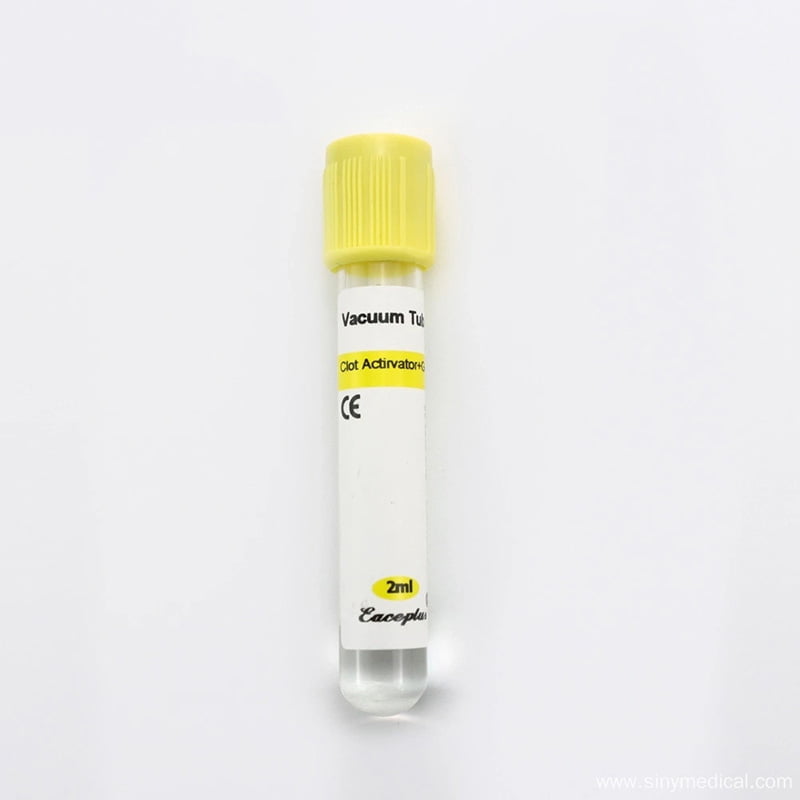
Yellow Top Tube
- Key Additive: Acid-Citrate-Dextrose (ACD) or Sodium Polyanethol Sulfonate (SPS).
- Primary Uses:
- ACD Tubes: DNA testing, paternity testing, and cellular function studies.
- SPS Tubes: Blood cultures to detect microorganisms.
- Why It Matters: ACD tubes preserve cell viability, making them ideal for genetic and immunological studies, while SPS tubes are essential for diagnosing infections.
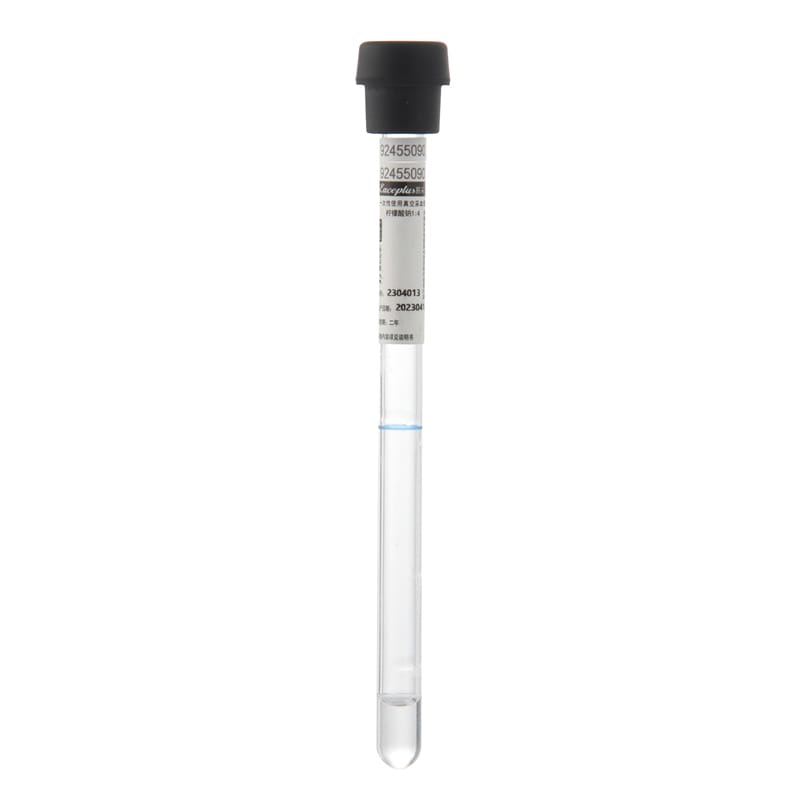
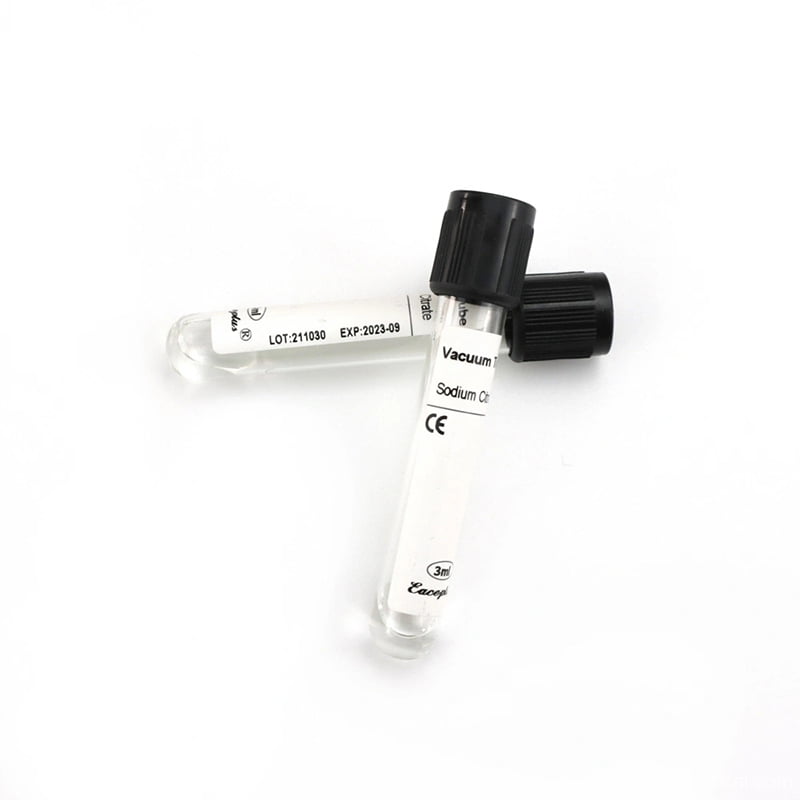
Light Blue Top Tube
- Key Additive: Sodium Citrate.
- Primary Uses: Coagulation studies like PT, APTT, and fibrinogen levels.
- Why It Matters: These tests require precise blood-to-anticoagulant ratios to assess clotting ability, often used before surgery or to monitor anticoagulant therapy.
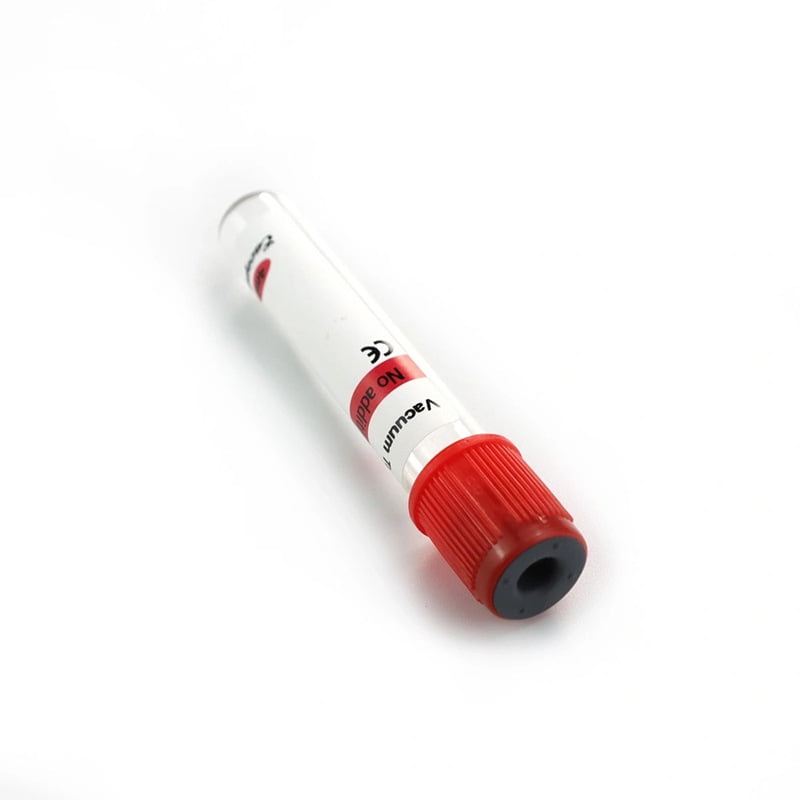
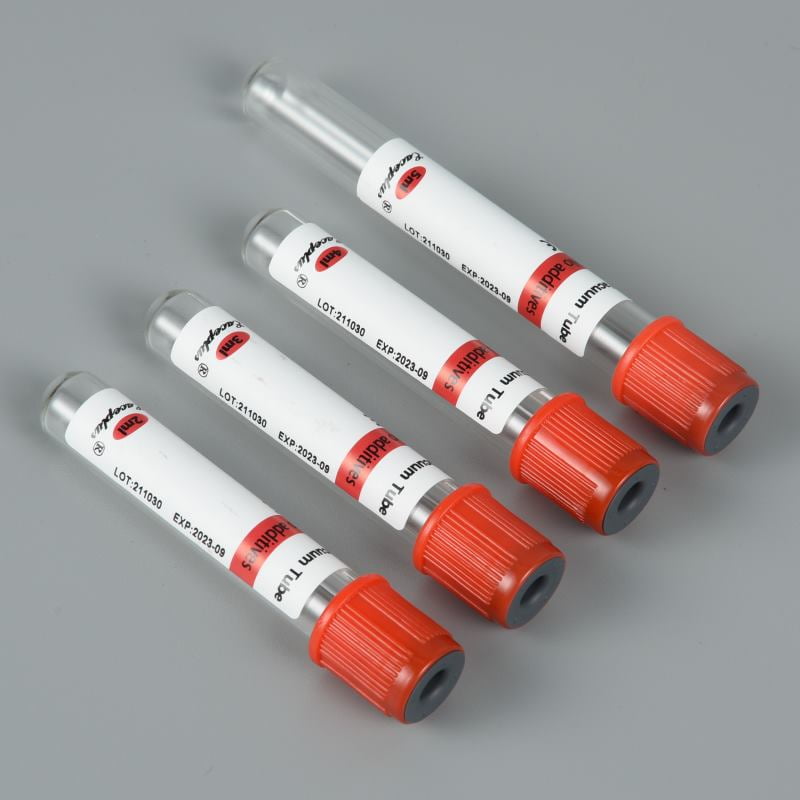
Red Top Tube
- Key Additive: No additive (glass) or clot activator (plastic).
- Primary Uses: Serum chemistry tests, immunology tests, and blood banking.
- Why It Matters: Red top tubes are versatile and widely used for general chemistry and immunology tests.
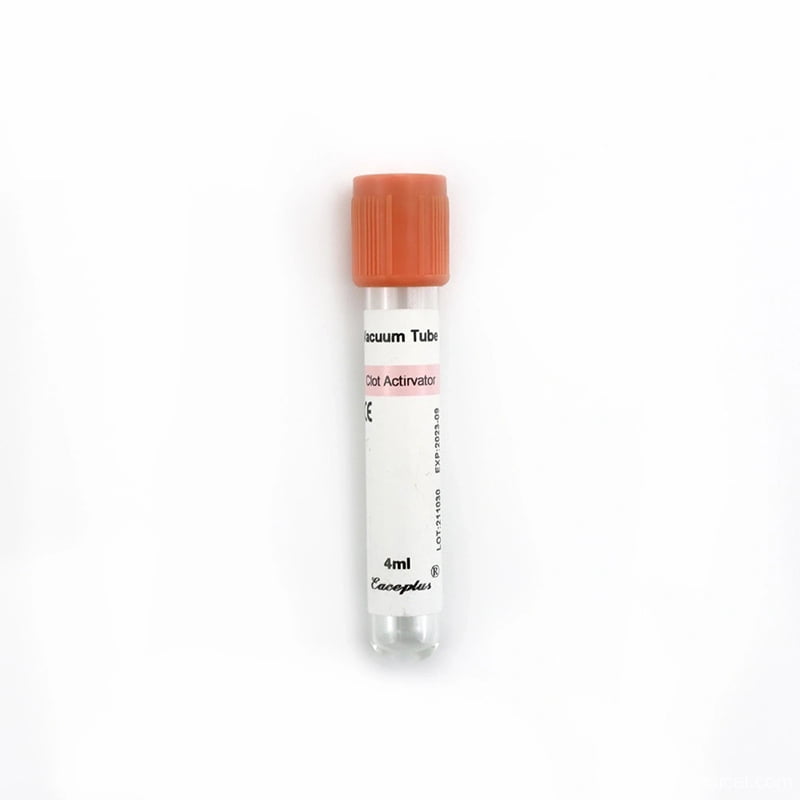
Gold Top / Tiger Top Tube
- Key Additive: Clot activator and serum separator gel.
- Primary Uses: Serum chemistry and immunology tests.
- Why It Matters: The gel barrier ensures a stable and pure serum sample, making it ideal for delayed testing or transport.
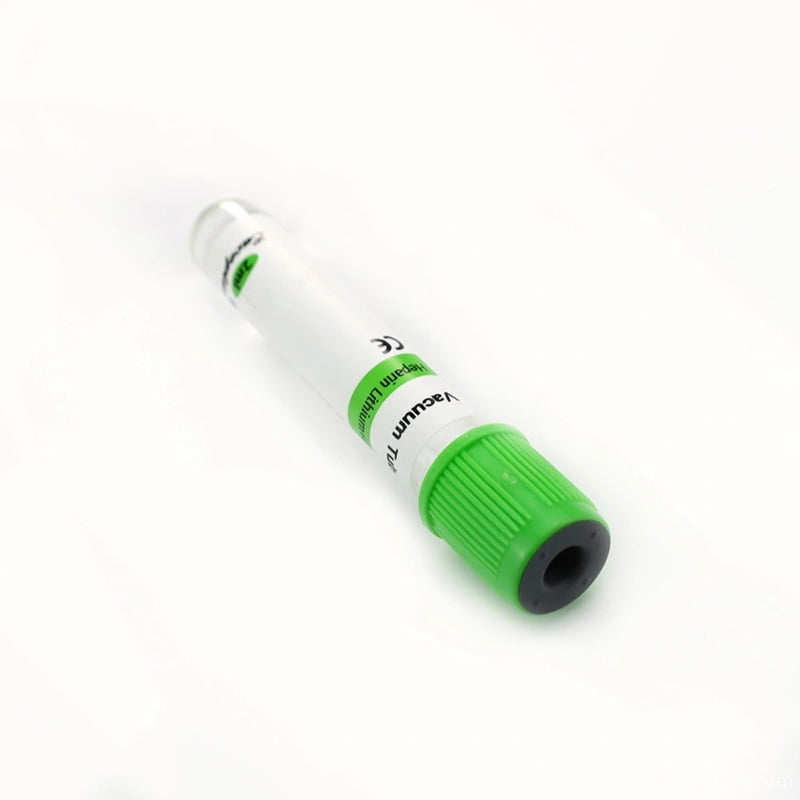
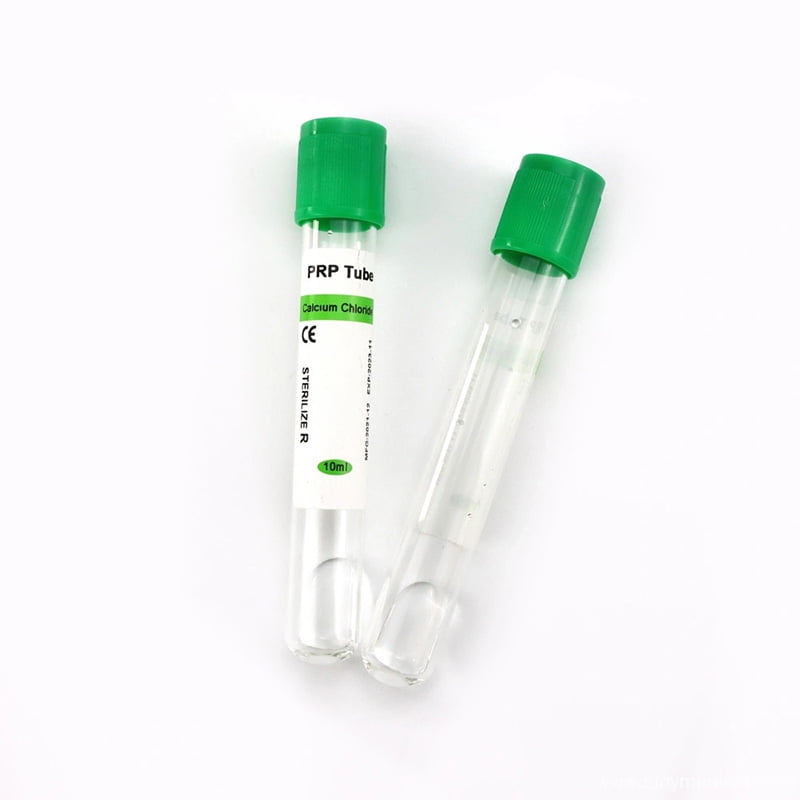
Green Top Tube
- Key Additive: Heparin (sodium or lithium).
- Primary Uses: Plasma chemistry tests, blood gas analysis, and electrolyte measurements.
- Why It Matters: Heparin prevents clotting without interfering with most chemistry tests.
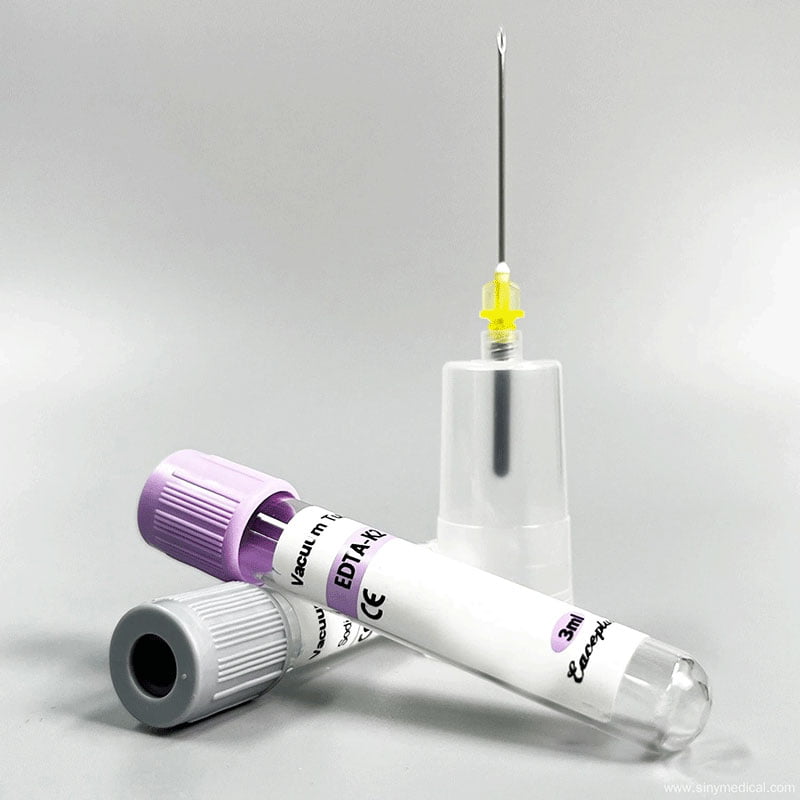
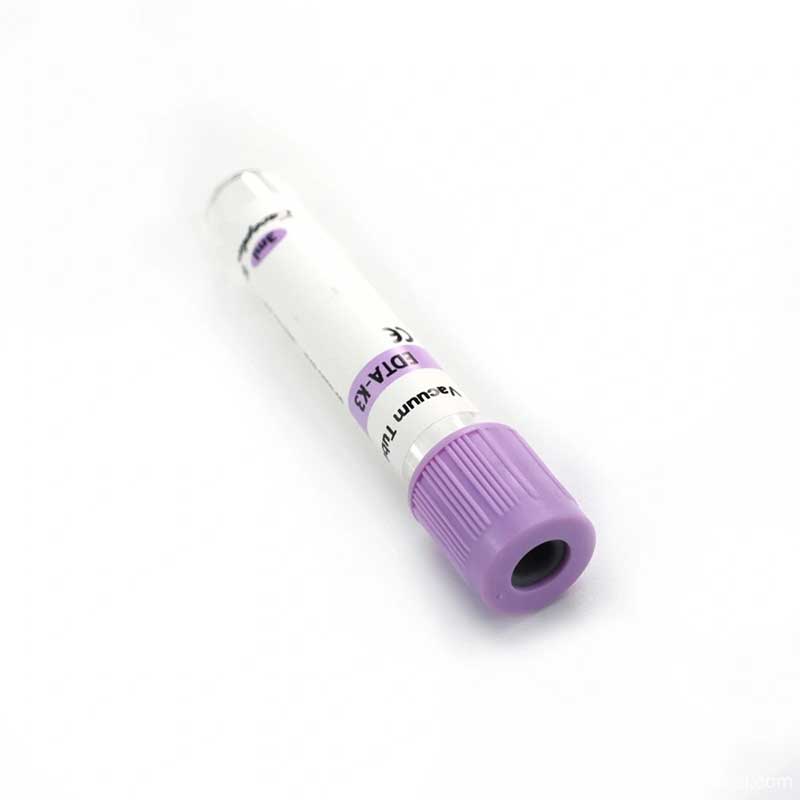
Lavender/Purple Top Tube
- Key Additive: EDTA.
- Primary Uses: Hematology analysis (CBC), glycated hemoglobin (HbA1c), and blood typing.
- Why It Matters: EDTA preserves cell morphology, ensuring accurate hematology results.
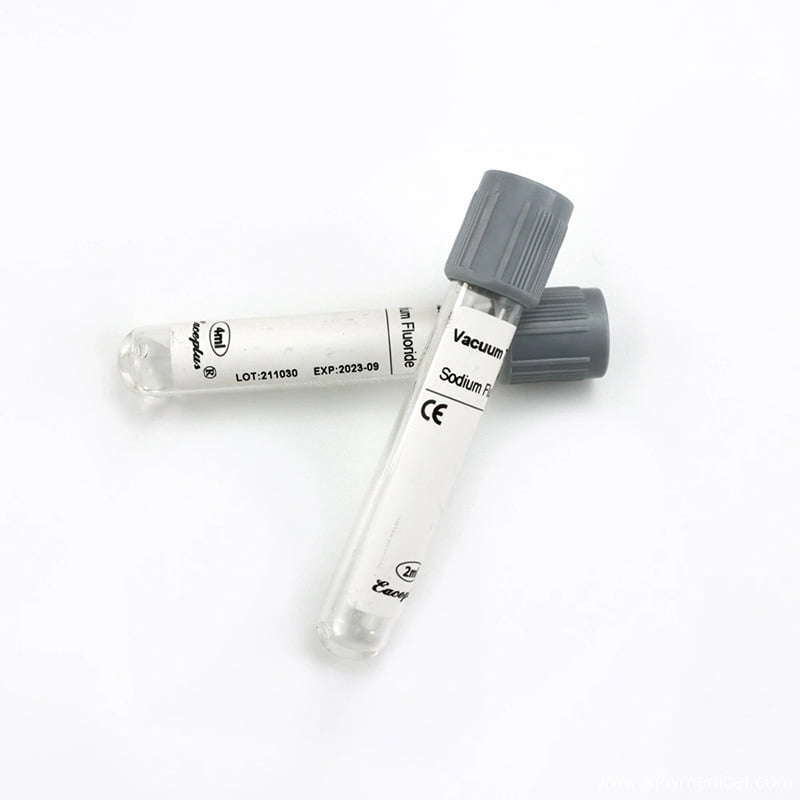
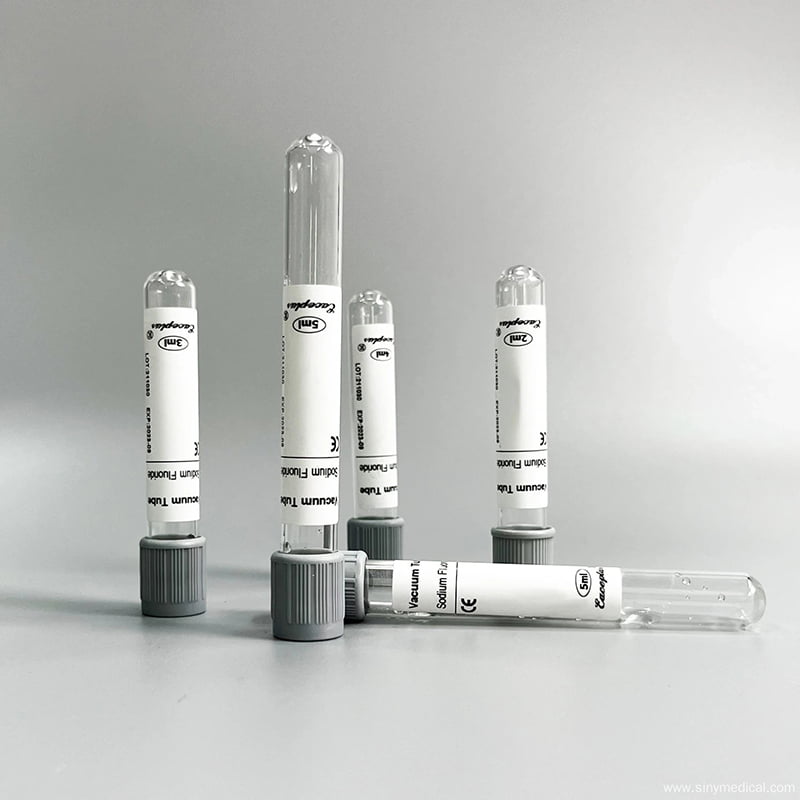
Gray Top Tube
- Key Additive: Sodium Fluoride and Potassium Oxalate.
- Primary Uses: Glucose and lactate testing.
- Why It Matters: Sodium fluoride inhibits glycolysis, ensuring stable glucose levels for accurate results.
The Importance of the Order of Draw
Phlebotomists follow a specific order of draw when collecting blood into different tubes to prevent cross-contamination of additives. For example, drawing an EDTA tube before a coagulation tube could lead to inaccurate results. The standard order is:
- Blood Culture Tubes
- Coagulation Tubes (Light Blue)
- Serum Tubes (Red, Gold)
- Heparin Tubes (Green)
- EDTA Tubes (Lavender)
- Glycolytic Inhibitor Tubes (Gray)
Why the Order of Draw Matters
Phlebotomists must follow the “Order of Draw” when collecting multiple tubes. This avoids contamination of additives between tubes.
Correct sequence (simplified):
Blood Culture → Light Blue → Red/Gold → Green → Lavender → Gray
For example, if lavender (EDTA) is drawn before light blue, the calcium-binding EDTA could invalidate coagulation studies.
Wrapping It Up
Those colorful caps on blood collection tubes aren’t just for looks—they’re the unsung heroes of diagnostic medicine. Understanding which color tubes phlebotomists use for specific tests ensures accurate results, faster diagnoses, and safer treatments.
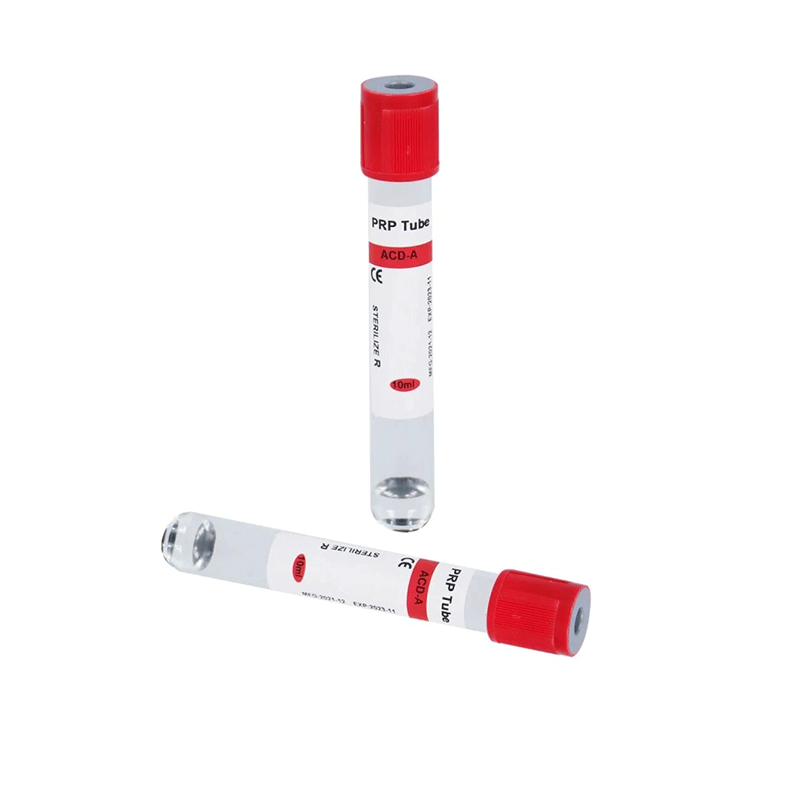
At Siny Medical, we’re committed to producing safe, high-quality consumables that healthcare professionals trust worldwide. From serum tubes to PRP tubes, we provide innovative solutions to meet every clinical need.
If you’d like to explore more, check out:
- Siny Medical YouTube Channel for visual guides.
- Siny Medical Made-in-China profile for global product sourcing.
So, next time you roll up your sleeve at the clinic, remember—the rainbow of tubes is working behind the scenes to protect your health.
FAQs
Why do phlebotomists use different colored tubes?
Because each test requires blood in a specific state—serum, plasma, or whole blood. Tube additives make sure the sample stays suitable for testing.
What happens if the wrong tube is used?
Results can be completely inaccurate. For instance, using EDTA tubes for chemistry will cause calcium and magnesium to appear falsely low.
Is the tube color system universal?
Yes, standards exist worldwide, though minor regional differences may occur. Core colors like lavender, light blue, green, and gray are consistent.
Can tube order affect results?
Absolutely. The wrong order may contaminate samples, leading to invalid results. That’s why the Order of Draw is strictly followed.