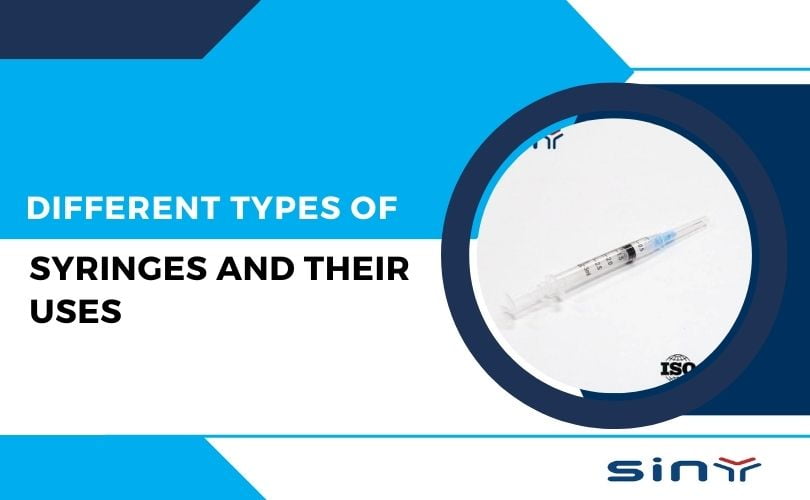
Medical syringes are among the most fundamental tools in modern healthcare, serving as the bridge between medication and patient. These simple yet ingenious devices have revolutionized medicine since their invention, enabling precise delivery of treatments, vaccines, and life-saving medications. Understanding the different types of medical syringes is crucial for healthcare professionals, patients, and caregivers alike, as each design serves specific purposes and offers unique advantages.
At Sinymedical, we recognize the importance of providing comprehensive information about medical supplies that enhance patient care and safety. This guide will explore the vast landscape of syringe types, their specialized functions, and how to choose the right one for various medical procedures. Whether you’re a healthcare professional seeking to expand your knowledge or a patient wanting to understand your treatment options better, this article will serve as your comprehensive resource.
Table of Contents
- 1 A Brief History: The Evolution of Medical Syringes
- 2 The Anatomy of a Medical Syringe
- 3 Exploring the Main Types of Medical Syringes
- 4 Specialized Syringes for Specific Medical Applications
- 5 Choosing the Right Syringe: Key Considerations
- 6 Innovations in Syringe Technology
- 7 Safety Best Practices for Medical Syringes
- 8 Conclusion
- 9 FAQs
- 9.1 1. How do I know which type of medical syringe to use for insulin injections?
- 9.2 2. What makes safety syringes different from standard types of medical syringes?
- 9.3 3. Are all types of medical syringes disposable?
- 9.4 4. How do vaccine syringes differ from other types of medical syringes?
- 9.5 5. What should I consider when selecting between different types of medical syringes for my clinic?
- 9.6 6. How have different types of medical syringes evolved over time?
A Brief History: The Evolution of Medical Syringes
Before diving into the different types of medical syringes available today, it’s worth appreciating how these devices evolved. The concept of injecting substances into the body dates back to ancient times, but the modern syringe as we know it began to take shape in the 19th century. In 1853, Charles Pravaz and Alexander Wood independently developed the first practical syringes with hollow needles for medical use.

The mid-20th century brought a significant breakthrough with the invention of the disposable plastic syringe by Colin Murdoch in 1956. This innovation dramatically improved safety by reducing cross-contamination between patients. Today, the global syringe market continues to evolve, with an estimated value of $15.8 billion in 2022 and projected growth to $23.5 billion by 2030, according to recent market research.
The Anatomy of a Medical Syringe
While syringes come in various shapes and sizes, they all share some basic components:
- Barrel: The cylindrical tube that holds the medication, typically marked with measurement indicators.
- Plunger: The rod-like component that fits inside the barrel and creates pressure to expel the contents.
- Needle: The hollow metal tube that penetrates the skin, available in different gauges (diameters) and lengths.
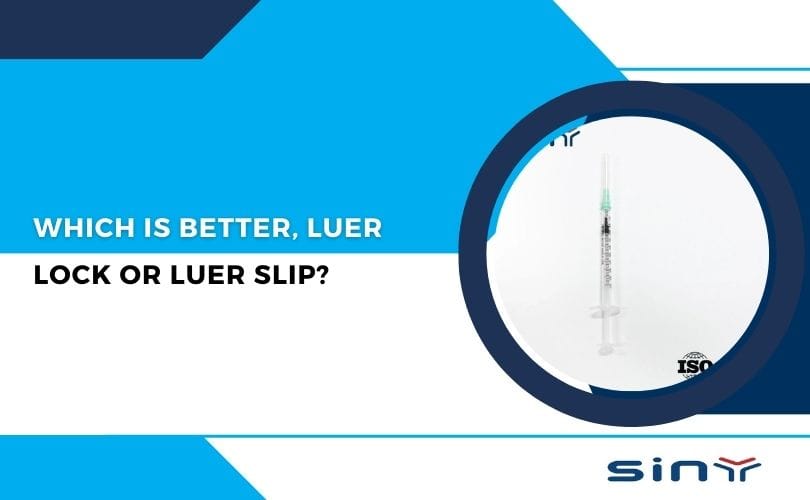
- Luer Lock: A standardized connection system that secures the needle to the barrel.
- Safety Features: Modern syringes often include mechanisms to prevent needlestick injuries.
Understanding these components is essential when exploring the different types of medical syringes and their specific applications.
Exploring the Main Types of Medical Syringes
Medical syringes have diversified significantly to meet various clinical needs. Let’s examine the primary categories you’ll encounter in healthcare settings.
Standard Disposable Syringes
Standard disposable syringes are the most common type used in medical facilities worldwide. These single-use devices come in various sizes, typically ranging from 1 mL to 60 mL, and are designed for general-purpose injections and fluid aspiration. Made from medical-grade plastic with stainless steel needles, they offer convenience, sterility, and affordability.
At Sinymedical, our disposable syringe collection meets the highest quality standards, ensuring reliable performance for routine medical procedures. These syringes are particularly valuable in settings where preventing cross-contamination is paramount, such as hospitals, clinics, and vaccination centers.
Insulin Syringes
Insulin syringes are specially designed for administering insulin to diabetic patients. These precision instruments feature several distinct characteristics:
- Smaller volume capacity (typically 0.3 mL to 1 mL)
- Fine-gauge needles (usually 28-31 gauge) for less painful injections
- Clear markings in insulin units rather than milliliters
- Shorter needles optimized for subcutaneous injection
The design of insulin syringes prioritizes accuracy and comfort, as diabetic patients often require daily injections. Our insulin syringe products offer exceptional precision, helping patients maintain proper blood glucose levels with confidence.
Safety Syringes
With healthcare worker safety becoming increasingly important, safety syringes have become essential in modern medical practice. These innovative devices incorporate mechanisms to protect against accidental needlestick injuries, which can transmit bloodborne pathogens like HIV and hepatitis.
Safety syringes typically feature retractable needles or protective sheaths that engage automatically or manually after use. According to the CDC, approximately 385,000 needlestick injuries occur annually among hospital-based healthcare workers, making safety syringes a critical innovation in occupational health. Sinymedical’s disposable safe syringes represent our commitment to protecting both patients and healthcare providers.
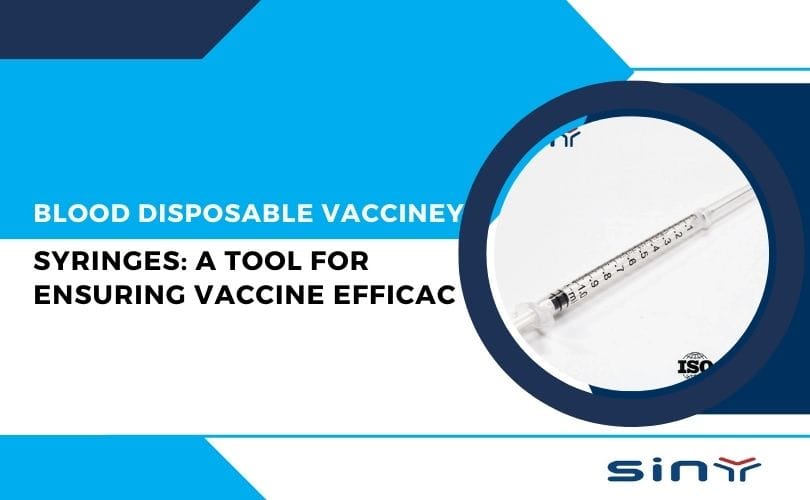
Vaccine Syringes
Vaccine syringes are specifically designed for immunization programs and have gained particular prominence during global vaccination campaigns. These syringes often feature:
- Precise dosing mechanisms to ensure correct vaccine delivery
- Fixed needle designs to minimize waste (important for expensive vaccines)
- Specialized features for specific vaccine types (e.g., intradermal delivery)
- Auto-disable functions to prevent reuse in mass vaccination campaigns
The COVID-19 pandemic highlighted the importance of vaccine syringes, with billions administered worldwide using these specialized devices. Our disposable vaccine syringes are designed to meet the rigorous demands of immunization programs while ensuring patient safety.
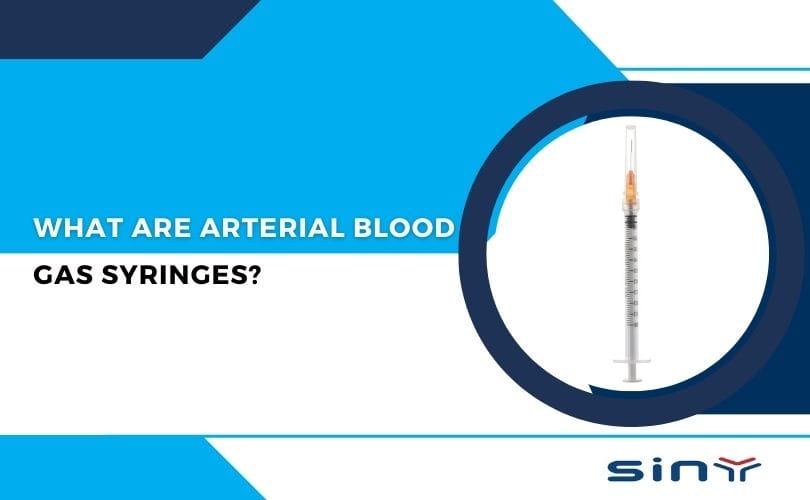
Arterial Blood Gas Syringes
Arterial blood gas (ABG) syringes are specialized instruments used to collect arterial blood for analyzing oxygen and carbon dioxide levels. These syringes feature:
- Pre-heparinized interiors to prevent blood clotting
- Minimal dead space to ensure accurate gas measurements
- Ventilation options to expel air bubbles
- Safety features to protect against blood exposure
ABG analysis is crucial for critically ill patients, particularly those with respiratory or metabolic disorders. Understanding the specific requirements of these arterial blood gas syringes is essential for accurate diagnosis and treatment monitoring.
Specialized Syringes for Specific Medical Applications
Beyond the main categories, several specialized syringes serve specific medical purposes:
Tuberculin Syringes
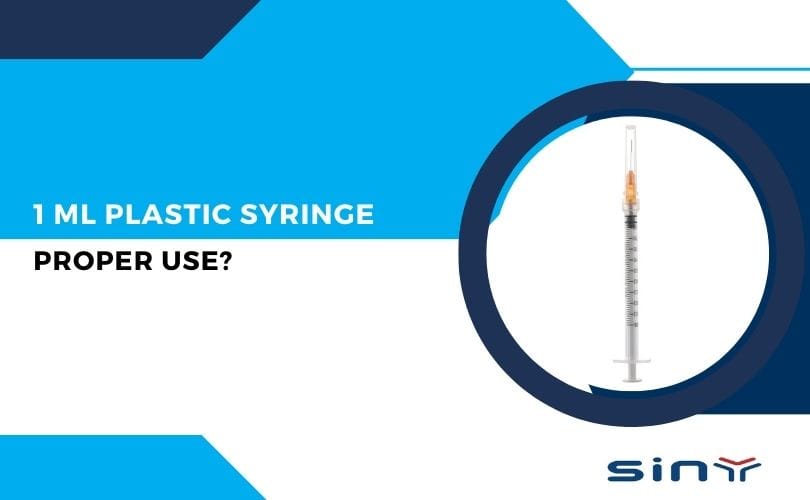
Tuberculin syringes are small, precise instruments used for administering tuberculin skin tests and other small-volume injections. Typically holding 1 mL of fluid, they feature fine calibration markings (often in 0.01 mL increments) for accurate dosing of potent medications.
Allergy Syringes
Similar to tuberculin syringes, allergy syringes are designed for administering allergen extracts during immunotherapy. Their precision allows for gradual dose increases during desensitization treatments.
Catheter Tip Syringes
These syringes feature elongated, tapered tips instead of needles, making them ideal for wound irrigation, tube feeding, and catheter flushing. Their design allows for gentle fluid delivery without causing tissue damage.
Oral Syringes
Oral syringes are designed for administering liquid medications orally, particularly to children or patients who have difficulty swallowing pills. They feature clear markings and special caps to prevent accidental needle attachment.
Choosing the Right Syringe: Key Considerations
Selecting the appropriate syringe type depends on several factors:
- Medication Properties: Viscosity, volume, and administration route influence syringe choice.
- Patient Population: Age, body mass, and medical condition affect needle length and gauge selection.
- Procedure Requirements: Some procedures demand specialized syringes for optimal outcomes.
- Safety Considerations: Healthcare worker safety and cross-contamination prevention are crucial.
- Regulatory Compliance: Certain procedures require specific syringe types to meet healthcare standards.
For guidance on selecting the right syringe for your specific needs, the experts at Sinymedical are always available to provide professional consultation.
Innovations in Syringe Technology
The field of medical syringes continues to evolve with technological advancements. Recent innovations include:
- Smart Syringes: These devices incorporate electronic components to track dosage, timing, and patient adherence.
- Biodegradable Syringes: Environmentally friendly options designed to reduce medical waste.
- Microneedle Syringes: Ultra-fine needles that minimize pain and tissue damage.
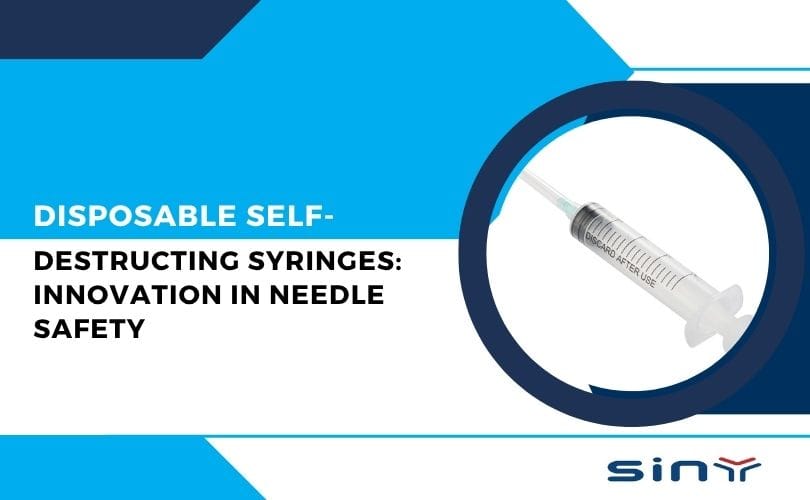
- Self-Destructing Syringes: Tamper-proof designs that automatically break after use to prevent reuse.
Our 5ml disposable self-destructing syringe exemplifies this commitment to innovation and safety.
Safety Best Practices for Medical Syringes
Proper handling of medical syringes is essential for patient and provider safety. Key practices include:
- Proper Disposal: Used syringes should be immediately placed in designated sharps containers.
- No Recapping: Avoid recapping needles to prevent accidental needlesticks.
- Correct Technique: Follow proper injection protocols to minimize complications.
- Regular Training: Healthcare workers should receive ongoing training on new syringe technologies and safety features.
For comprehensive information on safety syringes and best practices, our detailed guide on what are safety syringes provides valuable insights.
Conclusion
The world of medical syringes is diverse and specialized, with each type designed to serve specific purposes in healthcare delivery. From standard disposable syringes to specialized arterial blood gas syringes, understanding the different types of medical syringes is essential for effective patient care and healthcare worker safety.
At Sinymedical, we’re committed to providing high-quality syringes that meet the evolving needs of healthcare professionals and patients. Our comprehensive range of syringe products ensures that you’ll find the right tool for every medical procedure.
By understanding the various types of medical syringes and their specific applications, healthcare providers can enhance treatment outcomes, improve patient comfort, and maintain the highest safety standards in clinical practice.
FAQs
1. How do I know which type of medical syringe to use for insulin injections?
For insulin administration, you should use specifically designed insulin syringes, which are calibrated in insulin units rather than milliliters. These syringes typically have finer needles for less painful subcutaneous injection. The size you need depends on your insulin dosage – common sizes include 0.3 mL, 0.5 mL, and 1 mL. Our insulin syringe products are designed with patient comfort and accuracy in mind.
2. What makes safety syringes different from standard types of medical syringes?
Safety syringes incorporate special features to prevent needlestick injuries, which can transmit dangerous bloodborne pathogens. Unlike standard syringes, safety models may have retractable needles, protective sheaths, or other mechanisms that engage after use. According to occupational health data, these safety features significantly reduce injury rates among healthcare workers, making them an essential component of modern medical practice.
3. Are all types of medical syringes disposable?
While most modern medical syringes are designed for single use to prevent cross-contamination, some specialized syringes may be reusable with proper sterilization procedures. However, in most healthcare settings, disposable syringes are the standard due to safety and convenience factors. Reusable syringes are typically limited to certain specialized applications and require rigorous cleaning and sterilization protocols between uses.
4. How do vaccine syringes differ from other types of medical syringes?
Vaccine syringes are specifically designed for immunization purposes and often feature fixed needles to minimize vaccine waste, precise dosing mechanisms for accurate delivery, and sometimes auto-disable functions to prevent reuse in mass vaccination campaigns. During the COVID-19 pandemic, the importance of specialized vaccine syringes became particularly evident, with billions of doses administered using these specifically designed devices.
5. What should I consider when selecting between different types of medical syringes for my clinic?
When selecting syringes for a clinical setting, consider factors such as the types of procedures performed, patient population characteristics, safety requirements, regulatory compliance needs, and budget constraints. It’s often beneficial to maintain a variety of syringe types to meet different clinical needs. For personalized recommendations based on your specific requirements, the experts at Sinymedical can provide professional guidance.
6. How have different types of medical syringes evolved over time?
Medical syringes have evolved significantly from early glass syringes that required sterilization between uses to today’s sophisticated disposable and safety models. Innovations have included the introduction of plastic materials, safety mechanisms to prevent needlesticks, specialized designs for specific medications like insulin, and smart technologies that track dosage and administration. This evolution reflects ongoing efforts to improve patient outcomes, healthcare worker safety, and treatment efficiency.