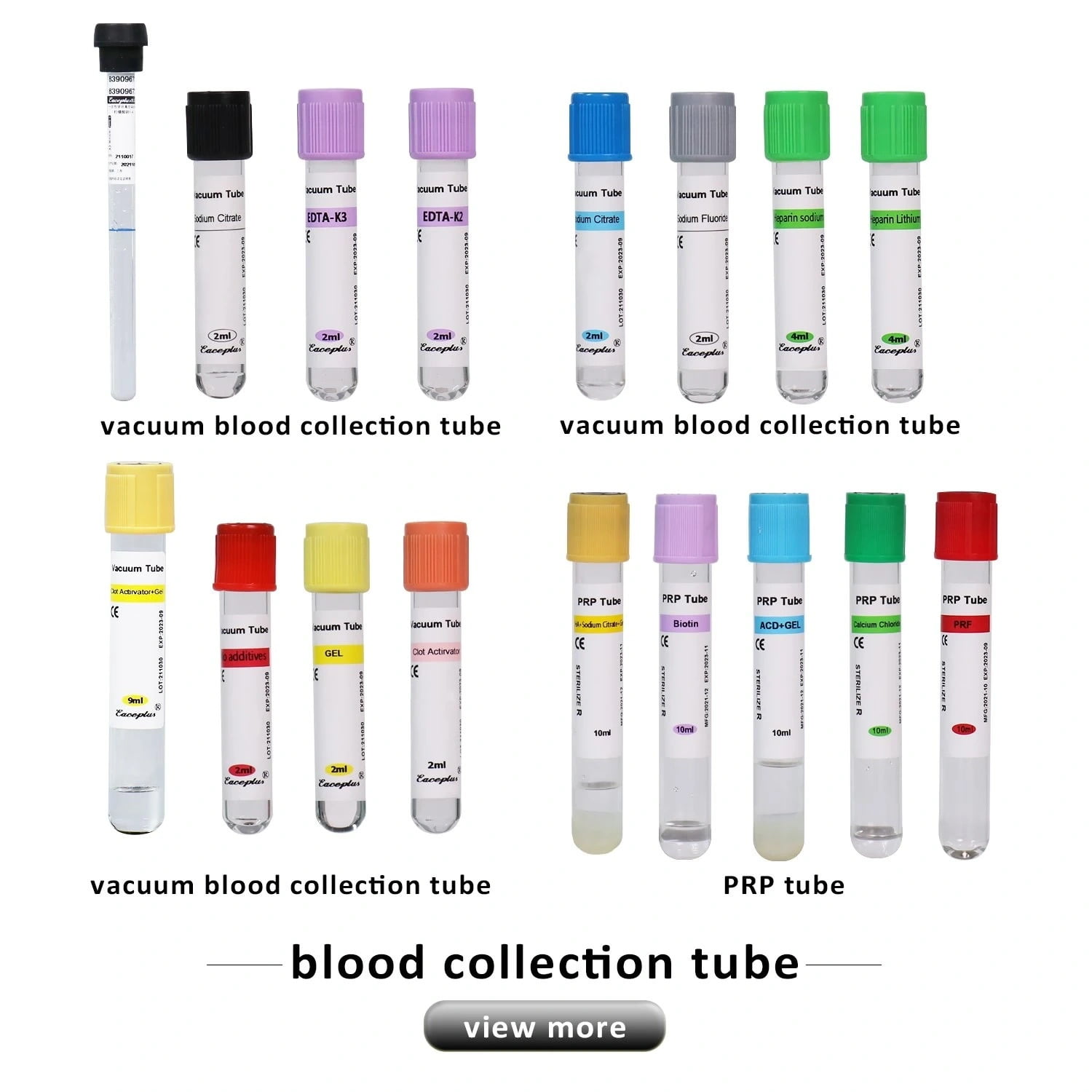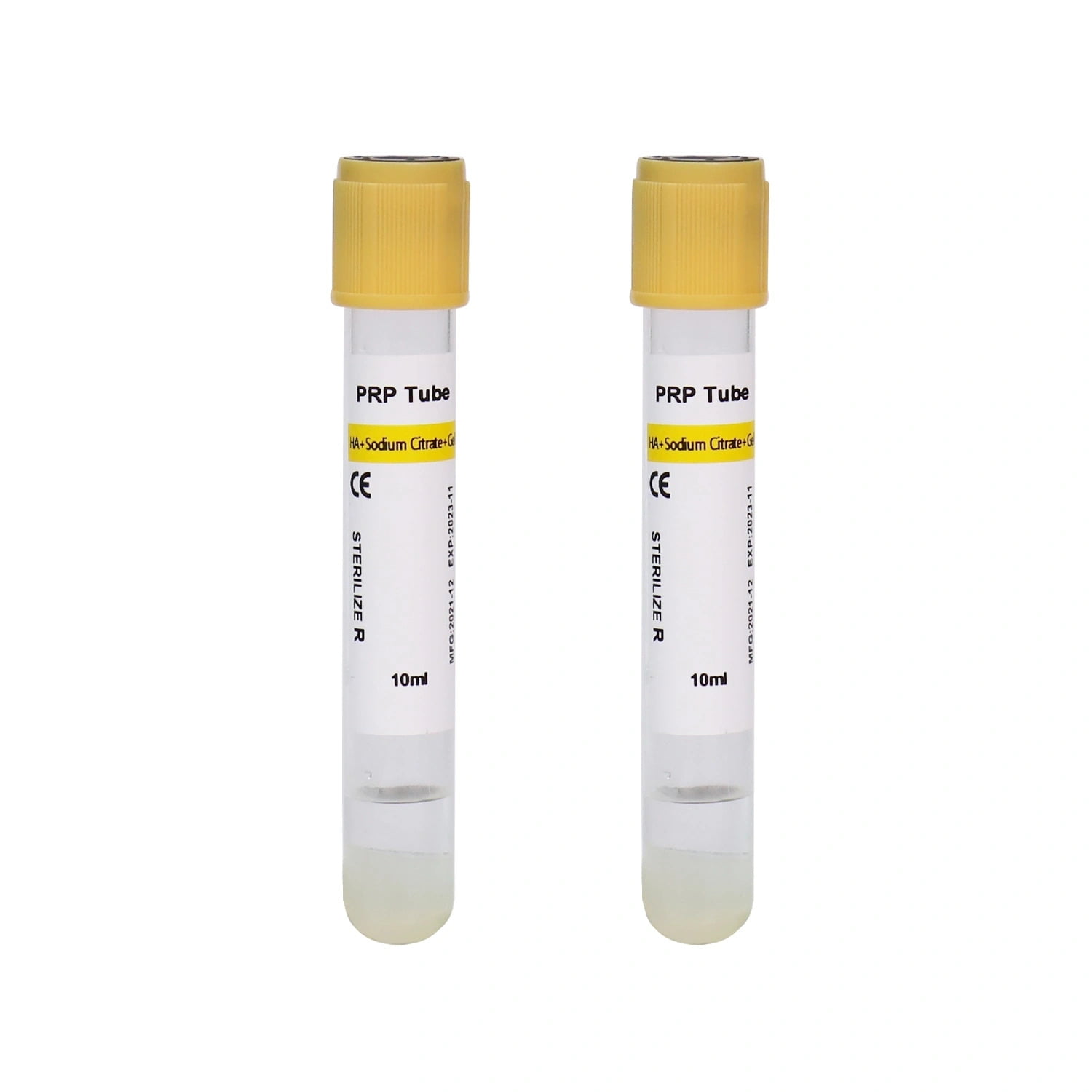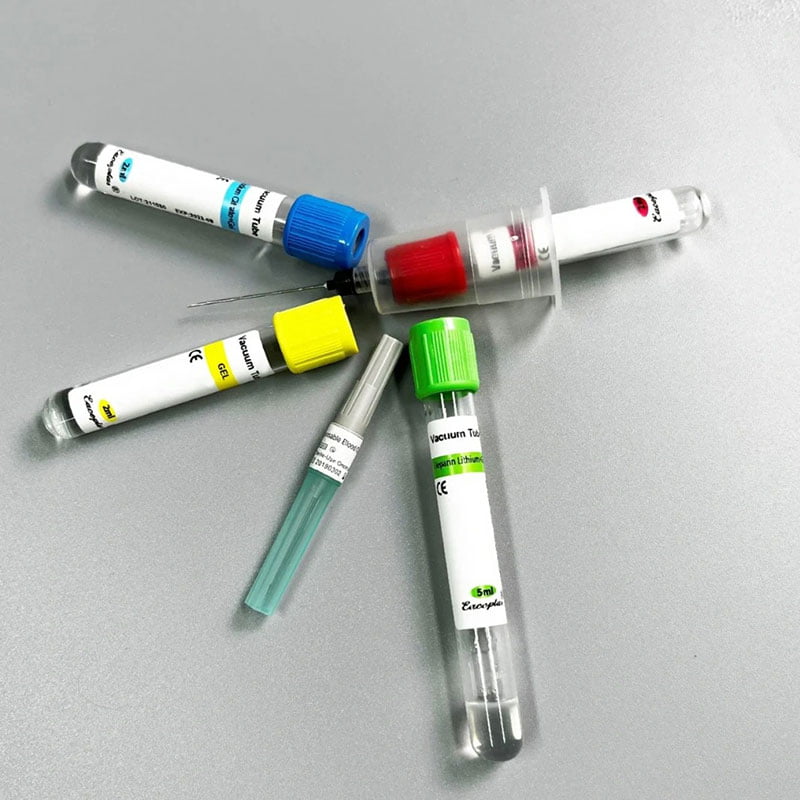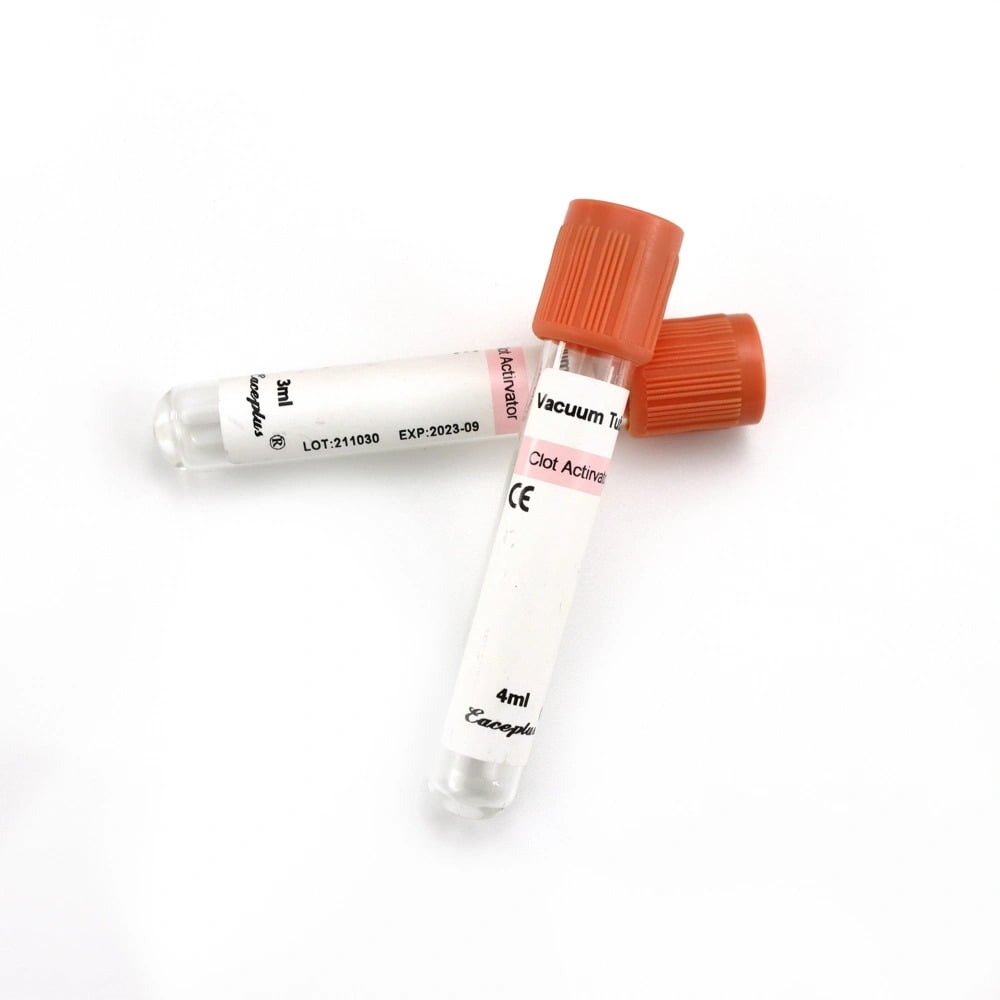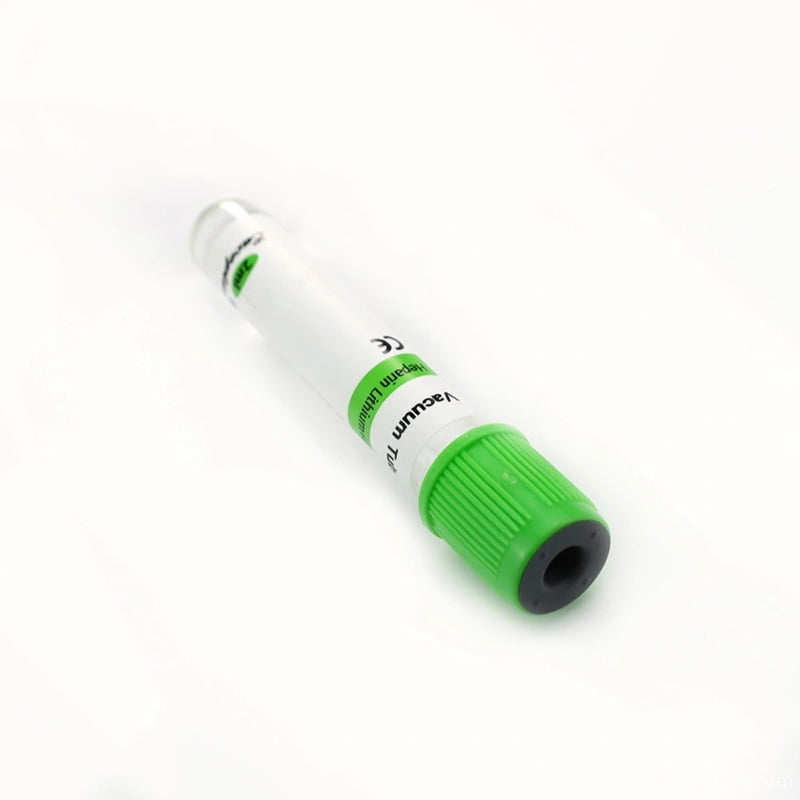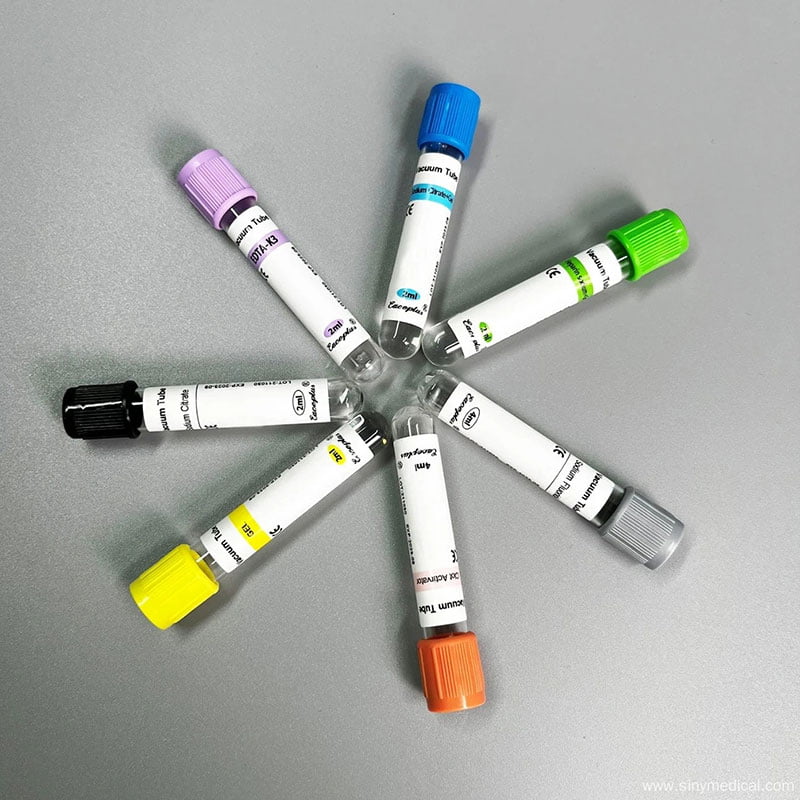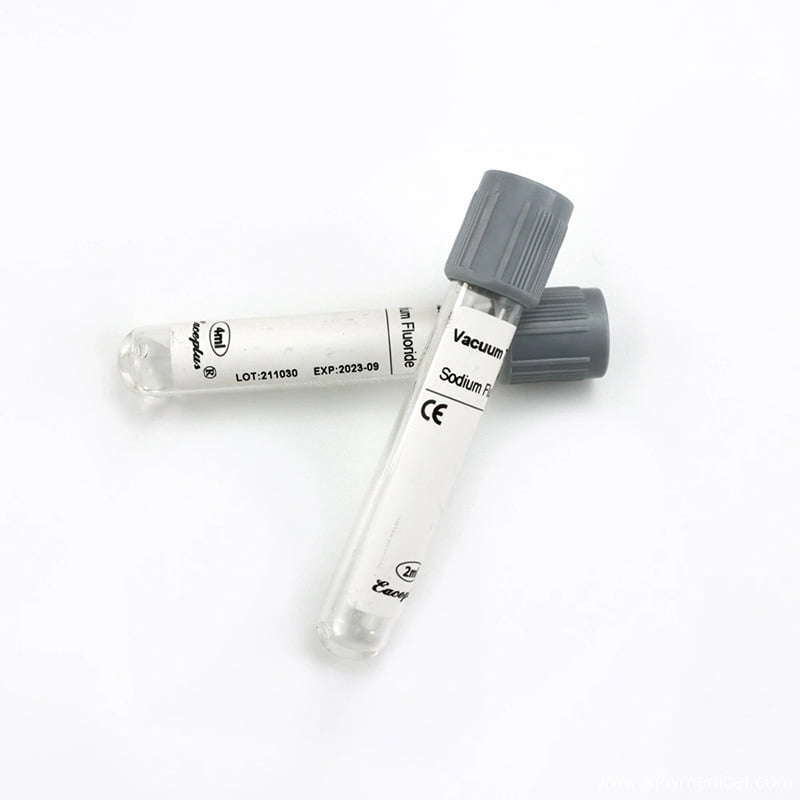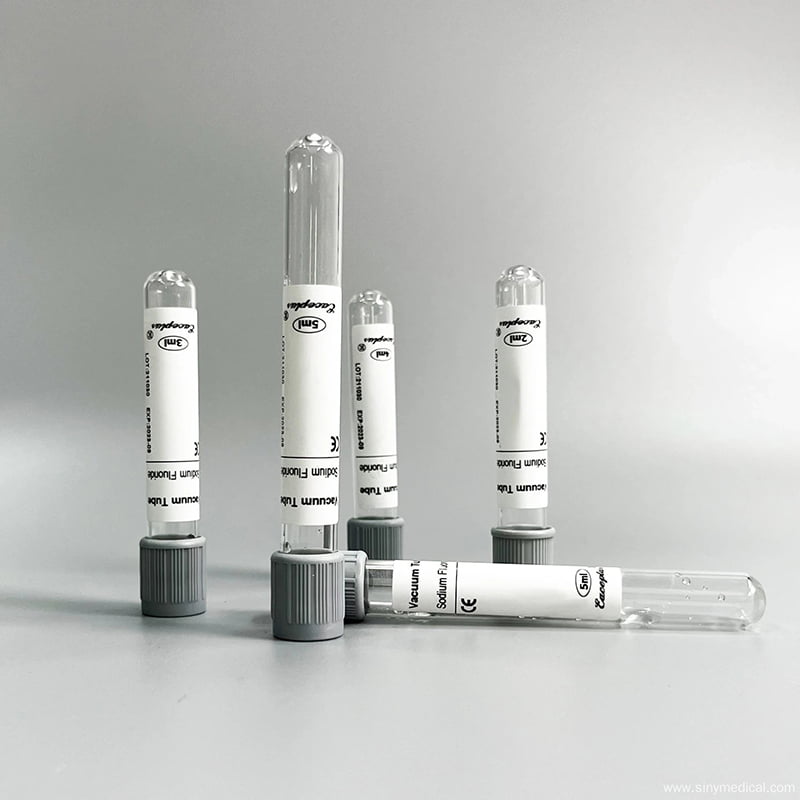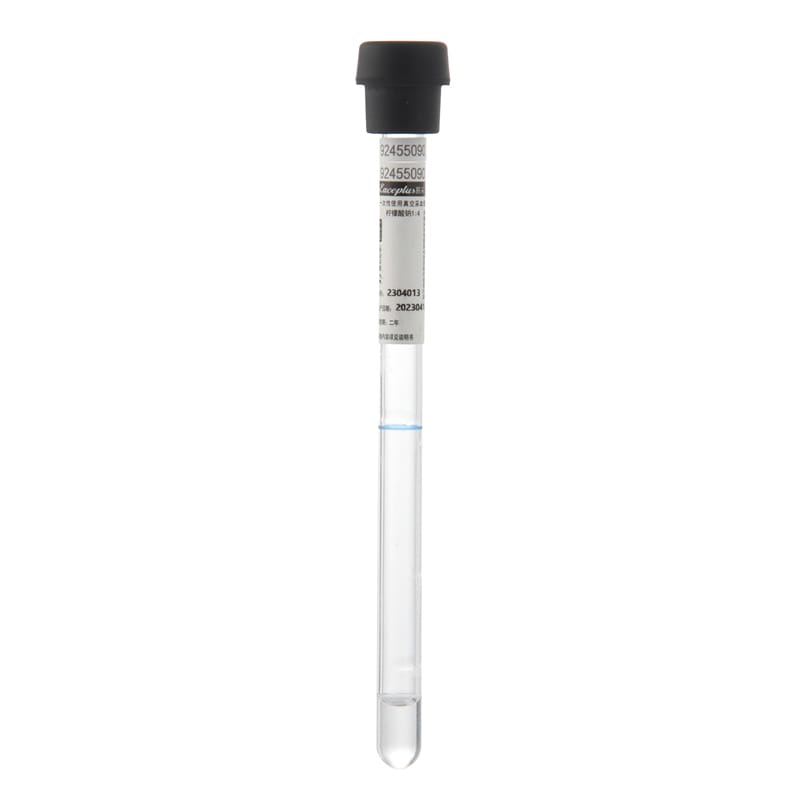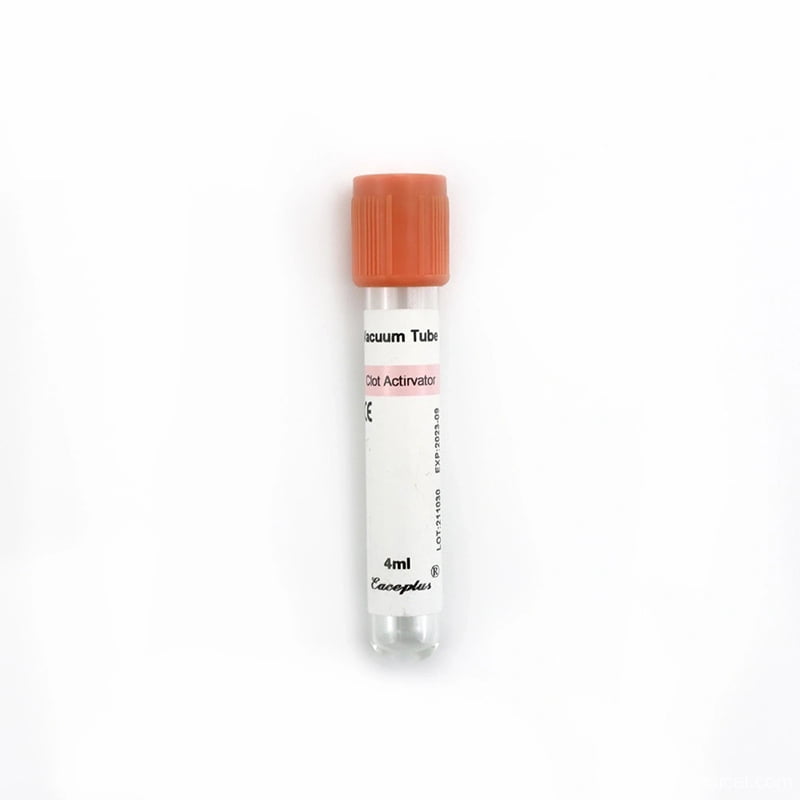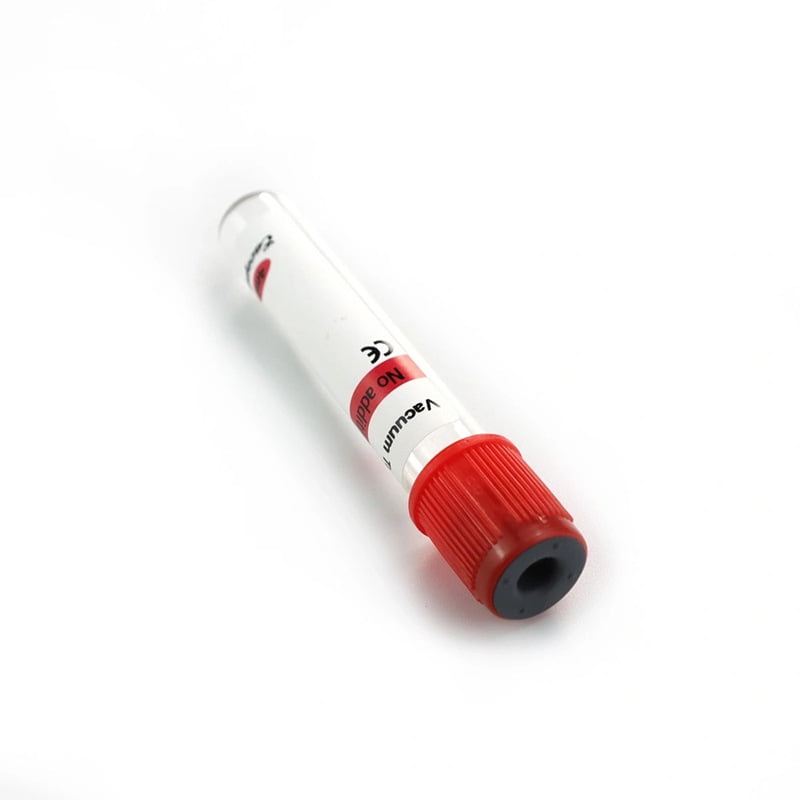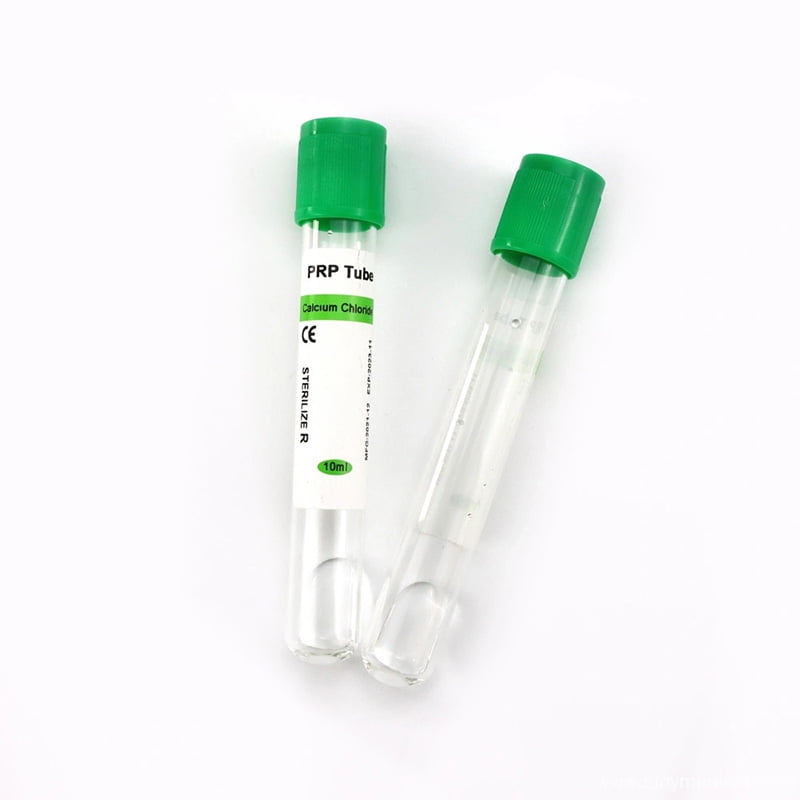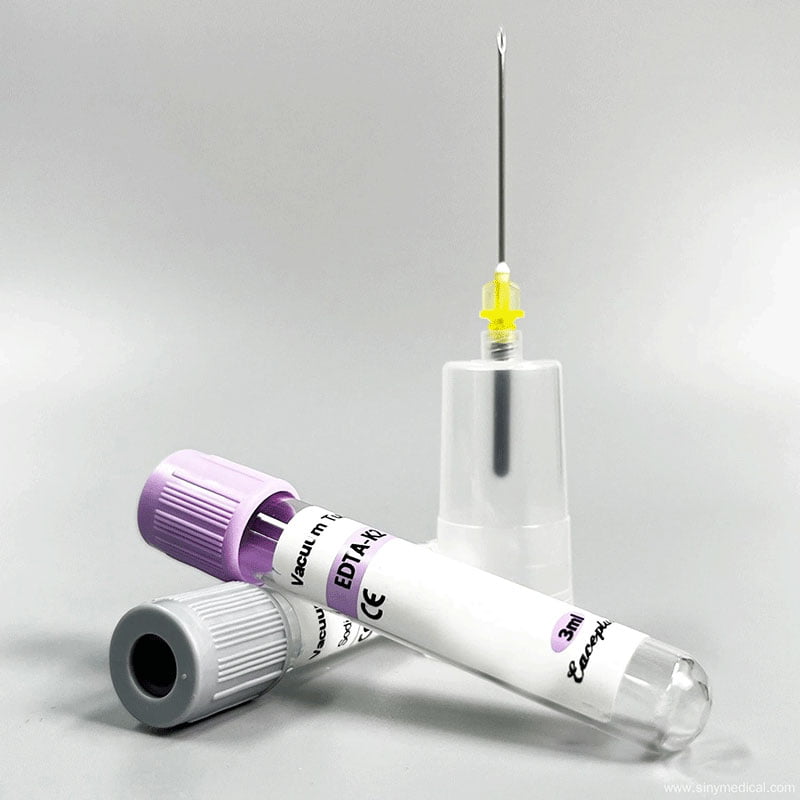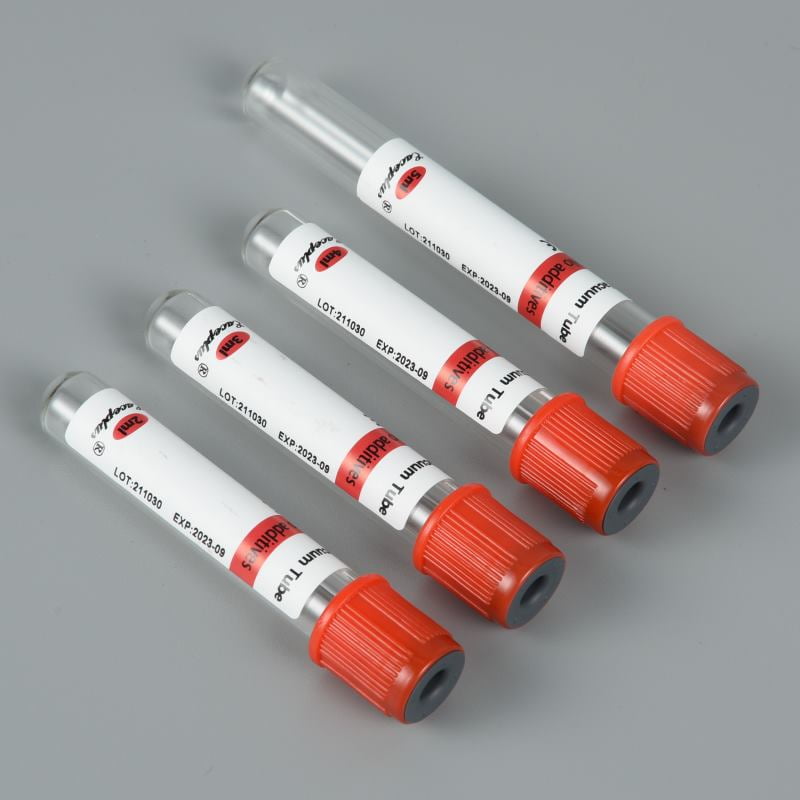
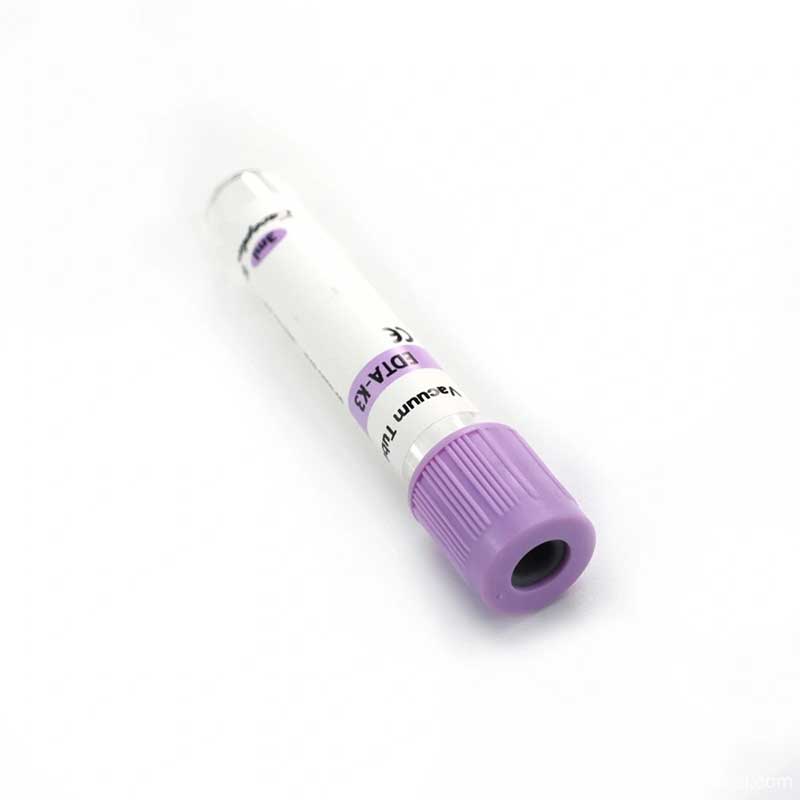

When clinical teams, laboratory procurement staff, or healthcare administrators search for “What are Specimen Containers,” they are seeking a clear understanding of the physical products used to safely hold, transport, and process biological specimens. Specimen containers, often referred to as sample containers, clinical specimen cups, biohazard collection tubes, or medical specimen jars, are critical consumables in hospitals, diagnostic labs, outpatient clinics, and research facilities. Manufacturers design these containers to securely hold a wide range of biological materials — including urine, blood, swabs, sputum, stool, and tissue — while preserving sample integrity from the point of collection to laboratory analysis.
High-quality specimen containers ensure that samples remain uncontaminated, correctly labeled, leak-proof, and compatible with downstream diagnostic procedures. With wide variation in container materials, sizes, closures, and labeling formats on the market, medical buyers often struggle to select the right products. Choosing the correct specimen container directly influences diagnostic accuracy, infection control, workflow efficiency, and regulatory compliance in clinical settings.
Table of Contents
What Are Specimen Containers?
At its core, a specimen container is any receptacle designed to hold biological material collected from a patient. The function of these containers is to maintain sample integrity, avoid contamination, and facilitate safe handling by clinicians and lab personnel. Specimen containers are manufactured in diverse formats to meet specific clinical needs:

Common Forms of Specimen Containers
- Specimen Cups & Jars: Wide-mouth containers typically used for urine, stool, or sputum.
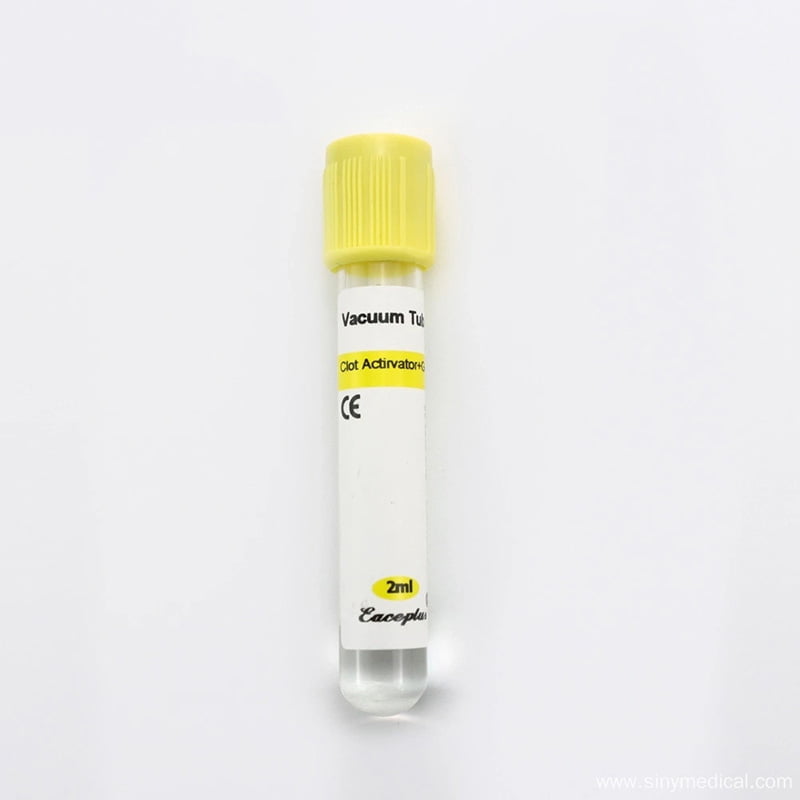
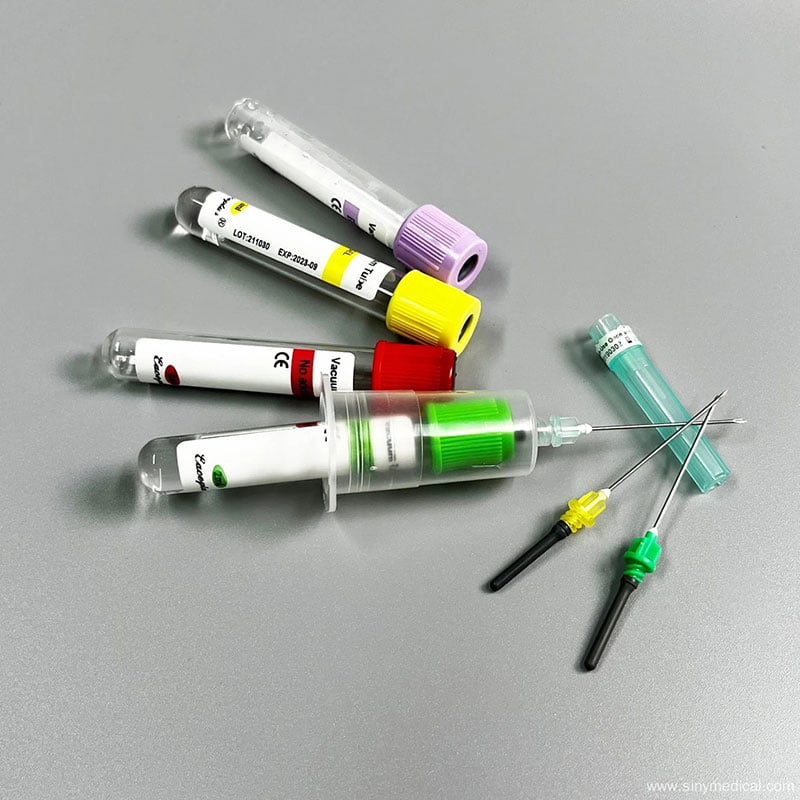
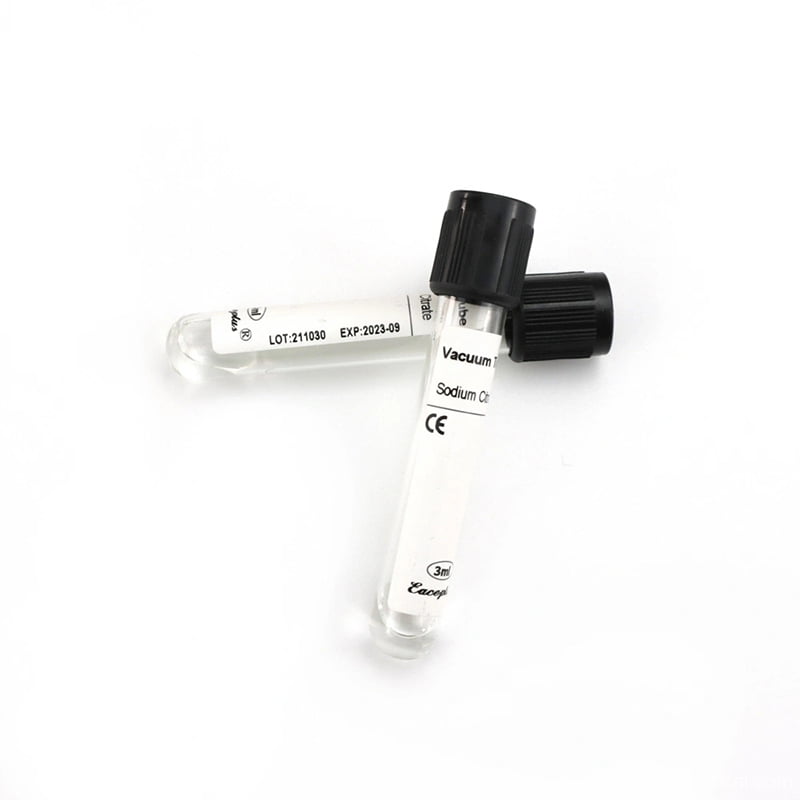
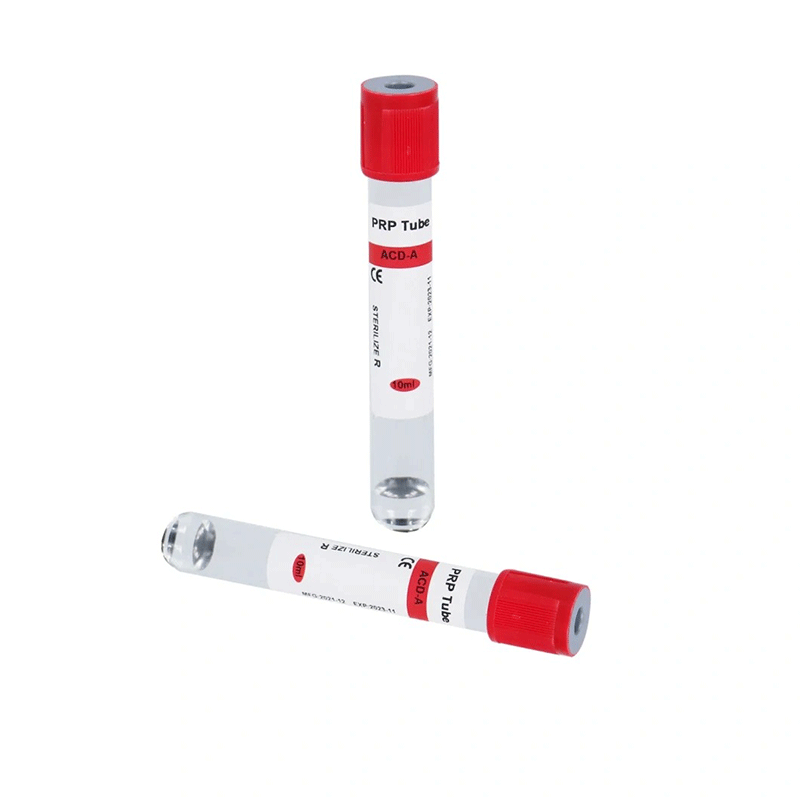
- Collection Tubes: Narrow tubes used for blood, CSF, or swab elutions. These may have screw caps, push-on caps, or flip-top closures.
- Swab Transport Containers: Tubes with built-in swabs for nasal, throat, wound, or genital specimens.
- Cryogenic Vials: Containers for ultra-low temperature storage of cells, serum, or other biological extracts.
Materials and Sterilization
Manufacturers typically produce specimen containers from medical-grade plastics like polypropylene (PP) or polyethylene (PE) because these materials offer chemical resistance, clarity, and safe interaction with biological fluids. For applications requiring chemical inertness and sample visibility, they sometimes use glass. They often sterilize these containers or supply them in sterile conditions to prevent contamination.
Closures and Seals
To prevent leaks and exposure risk, specimen containers use secure caps: threaded screw tops with gasket liners, snap-on lids with tamper evidence, or biohazard-grade sealing mechanisms. These features are especially important in high-volume clinical settings where spill prevention and infection control are paramount.
Understanding the basic components — container body, closure system, labeling surface, and material properties — is essential before evaluating clinical applications or making procurement decisions.
How Are Specimen Containers Used in Clinical Workflows?
Once you know what specimen containers are, the next step is understanding their role in clinical workflows. Medical specimen containers are fundamental to reliable diagnostics because they mediate every step from patient collection to laboratory processing:
Clinical Collection
The process begins at the point of care. Nurses, phlebotomists, or clinicians collect biological samples from patients — for instance, a urine sample in a specimen cup, or a blood draw into a specific tube. Proper container selection ensures the format matches the sample type and collection method, minimizing the risk of spillage or contamination.
Labeling and Documentation
After collecting the samples, clinicians must clearly label the containers with patient identifiers, date/time stamps, test requisitions, barcodes, and any special handling instructions. A good specimen container has a dedicated labeling surface or pre-printed data fields to support clear, durable documentation.
Transport and Storage
Samples then transition to the laboratory. Containers should be compatible with transport racks, coolers, and centrifuge buckets where appropriate. For time-sensitive assays (e.g., microbiological cultures), containers may need to maintain temperature control or include preservatives.
Laboratory Processing
In the lab, specimen containers are opened and processed for analysis — whether that is centrifugation, culture, immunoassays, cytology, or molecular testing. High-quality containers withstand handling without cracking, leaking, or introducing artifacts.
Selecting the right container for each step — collection, transport, and processing — supports sample integrity, diagnostic accuracy, and workflow efficiency.
Common Types of Specimen Containers
Different medical tests require different container designs. Below are the most commonly used specimen containers in hospitals, clinics, and laboratories.
Urine Specimen Containers
Clinicians and laboratories widely use urine specimen containers as essential diagnostic tools. These containers serve a critical role in medical testing by securely collecting and preserving samples for accurate analysis. They are typically wide-mouth, transparent, and fitted with a leak-proof screw cap.
These containers are essential for conducting routine urinalysis, performing pregnancy testing, screening for toxicology, and assessing kidney function. Many designs include graduated markings to measure sample volume accurately.
You can view standardized urine collection options at Urine Cup Collection.
Stool Specimen Containers
Stool specimen containers are designed to collect fecal samples safely and hygienically. Most include an integrated sampling spoon attached to the lid, which allows controlled sample transfer without direct contact.
These specimen containers are essential for gastrointestinal diagnostics, parasite detection, occult blood tests, and microbiological culture. Their secure seals help prevent odor leakage and contamination.
Explore available options at Stool Cup Collection or browse specific products such as the
Medical Stool Specimen Collection Cup.
Sputum Specimen Containers
Respiratory medicine and infectious disease departments commonly use sputum specimen containers. They feature a wide opening and sturdy structure to safely collect mucus from the lower respiratory tract.
These containers are often used for tuberculosis testing, bacterial culture, and cytology analysis. Clear walls allow visual inspection of sample quality before processing.
Learn more at Sputum Cup Products or view the
Disposable Medical Sputum Cup.
Other Specialized Specimen Containers
Beyond cups, laboratories also use blood collection tubes, swab transport containers, and cryogenic vials. Manufacturers design these for specific temperature requirements, preservatives, or testing protocols.
A complete overview of specimen cup categories is available at
Specimen Cup Product Category.
Regulatory Standards and Safety Considerations
Specimen containers must comply with international and regional medical standards. In many markets, this includes ISO certification and adherence to medical device regulations.
Proper specimen handling also aligns with infection control guidelines similar to those discussed in healthcare safety topics such as medical adhesive use and containment practices.
How to Choose the Right Specimen Containers
Selecting specimen containers should never be based on price alone. Key considerations include:
Material quality and chemical resistance
Leak-proof sealing performance
Sterility requirements
Labeling compatibility
Supplier documentation and consistency
A reliable supplier ensures batch consistency, regulatory compliance, and dependable delivery. This is especially important for high-volume laboratories.
Medical buyers can also review supplier credentials and manufacturing capabilities through platforms like
Siny Medical on Made-in-China or follow educational updates via Siny Medical’s YouTube channel.
Summary
Healthcare professionals must understand what specimen containers are for effective diagnostics. These containers protect biological samples, ensure accurate test results, and safeguard healthcare workers throughout the diagnostic process.
From urine and stool cups to sputum containers, each design serves a specific clinical purpose. Choosing high-quality specimen containers—and a reliable supplier—supports diagnostic accuracy, regulatory compliance, and better patient outcomes.
To explore clinically tested specimen containers and learn more about available options, visit Siny Medical or review their complete specimen cup collection today.
FAQs
What are specimen containers used for in hospitals?
Specimen containers safely collect, store, and transport biological samples for diagnostic testing while maintaining sample integrity and safety.
Are all specimen containers sterile?
Specimen containers are sterile. Healthcare professionals require sterile specimen containers for microbiology and culture testing, while they may use non-sterile options for routine analysis.
What materials are specimen containers made from?
Medical-grade polypropylene or polyethylene make most specimen containers, ensuring chemical resistance and durability.
Can one specimen container be used for all sample types?
No. Different tests require specific specimen containers designed for urine, stool, sputum, blood, or tissue samples.
How do specimen containers prevent contamination?
Specimen containers use secure screw caps, tamper-evident seals, and sterile materials to minimize contamination and leakage.