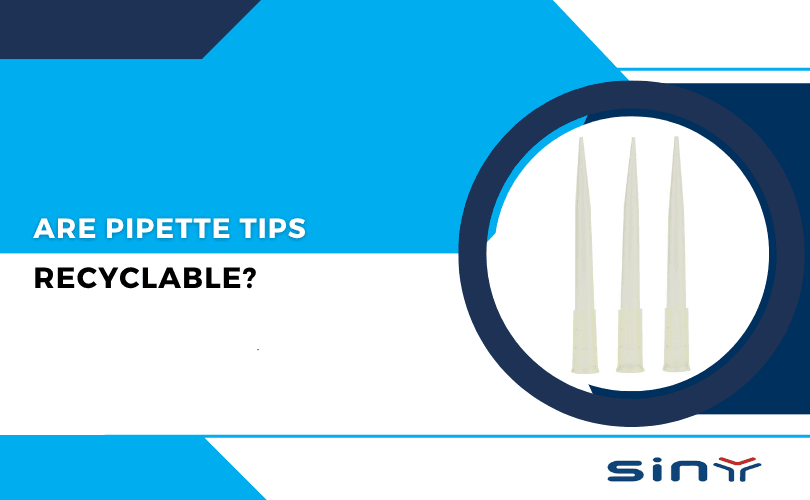
When it comes to modern laboratory work, contamination control is no longer optional—it is essential. This is exactly where filtered pipette tips come into play. If you’re wondering what are filtered pipette tips used for, the short answer is simple: they are designed to protect both your samples and your equipment from contamination during liquid handling.
But in real laboratory settings, their role goes far beyond that. From PCR workflows to cell culture applications, filtered tips have become a standard requirement in many environments. For distributors and procurement teams, understanding their actual value is key to choosing the right supplier and product line.
Table of Contents
- 1 What Are Filtered Pipette Tips and How Do They Work?
- 2 What Are Filtered Pipette Tips Used For in Real Applications?
- 3 Filtered vs Non-Filtered Pipette Tips: What’s the Real Difference?
- 4 How to Choose the Right Filtered Pipette Tips for Your Lab or Market
- 5 Why Filtered Pipette Tips Matter More Than Ever
- 6 FAQ About Filtered Pipette Tips
- 7 Summary
What Are Filtered Pipette Tips and How Do They Work?
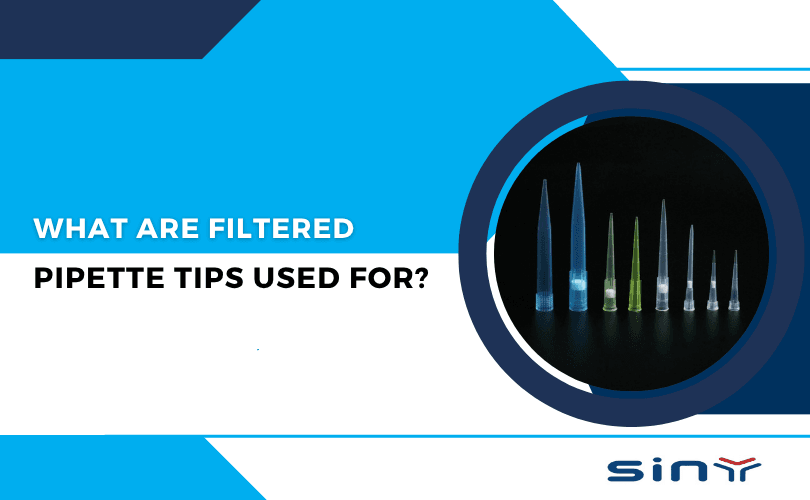
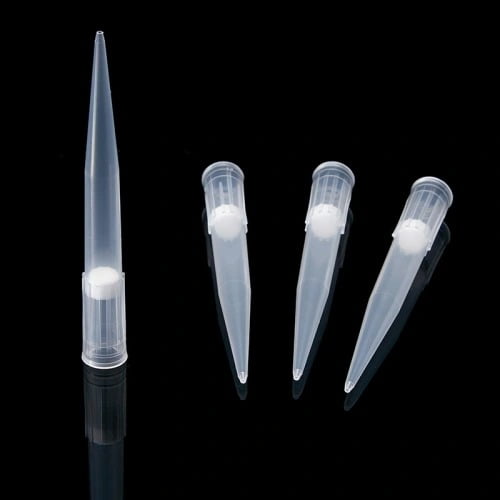
Filtered pipette tips—also known as aerosol barrier tips—are standard pipette tips equipped with a small internal filter, typically made of hydrophobic polyethylene.
This filter acts as a physical barrier that prevents:
- Aerosols from entering the pipette shaft
- Liquid contamination from reaching internal components
- Cross-sample contamination between experiments
In practice, when liquid is aspirated, microscopic droplets or aerosols can travel upward. Without a filter, these contaminants may enter the pipette body and later affect subsequent samples.
This is why laboratories working with sensitive assays rarely rely on standard tips anymore.

What Are Filtered Pipette Tips Used For in Real Applications?
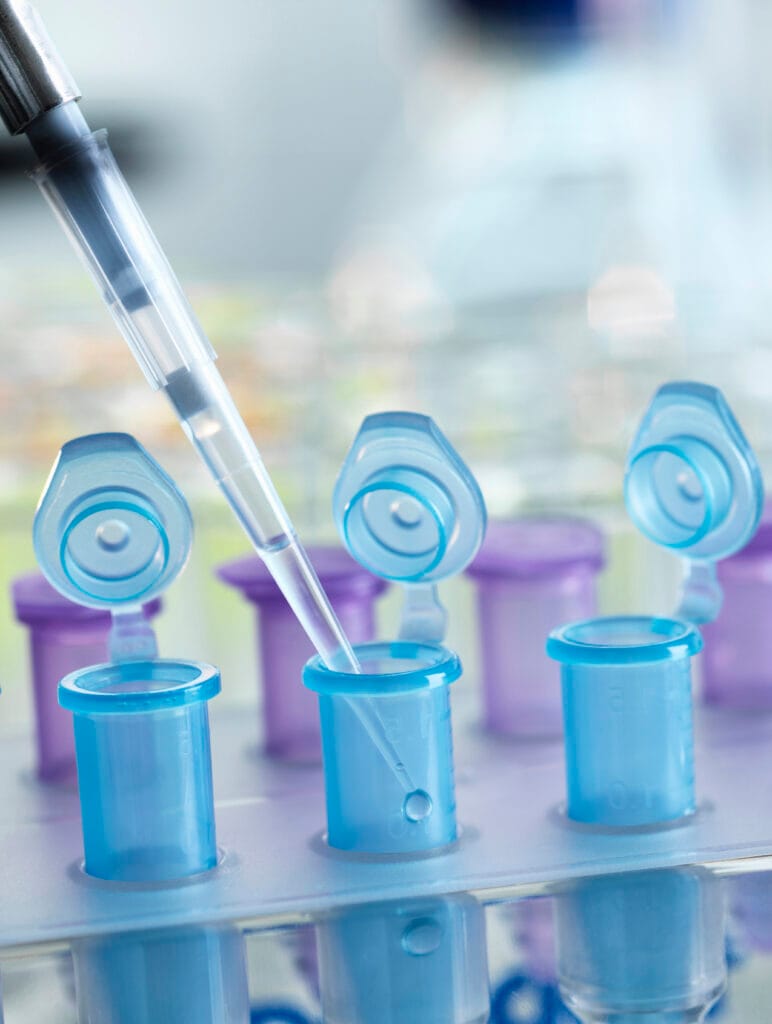
Understanding what filtered pipette tips are used for becomes clearer when we look at real laboratory scenarios.
1. PCR and Molecular Biology Applications
In PCR workflows, even trace contamination can lead to false-positive results. Filter tips prevent amplified DNA aerosols from contaminating future reactions.
2. Cell Culture and Sterile Work
When handling cells, sterility is critical. Filtered tips help maintain aseptic conditions by blocking airborne contaminants.
3. Clinical and Diagnostic Testing
In clinical labs, especially when working with blood or infectious samples, contamination control directly impacts result accuracy and safety.
4. Handling Hazardous or Viscous Samples
Filtered tip also reduce the risk of pipette contamination when working with:
- Proteins
- Enzymes
- Viscous reagents
In high-stakes environments, switching to filtered tips is not just a preference—it’s a risk management decision.
At this stage, many laboratories also start evaluating suppliers that can ensure consistent filter integrity and sterility standards. If you’re sourcing in volume, it’s worth reviewing Siny Medical’s product range or contacting the team for technical specifications.
Filtered vs Non-Filtered Pipette Tips: What’s the Real Difference?
While both types may look similar externally, the functional difference is significant.
Standard pipette tips:
- No internal barrier.
- Lower cost.
- Suitable for non-sensitive applications.

Filtered pipette tip:
- Built-in contamination barrier.
- Reduce aerosol carryover.
- Protect pipettes and samples.
The biggest hidden cost with non-filtered tips is contamination risk. A single compromised experiment can cost far more than the price difference between tip types.
How to Choose the Right Filtered Pipette Tips for Your Lab or Market
Not all filtered tips are created equal, and this is where many buyers face challenges.
Key factors to consider:
1. Filter Quality
High-quality filters should:
- Be hydrophobic.
- Maintain airflow without blocking pipetting accuracy.
- Prevent liquid penetration.
2. Sterility and Certification
Look for:
- DNase/RNase free.
- Pyrogen-free.
- Sterile packaging options.
3. Compatibility
Ensure compatibility with major pipette brands
4. Manufacturing Consistency
Uniform molding and tight tolerances are critical for sealing performance.
In large-scale procurement, consistency across batches matters more than initial pricing. Many distributors choose to work directly with manufacturers who can provide stable production standards and documentation support.
If you’re comparing suppliers, exploring Siny Medical’s filtered pipette tips portfolio or reaching out for samples can help you evaluate real performance before committing to bulk orders.
Why Filtered Pipette Tips Matter More Than Ever
Laboratory workflows today are increasingly sensitive, regulated, and data-driven. Whether it’s research reproducibility or clinical diagnostics, the margin for error is shrinking.
Filtered pipette tip are no longer just an upgrade—they are becoming a baseline requirement in:
- Molecular diagnostics
- Pharmaceutical R&D
- Academic research labs
As labs scale up testing volumes, even minor contamination risks can translate into significant operational losses.
Choosing the right tip is not just about functionality—it’s about reliability, compliance, and long-term cost control.
FAQ About Filtered Pipette Tips
1. Are filtered pipette tips necessary for all applications?
No, but they are strongly recommended for sensitive applications such as PCR, cell culture, and clinical diagnostics.
2. Do filtered pipette tips affect pipetting accuracy?
High-quality filtered tips are designed to maintain airflow, so they should not significantly affect accuracy when properly manufactured.
3. Can filtered pipette tips prevent all contamination?
They greatly reduce contamination risk, especially aerosol-based contamination, but proper lab technique is still essential.
4. Are filtered tips reusable?
No. Filtered pipette tip are typically designed for single use to ensure sterility and performance.
5. Why are filtered pipette tips more expensive?
The added cost comes from:
- Integrated filter material
- Additional manufacturing steps
- Sterilization processes
However, they often save costs by preventing failed experiments.
Summary
So, what are filtered pipette tips used for? At their core, they are a simple yet highly effective solution for one of the biggest challenges in laboratory work—contamination.
For laboratories, they improve reliability. For distributors, they represent a growing demand category driven by stricter standards and advanced applications.
If you’re evaluating suppliers or expanding your product line, focusing on consistent quality, certification, and manufacturing capability will make all the difference. And if needed, you can always connect with Siny Medical to explore suitable options tailored to your market.