In modern healthcare, speed and accuracy can make the difference between timely treatment and serious complications. One of the most critical tools supporting rapid clinical decision-making is Blood Gas Syringes. These specialized syringes play a vital role in measuring arterial blood gases (ABG), helping clinicians assess a patient’s oxygenation, ventilation, and acid–base balance within minutes.
Whether you are a medical student, healthcare professional, hospital buyer, or simply someone trying to understand diagnostic tools better, this in-depth guide explains what arterial blood gas syringes are, how they work, why they matter, and how to choose the right option. Along the way, you will also find useful resources and product references from trusted manufacturers such as Siny Medical, whose official website is available.
Table of Contents
- 1 Blood Gas Syringes and Their Role in Healthcare
- 2 What Makes Arterial Blood Gas Syringes Different from Regular Syringes?
- 3 Why Accurate Blood Gas Analysis Matters
- 4 Applications of Blood Gas Syringes
- 5 Types of Blood Gas Syringes Used in Clinical Practice
- 6 How to Use Blood Gas Syringes Correctly
- 7 The Growing Global Demand for Blood Gas Syringes
- 8 Choosing the Right Blood Gas Syringes for Your Facility
- 9 Product Examples Related to Syringe Technology
- 10 Summary
- 11 FAQs
Blood Gas Syringes and Their Role in Healthcare
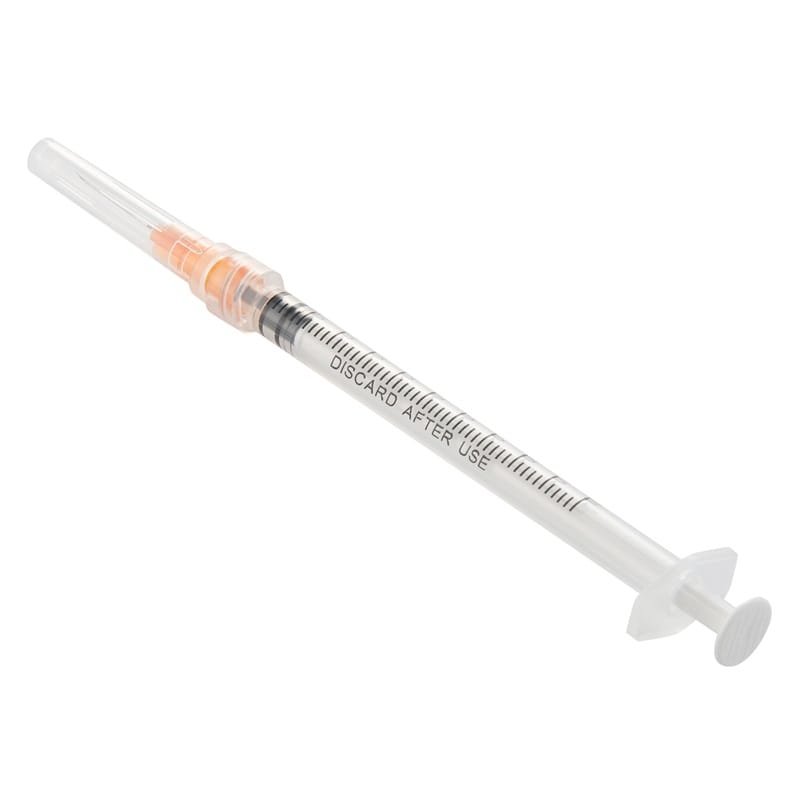
Blood Gas Syringes are specially designed devices used to collect arterial blood samples for blood gas analysis. Unlike standard syringes, these syringes are engineered to preserve the integrity of the sample by preventing air contamination, clot formation, and chemical changes before analysis.
Doctors rely on arterial blood gas testing to evaluate key parameters such as:
- Oxygen levels (PaO₂)
- Carbon dioxide levels (PaCO₂)
- Blood pH
- Bicarbonate (HCO₃⁻)
- Oxygen saturation
These values help clinicians manage patients with respiratory diseases, cardiac conditions, trauma, sepsis, and metabolic disorders. According to clinical research published in respiratory medicine journals, ABG testing remains one of the most reliable methods for assessing critically ill patients in emergency and intensive care settings.
The design of Blood Gas Syringes directly supports this accuracy. Most come pre-heparinized, meaning they contain a small amount of anticoagulant to prevent clotting while maintaining the chemical balance of the sample.
What Makes Arterial Blood Gas Syringes Different from Regular Syringes?
At first glance, a blood gas syringe may look similar to a standard medical syringe. However, several critical differences exist.
Regular syringes, such as those commonly used for injections, are not designed to preserve gas values. Even small amounts of air entering the syringe can significantly alter oxygen and carbon dioxide readings. Blood Gas Syringes solve this problem through airtight construction, low dead space, and specialized plungers that reduce air bubbles.
Many arterial syringes are also designed for single use and come with safety features. Manufacturers like Siny Medical, known for a wide range of syringe solutions, focus on precision engineering to support clinical accuracy.
A deeper understanding of syringe design can also be found in authoritative sources such as the Wikipedia article on syringes, which explains the evolution and function of modern syringe technology.
Why Accurate Blood Gas Analysis Matters
The clinical importance of Blood Gas Syringes cannot be overstated. In emergency rooms, intensive care units, and operating theaters, decisions often need to be made within minutes. A distorted blood gas result can lead to incorrect treatment.

For example, in patients with chronic obstructive pulmonary disease (COPD), arterial blood gas results guide oxygen therapy. Too much oxygen can worsen carbon dioxide retention, while too little can lead to hypoxia. Accurate samples collected using high-quality Blood Gas Syringes help clinicians strike the right balance.
Studies published in critical care medicine indicate that pre-analytical errors, including improper sample collection, account for a significant percentage of inaccurate ABG results. Using purpose-built blood gas syringes significantly reduces these risks.
Applications of Blood Gas Syringes
Blood gas syringes are primarily used to measure oxygen (O2), carbon dioxide (CO2), and pH levels in arterial blood. These measurements provide critical insights into a patient’s respiratory and metabolic health. Common applications include:
- Monitoring Respiratory Conditions: ABG tests help diagnose and manage conditions like chronic obstructive pulmonary disease (COPD), asthma, and pneumonia.
- Assessing Metabolic Disorders: Blood gas analysis can detect metabolic acidosis or alkalosis, which are often linked to kidney or liver dysfunction.
- Emergency Medicine: ABG syringes are essential in emergencies to evaluate oxygen levels and acid-base balance in critically ill patients.
- Post-Surgical Monitoring: After major surgeries, ABG tests ensure patients maintain stable respiratory and metabolic functions.
Types of Blood Gas Syringes Used in Clinical Practice
Healthcare professionals use different types of Blood Gas Syringes depending on the clinical setting and patient needs.
Most commonly, pre-heparinized arterial syringes are used for ABG collection. These are ready to use and eliminate the need for manual heparin preparation. Some facilities prefer dry lithium heparin syringes because they reduce dilution effects. In neonatal care, smaller volume syringes are often chosen to minimize blood loss.
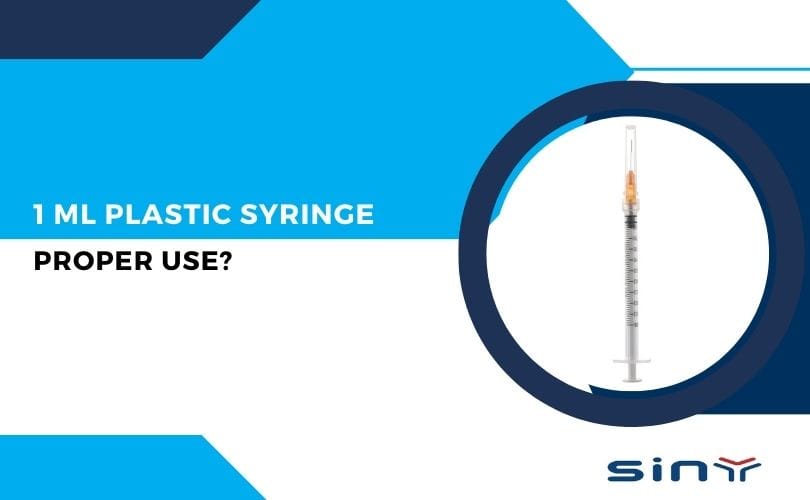
While blood gas syringes are highly specialized, they are part of a broader ecosystem of syringe-based devices. For instance, facilities that use disposable safety syringes benefit from reduced infection risks. Similarly, vaccination programs rely on products such as disposable vaccine syringes for consistent dosing and hygiene. Insulin-dependent patients depend on precision tools like disposable insulin syringes for daily management.
Together, these devices highlight how syringe technology supports every level of healthcare delivery.
How to Use Blood Gas Syringes Correctly
Correct technique is just as important as syringe quality. Even the best Blood Gas Syringes cannot compensate for poor handling.
The clinician must expel all air from the syringe before puncture. Blood should be drawn gently to avoid frothing, which can introduce air bubbles. Once collected, the sample should be capped immediately and gently mixed to distribute the heparin evenly. Many guidelines recommend analyzing the sample within 10–15 minutes, especially if it is not stored on ice.
Educational resources, including professional training videos, help clinicians improve technique. Siny Medical’s official YouTube channel offers insights into medical device usage and manufacturing, supporting better understanding among professionals and buyers.
The Growing Global Demand for Blood Gas Syringes
The global market for Blood Gas Syringes continues to grow. Rising rates of respiratory disease, aging populations, and expanding access to emergency care have increased the demand for reliable diagnostic tools.
According to international healthcare market reports, the blood gas analyzer and consumables market is projected to grow steadily over the next decade. A significant portion of this growth is attributed to increased testing in intensive care units and emergency departments worldwide.
China has become one of the leading manufacturing hubs for medical consumables, including syringes. Platforms such as showcase Chinese manufacturers offering globally compliant products to hospitals, distributors, and healthcare procurement agencies.
Choosing the Right Blood Gas Syringes for Your Facility
Hospitals and clinics should consider several factors when selecting Blood Gas Syringes. Product certification is essential. Look for manufacturers that comply with ISO standards and international regulatory requirements. Consistency in production quality is equally important, as even minor defects can affect clinical outcomes.
Supply reliability also matters. Working with established manufacturers such as Siny Medical allows healthcare buyers to access a broad range of syringe products from a single trusted source. Their contact page provides a direct channel for inquiries, bulk orders, and technical questions.
Healthcare facilities that source syringes strategically often report improved workflow efficiency, reduced wastage, and better patient outcomes.
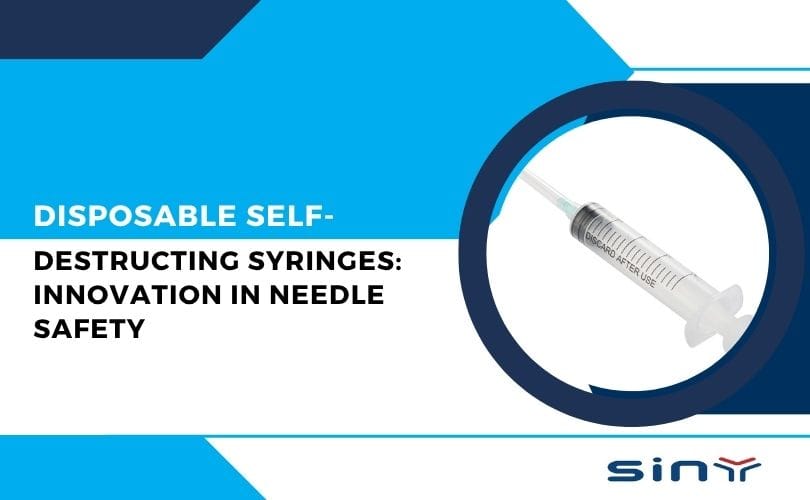
Although arterial blood gas syringes are specialized, understanding other syringe products helps contextualize their importance. For instance, self-destructing syringes such as the 5ml disposable self-destructing syringe (https://www.sinymedical.com/product/5ml-disposable-self-destructing-syringe/) are designed to prevent reuse, improving public health safety.
Similarly, precision products like the insulin syringe 1ml disposable medical sterile (https://www.sinymedical.com/product/insulin-syringe-1ml-disposable-medical-sterile/) demonstrate how careful engineering supports accurate dosing. These same design principles are applied when developing high-quality Blood Gas Syringes.
Summary
Blood Gas Syringes are indispensable tools in today’s healthcare systems. Their specialized design ensures accurate arterial blood gas analysis, supporting fast and informed clinical decisions. From emergency rooms to intensive care units, these syringes contribute directly to better patient outcomes. By choosing high-quality products from reliable manufacturers and using proper collection techniques, healthcare providers can maximize the diagnostic value of every sample.
FAQs
What are Blood Gas Syringes used for in hospitals?
Blood Gas Syringes are used to collect arterial blood samples for analyzing oxygen, carbon dioxide, and pH levels, helping doctors assess respiratory and metabolic conditions accurately.
Are Blood Gas Syringes different from normal syringes?
Yes, Blood Gas Syringes are specifically designed to prevent air contamination and clotting, ensuring that blood gas results remain accurate for clinical diagnosis.
Why is heparin important in Blood Gas Syringes?
Heparin in Blood Gas Syringes acts as an anticoagulant, preventing clot formation without significantly altering the chemical properties of the blood sample.
Can Blood Gas Syringes be used for venous blood collection?
While technically possible, Blood Gas Syringes are optimized for arterial sampling, and using them for venous collection is generally unnecessary and less cost-effective.
How should Blood Gas Syringes be stored before use?
Blood Gas Syringes should be stored in a clean, dry environment at recommended temperatures to maintain sterility and ensure the heparin coating remains effective.