
In modern healthcare, accurate diagnosis often begins long before a doctor reviews test results. It starts at the moment a biological sample is collected. Specimen containers play a crucial role in this process, ensuring samples remain uncontaminated, properly preserved, and clearly identified from collection to laboratory analysis. Without the right container, even the most advanced laboratory equipment cannot guarantee reliable results.
At Siny Medical, specimen collection solutions are designed to meet strict medical standards while remaining practical for hospitals, clinics, laboratories, and home testing environments. This in-depth guide explores the different types of specimen containers and their uses, explains why choosing the correct container matters, and helps healthcare professionals and distributors make informed decisions.
Table of Contents
Why Specimen Containers Matter in Healthcare
Specimen containers may appear simple, but they directly impact diagnostic accuracy. According to laboratory quality studies published in clinical journals, pre-analytical errors account for nearly 60–70% of all laboratory mistakes, and improper specimen collection is one of the leading causes. The correct specimen container minimizes risks such as leakage, contamination, evaporation, and mislabeling.
Well-designed specimen containers also improve patient compliance. A container that is easy to open, close, and handle reduces collection errors, especially for elderly or home-based patients. This is why medical suppliers increasingly focus on ergonomics, clear volume markings, and secure lids.
To understand the fundamentals in more detail, you can explore what are specimen containers and how they are used across healthcare settings.
Types of Specimen Containers
Urine Specimen Cups
Healthcare providers commonly use urine specimen cups in medical settings. These cups collect urine samples for diagnostic tests like urinalysis or pregnancy tests. Manufacturers typically make them from transparent plastic, enabling healthcare providers to visually inspect the sample.
Key Features:
- Wide opening for easy collection
- Leak-proof lids to prevent spills
- Graduated markings for volume measurement
Uses:
- Routine urinalysis
- Drug testing
- Pregnancy tests
For high-quality urine specimen cups, check out Siny Medical’s urine cup collection.
Stool Specimen Containers
Stool specimen containers are used to collect fecal samples for testing, such as detecting parasites, bacteria, or blood in the stool. These containers often include a built-in scoop or spatula to ensure hygienic sampling.
Key Features:
- Tight-sealing lids to prevent contamination
- Built-in scoops for easy collection
- Opaque design for patient privacy
Uses:
- Gastrointestinal infection testing
- Colorectal cancer screening
- Parasite detection
Explore Siny Medical’s range of stool specimen containers for reliable and hygienic options.
Sputum Specimen Cups
Designers create sputum specimen cups to collect mucus from the respiratory tract. Healthcare professionals often use these cups to diagnose lung infections or tuberculosis. Manufacturers typically make these cups from durable plastic and equip them with secure lids to prevent leaks.
Key Features:
- Wide mouth for easy sputum collection
- Leak-proof design for safe transport
- Transparent material for visual inspection
Uses:
- Tuberculosis testing
- Respiratory infection diagnosis
- Lung cancer screening
Find high-quality sputum cups at Siny Medical’s sputum cup collection.
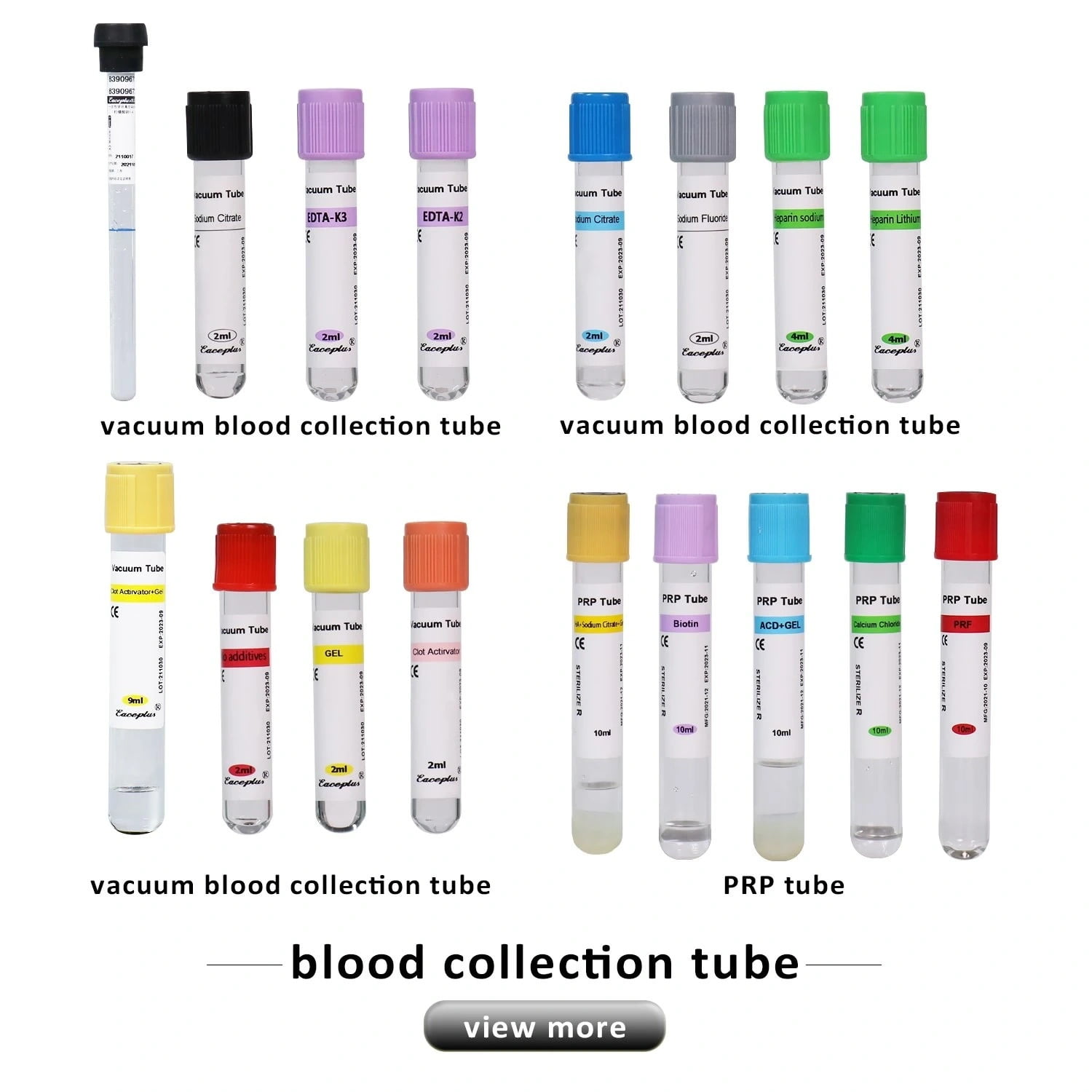
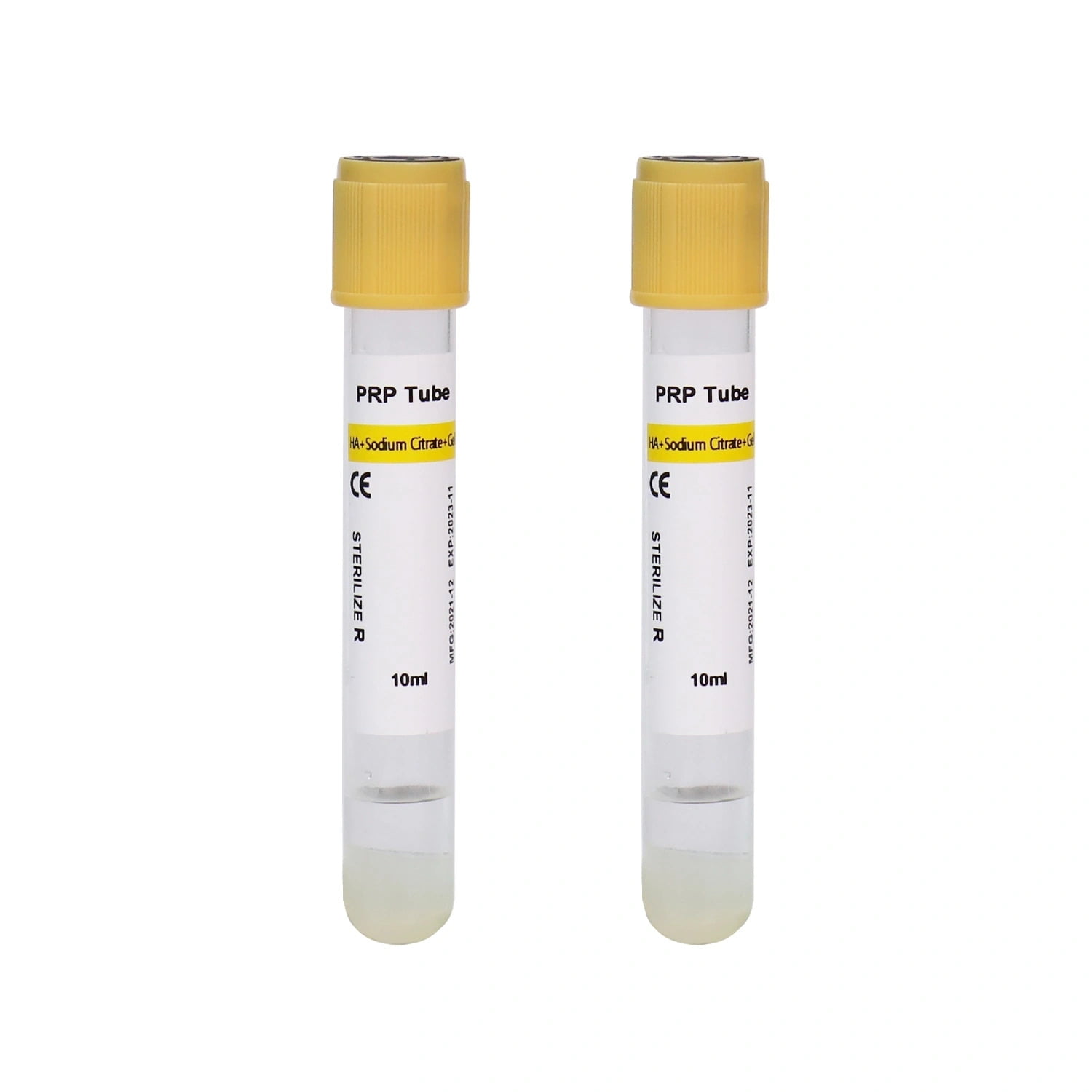
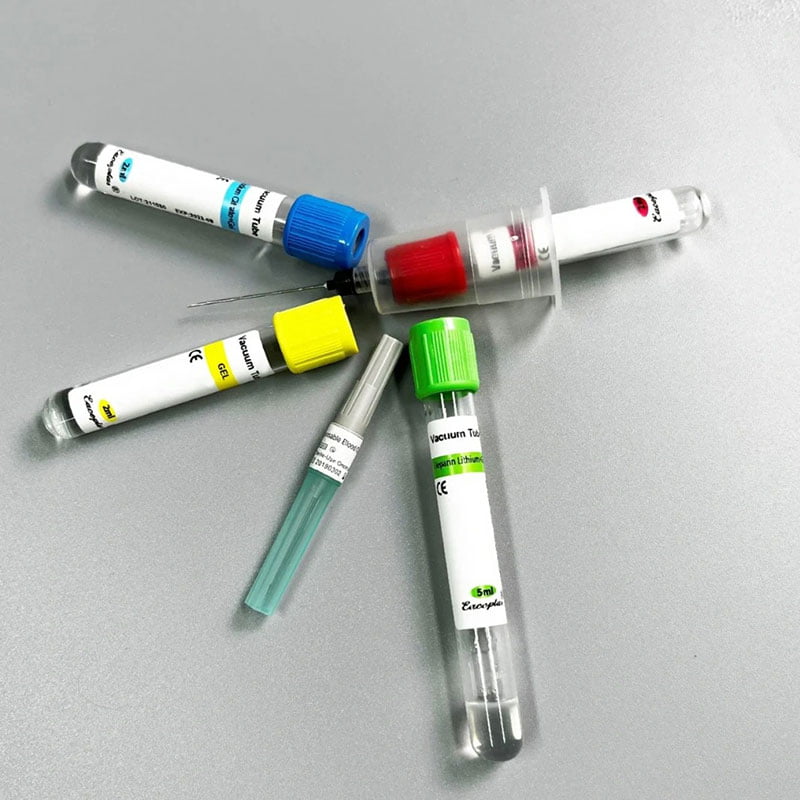
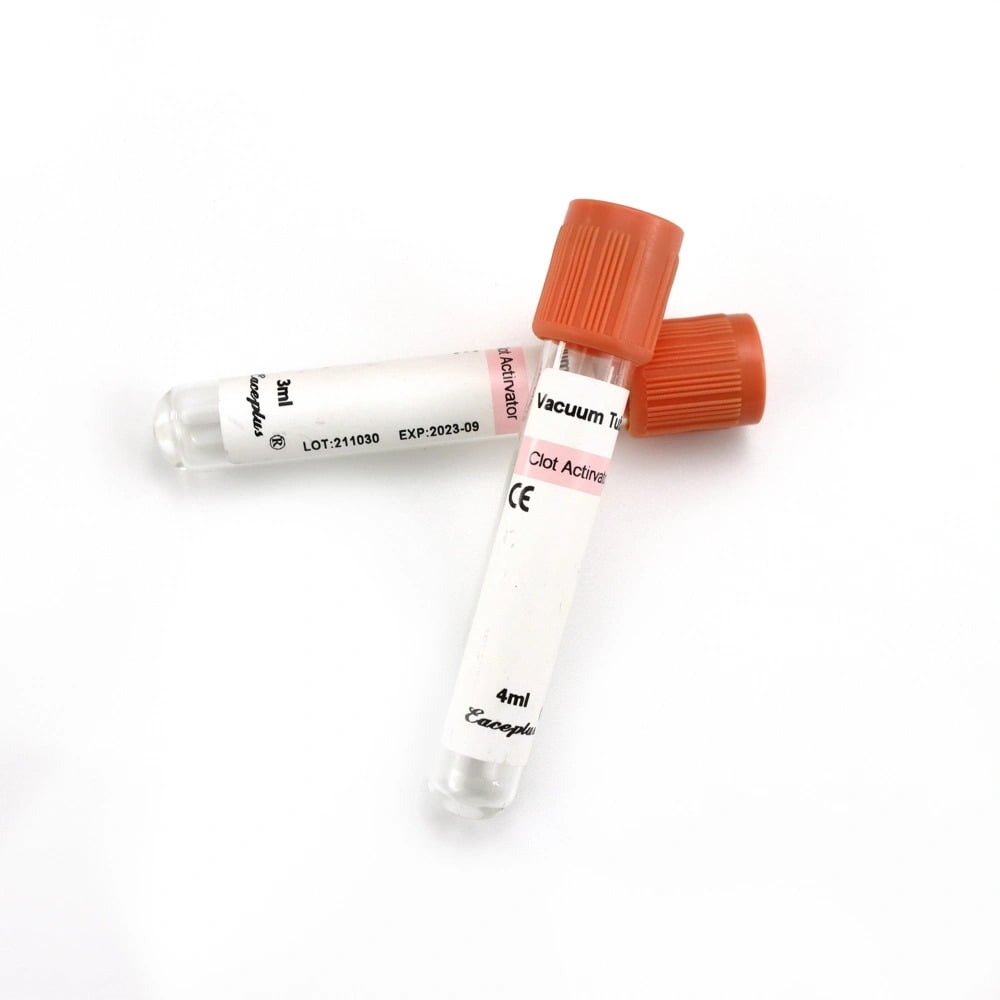
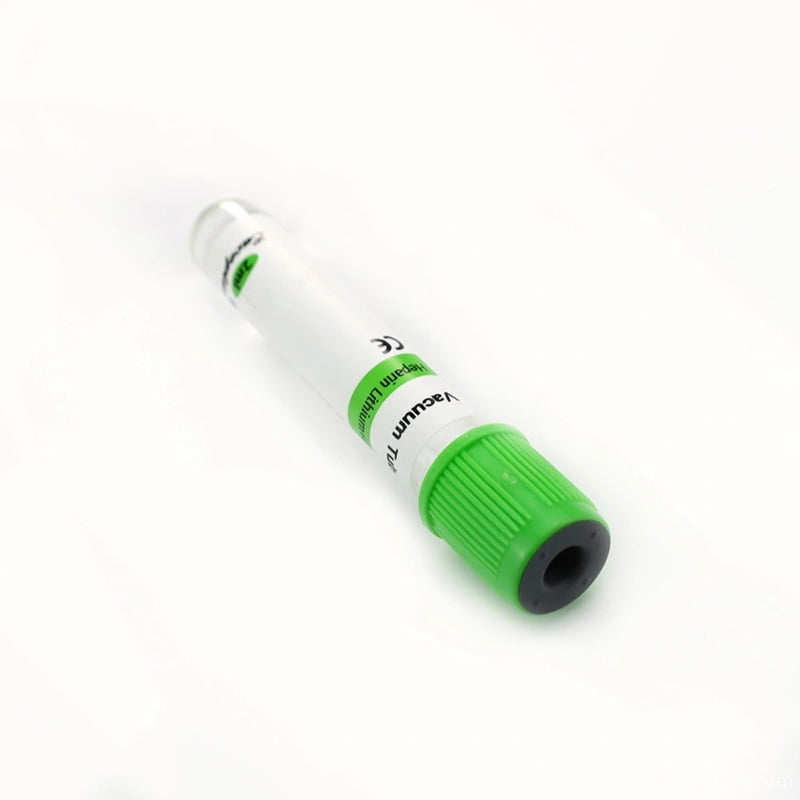
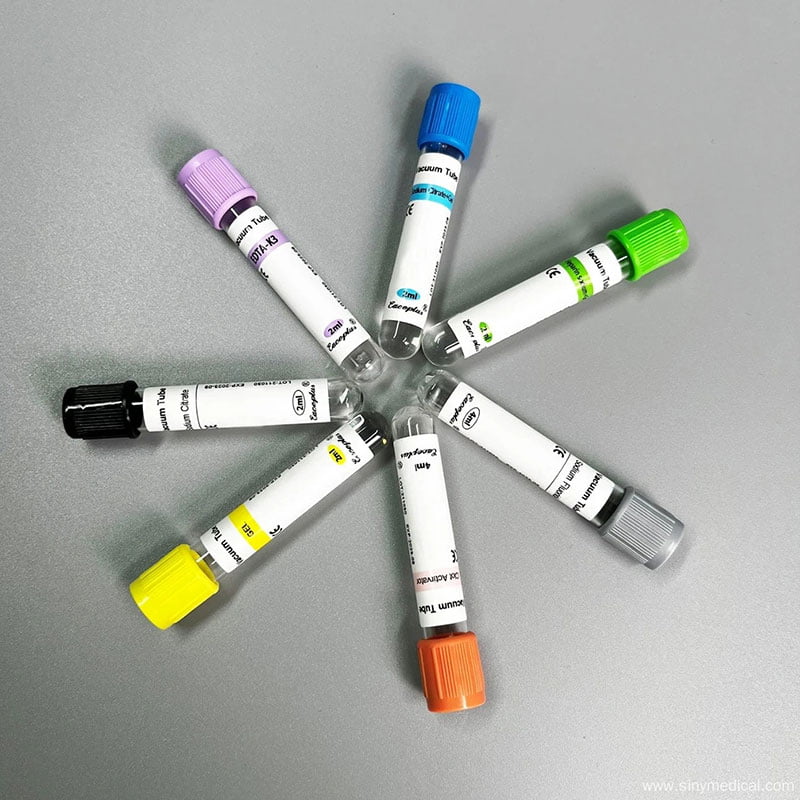
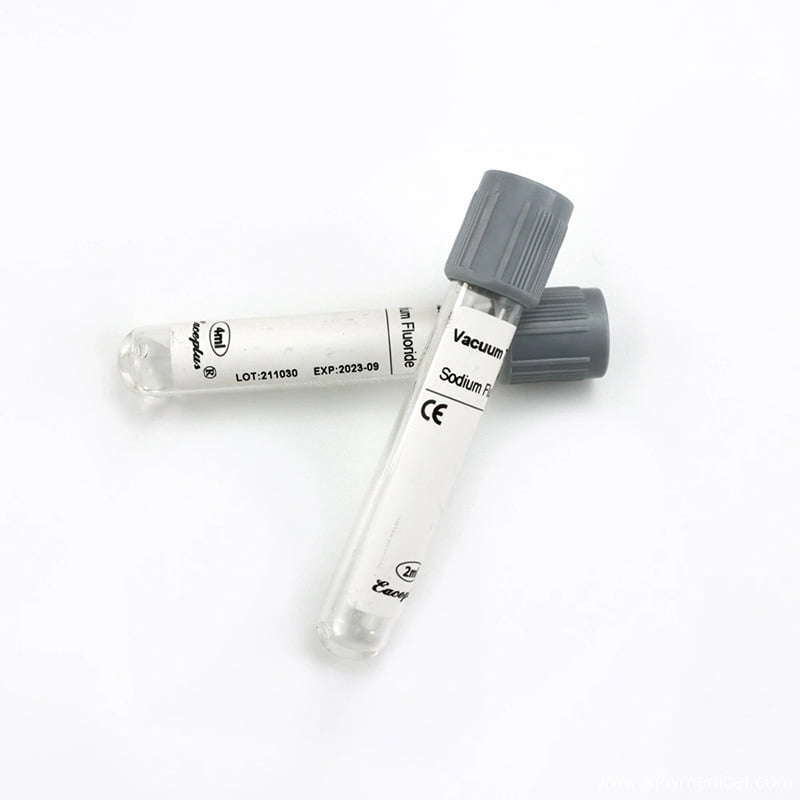
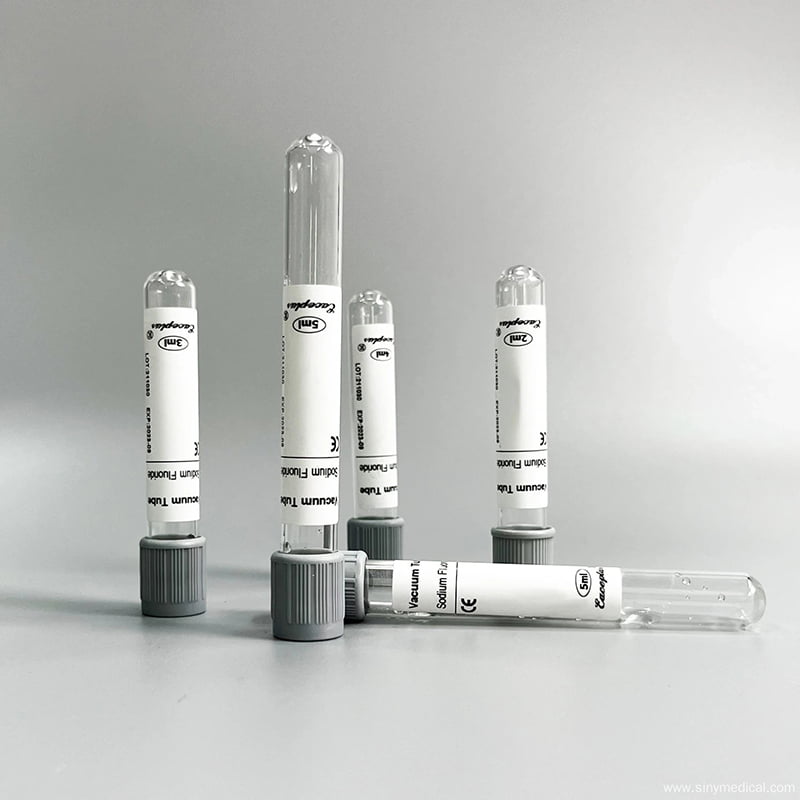
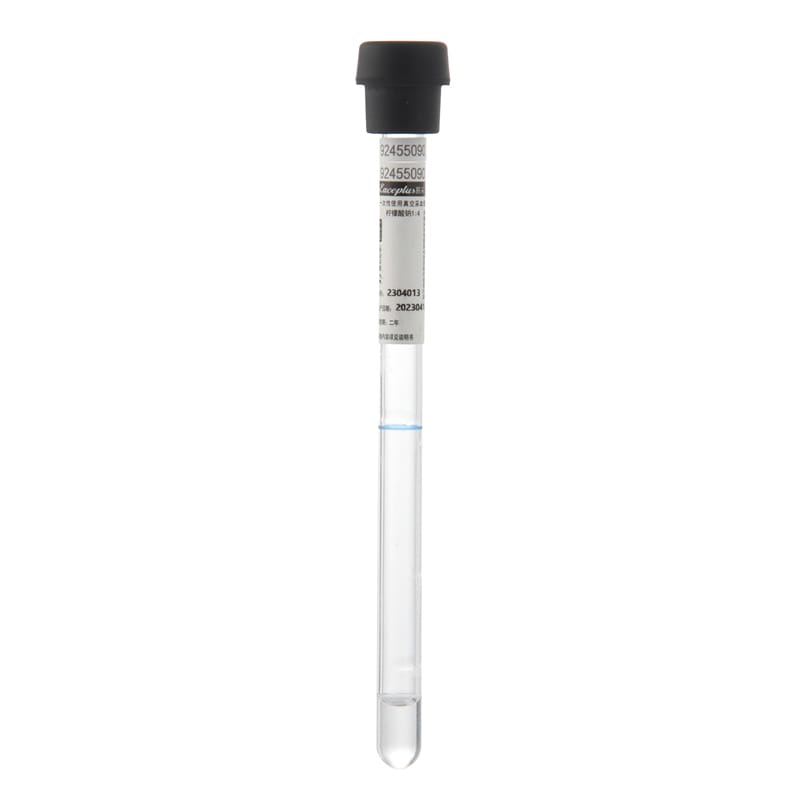
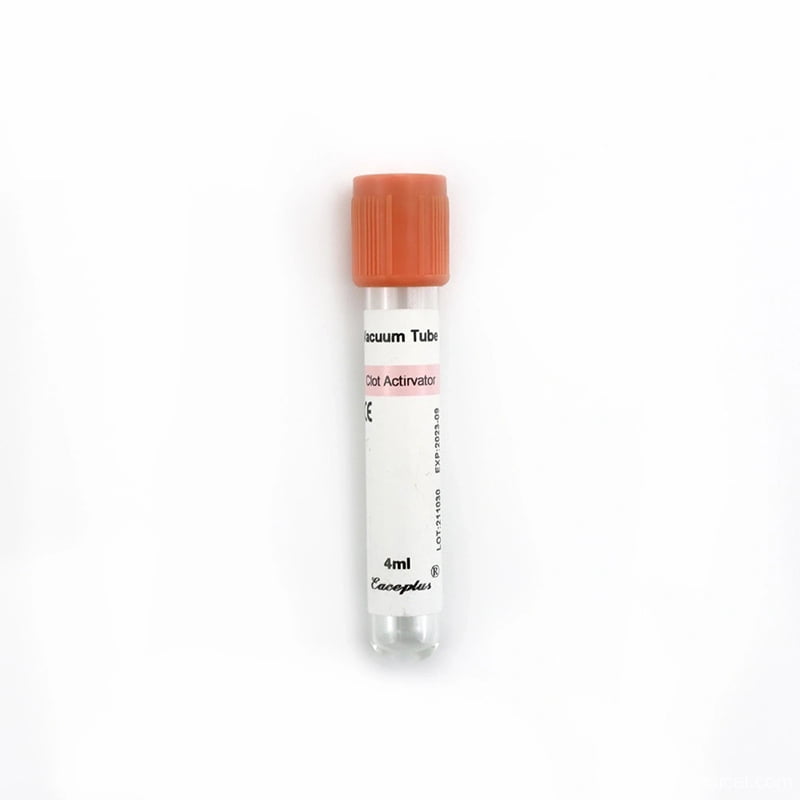
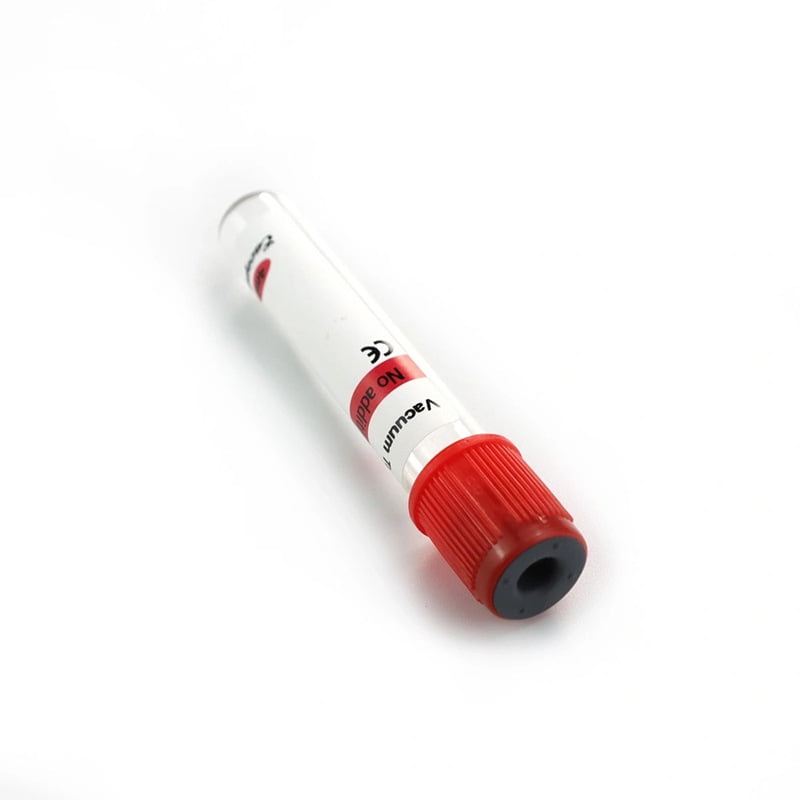
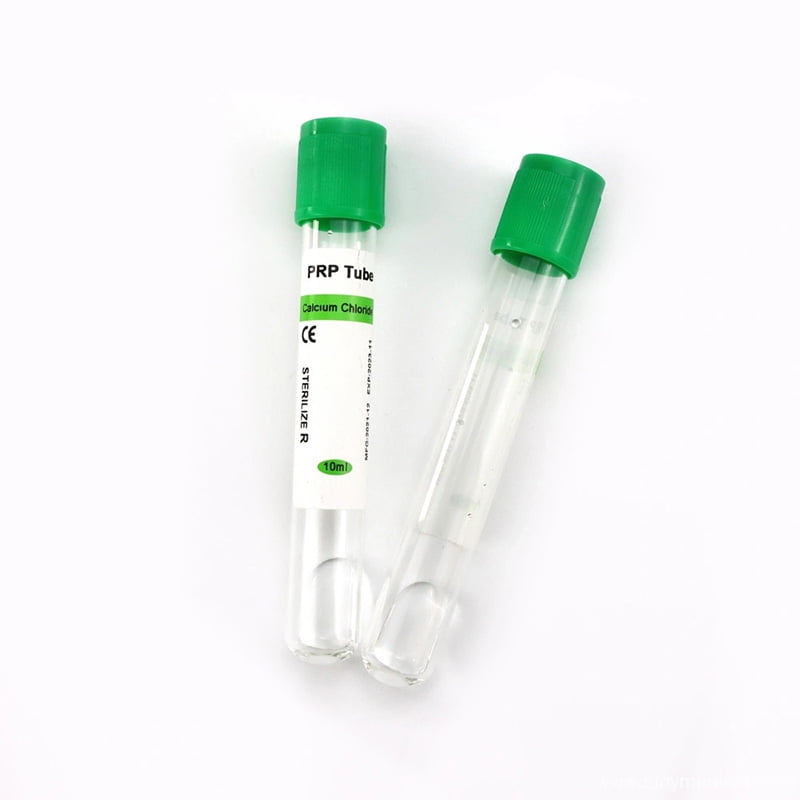
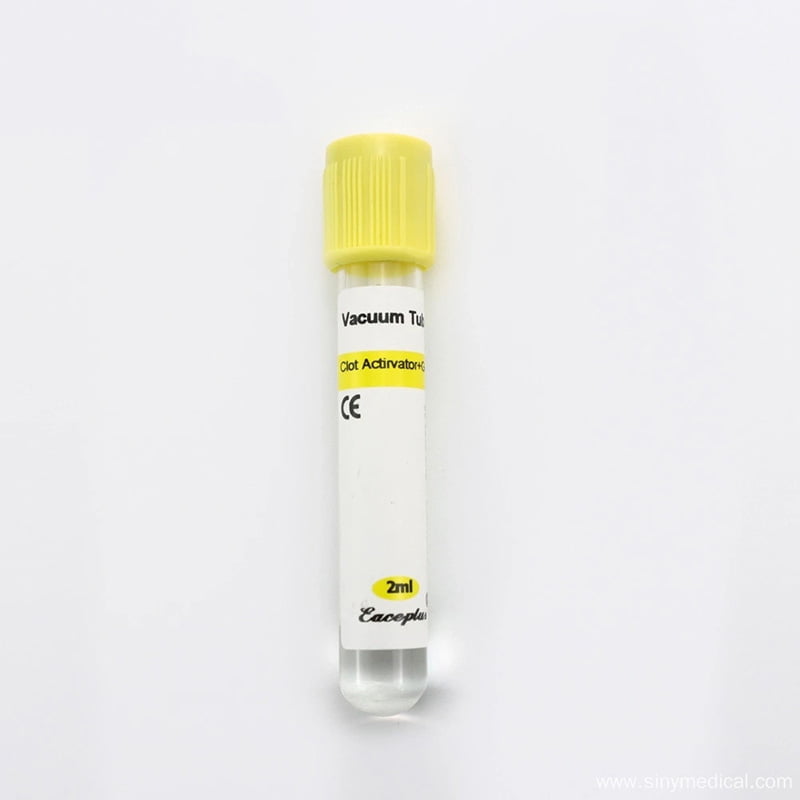
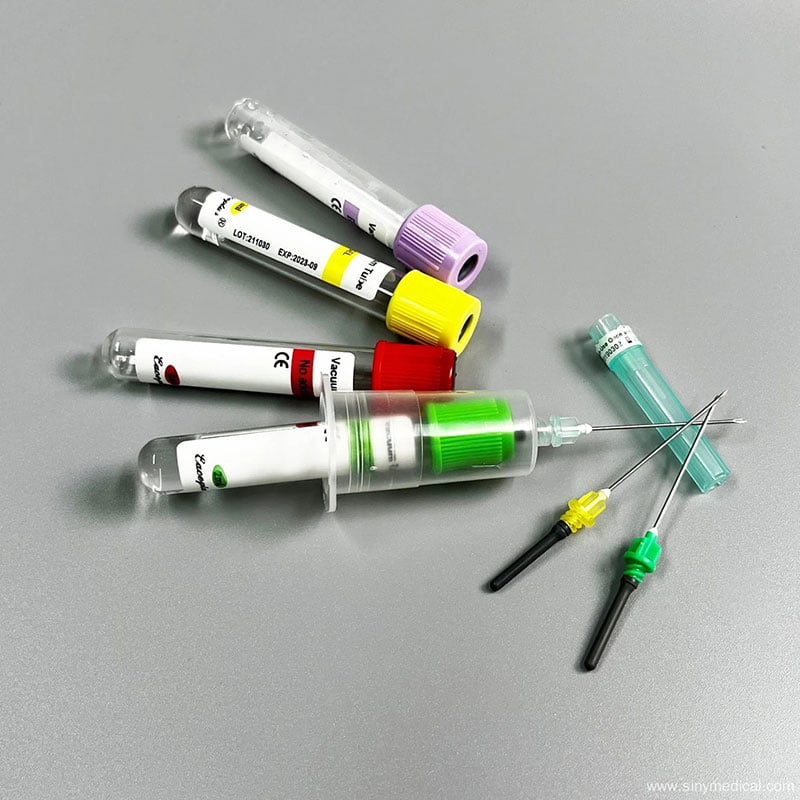
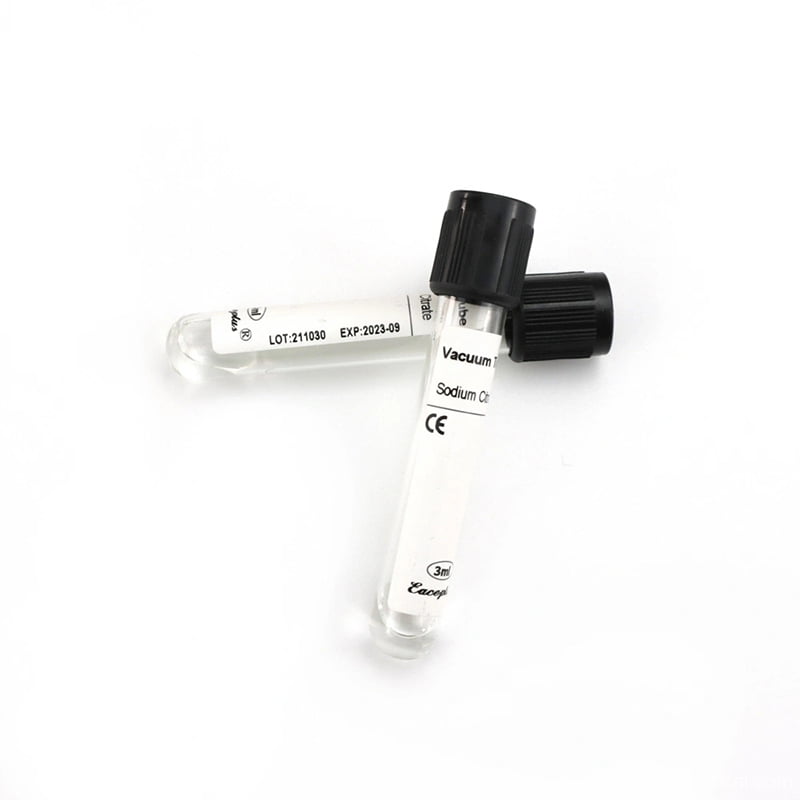
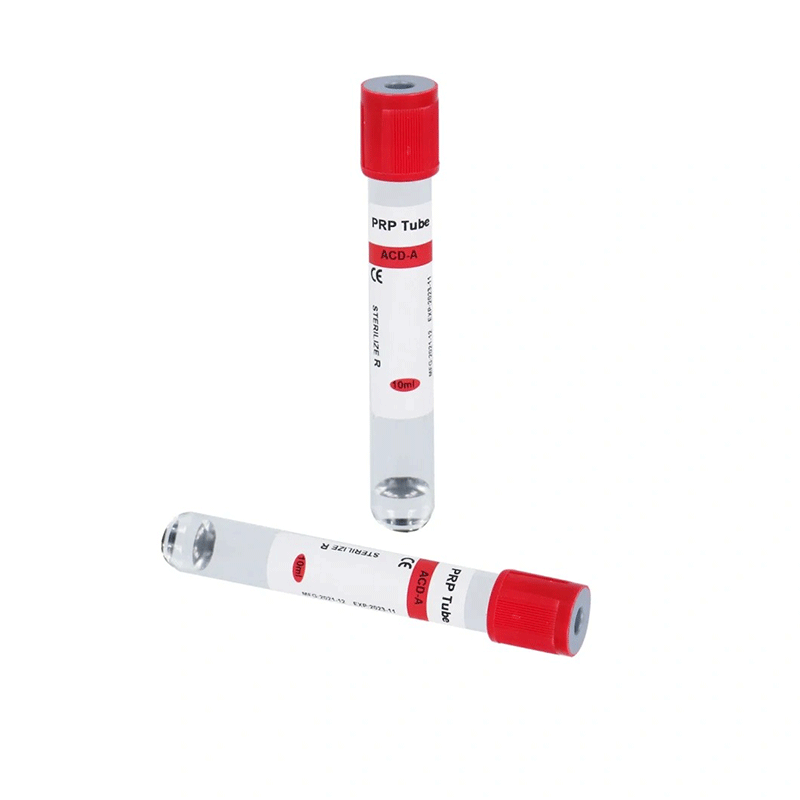
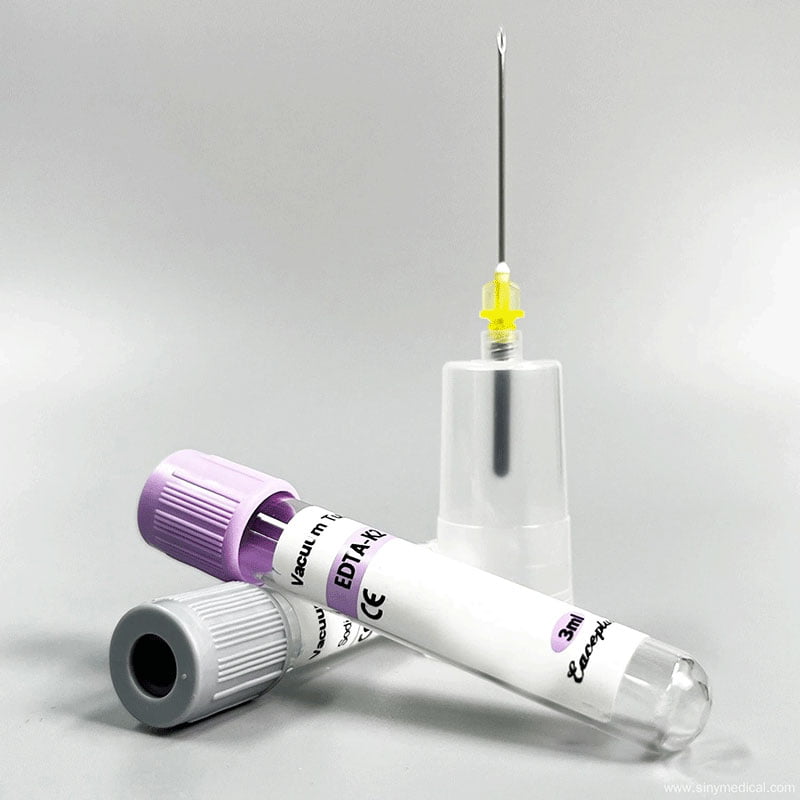
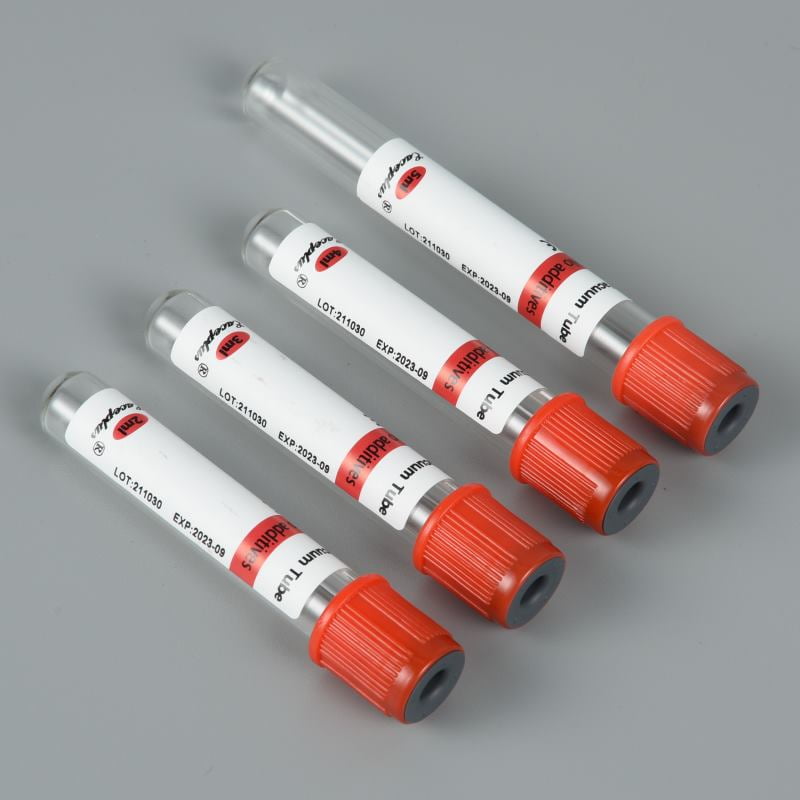
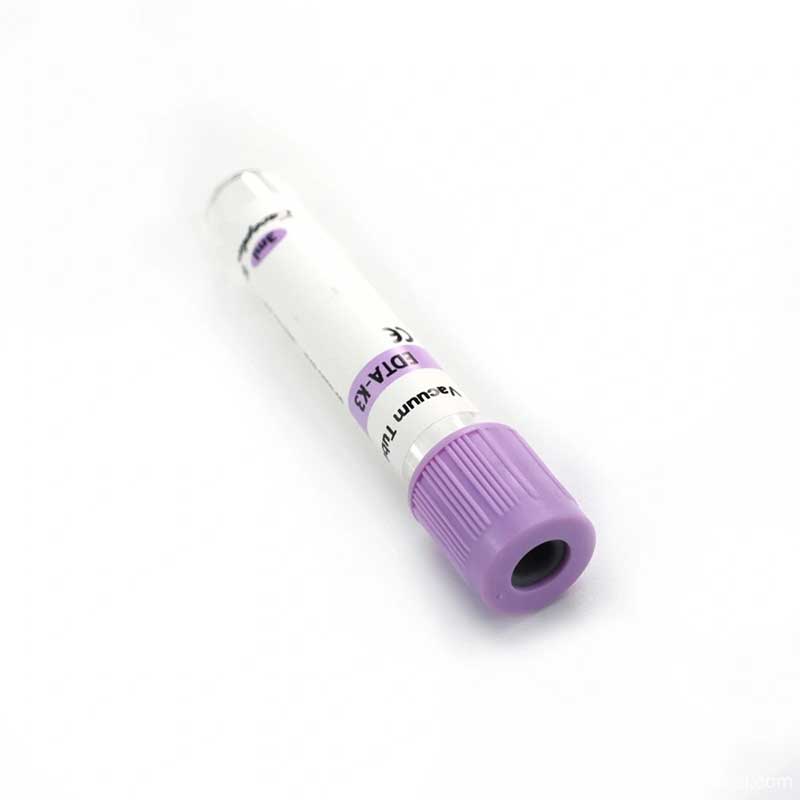
Blood Collection Tubes
While not technically a container, blood collection tubes are essential for storing blood samples. These tubes come in various colors, each indicating the type of additive or anticoagulant used.
Key Features:
- Color-coded caps for easy identification
- Vacuum-sealed for accurate blood draw
- Available in different sizes
Uses:
- Blood chemistry analysis
- Hematology tests
- Blood glucose monitoring
General-Purpose Specimen Containers
General-purpose specimen containers serve versatile purposes and accommodate a wide range of samples, such as tissue, saliva, or other bodily fluids. Researchers and diagnostic specialists frequently utilize these containers for their adaptability and functionality.
Key Features:
- Durable and leak-proof
- Available in different sizes
- Suitable for multiple sample types
Uses:
- Research and development
- Pathology testing
- Forensic analysis
Material Types Used in Specimen Containers
Most modern specimen containers are made from medical-grade polypropylene or polystyrene. These materials are lightweight, durable, and resistant to chemical reactions. Plastic containers have largely replaced glass due to safety concerns and cost efficiency.
According to manufacturing data shared by global suppliers such as Siny Medical on Made-in-China, plastic specimen containers now dominate international healthcare markets due to their reliability and scalability.
Quality Standards and Regulatory Compliance
Specimen containers must comply with international standards such as ISO and CE certifications. These standards ensure containers are safe, reliable, and suitable for medical use. At Siny Medical, quality control processes focus on leak testing, material safety, and sterility validation.
For a complete overview of available options, you can explore the specimen cup product category, which showcases containers designed for diverse medical needs.
Popular Specimen Container Products from Siny Medical
Siny Medical provides a range of reliable specimen containers designed for clinical efficiency and patient comfort. Commonly used options include the medical sample stool specimen collection cup, which features a secure lid and durable design, and the sterile plastic disposable stool container, ideal for infection testing.
For laboratories handling high sample volumes, the medical supplies stool sample cup offers consistent quality, while respiratory departments often choose the disposable medical supplies sputum cup for safe sputum collection.
Choosing the Right Specimen Container
Selecting the right specimen container involves understanding the sample type, test requirements, and handling conditions. Healthcare professionals should always match the container to the diagnostic purpose, ensuring sterility, volume accuracy, and secure sealing.
For personalized guidance or bulk inquiries, healthcare providers can reach out directly through contact Siny Medical.
Summary
Specimen containers play a vital role in medical diagnostics and research. From urine cups to stool containers, each type is designed to meet specific needs and ensure sample integrity. By understanding the types of specimen containers and their uses, healthcare professionals can make informed choices and improve patient outcomes.
For high-quality specimen containers, explore Siny Medical’s product range today.
FAQs
What are specimen containers used for in medical testing?
Healthcare professionals use specimen containers to collect, store, and transport biological samples safely for diagnostic analysis. This practice ensures the accuracy and reliability of test results.
Are all specimen containers sterile?
Not all specim Sterile specimen containers are necessary for microbiological tests, while non-sterile options are suitable for routine screenings.
How do I choose the correct specimen container?
The correct specimen container depends on the sample type, test method, and laboratory guidelines. Always follow medical instructions carefully.
Can specimen containers be reused?
Most modern specimen containers are designed for single use to prevent contamination and ensure patient safety.
Why is labeling important on specimen containers?
Proper labeling on specimen containers prevents sample mix-ups and ensures accurate patient identification throughout the testing process.