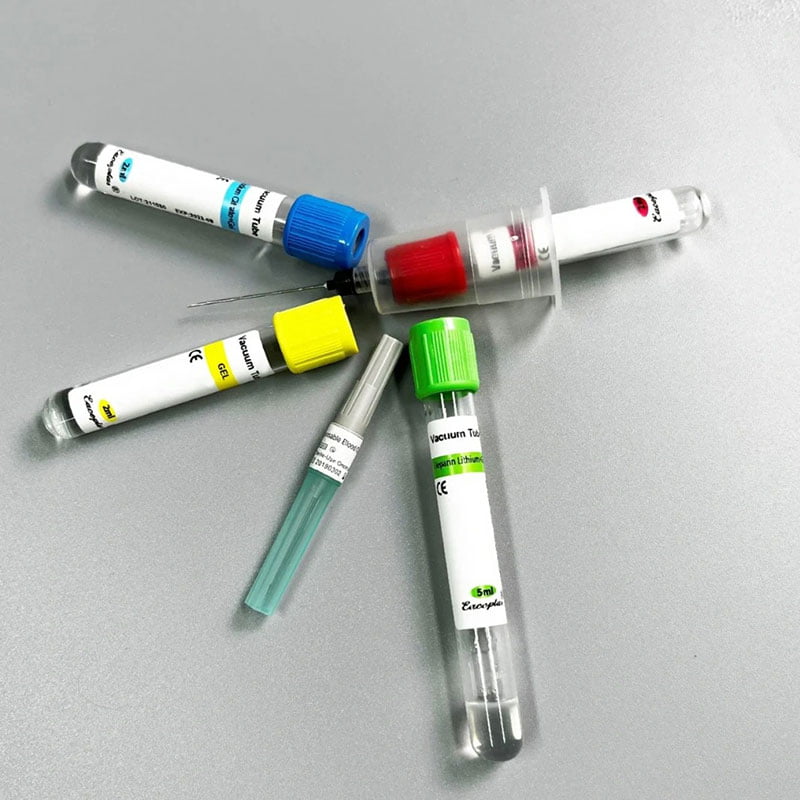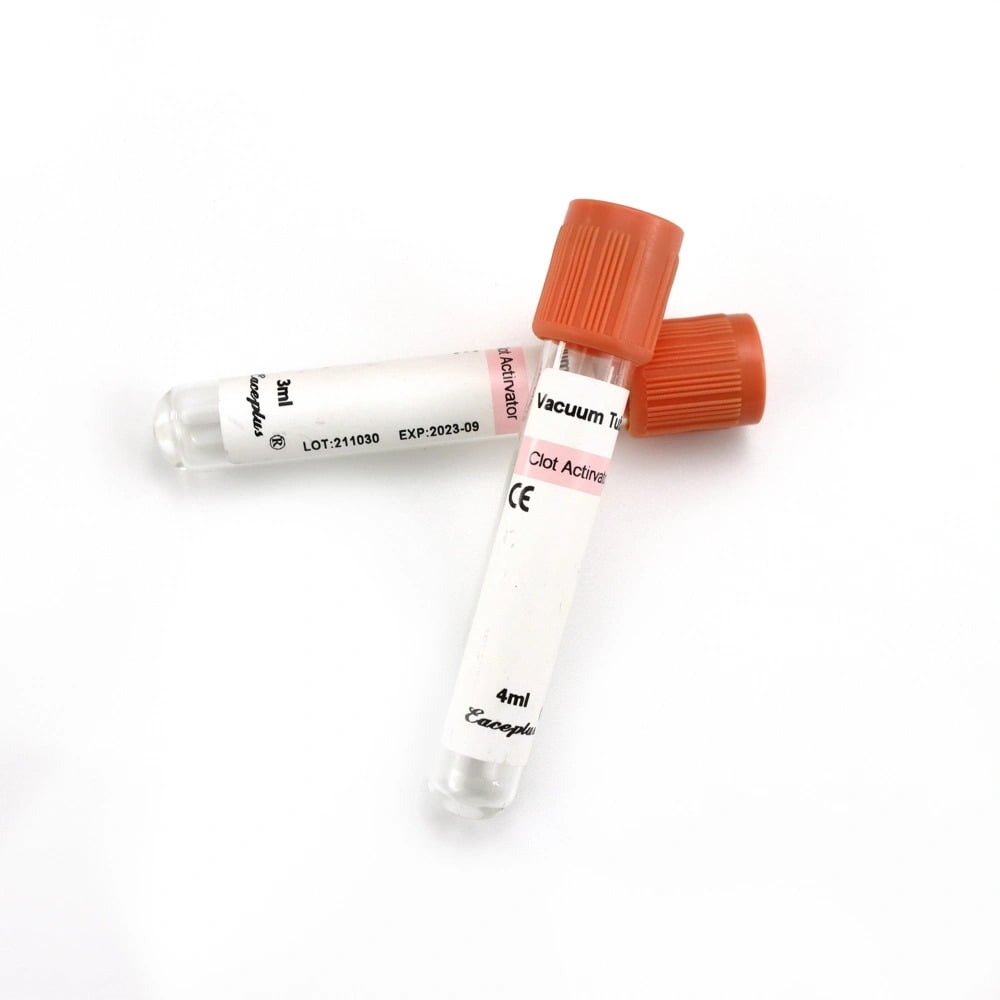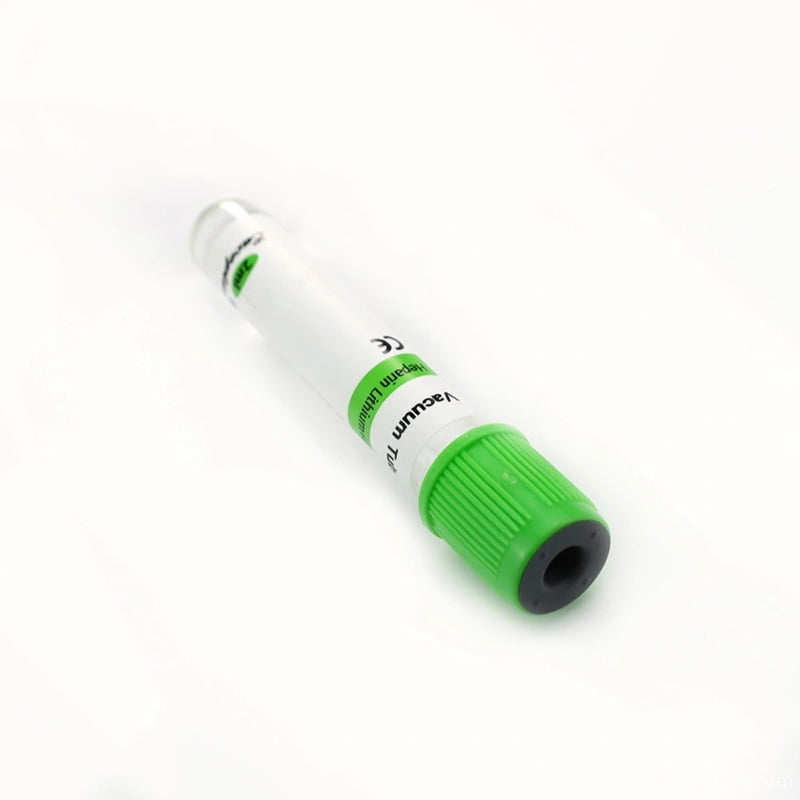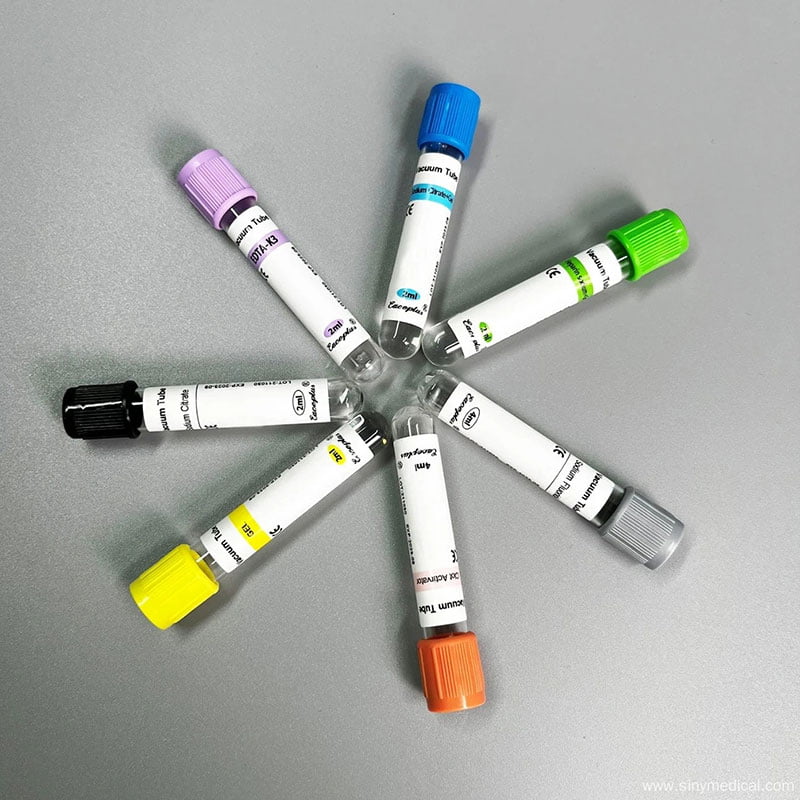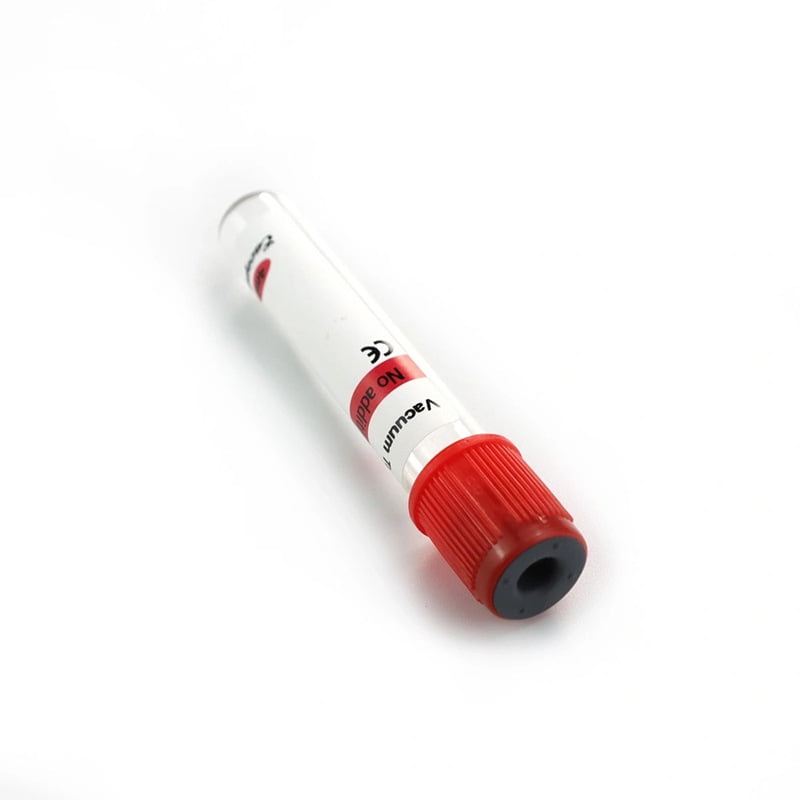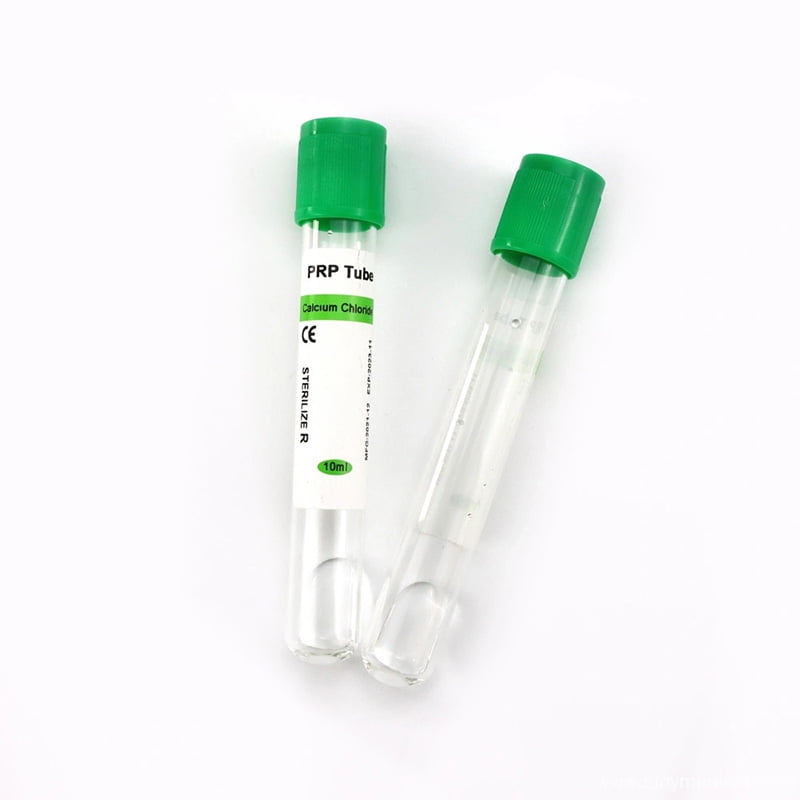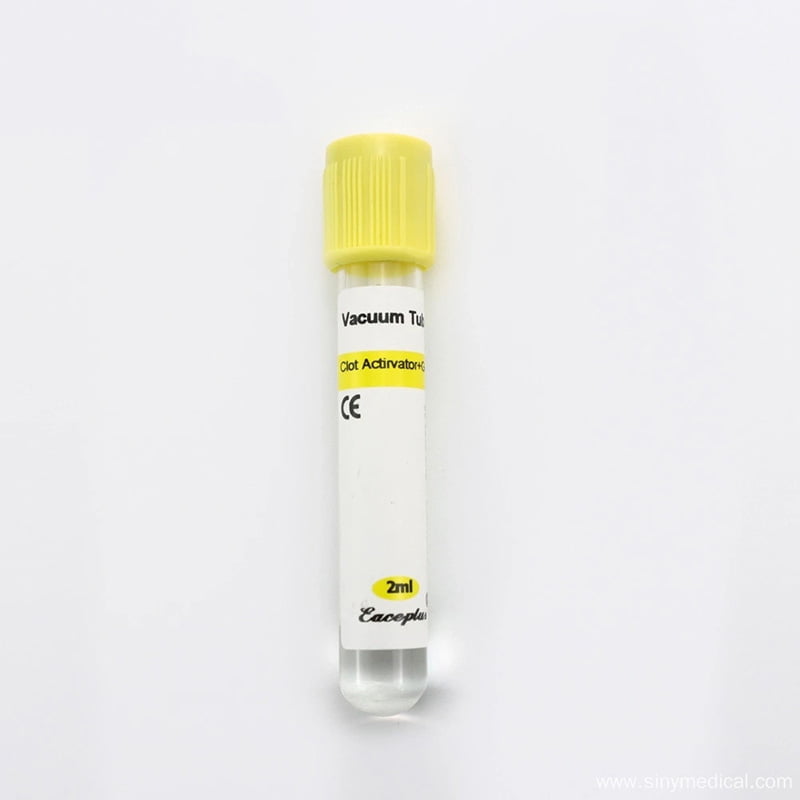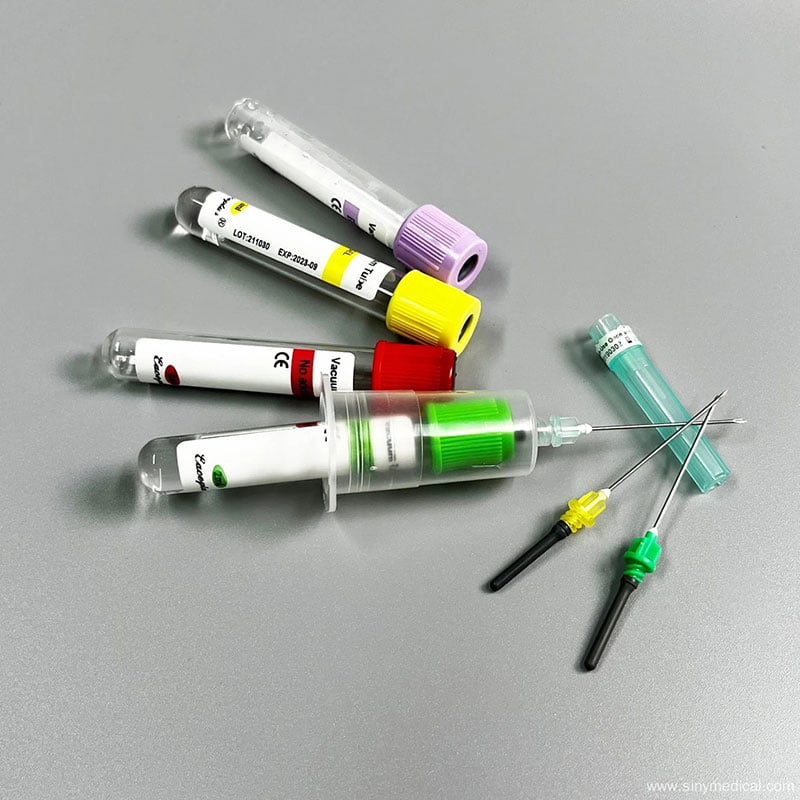
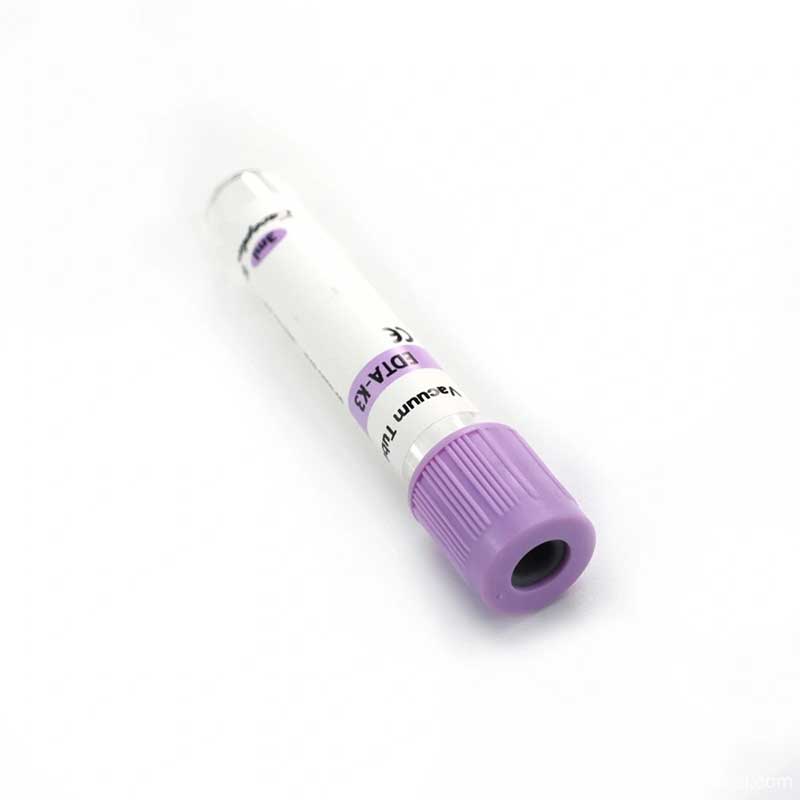

Every laboratory depends on accuracy, consistency, and reliability. Whether it’s a clinical diagnostic lab, a biotech research center, or a pharmaceutical production environment, the science is only as strong as the tools supporting it. Among these essential tools, the centrifuge tube may look simple, but its role in determining accurate lab results is far from small.
A centrifuge tube holds samples during centrifugation — a process explained in detail on the Wikipedia page about laboratory centrifuges (external reference: . The quality of this tube directly affects sample stability, separation efficiency, and the integrity of the final results.
Because of this, laboratories increasingly rely on high-quality tubes from trusted manufacturers such as Sinymedical, a brand known for producing durable, certified, and reliable centrifuge tubes. Their complete product range is available at:
In this article, we explore why centrifuge tube quality is critical, how low-quality tubes distort results, what standards you should look for, and how choosing the right tube improves lab performance.
Table of Contents
- 1 How Centrifuge Tube Quality Impacts Lab Results
- 1.1 1. Structural Integrity Directly Affects Sample Safety
- 1.2 2. Accurate Sample Separation Depends on Tube Material
- 1.3 Chemical Resistance Determines Sample Stability
- 1.4 Sterilization Standards Prevent Contamination
- 1.5 Temperature Stability Protects Sample Quality
- 1.6 Cap Quality Influences Test Accuracy
- 2 Comparing High-Quality vs. Low-Quality Centrifuge Tubes
- 3 Why Laboratories Prefer SinyMedical Centrifuge Tubes
- 4 How High-Quality Centrifuge Tubes Improve Overall Laboratory Performance
- 5 How to Select the Right Centrifuge Tube
- 6 Summary
- 7 FAQs
Understanding What a Centrifuge Tube Does
A centrifuge tube is designed to hold liquid samples during centrifugation. During this process, samples spin at very high speeds, separating components based on density. The basic physics are explained on the Centrifuge Wikipedia reference, but the key point is simple:
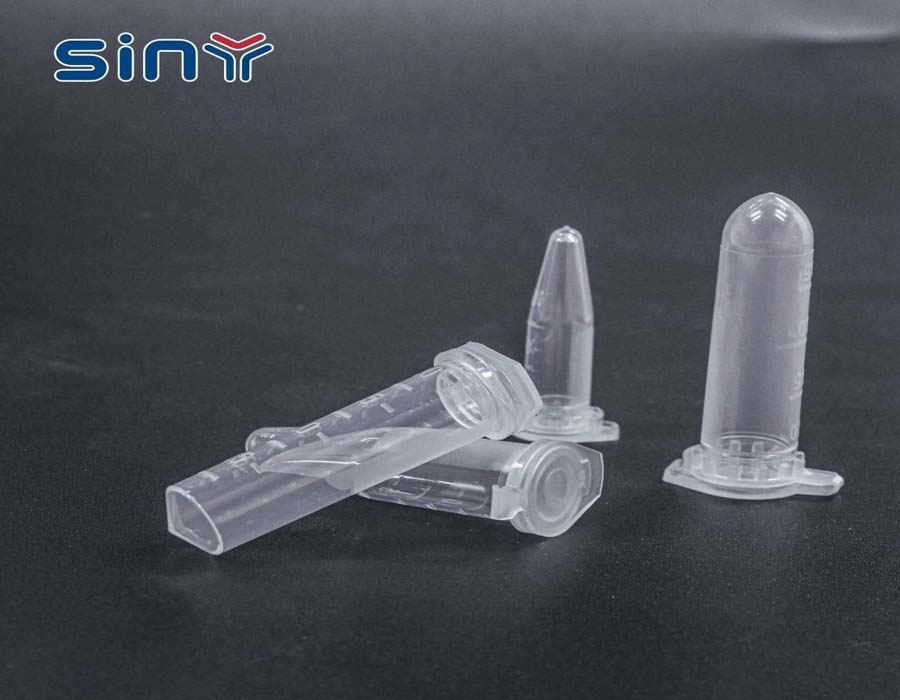
During centrifugation, tubes must withstand:
- High g-force
- Rapid acceleration
- Temperature changes
- Chemical exposure
- Vibration stress
If a tube cracks, leaks, or deforms even slightly, the entire test becomes unreliable.
How Centrifuge Tube Quality Impacts Lab Results
1. Structural Integrity Directly Affects Sample Safety
High-speed centrifugation puts tremendous pressure on a tube. A poor-quality centrifuge tube may appear fine at room temperature but fail under stress. Even micro-cracks can cause leakage or contamination.
A high-quality centrifuge tube maintains:
- Uniform wall thickness
- Perfect symmetry
- Strong heat-resistant material
- Crack-resistant plastic polymers
SinyMedical uses virgin polypropylene (PP), which ensures consistent structure. More technical details are available here:
2. Accurate Sample Separation Depends on Tube Material
Different experiments require different materials. For example:
- Polypropylene (PP) is ideal for high-speed centrifugation.
- Polyethylene (PE) is better for low-speed separation.
If a lab mistakenly uses a cheap tube that cannot handle high g-force, layers may not fully separate. This can cause inaccurate plasma/serum separation, false density gradient results, or incomplete pellet formation.
This is one of the biggest reasons why centrifuge tube quality determines the reliability of lab reports.
Chemical Resistance Determines Sample Stability
Most biological or chemical samples contain strong reagents:
- Acids
- Alkalis
- Enzymes
- Buffers
- Organic solvents
A low-quality centrifuge tube can react with chemicals or absorb compounds from the sample. This results in:
- False readings
- pH imbalance
- Degraded molecules
- Unstable mixtures
High-quality centrifuge tubes from trusted brands are certified non-reactive and free from extractable contaminants.
Sterilization Standards Prevent Contamination
Reliable tubes are:
- DNase-free
- RNase-free
- Pyrogen-free
- Endotoxin-free
Poor sterilization can introduce foreign biological material. Even a tiny amount of DNase or endotoxin can ruin a PCR test, ELISA test, vaccine trial, or DNA extraction experiment.
For consistently sterile tubes, check manufacturers who follow ISO & CE quality assurance.
SinyMedical maintains strict manufacturing controls, ensuring contaminants don’t affect test results:
Temperature Stability Protects Sample Quality
Many tests need freezing or heating.
A good centrifuge tube must stay stable between:
- –80°C (deep freezing)
- 121°C (autoclaving)
Low-grade plastics melt, deform, or release toxic substances at these temperatures, destroying sample composition. A premium centrifuge tube ensures temperature resistance so the sample stays intact.
Cap Quality Influences Test Accuracy
A tube cap is not just a cover — it ensures sample containment.
Bad caps cause:
- Evaporation
- Leakage
- Aerosol contamination
- Loss of sample pressure
High-quality tubes offer:
- Leak-proof screw caps
- Snap caps with accurate sealing
- O-ring reinforced lids
This stability is essential in virology, cell culture, and pharmaceutical labs.
Comparing High-Quality vs. Low-Quality Centrifuge Tubes
| Feature | High-Quality Centrifuge Tube | Low-Quality Tube |
| Material | Virgin medical-grade PP | Recycled or mixed plastics |
| Sterility | DNase/RNase-free | Possible contamination |
| Pressure resistance | Supports high g-force | Prone to cracking |
| Temperature range | –80°C to 121°C | Deforms easily |
| Wall thickness | Uniform | Uneven |
| Leakage | Zero | Common |
| Accuracy | Reliable results | Distorted readings |
Conclusion:
Choosing a low-quality tube is far more expensive in the long run because it risks invalid experiments.
Why Laboratories Prefer SinyMedical Centrifuge Tubes
Many modern labs pick SinyMedical due to:
- Consistent international quality
- Accurate manufacturing
- Clean-room sterilization
- Affordable bulk purchasing
- Wide choice: 10ml, 15ml, 50ml, self-standing, conical
You can explore the full catalog here:
How High-Quality Centrifuge Tubes Improve Overall Laboratory Performance
Better Data Consistency
When tubes maintain structural and chemical stability, experimental results remain consistent across multiple runs.
Reduced Sample Loss
Leak-proof caps and thick walls reduce sample waste, which is crucial for rare biological samples.
Higher Efficiency
Technicians spend less time dealing with broken tubes, contaminated samples, or repeated procedures.
Improved Safety
Cracked tubes can expose technicians to infectious samples. High-quality centrifuge tubes reduce occupational hazards.
Enhanced Compliance
Accredited labs (ISO, GMP, CAP) must use certified laboratory consumables. Quality tubes help meet compliance standards.
Common Problems Caused by Poor-Quality Centrifuge Tubes
Low-quality tubes can create multiple issues such as:
• Hemolysis in blood samples
• Incomplete pellet formation
• Layer mixing after centrifugation
• Contamination of viral samples
• pH instability
• Tube deformation during spinning
• Incorrect molecular concentration measurements
Labs that rely on accurate diagnostics — such as hospitals, fertility clinics, and biotechnology research centers — cannot afford these errors.
How to Select the Right Centrifuge Tube
Choosing the correct centrifuge tube depends on:
- Size: 10ml, 15ml, 50ml
- Shape: conical or round-bottom
- Sterility: sterile vs. non-sterile
- Material: virgin polypropylene recommended
- Speed rating: e.g., 10,000–20,000 RPM
- Cap type: screw or snap
For general biomedical use, most labs prefer 50ml conical centrifuge tubes due to stability and versatility.You can view SinyMedical’s full range here:
Summary
In every laboratory field — from diagnostics to biotechnology — the quality of a centrifuge tube directly influences accuracy, safety, and efficiency. High-quality tubes ensure stable separation, reduce contamination, protect samples, and support consistent experimental outcomes. For dependable results, labs must choose tubes that meet global quality standards and offer certified chemical and structural integrity.
Reliable options from manufacturers like SinyMedical help labs maintain precision and compliance, ensuring that every test is supported by tools designed for accuracy.
FAQs
A high-quality centrifuge tube maintains structural integrity, ensuring accurate separation and reliable test results.
2. Can low-quality centrifuge tubes affect chemical stability?
Yes. A poor centrifuge tube may react with chemicals, leading to inaccurate readings.
3. Which material is best for centrifuge tubes?
Most labs prefer polypropylene because it offers strength, chemical resistance, and temperature stability for any centrifuge tube.
4. What size centrifuge tube is most commonly used?
The 15ml and 50ml sizes are most popular because they work well for general laboratory applications involving any centrifuge tube.
5. How do I avoid sample contamination during centrifugation?
Use a sterile centrifuge tube that is certified DNase/RNase-free, and always ensure proper sealing
6. Are all centrifuge tubes autoclave-safe?
No. Only tubes made from heat-resistant materials can be autoclaved. Always check the specifications for your centrifuge tube.