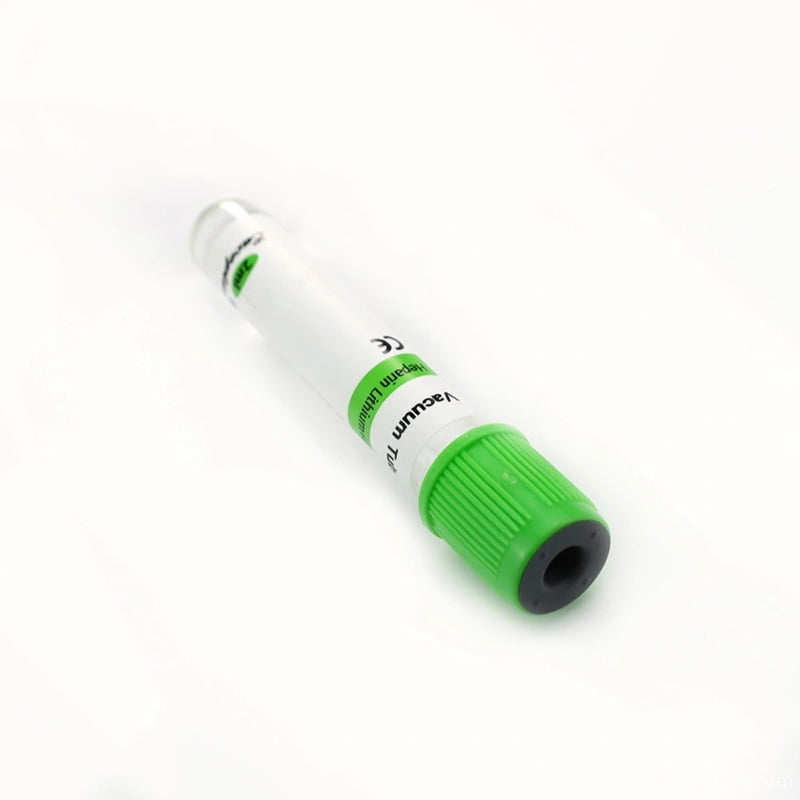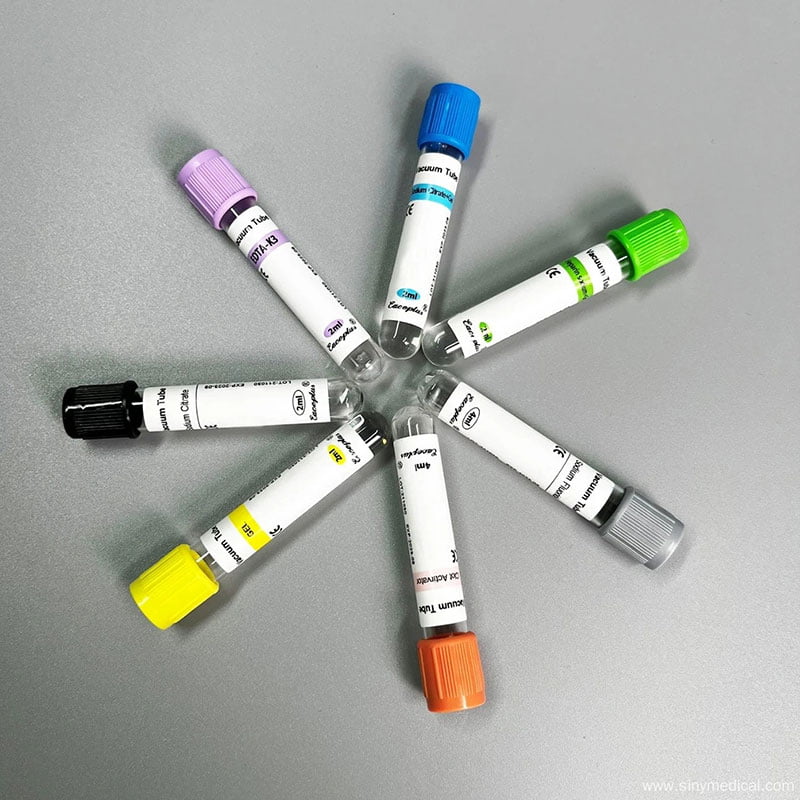
Sulfate reducing bacteria in water systems represent one of the most challenging microbial problems faced by industries and municipalities worldwide. These microscopic organisms, though invisible to the naked eye, can cause significant damage to infrastructure, impact water quality, and pose health risks. Understanding what sulfate reducing bacteria are, how they thrive, and how to effectively manage them is crucial for anyone responsible for water systems. In this comprehensive guide, we’ll explore the causes, effects, and treatment options for these problematic microorganisms, providing you with the knowledge needed to protect your water systems from their destructive influence.
Table of Contents
- 1 What Are Sulfate Reducing Bacteria in Water?
- 2 Why Sulfate Reducing Bacteria in Water Develop
- 3 The Chemical Process Behind Sulfate Reducing Bacteria in Water
- 4 Treatment Options for Sulfate Reducing Bacteria
- 5 Case Studies: Real-World Examples of SRB Problems
- 6 Prevention Strategies for Sulfate Reducing Bacteria
- 7 Conclusion
- 8 FAQs
- 8.1 1. Are Sulfate Reducing Bacteria in Water harmful to humans?
- 8.2 2. How do I know if Sulfate Reducing Bacteria in Water are present?
- 8.3 3. Can boiling water remove Sulfate Reducing Bacteria in Water?
- 8.4 4. How often should industrial systems test for Sulfate Reducing Bacteria in Water?
- 8.5 5. What is the best detection method for Sulfate Reducing Bacteria in Water?
What Are Sulfate Reducing Bacteria in Water?
Sulfate Reducing Bacteria in Water are a group of anaerobic microorganisms that use sulfate as an electron acceptor during respiration. Instead of oxygen, they convert sulfate (SO₄²⁻) into hydrogen sulfide (H₂S), a gas known for its characteristic rotten egg odor.
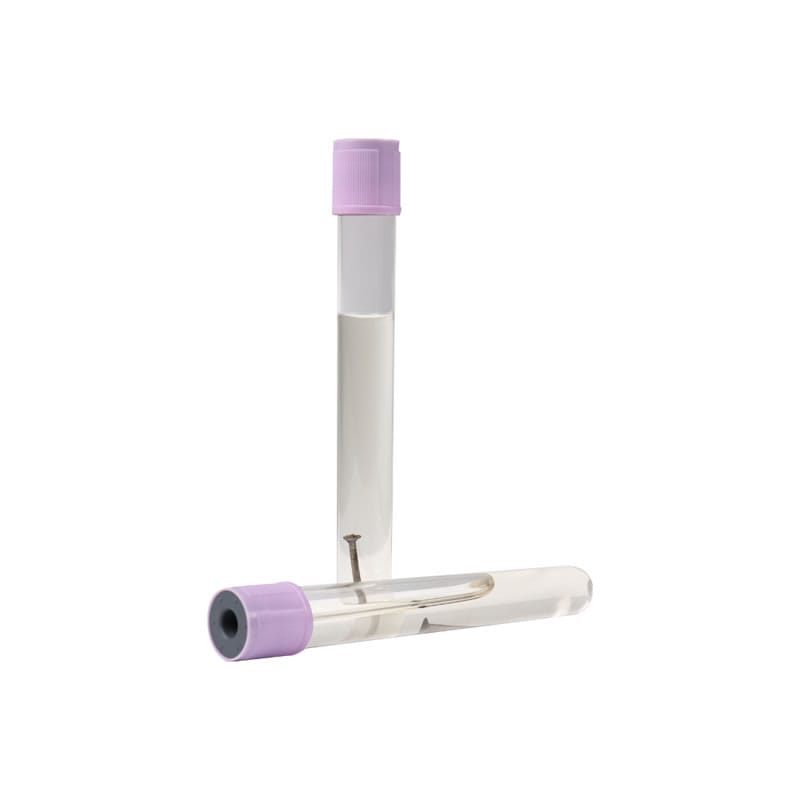
Hydrogen sulfide gas causes:
- Strong unpleasant smells
- Black slime buildup
- Metal corrosion
- Pipeline deterioration
Unlike a typical Virus, sulfate-reducing bacteria are living microorganisms that thrive in oxygen-depleted environments such as:
- Groundwater wells
- Oilfield injection systems
- Industrial cooling systems
- Wastewater treatment facilities
If left untreated, Sulfate Reducing Bacteria in Water can significantly damage infrastructure and contaminate potable water supplies.
For a deeper scientific overview, Siny Medical explains this in detail here:
https://www.sinymedical.com/what-are-sulfate-reducing-bacteria/
Why Sulfate Reducing Bacteria in Water Develop
Several environmental and operational factors promote the growth of Sulfate Reducing Bacteria in Water.
1. Low Oxygen Conditions
These bacteria are obligate anaerobes. They thrive in oxygen-free environments such as:
- Deep groundwater wells
- Oil reservoirs
- Sediment layers
When oxygen levels drop, SRB multiply rapidly.
2. Presence of Sulfates
Natural sulfate occurs in soil and rock. Agricultural runoff and industrial discharge increase sulfate concentrations in water systems.
3. Organic Matter Availability
SRB require organic carbon or hydrogen as energy sources. Stagnant water systems rich in organic nutrients become ideal breeding grounds.
4. Warm Temperatures
Growth accelerates between 20–40°C, making industrial systems especially vulnerable.
The Chemical Process Behind Sulfate Reducing Bacteria in Water
Sulfate Reducing Bacteria in Water perform anaerobic respiration using this simplified reaction:
SO₄²⁻ + Organic Matter → H₂S + CO₂
Hydrogen sulfide (H₂S) reacts with dissolved iron to form iron sulfide, creating:
- Black sludge
- Biofilm formation
- Internal pipe corrosion
According to environmental microbiology studies, SRB-related corrosion accounts for nearly 20–30% of pipeline failures in oil and gas systems worldwide.
Signs of Sulfate Reducing Bacteria in Water
Early detection prevents expensive infrastructure damage. Look for:
- Rotten egg smell
- Black or dark slime
- Corroded pipes
- Reduced water pressure
- Metallic taste
Industrial operators often detect Sulfate Reducing Bacteria in Water during routine microbial testing using specialized detection kits.
Common Causes of Sulfate Reducing Bacteria in Water
Sulfate reducing bacteria can enter water systems through various sources and proliferate under specific conditions. Understanding these causes is the first step in preventing their growth:
- Natural Sources: SRB are naturally present in many groundwater sources, particularly in areas with sulfate-rich geological formations. They can also be found in soils and sediments that come into contact with water systems.
- Contamination: Surface water contamination can introduce sulfate reducing bacteria into previously clean systems. This can occur through cracks in pipes, faulty seals, or during maintenance activities.
- Stagnant Water: Areas where water remains stagnant for extended periods provide ideal conditions for SRB growth. Dead legs in piping systems, storage tanks, and low-flow areas are particularly vulnerable.
- Temperature: Most sulfate reducing bacteria thrive in temperatures between 20-40°C (68-104°F), though some species can survive in much hotter or colder conditions.
- Nutrient Availability: The presence of organic nutrients provides food for SRB. Even small amounts of organic matter can support bacterial growth in the right conditions.
- Low Oxygen Environments: As anaerobic bacteria, SRB flourish in oxygen-depleted environments. This is why they’re often found deep within biofilms or in closed systems where oxygen has been depleted.
- pH Levels: Most sulfate reducing bacteria prefer slightly alkaline conditions (pH 7-8.5), though some species can tolerate a wider pH range.
- Cross-Contamination: Using contaminated equipment or tools during maintenance can introduce SRB into clean systems.
By addressing these underlying causes, it’s possible to create an environment that’s less hospitable to sulfate reducing bacteria in water systems.
Effects of Sulfate Reducing Bacteria in Water Systems
The presence of sulfate reducing bacteria in water systems can lead to numerous problems, ranging from minor inconveniences to catastrophic failures. Understanding these effects highlights the importance of early detection and treatment:
Corrosion and Infrastructure Damage
One of the most significant impacts of sulfate reducing bacteria is their role in microbiologically influenced corrosion (MIC). The hydrogen sulfide they produce reacts with metals, particularly iron and steel, causing accelerated corrosion. This corrosion can lead to:
- Pipe thinning and eventual failure
- Development of pits and holes in metal surfaces
- Reduced structural integrity of tanks and vessels
- Increased maintenance and replacement costs
Studies have shown that corrosion rates in systems with active SRB populations can be 2-10 times higher than in systems without them. In industrial settings, this can translate to millions of dollars in infrastructure damage and premature equipment failure.
Water Quality Deterioration
Sulfate reducing bacteria in water can significantly impact water quality:
- Taste and Odor Problems: The hydrogen sulfide produced by SRB creates a characteristic “rotten egg” smell and unpleasant taste in water.
- Discoloration: The reaction between hydrogen sulfide and metals can cause black staining of fixtures and laundry.
- Increased Turbidity: SRB biofilms can slough off into the water, increasing turbidity levels.
- Toxicity: At high concentrations, hydrogen sulfide is toxic and can pose health risks.
Health and Safety Concerns
While most sulfate reducing bacteria are not directly pathogenic to humans, their metabolic products can create health hazards:
- Hydrogen Sulfide Toxicity: At concentrations above 100 ppm, hydrogen sulfide can cause immediate respiratory paralysis and death. Even at lower concentrations, it can cause headaches, nausea, and respiratory irritation.
- Indirect Pathogen Growth: The biofilms created by SRB can provide habitat for pathogenic bacteria, including Legionella.
- Corrosion Byproducts: The corrosion process can release harmful metals like lead and copper into the water supply.
Economic Impact
The economic consequences of uncontrolled sulfate reducing bacteria in water systems can be substantial:
Water Treatment Costs: Additional treatment steps may be required to address SRB-related water quality issues.
Increased Maintenance Costs: Systems with SRB require more frequent cleaning, maintenance, and monitoring.
Premature Equipment Replacement: Accelerated corrosion leads to earlier-than-expected equipment failure.
Production Downtime: In industrial settings, SRB-related problems can force production shutdowns.
Energy Costs: Corrosion and biofilm buildup can reduce system efficiency, increasing energy consumption.
Treatment Options for Sulfate Reducing Bacteria
Once sulfate reducing bacteria have been detected in a water system, appropriate treatment measures must be taken to control their growth and mitigate their effects. Treatment strategies can be divided into several categories:
Chemical Treatment
Various chemicals can be used to control sulfate reducing bacteria in water systems:
- Biocides: Chemical agents specifically designed to kill microorganisms. Common biocides for SRB control include glutaraldehyde, quaternary ammonium compounds, and isothiazolones.
- Oxidizing Agents: Chlorine, hydrogen peroxide, and ozone can effectively kill SRB but may also cause additional corrosion if not properly managed.
- Nitrate Treatment: Adding nitrate to water systems can suppress SRB growth by promoting the growth of nitrate-reducing bacteria that outcompete SRB for nutrients.
- pH Adjustment: Raising the pH above 9 can inhibit SRB growth, though this may not be practical for all systems.
When using chemical treatments, it’s important to consider potential side effects, including corrosion, toxicity, and environmental impact. Chemical treatment should be part of a comprehensive control strategy rather than the sole approach.
Physical Treatment
Physical methods can be effective in controlling SRB populations:
- Filtration: Physical removal of bacteria and biofilms through various filtration methods.
- UV Treatment: Ultraviolet light can kill SRB and other microorganisms in water streams.
- Heat Treatment: Raising water temperatures above 70°C (158°F) can kill most SRB, though this is only practical for certain applications.
- Mechanical Cleaning: Physical removal of biofilms through pigging, brushing, or high-pressure water jetting.
Biological Treatment
Biological approaches use other microorganisms to control SRB:
- Competitive Exclusion: Introducing bacteria that outcompete SRB for nutrients.
- Bacteriophages: Viruses that specifically target and kill SRB.
- Enzymatic Treatment: Enzymes that break down biofilms, making SRB more vulnerable to other treatments.
Case Studies: Real-World Examples of SRB Problems
To illustrate the real-world impact of sulfate reducing bacteria in water systems, let’s examine a few case studies:
Case Study 1: Offshore Oil Platform
An offshore oil platform experienced severe corrosion in its seawater injection system within just two years of operation, despite using corrosion inhibitors. Investigation revealed heavy colonization by sulfate reducing bacteria in the system. The SRB had created extensive biofilms that were shielding them from the biocides being used. The solution involved:
- Implementing a more aggressive mechanical cleaning program
- Switching to a combination biocide treatment specifically targeting biofilms
- Installing continuous monitoring systems for early detection
- Modifying the system design to eliminate dead legs
After implementing these changes, corrosion rates decreased by over 80%, and the system’s service life was significantly extended.
Case Study 2: Municipal Water Distribution System
A municipal water utility began receiving complaints about “rotten egg” odors and black staining in a specific neighborhood. Testing revealed high levels of sulfate reducing bacteria in the distribution system serving that area. The utility responded by:
- Flushing the affected water mains to remove accumulated biofilms
- Implementing a temporary chlorination program to kill SRB
- Installing a continuous low-level chlorination system to prevent regrowth
- Replacing aging cast iron pipes with corrosion-resistant materials
The odor problems were resolved within weeks, and long-term improvements in water quality were achieved through these comprehensive measures.
Case Study 3: Industrial Cooling System
A manufacturing plant experienced frequent failures in its cooling water system due to corrosion and blockages. Analysis showed that sulfate reducing bacteria were thriving in the system’s low-flow areas. The plant implemented a multi-faceted approach:
- Installing side-stream filtration to remove suspended solids
- Implementing a nitrate treatment program to suppress SRB growth
- Adding regular mechanical cleaning to the maintenance schedule
- Installing corrosion monitoring devices for early detection
These measures reduced maintenance costs by 40% and eliminated unplanned shutdowns due to cooling system failures.
These case studies demonstrate that successful control of sulfate reducing bacteria in water systems typically requires a comprehensive approach rather than relying on a single solution.
Prevention Strategies for Sulfate Reducing Bacteria
As with many problems, prevention is often more effective and economical than treatment when it comes to sulfate reducing bacteria in water systems. Here are key prevention strategies:
Design Considerations
Proper system design is the first line of defense against SRB:
- Avoid Stagnant Areas: Design systems with minimal dead legs, low-flow areas, and pockets where water can stagnate.
- Material Selection: Choose materials resistant to SRB-induced corrosion, such as stainless steel, plastics, or properly coated metals.
- Accessibility: Design systems with easy access points for cleaning, inspection, and maintenance.
- Proper Sloping: Ensure pipes are properly sloped to prevent sediment accumulation.
- Isolation Valves: Include isolation valves to allow for section-by-section treatment if contamination occurs.
Operational Practices
How a system is operated can significantly impact SRB growth:
- Maintain Adequate Flow: Ensure water keeps moving throughout the system to prevent stagnation.
- Temperature Control: When possible, maintain temperatures outside the optimal range for SRB growth.
- Regular Monitoring: Implement a routine monitoring program to detect SRB before they become problematic.
- Preventive Maintenance: Schedule regular cleaning and maintenance to remove biofilms before they become established.
- Water Quality Management: Maintain appropriate water chemistry parameters that discourage SRB growth.
Treatment System Optimization
If chemical treatment is used, proper optimization is crucial:
- Appropriate Biocide Selection: Choose biocides effective against the specific SRB species present.
- Proper Dosage: Use sufficient dosage to be effective without causing other problems.
- Application Method: Ensure proper distribution of treatment chemicals throughout the system.
- Rotation Strategy: Rotate between different types of biocides to prevent resistance development.
- Monitoring Effectiveness: Regularly assess the effectiveness of treatment programs and adjust as needed.
Training and Documentation
Human factors play a significant role in SRB prevention:
- Staff Training: Ensure personnel understand the risks of SRB and proper prevention techniques.
- Standard Operating Procedures: Develop and implement clear SOPs for system operation and maintenance.
- Record Keeping: Maintain detailed records of monitoring results, maintenance activities, and treatment applications.
- Continuous Improvement: Regularly review and update prevention strategies based on experience and new information.
By implementing these comprehensive prevention strategies, facilities can significantly reduce the risk of problems associated with sulfate reducing bacteria in water systems.
Conclusion
Sulfate reducing bacteria in water systems present a persistent challenge for industries and municipalities worldwide. These microscopic organisms can cause significant corrosion, deteriorate water quality, pose health risks, and result in substantial economic impacts. Understanding their biology, the conditions that promote their growth, and the methods available for detection and treatment is essential for effective management.
Successful control of sulfate reducing bacteria typically requires a comprehensive approach that includes proper system design, vigilant monitoring, appropriate treatment methods, and preventive maintenance. By implementing the strategies outlined in this guide, water system operators can protect their infrastructure, ensure water quality, and minimize the economic impact of these troublesome microorganisms.
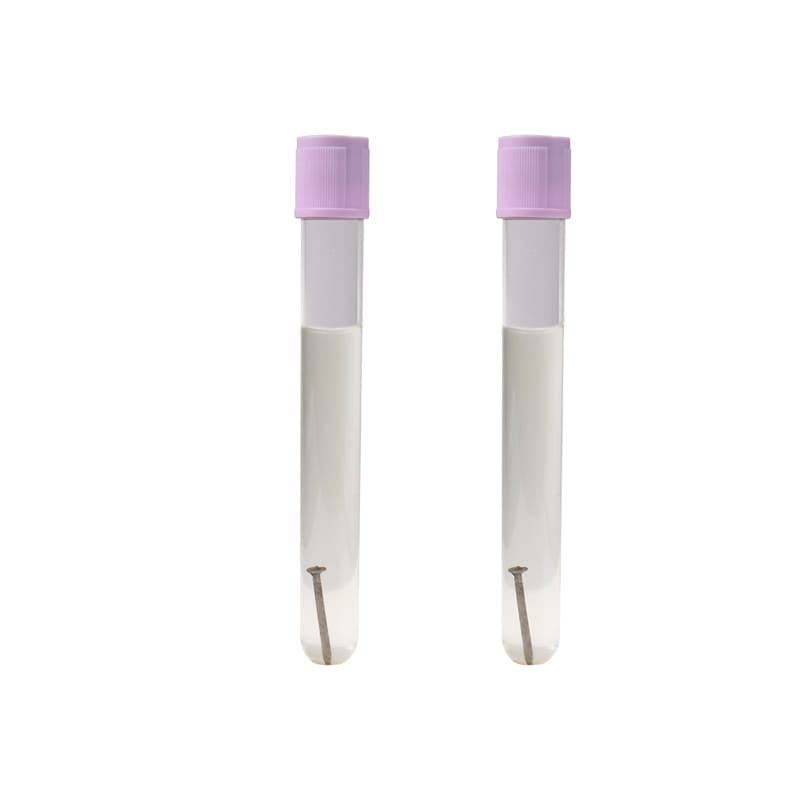
Remember that early detection is key to preventing significant damage. Regular monitoring using appropriate testing methods, such as SRB detection tubes, can help identify problems before they become severe. When issues are detected, a swift and comprehensive response is necessary to prevent escalation.
For more information about testing products and solutions for sulfate reducing bacteria in water, visit Siny Medical or explore their specialized bacterial testing products.
FAQs
1. Are Sulfate Reducing Bacteria in Water harmful to humans?
Sulfate Reducing Bacteria in Water usually do not cause infections. However, hydrogen sulfide gas can cause irritation and unpleasant odors in enclosed spaces.
2. How do I know if Sulfate Reducing Bacteria in Water are present?
Common signs include black slime and rotten egg smell. Laboratory testing confirms Sulfate Reducing Bacteria in Water accurately.
3. Can boiling water remove Sulfate Reducing Bacteria in Water?
Boiling may kill bacteria temporarily. However, it does not eliminate sulfate sources or prevent regrowth of Sulfate Reducing Bacteria in Water.
4. How often should industrial systems test for Sulfate Reducing Bacteria in Water?
Facilities should test monthly or quarterly depending on risk level to monitor Sulfate Reducing Bacteria in Water effectively.
5. What is the best detection method for Sulfate Reducing Bacteria in Water?
Culture-based test kits provide reliable results. Siny Medical offers validated solutions specifically designed for Sulfate Reducing Bacteria in Water monitoring.