Healthcare environments generate significant amounts of medical waste every day. Among the most hazardous types of waste are sharps, which include needles, lancets, scalpels, and other sharp medical instruments. Improper disposal of these items can cause injuries, infections, and environmental hazards.
Learning how to dispose of a sharps container correctly is essential for hospitals, clinics, laboratories, and even patients who manage treatments at home. Safe disposal protects healthcare workers, sanitation staff, and the public from potentially dangerous exposure to bloodborne pathogens such as Hepatitis B, Hepatitis C, and HIV.
This comprehensive guide explains everything you need to know about how to dispose of a sharps container safely, including regulations, step-by-step procedures, disposal options, and best practices used by medical professionals.
Table of Contents
- 1 Sharps and Why Proper Disposal Matters
- 2 What Is a Sharps Container?
- 3 When Should You Dispose of a Sharps Container?
- 4 Step-by-Step Guide: How to Dispose of a Sharps Container Safely
- 5 Home Disposal Options
- 6 How Safety Injection Needles Reduce Sharps Waste Risks
- 7 Choosing the Right Sharps Container
- 8 Environmental Impact of Sharps Waste
- 9 Summary
- 10 FAQs
Before learning how to dispose of a sharps container, it’s important to understand what qualifies as a “sharp” in medical waste management.
Sharps include any medical object capable of puncturing or cutting the skin. These commonly include:
- Hypodermic needles
- Blood collection needles
- Syringes with attached needles
- Lancets used for glucose testing
- Surgical scalpels
- IV catheters
- Broken glass from medical equipment
According to the World Health Organization, unsafe sharps disposal causes millions of accidental needle-stick injuries every year, placing healthcare workers at risk of serious infections.
Proper containment using specialized disposal units—such as those offered by Siny Medical sharps containers—significantly reduces these risks.
Healthcare facilities often combine safe sharps containers with devices like safety injection needles, which include built-in protection mechanisms designed to prevent accidental injuries.
What Is a Sharps Container?
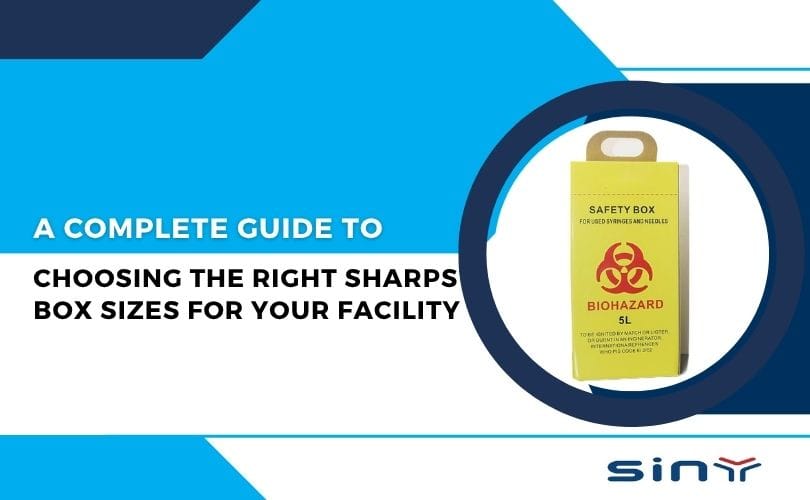
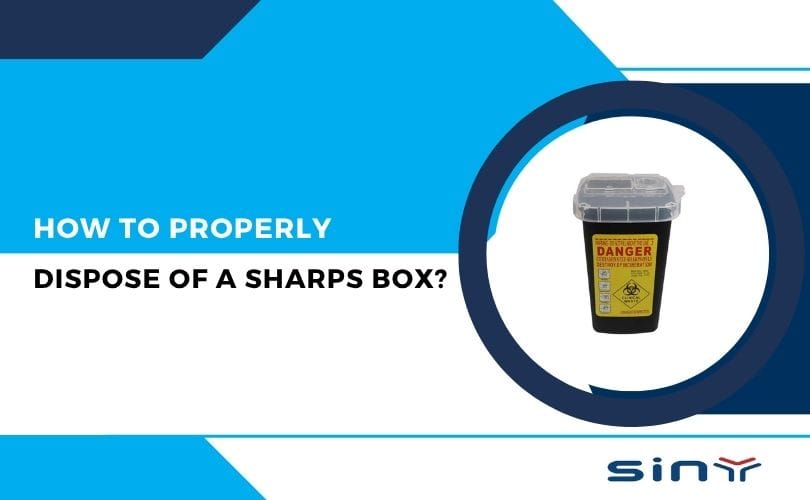
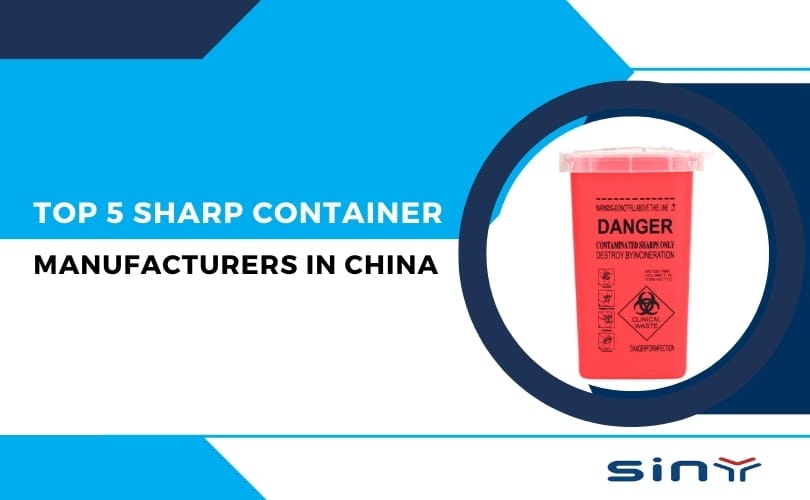
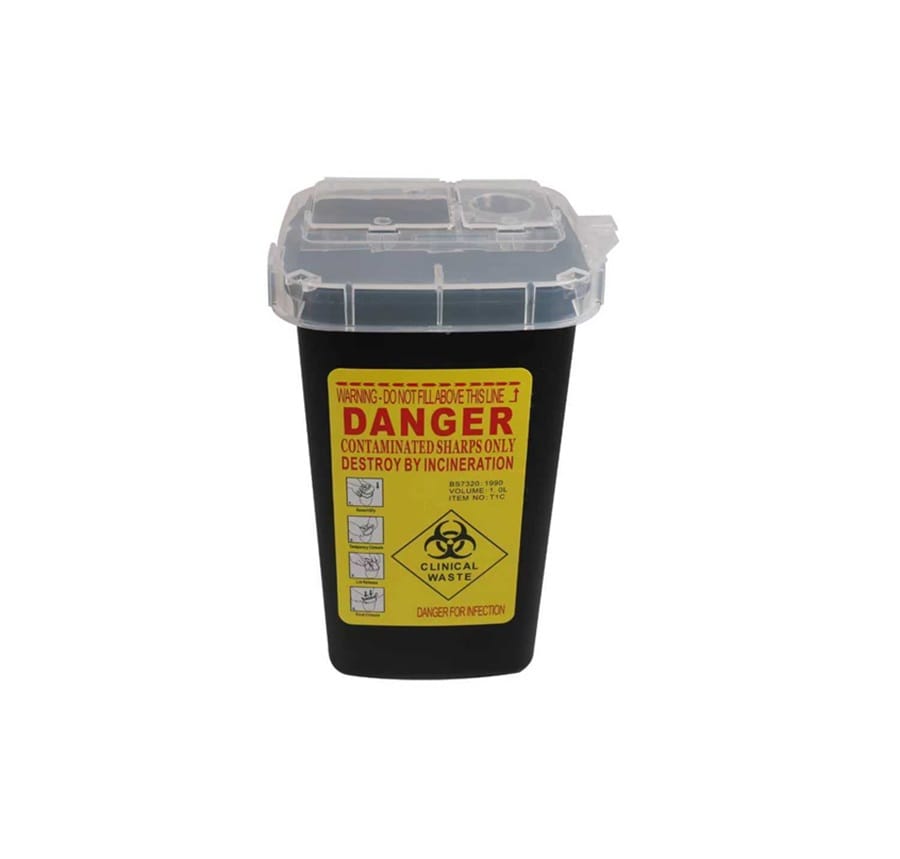
A sharps container is a puncture-resistant, leak-proof, and clearly labeled medical waste container designed to safely collect and store sharp instruments before disposal.
These containers are typically made from durable plastic and feature a small opening that allows sharps to be inserted but prevents them from being removed.
Medical-grade containers such as the Siny Medical Sharp Container follow strict international safety standards to ensure safe handling during storage and transportation.
Key features of a high-quality sharps container include:
| Feature | Purpose |
|---|---|
| Puncture-resistant walls | Prevent needles from piercing the container |
| Leak-proof design | Avoid fluid leakage |
| Secure locking lid | Prevent reopening after sealing |
| Biohazard labeling | Warn handlers of hazardous contents |
These containers are widely used in hospitals, laboratories, vaccination centers, and home healthcare settings.
When Should You Dispose of a Sharps Container?
Knowing when to dispose of a sharps container is just as important as knowing how.
A sharps container should never be filled beyond the designated fill line, which is usually marked on the container’s exterior.
Overfilled containers increase the risk of:
- Needle-stick injuries
- Sharps protruding from the lid
- Improper sealing
- Waste handling accidents
Most safety guidelines recommend replacing a container once it reaches three-quarters full.
Healthcare facilities using medical-grade sharps containers often follow strict waste management protocols to ensure containers are removed before reaching capacity.
Step-by-Step Guide: How to Dispose of a Sharps Container Safely
Proper sharps disposal follows a structured process designed to minimize risk at every stage.
Step 1: Seal the Container Properly
When the container reaches the fill line:
Close the lid using the locking mechanism provided.
Many containers include a permanent locking feature that prevents reopening once sealed.
Never attempt to reopen a sealed container to add more sharps.
Step 2: Check Local Medical Waste Regulations
Sharps disposal laws vary by country and region. Healthcare providers must follow local medical waste regulations regarding collection and transportation.
For example:
- Hospitals often contract licensed medical waste disposal services
- Pharmacies sometimes offer sharps return programs
- Community collection sites may accept sealed containers
Understanding local regulations ensures safe disposal without violating health policies.
Healthcare facilities should always rely on licensed medical waste handlers.
These services collect sealed containers and transport them to specialized facilities for:
- Autoclaving (steam sterilization)
- Incineration
- Chemical treatment
This ensures all sharps waste is safely neutralized before final disposal.
Step 4: Dispose of Household Sharps Properly
Individuals who use injections at home—such as insulin users—must also follow proper disposal practices.
Household sharps can often be disposed of through:
- Local pharmacy programs
- Community hazardous waste sites
- Mail-back sharps disposal services
However, never place loose needles directly into household trash or recycling bins.
Instead, store them in approved containers such as medical sharps containers manufactured to international safety standards.
Home Disposal Options
For individuals who use sharps at home for managing conditions like diabetes, allergies, or other medical needs, proper disposal is equally important. While home users may not generate the volume of sharps that healthcare facilities do, the risks associated with improper disposal remain significant.
Community collection sites offer one of the most accessible options for home sharps disposal. Many communities have designated locations, such as hospitals, pharmacies, or health departments, where residents can safely dispose of their sharps containers. The Safe Needle Disposal website provides a searchable database of collection sites by state, making it easier to find convenient disposal options in your area.
Household hazardous waste programs often accept sharps containers as part of their collection services. Many municipalities hold regular collection events where residents can bring various hazardous materials, including medical sharps, for proper disposal. Check with your local waste management authority or public health department for information on these programs in your area.
Some states have implemented specialized disposal services specifically for home-generated sharps. These programs may include drop-off boxes at convenient locations, pickup services, or mail-back options. For example, California’s Med-Project offers numerous collection sites throughout the state for safe sharps disposal.
How Safety Injection Needles Reduce Sharps Waste Risks
Modern medical technology has significantly improved sharps safety.
Safety injection needles include protective shields or retractable mechanisms that activate after use.
These devices dramatically reduce accidental needle sticks.
Healthcare professionals can explore how these devices work in detail through this guide on how safety injection needles prevent bloodborne disease transmission.
Combining these devices with proper sharps containers ensures a safer healthcare environment.
Choosing the Right Sharps Container
Selecting the correct container helps ensure safe sharps disposal.
Medical facilities should consider several factors:
- Container size and capacity
- Lid security system
- Wall puncture resistance
- Compliance with medical safety regulations
High-quality containers such as those available at Siny Medical Safety Blood Collecting Needle product page are often paired with compatible disposal solutions.
Healthcare providers can also explore additional product options through Siny Medical’s manufacturing platform or learn more about medical device innovations via the Siny Medical YouTube channel.
Environmental Impact of Sharps Waste
Medical waste management is not only about safety—it also affects environmental sustainability.
Globally, healthcare facilities produce millions of tons of medical waste annually, including sharps.
Proper disposal ensures:
- Prevention of soil contamination
- Protection of water systems
- Reduction of disease transmission
Many modern waste treatment systems now use high-temperature incineration and advanced sterilization technologies to safely neutralize sharps waste.
Summary
Learning how to dispose of a sharps container safely is a critical component of healthcare waste management. Improper disposal can lead to injuries, disease transmission, and environmental contamination.
By using puncture-resistant sharps containers, following medical waste regulations, and relying on licensed disposal services, healthcare providers and individuals can significantly reduce these risks.
Safe sharps disposal protects not only healthcare workers but also sanitation staff, patients, and the community. As medical technology advances, improved safety devices and smarter waste management systems will continue to enhance global healthcare safety.
For more information about medical safety products and sharps disposal solutions, you can also contact Siny Medical for professional guidance.
FAQs
How do you dispose of a sharps container at home?
To dispose of a sharps container at home, seal the container once it reaches the fill line and take it to an approved disposal site such as a pharmacy, hospital, or community medical waste facility.
Can you throw a sharps container in the regular trash?
You should never throw a container directly in the trash unless local regulations specifically allow it. Proper programs exist to dispose of a sharps container safely through medical waste services.
What happens to sharps containers after disposal?
Once healthcare facilities dispose of a sharps container, the waste is transported to specialized treatment facilities where it is sterilized, incinerated, or chemically treated to eliminate biological hazards.
How often should sharps containers be replaced?
Healthcare workers should dispose of a sharps container when it reaches the fill line or about three-quarters full. This prevents accidental needle-stick injuries.
Are sharps containers reusable?
Most containers are designed for single use. After they are sealed and facilities dispose of a sharps container, it is processed as regulated medical waste and not reused.