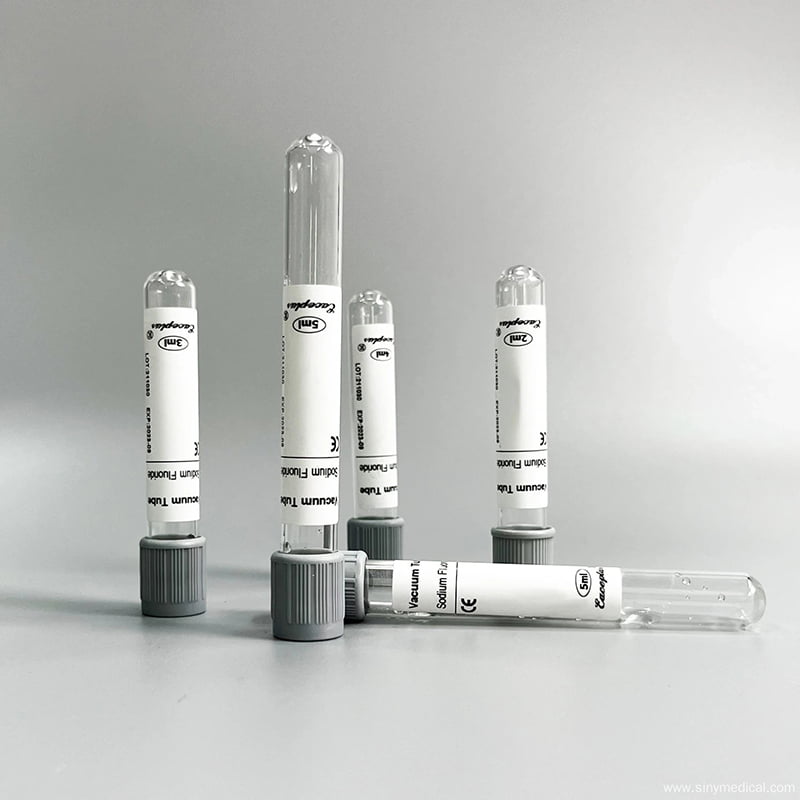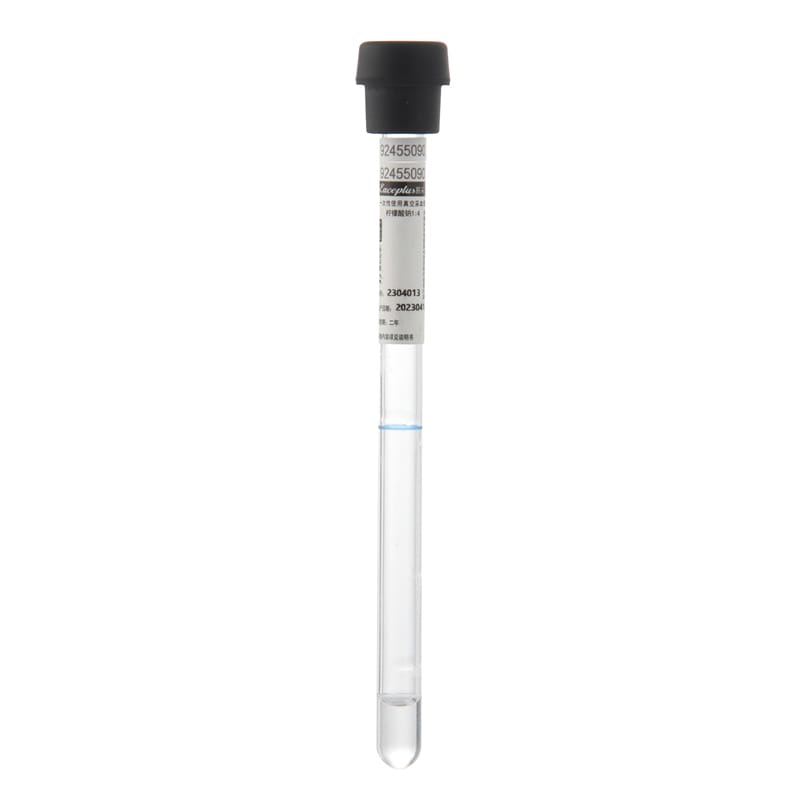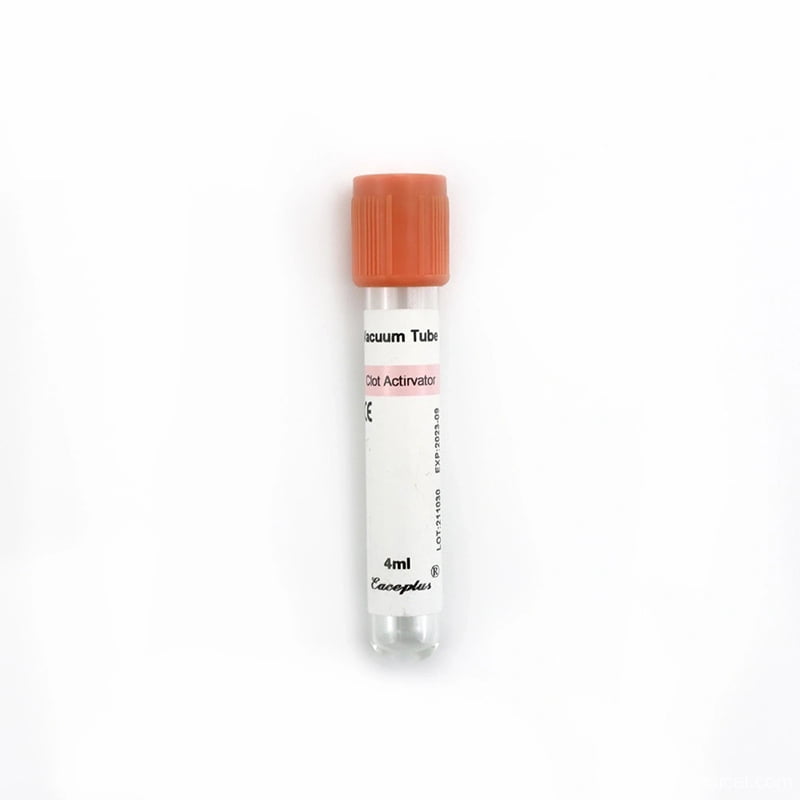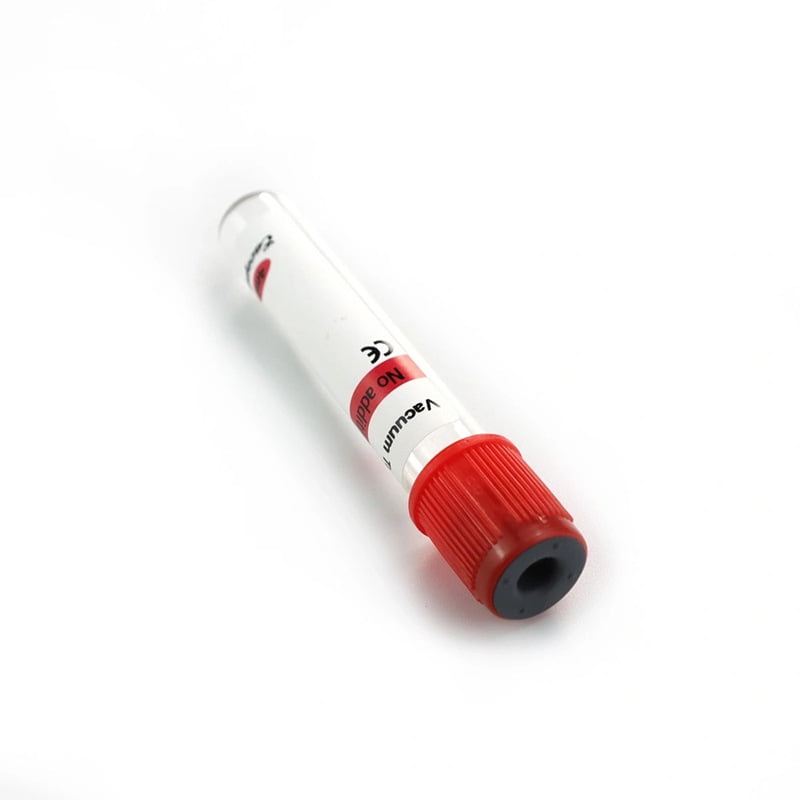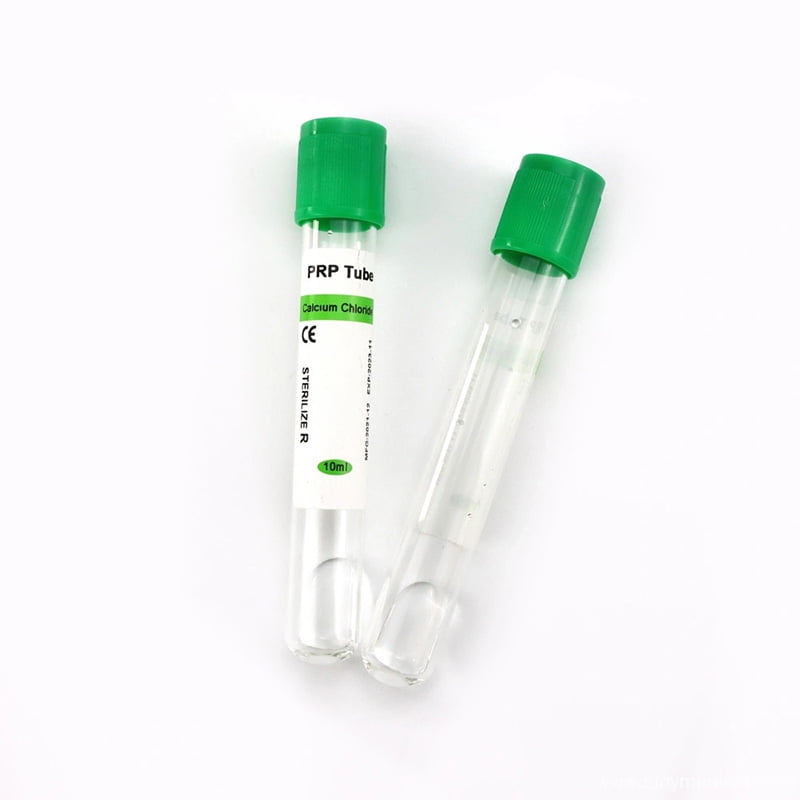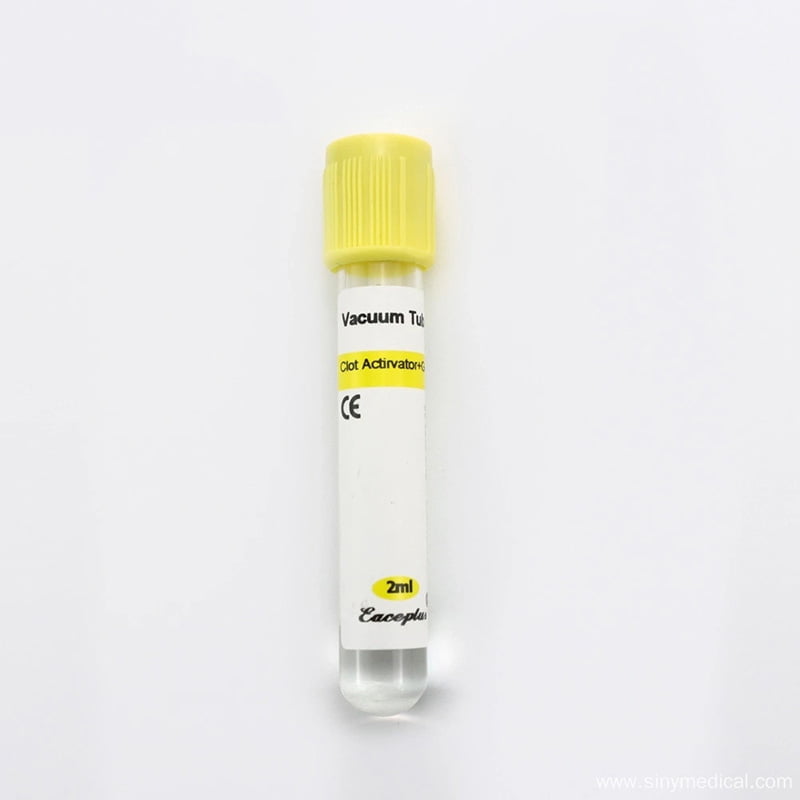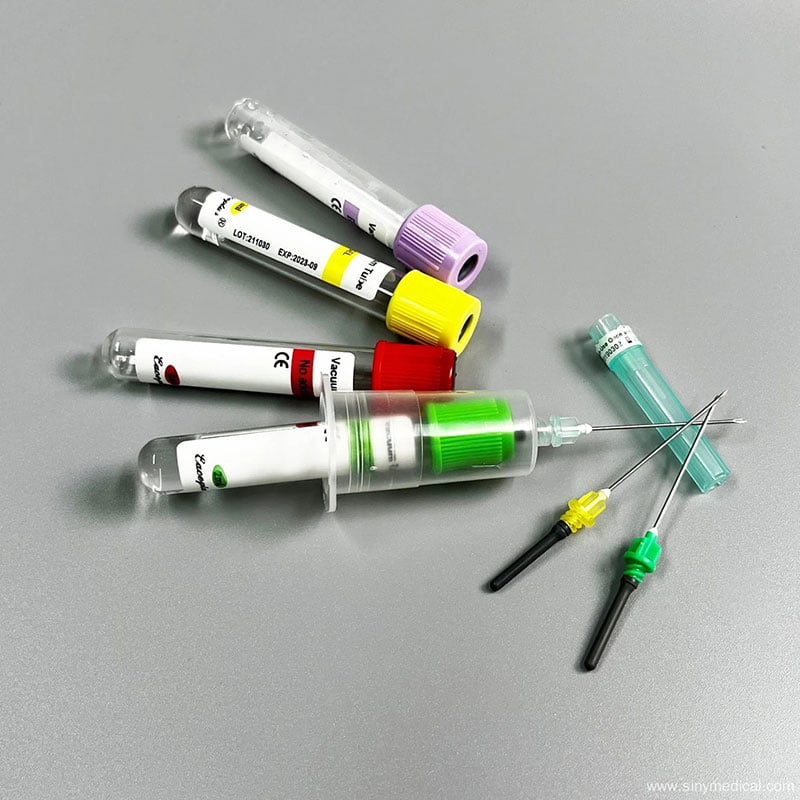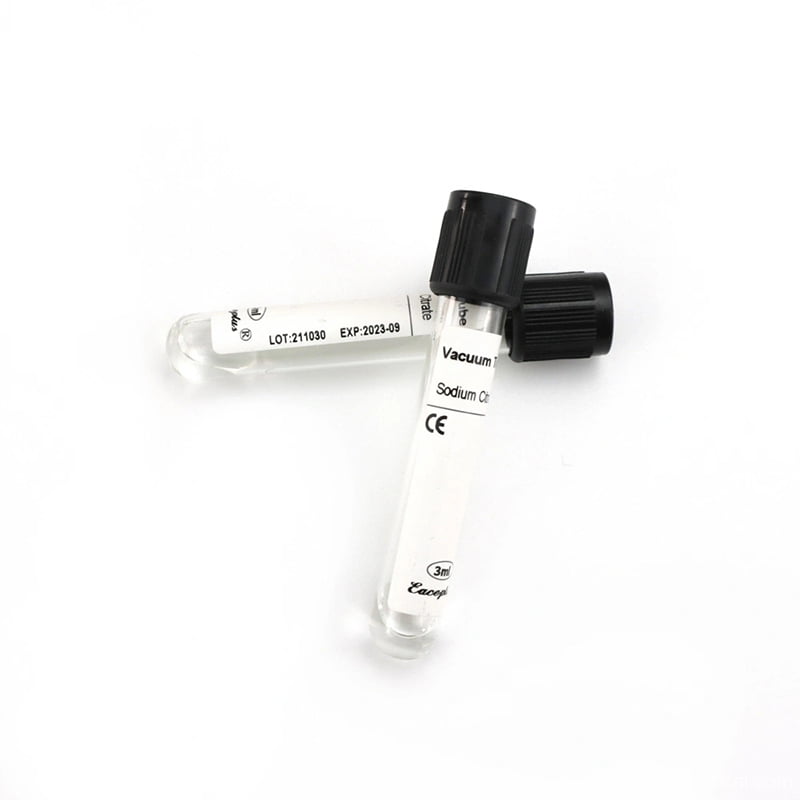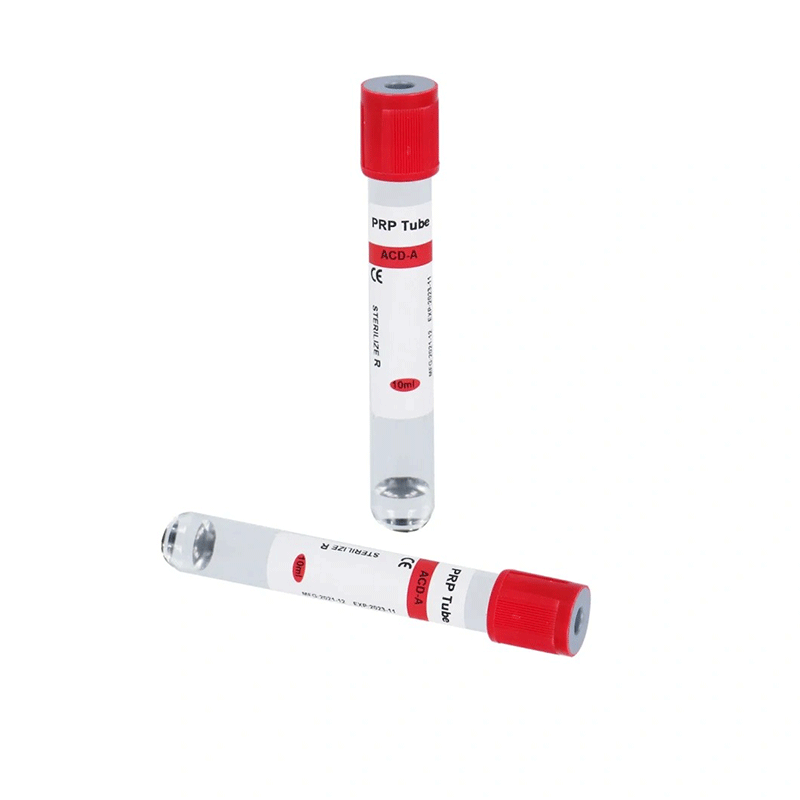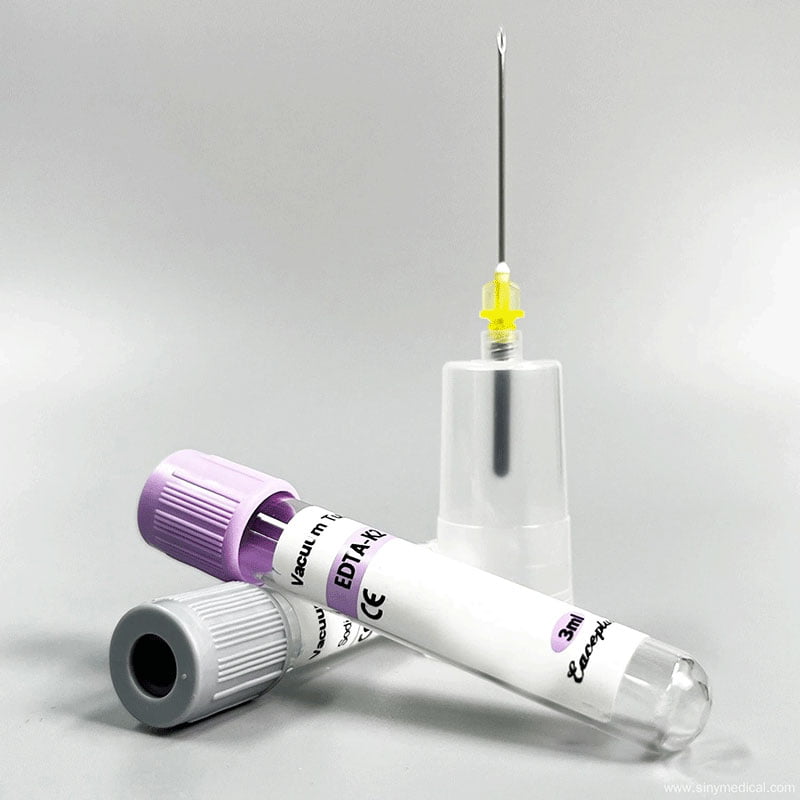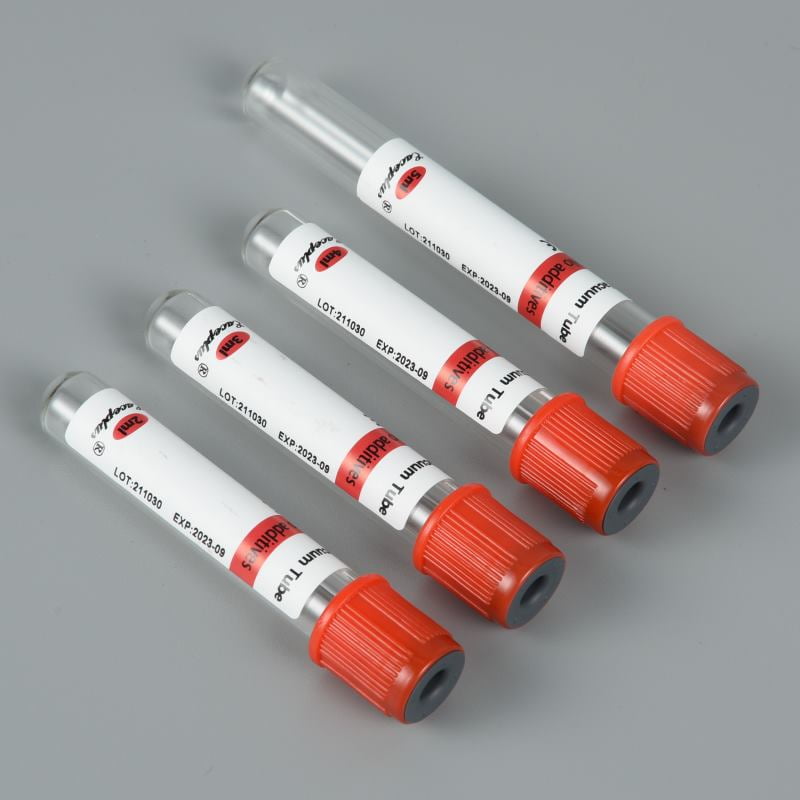
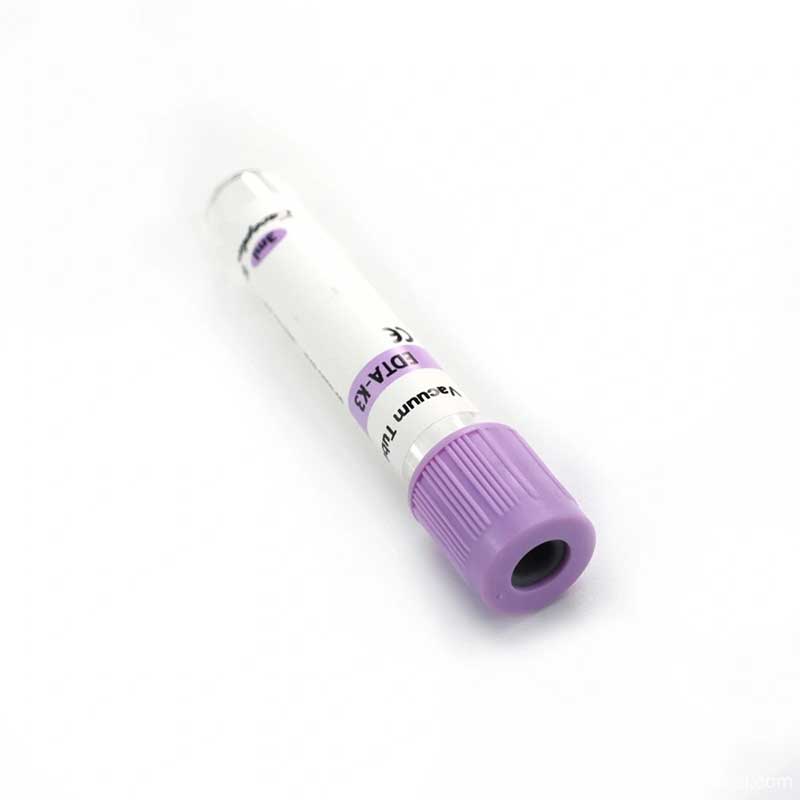

Platelet-Rich Fibrin (PRF) has revolutionized regenerative medicine, offering a natural and effective way to accelerate healing and tissue regeneration. While Platelet-Rich Plasma (PRP) has been widely used for years, PRF takes the concept further by providing a fibrin matrix that enhances the delivery of growth factors and stem cells. In this blog, we’ll explore different types of PRF tubes, their unique properties, and their applications in various medical fields.
Table of Contents
What Are PRF Tubes?
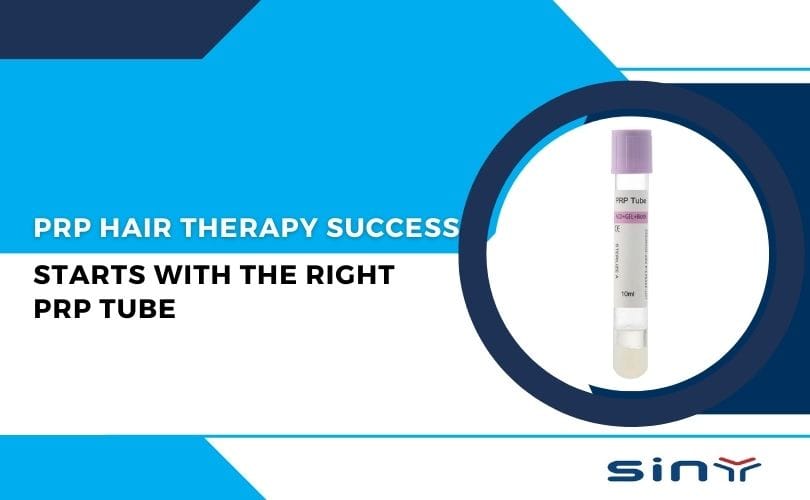
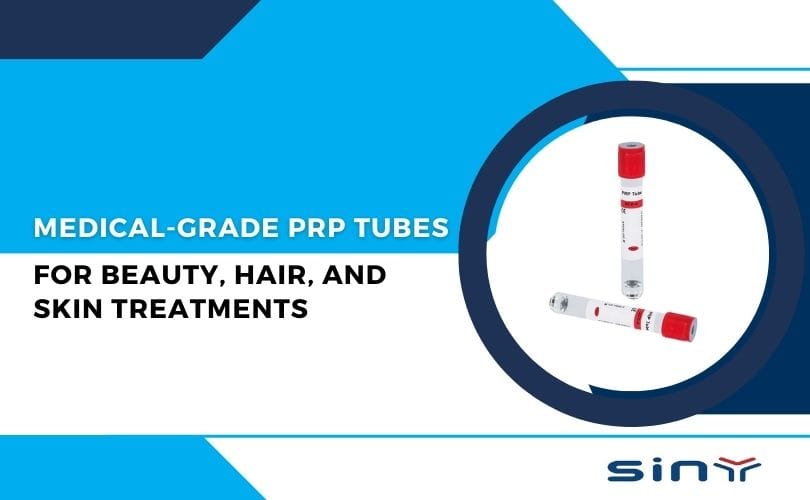
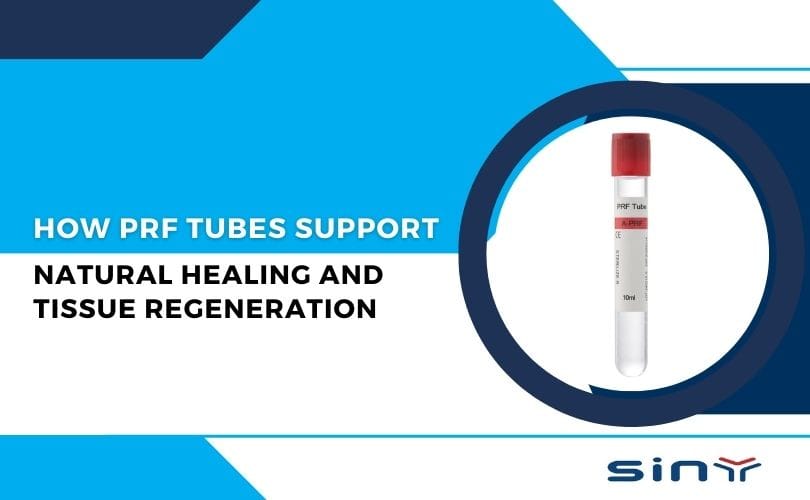
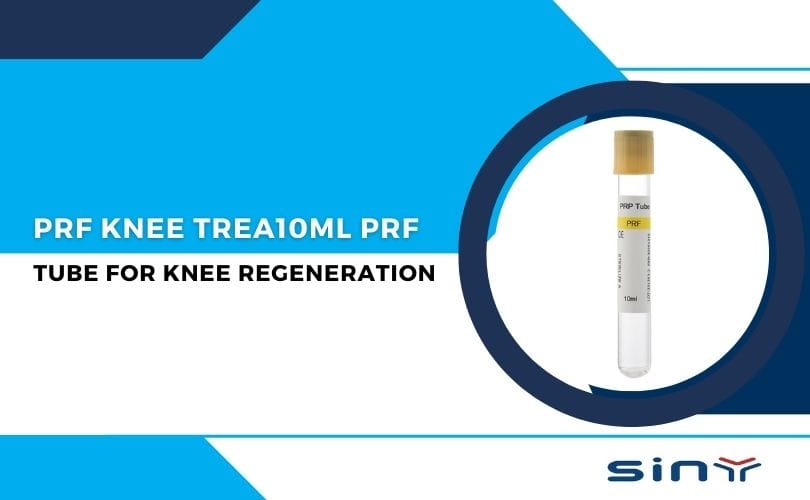
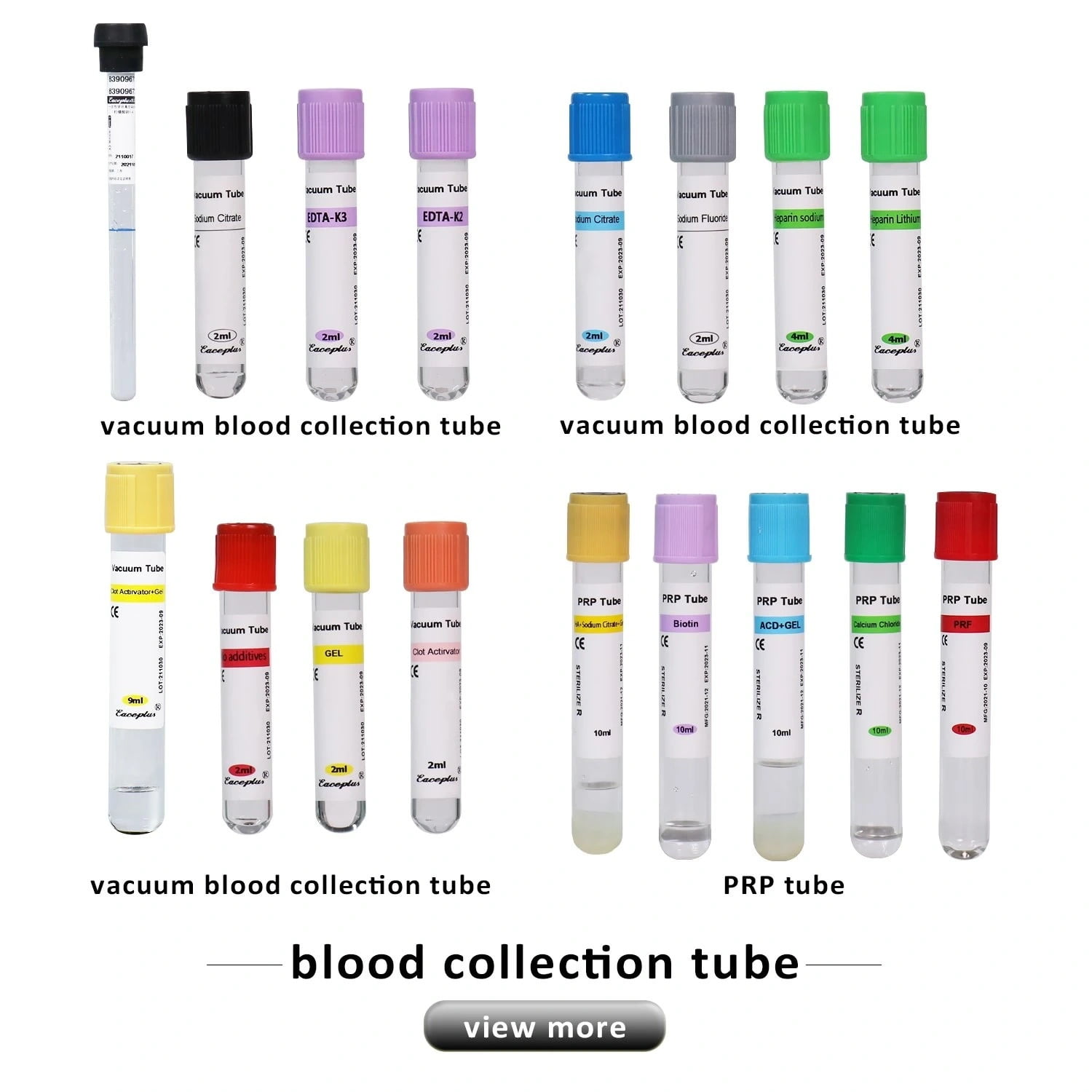
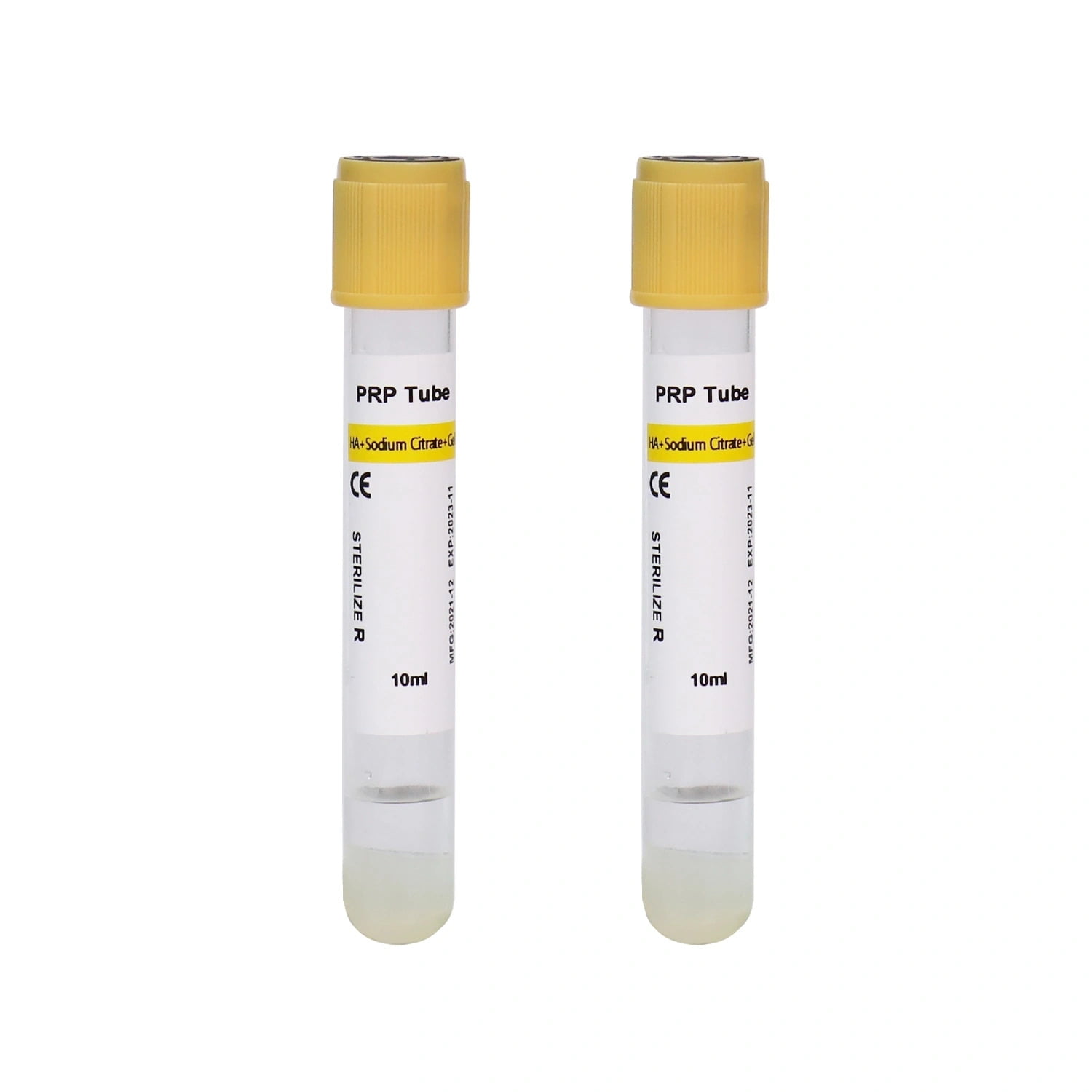
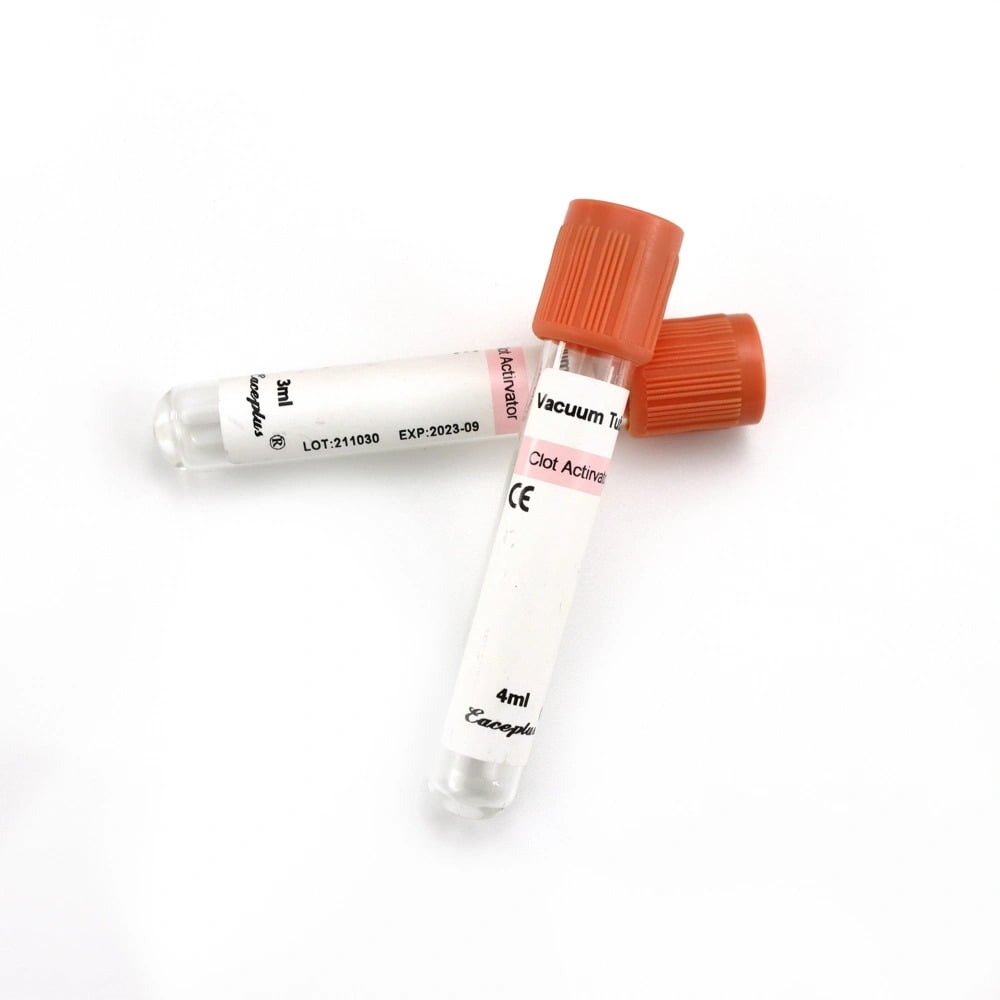
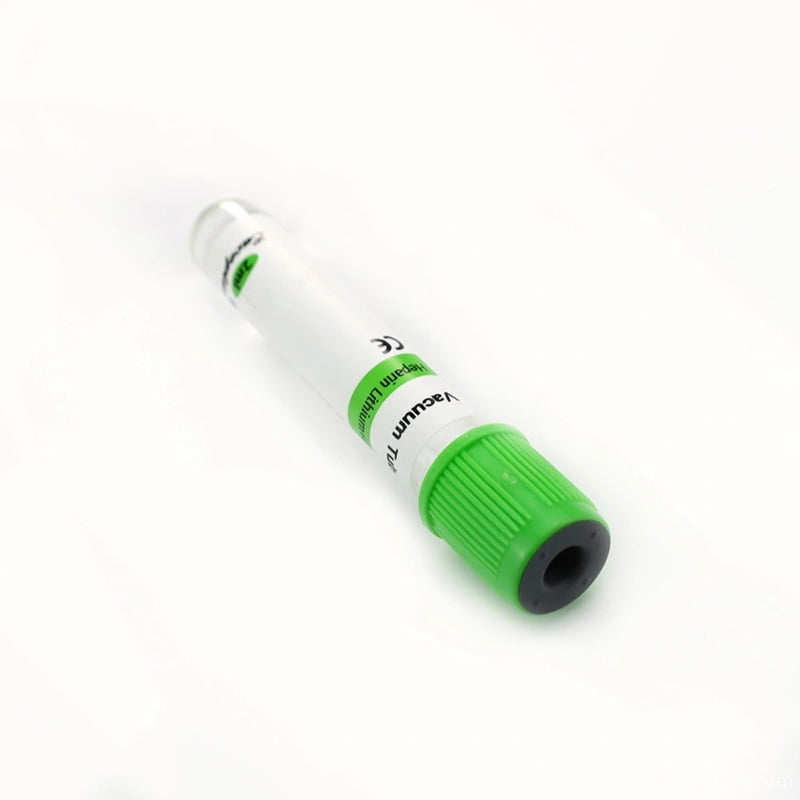
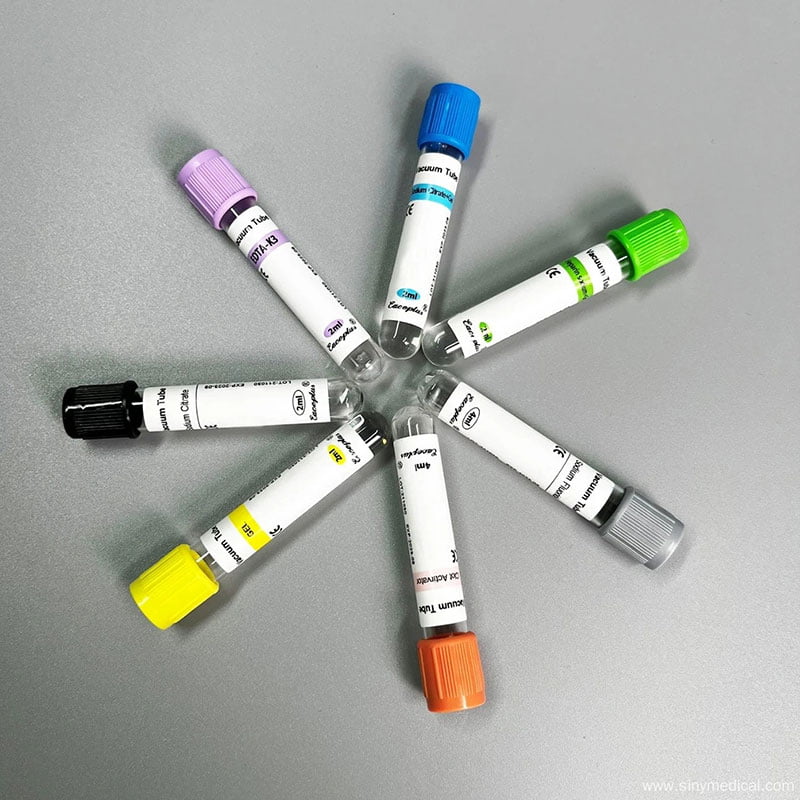
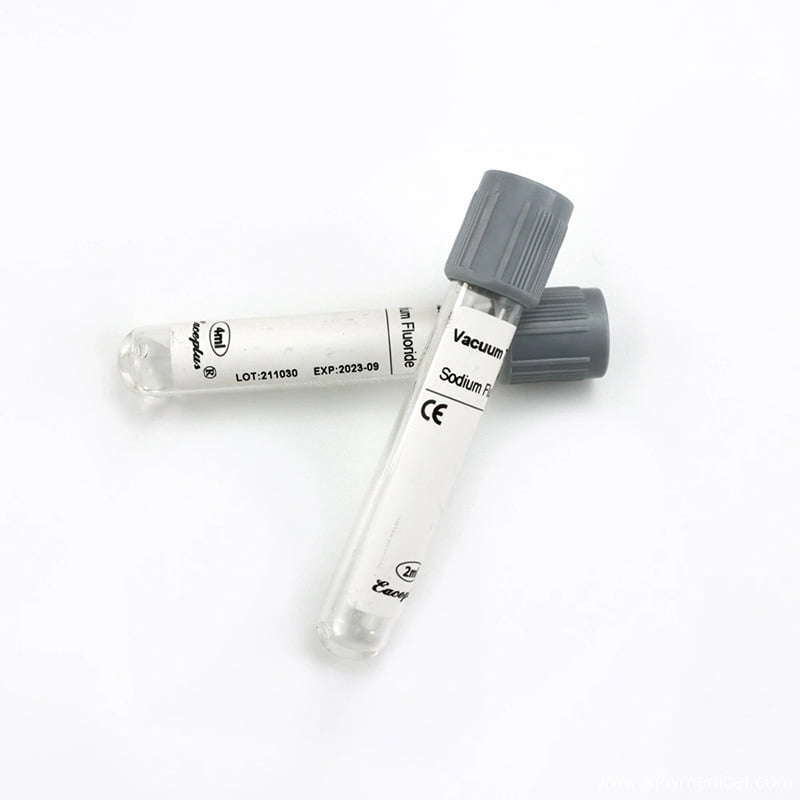
PRF tubes are specialized medical-grade tubes designed to collect and process blood for the production of Platelet-Rich Fibrin. Unlike PRP, which relies on anticoagulants, PRF uses a natural clotting process to create a fibrin-rich matrix packed with platelets, leukocytes, and growth factors. This fibrin matrix acts as a scaffold for tissue regeneration, making PRF a superior choice for many medical and aesthetic procedures.
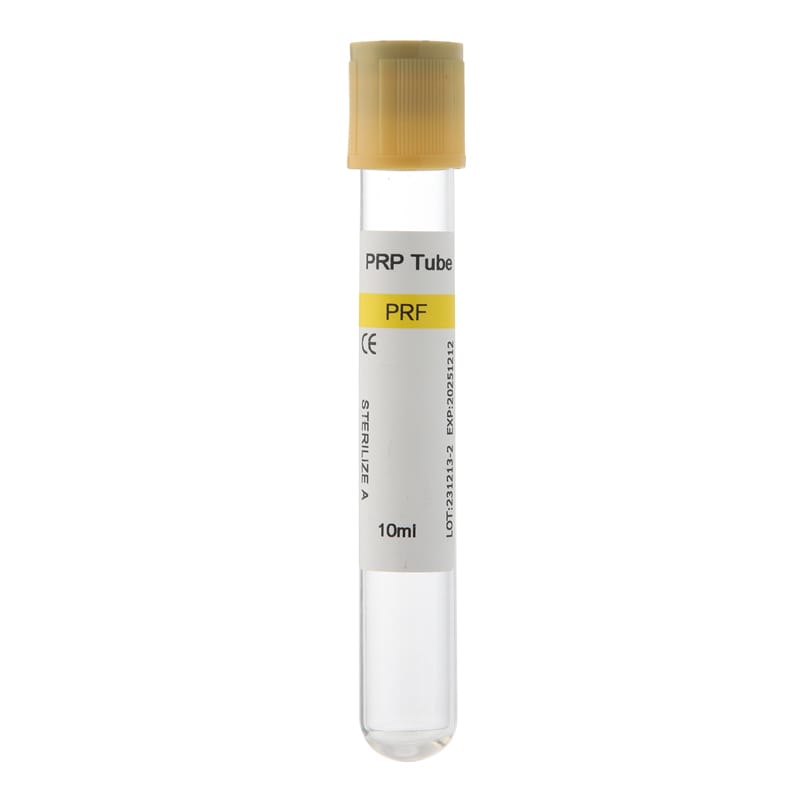
At SINY Medical, we offer a wide range of PRF tubes tailored to specific applications. Whether you work in dentistry, dermatology, or orthopedics, we design our tubes to meet your needs. Explore our PRF Tube Collection to find the perfect solution for your practice.
What Is PRF and Why Are There Different Types of PRF Tubes?
Platelet-Rich Fibrin (PRF) represents a second-generation platelet concentrate designed to address the limitations of PRP. Unlike PRP, which depends on anticoagulants, PRF avoids chemical additives, allowing the natural coagulation process to create a fibrin matrix rich in platelets, leukocytes, and growth factors. This matrix provides a biological scaffold supporting cell migration and tissue regeneration.
The evolution of PRF technologies led to the creation of various types of PRF tubes designed with specific centrifugation protocols and tube surface treatments to optimize fibrin clot quality, cell content, and applicability.
Each type of PRF tube fulfills unique clinical needs ranging from forming membranes, sticky bone composites, to injectable concentrates, expanding their use in dentistry, aesthetics, orthopedics, and wound care.
For detailed product options and tubes designed for distinct treatments, explore the curated selection at Siny Medical PRF Tubes for Beauty or Siny Medical PRP Tubes for Hair Treatment.
Different Types of PRF Tubes
A-PRF (Advanced PRF) Tubes: The Gold Standard for Membranes
A-PRF tubes are the go-to choice for creating durable and flexible fibrin membranes. Manufacturers design these tubes to produce thick, cross-linked fibrin clots rich in leukocytes and growth factors, ensuring they serve as ideal solutions for applications that demand a biological barrier or healing scaffold.
What It Creates:
A-PRF produces a supple fibrin membrane that can be stretched, sutured, and manipulated. This membrane acts as a natural bandage, promoting faster and more organized tissue closure.
Primary Applications:
- Dentistry & Oral Surgery: A-PRF membranes are invaluable for covering extraction sockets, protecting bone grafts in Guided Bone Regeneration (GBR) procedures, sinus lift operations, and repairing periodontal defects. They accelerate soft tissue healing, reduce the risk of infection, and preserve the underlying bone structure.
- Wound Care: A-PRF membranes serve as living bandages for chronic wounds or surgical sites, accelerating healing and minimizing scarring.
For more information on A-PRF tubes, visit our PRP Tube Page.
S-PRF (Sticky PRF) Tubes: The Biological Glue for Bone Grafts
S-PRF tubes are specially designed to create a fluid PRF that acts as a biological glue for bone grafts. This unique formulation allows medical professionals to mix PRF with bone graft particles, creating a pliable and bioactive composite known as “Sticky Bone.”
What It Creates:
S-PRF produces a pliable, bioactive composite graft that holds its shape and is easy to place. This makes it ideal for procedures requiring precise bone graft placement.
Primary Applications:
- Dental Implants: Sticky Bone is a game-changer for socket preservation and ridge augmentation. Surgeons can perfectly contour the graft material around an implant or within a bone defect, ensuring the graft stays precisely where it’s needed for predictable bone formation.
- Maxillofacial & Orthopedic Surgery: S-PRF transforms loose bone granules into a manageable, growth-factor-enriched putty, making it ideal for complex reconstructive procedures.
Learn more about S-PRF tubes on our PRP Tubes for Dental Page.
i-PRF+ (Injectable PRF) Tubes: The “Liquid Gold” for Total Rejuvenation
i-PRF+ tubes create a liquid, injectable form of PRF that stays fluid for approximately 10-15 minutes before turning into a gel. This makes it ideal for delivering regenerative cells and growth factors deep into tissues.
What It Creates:
Medical professionals administer i-PRF+ as a liquid concentrate of platelets, leukocytes, and stem cells through injection or microneedling.
Primary Applications:
- Aesthetics & Dermatology: i-PRF+ is the driving force behind the next generation of “vampire facials.” It rejuvenates skin, stimulates collagen production, reduces fine lines, and treats hair loss by revitalizing dormant hair follicles.
- Orthopedics & Sports Medicine: Medical professionals inject i-PRF+ directly into joints such as the knee or shoulder to reduce inflammation, manage osteoarthritis symptoms, and promote cartilage and tendon repair.
Discover the benefits of i-PRF+ on our PRP Tubes for Beauty Page.
PRF Tubes by Features and Applications
| Type of PRF Tube | Form | Key Features | Primary Uses |
|---|---|---|---|
| A-PRF (Advanced PRF) | Solid membrane | Thick, flexible fibrin, rich in leukocytes and growth factors | Wound healing, guided bone regeneration, membranes in oral surgeries |
| S-PRF (Sticky PRF) | Sticky composite | Fluid PRF that adheres to bone graft particles, “Sticky Bone” formulation | Bone graft stabilization, socket preservation, maxillofacial and orthopedic grafting |
| i-PRF+ (Injectable PRF) | Liquid concentrate | Injectable, remains fluid 10–15 min, rich in regenerative cells | Aesthetic injections (facials, hair), joint injections, sports medicine |
How to Choose the Right PRF Tube for Your Practice
Choosing the appropriate PRF tube depends on several factors:
- Treatment Goal: Membrane formation, bone graft stability, or injectable therapy.
- Tissue Type: Bone, soft tissue, skin, or joint.
- Procedure Specifics: Surgical procedures needing durable membranes vs. minimally invasive aesthetic injections.
- Patient-Specific Needs: Healing capacity, comorbidities, and expected tissue response.
Practitioners can consult product details and clinical guides at Siny Medical Contact page for assistance in selecting the optimal PRF tube.
Why Tube Quality Matters
Not all PRF tubes are created equal. High-quality medical-grade tubes ensure sterility, accurate blood separation, and consistent PRF quality. Poorly manufactured tubes can compromise results, increase infection risks, or fail to produce usable PRF.
That’s why choosing a trusted provider like Siny Medical matters. They specialize in PRP and PRF tubes designed for clinical excellence.
Where to Buy High-Quality PRF Tubes
If you’re looking for reliable PRF solutions, explore:
For more educational resources, head over to Siny Medical’s blog or subscribe to their YouTube channel for updates and tutorials.
And if you’d like to connect directly with specialists, visit Contact Siny Medical.
Final Takeaway
The rise of PRF tubes represents a major step forward in regenerative healthcare. With options like A-PRF, S-PRF, and i-PRF+, clinicians now have powerful tools to improve healing, restore tissues, and enhance patient outcomes. Whether it’s dentistry, aesthetics, or sports medicine, PRF is quickly becoming the gold standard.
If you’re a healthcare professional or clinic looking to upgrade your practice, explore the full range of PRF and PRP solutions at Siny Medical.
FAQs
1. What makes PRF better than PRP?
PRF is created without anticoagulants, making it more natural. It also releases growth factors slowly over several days, while PRP releases them all at once.
2. How long does PRF treatment last?
Results vary, but many patients experience benefits for 6–12 months depending on the application.
3. Are PRF tubes safe?
Yes, as long as high-quality sterile tubes are used. Low-grade tubes can compromise safety and effectiveness.
4. Can PRF tubes be reused?
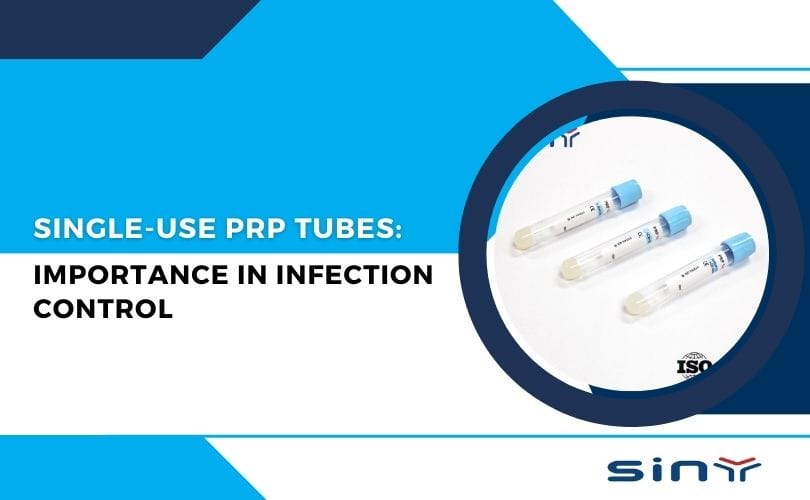
No. For sterility and patient safety, they are strictly single-use.
5. Which type of PRF tube should I choose?
It depends on your clinical goal—A-PRF for membranes, S-PRF for sticky bone grafts, and i-PRF+ for injectable treatments.