| Item | Specification |
|---|---|
| Product Name | Siny Medical PVC Infusion Set with Butterfly Needle |
| Product Type | IV Infusion Administration Set |
| Tubing Material | PVC |
| Needle Component | Butterfly Needle (Winged Needle) |
| Administration Route | Intravenous |
| Primary Function | Delivery of Compatible IV Fluids |
| Intended Use | Peripheral Intravenous Infusion |
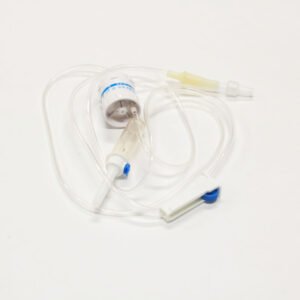
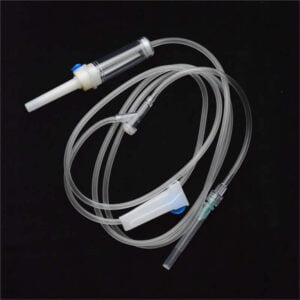
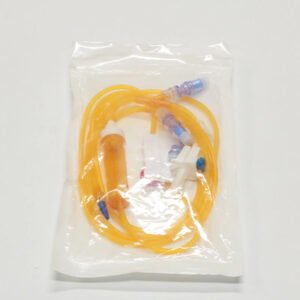
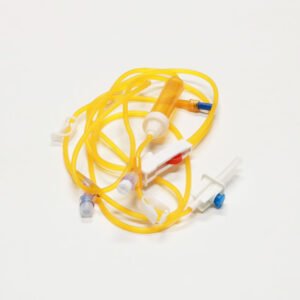
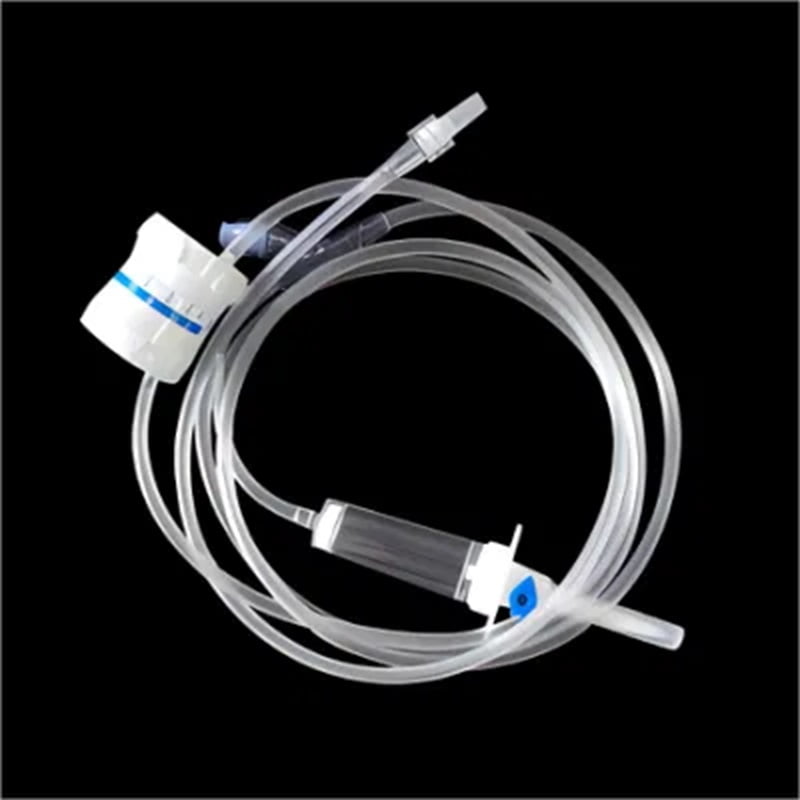
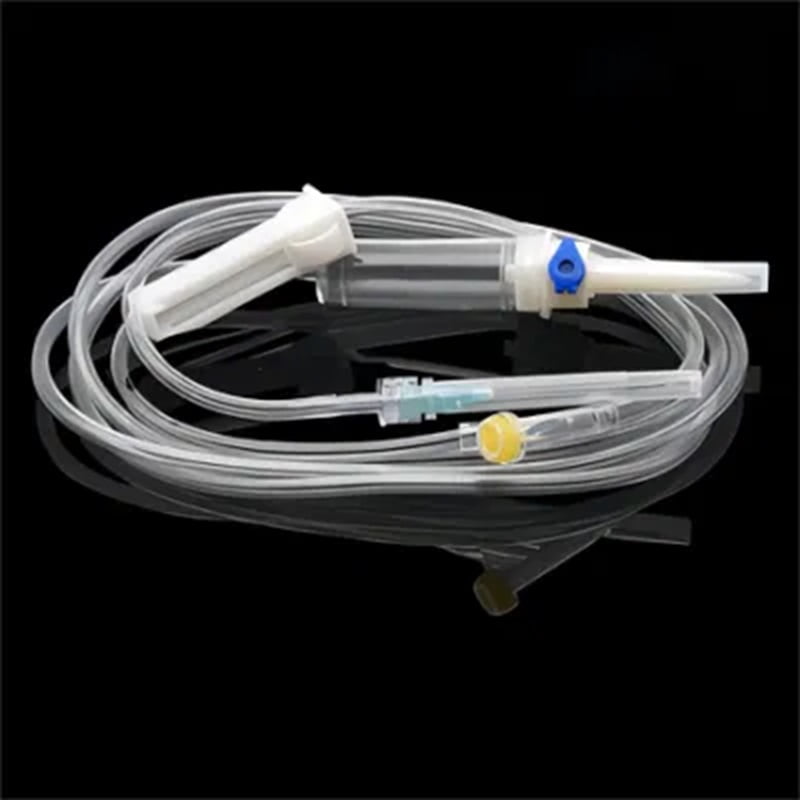
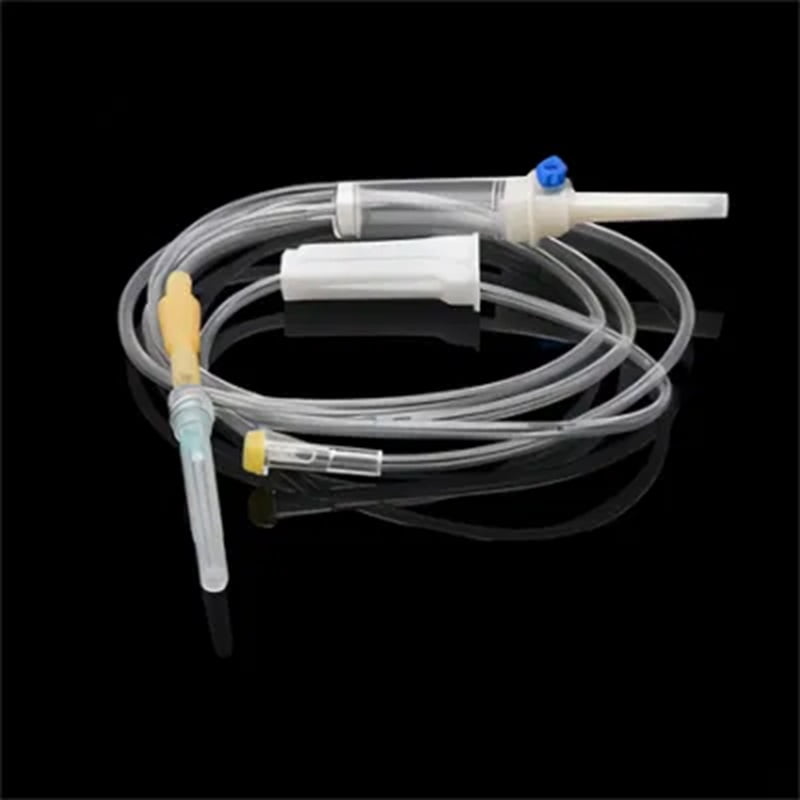
The PVC Infusion Set with Butterfly Needle from Siny Medical combines a PVC infusion fluid pathway with a winged needle for peripheral intravenous access. This design supports the administration of compatible IV fluids during appropriate short-term procedures. The butterfly needle provides a practical gripping surface, while the infusion tubing connects the fluid container to the venous access point.
A butterfly needle, also called a winged infusion needle or scalp vein needle, features two flexible wings beside the needle hub. These wings help healthcare professionals handle and position the needle during venipuncture. Unlike an over-the-needle IV catheter, the metal needle remains in place during use. Therefore, the device is better suited to selected short-duration applications than prolonged intravenous access.
At Siny Medical, we supply medical infusion consumables with attention to functional design and component compatibility. Our PVC infusion set with a butterfly needle brings together two important elements: an administration pathway for fluid delivery and a winged needle for venous access.
The infusion set and butterfly needle perform different but connected functions. The administration tubing transfers fluid, while the winged needle provides access to the vein.
PVC is a widely used polymer in medical infusion tubing. Its flexibility supports routing the administration line between the infusion container and the access site.
The tubing forms part of the fluid pathway. Its internal dimensions influence flow resistance and priming volume. Meanwhile, its material composition affects compatibility with the administered solution.
Not every PVC formulation has the same properties. Plasticizer composition and fluid-contact characteristics can differ. Therefore, PVC should not automatically be described as DEHP-free or suitable for every medication.
The tubing must also remain free from unintended kinks or compression during administration. These conditions can interfere with fluid movement.
The butterfly needle has a metal cannula and two flexible wings positioned near the hub. The wings provide a gripping surface during insertion and help support needle positioning.
The winged design is useful when controlled handling is important. It may also assist with access to selected superficial veins.
However, the needle remains a rigid metal component inside the vein during use. Movement at the access site can therefore increase the risk of vessel irritation or injury.
For this reason, butterfly needles are generally associated with short-term venous access rather than prolonged infusion therapy.
A conventional gravity infusion system commonly includes a container spike, drip chamber, flow regulator, and terminal connector.
The spike establishes a connection with a compatible infusion container. The drip chamber allows visual observation of fluid movement, while the flow regulator adjusts resistance within the tubing.
The terminal connection must be compatible with the butterfly needle assembly. Secure, suitable connections help maintain the fluid pathway during administration.
The exact arrangement of these components depends on the finished product design.
A butterfly needle infusion system combines fluid administration with direct venous access.
During a suitable gravity infusion, the fluid container provides the pressure needed to move the solution through the administration tubing. The flow regulator adjusts resistance, while the drip chamber allows observation of fluid movement.
The butterfly needle provides the final access point. Its wings support handling during venipuncture, and the connected fluid pathway delivers the prescribed solution into the vein.
Before use, healthcare professionals prepare the system according to the device instructions and applicable clinical procedures. Proper priming helps remove unwanted air from the fluid pathway.
During administration, the clinical team monitors the infusion rate, access site, and patient condition. The metal needle must remain appropriately stabilized because movement can affect the vein.
Butterfly needles and peripheral IV catheters both provide vascular access, but they have different structures.
| Feature | Butterfly Needle | Peripheral IV Catheter |
|---|---|---|
| Access Component | Metal needle remains in the vein | Flexible catheter remains after introducer needle removal |
| Handling Design | Flexible wings near needle hub | Catheter hub and insertion assembly |
| Typical Application | Selected short-term access | Short-term or extended peripheral IV therapy, according to device instructions |
| Movement Consideration | Needle movement can irritate or injure the vessel | Flexible catheter allows a different movement profile |
| Main Limitation | Not preferred for prolonged access | Requires appropriate catheter selection and maintenance |
The difference matters because the access device influences both clinical handling and the duration of use.
Gravity infusion depends on the height of the fluid container and the resistance within the administration pathway.
A conventional roller clamp changes tubing compression to adjust flow. However, the delivered rate can also change with container height, fluid properties, and downstream resistance.
As a result, gravity infusion requires appropriate monitoring. Treatments requiring precise delivery need equipment suited to that requirement.
The main benefit of this design is the combination of a flexible infusion pathway and a winged needle for selected venous access procedures.
The butterfly wings provide a stable gripping surface close to the needle hub. This arrangement helps healthcare professionals position the needle during insertion.
The wings may also help stabilize the hub after placement when secured according to the applicable clinical procedure.
However, winged construction does not eliminate the risk of needle movement or infiltration. Correct technique and site monitoring remain essential.
PVC tubing provides a flexible fluid pathway between the infusion container and the needle connection.
Its flexibility supports practical positioning during administration. At the same time, the tubing must maintain a suitable internal passage for fluid delivery.
Material compatibility remains important. Certain medications may interact with particular PVC formulations, so the intended solution must be considered.
Butterfly needles are commonly associated with brief venous access procedures. They can support selected intravenous fluid or medication administration when the device and treatment are compatible.
However, they are not a universal replacement for peripheral IV catheters. Longer procedures or treatments involving substantial patient movement may require a different access device.
In addition, solutions with significant tissue-injury potential require particular care. A rigid needle is not an appropriate default choice for every intravenous treatment.
A butterfly needle infusion set can support selected short-term intravenous procedures. Its use depends on the prescribed treatment, the patient’s veins, and the clinical environment.
A winged needle may provide access for compatible intravenous fluids during a brief procedure.
The administration system must match the solution and required delivery method. In addition, the access site needs appropriate monitoring throughout use.
The metal needle should not remain in place longer than the intended procedure or device instructions permit.
Some medications may be administered through a suitable butterfly needle system.
However, medication compatibility and tissue-injury risk are important considerations. Certain treatments require a peripheral IV catheter, specialized administration equipment, or another vascular access method.
Therefore, the selected access device must match the prescribed medication and clinical procedure.
The winged needle design can support controlled insertion into selected superficial veins.
Its flexible wings provide a close gripping point near the needle hub. This may be useful when the access site requires careful positioning.
Nevertheless, difficult venous access does not automatically make a butterfly needle the best choice. Vessel condition, treatment duration, and patient movement must also be considered.
Several technical characteristics influence the performance of a PVC infusion system with a winged needle.
PVC tubing must be compatible with the intended infusion solution.
Different PVC formulations can contain different additives. These differences may influence material flexibility and interaction with certain medications.
Consequently, PVC composition should be considered separately from the general tubing design.
Needle gauge affects the internal diameter of the needle and its flow characteristics.
A smaller gauge number generally indicates a larger needle diameter. However, a larger needle is not automatically better for every procedure.
The appropriate needle depends on vein characteristics, prescribed treatment, and the device’s intended use.
Specific gauge sizes must correspond to the actual product configuration.
The fluid pathway must maintain suitable connections between the infusion container, tubing, and butterfly needle.
Unintended kinks, leakage, or loose connections can interfere with administration.
The complete system must also support appropriate preparation and priming before use.
Butterfly needles contain a rigid metal cannula that remains in the vein during administration.
As a result, movement at the access site requires particular attention. Appropriate stabilization helps reduce unintended needle displacement.
For prolonged treatment, a peripheral IV catheter may provide a more suitable access method.
Proper handling supports the intended performance of the infusion system and helps reduce avoidable complications.
Before use, inspect the product identification, packaging condition, and expiration date. Where the device is supplied sterile, confirm that its sterile barrier remains intact.
Prepare the fluid pathway according to the instructions for use. Use appropriate aseptic technique and ensure that the tubing is correctly primed.
During venous access, healthcare professionals must use an appropriate insertion technique. The butterfly wings support handling, but they do not replace proper stabilization.
During infusion, monitor the flow rate and access site. Stop the procedure and assess the site if signs of infiltration, swelling, pain, or other complications occur.
After use, remove and dispose of the needle using the applicable sharps safety procedures. The used infusion components must also be discarded according to healthcare waste requirements.
Store unused products according to their labeled conditions. Protect packaging from physical damage and unsuitable environmental exposure.
It is an intravenous administration system that combines PVC infusion tubing with a winged needle for venous access.
The flexible wings provide a gripping surface during needle insertion and help support positioning and stabilization.
No. A butterfly needle leaves a metal needle in the vein during use. A peripheral IV catheter leaves a flexible catheter in place after the introducer needle is removed.
Yes, selected butterfly needles can support short-term intravenous fluid or medication administration when appropriate for the device and treatment.
They are generally not preferred for prolonged intravenous access because the rigid metal needle remains in the vein.
No. PVC-free and DEHP-free are different material descriptions. The plasticizer composition depends on the actual tubing formulation.
Butterfly needles are available in different gauge sizes across the industry. The appropriate gauge depends on the intended procedure and venous access requirements.
A winged needle can assist with controlled access to selected superficial or difficult veins. However, the clinical team must evaluate the access site and procedure.
No. The butterfly needle provides vascular access, while an infusion pump controls fluid delivery. They perform different functions.
Used butterfly needles must be discarded promptly in an appropriate sharps container, following the applicable clinical safety procedures.
Siny Medical supplies PVC infusion sets with butterfly needles for selected peripheral intravenous applications. We focus on the relationship between tubing construction, winged needle handling, and fluid pathway compatibility.
Explore our infusion products or contact Siny Medical to discuss butterfly needle configurations, PVC tubing requirements, and product supply inquiries.
Copyright © 2026 | Ningbo Siny Medical Technology Co., Ltd