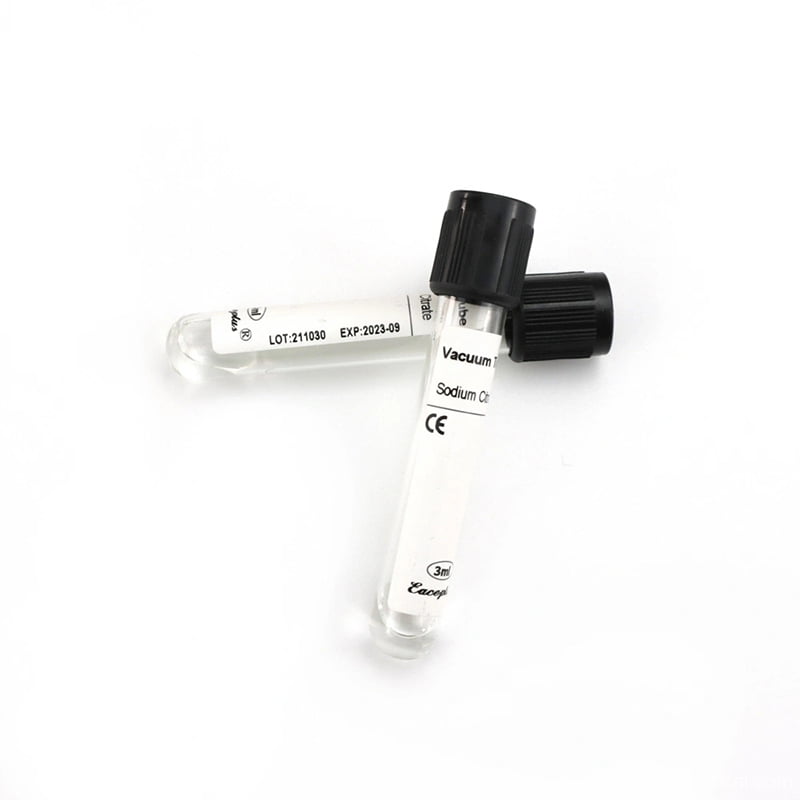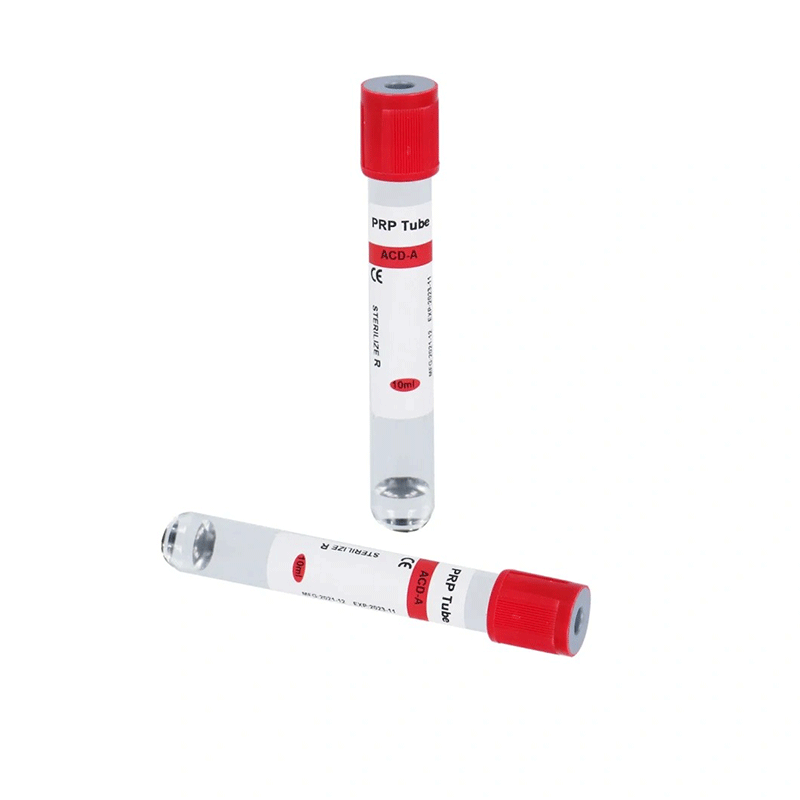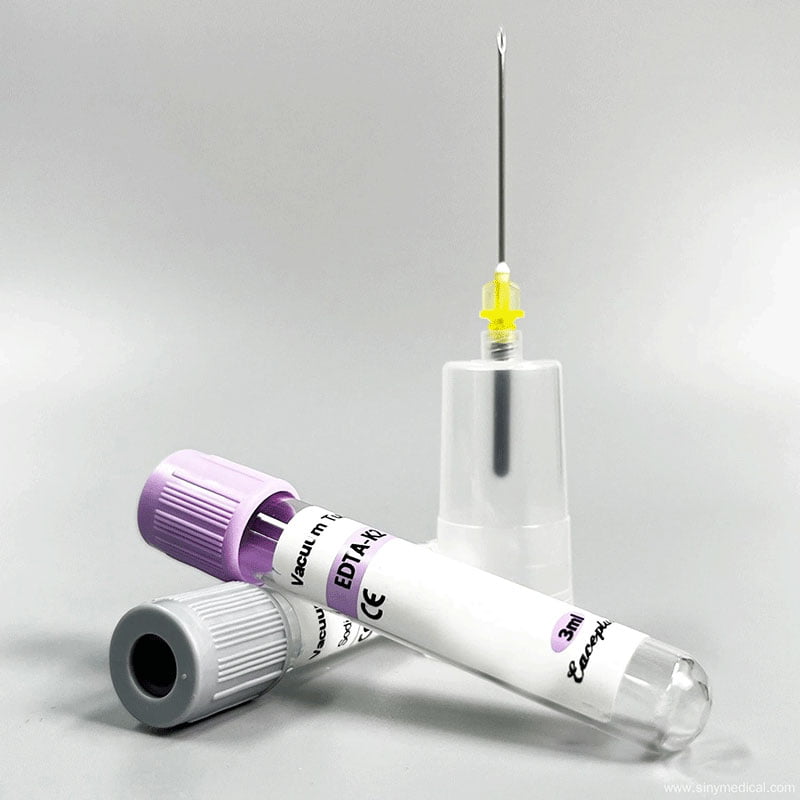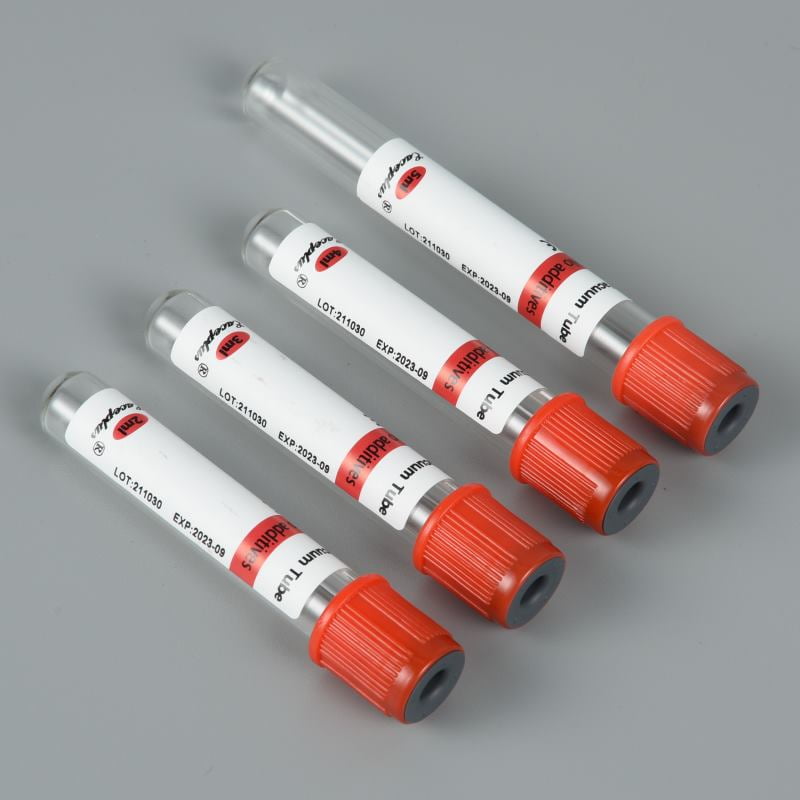
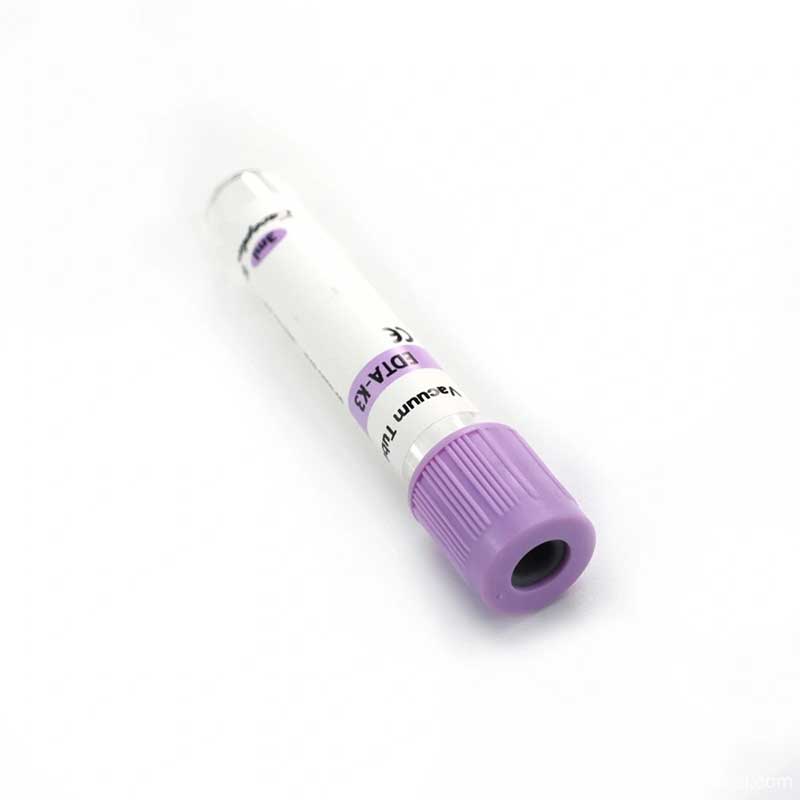
Knee pain and injuries are common issues affecting millions of people worldwide, from athletes to older adults. While traditional treatments like physical therapy and surgery have been effective, advancements in regenerative medicine have introduced innovative solutions like PRF Knee Treatment. Platelet-Rich Fibrin (PRF) therapy is gaining popularity for its ability to accelerate healing and reduce pain naturally. In this article, we’ll explore the benefits of using a 10ml PRF Tube for knee treatment, how it works, and why it’s becoming a preferred choice for patients and practitioners alike.
Table of Contents
- 0.1 What Is PRF Knee Treatment?
- 0.2 How PRF Differs from Traditional PRP
- 0.3 Why the 10ml PRF Tube Is Ideal for Knee Treatment
- 0.4 The Science Behind PRF Knee Treatment
- 0.5 How PRF Knee Treatment Is Performed
- 0.6 Comparing PRF to Other Knee Treatments
- 0.7 Benefits of Using a 10ml PRF Tube for Knee Treatment
- 0.8 Why Choose Sinymedical’s 10ml PRF Tube?
- 0.9 PRF vs. PRP: What’s the Difference?
- 0.10 Summary
- 1 FAQs
What Is PRF Knee Treatment?
Before diving into the role of 10ml PRF tubes, it’s essential to understand what PRF is and why it has become such a valuable tool in regenerative medicine.
PRF stands for Platelet-Rich Fibrin, a second-generation platelet concentrate created from the patient’s own blood. It contains platelets, leukocytes, growth factors, and a fibrin matrix that supports slow and sustained release of healing signals.
Unlike PRP—Platelet-Rich Plasma—PRF uses no anticoagulants or additives, creating a natural and bioactive scaffold. You can learn more about platelet-rich technologies from authoritative external resources such as the Platelet-rich plasma overview on Wikipedia.
Why Doctors Prefer PRF for Knee Conditions
The knee joint has limited blood supply, especially in degenerative areas. This makes natural repair slower than other tissues in the body. PRF provides a concentrated dose of growth factors that stimulate the joint environment, helping cartilage, ligaments, and synovial tissues regenerate.
PRF knee treatment is now used widely in:
- Osteoarthritis stages I–III
- Meniscus tears
- Ligament sprains
- Tendon inflammation
- Post-surgical recovery
A growing number of clinics and medical suppliers emphasize PRF for orthopedic applications. For instance, Siny Medical provides a complete lineup of PRP and PRF products, accessible via and their YouTube educational platform.
How PRF Differs from Traditional PRP
Many clinicians ask how PRF compares with PRP. The difference is meaningful, especially when treating knees.
PRF Offers Slower, More Effective Healing
PRP contains concentrated platelets suspended in plasma, but PRF forms a fibrin network that slowly releases healing signals over several days. This longer release time makes PRF ideal for deeper joint structures.
PRF Is 100% Natural
The absence of additives or anticoagulants gives PRF an advantage, especially for patients sensitive to chemicals.
PRF Has a Higher Concentration of Leukocytes
Leukocytes regulate the inflammation stage, which is crucial in chronic knee problems. This gives PRF additional immune-supporting benefits.
A full technical breakdown of PRP and PRF preparation is documented in educational resources like the PRP Tubes Complete Guide to Platelet-Rich Plasma Collection on Siny Medical’s website.
Why the 10ml PRF Tube Is Ideal for Knee Treatment
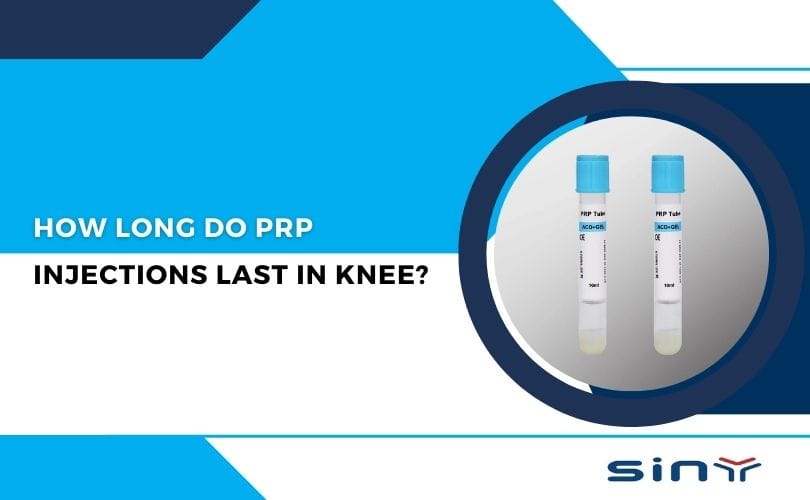
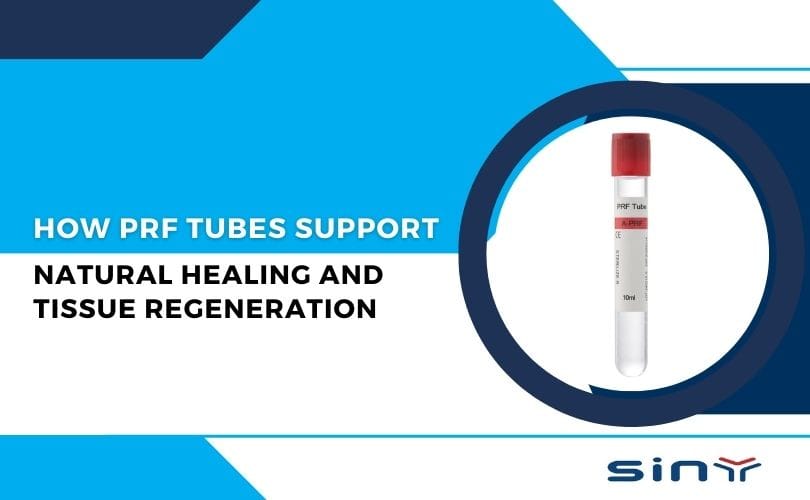
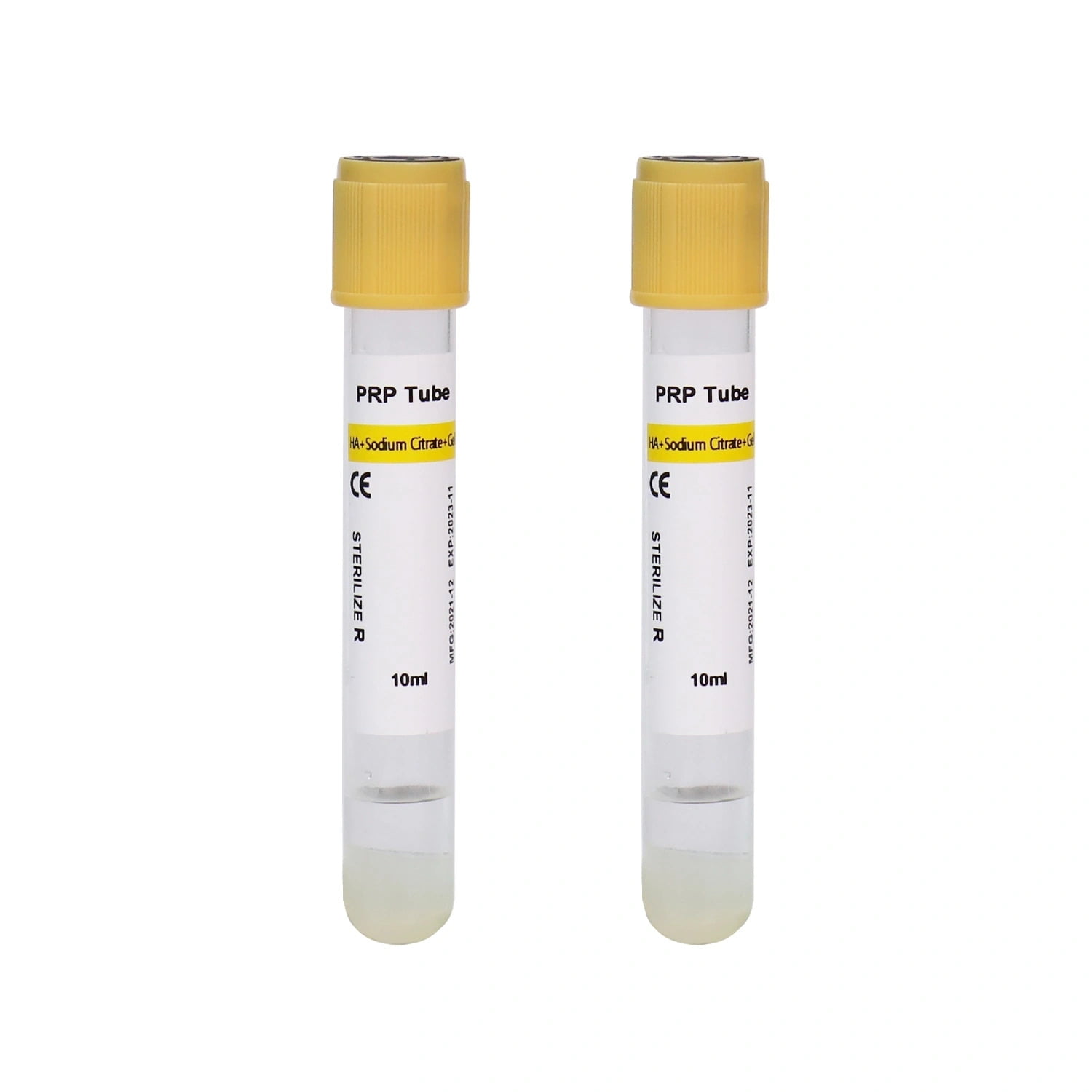
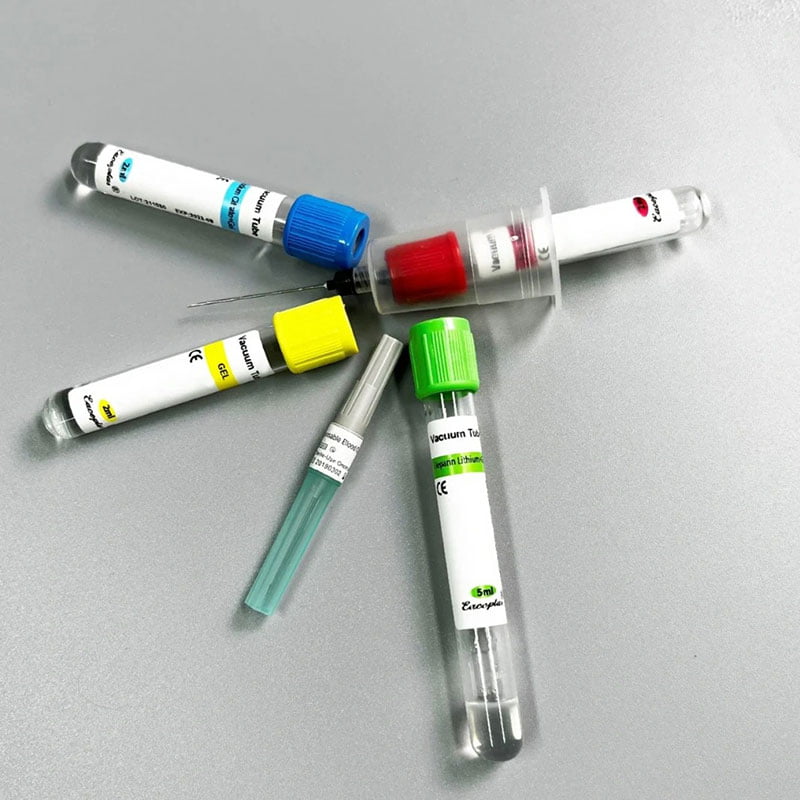
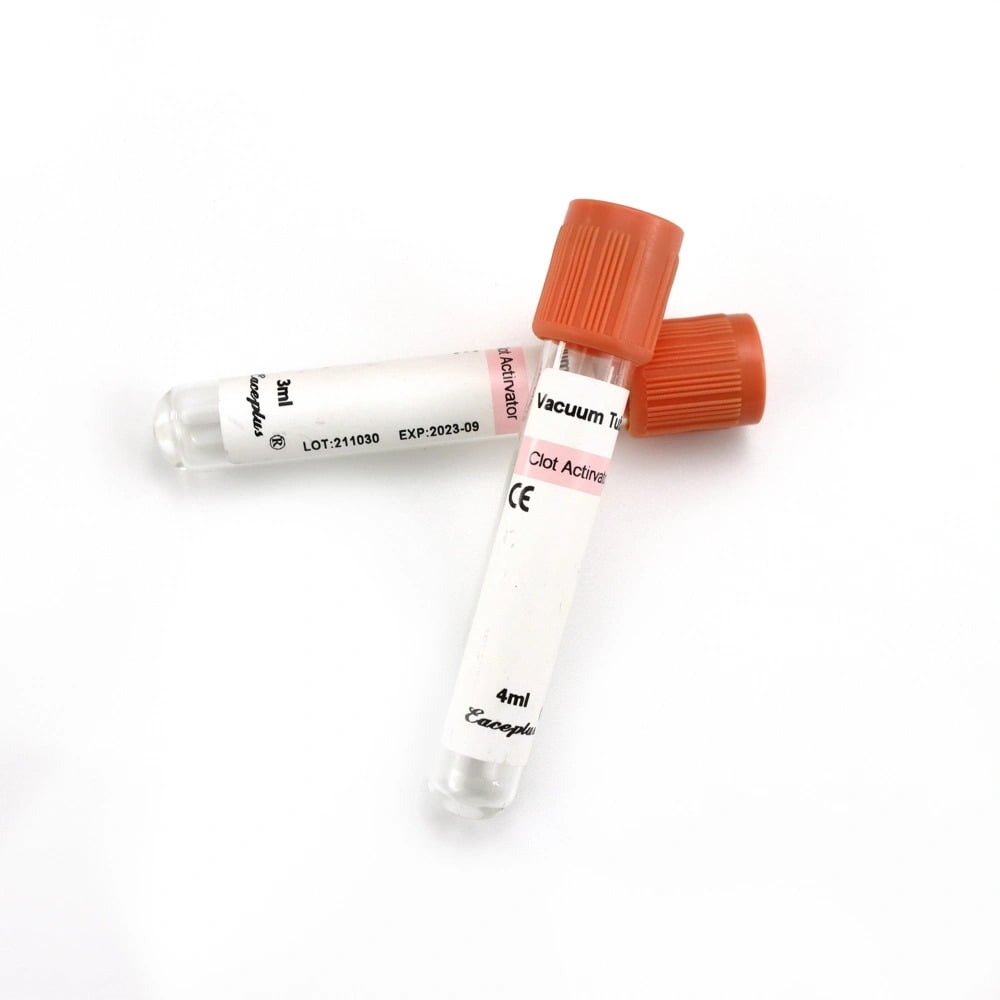
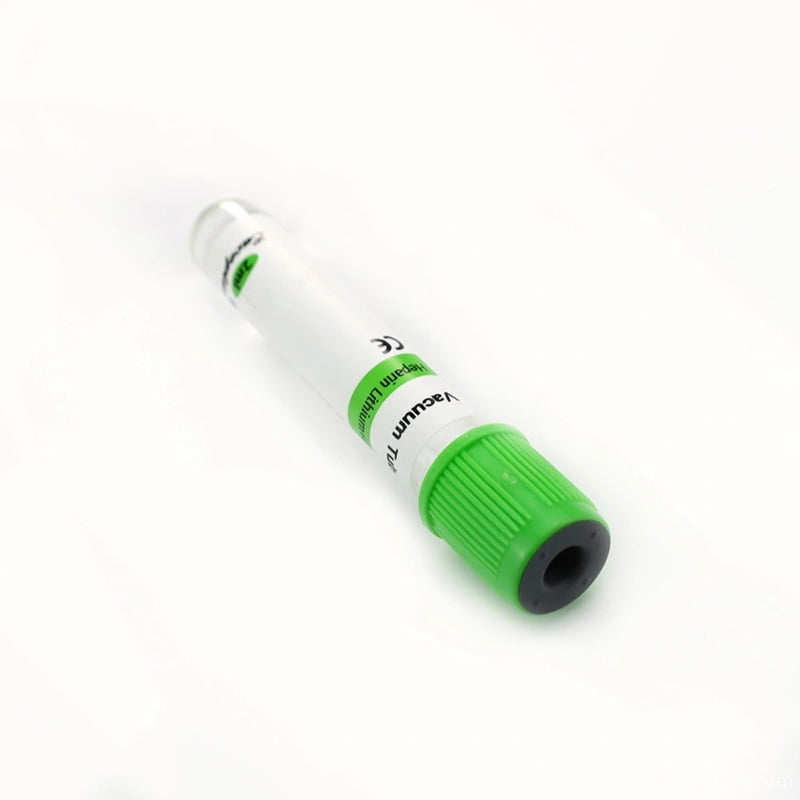
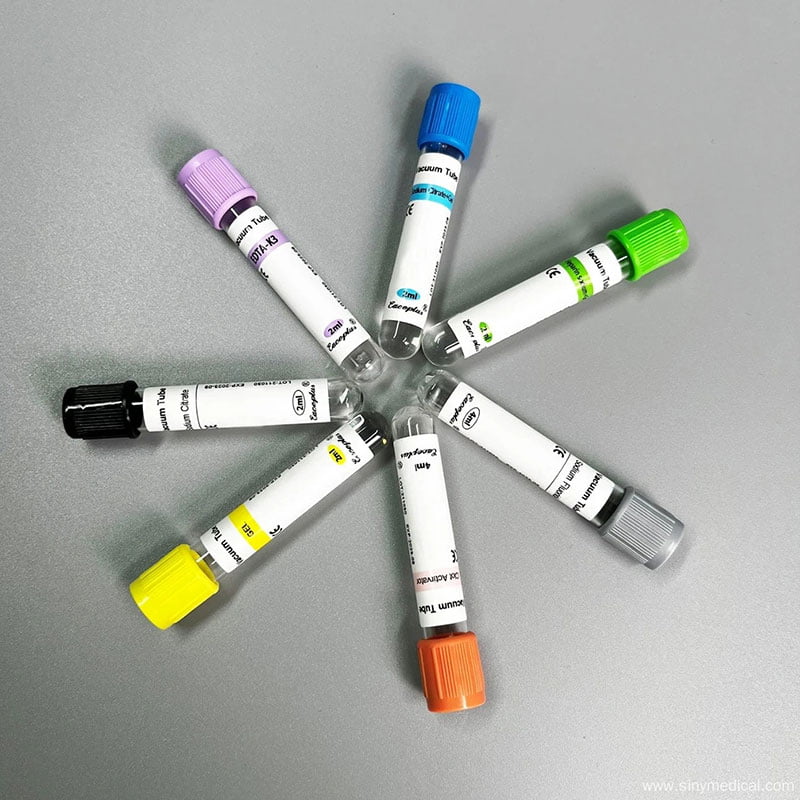
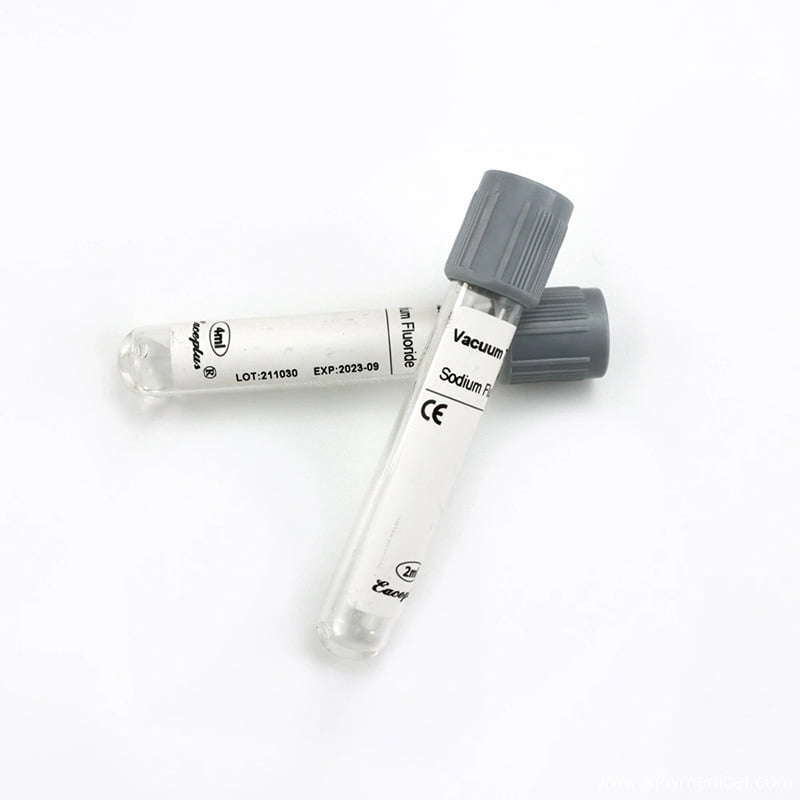
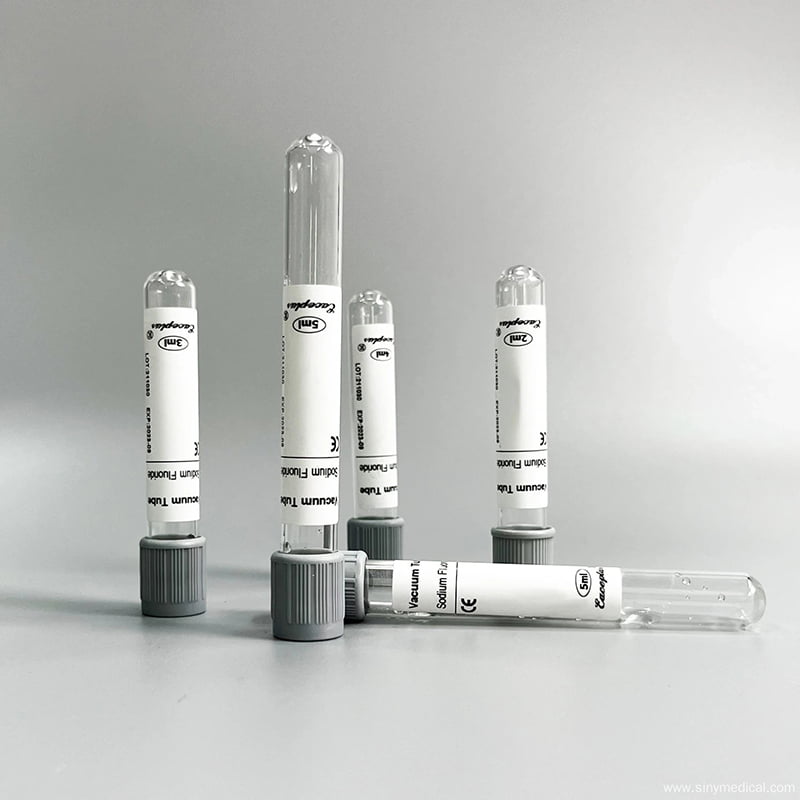
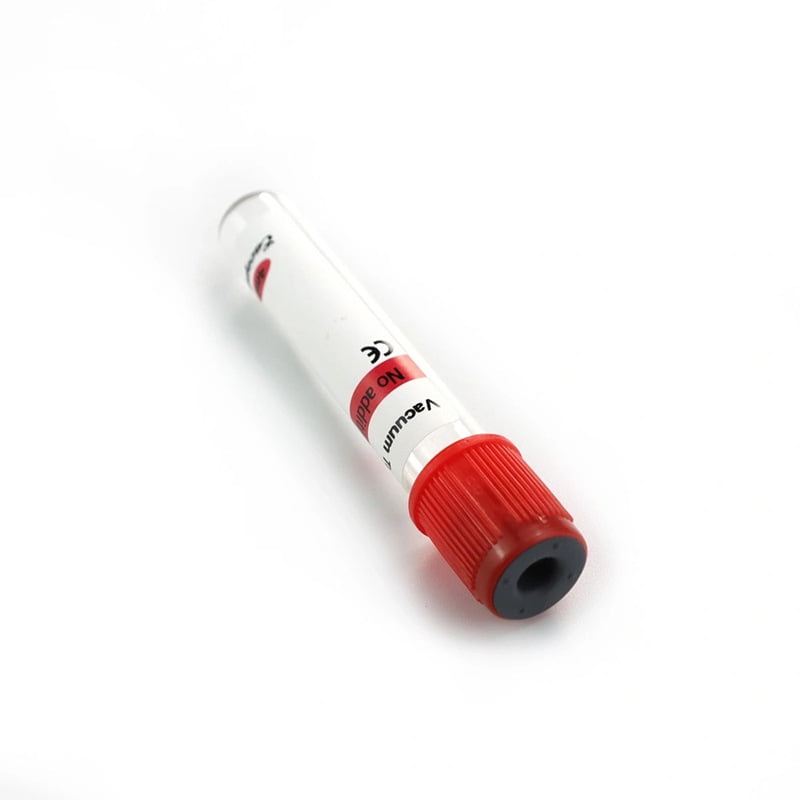
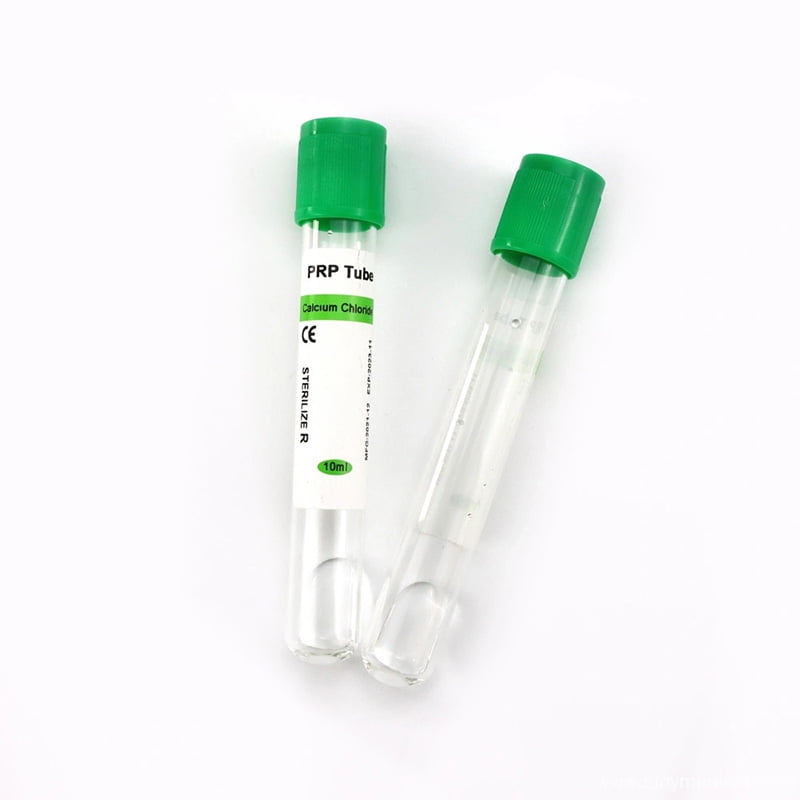
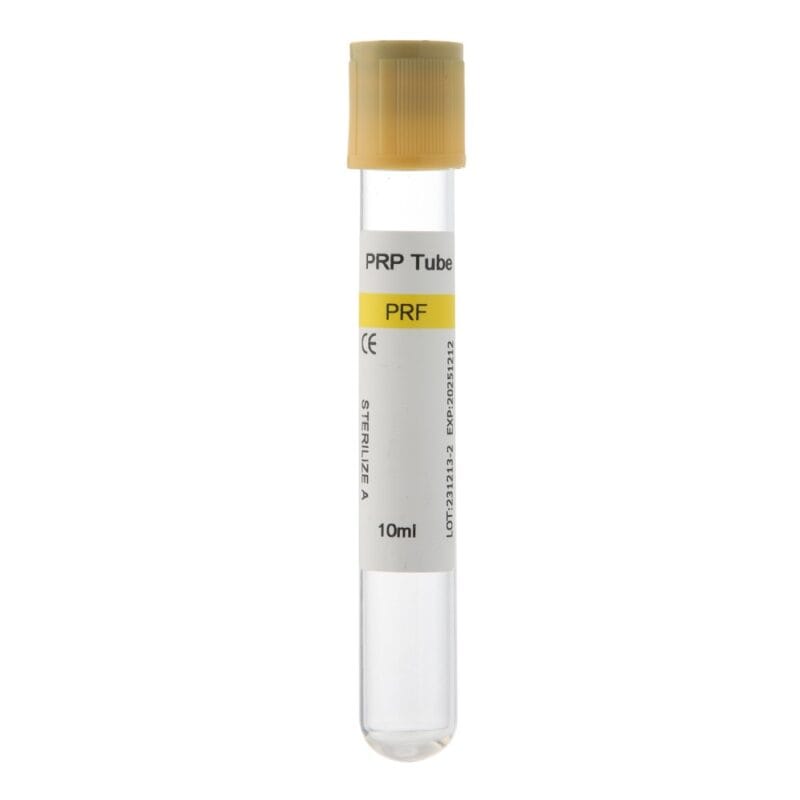
The choice of PRF tube impacts separation quality, platelet retrieval, fibrin density, and overall treatment results. The 10ml PRF tube for knee treatment offers the optimal blood volume required to produce a strong fibrin matrix.
You can review product specifications directly from Siny Medical:
or from their partner listing:
https://sinyprp.com/product/10ml-prf-tube-for-knee-treatment/
Key Advantages of Using a 10ml PRF Tube
The 10ml volume is preferred because:
- It yields enough PRF for injection into multiple intra-articular sites.
- The separation layer forms consistently, reducing preparation errors.
- It is ideal for orthopedic settings where more fibrin mass is required.
Many clinicians also appreciate that the 10ml size allows better control over centrifugation timing, which is important because PRF coagulation begins naturally within minutes.
The Science Behind PRF Knee Treatment
Being a regenerative therapy, PRF works by stimulating biological repair rather than masking symptoms.
Growth Factors Released by PRF
Studies show PRF releases key bioactive molecules, including:
- PDGF – promotes tissue regeneration
- VEGF – supports blood vessel formation
- TGF-β – regulates inflammation and cartilage production
- IGF-1 – repairs joint tissues
These factors are crucial when addressing knee injuries because the joint often struggles to regenerate on its own.
Fibrin Matrix: The Healing Scaffold
The fibrin mesh acts like a supportive structure that holds the platelets and growth factors in place. This slow-release system continuously nourishes the joint for up to 7 days.
Why PRF Works Better for Knees Than Other Options
Steroid injections only reduce inflammation.
Hyaluronic acid injections only lubricate the joint.
Pain medications only mask discomfort.
PRF, however, promotes actual tissue repair, addressing the root cause of knee pain.
How PRF Knee Treatment Is Performed
While procedures vary slightly depending on clinic protocols, the general process remains similar.
Step 1: Blood Collection
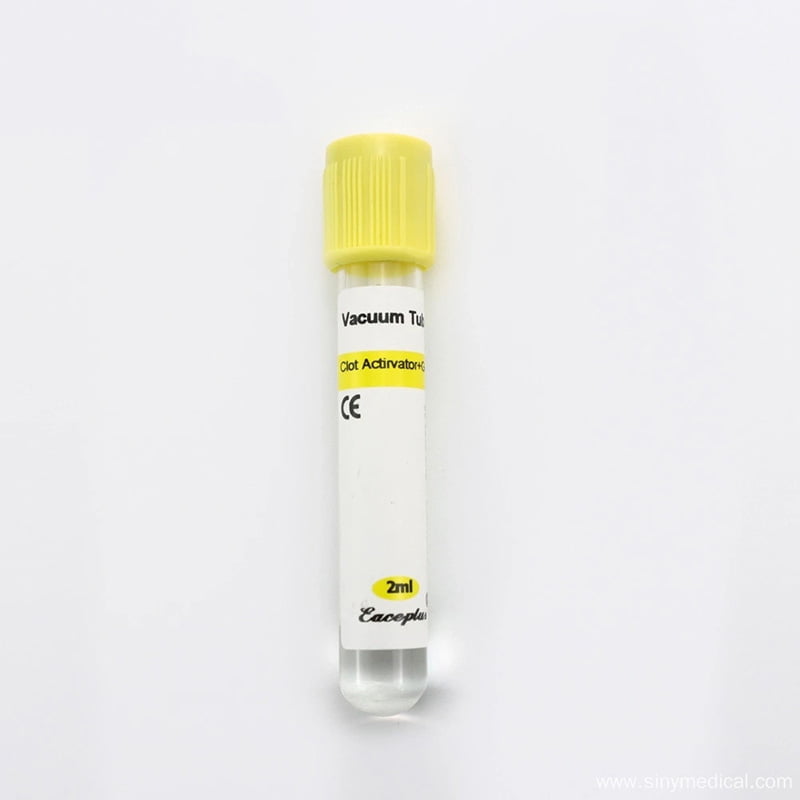
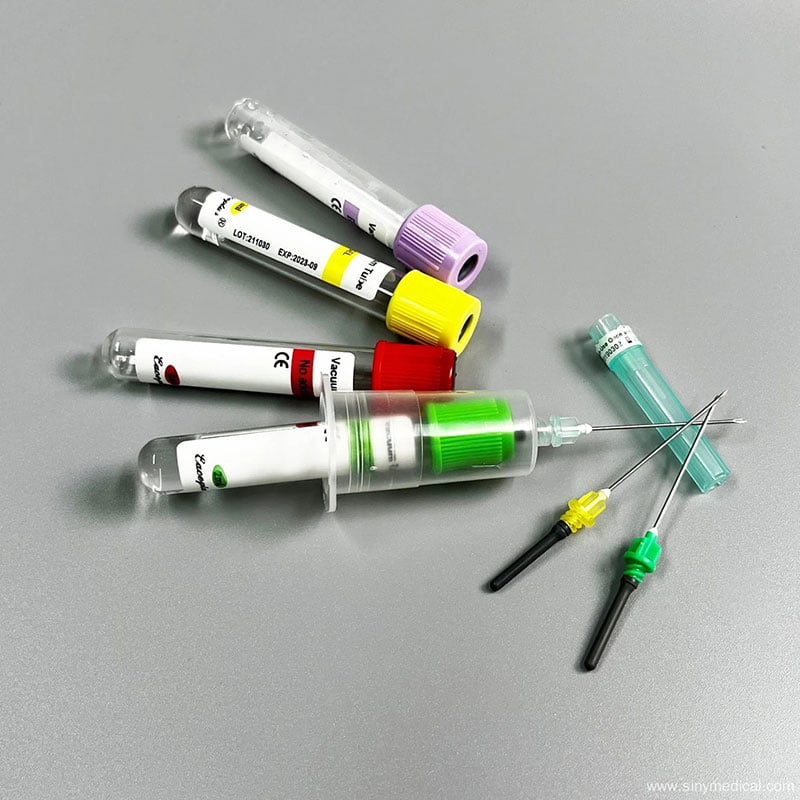
A small blood sample—usually 10–20ml—is taken using a sterile PRF tube. For orthopedic treatments, many practitioners use Siny Medical’s PRF tubes, available here:
Step 2: Centrifugation
The tube is placed in a centrifuge for a short and specific duration. As PRF contains no anticoagulants, clinicians must work quickly to ensure proper separation before fibrin formation begins.
Step 3: PRF Extraction
After centrifugation, the upper layer forms the PRF clot or injectable PRF used for knee treatment.
Medical professionals often appreciate the easy handling of 10ml PRF tubes because the separation layers are clearer and more stable.
Step 4: Injection Into the Knee
The PRF is injected directly into the affected area. The fibrin matrix then begins releasing growth factors gradually, reducing pain and encouraging tissue repair.
Comparing PRF to Other Knee Treatments
Below is a table comparing PRF with common knee treatment options:
| Treatment Type | Duration of Effect | Natural? | Regenerates Tissue? | Risk Level |
|---|---|---|---|---|
| PRF Knee Treatment | Long-lasting | Yes | Yes | Very Low |
| PRP | Moderate | Yes | Moderate | Low |
| Steroid Injection | 2–6 weeks | No | No | Medium |
| Hyaluronic Acid | 3–6 months | No | No | Low |
| Surgery | Permanent | No | Sometimes | High |
PRF stands out because it is natural, minimally invasive, and regenerative. This balance of safety and effectiveness is why orthopedic doctors around the world now integrate PRF into knee rehabilitation protocols.
Benefits of Using a 10ml PRF Tube for Knee Treatment
1. Enhanced Healing Process
The fibrin matrix in PRF releases growth factors gradually, ensuring a sustained healing effect. This is particularly beneficial for chronic knee conditions like osteoarthritis, where long-term tissue repair is essential.
2. Natural and Safe
Since PRF is derived from the patient’s own blood, there’s no risk of allergic reactions or infections. It’s a minimally invasive procedure that avoids the complications associated with surgery or synthetic medications.
3. Reduced Pain and Inflammation
PRF therapy has been shown to significantly reduce pain and inflammation in knee joints. Patients often report improved mobility and a better quality of life after treatment.
4. Cost-Effective Solution
Compared to surgical interventions, PRF Knee Treatment is more affordable and requires less downtime. It’s an excellent option for patients seeking effective relief without the high costs of surgery.
5. Versatile Applications
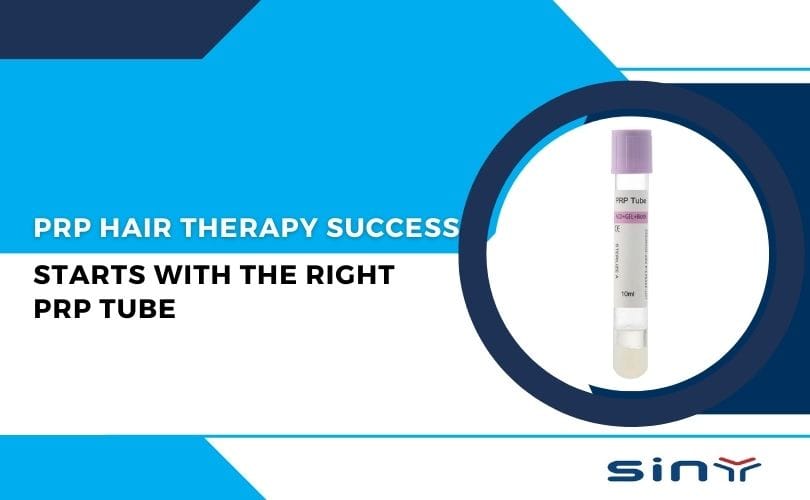
PRF isn’t just limited to knee treatment. It’s also used in dental procedures, hair restoration, and cosmetic treatments. For example, Sinymedical offers specialized PRF Tubes for Dental and PRF Tubes for Hair Treatment, showcasing the versatility of this technology.
Why Choose Sinymedical’s 10ml PRF Tube?
Sinymedical is a trusted name in regenerative medicine, offering high-quality PRF Tubes designed for optimal results. Their 10ml PRF Tube for Knee Treatment is engineered to ensure maximum platelet concentration and ease of use.
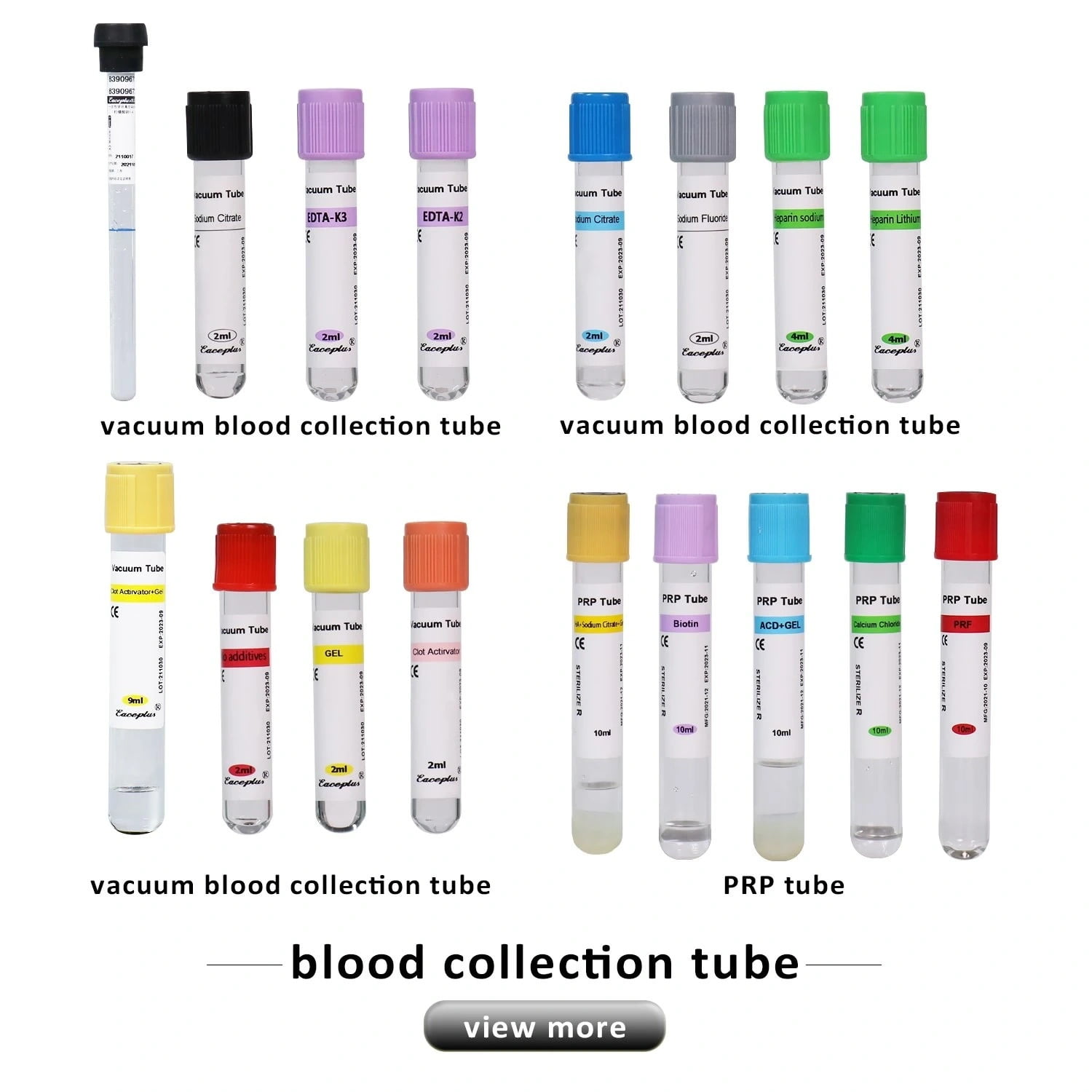
Sinymedical’s products are widely used in medical and aesthetic practices, making them a reliable choice for practitioners and patients alike. For more information, check out their Complete Guide to PRP Tubes, which provides detailed insights into PRF and PRP applications.
PRF vs. PRP: What’s the Difference?
While both PRF and PRP use platelet-rich components, PRF offers distinct advantages. PRF’s fibrin matrix provides a scaffold for tissue regeneration, releasing growth factors over a longer period. This makes PRF more effective for chronic conditions like knee osteoarthritis.
For a deeper dive into the differences, refer to this Wikipedia article on Platelet-Rich Plasma, which explains the science behind these therapies.
Summary
PRF knee treatment has become a leading regenerative solution for joint pain and orthopedic injuries. The natural, slow-release healing system provided by PRF enhances tissue repair, reduces inflammation, and improves knee mobility. Using the correct tube—especially the 10ml PRF tube for knee treatment—ensures optimal separation, higher platelet concentration, and stronger fibrin formation. For clinics that want consistent results, tube quality and proper handling are essential factors. With PRF’s growing popularity across medical fields, it stands as one of the safest and most effective ways to support long-term knee health.
FAQs
1. What is PRF knee treatment and how does it work?
PRF knee treatment uses a fibrin matrix rich in platelets to stimulate healing, and the sustained release of growth factors makes PRF knee treatment effective for long-term recovery.
2. Is PRF safer than PRP for knee therapy?
Yes. PRF contains no additives, which improves overall safety, and this makes PRF knee treatment an excellent choice for patients seeking natural results.
3. How long does it take to see results from PRF injections?
Most patients see improvement within 3–8 weeks, depending on their condition, and PRF knee treatment continues releasing growth factors for days after injection.
4. Can PRF help with severe arthritis?
PRF is most effective for mild to moderate arthritis, but many patients with severe degeneration also benefit from PRF knee treatment because it reduces inflammation and improves mobility.
5. How many sessions are needed for PRF knee therapy?
Most individuals require 1–3 sessions, and ongoing evaluation ensures PRF knee treatment delivers sustained improvements in pain and joint movement.