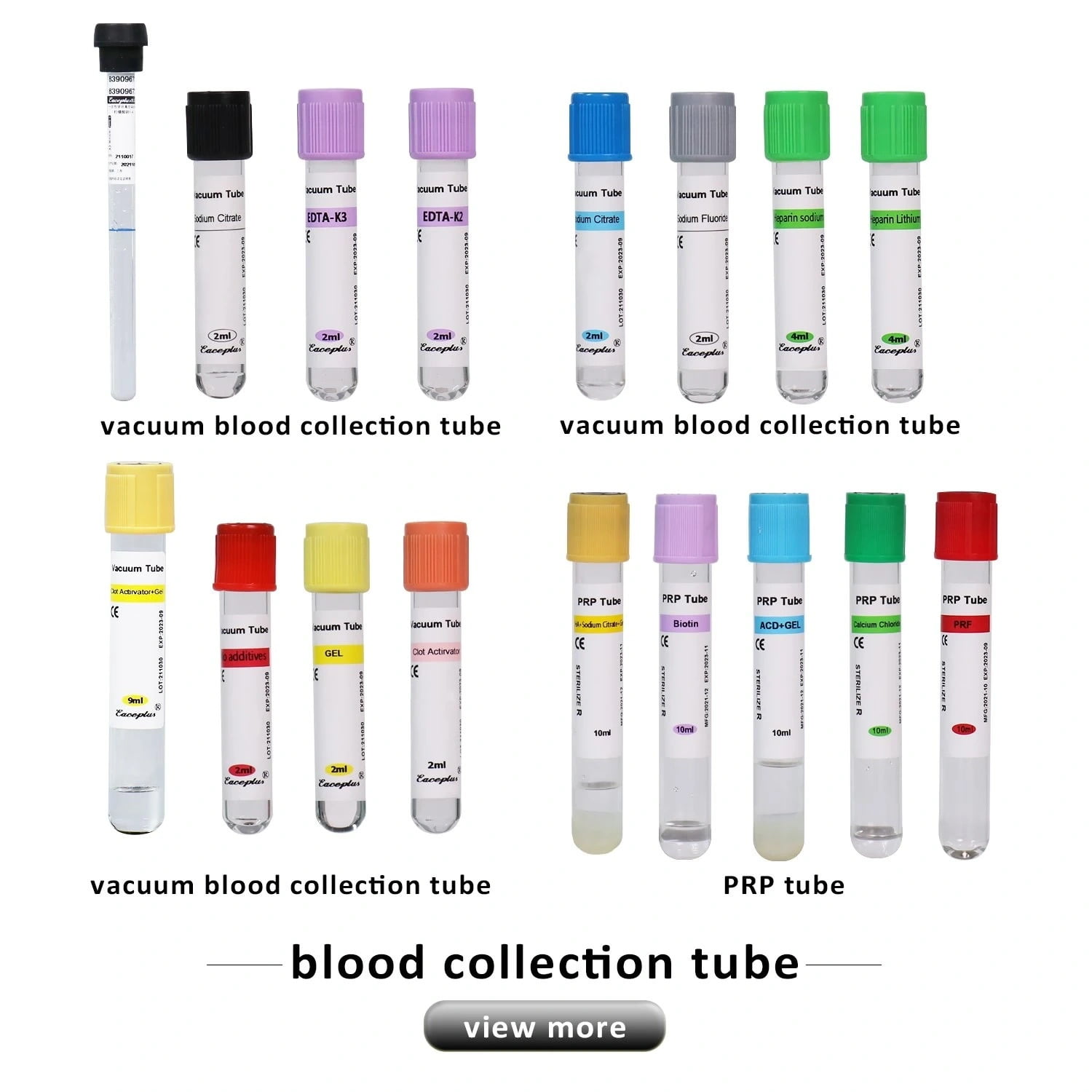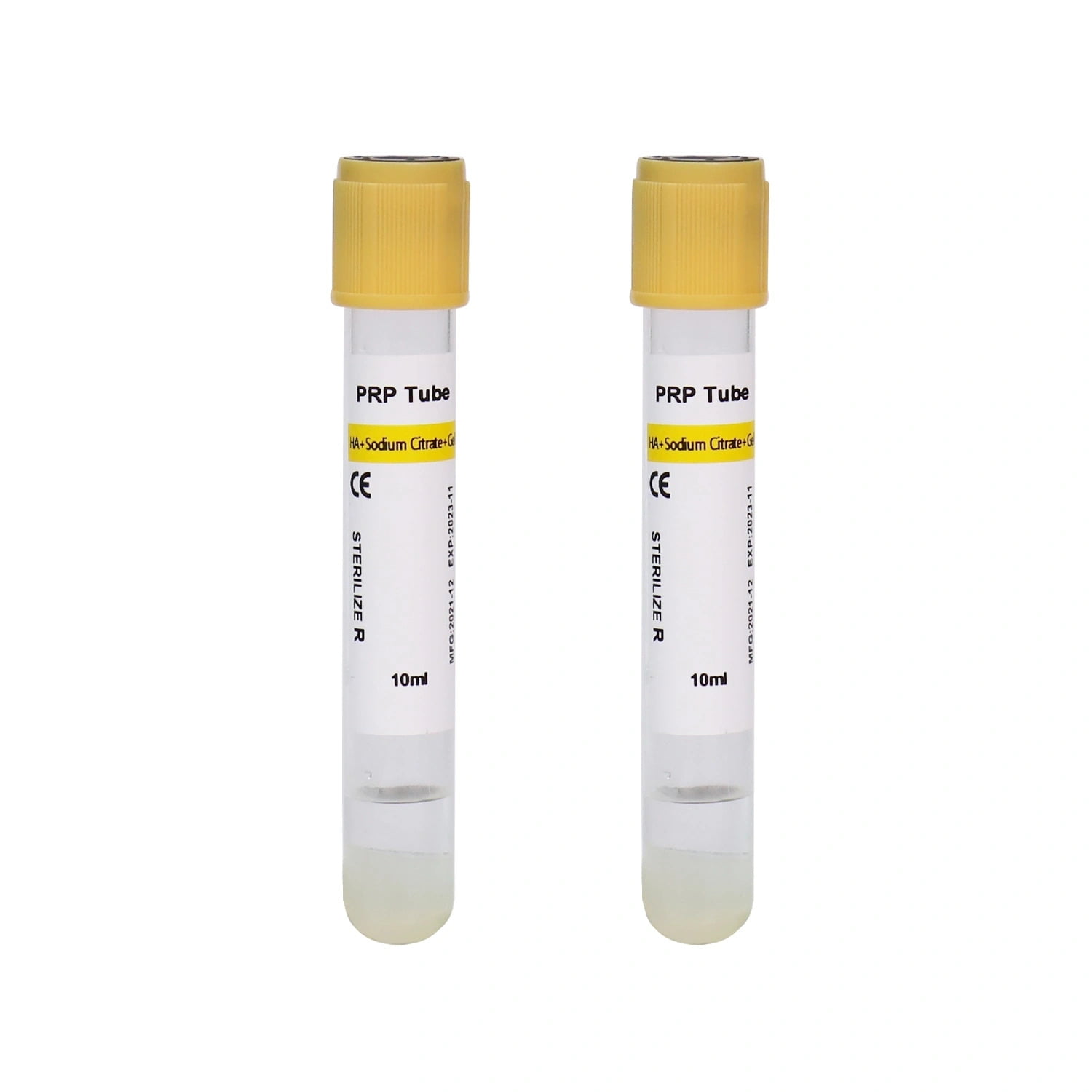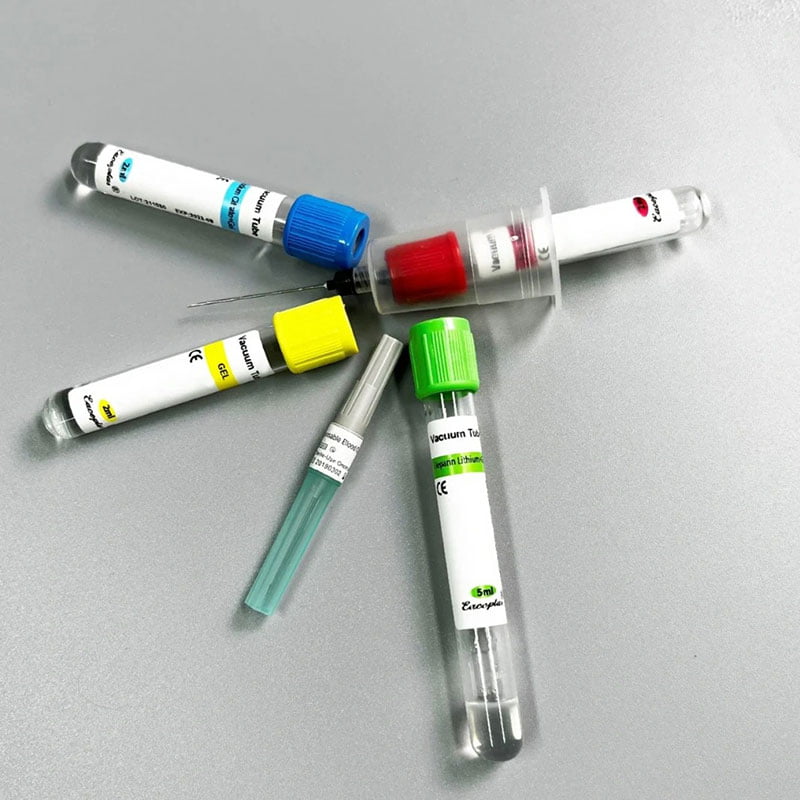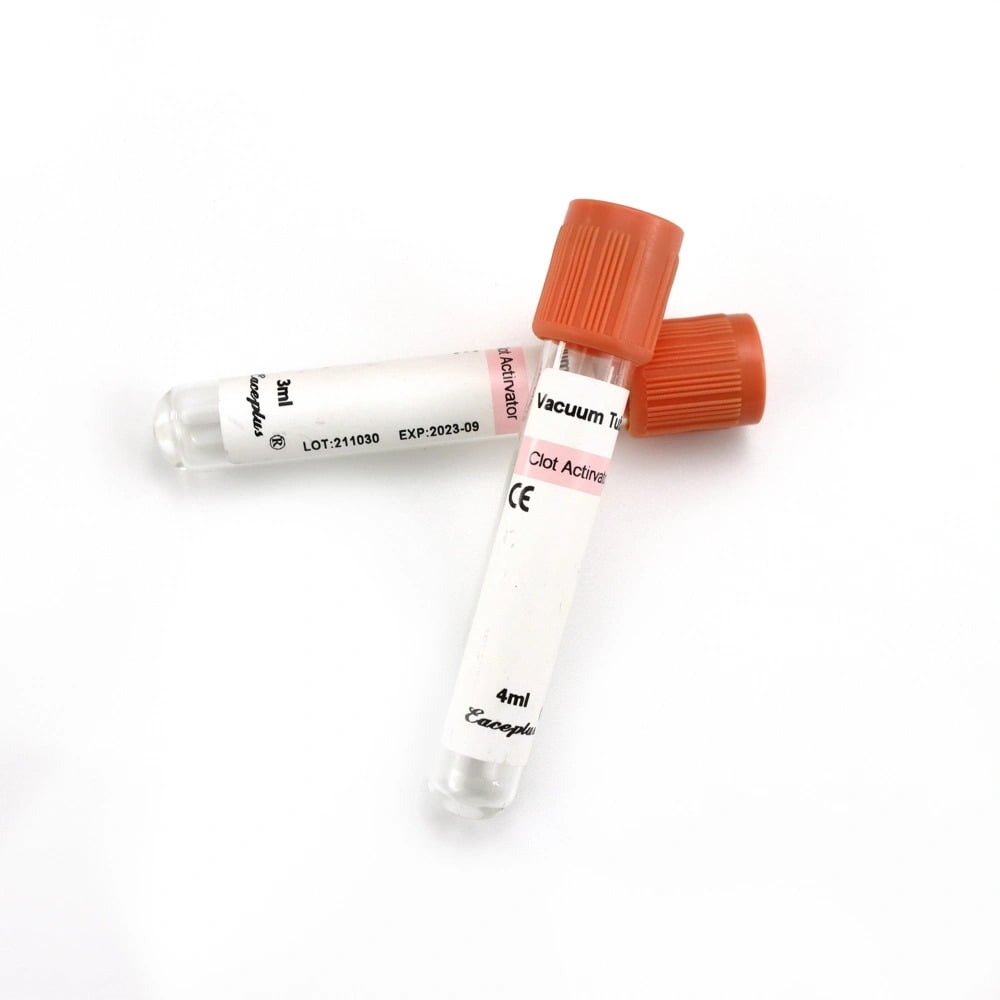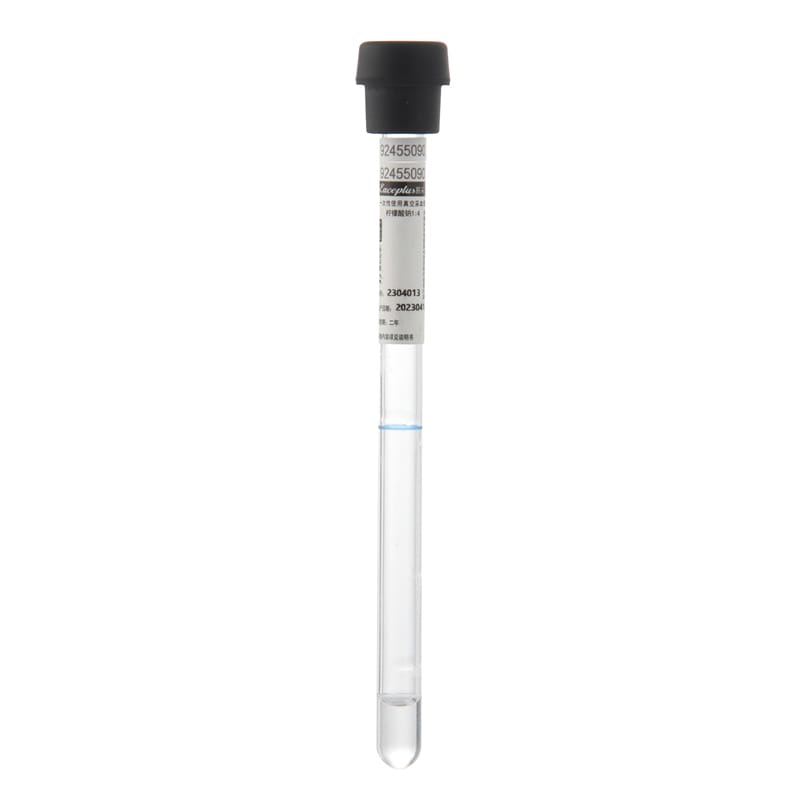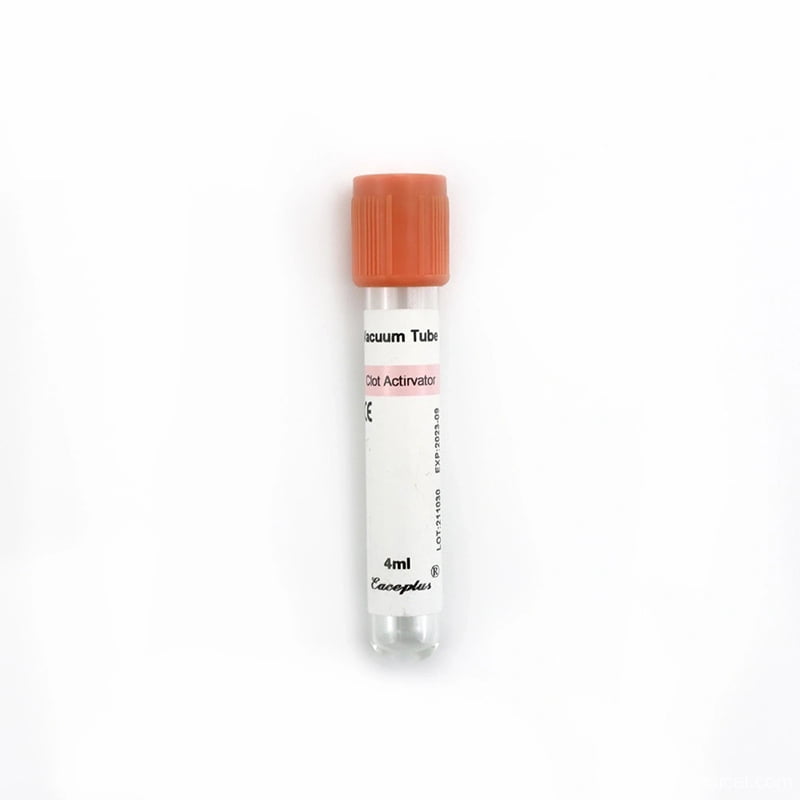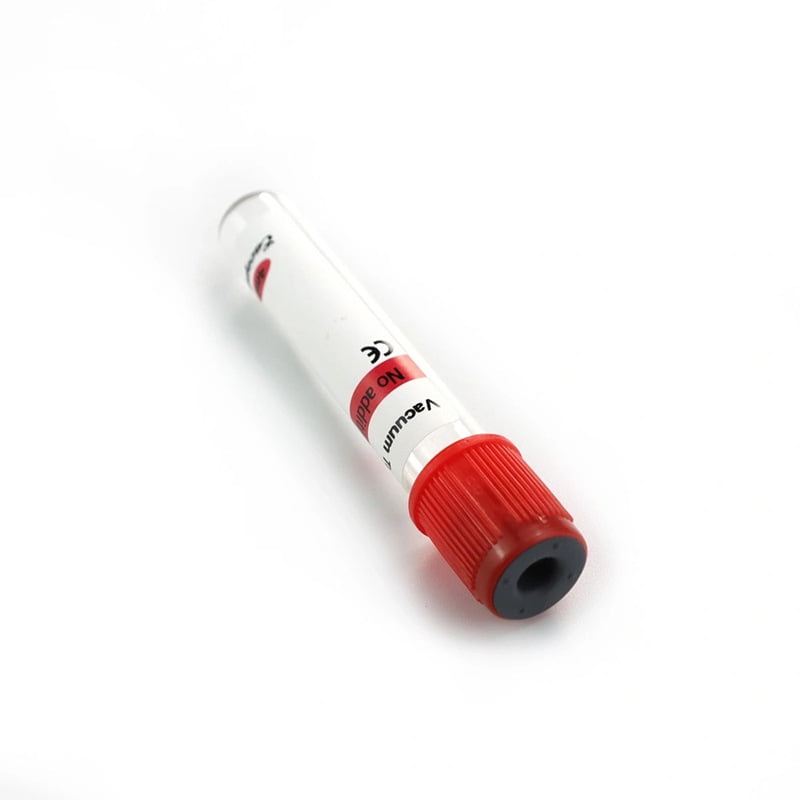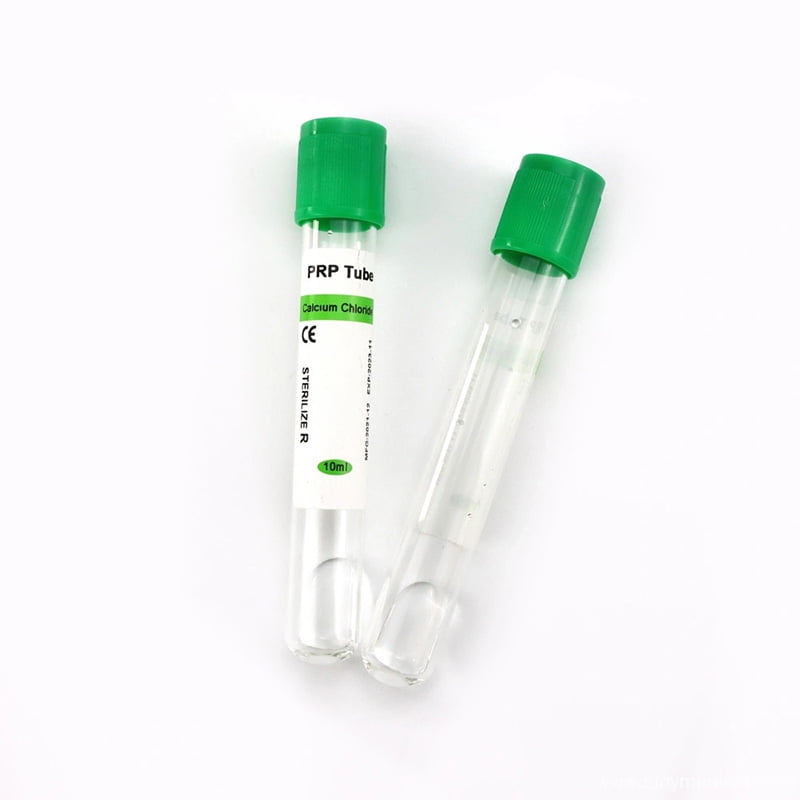

The Erythrocyte Sedimentation Rate (ESR) test is a foundational diagnostic tool in clinical laboratories worldwide, serving as a non-specific marker of inflammation. The accuracy and reliability of this test hinge significantly on the quality and material of the blood collection and sedimentation tubes used. For decades, Glass ESR Tubes were the standard, but modern plastic alternatives have introduced a compelling debate. At SINY Medical, a leading manufacturer of high-quality medical supplies, we understand that choosing the right equipment—such as the perfect blood collection tubes—is paramount for precise results.
This comprehensive guide delves deep into the comparison between traditional Glass ESR Tubes and contemporary plastic ESR tubes, analyzing their respective advantages, drawbacks, and the performance differences supported by research. Understanding these factors is essential for laboratory professionals aiming to maintain the highest standards in patient care and diagnostics.
Table of Contents
- 1 Understanding the ESR Tube and Its Critical Role
- 2 The Case for Glass ESR Tubes: The Traditional Gold Standard
- 3 The Rise of Plastic ESR Tubes: Safety and Efficiency
- 4 Performance Comparison: Glass vs. Plastic ESR Tubes in Clinical Practice
- 5 Choosing the Right ESR Tube: A Laboratory Decision
- 6 Why Are ESR Tubes Important in Medical Diagnostics?
- 7 Summary and Final Verdict
- 8 FAQs
- 8.1 Q1: Why were Glass ESR Tubes the traditional standard?
- 8.2 Q2: Does using a plastic ESR tube affect the test result?
- 8.3 Q3: Which material is safer for laboratory staff, glass or plastic?
- 8.4 Q4: What is the main drawback of plastic ESR tubes?
- 8.5 Q5: What anticoagulant is used in ESR tubes, and is it affected by the tube material?
Understanding the ESR Tube and Its Critical Role
The Erythrocyte Sedimentation Rate (ESR) measures the rate at which red blood cells (erythrocytes) settle in a column of blood over a specified time, typically one hour. This rate is influenced by plasma proteins (like fibrinogen and immunoglobulins), which increase in concentration during inflammation, causing red cells to clump together (rouleaux formation) and settle faster.

The ESR test is vital for monitoring inflammatory conditions such as rheumatoid arthritis, temporal arteritis, polymyalgia rheumatica, and monitoring response to therapy. Therefore, the integrity of the ESR tube—whether it’s a standard ESR tube or a specialized one—is non-negotiable for accurate results. To learn more about this essential diagnostic tool, read our article: What is ESR Tube?.
A key component of any ESR test is the anticoagulant, most commonly a 3.8% sodium citrate solution, used at a precise 1:4 ratio with the blood sample (often a 1:5 ratio with the total draw volume is seen). The correct concentration and mixing are fundamental. For detailed information on the chemistry involved, see: How ESR Tube Anticoagulants Work.
The Case for Glass ESR Tubes: The Traditional Gold Standard
Glass ESR Tubes, particularly those made from borosilicate glass, have been the historical reference material for the Westergren method. They are recognized for their excellent chemical inertness and stability, which minimizes the risk of interference with the sedimentation process.
Pros of Glass ESR Tubes
- Superior Chemical Inertness: Glass is non-porous and highly inert, meaning it does not react with the blood components, anticoagulant (sodium citrate), or additives. This is a critical advantage, as it ensures the chemical environment within the tube remains stable, which is essential for maintaining the integrity of the sample and the accuracy of the sedimentation rate.
- Reduced Gas Permeability: Glass has virtually no gas permeability, unlike some plastics. This is crucial for long-term vacuum retention and for preventing the dissolution of atmospheric gases, which could potentially affect the sedimentation rate or other plasma components if the sample is stored.
- Established Performance Data: The Westergren method, the international reference standard, was historically standardized using glass tubes. As a result, decades of clinical practice and research have established their baseline performance, making them the benchmark for comparison.
- Excellent Clarity and Visibility: High-quality glass offers exceptional optical clarity, which is vital for the precise visual reading of the plasma-red cell interface in manual methods.
- Reusability (in non-vacuum pipettes): While most modern Glass ESR Tubes for blood collection are single-use, the non-vacuum glass Westergren pipettes used for sedimentation in some labs are often designed to be cleaned, sterilized, and reused, offering a potential long-term value in specific settings.
Cons of Glass ESR Tubes
- Significant Breakage Risk (Safety Hazard): The most notable drawback of glass is its fragility. Glass tubes can shatter if dropped or subjected to stress, posing a significant biohazard risk from broken glass and spilled blood, leading to potential staff injury and sample loss.
- Heavier Weight: Glass tubes are heavier than plastic tubes, which can increase shipping costs and add logistical complexity, especially when dealing with large volumes of samples.
- Potential for Surface-Induced Clotting: Non-siliconized glass can activate the coagulation cascade on contact. Although ESR tubes contain an anticoagulant, this surface activation can be a theoretical concern, particularly in coagulation assays (though less so for the ESR test itself when correctly anticoagulated).
The Rise of Plastic ESR Tubes: Safety and Efficiency
Plastic blood collection tubes have progressively replaced glass in many laboratory disciplines due to their superior safety and handling characteristics. Modern ESR tubes are often made from materials like Polyethylene Terephthalate (PET) or Polypropylene (PP), engineered to optimize performance for the sedimentation test.
Pros of Plastic ESR Tubes
- Enhanced Safety (Shatter-Proof): This is the primary advantage of plastic tubes. They are shatter-resistant and flexible, drastically reducing the risk of breakage during handling, centrifugation, and transportation. This significantly improves safety for phlebotomists and lab personnel.
- Lightweight and Durable: Plastic tubes are lightweight, simplifying handling, reducing transport costs, and minimizing stress on automated laboratory equipment. Their durability also contributes to a more reliable sample workflow.
- Cost-Effectiveness (for High-Volume Labs): Although high-grade plastic can be costly, plastic tubes are often more budget-friendly in high-throughput settings due to lower manufacturing costs and the elimination of cleaning or sterilization processes.
- Suitability for Automation: Their consistent dimensions, lighter weight, and durable nature make plastic tubes ideal for robotic sample handling and automated ESR analyzers, such as the automated ESR system that utilizes a closed-tube system.
Cons of Plastic ESR Tubes
- Potential for Leaching and Adsorption: Certain plastics can leach low-molecular-weight organic substances into the blood sample, or conversely, cause the adsorption of plasma proteins onto the tube walls. While modern plastic formulations minimize this, it remains a theoretical concern for specific sensitive assays.
- Gas Permeability: Plastics like PET and PP can exhibit higher gas permeability than glass, which can potentially lead to a gradual loss of vacuum or evaporation of the liquid anticoagulant (like 3.8% Sodium Citrate) over extended storage, potentially affecting the precise blood-to-anticoagulant ratio. Manufacturers often address this with specialized dual-layer constructions.
- Minor Performance Discrepancies: Research has occasionally shown that some plastic tubes may yield slightly different ESR values compared to the glass Westergren reference method. Some studies, like one cited in the research literature, have found statistically significant but often not clinically significant differences, sometimes showing a slightly higher sedimentation rate in plastic pipettes versus glass. This requires labs to validate plastic tubes against their existing methods.
Performance Comparison: Glass vs. Plastic ESR Tubes in Clinical Practice
The transition from glass to plastic is driven by a trade-off between the unquestionable chemical inertness of glass and the superior safety of plastic. However, for the specific function of the ESR test, performance must be equivalent to the reference method.
Table 1: Key Performance and Practical Differences
| Feature | Glass ESR Tubes | Plastic ESR Tubes | Clinical Impact |
| Safety (Breakage Risk) | High Risk (Fragile) | Low Risk (Shatter-Resistant) | Plastic is superior, reducing biohazard and injury risk. |
| Chemical Inertness | Excellent (Reference Standard) | Very Good (Potential for minor leaching/adsorption) | Glass is the benchmark, but modern plastic is clinically acceptable. |
| Vacuum Stability | Superior (Low Gas Permeability) | Good (Higher Gas Permeability, often double-walled) | Glass may offer longer shelf-life and more stable anticoagulant ratio over time. |
| Cost | Generally Higher Initial Cost | Generally More Cost-Effective | Plastic is better for high-volume consumable use. |
| Automation Suitability | Less Ideal (Heavier, Prone to Breakage) | Excellent (Lightweight, Durable, Consistent) | Plastic is superior for automated analyzers. |
| ESR Test Results | Reference Method (Westergren) | May show minor statistical difference (often not clinically significant) | Labs must validate and calibrate plastic tubes against their reference method. |
| Disposal | Non-Hazardous Waste (if intact) | Non-Hazardous Waste (often incinerated) | Plastic is lighter and easier for disposal handling. |
Note on Accuracy: While some studies report a statistically higher sedimentation rate in plastic compared to glass, the majority of research concludes that for most routine clinical applications, the difference is not clinically significant. The key is using certifiedESR tubeproducts, like the4ml 3.8% Sodium Citrate Tubefrom reputable suppliers likeSINY Medical.
The Critical Anticoagulant Ratio
Regardless of the tube material, the accurate fill volume is crucial. The ESR test requires a precise ratio of whole blood to anticoagulant (3.8% sodium citrate).
- In Glass Tubes: The anticoagulant volume remains exceptionally stable due to the glass’s inertness and low permeability.
- In Plastic Tubes: Modern plastic tubes, particularly those from reputable manufacturers, are often designed with special coatings or materials (like a dual-layer of PET and PP) to minimize water vapor loss from the liquid anticoagulant. This engineering ensures the correct blood-to-anticoagulant ratio is maintained throughout the tube’s shelf life.
Choosing the Right ESR Tube: A Laboratory Decision
For laboratory managers and diagnostic professionals, the choice between plastic and Glass ESR Tubes is a strategic one, balancing safety, efficiency, and analytical performance.
| Scenario | Recommended Choice | Rationale |
| High-Throughput Labs | Plastic ESR Tubes | Superior safety, compatibility with automation, lighter weight, and cost-efficiency. |
| Manual Westergren Method | Glass ESR Tubes | Closest adherence to the traditional reference method and excellent optical clarity for manual reading. |
| Mobile Phlebotomy / Field Work | Plastic ESR Tubes | Unbreakable nature ensures sample integrity and personnel safety during transport. |
| Laboratories Standardizing to Automation | Plastic ESR Tubes | Seamless integration with automated ESR analyzers for improved turnaround time. |
| Specific Research Protocols | Glass ESR Tubes | For highly sensitive assays where maximum chemical inertness is the priority. |
For most modern clinical laboratories, the Plastic ESR Tube is the preferred choice, provided it has been rigorously validated and shown to be clinically equivalent to the traditional method. This trend underscores why manufacturers like SINY Medical focus on producing high-performance plastic blood collection tubes that prioritize both safety and analytical accuracy.
Why Are ESR Tubes Important in Medical Diagnostics?
The decision between plastic and glass is not just about material—it’s about the reliability of a key diagnostic marker. The ESR is more than a simple test; it’s a fundamental indicator of systemic inflammation and pathology. For a deeper dive into the clinical relevance of this test, explore our article: Why Are ESR Tubes Important in Medical Diagnostics?.
By selecting certified, quality ESR tubes—whether plastic or Glass ESR Tubes—laboratories ensure that the valuable information derived from the ESR test is accurate, providing clinicians with the necessary data to diagnose and monitor complex diseases. From the color code (What is the ESR Tube Color?) to the vacuum integrity, every aspect of the tube design contributes to the final, clinically actionable result.
Summary and Final Verdict
The evolution from Glass ESR Tubes to plastic tubes is a reflection of the medical industry’s push for improved safety and automation efficiency.
In conclusion, Glass ESR Tubes remain the inert reference standard, highly valued for their unparalleled chemical stability. However, modern Plastic ESR Tubes have demonstrated clinically acceptable performance while offering significantly better safety and logistical advantages. For the vast majority of today’s high-volume, automated clinical laboratories, the benefits of shatter-proof, lightweight plastic tubes—when sourced from a quality manufacturer and properly validated—outweigh the historical benefits of glass.
At SINY Medical, we are committed to providing medical professionals with the highest quality ESR tube products to meet their specific needs, whether you choose the traditional path or the modern, safer alternative.
If you have questions about which tube is right for your laboratory protocols, please contact SINY Medical. You can also watch our product videos on YouTube and visit our global product showcase at for a closer look at our blood collection solutions.
This blog is optimized for SEO and includes internal and external links to enhance readability and ranking. For more information on our products, visit Siny Medical’s Official Website or our Made-in-China Page.
FAQs
Q1: Why were Glass ESR Tubes the traditional standard?
A: Glass ESR Tubes were the standard because glass is an extremely inert material with minimal surface reactivity, meaning it does not interfere with the chemical composition of the blood sample or the anticoagulant.
Q2: Does using a plastic ESR tube affect the test result?
A: Research suggests that while there may be a minor, statistically significant difference in the sedimentation rate between some plastic and glass tubes, this difference is generally not clinically significant.
Q3: Which material is safer for laboratory staff, glass or plastic?
A: Plastic ESR Tubes are significantly safer than glass. Plastic is shatter-resistant and much less likely to break, which drastically reduces the risk of accidental needle-stick injuries and exposure to biohazardous materials from broken glass and spilled blood.
Q4: What is the main drawback of plastic ESR tubes?
A: The main drawback of plastic, such as PET or PP, is its higher gas permeability compared to glass. This can potentially lead to a gradual loss of vacuum or evaporation of the liquid anticoagulant over a very long shelf life, which could compromise the precise blood-to-anticoagulant ratio required for the ESR test. Reputable manufacturers mitigate this with advanced tube design, often using dual-layer plastics.
Q5: What anticoagulant is used in ESR tubes, and is it affected by the tube material?
A: The standard anticoagulant for the ESR test is 3.8% Sodium Citrate solution, used at a precise ratio of 1 part anticoagulant to 4 parts blood.